
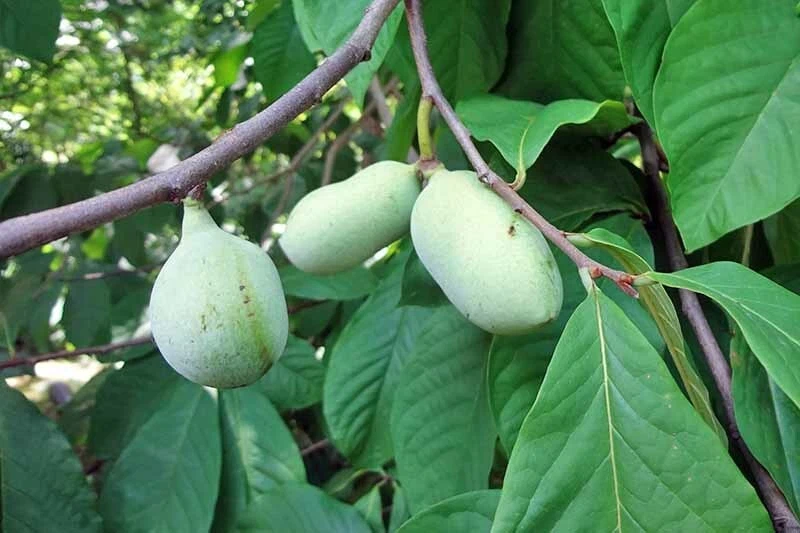
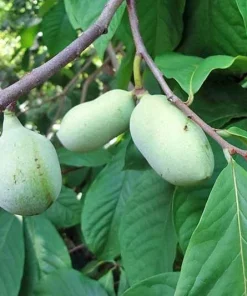
Paw Paw ‘Asimina triloba’ Tree Live Plant, 8-12 Inches Tall – Set of 2 Bare Root Seedlings
Original price was: $56.49.$36.49Current price is: $36.49.
Cultivate your own unique fruit with this set of two paw paw tree live plant seedlings. Each ‘Asimina triloba’ bare root plant measures 8 to 12 inches, ready to establish and grow into a fruit-bearing tree. Enjoy the sweet, custard-like fruit of the American paw paw tree in your own backyard.
Estimated arrival
Oct 15
Oct 20 - Oct 22
Oct 25 - Oct 29
Shop With Confidence
30-Day Plant Health Guarantee
Arrives damaged? We’ll replace it free — see our return policy.
Responsive Support
Email us anytime, we reply within 1 business day.
Expert Packaging
Temperature-controlled shipping to protect your plants in transit.
Secure Checkout
Pay safely with Visa, Mastercard, PayPal.
Plant Specifications
-
USDA Hardiness Zone
USDA Zones 5-8 -
Soil Type
Rich, well-draining soil -
Sunlight Exposure
Partial shade (young), Full sun (mature) -
Expected Planting Period
Spring to early summer
Overview
Embark on a rewarding gardening journey with this exceptional offering of a paw paw tree live plant. You will receive a set of two ‘Asimina triloba’ bare root seedlings, each measuring a healthy 8 to 12 inches in height, perfect for establishing in your garden. The Paw Paw, also known as the American paw paw tree, is a fascinating native North American fruit tree renowned for its delicious, custard-like fruit. These resilient trees are a wonderful addition to any landscape, providing both ornamental beauty and a unique culinary experience. Growing your own paw paws allows you to enjoy fresh, organic fruit with a flavor often described as a blend of banana, mango, and pineapple, right from your own yard. This particular variety, ‘Asimina triloba’, is the most common and widely appreciated species of paw paw, known for its robust growth and flavorful harvest.
The Paw Paw tree is not just about its fruit; it also offers attractive foliage and contributes to local ecosystems. These young plants are ideal for gardeners looking to introduce native species or cultivate unusual fruit varieties. With proper care, these paw paw tree live plant seedlings will mature into productive trees, enriching your garden for years to come. Their unique growth habit and seasonal interest make them a conversation starter and a valuable asset to any edible landscape or native plant garden. Prepare to enjoy the bounty of this remarkable, often overlooked, American native.
Key Benefits
Investing in a paw paw tree live plant offers a multitude of benefits, from delicious fruit to ecological contributions. These trees are a fantastic choice for gardeners seeking both beauty and productivity:
- Unique Fruit Production: Enjoy the rare and delicious paw paw fruit, often described as a tropical-tasting custard. This unique flavor profile is hard to find in commercial stores, making homegrown paw paws a special treat.
- Native American Tree: Support local biodiversity by planting the Asimina triloba tree, a native species that thrives in various climates and provides habitat and food for local wildlife.
- Low Maintenance Once Established: Paw paw trees are relatively low-maintenance once they are established, making them suitable for both experienced and novice gardeners. They are naturally resistant to many pests and diseases.
- Shade Tolerance (Young Plants): Young paw paw trees benefit from some shade, particularly in their first few years, making them ideal for understory planting or areas with dappled sunlight.
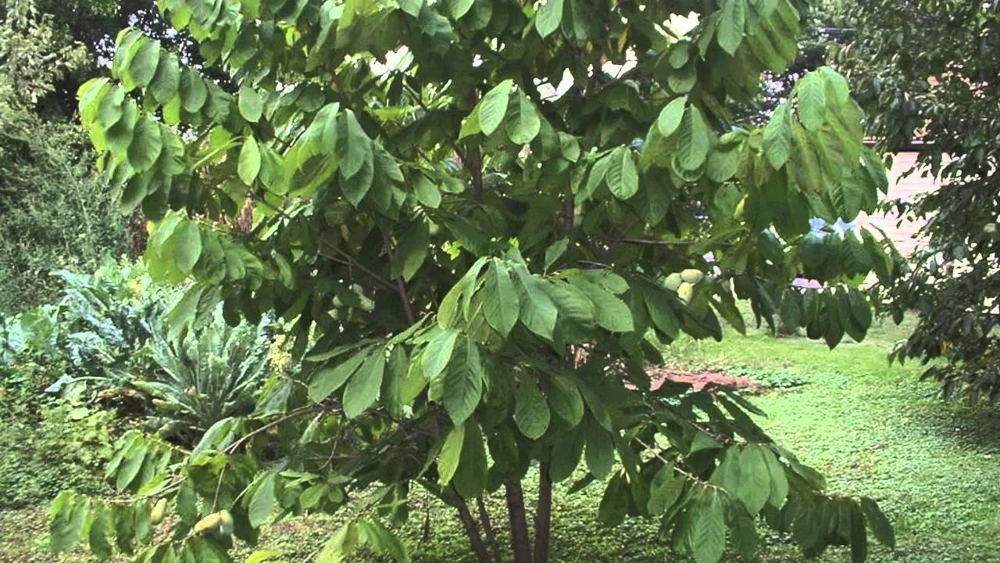
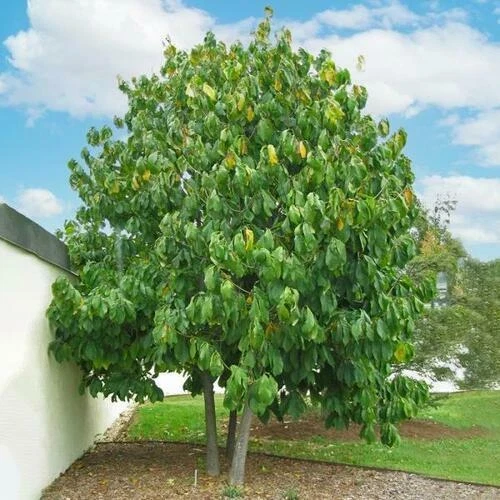
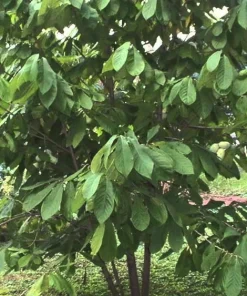
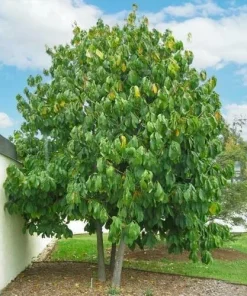
- Excellent for Edible Landscaping: Integrate these fruit trees into your landscape design for a beautiful and productive garden. The mature trees have an attractive pyramidal shape and lush green foliage.
- Ecological Value: The paw paw fruit tree supports the zebra swallowtail butterfly, whose larvae feed exclusively on paw paw leaves, contributing to a healthy ecosystem.
- Long-Term Investment: A well-cared-for paw paw tree can produce fruit for many decades, providing a long-term source of delicious, healthy food for your family.
Plant Care & Growing Tips
Caring for your paw paw tree live plant seedlings is crucial for their successful establishment and future fruit production. These trees prefer a specific set of conditions to thrive. For sunlight, young paw paw trees (especially bare root seedlings) require partial shade for their first 1-2 years to protect their delicate leaves from scorching. Once established, they can tolerate full sun, which is essential for optimal fruit production. Aim for at least 6-8 hours of direct sunlight for mature trees.
Watering is important, especially during the establishment phase. Keep the soil consistently moist but not waterlogged. Deep watering once or twice a week, depending on rainfall and temperature, is ideal. Good drainage is paramount; paw paws do not tolerate standing water. They prefer a rich, well-draining soil with a slightly acidic to neutral pH (5.5-7.0). Amending your soil with compost or other organic matter will greatly benefit their growth. The Asimina triloba tree is hardy in USDA zones 5-8, tolerating a wide range of temperatures, but protection from extreme cold might be necessary for very young plants in the lower end of their hardiness zone. Fertilize sparingly in the first year with a balanced, slow-release fertilizer, and then annually in spring with a fruit tree formula once the tree begins to establish.
Common problems for young paw paws often relate to transplant shock or improper watering. Ensure consistent moisture and provide shade initially. Once mature, these trees are quite resilient. Remember that paw paws require cross-pollination to set fruit, meaning you’ll need at least two genetically different trees to ensure a good harvest. This set of two seedlings increases your chances of successful pollination and a bountiful yield of delicious paw paw fruit tree. Regular pruning to maintain shape and remove dead or diseased branches will also promote healthy growth and air circulation.
Size & Details
This product includes a set of two paw paw tree live plant seedlings, each carefully selected for health and vigor. The bare root plants measure approximately 8 to 12 inches tall, representing a healthy seedling stage ready for planting. Paw paw trees are known for their moderate growth rate, typically reaching heights of 15 to 20 feet at maturity, with a spread of 10 to 15 feet, forming an attractive pyramidal or rounded canopy. They are shipped as bare root plants, meaning they are dormant and without soil around their roots, which is the ideal method for transplanting deciduous trees like the American paw paw tree.
Upon arrival, it is recommended to plant them as soon as possible. With proper care, these seedlings will begin to establish their root systems and show new growth in their first season. While paw paw trees can take several years to begin fruiting (typically 3-5 years from planting), the wait is well worth it for the unique and delicious harvest. This set of two bare root seedlings provides an excellent foundation for starting your very own paw paw patch, ensuring you have the necessary cross-pollination for fruit production. The mature paw paw tree for sale will provide an abundance of fruit. Expect the fruit to ripen in late summer to early fall, depending on your specific climate and growing conditions.
Frequently Asked Questions
- Q: How big does this plant get? A: Each paw paw tree live plant seedling you receive will be 8 to 12 inches tall. At maturity, a paw paw tree typically reaches a height of 15 to 20 feet with a spread of 10 to 15 feet, making it a medium-sized fruit tree.
- Q: Is this an indoor or outdoor plant? A: The Asimina triloba tree is an outdoor plant. While very young seedlings may benefit from temporary protection, they are deciduous fruit trees meant to be planted in the ground outdoors.
- Q: How much sunlight does it need? A: Young paw paw trees need partial shade for their first 1-2 years. Once established, they require full sun (6-8 hours daily) for best fruit production.
- Q: Is this plant easy to care for? A: Paw paw trees are relatively easy to care for once established. They are quite resilient and naturally resistant to many common pests and diseases, making the paw paw tree for sale a good choice for various levels of gardening experience.
- Q: What condition will it arrive in? A: Your paw paw trees will arrive as bare root seedlings, dormant and ready for planting. This is a common and effective method for shipping deciduous trees, ensuring minimal stress during transit.
- Q: How long until it blooms and produces fruit? A: Paw paw trees typically begin to bloom and produce fruit within 3 to 5 years after planting. Remember that you will need at least two genetically distinct trees for successful cross-pollination and fruit set.
- Q: What’s the minimum temperature this tree can tolerate? A: The American paw paw tree (Asimina triloba) is hardy in USDA Zones 5-8, meaning it can tolerate winter temperatures down to -20°F (-29°C) once mature and established.
- Q: What kind of soil does the paw paw fruit tree prefer? A: Paw paw trees thrive in rich, well-draining soil with a slightly acidic to neutral pH (5.5-7.0). Amending the planting site with organic matter like compost is highly beneficial.
- Q: How often should I water my young paw paw trees? A: Keep the soil consistently moist but not waterlogged, especially during the first few years. Deep watering once or twice a week, depending on weather conditions, is generally sufficient to encourage strong root development.
- Q: Can I grow a paw paw tree for sale in a container? A: While it’s possible to start paw paw trees in large containers, they are ultimately best suited for planting directly in the ground to allow for proper root development and mature growth.
Be the first to review “Paw Paw ‘Asimina triloba’ Tree Live Plant, 8-12 Inches Tall – Set of 2 Bare Root Seedlings”
People Also Viewed

Reviews
There are no reviews yet.