









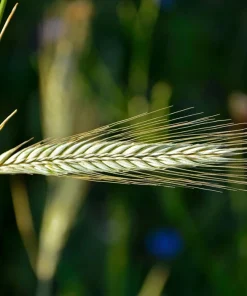
Wren’s Abruzzi Winter Rye Seeds – 300 Count – Cover Crop & Grain – Outdoor
Original price was: $36.99.$16.99Current price is: $16.99.
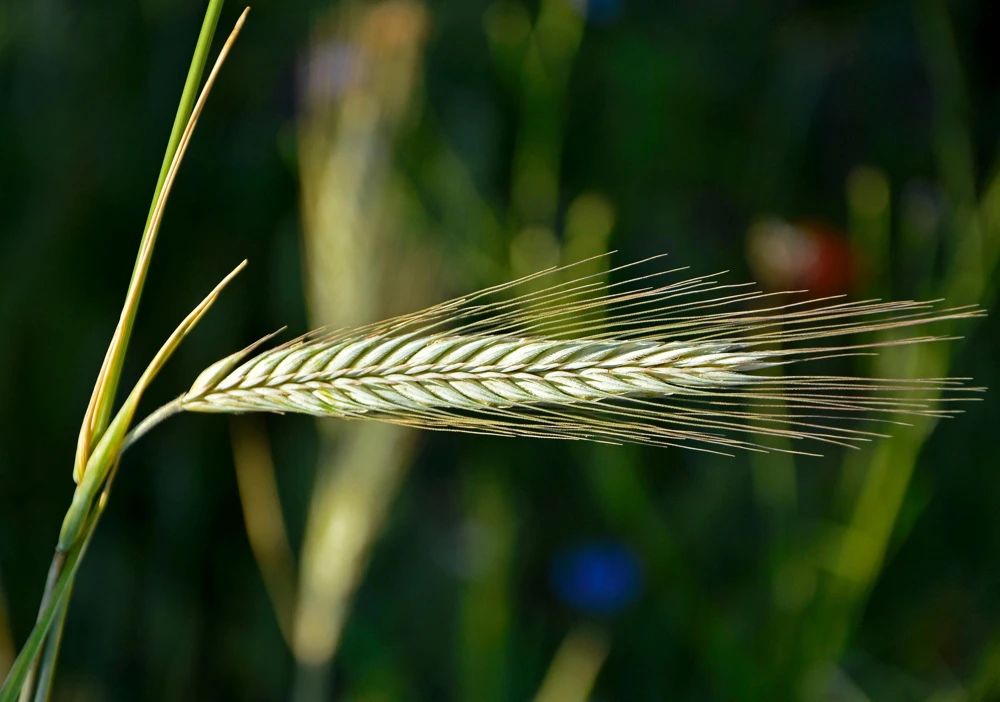
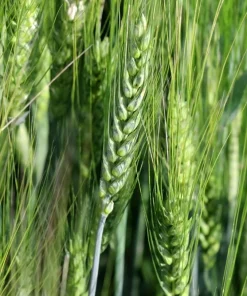
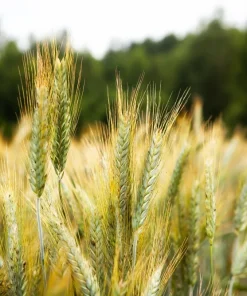
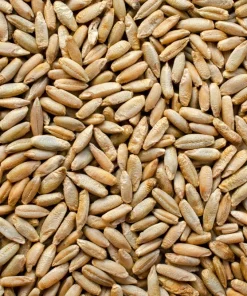
Cultivate Wren’s Abruzzi Winter Rye seeds, an heirloom variety of Secale Cereale seeds perfect for cover cropping or as a versatile grain. Each pack contains 300 Wren’s Abruzzi Winter Rye seeds, ideal for enhancing soil, controlling erosion, and providing a nutritious food source. Suitable for outdoor planting.
Estimated arrival
Sep 14
Sep 19 - Sep 21
Sep 24 - Sep 28
Shop With Confidence
30-Day Plant Health Guarantee
Arrives damaged? We’ll replace it free — see our return policy.
Responsive Support
Email us anytime, we reply within 1 business day.
Expert Packaging
Temperature-controlled shipping to protect your plants in transit.
Secure Checkout
Pay safely with Visa, Mastercard, PayPal.
Plant Specifications
-
USDA Hardiness Zone
unknown -
Soil Type
Average, well-draining soil -
Sunlight Exposure
Full sun -
Expected Planting Period
Outdoors after frost / Indoors weeks before last frost
Overview
Discover the versatility and benefits of Wren’s Abruzzi Winter Rye seeds, an exceptional choice for gardeners and homesteaders alike. This heirloom Italian variety, scientifically known as Secale Cereale seeds, offers a dual purpose as an outstanding cover crop and a highly nutritious grain. Each packet contains 300 Wren’s Abruzzi Winter Rye seeds, providing ample opportunity to establish a robust crop. Whether you’re looking to improve your soil health, suppress weeds, or grow your own cereal grain for culinary uses, this winter rye is an excellent solution. Its vigorous growth and adaptability make it a staple for sustainable gardening practices and a rewarding grain for various food preparations.
Winter rye cover crop is renowned for its ability to protect and enrich the soil during the colder months. It establishes quickly, forming a dense mat that prevents erosion and smothers unwanted weeds. Beyond its ecological benefits, Wren’s Abruzzi rye is a celebrated grain with a rich history, offering a unique flavor profile for baking, brewing, and other culinary applications. Its strong root system also helps to break up compacted soil, improving drainage and aeration for subsequent plantings. This makes growing winter rye a smart choice for long-term garden health and productivity.
Key Benefits
Incorporating Wren’s Abruzzi Winter Rye seeds into your garden plan offers a multitude of advantages, contributing to both environmental health and culinary delight:
- Soil Enhancement: As a superior winter rye cover crop, it significantly improves soil structure and fertility. Its extensive root system adds organic matter, enhances microbial activity, and helps retain essential nutrients, leading to healthier soil for future plantings.
- Weed Suppression: The dense growth of Secale Cereale seeds effectively outcompetes and suppresses weeds, reducing the need for manual weeding and chemical herbicides. This natural weed control is a cornerstone of organic gardening.
- Erosion Control: Planting Wren’s Abruzzi Winter Rye seeds provides excellent protection against soil erosion during heavy rains and winds, especially important during fallow periods, preserving your valuable topsoil.
- Versatile Culinary Grain: This heirloom variety is highly prized for its culinary uses. It can be harvested as a whole grain, used for sprouts, ground into flour for baking artisan breads and other goods, or malted for beverages, offering a unique flavor. Enjoy the satisfaction of using your own heirloom rye grain.
- Forage for Livestock: Beyond human consumption, growing winter rye provides valuable forage for livestock and wildlife, especially during cooler months when other food sources are scarce. Its quick regrowth makes it an efficient grazing option.
- Nitrogen Scavenging: Rye plants are excellent at scavenging residual nitrogen from the soil, preventing it from leaching away and making it available for the next crop, thus optimizing nutrient cycling.
- Pest and Disease Management: Some studies suggest that the presence of rye can help deter certain pests and diseases, contributing to a more resilient garden ecosystem.
Plant Care & Growing Tips
Successful growing winter rye from Wren’s Abruzzi Winter Rye seeds is relatively straightforward, making it an accessible option for most gardeners. For optimal results, plant outdoors after the last frost or indoors several weeks before the last frost for an earlier start. These plants thrive in full sun conditions, requiring ample light to reach their full potential. They are adaptable to average soil and water preferences, meaning they don’t demand highly specialized conditions, though well-draining soil will always yield better results. The plants typically reach a height of 48-60 inches, with a recommended spacing of 9-12 inches between plants to allow for proper development and air circulation. The bloom time is approximately 50 days, and while hardiness zones are often listed as N/A due to its reseeding nature, it generally performs well in various temperate climates.
When planting Secale Cereale seeds as a cover crop, broadcast the seeds evenly and lightly rake them into the soil, ensuring good seed-to-soil contact. Watering after planting helps initiate germination. For grain production, consider planting in rows to facilitate harvesting. Fertilization can be minimal as rye is known for its ability to scavenge nutrients, but a balanced, slow-release fertilizer can support vigorous growth in nutrient-poor soils. Common problems are rare with rye, as it is a hardy plant. However, ensure adequate drainage to prevent root rot in overly wet conditions. If you are aiming for an heirloom rye grain harvest, allow the plants to mature fully until the grains are hard and dry before cutting. For those interested in winter rye cover crop benefits, it can be tilled under in spring before it goes to seed, returning valuable organic matter to the soil.
Size & Details
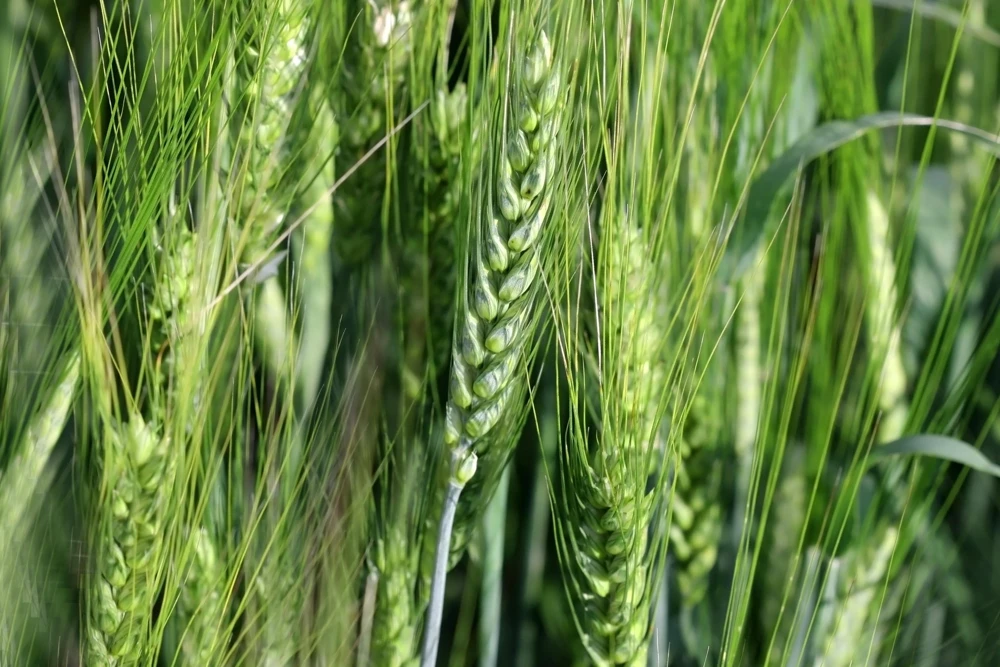
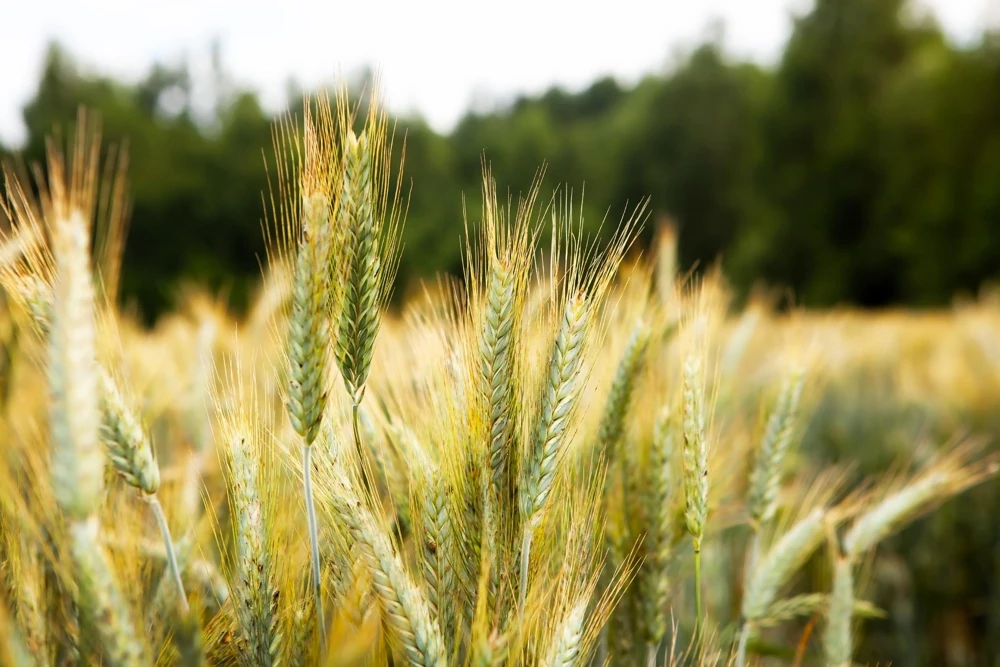
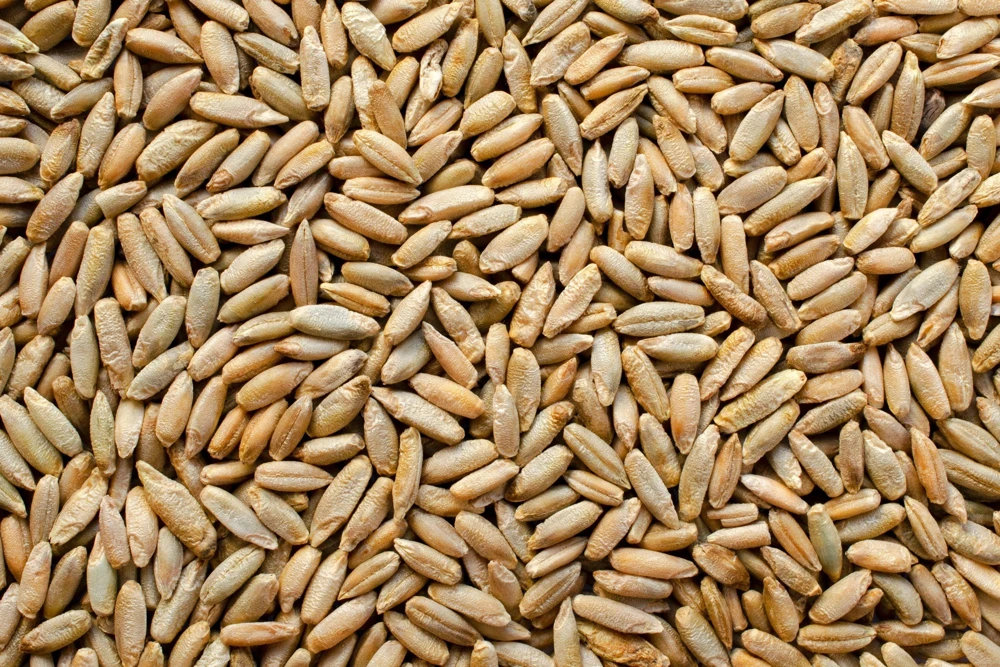
This offering includes 300 Wren’s Abruzzi Winter Rye seeds, providing a generous quantity for planting. Each seed has the potential to grow into a robust plant reaching an impressive height of 48 to 60 inches (4-5 feet). The recommended planting spacing is 9 to 12 inches apart, allowing individual plants to develop fully while forming a dense stand for cover cropping purposes. These Secale Cereale seeds are shipped as small, dry seeds, ready for planting. As an annual grain, it completes its life cycle within a season, with a bloom time of approximately 50 days from planting. This heirloom variety is known for its strong, upright growth and abundant grain production, making it an excellent choice for both ecological benefits and culinary yields. The plants will produce a green foliage that transitions to a tan color as the grain matures. The quantity of 300 seeds is ideal for small to medium-sized garden plots or for those looking to experiment with growing winter rye for the first time.
Frequently Asked Questions
- Q: How many Wren’s Abruzzi Winter Rye seeds are included in this package? A: Each package contains 300 seeds, providing a sufficient quantity for various planting needs, whether for cover cropping or grain production.
- Q: What is the ideal planting time for winter rye cover crop? A: These seeds can be planted outdoors after the last frost in spring, or you can start them indoors several weeks before the last frost for an earlier establishment. They are known for thriving in cooler temperatures.
- Q: How tall does Wren’s Abruzzi Winter Rye grow? A: This variety typically grows to a height of 48 to 60 inches (4-5 feet), forming tall, sturdy stalks that are excellent for both cover cropping and grain harvesting.
- Q: Can these Secale Cereale seeds be used for human consumption? A: Yes, this is an heirloom Italian variety known for its culinary versatility. The grain can be used whole, for sprouts, ground into flour for baking, or even malted for beverages. It is a true heirloom rye grain.
- Q: What kind of sunlight does growing winter rye require? A: Wren’s Abruzzi Winter Rye thrives in full sun conditions, meaning it needs at least 6-8 hours of direct sunlight per day for optimal growth and grain development.
- Q: Is this plant good for improving soil? A: Absolutely. As a winter rye cover crop, it is excellent for controlling erosion, suppressing weeds, and enhancing soil fertility by adding organic matter and scavenging nutrients.
- Q: What are the water and soil preferences for this rye? A: It prefers average soil and water conditions. While adaptable, well-draining soil is recommended to prevent waterlogging, and consistent moisture (but not overly wet) will support healthy growth.
- Q: Is this a perennial plant? A: No, rye is typically grown as an annual. However, it can reseed itself in favorable conditions, giving the impression of being perennial, but individual plants complete their life cycle within a season.
- Q: When is the best time to harvest the grain? A: For grain harvest, allow the plants to mature fully until the grains are hard and dry. This usually occurs after approximately 50 days from bloom time, depending on local conditions.
- Q: Can I use this for grazing animals? A: Yes, rye is an excellent forage crop and can be grazed by livestock. Its quick regrowth makes it a good option for rotational grazing.
Be the first to review “Wren’s Abruzzi Winter Rye Seeds – 300 Count – Cover Crop & Grain – Outdoor”
People Also Viewed




Aquatic Plant Seeds
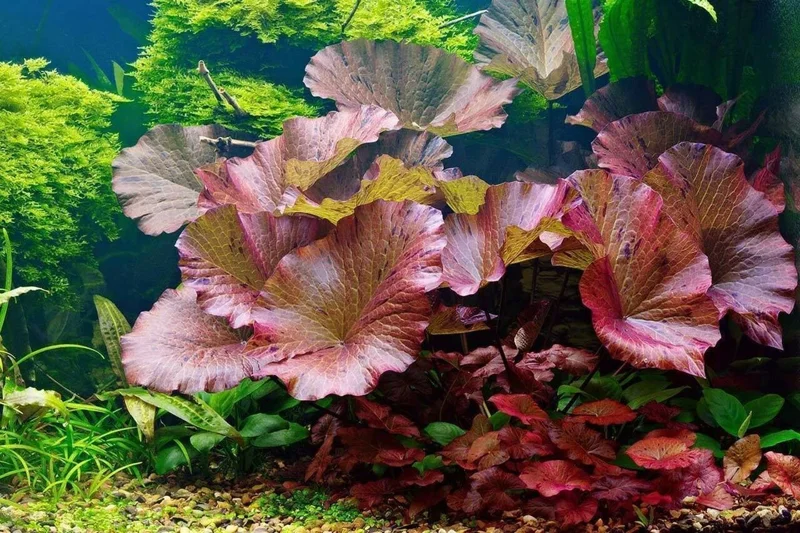
Red Tiger Lotus Water Lily Plant Seeds – 3 Pcs for Aquarium & Pond






Reviews
There are no reviews yet.