
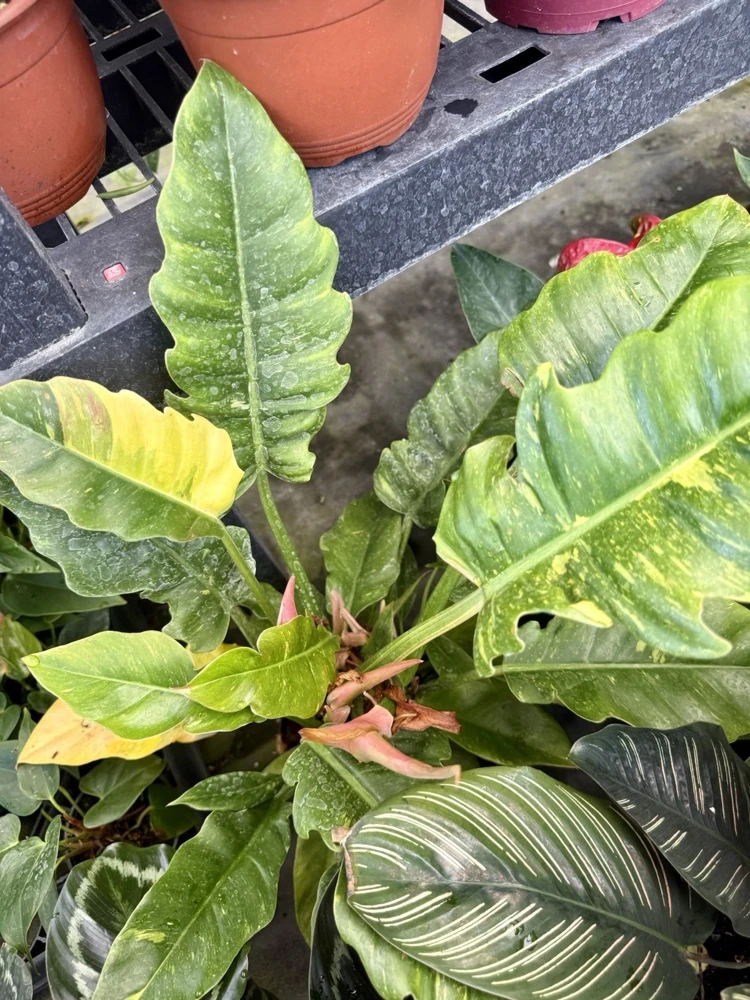
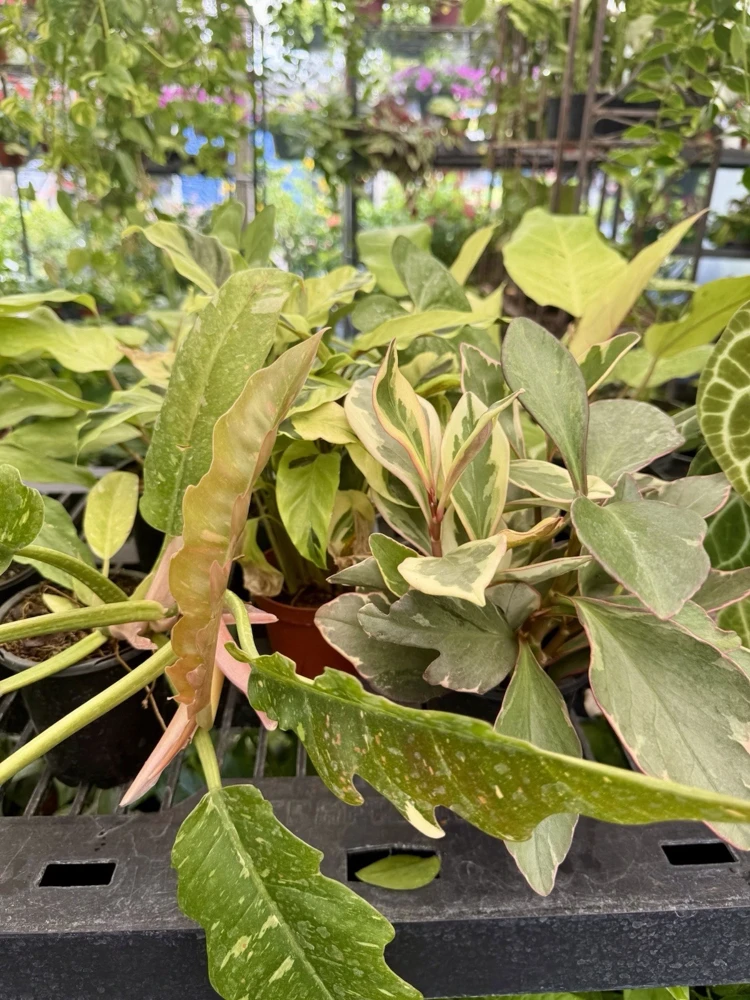
Philodendron Ring of Fire Live Plant – Rare Variegated Houseplant – Tropical Aroid
Original price was: $60.99.$49.99Current price is: $49.99.
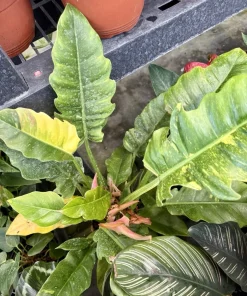
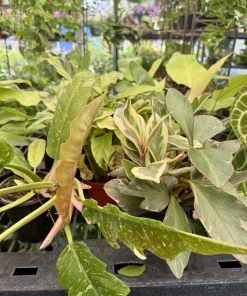
Bring exotic beauty into your home with a philodendron ring of fire live plant. This rare variegated philodendron showcases stunning, flame-like variegation, making it a captivating addition to any indoor plant collection. Ideal for tropical plant enthusiasts.
Estimated arrival
Oct 27
Nov 01 - Nov 03
Nov 06 - Nov 10
Shop With Confidence
30-Day Plant Health Guarantee
Arrives damaged? We’ll replace it free — see our return policy.
Responsive Support
Email us anytime, we reply within 1 business day.
Expert Packaging
Temperature-controlled shipping to protect your plants in transit.
Secure Checkout
Pay safely with Visa, Mastercard, PayPal.
Plant Specifications
-
USDA Hardiness Zone
year-round indoors -
Soil Type
well-draining aroid mix -
Sunlight Exposure
bright indirect light -
Expected Planting Period
year-round indoors
Overview
Introducing the magnificent philodendron ring of fire live plant, a true jewel for any plant enthusiast or collector. This extraordinary tropical aroid is celebrated for its breathtaking variegated foliage, which displays a vibrant spectrum of colors ranging from deep green to fiery orange and red. Each leaf is a unique work of art, with splashes and streaks of color that resemble dancing flames, hence its evocative name. The Philodendron ‘Ring of Fire’ is a hybrid variety, known for its slow but steady growth and its ability to add a dramatic focal point to any indoor space. Its unique appearance makes it a highly sought-after specimen, promising to elevate your plant collection with its rare and exotic charm.
Cultivating a philodendron ring of fire live plant offers a rewarding experience, as you watch its intricate patterns unfold with each new leaf. This plant is not just a decorative item; it’s a living piece of art that continuously evolves. Its robust nature, combined with its striking aesthetics, positions it as a must-have for both novice and experienced growers looking to add a touch of the extraordinary to their homes. The Philodendron genus is renowned for its diversity and beauty, and the ‘Ring of Fire’ stands out as one of its most impressive members, embodying the allure of tropical flora.
Key Benefits
The philodendron ring of fire live plant offers numerous benefits beyond its undeniable beauty, making it an excellent choice for enhancing your indoor environment. Its presence can significantly uplift the aesthetic and ambiance of any room.
- Stunning Variegation: The most striking feature is its unique and vibrant variegation, with patterns of green, yellow, orange, and red that create a fiery display. This visual appeal makes it a standout piece in any collection, ensuring it captures attention and sparks conversation.
- Air Purification: Like many houseplants, the philodendron ring of fire live plant contributes to a healthier indoor atmosphere by helping to filter airborne toxins. It naturally improves air quality, creating a fresher and more pleasant living space.
- Rare Collector’s Item: As a rare variegated philodendron, it’s highly prized by collectors and enthusiasts. Owning this plant adds prestige and rarity to your collection, appealing to those who appreciate unique botanical specimens.
- Enhances Interior Decor: Its exotic appearance and rich colors make it a perfect accent for various interior design styles, from modern minimalist to bohemian chic. It brings a touch of tropical elegance and vibrancy to any setting.
- Engaging Growth Habit: Watching new leaves unfurl with their developing variegation is a truly engaging experience. The slow, deliberate growth of this tropical aroid houseplant provides a continuous source of fascination and joy for plant parents.
- Educational Value: Cultivating a rare plant like this encourages learning about specific care requirements, propagation techniques, and the broader world of tropical botany. It’s a fantastic way to deepen your knowledge and passion for plants.
- Stress Reduction: The act of caring for plants, especially beautiful and rare ones, has been shown to reduce stress and improve overall well-being. The visual beauty of the ‘Ring of Fire’ can be a calming and meditative presence in your home.
Plant Care & Growing Tips
Caring for your philodendron ring of fire live plant involves understanding its specific needs to ensure its vibrant variegation thrives. This plant, like most tropical aroids, prefers conditions that mimic its native jungle environment, focusing on light, humidity, and proper watering.
Sunlight requirements: The ‘Ring of Fire’ flourishes in bright, indirect light. Direct, harsh sunlight can scorch its delicate variegated leaves, while too little light can cause the variegation to fade and growth to slow. An east-facing window or a few feet away from a south or west-facing window, supplemented with a sheer curtain, would be ideal. Rotate your plant periodically to ensure even growth and light exposure on all sides.
Watering schedule and soil moisture preferences: Water thoroughly when the top 1-2 inches of soil feel dry to the touch. It’s crucial to avoid overwatering, as this can lead to root rot. Ensure the pot has drainage holes to prevent water from sitting at the bottom. The frequency of watering will depend on environmental factors like humidity, temperature, and the size of the pot. Always check the soil moisture before watering. This plant appreciates consistent moisture but not soggy conditions. Understanding the specific needs for philodendron ring of fire care is key to its health.
Soil type and drainage requirements: A well-draining, airy potting mix is essential for this tropical aroid houseplant. A good mix typically includes peat moss, perlite, and orchid bark, providing both moisture retention and excellent aeration. This prevents compaction and allows roots to breathe, mimicking its natural epiphytic or hemi-epiphytic growth habit. Good drainage is paramount to prevent waterlogging.
Temperature range and USDA hardiness zone: This tropical plant prefers warm temperatures between 65-80°F (18-27°C). It is not frost-tolerant and should be kept away from cold drafts or sudden temperature drops. As an indoor plant, it does not have a specific USDA hardiness zone, but if grown outdoors in a tropical climate, it would thrive in zones 10-12. Maintain a consistent temperature for optimal growth.
Fertilization schedule and type: During the growing season (spring and summer), feed your ‘Ring of Fire’ with a balanced liquid fertilizer diluted to half strength every 2-4 weeks. Reduce fertilization in fall and winter when the plant’s growth naturally slows down. A slow-release granular fertilizer can also be used at the beginning of the growing season. Proper nutrition supports the development of its stunning foliage and overall vitality.
Common problems and solutions: Watch out for common houseplant pests like spider mites, mealybugs, and thrips. Inspect your plant regularly and treat infestations promptly with insecticidal soap or neem oil. Yellowing leaves can indicate overwatering or nutrient deficiency, while browning leaf tips often point to low humidity. Increasing humidity with a humidifier or pebble tray can help. Learning philodendron ring of fire care nuances will help you address these issues effectively.
Size & Details
The philodendron ring of fire live plant typically exhibits a moderate growth rate, eventually developing into a substantial and impressive specimen. While exact mature sizes can vary depending on growing conditions and cultivation, these plants can reach heights of several feet indoors with proper support and care. Each vibrant leaf can grow to be quite large, showcasing its intricate patterns. Our plants are shipped as healthy, established specimens, ready to thrive in your home environment. They are typically provided in a nursery pot, ensuring they have a good start.
As a climbing aroid, providing a moss pole or other support will encourage larger leaf development and a more upright growth habit. The ‘Ring of Fire’ is known for its distinctive deeply lobed leaves, which become more pronounced as the plant matures. Expect to see new leaves unfurl with a reddish or coppery hue, gradually transforming into the signature fiery variegation. This plant is a long-term investment in botanical beauty, offering years of enjoyment and visual interest. It’s an excellent opportunity to buy a philodendron ring of fire for sale and add it to your collection.
Frequently Asked Questions
- Q: How big does this plant get? A: A philodendron ring of fire live plant can grow quite large indoors, often reaching 3-5 feet tall with proper support and care. Its leaves can also become significantly sized, adding to its dramatic appearance.
- Q: What size pot does it come in? A: The plant typically arrives in a standard nursery pot, suitable for immediate placement or repotting into a slightly larger decorative pot. Specific pot sizes will vary, but it will be appropriately sized for a healthy young plant.
- Q: Is this an indoor or outdoor plant? A: The philodendron ring of fire live plant is primarily grown as an indoor houseplant in most climates due to its tropical nature. It can be moved outdoors in warm, humid conditions during summer but must be brought inside before temperatures drop.
- Q: How much sunlight does it need? A: This rare variegated philodendron thrives in bright, indirect light. Avoid direct sun exposure, which can scorch its leaves, and ensure it receives enough light to maintain its vibrant variegation.
- Q: Is this plant easy to care for? A: While not considered a beginner plant, a philodendron ring of fire live plant is manageable for those with some houseplant experience. Consistent care regarding light, watering, and humidity will ensure its success.
- Q: What condition will it arrive in? A: Your philodendron ring of fire live plant will be carefully packaged to ensure it arrives in the best possible condition, ready to be acclimated to its new home. We take precautions to protect the foliage during transit.
- Q: Is it pet-safe? A: No, like many philodendrons, the ‘Ring of Fire’ is toxic if ingested by pets or humans due to calcium oxalate crystals. It’s best to keep it out of reach of curious pets and children.
- Q: How often should I water my philodendron ring of fire? A: Water when the top 1-2 inches of soil are dry. This typically means once every 1-2 weeks, but adjust based on your home’s humidity and temperature. Always check the soil before watering to prevent overwatering.
- Q: What type of soil is best for a tropical aroid houseplant like this? A: A well-draining, airy potting mix is crucial. A blend of peat moss, perlite, and orchid bark or coco coir provides ideal conditions for its root system.
- Q: Does it need high humidity? A: Yes, as a tropical plant, the philodendron ring of fire live plant appreciates higher humidity. Aim for 60% or more. You can achieve this with a humidifier, pebble tray, or by grouping it with other plants.
Be the first to review “Philodendron Ring of Fire Live Plant – Rare Variegated Houseplant – Tropical Aroid”
People Also Viewed
Uncategorized
Succulents
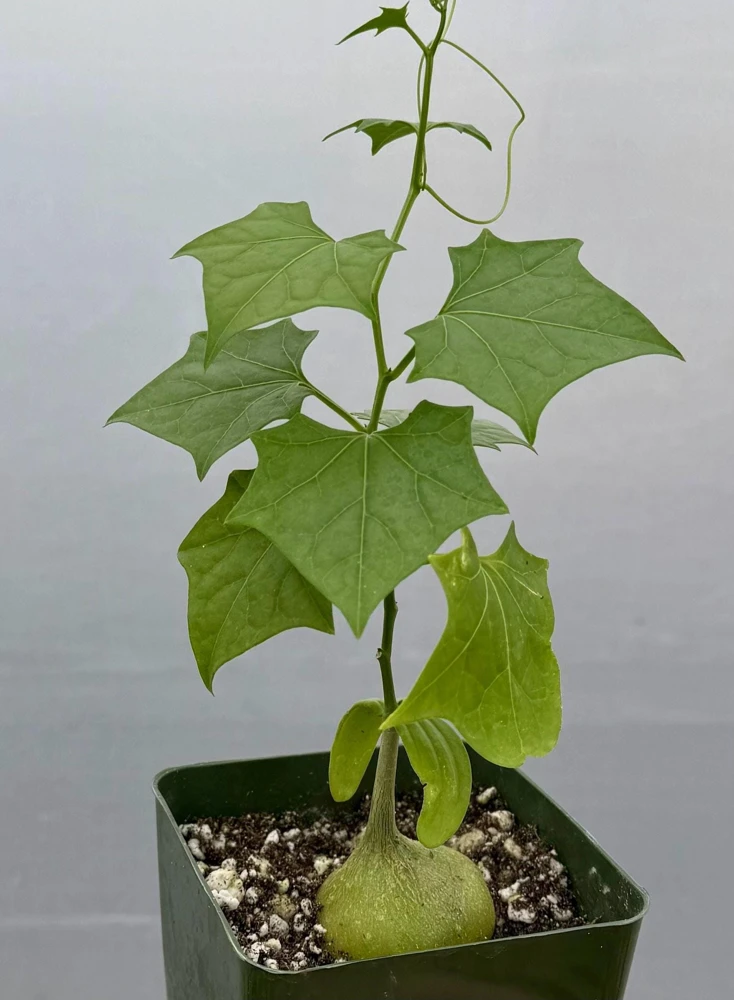
Gerrardanthus Macrorhizus Caudex Live Plant – Bigfoot Plant in 4 Inch Pot, Indoor/Outdoor
Reviews
There are no reviews yet.