



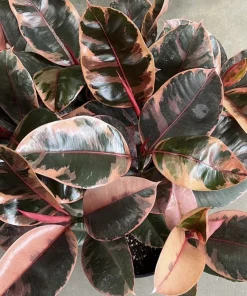
Rubber Ficus Live Plant – Beautiful Indoor Houseplant – Choose Your Variety
Original price was: $53.99.$43.99Current price is: $43.99.
Bring natural beauty indoors with a rubber ficus live plant. This popular indoor ficus plant offers striking foliage and is known for its air-purifying qualities. Choose your favorite variety to perfectly complement your home decor.
Estimated arrival
Oct 27
Nov 01 - Nov 03
Nov 06 - Nov 10
Shop With Confidence
30-Day Plant Health Guarantee
Arrives damaged? We’ll replace it free — see our return policy.
Responsive Support
Email us anytime, we reply within 1 business day.
Expert Packaging
Temperature-controlled shipping to protect your plants in transit.
Secure Checkout
Pay safely with Visa, Mastercard, PayPal.
Plant Specifications
-
USDA Hardiness Zone
unknown -
Soil Type
well-draining potting mix -
Sunlight Exposure
bright indirect light -
Expected Planting Period
year-round indoors
Overview
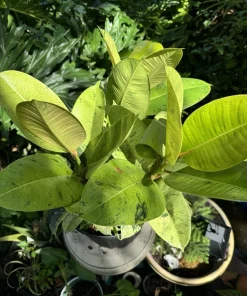
Introducing the magnificent rubber ficus live plant, a true staple for any indoor plant enthusiast. This elegant houseplant, scientifically known as Ficus elastica, is celebrated for its lush, glossy leaves and impressive stature. Originating from tropical regions of Asia, the rubber ficus has become a beloved choice for interior design due due to its architectural form and relatively low maintenance. Whether you’re a seasoned plant parent or just starting your green journey, a rubber ficus live plant offers a rewarding experience, transforming any space into a vibrant botanical oasis. Its robust nature and captivating appearance make it a focal point in living rooms, offices, and bedrooms alike.
The Ficus elastica is not just a pretty face; it’s also known for its ability to help purify the air, contributing to a healthier indoor environment. Varieties range from deep, rich greens to stunning variegations, offering diverse aesthetic options. Choosing your favorite variety allows you to personalize your plant collection and ensure it perfectly matches your home’s style. This indoor ficus plant is a long-lived companion, growing steadily and providing years of enjoyment with proper care.
Key Benefits
Owning a rubber ficus live plant comes with a multitude of advantages that extend beyond its striking beauty. These plants are not only decorative but also contribute positively to your living space.
- Enhanced Aesthetics: The large, glossy leaves of the Ficus elastica add a sophisticated and tropical touch to any room, instantly elevating your interior decor. Its upright growth habit makes it an excellent statement piece.
- Air Purification: Like many houseplants, the indoor ficus plant is known to help filter common indoor air pollutants, contributing to cleaner, fresher air in your home or office.
- Low Maintenance: While it appreciates consistent care, the rubber ficus is relatively forgiving and can thrive with moderate attention, making it suitable for busy individuals.
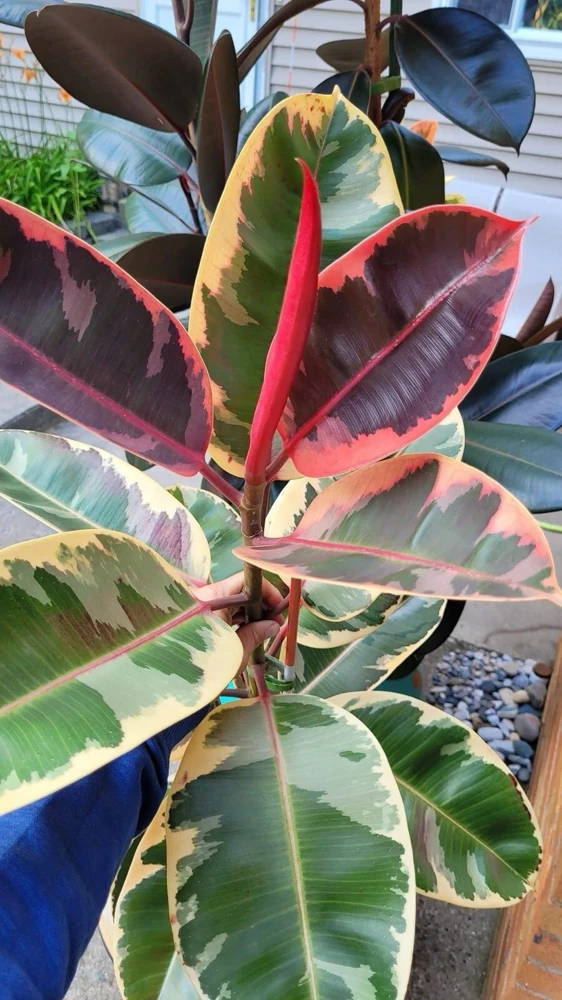
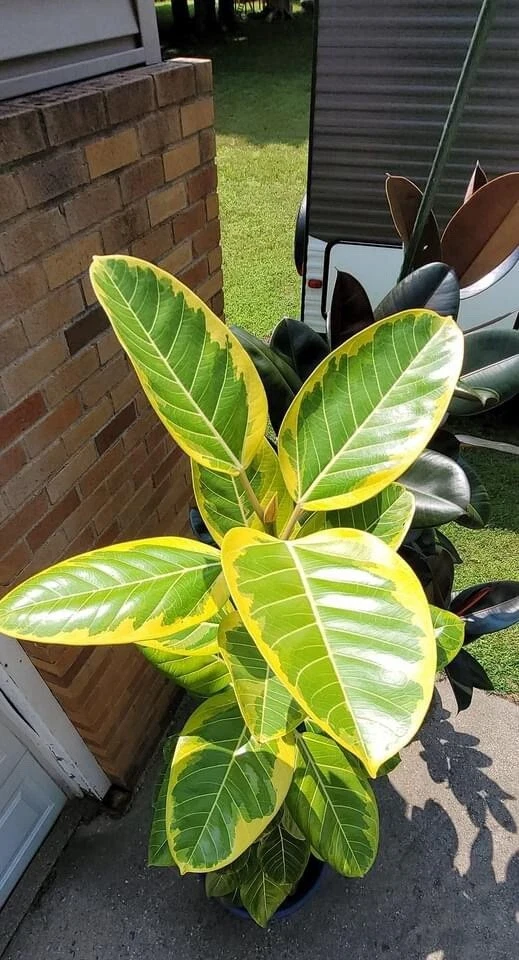
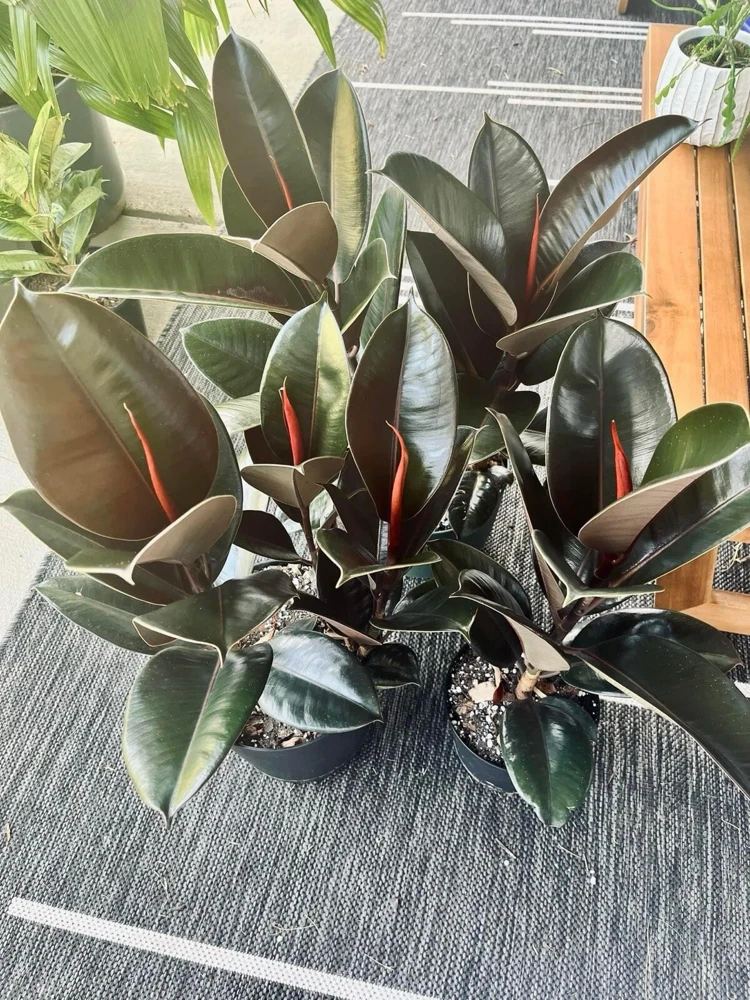
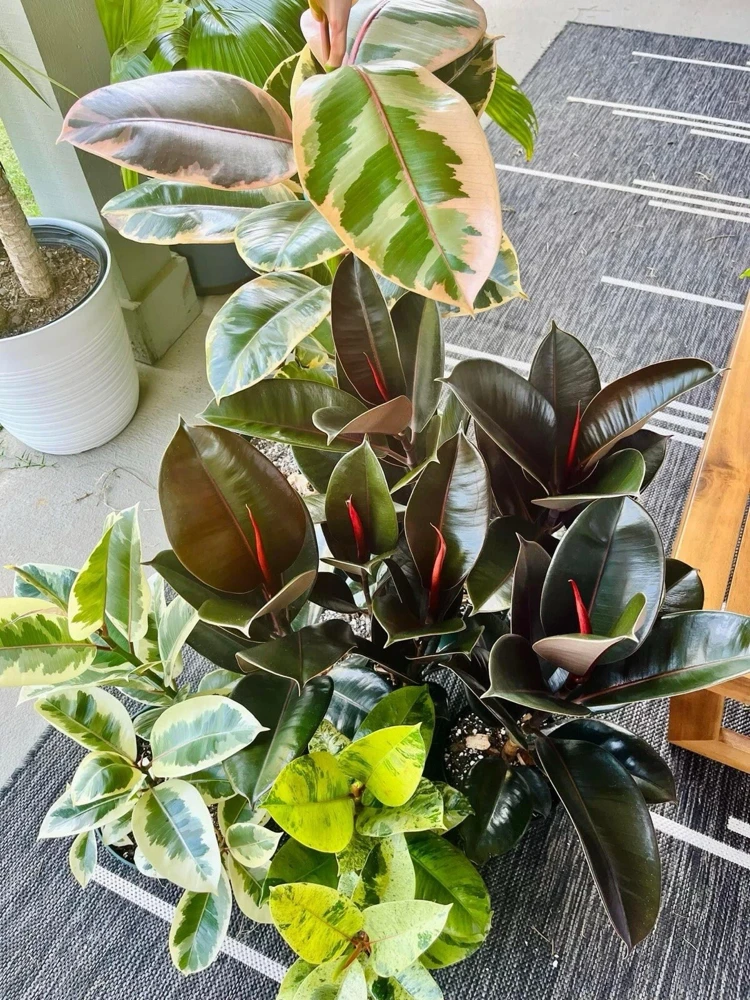
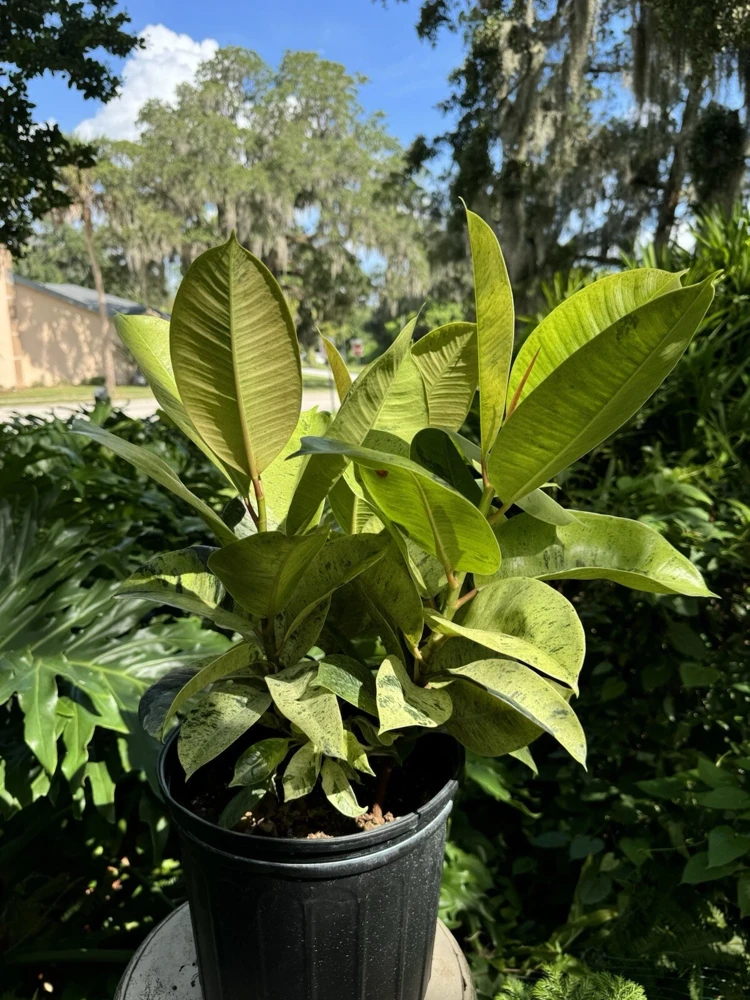
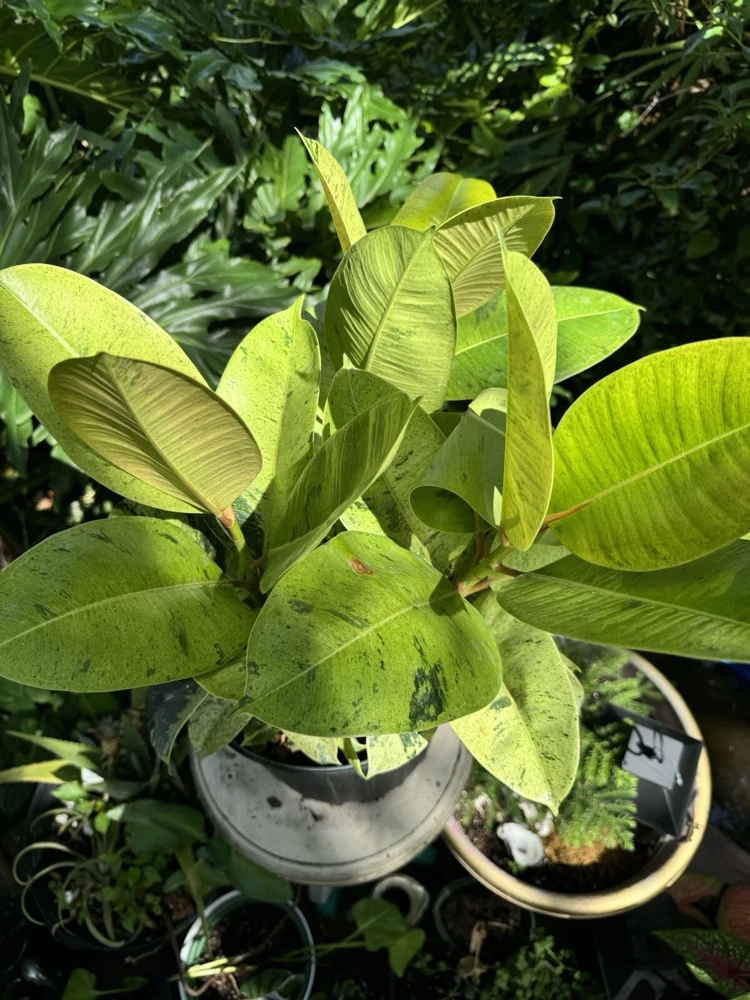
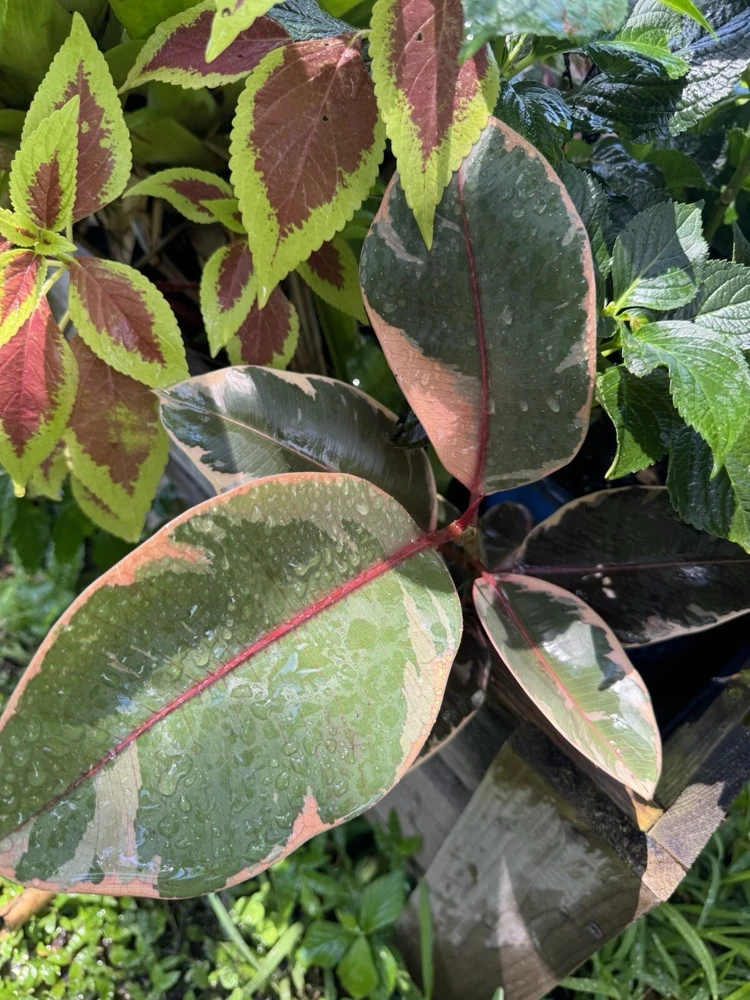
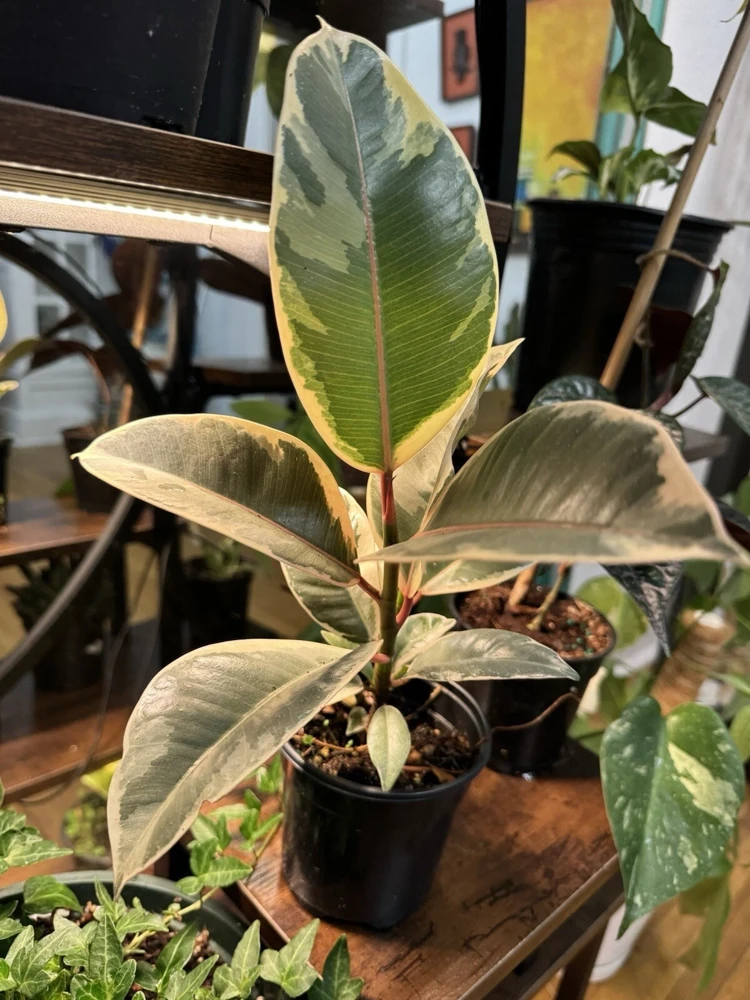
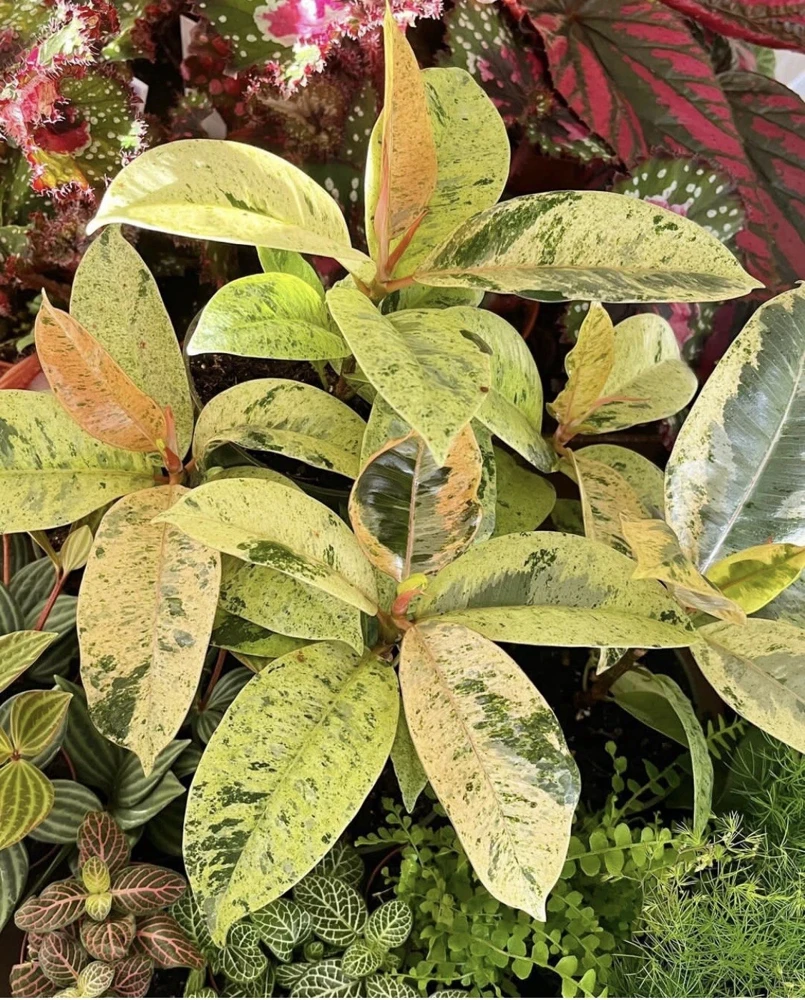
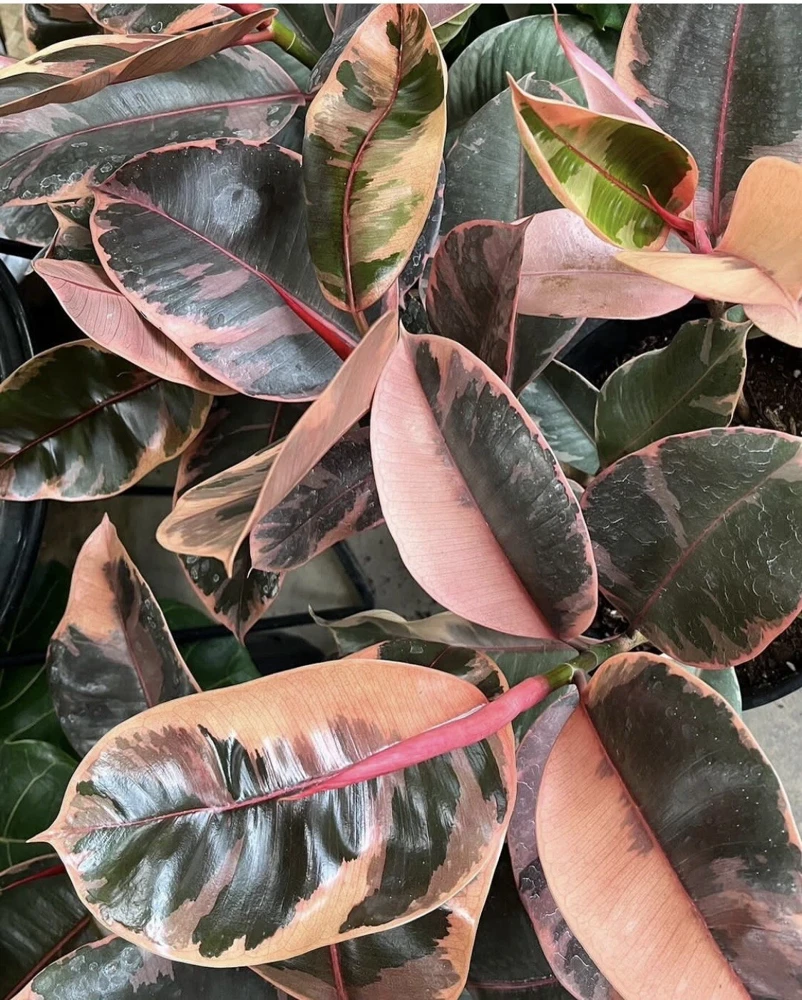
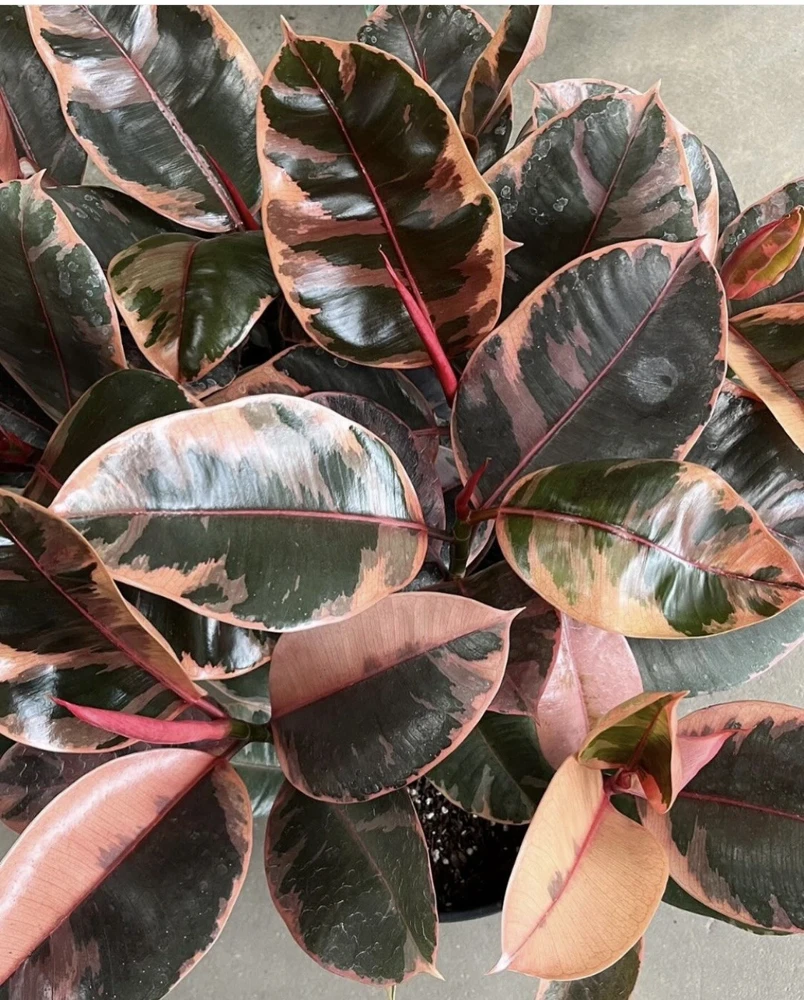
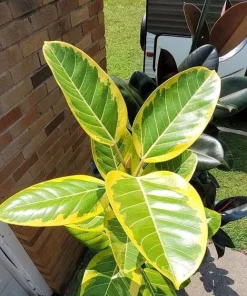
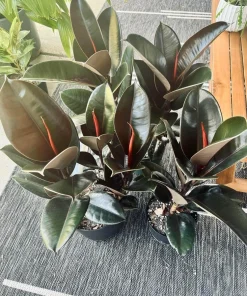
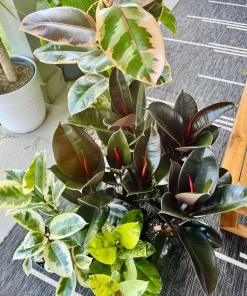
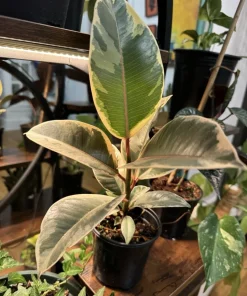
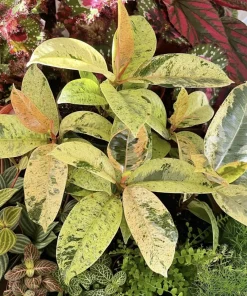
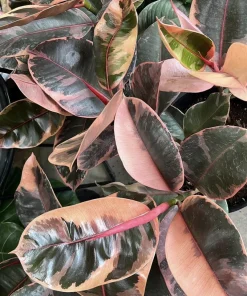
- Versatility: With various cultivars available, including those with dark green, burgundy, or variegated leaves, you can choose a variegated rubber plant that perfectly suits your aesthetic preferences.
- Stress Reduction: Studies suggest that having plants indoors can help reduce stress levels and improve overall well-being, creating a more calming and pleasant atmosphere.
- Long Lifespan: With proper care, a rubber ficus live plant can live for many years, growing into a substantial and impressive specimen that becomes a cherished part of your home.
- Easy Propagation: For those who enjoy expanding their plant collection, rubber ficus plants can often be propagated from cuttings, allowing you to share their beauty with friends or grow new plants.
Plant Care & Growing Tips
Caring for your rubber ficus live plant is straightforward once you understand its basic needs. These plants thrive in conditions that mimic their native tropical environment. For optimal growth, provide bright, indirect light. A spot near a window that receives filtered sunlight for several hours a day is ideal. Direct, harsh afternoon sun can scorch the leaves, while too little light can lead to leggy growth and dull foliage. Rotate your plant every few weeks to ensure even growth and light exposure.
Watering is crucial for a healthy indoor ficus plant. Allow the top 1-2 inches of soil to dry out completely between waterings. Overwatering is a common mistake and can lead to root rot. When you do water, do so thoroughly until water drains from the bottom of the pot. Ensure your pot has good drainage holes. During the dormant winter months, reduce watering frequency. The ideal soil for a rubber ficus is a well-draining potting mix that retains some moisture but doesn’t become waterlogged. A mix formulated for houseplants or a slightly acidic to neutral pH soil works best. Fertilize every 2-4 weeks during the growing season (spring and summer) with a balanced liquid fertilizer diluted to half strength. Reduce or stop fertilizing in fall and winter.
The ficus elastica care routine also includes maintaining appropriate temperature and humidity. Rubber ficus plants prefer temperatures between 60-75°F (15-24°C) and appreciate higher humidity, though they can tolerate average household humidity. You can increase humidity by misting the leaves, using a pebble tray, or placing a humidifier nearby. Keep your plant away from cold drafts and sudden temperature fluctuations. Regularly wipe the leaves with a damp cloth to remove dust, which not only keeps them looking shiny but also helps with photosynthesis. Watch out for common pests like spider mites and mealybugs; address any infestations promptly with insecticidal soap. Pruning can be done in spring to maintain shape and encourage bushier growth, or to manage the size of your ficus houseplant varieties.
Size & Details
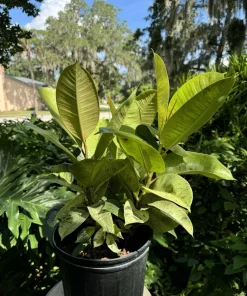
Your rubber ficus live plant will arrive ready to thrive in its new home. Typically, these plants are shipped in a nursery pot, ensuring the roots are protected during transit. The initial size will vary depending on the specific variety and growth stage, but most young plants range from 6 to 12 inches in height. With proper care, a rubber ficus can grow quite large indoors, often reaching heights of 6 to 10 feet or more, although growth rate can be managed through pruning. The mature width can be several feet, creating a significant presence in a room. Its growth is generally moderate, allowing you to enjoy its development over time.
The plant’s vibrant foliage, whether it’s the deep green of the standard variety or the stunning pink, cream, and green patterns of a variegated rubber plant, will be a constant source of beauty. It’s important to repot your rubber ficus every 1-2 years into a slightly larger pot to accommodate its growing root system. Choose a pot that is 1-2 inches wider in diameter than the current one. This plant is primarily grown for its ornamental foliage, producing small, inconspicuous flowers and fruits rarely when grown indoors.
Frequently Asked Questions
- Q: How big does this rubber ficus live plant get? A: With proper care, an indoor rubber ficus can typically grow between 6 to 10 feet tall, though its size can be managed through regular pruning. Its width can also expand to several feet.
- Q: Is this an indoor or outdoor plant? A: The rubber ficus is primarily grown as an indoor ficus plant in most climates. It can be moved outdoors in warm, humid conditions during summer but must be brought inside before temperatures drop below 50°F (10°C).
- Q: How much sunlight does my ficus elastica care require? A: Your rubber ficus thrives in bright, indirect light. Avoid direct, harsh sunlight which can burn its leaves, and also avoid very low light conditions which can lead to leggy growth and leaf drop.
- Q: Is this plant easy to care for? A: Yes, the rubber ficus is considered a relatively easy-to-care-for houseplant, making it suitable for both beginners and experienced plant enthusiasts. Consistent watering and light are key for successful ficus elastica care.
- Q: What condition will it arrive in? A: Your plant will arrive carefully packaged in a nursery pot, ensuring its protection during shipping. It will be a healthy young plant, ready to be acclimated to its new home.
- Q: How often should I water my variegated rubber plant? A: Water your rubber ficus when the top 1-2 inches of soil feel dry to the touch. This typically means watering once every 1-2 weeks during the growing season and less frequently in winter.
- Q: Is the rubber ficus pet-safe? A: No, the rubber ficus is considered toxic to pets if ingested, as its sap can cause irritation. It’s best to keep it out of reach of curious cats and dogs.
- Q: What kind of soil is best for ficus houseplant varieties? A: A well-draining potting mix that retains some moisture but doesn’t become waterlogged is ideal. You can use a standard houseplant potting mix, possibly with some added perlite for extra drainage.
- Q: Do I need to fertilize my rubber ficus? A: Yes, fertilize your rubber ficus every 2-4 weeks during the spring and summer growing season using a balanced liquid fertilizer diluted to half strength. Reduce or stop fertilizing in fall and winter.
- Q: Can I propagate my rubber ficus live plant? A: Yes, rubber ficus plants can be propagated from stem cuttings, particularly in spring or early summer. This allows you to create new plants from your existing one.
Be the first to review “Rubber Ficus Live Plant – Beautiful Indoor Houseplant – Choose Your Variety”
People Also Viewed










Reviews
There are no reviews yet.