
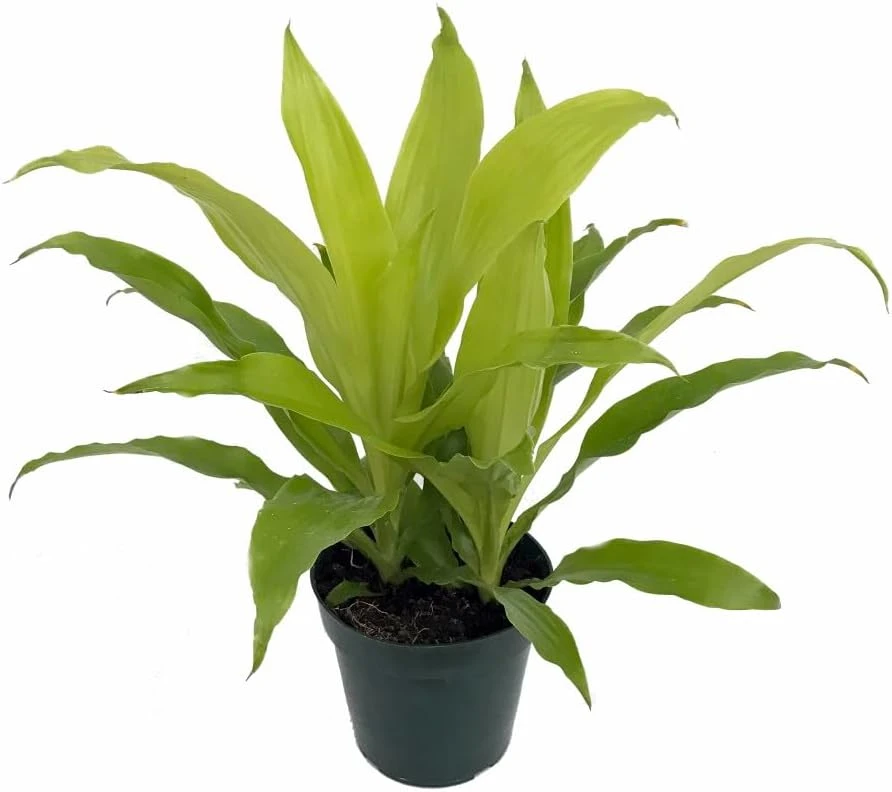
Begonia Live Plant – Tropical Indoor Houseplant in Nursery Pot
Original price was: $79.99.$65.99Current price is: $65.99.
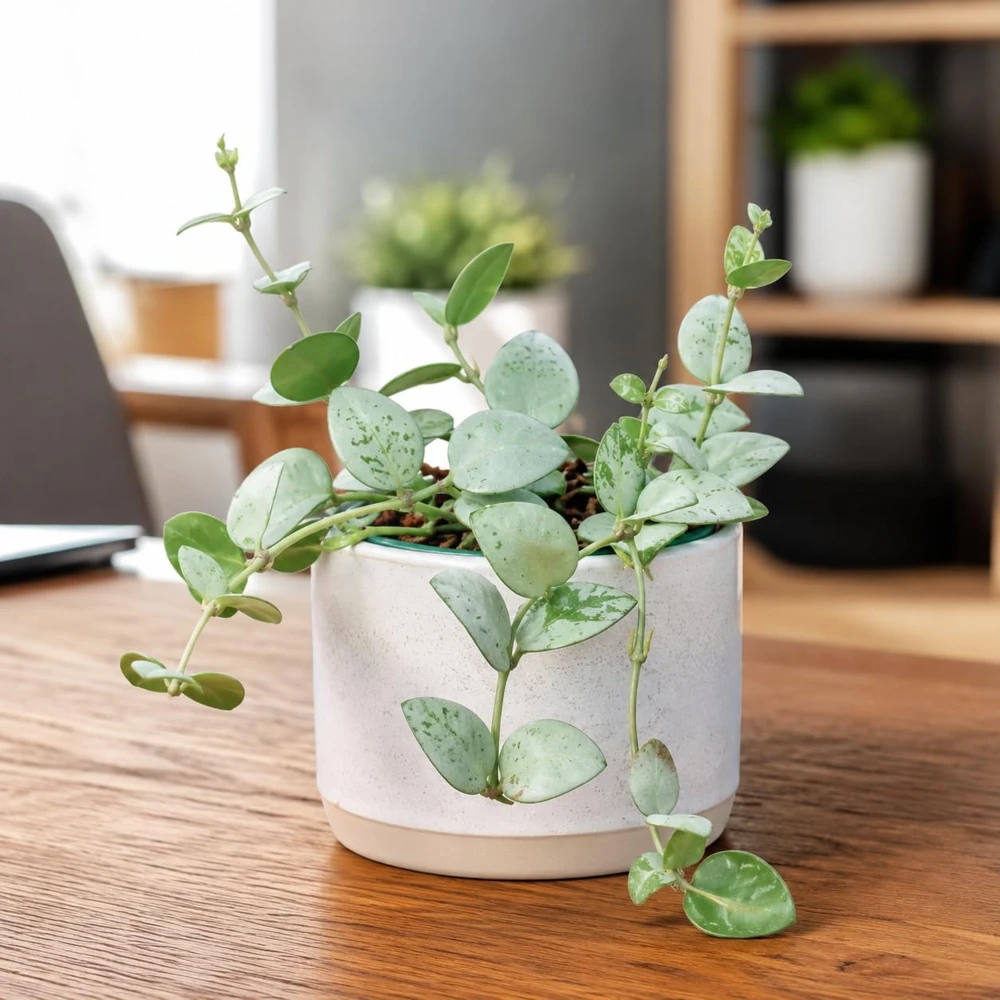
Brighten your home with a beautiful Begonia live plant. This stunning tropical Begonia houseplant arrives in a nursery pot, ready to bring vibrant foliage and potential blooms to your indoor garden. Perfect for adding a touch of exotic elegance.
Estimated arrival
Oct 27
Nov 01 - Nov 03
Nov 06 - Nov 10
Shop With Confidence
30-Day Plant Health Guarantee
Arrives damaged? We’ll replace it free — see our return policy.
Responsive Support
Email us anytime, we reply within 1 business day.
Expert Packaging
Temperature-controlled shipping to protect your plants in transit.
Secure Checkout
Pay safely with Visa, Mastercard, PayPal.
Plant Specifications
-
USDA Hardiness Zone
year-round indoors -
Soil Type
well-draining potting mix -
Sunlight Exposure
bright indirect light -
Expected Planting Period
year-round indoors
Overview
Introduce vibrant life and stunning foliage to your home with a beautiful Begonia live plant. Known for their diverse leaf shapes, patterns, and often colorful flowers, Begonias are a popular choice among indoor plant enthusiasts. This tropical Begonia makes an excellent addition to any houseplant collection, offering a touch of exotic beauty and a refreshing presence. Whether you’re a seasoned gardener or new to the world of houseplants, a Begonia can provide continuous visual interest and a sense of tranquility to your living space. These versatile plants are cherished for their ornamental value, making them a fantastic focal point or a complementary piece in your interior decor.
Our Begonia live plant is carefully cultivated to ensure a healthy and robust specimen upon arrival. Begonias thrive in indoor environments, bringing a splash of nature to your desk, shelf, or window sill. With proper care, your Begonia will flourish, displaying its unique charm and enhancing the aesthetic appeal of your home. Discover the joy of nurturing this captivating Begonia houseplant.
Key Benefits
The Begonia live plant offers numerous benefits, making it an ideal choice for enhancing your indoor environment with natural beauty and positive vibes. Its unique characteristics contribute to a more pleasant and lively atmosphere.
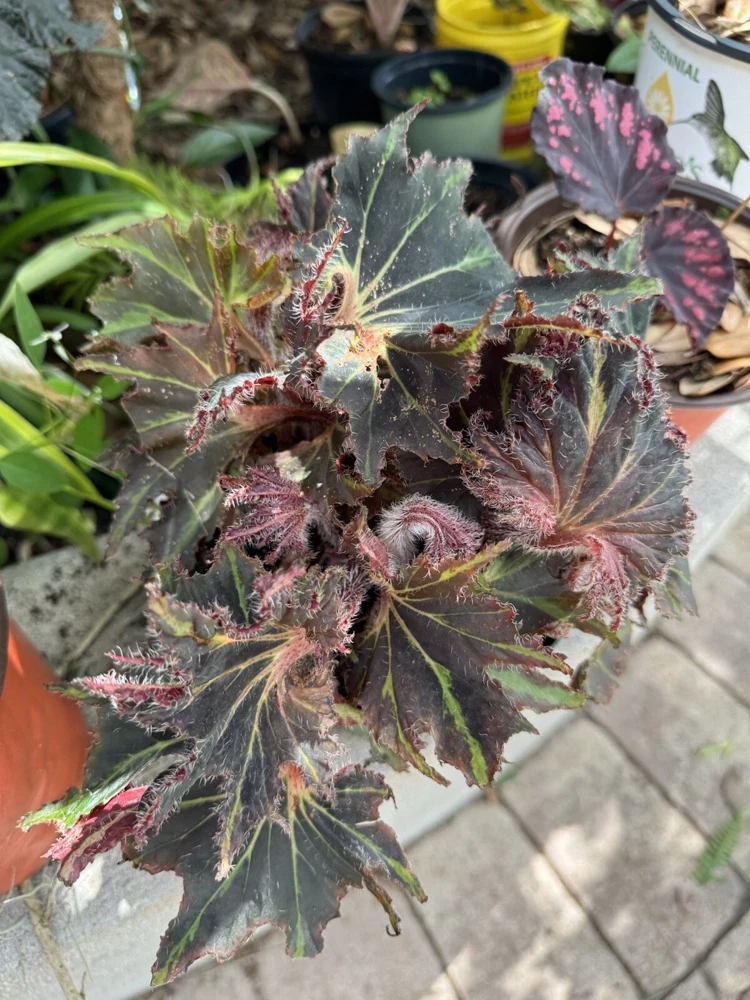
- Stunning Ornamental Foliage: Begonias are renowned for their incredibly diverse and often intricately patterned leaves, ranging from deep greens to reds, silvers, and purples. Each leaf is a work of art, providing continuous visual appeal even when not in bloom.
- Potential for Colorful Blooms: Many Begonia varieties produce beautiful, vibrant flowers that can add an extra layer of color and charm to your indoor space. These blooms can last for extended periods, brightening up any room.
- Enhances Indoor Aesthetics: With its lush foliage and striking appearance, the Begonia live plant effortlessly elevates the decor of any room, adding a natural and sophisticated touch. It creates a calming and inviting atmosphere.
- Versatile Decor Piece: Due to its moderate size and varied forms, a tropical Begonia can fit into various interior design schemes, from modern minimalist to bohemian chic. It looks great in living rooms, bedrooms, or offices.
- Relatively Low Maintenance: While requiring specific conditions, Begonias are generally straightforward to care for once their needs are met, making them suitable for both experienced plant parents and those new to growing houseplants.
- Air Purifying Qualities: Like many houseplants, Begonias contribute to a healthier indoor environment by helping to filter common airborne toxins, improving the air quality in your home.
- Boosts Mood and Well-being: Caring for a Begonia houseplant can be a rewarding and therapeutic experience, reducing stress and fostering a sense of connection to nature. Bringing greenery indoors is known to enhance overall mood.
Plant Care & Growing Tips
Caring for your Begonia live plant involves understanding its specific needs for light, water, and humidity to ensure it thrives and displays its full beauty. Begonias generally prefer bright, indirect light. Placing them near an east or west-facing window where they receive filtered sunlight is ideal. Direct, harsh sunlight, especially during the hottest parts of the day, can scorch their delicate leaves. If your plant starts to appear leggy or its colors fade, it may need more light. Conversely, brown crispy edges can indicate too much direct sun. Providing consistent, diffused light is key for a healthy indoor Begonia care routine.
Watering is crucial for Begonias. They prefer consistently moist soil but absolutely detest being waterlogged. Allow the top inch or two of the soil to dry out before watering again. Stick your finger into the soil to check moisture levels; if it feels dry, it’s time to water. Ensure your nursery pot has good drainage holes to prevent root rot. Reduce watering slightly during winter months when the plant’s growth slows. High humidity is also beneficial for these tropical plants. You can increase humidity by placing the pot on a pebble tray filled with water, using a room humidifier, or grouping it with other plants to create a microclimate. Maintain average room temperatures, avoiding sudden drops or drafts. Fertilize your Begonia houseplant every 2-4 weeks during the growing season (spring and summer) with a balanced liquid fertilizer diluted to half strength. Pests like spider mites or mealybugs can sometimes be an issue; inspect your plant regularly and treat with insecticidal soap if necessary.
Size & Details
This Begonia live plant is typically shipped in a standard nursery pot, ready for you to enjoy immediately upon arrival or transplant into a decorative container. The plant’s initial size will vary but generally stands between 6 to 10 inches tall from the base of the pot, with a spread proportionate to its height. Begonias exhibit a moderate growth rate, and with proper indoor Begonia care, they can mature into stunning specimens. The exact size of the leaves and the overall compactness of the plant will depend on the specific Begonia variety, as there is a vast diversity within the genus. Expect a healthy, well-rooted plant that is actively growing. This plant is a fantastic choice for those looking to buy Begonia plant for their home or office.
Frequently Asked Questions
- Q: How big will my Begonia live plant get? A: The size of your Begonia live plant will depend on the specific variety and growing conditions. Most indoor Begonias can reach heights of 12-18 inches and spread similarly, though some varieties may grow larger or remain more compact. Consistent care contributes to their mature size.
- Q: Is this an indoor or outdoor plant? A: This particular offering is for a Begonia houseplant, making it ideal for indoor cultivation. While some Begonias can be grown outdoors in suitable climates, this variety is best suited for controlled indoor environments where temperatures and humidity can be managed.
- Q: How much sunlight does a tropical Begonia need? A: A tropical Begonia thrives in bright, indirect light. Avoid direct afternoon sun, which can scorch its leaves. An east or west-facing window with filtered light is often perfect. Insufficient light can lead to leggy growth and dull foliage.
- Q: Is this plant easy to care for? A: Begonias are considered moderately easy to care for. They have specific needs regarding light, water, and humidity, but once these are understood and met, they are quite rewarding. They are a good choice for those looking to expand their plant care skills beyond beginner level.
- Q: What condition will the Begonia live plant arrive in? A: Your Begonia live plant will arrive carefully packaged in its nursery pot, with soil intact. We take great care to ensure the plant is healthy and protected during transit, ready to be unboxed and placed in its new home.
- Q: How often should I water my Begonia? A: Water your Begonia when the top 1-2 inches of soil feel dry to the touch. It’s better to slightly underwater than overwater, as Begonias are susceptible to root rot. Ensure good drainage to prevent water from sitting at the bottom of the pot.
- Q: Can I buy Begonia plant varieties with different leaf patterns? A: While this listing is for a general Begonia live plant, the genus Begonia is incredibly diverse, offering a wide array of leaf shapes, colors, and patterns. When you buy Begonia plant, you’re investing in a genus known for its ornamental foliage.
- Q: What kind of soil is best for indoor Begonia care? A: A well-draining, peat-based potting mix is ideal for your Begonia. This type of soil retains moisture while allowing excess water to drain away quickly, providing the perfect balance for healthy root development.
- Q: Is the Begonia pet-safe? A: Begonias are generally considered toxic to pets if ingested, particularly the tubers. It’s best to keep your Begonia houseplant out of reach of curious pets to ensure their safety.
- Q: When is the best time to repot my Begonia? A: The best time to repot your Begonia live plant is in the spring, at the beginning of its active growing season. Repot only when it has outgrown its current container, usually when roots start to emerge from the drainage holes.
Be the first to review “Begonia Live Plant – Tropical Indoor Houseplant in Nursery Pot”
People Also Viewed
Reviews
There are no reviews yet.