
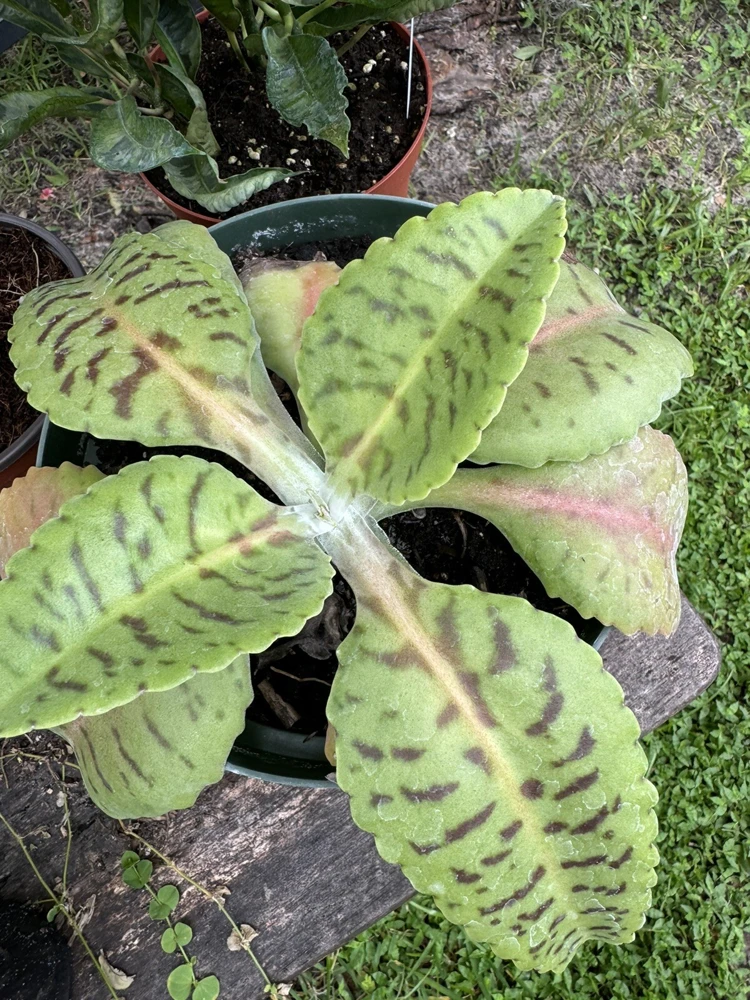
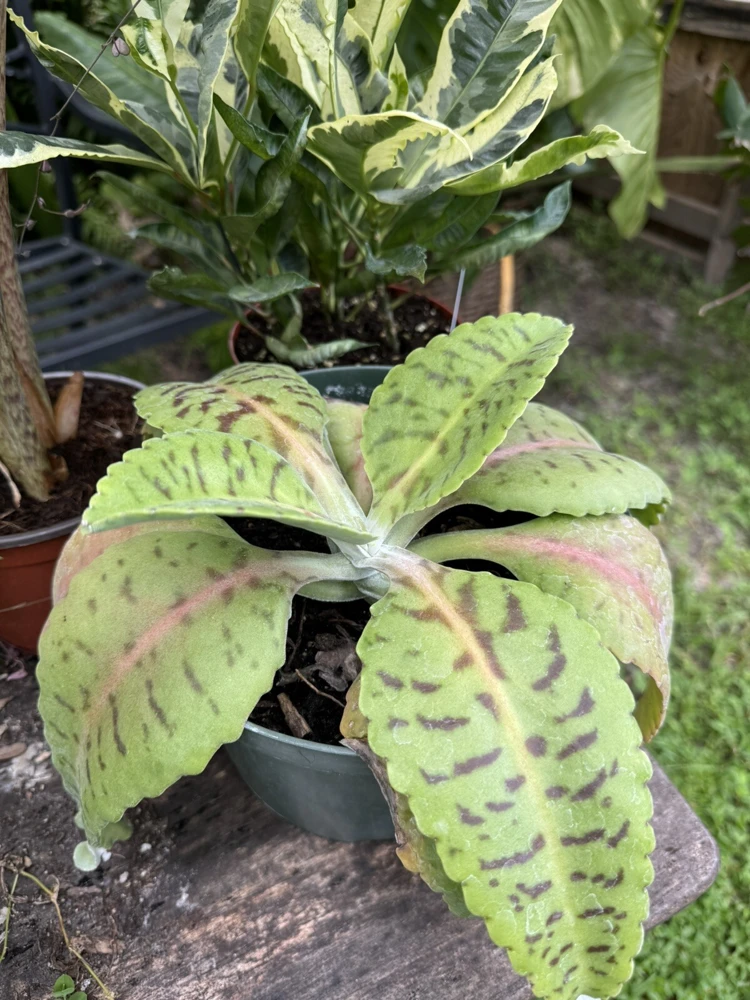
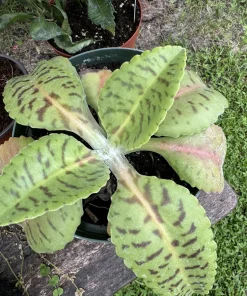
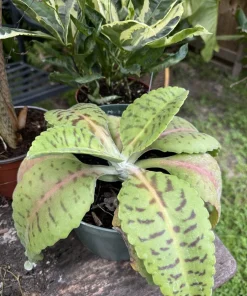
Donkey Ears Live Plant – Kalanchoe gastonis-bonnieri Succulent Houseplant
Original price was: $43.99.$35.99Current price is: $35.99.
Bring home a unique and captivating donkey ears live plant (Kalanchoe gastonis-bonnieri). This succulent houseplant features large, velvety leaves with striking patterns, making it an ideal choice for adding exotic charm to any indoor space. Known for its resilience, it’s an easy care succulent perfect for beginners and seasoned plant enthusiasts alike.
Estimated arrival
Oct 27
Nov 01 - Nov 03
Nov 06 - Nov 10
Shop With Confidence
30-Day Plant Health Guarantee
Arrives damaged? We’ll replace it free — see our return policy.
Responsive Support
Email us anytime, we reply within 1 business day.
Expert Packaging
Temperature-controlled shipping to protect your plants in transit.
Secure Checkout
Pay safely with Visa, Mastercard, PayPal.
Plant Specifications
-
USDA Hardiness Zone
USDA zones 9-11 (outdoors), year-round indoors -
Soil Type
Well-draining succulent or cactus mix -
Sunlight Exposure
Bright indirect light -
Expected Planting Period
Year-round indoors
Overview
Introduce an extraordinary botanical specimen to your collection with the donkey ears live plant, scientifically known as Kalanchoe gastonis-bonnieri. This captivating succulent stands out with its distinctive large, paddle-shaped leaves that can reach impressive sizes, often adorned with reddish-brown blotches and a powdery white coating, giving it a truly unique appearance. Native to Madagascar, this particular kalanchoe gastonis-bonnieri is revered for its architectural form and relatively low maintenance needs, making it an excellent choice for both novice and experienced plant parents looking for an eye-catching succulent houseplant. As it matures, the plant may produce a tall flower stalk with bell-shaped, reddish-orange blooms, adding another layer of visual interest to its already striking presence. Bringing a touch of the exotic into your home, the Donkey Ears plant is a conversation starter and a testament to nature’s diverse beauty.
The common name, “Donkey Ears,” perfectly describes the plant’s large, ear-like leaves. This succulent is not only aesthetically pleasing but also known for its robust nature and ability to thrive in various indoor conditions. Unlike many other succulents, the Kalanchoe gastonis-bonnieri offers a more substantial foliage display, providing a lush, tropical feel without demanding constant attention. Its unique leaf propagation, where small plantlets form along the leaf margins, adds an intriguing element to its growth cycle, allowing for easy expansion of your succulent collection. Embrace the charm and simplicity of this remarkable plant.
Key Benefits
The donkey ears live plant offers a multitude of benefits, making it a highly desirable addition to any plant enthusiast’s home. Its striking appearance and ease of care contribute to a rewarding ownership experience:
-
Unique Aesthetic Appeal: The large, velvety, paddle-shaped leaves with their distinctive patterns and powdery coating create a dramatic focal point in any room. This plant brings an exotic and architectural element to your indoor decor.
-
Low Maintenance: As an easy care succulent, the Donkey Ears plant is incredibly forgiving. It tolerates infrequent watering and can thrive even with minimal attention, making it perfect for busy individuals or those new to plant care.
-
Drought Tolerant: Adapted to arid conditions, the kalanchoe gastonis-bonnieri stores water in its leaves, allowing it to withstand periods of drought. This reduces the frequency of watering and the risk of overwatering.
-
Air Purification: Like many houseplants, succulents contribute to better indoor air quality by absorbing toxins and releasing oxygen, helping to create a healthier living environment.
-
Easy Propagation: The leaves of this Kalanchoe naturally produce plantlets along their edges, which can be easily detached and grown into new plants. This offers a simple way to expand your collection or share with friends.
-
Striking Blooms: When mature, the Donkey Ears plant can produce an impressive tall flower stalk adorned with beautiful, bell-shaped, reddish-orange flowers, adding a vibrant splash of color.
-
Resilient and Adaptable: This succulent is known for its hardiness and ability to adapt to a range of indoor conditions, making it a robust and long-lasting addition to your home.
Plant Care & Growing Tips
Caring for your donkey ears live plant is straightforward, allowing even beginners to enjoy its unique beauty. Providing the right conditions will ensure a thriving and vibrant kalanchoe gastonis-bonnieri. This particular succulent is known for its resilience and ability to withstand neglect, making it an ideal choice for those seeking an easy care succulent that still offers impressive visual impact.
Sunlight Requirements: The Donkey Ears plant thrives in bright, indirect light. While it can tolerate some direct morning sun, intense afternoon sun can scorch its leaves. An east or west-facing window is often ideal, providing ample light without harshness. If grown outdoors in suitable climates, partial shade is recommended, especially during the hottest parts of the day. Insufficient light can lead to leggy growth and less vibrant leaf coloration, so ensure it receives at least 4-6 hours of good light daily.
Watering Schedule and Soil Moisture: Overwatering is the most common cause of problems for succulents. Allow the soil to dry out completely between waterings. When you do water, water thoroughly until it drains from the bottom of the pot. During the active growing season (spring and summer), you might water every 2-4 weeks, reducing frequency significantly in fall and winter. Always check the soil moisture with your finger before watering to avoid root rot. This large leaf kalanchoe stores water efficiently in its thick leaves.
Soil Type and Drainage Requirements: A well-draining potting mix is crucial for the health of your succulent houseplant. A specialized succulent and cactus mix is ideal, or you can create your own by mixing regular potting soil with perlite or coarse sand in a 1:1 ratio. The pot should always have drainage holes to prevent water from sitting around the roots. Good air circulation around the roots is also beneficial.
Temperature Range and USDA Hardiness Zone: Being a tropical succulent, the Donkey Ears plant prefers warm temperatures, ideally between 60-75°F (15-24°C). It is not frost-tolerant and should be protected from temperatures below 40°F (4°C). If grown outdoors, it is generally suitable for USDA zones 9-11. Indoors, avoid placing it near drafty windows or air conditioning vents.
Fertilization Schedule and Type: Fertilize sparingly during the active growing season (spring and summer) with a balanced liquid fertilizer diluted to half strength. Fertilizing once a month or every other month is sufficient. Avoid fertilizing in fall and winter when the plant’s growth slows down. Over-fertilization can harm the plant. For a robust donkey ears live plant, a light feeding is all that’s needed.
Common Problems and Solutions: Watch out for mealybugs or spider mites, which can sometimes affect succulents. Treat with neem oil or insecticidal soap. Yellowing or mushy leaves usually indicate overwatering, while shriveled leaves can be a sign of underwatering. Adjust your watering schedule accordingly. Ensure good air circulation to prevent fungal issues.
Size & Details
This donkey ears live plant is typically shipped as a well-rooted specimen, ready to be transplanted into its new home. The plant’s size can vary, but generally, it arrives at a stage where its unique leaf structure is already evident, showcasing the distinctive features of the kalanchoe gastonis-bonnieri. Individual leaves can grow quite large, contributing to the plant’s impressive overall presence. While exact dimensions can fluctuate, expect a healthy, vibrant succulent houseplant that will continue to grow and develop its characteristic form.
The growth rate of this particular Kalanchoe is moderate, and with proper care, it can achieve a significant size over time, becoming a true statement piece. It is typically provided in a nursery pot, ensuring its roots are established and ready for a smooth transition. This large leaf kalanchoe can eventually reach up to 2-3 feet in height and spread, though it often remains more compact when grown in containers indoors. Its unique ability to produce plantlets along its leaf margins means you’ll have a continuous supply of new plants to propagate, adding to its appeal.
Frequently Asked Questions
- Q: How big does this donkey ears live plant get? A: With proper care, the Kalanchoe gastonis-bonnieri can grow quite large, typically reaching 2-3 feet in height and spread when mature, though it can be kept smaller in containers. Its large leaves are a significant feature.
- Q: Is this an indoor or outdoor plant? A: The kalanchoe gastonis-bonnieri is primarily grown as an indoor houseplant in most climates. It can be grown outdoors in USDA zones 9-11 where temperatures remain above 40°F (4°C), preferring partial shade.
- Q: How much sunlight does it need? A: This succulent houseplant thrives in bright, indirect light. It can tolerate some direct morning sun but should be protected from harsh afternoon sun to prevent leaf scorching. Aim for 4-6 hours of good light daily.
- Q: Is this plant easy to care for? A: Yes, the Donkey Ears plant is considered an easy care succulent. It’s drought-tolerant and forgiving of occasional neglect, making it suitable for beginners and those with busy schedules.
- Q: What condition will it arrive in? A: Your plant will arrive as a healthy, well-rooted specimen, carefully packaged to ensure its safe journey. It will be ready for you to acclimate and transplant into its new pot.
- Q: How often should I water my large leaf kalanchoe? A: Water only when the soil has completely dried out. The frequency will depend on your environment, but typically every 2-4 weeks during warmer months, much less in winter. Always check soil moisture before watering.
- Q: What kind of soil is best for this plant? A: A well-draining succulent and cactus potting mix is ideal. You can also create your own by adding perlite or coarse sand to regular potting soil to enhance drainage.
- Q: Is the donkey ears live plant pet-safe? A: Kalanchoe plants are generally considered toxic to pets if ingested. It’s best to keep this plant out of reach of curious animals to ensure their safety.
- Q: How do I propagate new plants from my Donkey Ears? A: This plant naturally produces small plantlets along the edges of its leaves. Once these plantlets are large enough, they can be gently detached and planted in well-draining soil to grow into new plants.
- Q: When does the Kalanchoe gastonis-bonnieri bloom? A: Mature plants typically bloom in late winter or early spring, producing a tall flower stalk with bell-shaped, reddish-orange flowers. Blooming can be encouraged by providing adequate light and a slight reduction in winter watering.
Be the first to review “Donkey Ears Live Plant – Kalanchoe gastonis-bonnieri Succulent Houseplant”
People Also Viewed
Flower Plants
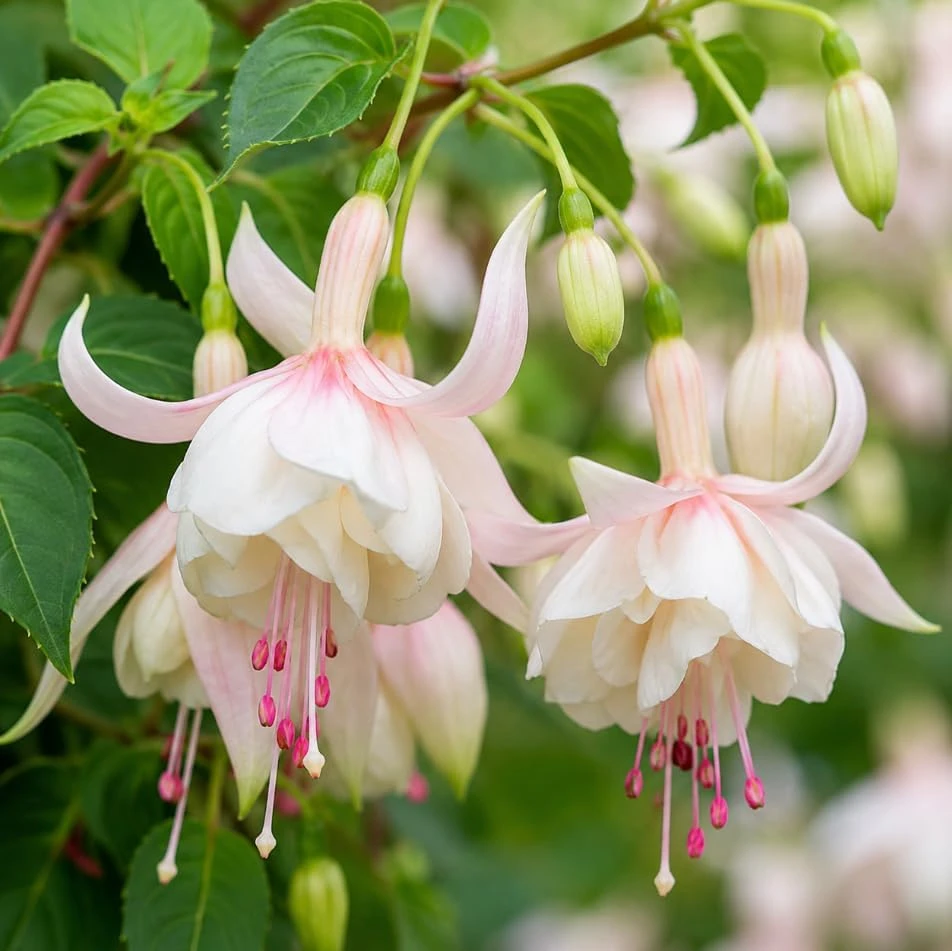
White Fuchsia Live Plant – White & Purple Flowers – 4-6 Inch Tall in 5 Inch Pot – Indoor/Outdoor

Trees
10 Leyland Cypress Tree Starter Plants – Fast Growing Evergreen Bare Root, 20-50ft Tall Outdoor
Reviews
There are no reviews yet.