


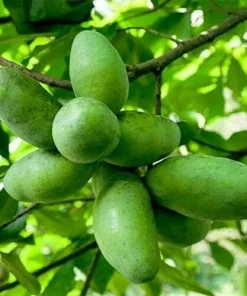
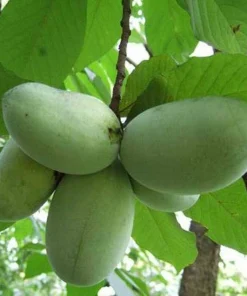
2 Paw Paw Trees – 6-12″ Tall Live Seedlings – Quart Pots
Original price was: $78.99.$43.99Current price is: $43.99.
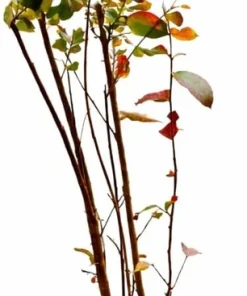
Cultivate your own unique fruit with this pack of paw paw tree live plant seedlings. Each of the two plants measures 6-12 inches tall and ships in a quart pot. Enjoy tropical-tasting fruit and beautiful fall foliage from these cold-hardy trees.
Estimated arrival
Oct 14
Oct 19 - Oct 21
Oct 24 - Oct 28
Shop With Confidence
30-Day Plant Health Guarantee
Arrives damaged? We’ll replace it free — see our return policy.
Responsive Support
Email us anytime, we reply within 1 business day.
Expert Packaging
Temperature-controlled shipping to protect your plants in transit.
Secure Checkout
Pay safely with Visa, Mastercard, PayPal.
Plant Specifications
-
USDA Hardiness Zone
USDA Zones 4-9 -
Soil Type
Deep, fertile, well-draining, slightly acidic soil -
Sunlight Exposure
Partial shade (young plants), Full sun (mature plants) -
Expected Planting Period
Early spring or early fall
Overview
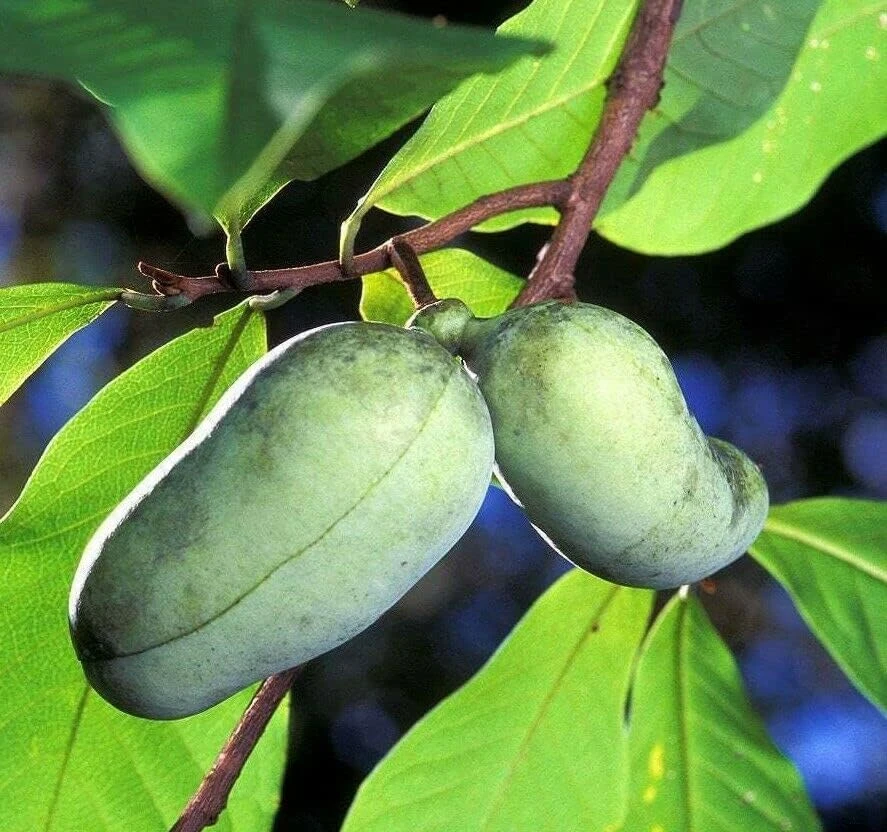
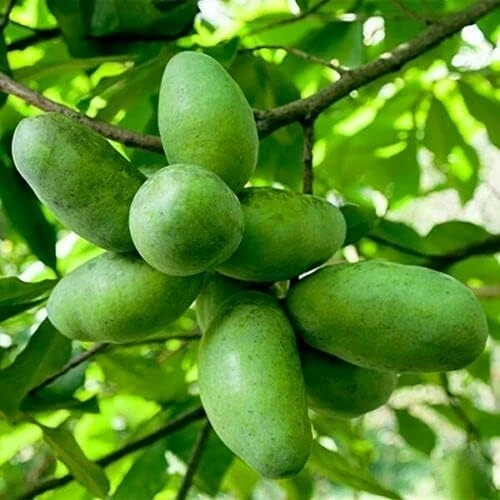
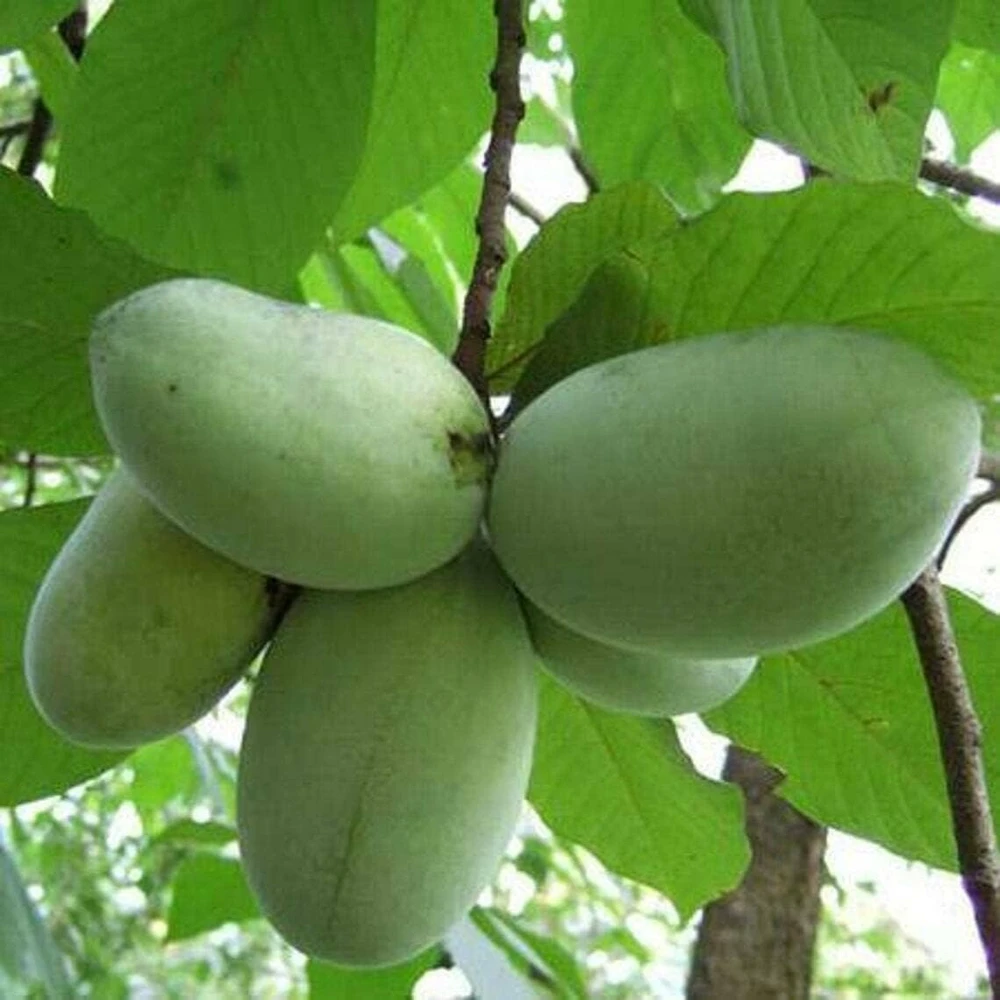
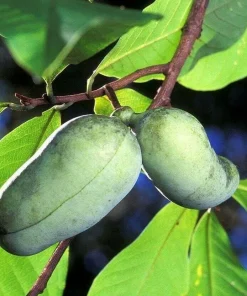
Introduce a taste of the tropics to your temperate garden with our exceptional paw paw tree live plant offering. This pack includes two vibrant seedlings, each standing approximately 6-12 inches tall and carefully nurtured in quart-sized pots, ready for planting. The Paw Paw (Asimina triloba), often referred to as the ‘Indian Banana Tree’ or ‘Poor Man’s Banana,’ is North America’s largest native edible fruit. These deciduous trees are renowned for their unique, custard-like fruits that boast a delightful blend of banana, mango, and melon flavors. Beyond their culinary appeal, Paw Paw trees add significant ornamental value to any landscape, with their lush green foliage, attractive bell-shaped spring flowers, and brilliant yellow fall color. Our asimina triloba plant seedlings are an excellent choice for gardeners looking to grow a truly distinctive and resilient fruit tree.
The Paw Paw is not just a fruit-bearing wonder; it’s also a remarkably hardy and adaptable species. Unlike many tropical fruit trees, the paw paw tree live plant thrives in a wide range of climates, tolerating temperatures as low as -25°F. This makes it an ideal selection for gardeners in colder regions who dream of cultivating exotic flavors without the typical climate constraints. Each seedling is grown with care, ensuring a healthy start for your future orchard or edible landscape. With two plants provided, you’ll ensure proper cross-pollination, which is essential for fruit production, making this pack a convenient and effective way to begin your Paw Paw growing journey.
Key Benefits
Adding a paw paw tree live plant to your garden offers a multitude of advantages, blending aesthetic appeal with delicious, homegrown fruit. These unique trees provide both ornamental beauty and culinary delight, making them a fantastic addition to any landscape:
- Unique Edible Fruit: Enjoy the sweet, creamy, and exotic flavor of Paw Paw fruit, often described as a blend of banana, mango, and melon. These distinctive fruits are a rare treat that cannot be easily found in grocery stores.
- Cold Hardy Tropical Flair: Despite their tropical appearance and taste, Paw Paw trees are exceptionally cold hardy, surviving temperatures down to -25°F. This allows gardeners in temperate zones to enjoy a truly exotic fruit without climate concerns.
- Beautiful Ornamental Value: Beyond their fruit, these trees offer significant aesthetic appeal with lush green leaves, charming bell-shaped flowers in spring, and stunning golden-yellow foliage in the fall, providing multi-seasonal interest.
- Native North American Species: Cultivate a piece of American horticultural history. The asimina triloba plant is native to the eastern United States, making it a sustainable and ecologically sound choice for many regions.
- Supports Local Wildlife: The flowers attract pollinators, and the fruit, if left unharvested, can provide food for local wildlife, contributing to biodiversity in your garden.
- Disease and Pest Resistant: Paw Paw trees are generally robust and exhibit good resistance to many common pests and diseases, making them a relatively low-maintenance option for fruit production.
- Ensured Pollination: This pack includes two paw paw tree live plant seedlings, which is crucial for successful cross-pollination and fruit set, as most Paw Paw varieties are not self-fertile.
Plant Care & Growing Tips
Caring for your paw paw tree live plant seedlings is straightforward, and with the right conditions, you’ll be enjoying delicious fruit in a few years. Initially, young Paw Paw trees prefer partial shade, especially during their first year or two, as their tender leaves can scorch in full, direct sun. As they mature, they will adapt to full sun exposure, which is beneficial for optimal fruit production. Choose a location that receives at least 6-8 hours of direct sunlight once the trees are established, but ensure some afternoon shade for very young plants.
Paw Paws thrive in deep, fertile, well-draining soil with a slightly acidic to neutral pH (5.5-7.0). Amend heavy clay soils with compost or organic matter to improve drainage and aeration. Consistent moisture is crucial, especially during the establishment phase and fruit development. Water regularly, ensuring the soil remains evenly moist but never waterlogged. Deep watering is preferred to encourage strong root growth. Once established, Paw Paw trees are moderately drought-tolerant but will perform best with consistent hydration. Fertilize sparingly in the spring with a balanced, slow-release fertilizer designed for fruit trees, following package instructions.
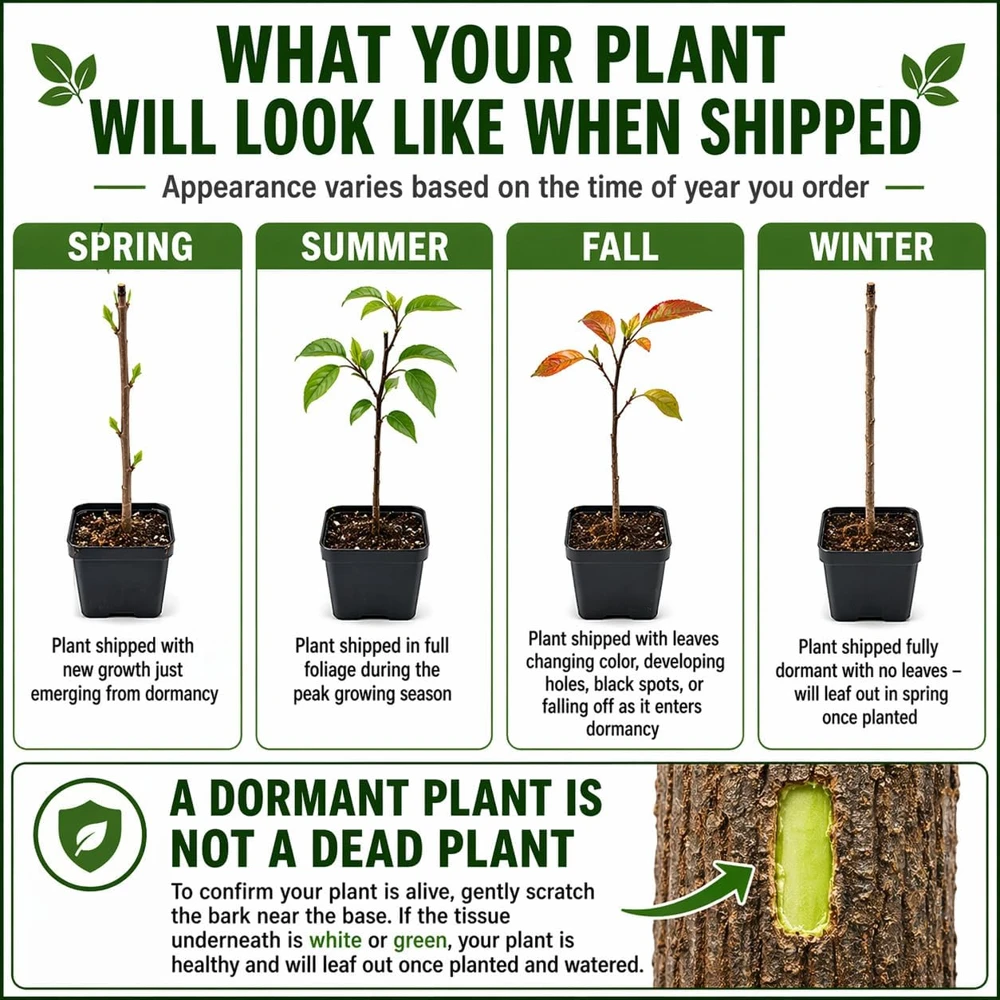
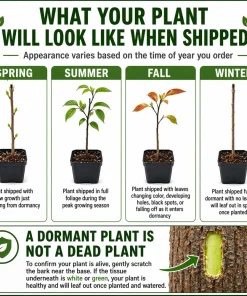
These trees are remarkably cold hardy, suitable for USDA Hardiness Zones 4-9. They are deciduous, meaning they will lose their leaves in the fall and enter a dormant state during winter. If you receive your plants during the dormant season (October-April), they will arrive without leaves, which is completely normal and healthy. Protect young trees from strong winds, and consider mulching around the base to retain soil moisture and regulate temperature. Look out for the asimina triloba plant‘s distinctive bell-shaped flowers in early spring before the leaves emerge, signaling the start of the growing season. While generally pest-resistant, occasional monitoring for common garden issues is always recommended.
Size & Details
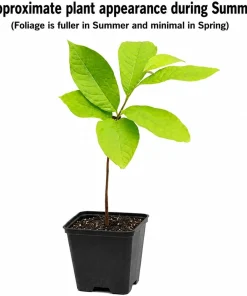
This offering provides two robust paw paw tree live plant seedlings, each carefully cultivated and shipped in a quart-sized pot. The seedlings measure approximately 6-12 inches in height from the top of the soil, offering a good start for establishing these unique fruit trees in your garden. Paw Paw trees are known for their moderate growth rate, typically reaching a mature height of 15-20 feet with a similar spread, forming an attractive, pyramidal shape. They generally begin producing fruit within 3-5 years after planting, with optimal yields occurring as they mature. The plants are shipped with their root systems intact within the quart pots, ensuring minimal transplant shock and a healthy transition to your landscape. Proper planting and care will encourage vigorous growth and lead to a bountiful harvest of delicious, homegrown fruit.
Frequently Asked Questions
- Q: How big does this paw paw tree live plant get? A: Your paw paw tree live plant seedlings are 6-12 inches tall upon arrival. Mature Paw Paw trees typically reach a height of 15-20 feet with a similar spread, creating an attractive and moderately sized fruit tree for your landscape.
- Q: What size pot does it come in? A: Each of the two Paw Paw seedlings in this pack is shipped in a quart-sized pot, providing a healthy root ball and ensuring a good start for your plants.
- Q: Is this an indoor or outdoor plant? A: The Paw Paw tree is an outdoor plant, best suited for planting directly in the ground. While young seedlings can be started in a protected environment, they require outdoor conditions to thrive and produce fruit.
- Q: How much sunlight does it need? A: Young Paw Paw trees prefer partial shade, especially in the afternoon. As they mature, they will require full sun (6-8 hours daily) for optimal fruit production.
- Q: Is this plant easy to care for? A: Paw Paw trees are relatively easy to care for once established. They require consistent moisture, well-draining soil, and protection from intense sun for young plants. Their cold hardiness and disease resistance make them a rewarding choice for gardeners.
- Q: What condition will it arrive in? A: Your paw paw tree live plant will arrive in a healthy, natural state. If ordered between October and April, the plant will be dormant and may have no leaves, which is normal for deciduous trees during this period.
- Q: When is the best time to plant a asimina triloba plant? A: The best time to plant Paw Paw trees is in early spring after the last frost, or in early fall. This allows the roots to establish before extreme temperatures.
- Q: Will it survive winter in my zone? A: Yes, Paw Paw trees are exceptionally cold hardy and thrive in USDA Hardiness Zones 4-9, tolerating temperatures as low as -25°F. This makes them a great choice for many temperate climates.
- Q: Why do I need two indian banana tree plants? A: Most Paw Paw varieties are not self-fertile and require cross-pollination from a different genetic individual to produce fruit. This pack includes two plants to ensure successful pollination and a good fruit set.
- Q: How long until it produces fruit? A: Paw Paw trees typically begin bearing fruit within 3-5 years after planting, with production increasing as the trees mature. Patience is rewarded with delicious, homegrown fruit.
Be the first to review “2 Paw Paw Trees – 6-12″ Tall Live Seedlings – Quart Pots”
People Also Viewed

Reviews
There are no reviews yet.