
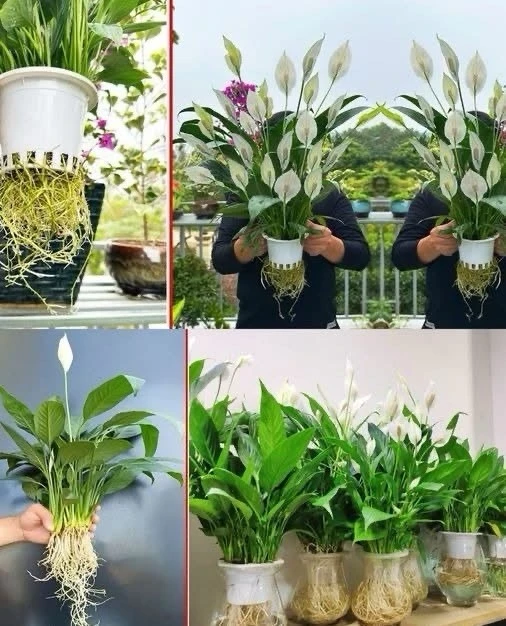
Peace Lily Live Plant – Spathiphyllum Air Purifying Indoor Houseplant
Original price was: $43.99.$35.99Current price is: $35.99.
Bring tranquility and clean air into your home with a beautiful peace lily live plant. This elegant spathiphyllum houseplant is known for its lush green foliage and striking white blooms, making it a perfect decorative addition. It’s also an excellent air purifying plant, effectively removing toxins from your indoor environment. Ideal for beginners, this easy care houseplants thrives with minimal effort, adding natural beauty and health benefits to any room.
Estimated arrival
Oct 27
Nov 01 - Nov 03
Nov 06 - Nov 10
Shop With Confidence
30-Day Plant Health Guarantee
Arrives damaged? We’ll replace it free — see our return policy.
Responsive Support
Email us anytime, we reply within 1 business day.
Expert Packaging
Temperature-controlled shipping to protect your plants in transit.
Secure Checkout
Pay safely with Visa, Mastercard, PayPal.
Plant Specifications
-
USDA Hardiness Zone
year-round indoors (USDA zones 10-11 outdoors) -
Soil Type
well-draining potting mix -
Sunlight Exposure
bright indirect light -
Expected Planting Period
year-round indoors
Overview
Transform your living space with the serene beauty of a peace lily live plant. This remarkable spathiphyllum houseplant, scientifically known as Spathiphyllum, is celebrated for its elegant white ‘flowers’ (which are actually modified leaves called spathes) and glossy dark green foliage. Originating from tropical rainforests, the Peace Lily is not just a stunning decorative piece but also a powerful air purifying plant, renowned for its ability to filter out common indoor pollutants. It’s a fantastic choice for anyone looking to add a touch of nature and improve air quality in their home or office. Whether you’re a seasoned plant enthusiast or searching for easy care houseplants, the Peace Lily offers beauty and benefits with relatively low maintenance.
The Peace Lily is a beloved choice for interior decor, bringing a sense of calm and sophistication. Its distinctive appearance makes it a focal point in any room, complementing various design aesthetics from modern minimalist to cozy traditional. This peace lily live plant adapts well to indoor conditions, making it accessible to growers across different climates. Its consistent growth and elegant blooms provide year-round enjoyment, creating a soothing atmosphere that enhances well-being.
Key Benefits
Beyond its striking appearance, the Peace Lily offers numerous advantages that make it a highly desirable addition to any indoor setting. Its benefits extend from aesthetic appeal to significant health contributions, making it an all-around excellent choice for your home or office.
- Air Purification: The peace lily live plant is highly effective at removing common household toxins such as formaldehyde, benzene, and trichloroethylene from the air, contributing to a healthier indoor environment.
- Elegant Aesthetics: With its lush green leaves and distinctive white spathes, the Peace Lily adds a touch of natural elegance and sophistication to any room, enhancing visual appeal.
- Low Maintenance: This spathiphyllum houseplant is known for being relatively easy to care for, making it an excellent choice for beginners or those with busy schedules. It tolerates a range of conditions.
- Humidity Booster: As a tropical plant, the Peace Lily naturally releases moisture into the air, helping to increase indoor humidity levels, which can be beneficial in dry climates.
- Sign of Good Fortune: In many cultures, the Peace Lily is considered a symbol of peace, purity, and healing, bringing positive energy and good fortune to its surroundings.
- Stress Reduction: The presence of indoor plants like the peace lily live plant has been shown to reduce stress levels, improve mood, and increase feelings of well-being.
- Visual Cue for Watering: One of the Peace Lily’s unique traits is that it visibly droops when it needs water, providing a clear and unmistakable signal to its caretaker, simplifying watering routines.
Plant Care & Growing Tips
Caring for your peace lily live plant is straightforward, making it a favorite among both novice and experienced plant owners. Understanding its basic needs will ensure your plant thrives and continues to produce its beautiful blooms. The key to successful indoor peace lily care lies in replicating its natural tropical habitat as closely as possible within your home environment.
Sunlight: Peace Lilies prefer bright, indirect light. Direct sunlight can scorch their leaves, leading to yellowing or browning. An east-facing window or a spot several feet away from a south or west-facing window is ideal. They can tolerate lower light conditions, but this may result in fewer blooms. For optimal growth and flowering, ensure consistent, filtered light.
Watering: These plants love consistency. Water thoroughly when the top inch of soil feels dry to the touch. The Peace Lily is famous for its dramatic droop when thirsty, which serves as an excellent indicator that it needs water. However, avoid overwatering, as this can lead to root rot. Ensure your pot has drainage holes to prevent waterlogging. During winter, reduce watering slightly. Using filtered or distilled water can also be beneficial, as Peace Lilies can be sensitive to chemicals in tap water.
Soil & Fertilizer: A well-draining potting mix rich in organic matter is best for your spathiphyllum houseplant. A mix designed for tropical plants or general houseplants with added perlite or bark works well. Fertilize every 6-8 weeks during the growing season (spring and summer) with a balanced liquid houseplant fertilizer diluted to half strength. Reduce or stop fertilizing in fall and winter when growth naturally slows. Proper fertilization supports lush foliage and abundant blooms.
Temperature & Humidity: Peace Lilies thrive in warm, humid conditions, ideally between 65-80°F (18-27°C). Avoid exposing them to temperatures below 45°F (7°C) or sudden cold drafts. High humidity is appreciated; you can increase it by misting the leaves regularly, using a pebble tray, or placing a humidifier nearby. This helps prevent brown leaf tips, a common issue in dry environments. Providing adequate humidity is crucial for vibrant foliage and healthy growth of your air purifying plant.
Size & Details
Each peace lily live plant is carefully cultivated to ensure a healthy and vibrant addition to your home. While specific dimensions can vary, these plants typically arrive as young, established specimens in a grower’s pot, ready for you to enjoy or transplant into a decorative container. Expect your plant to stand approximately 8-12 inches tall initially, with the potential to grow much larger over time, often reaching 2-3 feet in height and spread when mature under optimal conditions. The glossy green leaves are broad and elegant, complementing the iconic white spathes that emerge periodically. This spathiphyllum houseplant is shipped securely to minimize stress, ensuring it arrives in excellent condition, ready to flourish in its new environment. Its moderate growth rate means you’ll see noticeable development within a few months of proper care.
Frequently Asked Questions
- Q: How big does this plant get? A: A peace lily live plant typically grows to be 1 to 3 feet tall and wide when mature, though some varieties can get larger. Its size depends on the specific cultivar and growing conditions.
- Q: Is this an indoor or outdoor plant? A: The Peace Lily is primarily an indoor houseplant in most climates. It can be grown outdoors in shaded areas in USDA zones 10-11, where temperatures remain consistently warm and humid.
- Q: How much sunlight does it need? A: This spathiphyllum houseplant prefers bright, indirect light. Direct sun can burn its leaves, while very low light might inhibit flowering. An east-facing window or a well-lit room without direct sun is ideal.
- Q: Is this plant easy to care for? A: Yes, the Peace Lily is considered one of the easiest easy care houseplants. It’s very forgiving and will often droop dramatically when thirsty, giving a clear sign it needs water.
- Q: What condition will it arrive in? A: Your peace lily live plant will arrive securely packaged in its grower’s pot, typically with some soil. We take great care to ensure it reaches you in healthy, vibrant condition, ready to thrive.
- Q: Can the Peace Lily purify air? A: Absolutely! The Peace Lily is a well-known air purifying plant, recognized by NASA for its ability to remove various toxins like formaldehyde, benzene, and carbon monoxide from indoor air.
- Q: Is the Peace Lily pet-safe? A: Peace Lilies contain calcium oxalate crystals, which can be irritating if ingested by pets or humans. It’s best to keep them out of reach of curious pets and children.
- Q: When does a Peace Lily bloom? A: With proper indoor peace lily care, your plant can bloom several times a year, often in spring and summer. Consistent moisture and adequate indirect light encourage flowering.
- Q: What’s the best way to water my Peace Lily? A: Water your Peace Lily thoroughly when the top inch of soil feels dry. Allow water to drain completely from the bottom of the pot. Avoid letting it sit in standing water.
- Q: Why are the leaf tips turning brown? A: Brown leaf tips on a peace lily live plant often indicate low humidity, over-fertilization, or sensitivity to chemicals in tap water. Try misting, using filtered water, and reducing fertilizer strength.
Be the first to review “Peace Lily Live Plant – Spathiphyllum Air Purifying Indoor Houseplant”
People Also Viewed
Reviews
There are no reviews yet.