
Dracaena trifasciata ‘Laurentii’ Snake Plant Live Plant – Indoor Houseplant
Original price was: $70.99.$50.99Current price is: $50.99.
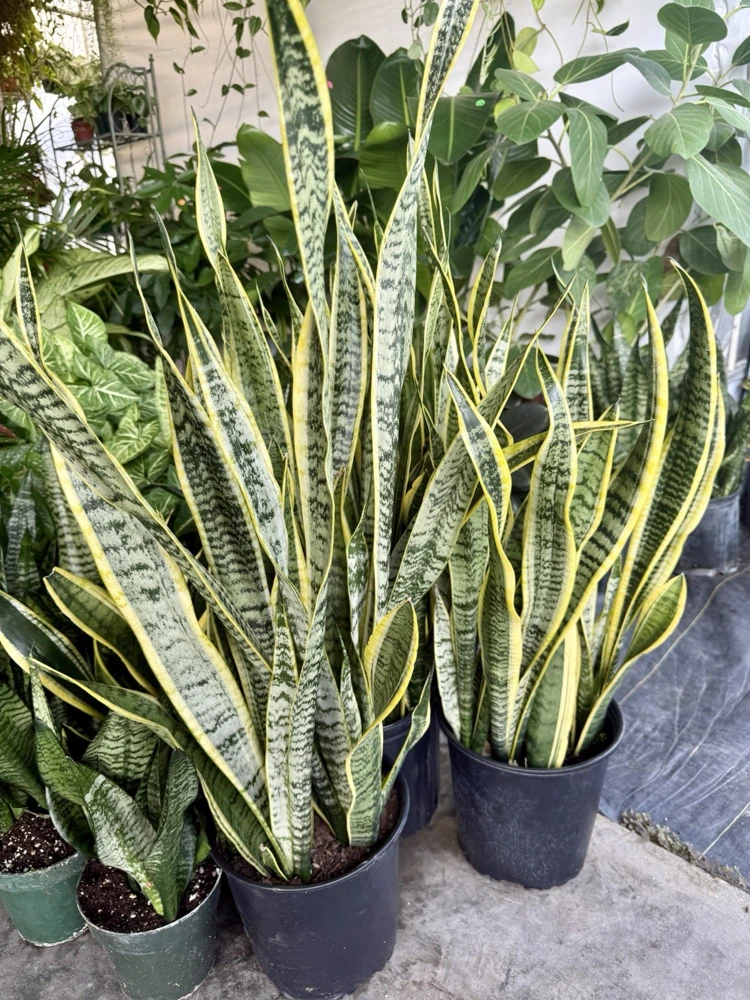
Bring home a vibrant Dracaena trifasciata ‘Laurentii’ snake plant, a popular and easy-to-care-for indoor houseplant. Known for its striking yellow-edged, sword-like leaves, this plant is perfect for adding a touch of natural elegance to any room. It’s an excellent choice for beginners and busy individuals seeking a resilient and attractive plant.
Estimated arrival
Oct 27
Nov 01 - Nov 03
Nov 06 - Nov 10
Shop With Confidence
30-Day Plant Health Guarantee
Arrives damaged? We’ll replace it free — see our return policy.
Responsive Support
Email us anytime, we reply within 1 business day.
Expert Packaging
Temperature-controlled shipping to protect your plants in transit.
Secure Checkout
Pay safely with Visa, Mastercard, PayPal.
Plant Specifications
-
USDA Hardiness Zone
USDA zones 9-11 (outdoors), suitable for all zones indoors -
Soil Type
Well-draining potting mix, ideally for succulents or cacti -
Sunlight Exposure
Bright indirect light to low light -
Expected Planting Period
Year-round indoors
Overview
The Dracaena trifasciata ‘Laurentii’ snake plant, also widely known as the Sansevieria trifasciata ‘Laurentii’, is a classic and beloved indoor plant renowned for its striking appearance and incredible resilience. This particular variety features strong, upright, sword-shaped leaves with beautiful dark green centers and distinct golden-yellow margins, creating a vibrant contrast that brightens any interior space. As a live plant, it not only adds aesthetic appeal but also contributes to a healthier indoor environment by purifying the air. The Dracaena trifasciata Laurentii is a fantastic choice for both seasoned plant enthusiasts and those just beginning their plant journey, thanks to its forgiving nature and minimal care requirements. Its architectural form makes it a versatile decorative element, fitting seamlessly into modern, minimalist, or traditional decor styles. Commonly referred to as a snake plant or mother-in-law’s tongue, this plant is a staple for anyone looking to introduce greenery without significant upkeep.
Originating from West Africa, the Dracaena trifasciata ‘Laurentii’ snake plant has adapted to thrive in various conditions, making it an ideal houseplant. Its ability to tolerate low light and infrequent watering makes it one of the most low-maintenance plants available. Whether placed on a desk, a shelf, or as a floor plant, it provides a bold vertical accent. This particular live plant is ready to become a cherished part of your home, offering enduring beauty and simple elegance. Its robust nature ensures it can withstand a range of indoor environments, making it a truly dependable and rewarding plant to own.
Key Benefits
The Dracaena trifasciata Laurentii offers a multitude of benefits that make it a highly desirable addition to any home or office. These advantages extend beyond just its visual appeal, contributing to a healthier and more enjoyable living space.
- Exceptional Air Purification: This plant is a NASA-certified air purifier, effectively removing toxins like formaldehyde, benzene, and trichloroethylene from the air, improving your indoor air quality. The snake plant indoor is particularly unique as it converts carbon dioxide into oxygen at night.
- Remarkably Low Maintenance: Known for its hardiness, the Dracaena trifasciata ‘Laurentii’ snake plant tolerates neglect and is perfect for busy individuals or novice plant owners. It forgives missed waterings and thrives in a wide range of conditions.
- Drought Tolerant: Its succulent-like leaves store water, allowing it to go for extended periods without watering, making it ideal for those who travel frequently or tend to forget watering schedules.
- Adaptable to Various Light Conditions: While it prefers bright, indirect light, the Laurentii snake plant care is notably easy because it can adapt to low light environments, making it suitable for almost any room in your home.
- Stunning Aesthetic Appeal: With its tall, architectural leaves featuring bold green and yellow variegation, the Sansevieria trifasciata adds a sophisticated and modern touch to any interior decor.
- Long Lifespan: With proper care, these plants can live for many years, becoming a long-standing green companion in your home.
- Pet-Friendly (with caution): While generally considered toxic if ingested, it’s less appealing to pets than other houseplants, and its upright growth habit often keeps leaves out of reach.
Plant Care & Growing Tips
Caring for your Dracaena trifasciata ‘Laurentii’ snake plant is incredibly straightforward, making it one of the easiest houseplants to maintain. These plants thrive on neglect, making them perfect for beginners or those with busy schedules. When it comes to sunlight, the ‘Laurentii’ variety prefers bright, indirect light but is remarkably tolerant of lower light conditions. However, too little light can cause its vibrant yellow margins to fade, so aim for a spot near a window that receives filtered light. Avoid direct, harsh sunlight, which can scorch its leaves. A north or east-facing window is often ideal, or a few feet away from a south or west-facing window.
Watering is perhaps the most crucial aspect of Laurentii snake plant care, and less is definitely more. Allow the soil to dry out completely between waterings. Overwatering is the most common cause of problems, leading to root rot. During the growing season (spring and summer), you might water every 2-4 weeks, reducing frequency significantly in fall and winter to once a month or even less, depending on your home’s humidity. When you do water, water thoroughly until it drains from the bottom of the pot, then discard any excess water in the saucer. A well-draining potting mix, ideally one formulated for succulents or cacti, is essential to prevent waterlogging. The soil should be gritty and allow for quick drainage.
The Sansevieria trifasciata is tolerant of average room temperatures, typically between 65-80°F (18-27°C). It does not like cold drafts or temperatures below 50°F (10°C). Humidity is not a major concern for this plant; it does well in typical household humidity levels. Fertilize sparingly; a balanced liquid houseplant fertilizer diluted to half strength once or twice during the growing season (spring and summer) is sufficient. Avoid fertilizing in fall and winter. Common problems are usually related to overwatering. If leaves turn yellow or mushy, reduce watering immediately. Brown tips can indicate underwatering or low humidity, though this is less common. Repotting is rarely needed as these plants prefer to be pot-bound. When repotting, choose a pot only slightly larger than the current one to continue promoting healthy growth. This minimal Laurentii snake plant care ensures a thriving and beautiful plant for years to come.
Size & Details
This Dracaena trifasciata ‘Laurentii’ snake plant is a vibrant live plant, typically shipped in a nursery pot, ready for you to place in your chosen decorative container. While exact measurements can vary slightly, a ‘Big Plant’ designation usually implies a well-established specimen, often ranging from 12 to 24 inches in height from the soil line, depending on the specific grow batch. The plant’s upright, architectural form makes it an excellent vertical accent. It has a slow to moderate growth rate, gradually producing new leaves and eventually forming new pups around the base, which can be divided to propagate new plants. This Sansevieria trifasciata arrives as a healthy, rooted plant, ensuring a strong start in its new home. It will continue to grow, reaching mature heights of 2-4 feet indoors over several years with optimal care. The pot size will typically be a standard nursery size suitable for a plant of its established height, often between 6-8 inches in diameter, providing ample space for initial growth without immediate repotting.
Frequently Asked Questions
- Q: How big does this plant get? A: The Dracaena trifasciata ‘Laurentii’ snake plant can typically grow to be 2 to 4 feet tall indoors, with individual leaves reaching impressive heights. Its growth rate is moderate, so it will gradually fill out your space over time.
- Q: Is this an indoor or outdoor plant? A: This is primarily an snake plant indoor, highly valued for its ability to thrive in typical household conditions. While it can tolerate outdoor conditions in very warm climates (USDA zones 9-11), it’s generally kept as an indoor houseplant in most regions.
- Q: How much sunlight does it need? A: The Dracaena trifasciata Laurentii prefers bright, indirect light but is very adaptable and can tolerate low light conditions. Avoid direct, harsh sunlight which can damage its leaves.
- Q: Is this plant easy to care for? A: Yes, the Laurentii snake plant care is considered one of the easiest among houseplants. It’s very forgiving of neglect, making it perfect for beginners or those who don’t have a lot of time for plant maintenance.
- Q: What condition will it arrive in? A: Your Dracaena trifasciata ‘Laurentii’ snake plant will arrive as a healthy, live plant, typically in a nursery pot with soil, carefully packaged to ensure its safe journey to your home. We prioritize the health and safety of our plants during shipping.
- Q: Is it pet-safe? A: Like many houseplants, the Sansevieria trifasciata is considered mildly toxic if ingested by pets. It’s best to keep it out of reach of curious animals to prevent any issues.
- Q: How often should I water my snake plant? A: Water sparingly. Allow the soil to dry out completely between waterings. This typically means every 2-4 weeks during the growing season and even less frequently in winter, depending on your indoor environment.
- Q: Why are the leaf tips turning brown? A: Brown leaf tips on a snake plant indoor can sometimes indicate underwatering or very low humidity, though it’s less common than issues from overwatering. Ensure you are watering thoroughly when the soil is dry.
- Q: Can I propagate this plant? A: Yes, you can easily propagate the Dracaena trifasciata ‘Laurentii’ snake plant by dividing the rhizomes or by taking leaf cuttings. This allows you to create more plants from your existing one.
- Q: Will this plant purify the air? A: Absolutely! The Dracaena trifasciata ‘Laurentii’ snake plant is renowned for its air-purifying qualities, effectively removing common household toxins and producing oxygen, even at night.
Be the first to review “Dracaena trifasciata ‘Laurentii’ Snake Plant Live Plant – Indoor Houseplant”
People Also Viewed



Flower Plants
Trailing Lavender Lantana Live Plants (2-Pack) – Purple Weeping Montevidensis, 5-9″ Tall



Reviews
There are no reviews yet.