
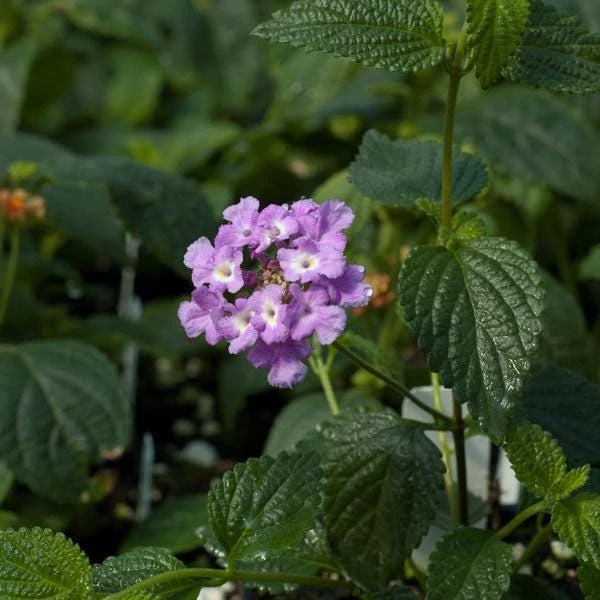
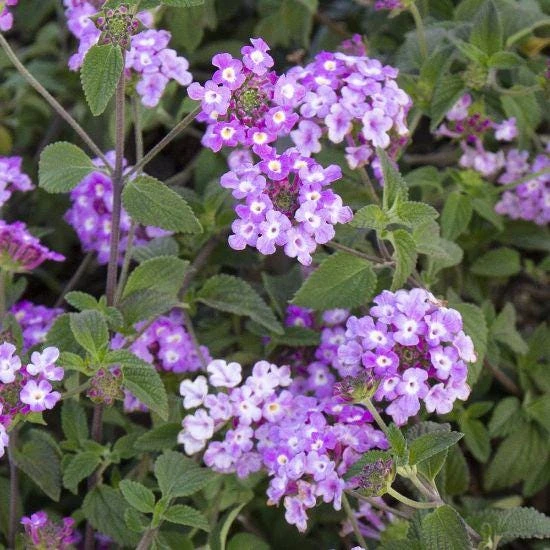
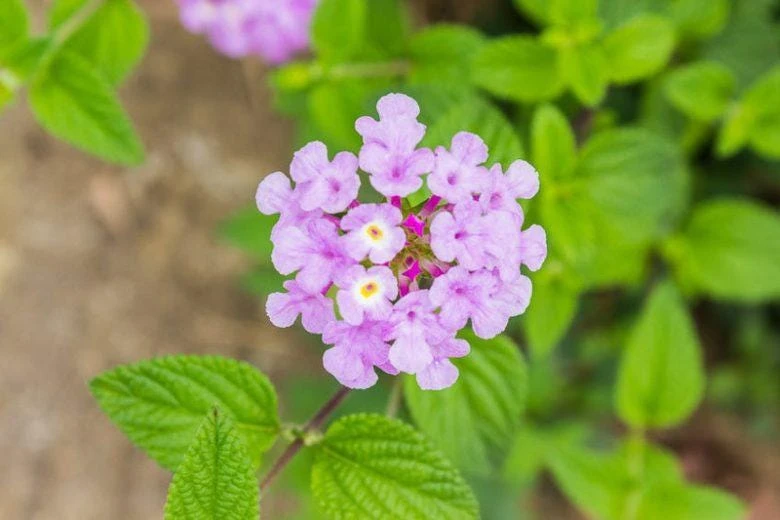
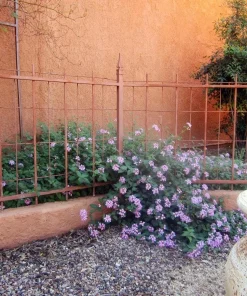
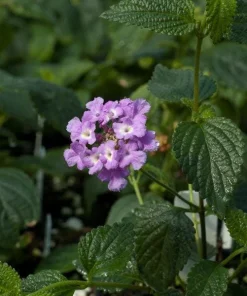
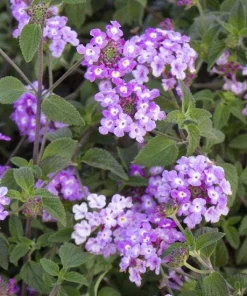
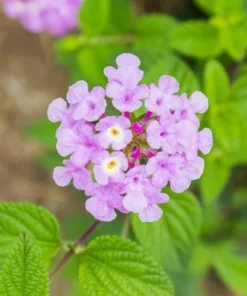
Trailing Lavender Lantana Live Plants (2-Pack) – Purple Weeping Montevidensis, 5-9″ Tall
Original price was: $54.40.$29.40Current price is: $29.40.
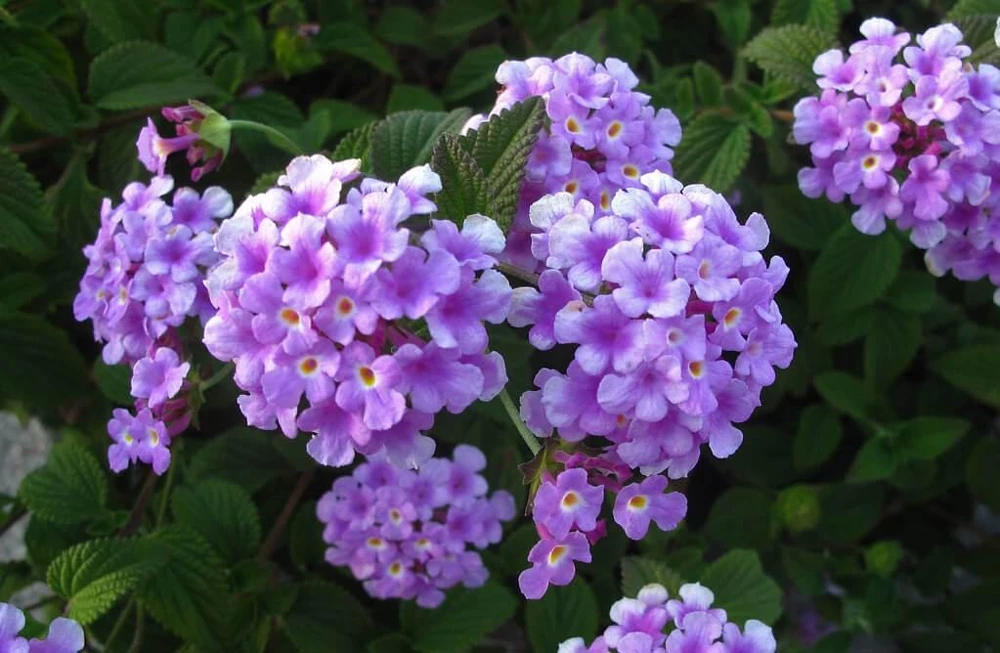
Receive a 2-pack of trailing lavender lantana live plant, 5-9 inches tall, ready to transform your garden. This weeping purple lantana creates a cascade of lilac blooms, perfect for hanging baskets, containers, or as a vibrant groundcover. Enjoy continuous color and attract pollinators with this easy-care, drought tolerant lantana.
Estimated arrival
Oct 25
Oct 30 - Nov 01
Nov 04 - Nov 08
Shop With Confidence
30-Day Plant Health Guarantee
Arrives damaged? We’ll replace it free — see our return policy.
Responsive Support
Email us anytime, we reply within 1 business day.
Expert Packaging
Temperature-controlled shipping to protect your plants in transit.
Secure Checkout
Pay safely with Visa, Mastercard, PayPal.
Plant Specifications
-
USDA Hardiness Zone
USDA Zones 9-11 (Perennial), Zones 2-8 (Annual) -
Soil Type
Well-draining soil, adaptable to poor/sandy soil -
Sunlight Exposure
Full sun (6+ hours) -
Expected Planting Period
Spring, after last frost
Overview
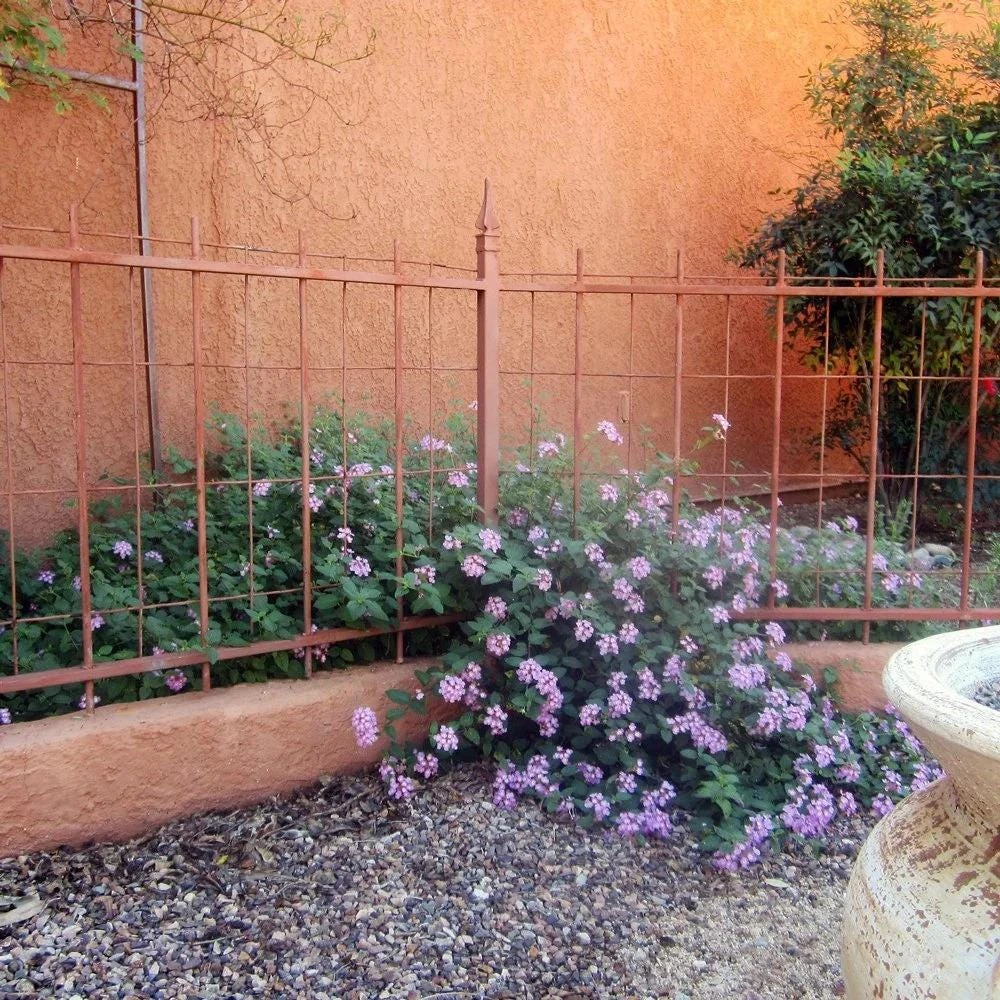
Transform your outdoor spaces into a vibrant spectacle with the trailing lavender lantana live plant. This offering includes a premium pack of two vigorous, well-rooted live plants, each standing 5-9 inches tall, ready to thrive in your garden. Unlike upright lantana varieties, this weeping form of Lantana montevidensis is celebrated for its long, cascading stems adorned with clusters of dainty, lilac-purple flowers. It creates a stunning ‘spiller’ effect, gracefully pouring over the edges of hanging baskets, window boxes, and retaining walls, or spreading beautifully as a dense, weed-suppressing groundcover. This low-maintenance beauty brings continuous color from spring until frost, making it an ideal choice for both novice and experienced gardeners seeking effortless elegance.
The trailing lavender lantana live plant is a true performer, known for its resilience and prolific blooming. Its unique weeping habit and vibrant purple flowers make it a standout for various landscaping applications. Whether you’re looking to add a touch of romance to your patio or create a bustling haven for pollinators, this plant delivers both aesthetic appeal and ecological benefits. Expect to receive healthy saplings shipped in their grow pots, ensuring their root systems remain hydrated and ready for immediate planting upon arrival.
Key Benefits
The trailing lavender lantana live plant offers a multitude of advantages for any garden, combining beauty with incredible hardiness. Its continuous bloom cycle and adaptability make it a favorite among gardeners. Discover why this plant is a must-have:
- Continuous Lilac-Purple Blooms: Enjoy a constant display of beautiful lilac-purple flower clusters from late spring through to the first frost. In frost-free zones, it can bloom year-round, providing unparalleled color.
- Stunning Weeping Habit: This unique variety creates a dramatic ‘spiller’ effect, with long, trailing stems that cascade over container edges, hanging baskets, and walls, adding a soft, romantic touch to your landscape.
- Excellent Groundcover: In appropriate zones, it forms a dense, weed-suppressing carpet, rapidly filling empty spaces on banks and sunny slopes with vibrant color and texture.
- Pollinator Magnet: The sweet nectar of its purple blooms is irresistible to butterflies, bees, and hummingbirds, turning your garden into a lively, eco-friendly wildlife sanctuary. This makes it a fantastic pollinator friendly lantana.
- Drought and Heat Tolerant: Thrives in hot, dry conditions and requires minimal water once established, making it perfect for regions with summer droughts and for the ‘forgetful’ gardener. This truly is a drought tolerant lantana.
- Deer and Salt Resistant: Its natural resistance to deer and tolerance for salt spray make it an excellent choice for coastal gardens or areas prone to wildlife browsing.
- Low Maintenance: This plant is incredibly tough and forgiving, requiring little care to produce an abundance of blooms, allowing you more time to enjoy your garden.
Plant Care & Growing Tips
Caring for your trailing lavender lantana live plant is straightforward, as it is known for its robust and forgiving nature. To ensure optimal growth and a spectacular display of flowers, follow these simple guidelines. This plant thrives on neglect, making it perfect for busy gardeners.
Sunlight Requirements: This lantana demands full sun exposure, meaning at least 6+ hours of direct sunlight daily, to achieve its best blooming performance. While it can tolerate some partial shade, too little sun will result in fewer flowers. Position it where it will receive ample morning to early afternoon sun for the most vigorous growth and prolific blooms.
Watering Schedule & Soil Moisture: Once established, the trailing lavender lantana live plant is exceptionally drought-tolerant and requires little to no watering. During its initial planting and establishment phase, water regularly to keep the soil consistently moist but not waterlogged. Allow the top inch or two of soil to dry out between waterings. Overwatering can be detrimental, so ensure good drainage. Proper lantana montevidensis care emphasizes allowing the soil to dry out between waterings.
Soil Type and Drainage: This plant is adaptable to various soil types, but it performs best in well-draining soil. It can even tolerate poor, sandy soils where other plants might struggle. If planting in containers, use a high-quality potting mix that drains well. Good drainage is crucial to prevent root rot, especially in humid climates.
Temperature Range & USDA Hardiness Zone: The trailing lavender lantana live plant is hardy in USDA Zones 9-11, where it can be grown as a perennial and often blooms year-round. In colder Zones (2-8), it is typically grown as a high-performance annual, thriving through the summer heat and humidity until the first frost. It loves warmth and is not tolerant of freezing temperatures.
Fertilization: This plant is not a heavy feeder. A light application of a balanced, slow-release granular fertilizer in spring, or a liquid feed every 4-6 weeks during the growing season, is usually sufficient. Avoid over-fertilizing, as this can lead to more foliage and fewer flowers. Focus on healthy growth rather than excessive feeding for the best results.
Pruning: Light pruning can help maintain its shape and encourage more branching and blooms. You can trim back longer stems to promote a bushier habit or to control its spread. Deadheading (removing spent flowers) is not strictly necessary as it is self-cleaning, but it can slightly encourage more blooms.
Common Problems: Lantana is generally pest and disease resistant. Occasionally, you might encounter whiteflies or spider mites, especially in dry conditions. These can usually be managed with insecticidal soap. Ensure good air circulation to prevent fungal issues. Its hardiness contributes to easy lantana montevidensis care.
Size & Details
Each order includes a premium pack of two trailing lavender lantana live plant specimens, each carefully nurtured to a healthy height of 5-9 inches tall. These vigorous plants are shipped in their grow pots, ensuring their delicate root systems are protected and hydrated during transit, ready for immediate planting. The plants are well-rooted saplings, not bare root, which significantly aids in their successful establishment in your garden or containers. When mature, this weeping variety can produce trailing stems up to 3 feet long when grown in hanging baskets, creating a spectacular curtain of blooms. As a groundcover, it can spread 3-5 feet wide, forming a dense, flowering carpet. These plants exhibit a moderate to fast growth rate, quickly filling out their designated space with vibrant color. Expect continuous flowering from late spring through fall, or year-round in frost-free climates, providing long-lasting beauty and attracting beneficial insects.
Frequently Asked Questions
- Q: How big does this trailing lavender lantana live plant get? A: When mature, the trailing stems can reach up to 3 feet in length when grown in hanging baskets or containers. As a groundcover, it typically spreads 3-5 feet wide, forming a dense mat of foliage and flowers.
- Q: Is this an indoor or outdoor plant? A: This lantana is primarily an outdoor plant, thriving in full sun. In USDA Zones 9-11, it is a hardy perennial. In colder zones (2-8), it is best treated as an annual for summer performance.
- Q: How much sunlight does it need? A: For optimal blooming, the trailing lavender lantana live plant requires full sun, meaning at least 6+ hours of direct sunlight per day. Less sun will result in fewer flowers.
- Q: Is this plant easy to care for? A: Yes, this lantana is incredibly easy to care for. It thrives on neglect, is drought-tolerant, deer-resistant, and salt-tolerant, making it a perfect choice for gardeners of all skill levels. Its minimal needs contribute to easy lantana montevidensis care.
- Q: What condition will the plants arrive in? A: You will receive two healthy, well-rooted saplings, 5-9 inches tall, shipped in their grow pots to ensure the root system is protected and hydrated, ready for planting.
- Q: When is the best time to plant this weeping purple lantana? A: The best time to plant is in spring after the last danger of frost has passed. This allows the plant ample time to establish itself before the peak heat of summer.
- Q: Will it attract pollinators to my garden? A: Absolutely! This pollinator friendly lantana is a super-highway for butterflies, bees, and hummingbirds, who are highly attracted to its sweet nectar and vibrant purple blooms.
- Q: Is this drought tolerant lantana suitable for hot climates? A: Yes, it is exceptionally well-suited for hot climates. It thrives in intense heat and humidity, outperforming many other flowers during the dog days of summer.
- Q: What kind of soil does it prefer? A: It prefers well-draining soil and can even tolerate poor or sandy soils. Good drainage is more important than rich soil for this resilient plant.
- Q: Can I grow this lantana in a container? A: Yes, it is an excellent choice for containers and hanging baskets, where its weeping habit can be fully appreciated as it cascades over the edges.
Be the first to review “Trailing Lavender Lantana Live Plants (2-Pack) – Purple Weeping Montevidensis, 5-9″ Tall”
People Also Viewed
Reviews
There are no reviews yet.