
Fragrant Japanese Honeysuckle Live Plant – Sweet Scented Climbing Vine
Original price was: $47.99.$32.99Current price is: $32.99.
Bring the sweet, captivating aroma of Japanese Honeysuckle live plant to your garden. This vigorous climbing vine, also known as Lonicera japonica plant, is perfect for covering trellises, fences, or arbors, creating a beautiful and fragrant display.
Estimated arrival
Oct 25
Oct 30 - Nov 01
Nov 04 - Nov 08
Shop With Confidence
30-Day Plant Health Guarantee
Arrives damaged? We’ll replace it free — see our return policy.
Responsive Support
Email us anytime, we reply within 1 business day.
Expert Packaging
Temperature-controlled shipping to protect your plants in transit.
Secure Checkout
Pay safely with Visa, Mastercard, PayPal.
Plant Specifications
-
USDA Hardiness Zone
USDA zones 4-9 -
Soil Type
Well-draining soil, rich in organic matter -
Sunlight Exposure
Full sun to partial shade -
Expected Planting Period
Spring to early fall
Overview
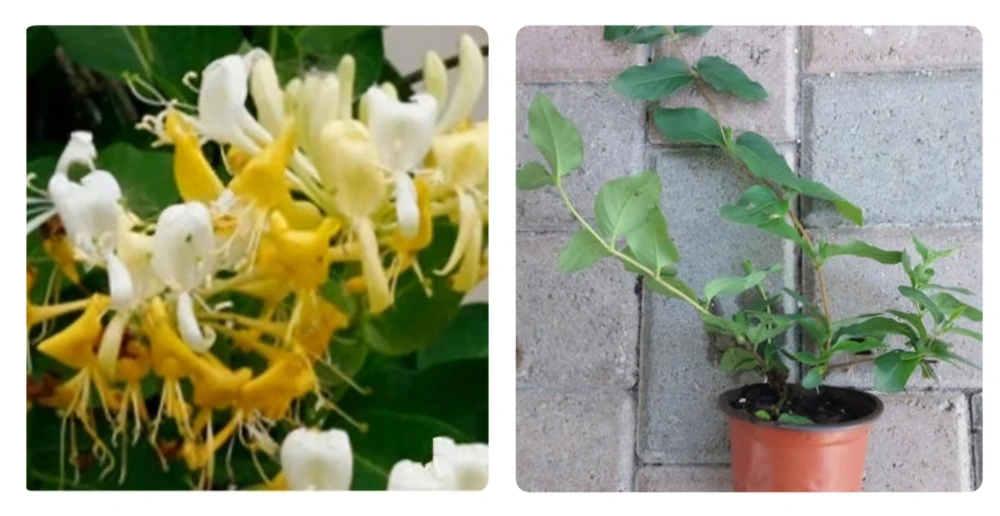
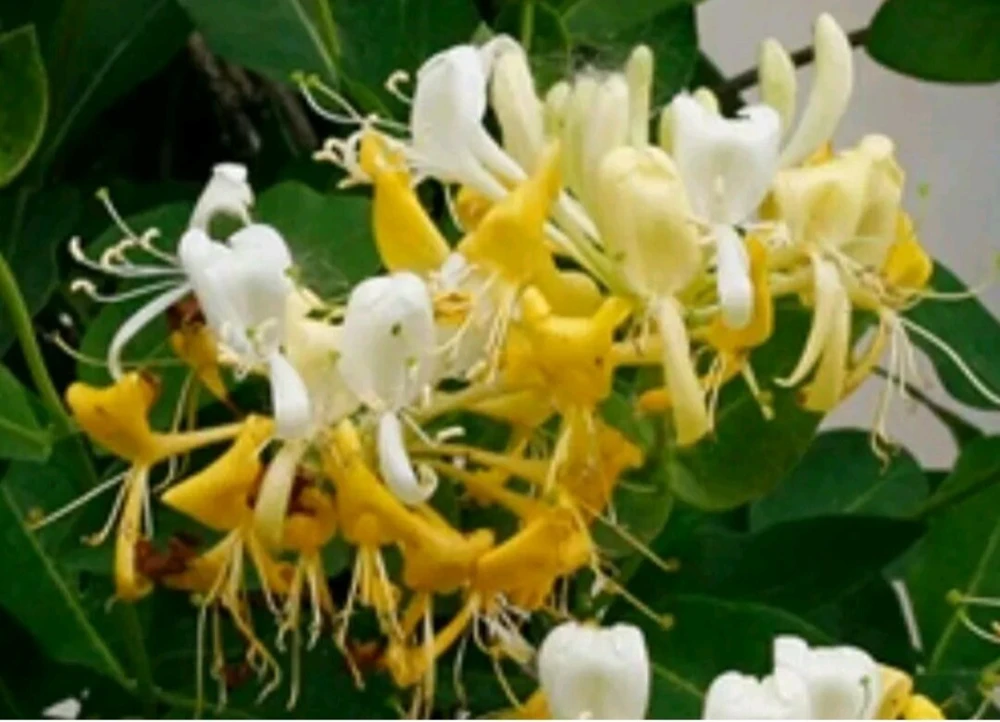
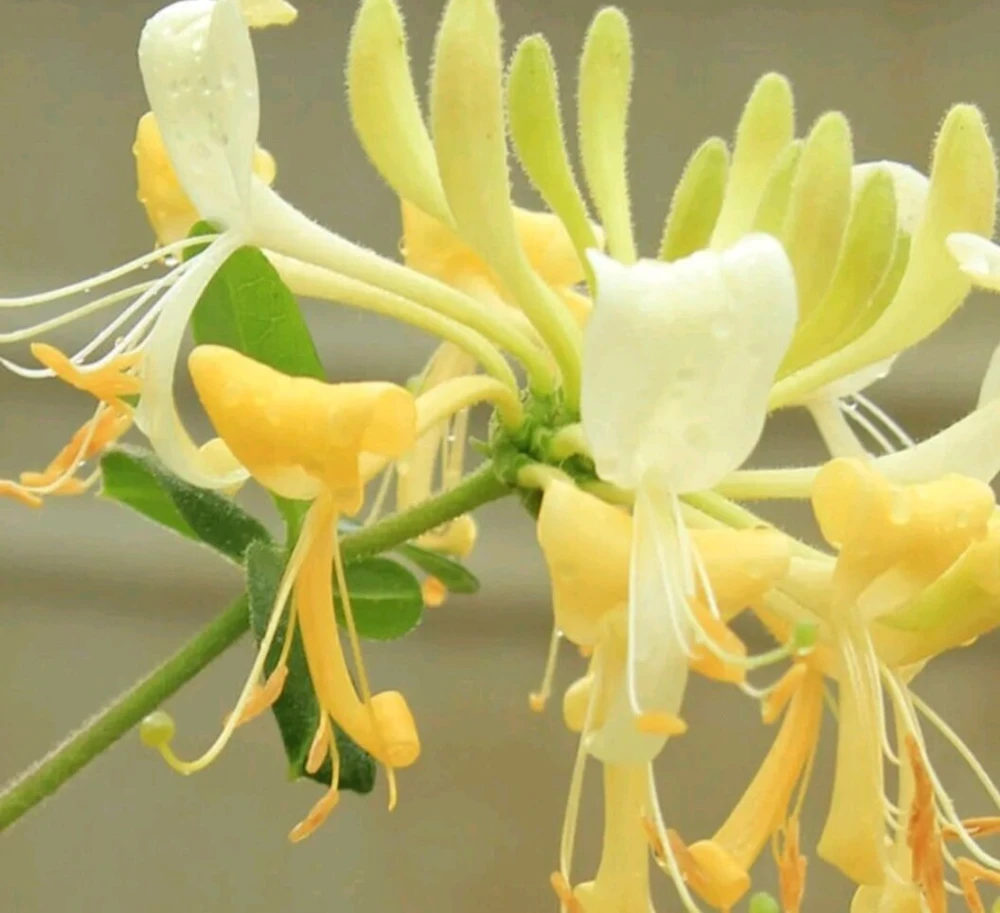
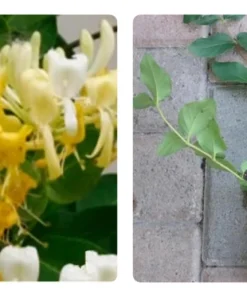
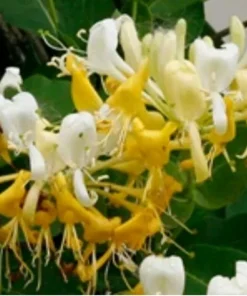
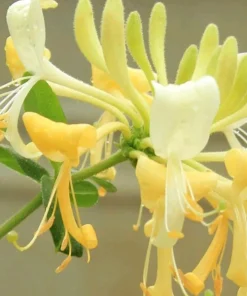
Introduce a touch of natural elegance and an intoxicating aroma to your outdoor space with this exquisite Japanese Honeysuckle live plant. Known botanically as Lonicera japonica, this fast-growing, evergreen to semi-evergreen vine is celebrated for its highly fragrant, tubular flowers that bloom from late spring through summer, sometimes even into fall. The delicate white flowers often mature to a creamy yellow, offering a beautiful color contrast against its lush green foliage. This particular variety is well-rooted and ready to thrive in your garden, providing a vigorous climbing habit that quickly covers structures and adds vertical interest. Ideal for creating scented screens or softening hardscapes, the fragrant honeysuckle vine is a classic choice for gardeners seeking both beauty and a delightful sensory experience.
While cherished for its ornamental qualities and sweet scent, it’s important to understand the growth habits of this plant. It’s a robust grower that can quickly establish itself, making it a favorite for rapid coverage but also requiring thoughtful placement and management to prevent it from becoming overly dominant. Its adaptability to various soil types and light conditions contributes to its popularity, making it a versatile addition to many garden designs. The charm of its flowers and the allure of its perfume make the Lonicera japonica plant a truly captivating specimen for any landscape.
Key Benefits
The Japanese Honeysuckle live plant offers numerous advantages for the home gardener, transforming ordinary spaces into fragrant havens. Its versatile nature and aesthetic appeal make it a standout choice:
- Exquisite Fragrance: Enjoy the strong, sweet, and captivating scent that fills the air, especially in the evenings, making your garden a more inviting and sensory experience. This sweet scented climbing plant is a natural perfume diffuser.
- Vigorous Growth & Coverage: This fast-growing vine quickly covers trellises, arbors, fences, and walls, providing excellent privacy, shade, and a lush green backdrop. It’s perfect for quickly establishing green screens.
- Attractive Blooms: The delicate white flowers, maturing to yellow, provide a beautiful visual appeal throughout the growing season, attracting pollinators like bees and hummingbirds to your garden.
- Low Maintenance: Once established, Japanese Honeysuckle is relatively easy to care for, tolerant of a range of conditions, and generally resistant to pests and diseases, making it suitable for busy gardeners.
- Versatile Landscaping Use: Ideal for cascading over retaining walls, trailing along the ground as a fragrant groundcover, or climbing vertically, adding dynamic texture and interest to various garden designs.
- Wildlife Attraction: The nectar-rich flowers are a favorite food source for hummingbirds and various beneficial insects, contributing to a healthy garden ecosystem.
- Adaptable & Resilient: Thrives in a wide range of climates and soil types, demonstrating remarkable resilience and adaptability, ensuring it can flourish in many different garden settings.
Plant Care & Growing Tips
Caring for your Japanese Honeysuckle live plant is generally straightforward, but understanding its specific needs will ensure it thrives and provides abundant fragrant blooms. This vine prefers a location with full sun to partial shade. In hotter climates, some afternoon shade can protect it from intense heat, while in cooler regions, more sun will encourage prolific flowering. Aim for at least 6 hours of direct sunlight daily for the best results. While adaptable to various soil conditions, it performs best in well-draining soil that is rich in organic matter. Amend heavy clay soils with compost or other organic material to improve drainage and aeration.
Water regularly, especially during dry spells and in its first year of establishment. The soil should remain consistently moist but not waterlogged. Once established, the fragrant honeysuckle vine becomes more drought-tolerant, but supplemental watering during prolonged dry periods will promote better growth and flowering. Fertilize in early spring with a balanced, all-purpose granular fertilizer. Pruning is essential to manage its vigorous growth and maintain its shape. The best time to prune is after the main flush of flowers in late spring or early summer. Remove any dead, damaged, or unruly branches, and cut back to control its size and prevent it from becoming an invasive species awareness issue in certain regions. Regular pruning will also encourage more compact growth and a greater abundance of flowers.
While generally hardy, monitor for common pests like aphids, which can be treated with insecticidal soap. Ensure good air circulation to prevent fungal diseases. The Lonicera japonica plant is quite resilient, but proactive care will keep it looking its best and flowering profusely. Consider providing a sturdy support structure, as this plant can become heavy as it matures. With proper care, your Japanese Honeysuckle will become a beautiful and aromatic focal point in your garden for years to come.
Size & Details
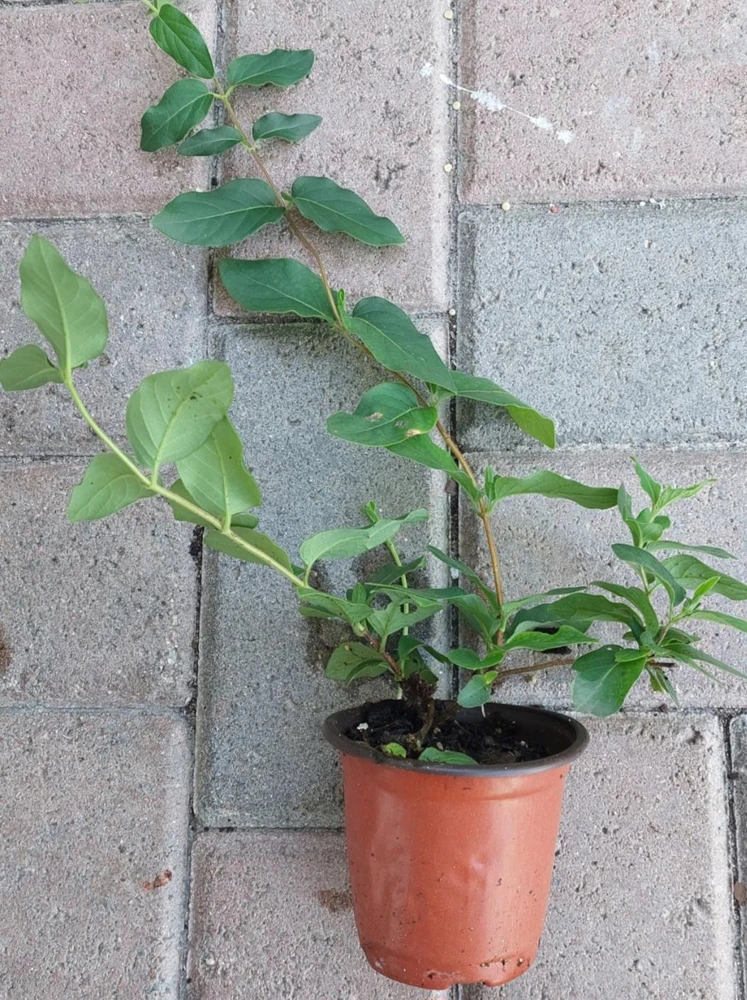
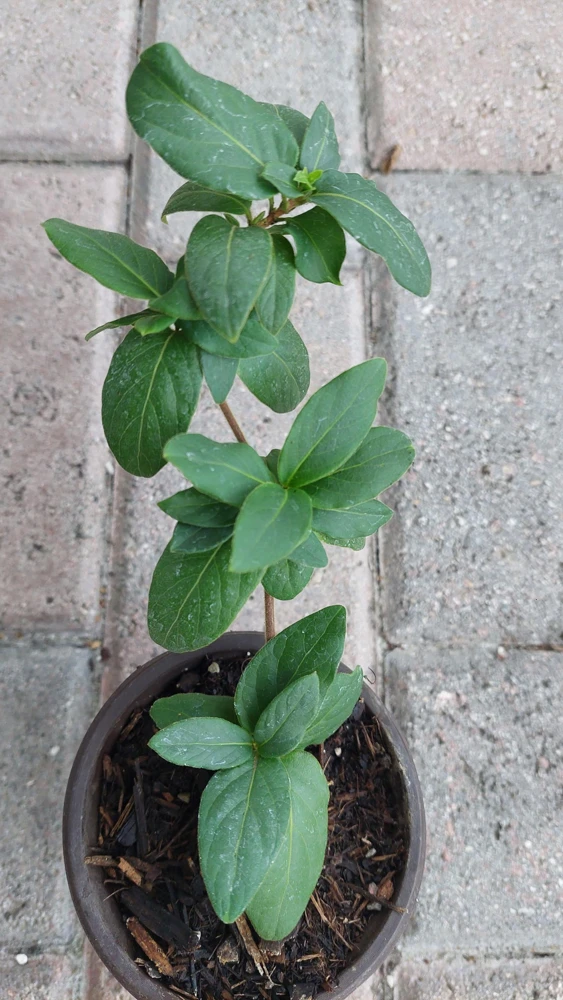
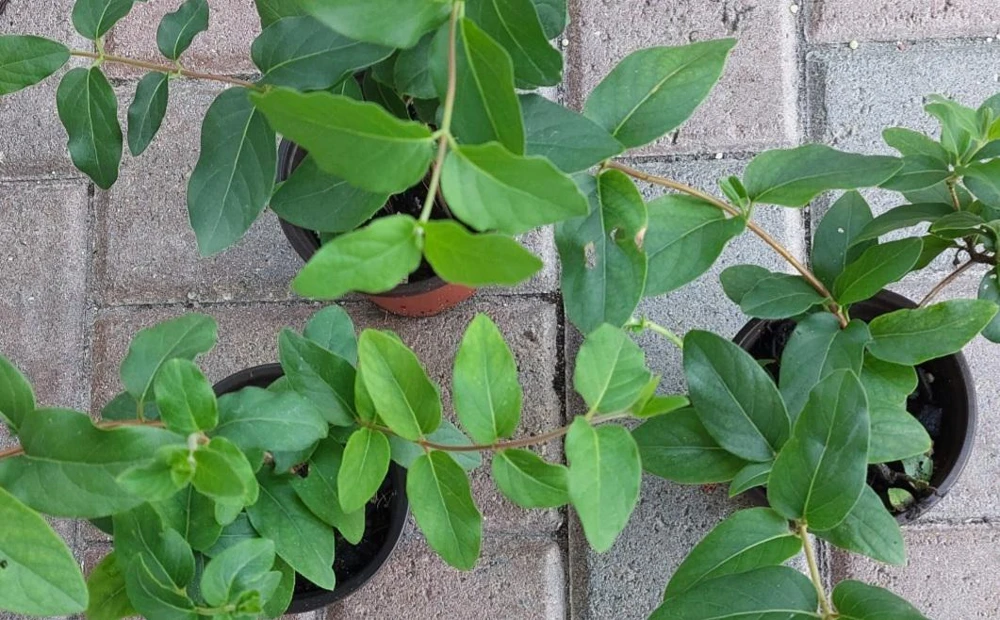
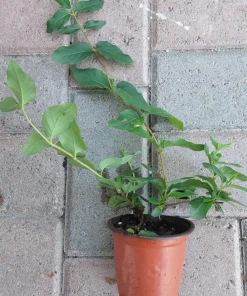
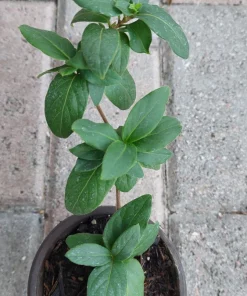
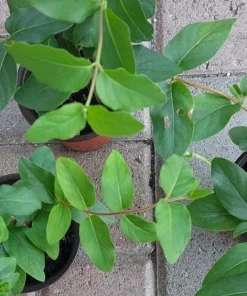
This offering is for a well-rooted Japanese Honeysuckle live plant, typically shipped in a plastic pot, ensuring it arrives healthy and ready for planting. The exact height and pot size may vary slightly depending on the growth stage and availability, but plants are generally established starter plants. Japanese Honeysuckle is a vigorous climber, capable of reaching lengths of 15 to 30 feet or more when mature, with a spread often matching its height if allowed to ramble. Its rapid growth rate means it can quickly cover arbors, fences, or provide dense groundcover. Expect continuous blooms from late spring through summer, with the potential for sporadic flowering into fall in favorable climates. This sweet scented climbing plant is ideal for creating a quick, fragrant screen or adding vertical interest to your landscape.
Frequently Asked Questions
- Q: How big does this Japanese Honeysuckle get? A: A mature Japanese Honeysuckle live plant can reach lengths of 15 to 30 feet or more, with a similar spread if not actively pruned. Its vigorous growth allows it to cover structures quickly.
- Q: Is this an indoor or outdoor plant? A: This is primarily an outdoor plant, best suited for growing in gardens where it can climb or spread. It requires ample space and sunlight to thrive.
- Q: How much sunlight does it need? A: Japanese Honeysuckle prefers full sun to partial shade, ideally receiving at least 6 hours of direct sunlight per day for optimal flowering.
- Q: Is this plant easy to care for? A: Yes, once established, the Lonicera japonica plant is considered relatively easy to care for, requiring regular watering, occasional fertilization, and consistent pruning to manage its growth.
- Q: What condition will it arrive in? A: Your fragrant honeysuckle vine will arrive as a well-rooted live plant in a plastic pot, carefully packaged to ensure its health during transit.
- Q: When is the best time to plant Japanese Honeysuckle? A: The best time to plant is typically in spring or early fall, allowing the plant enough time to establish its root system before extreme temperatures.
- Q: Will it survive winter in my zone? A: Japanese Honeysuckle is hardy in USDA zones 4-9, meaning it can tolerate winter temperatures in a wide range of climates, often remaining evergreen in warmer zones.
- Q: How often should I water my new honeysuckle plant? A: Water your new sweet scented climbing plant regularly, keeping the soil consistently moist but not waterlogged, especially during its first growing season.
- Q: Does this plant attract pollinators? A: Absolutely! The fragrant flowers of the Japanese Honeysuckle are highly attractive to hummingbirds, bees, and other beneficial pollinators, enhancing your garden’s biodiversity.
- Q: What should I know about its growth habits? A: While beautiful, it’s important to be aware of the invasive species awareness aspect of Japanese Honeysuckle. It can be very vigorous, and regular pruning is crucial to manage its spread and prevent it from becoming invasive in some regions.
Be the first to review “Fragrant Japanese Honeysuckle Live Plant – Sweet Scented Climbing Vine”
People Also Viewed



Reviews
There are no reviews yet.