
American Beech Tree – 12-24″ Fagus grandifolia Live Plant – Quart Pot
Original price was: $101.99.$76.99Current price is: $76.99.
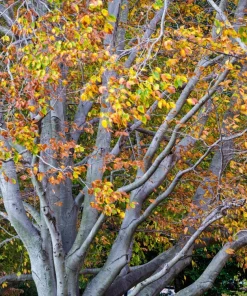
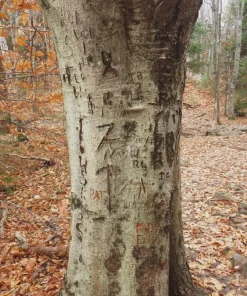
Cultivate a classic North American landscape with the American Beech Tree (Fagus grandifolia). This 12-24 inch tall American Beech bare root starter plant is perfect for establishing a long-lived, stately shade tree. Appreciated for its distinctive smooth, silvery-gray bark and dense canopy, it’s a wonderful addition to any garden or woodland.
Estimated arrival
Sep 29
Oct 04 - Oct 06
Oct 09 - Oct 13
Shop With Confidence
30-Day Plant Health Guarantee
Arrives damaged? We’ll replace it free — see our return policy.
Responsive Support
Email us anytime, we reply within 1 business day.
Expert Packaging
Temperature-controlled shipping to protect your plants in transit.
Secure Checkout
Pay safely with Visa, Mastercard, PayPal.
Plant Specifications
-
USDA Hardiness Zone
USDA Zones 3-9 -
Soil Type
Well-draining, moist, acidic to neutral soil -
Sunlight Exposure
Partial shade to full sun (partial shade when young) -
Expected Planting Period
Early spring or late fall
Overview
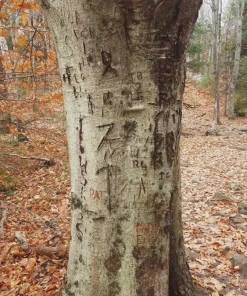
Introduce the timeless elegance of the American Beech Tree (Fagus grandifolia) to your landscape. This offering provides three 12-24 inch starter plants, shipped as American Beech bare root specimens, ready for planting. The American Beech, scientifically known as Fagus grandifolia, is a magnificent, slow-growing deciduous tree native to the eastern regions of North America. Renowned for its distinctive smooth, silvery-gray bark that remains smooth even on mature trunks, it creates an iconic presence in any setting. These trees are prized for their dense canopy, which provides excellent shade, and their valuable nuts, which are a food source for local wildlife. A long-lived species, the American Beech can thrive for 300 to 400 years, becoming a cherished part of your property for generations.
This Fagus grandifolia starter plant allows you to grow a majestic specimen that will contribute significantly to your ecosystem. Its robust nature and unique aesthetic make it a favored choice for naturalized areas, large estates, or as a prominent feature in a spacious garden. Understanding beech tree care from the outset will ensure a healthy, vigorous start for these impressive saplings.
Key Benefits
The American Beech Tree offers a multitude of benefits, making it an excellent choice for various landscapes. Its unique characteristics contribute both aesthetically and ecologically to your outdoor space. Here are some of the key advantages of growing this remarkable tree:
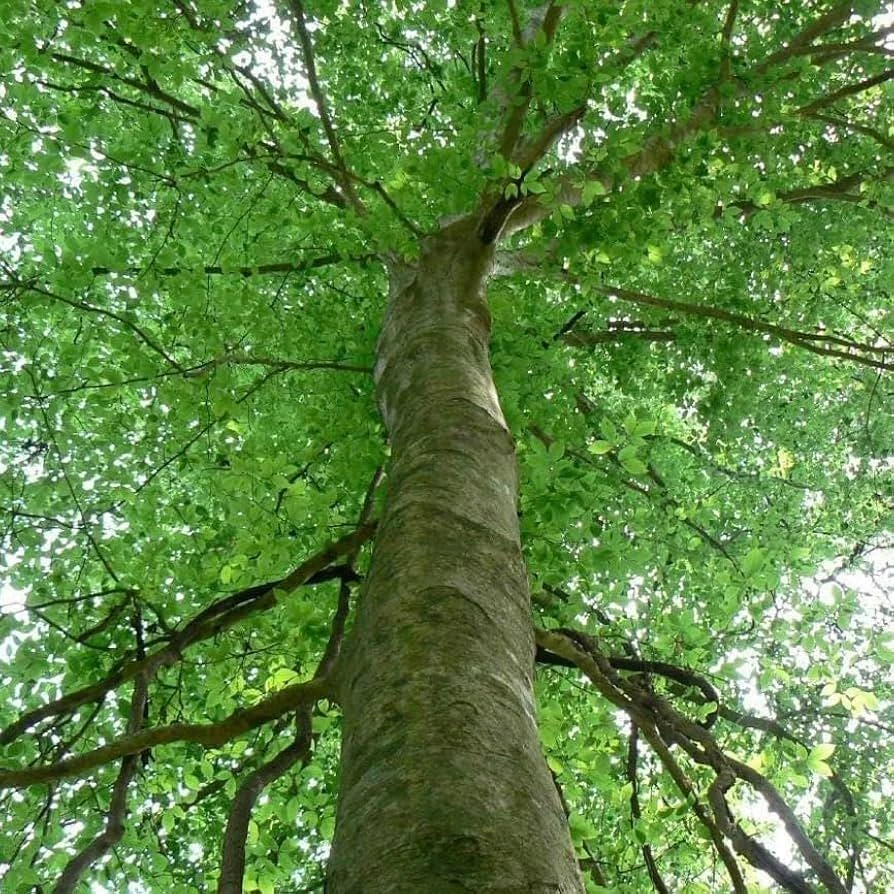
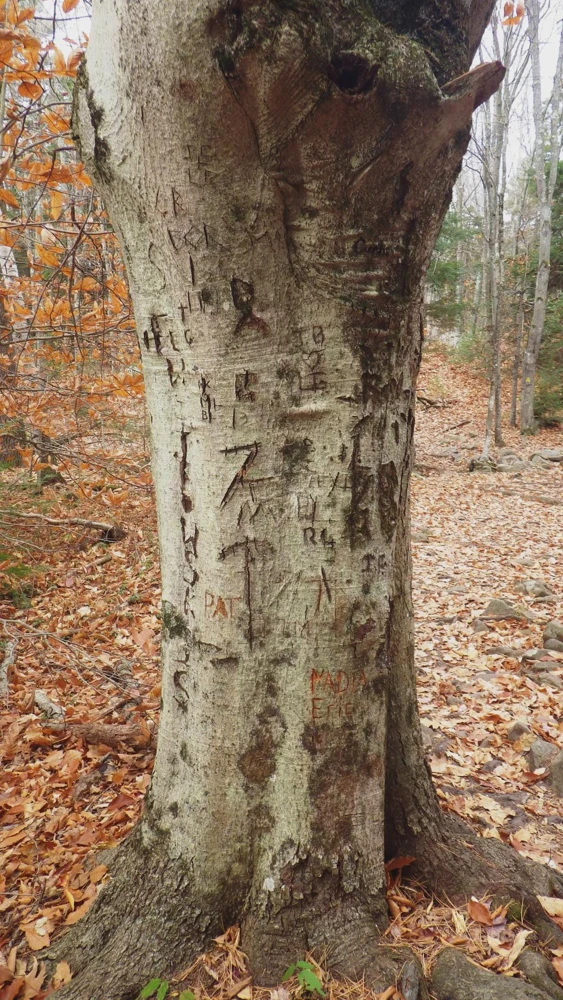
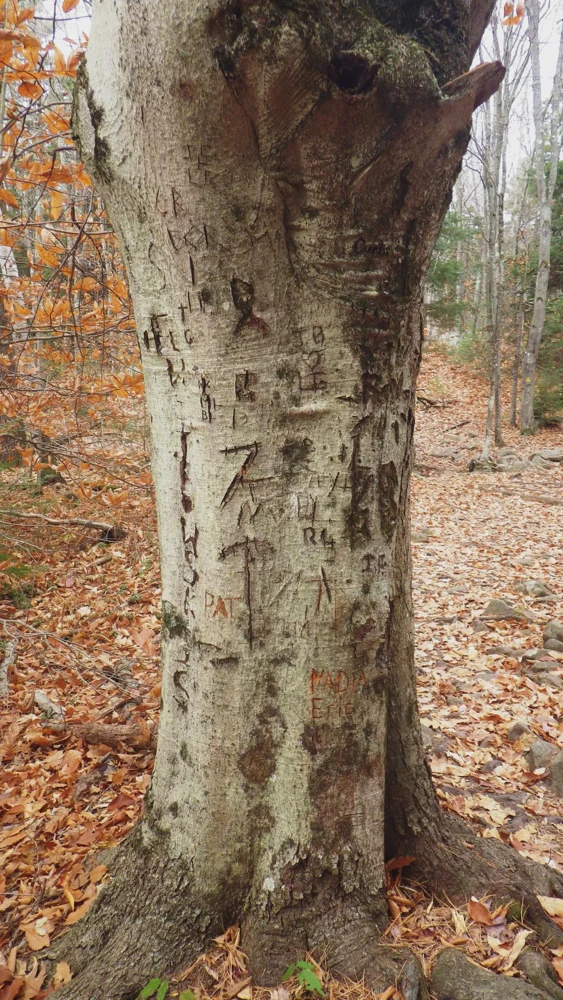
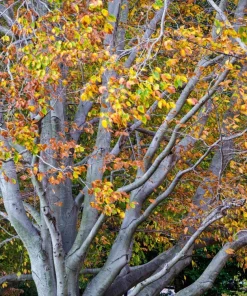
- Distinctive Beauty: The most identifiable feature of the American Beech Tree is its thin, smooth, steel-gray bark, which remains smooth even on mature, large trunks. This unique texture adds year-round visual interest and is unlike any other native tree.
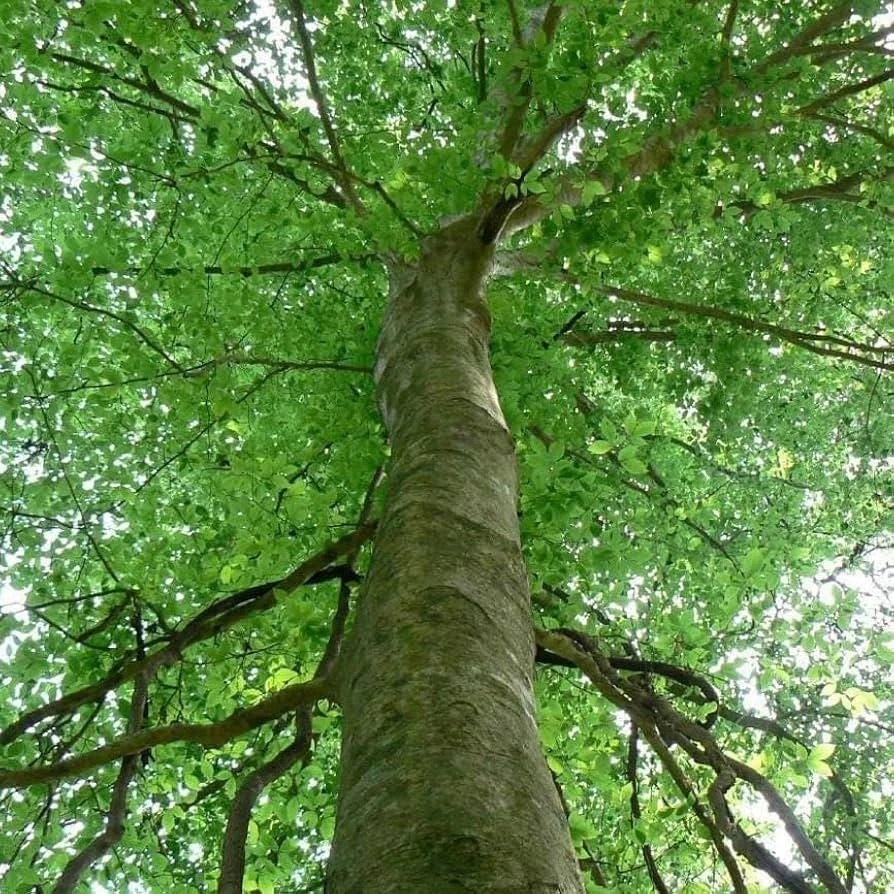
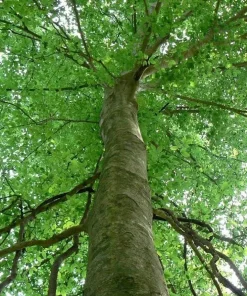
- Exceptional Shade Provider: With its dense canopy, the Fagus grandifolia creates deep, cooling shade, making it ideal for creating comfortable outdoor living spaces, reducing energy costs, and providing respite during hot summer months.
- Wildlife Support: The nuts produced by the American Beech are a crucial food source for a wide array of wildlife, including squirrels, deer, bears, and various bird species, contributing significantly to local biodiversity.
- Long Lifespan: Known for its longevity, an American Beech Tree can live for several centuries, becoming a legacy tree that enhances your property for generations. This makes it a truly sustainable and long-term investment.
- Low Maintenance: Once established, this native shade tree is relatively low maintenance, requiring minimal intervention and adapting well to its natural environment.
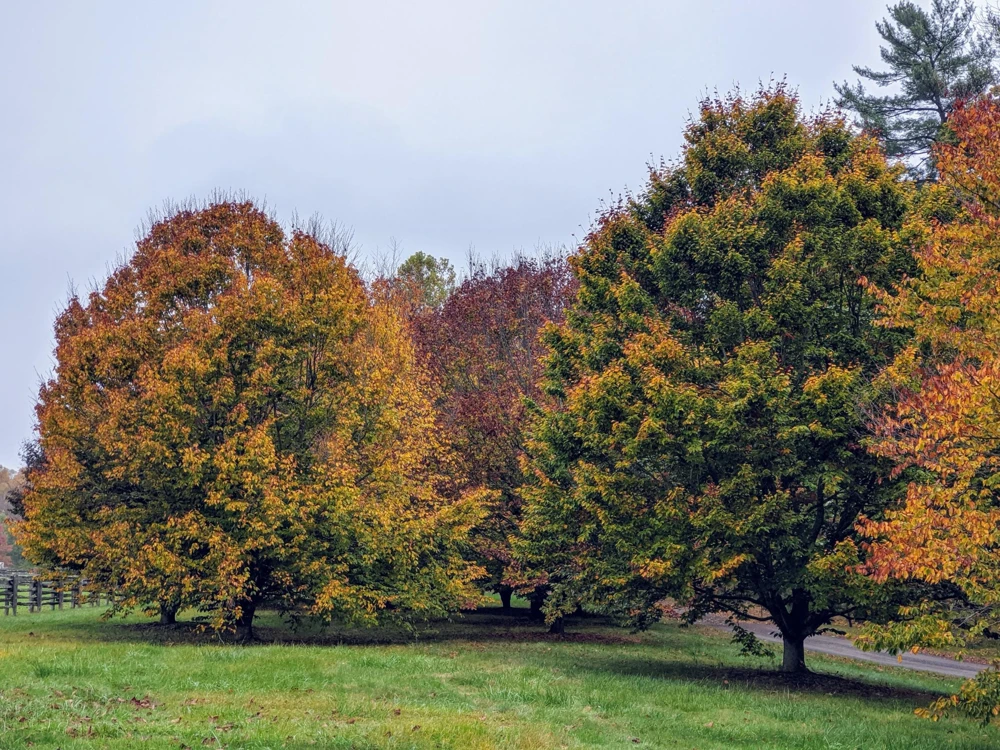
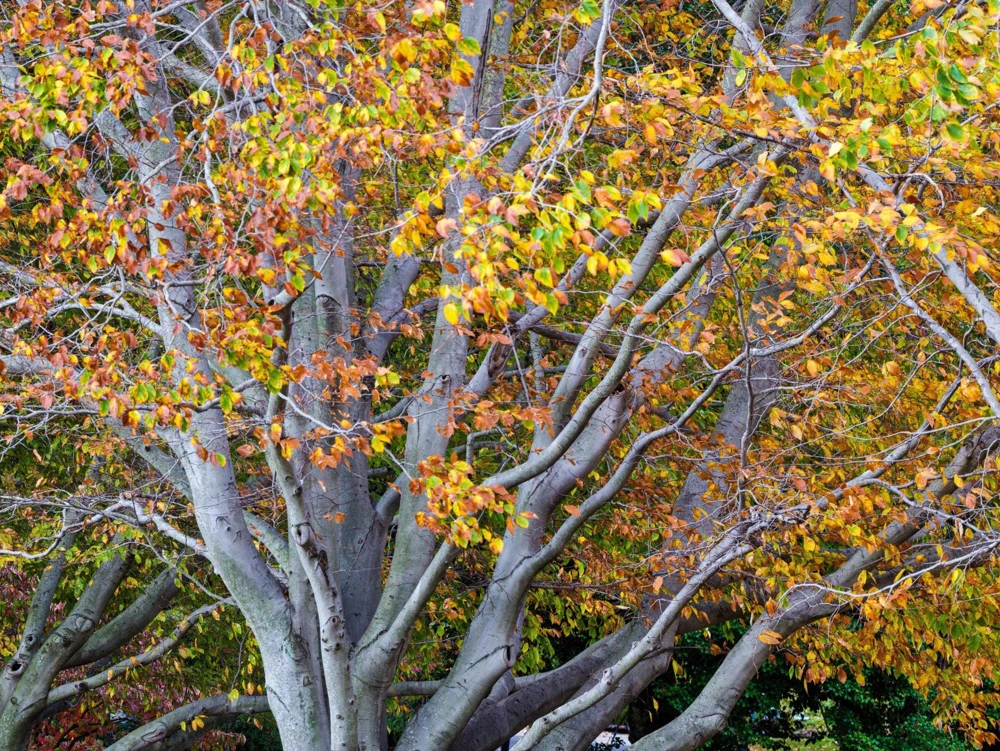
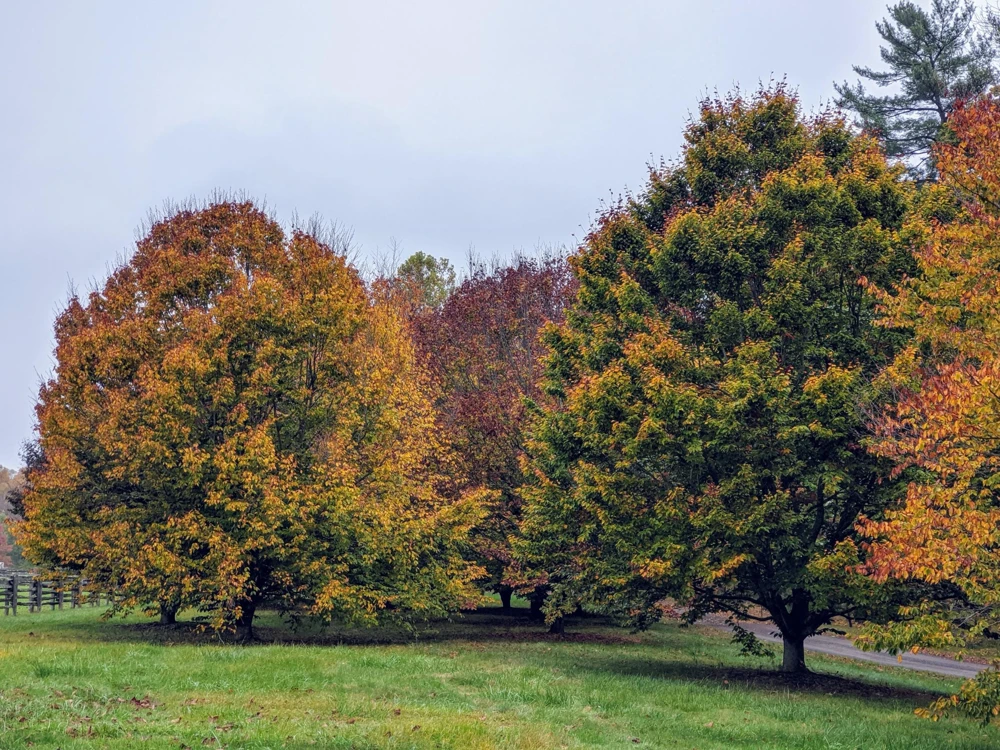
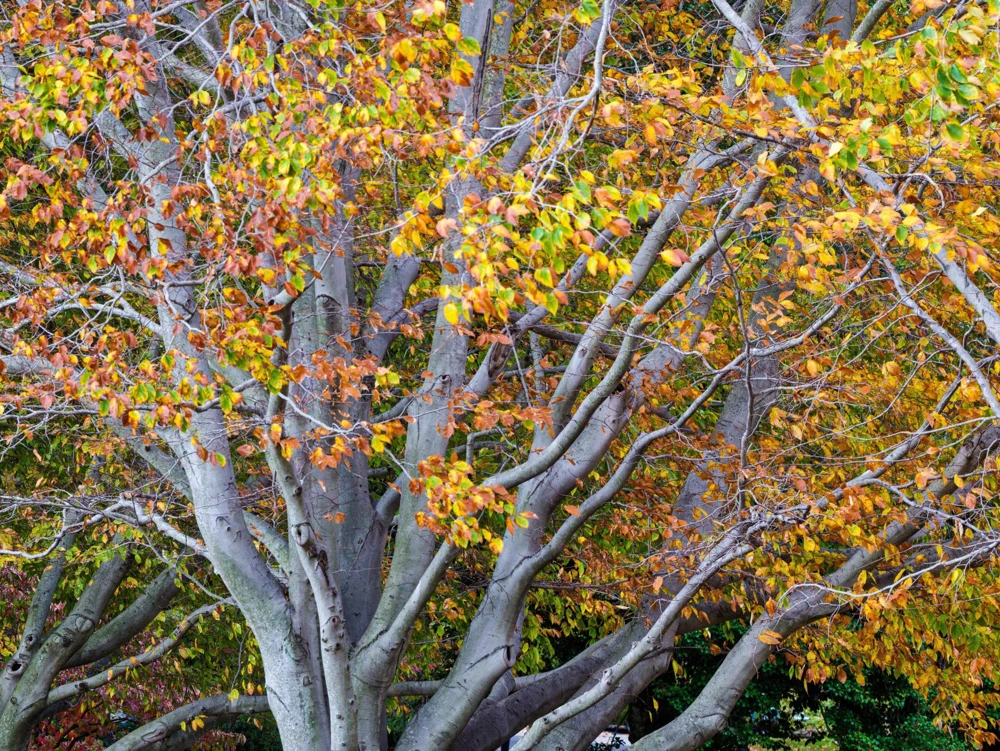
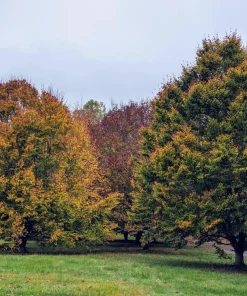
- Autumn Color: While often known for its bark, the American Beech also provides a beautiful display of golden-bronze foliage in the fall, adding seasonal interest to your landscape.
- Erosion Control: Its strong root system helps stabilize soil, making it beneficial for erosion control on slopes or along waterways.
Plant Care & Growing Tips
Proper beech tree care is essential for the successful establishment and long-term health of your American Beech Tree. These trees thrive in specific conditions that mimic their natural habitat. They prefer partial shade when young, gradually adapting to full sun as they mature. Aim for at least 4-6 hours of direct sunlight per day, but protect young saplings from intense afternoon sun, especially in warmer climates. They are adaptable to a range of soil types but perform best in well-draining, moist, acidic to neutral soil. Avoid overly wet or compacted soils, as these can lead to root problems. When planting your American Beech bare root trees, ensure the planting hole is twice as wide as the root spread and just as deep, making sure the root collar is level with the ground.
Watering is crucial, especially during the first few years after planting. Keep the soil consistently moist but not waterlogged. Deep watering once or twice a week, depending on rainfall and temperature, is generally sufficient. Reduce watering frequency as the tree establishes. The Fagus grandifolia is hardy in USDA zones 3-9, tolerating a wide range of temperatures. Fertilization is typically not necessary for established trees in good soil, but young trees can benefit from a balanced, slow-release fertilizer in early spring. Monitor for common pests like beech blight aphid or beech scale, and address any issues promptly. Pruning should be minimal, focusing on removing dead, diseased, or crossing branches to maintain the tree’s natural form and health. Understanding these aspects of native shade tree cultivation will help your saplings flourish.
Size & Details
This offering includes three American Beech Tree starter plants, each measuring 12-24 inches in height. These are shipped as American Beech bare root specimens, meaning they arrive without soil around their roots, which is a common and effective method for shipping deciduous trees. The “Quart Pot” designation in the original listing refers to the size of the container they were grown in before being prepared for bare root shipping, indicating a robust root system for their size. When mature, the Fagus grandifolia can reach impressive heights of 50-80 feet with a spread of 40-60 feet, developing a broad, rounded canopy. Its growth rate is considered slow to medium, typically adding 12-24 inches in height per year once established.
These starter plants represent young specimens, and with proper beech tree care, they will gradually grow into magnificent shade trees. Expect several years for the trees to establish fully and begin to show significant growth and canopy development. The distinctive smooth bark will become more prominent as the trunk thickens. Planting these trees provides a long-term investment in your landscape, offering beauty and ecological benefits for centuries to come.
Frequently Asked Questions
- Q: How big does this American Beech Tree get? A: A mature American Beech Tree can reach heights of 50-80 feet and spread 40-60 feet wide, developing a dense, rounded canopy. Its impressive size makes it an excellent choice for a large shade tree.
- Q: Is this an indoor or outdoor plant? A: The Fagus grandifolia is an outdoor tree, best suited for planting in gardens, woodlands, or large landscapes where it has ample space to grow and mature. It is not suitable for indoor cultivation.
- Q: How much sunlight does it need? A: Young American Beech bare root trees prefer partial shade, especially protection from intense afternoon sun. As they mature, they can tolerate full sun, requiring at least 4-6 hours of direct sunlight daily for optimal growth.
- Q: Is this plant easy to care for? A: Once established, the American Beech Tree is relatively low maintenance. The initial years require consistent watering and protection, but mature trees are quite resilient and adapt well to their environment, making beech tree care manageable.
- Q: What condition will the trees arrive in? A: These trees ship as bare root starter plants, meaning they will arrive without soil around their roots. This is a standard and effective method for shipping deciduous trees, ensuring they are dormant and ready for planting.
- Q: When is the best time to plant an American Beech Tree? A: The best time to plant American Beech bare root trees is in early spring or late fall when the trees are dormant, allowing them to establish their root systems before extreme temperatures.
- Q: Will it survive winter in my zone? A: The American Beech Tree is hardy in USDA Zones 3-9, meaning it can tolerate a wide range of winter temperatures across most of the continental United States. It is a very resilient native shade tree.
- Q: What type of soil does the American Beech prefer? A: This tree prefers well-draining, moist, acidic to neutral soil. It can tolerate some clay content but thrives best in rich, loamy conditions. Good drainage is crucial for its health.
- Q: How long until the tree starts showing significant growth? A: After planting, the American Beech Tree will focus on root establishment for the first year or two. You can expect more noticeable shoot growth, typically 12-24 inches per year, once the root system is well-developed.
- Q: Can the nuts be eaten? A: Yes, the nuts of the Fagus grandifolia are edible for humans and are a significant food source for wildlife. They are small but have a sweet flavor.
Be the first to review “American Beech Tree – 12-24″ Fagus grandifolia Live Plant – Quart Pot”
People Also Viewed
Flower Plants
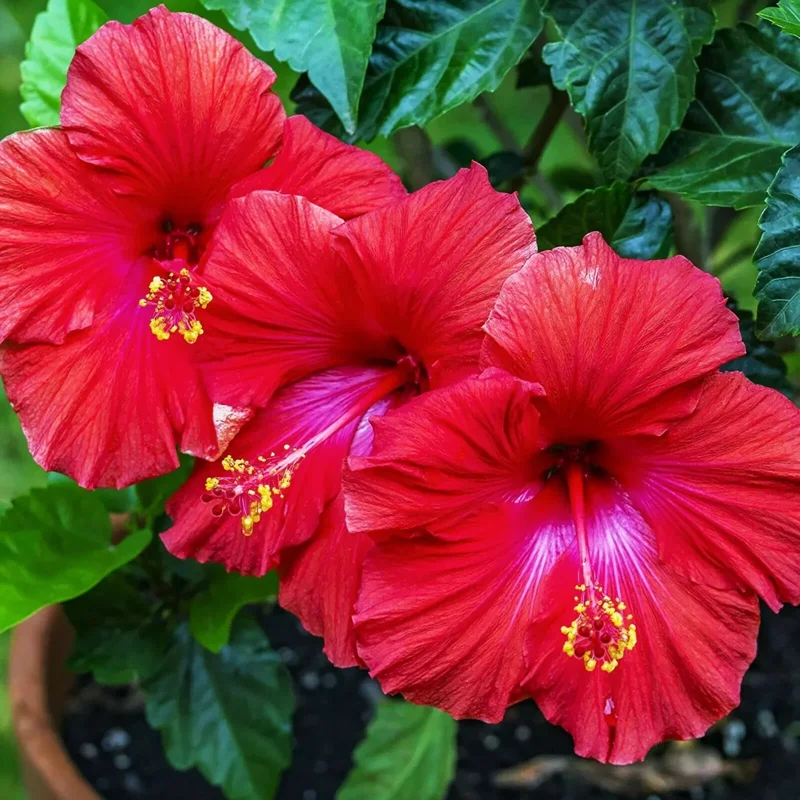
Madagascar Hibiscus Moscheutos Mallow Starter Live Plant – Rose Mallow – Indoor & Outdoor


Uncategorized
Reviews
There are no reviews yet.