
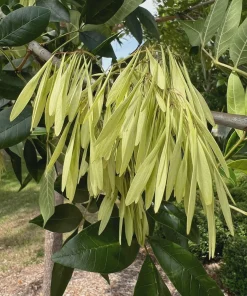
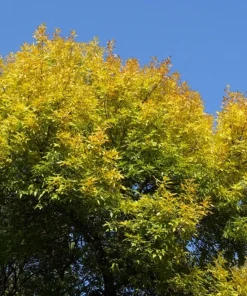
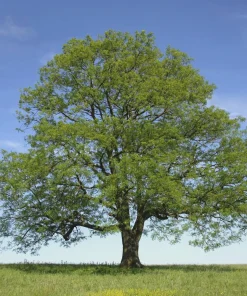
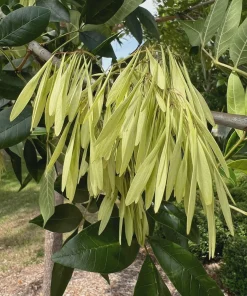
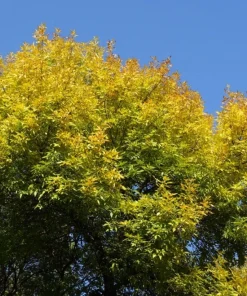
Green Ash Tree (Fraxinus pennsylvanica) Live Plant – 12-24″ Starter
Original price was: $107.99.$82.99Current price is: $82.99.
Cultivate a robust green ash tree (Fraxinus pennsylvanica), a versatile and fast-growing deciduous tree. This 12-24″ starter plant is perfect for establishing a strong shade tree in your landscape, known for its adaptability to various soil conditions and urban environments.
Estimated arrival
Sep 29
Oct 04 - Oct 06
Oct 09 - Oct 13
Shop With Confidence
30-Day Plant Health Guarantee
Arrives damaged? We’ll replace it free — see our return policy.
Responsive Support
Email us anytime, we reply within 1 business day.
Expert Packaging
Temperature-controlled shipping to protect your plants in transit.
Secure Checkout
Pay safely with Visa, Mastercard, PayPal.
Plant Specifications
-
USDA Hardiness Zone
USDA zones 3-9 -
Soil Type
Moist, well-draining soil -
Sunlight Exposure
Full sun to partial shade -
Expected Planting Period
Early spring or late fall
Overview
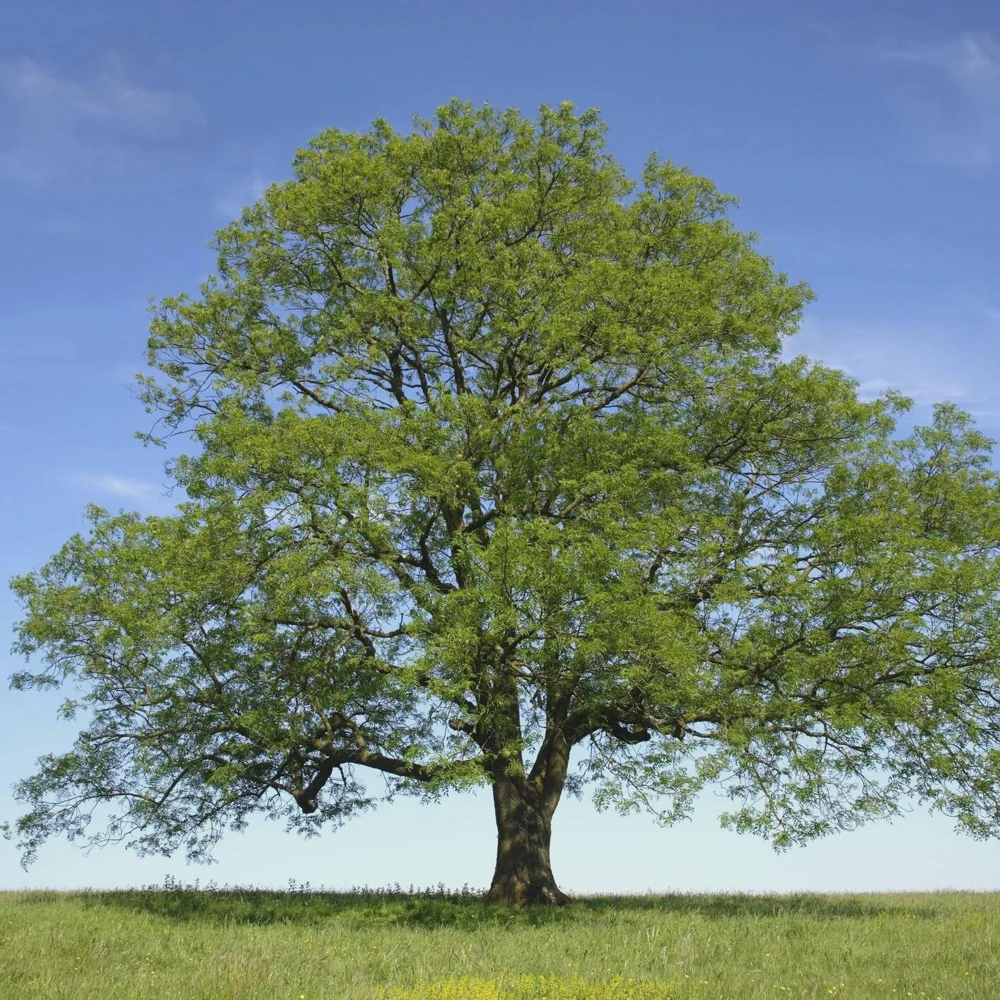
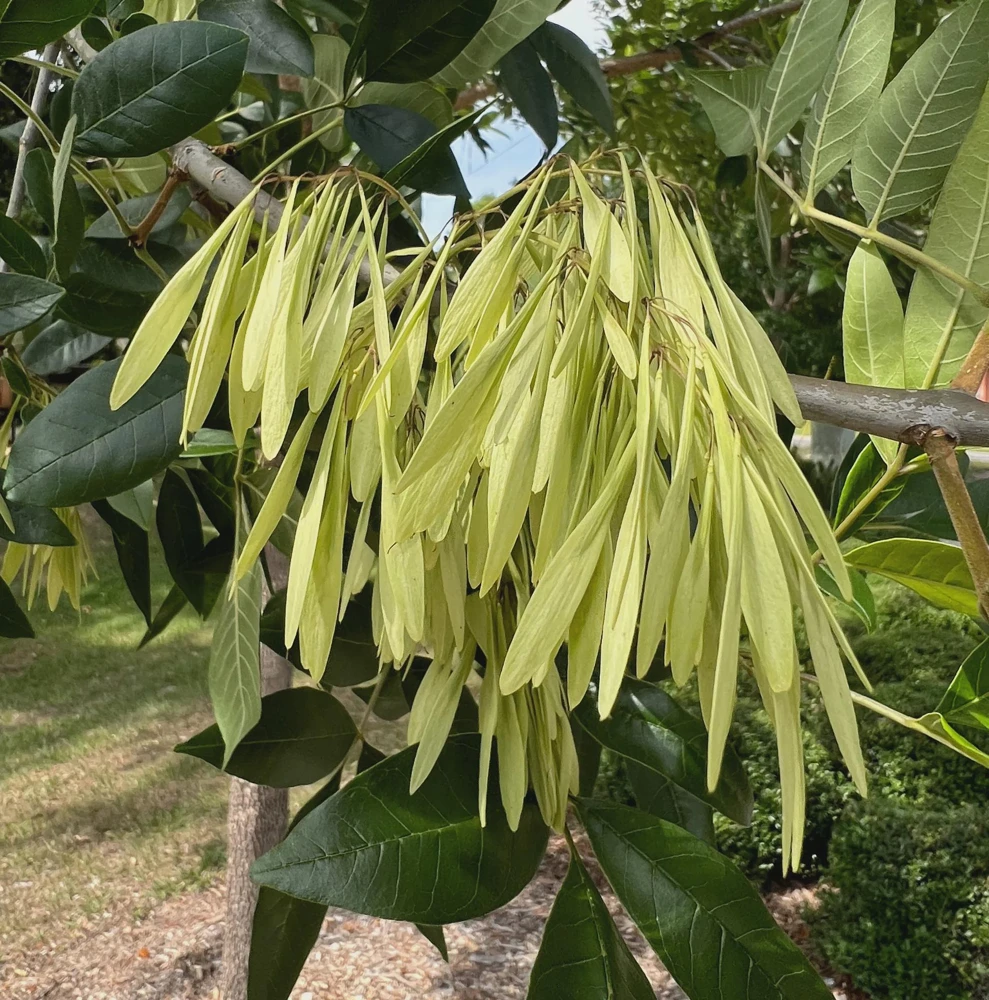
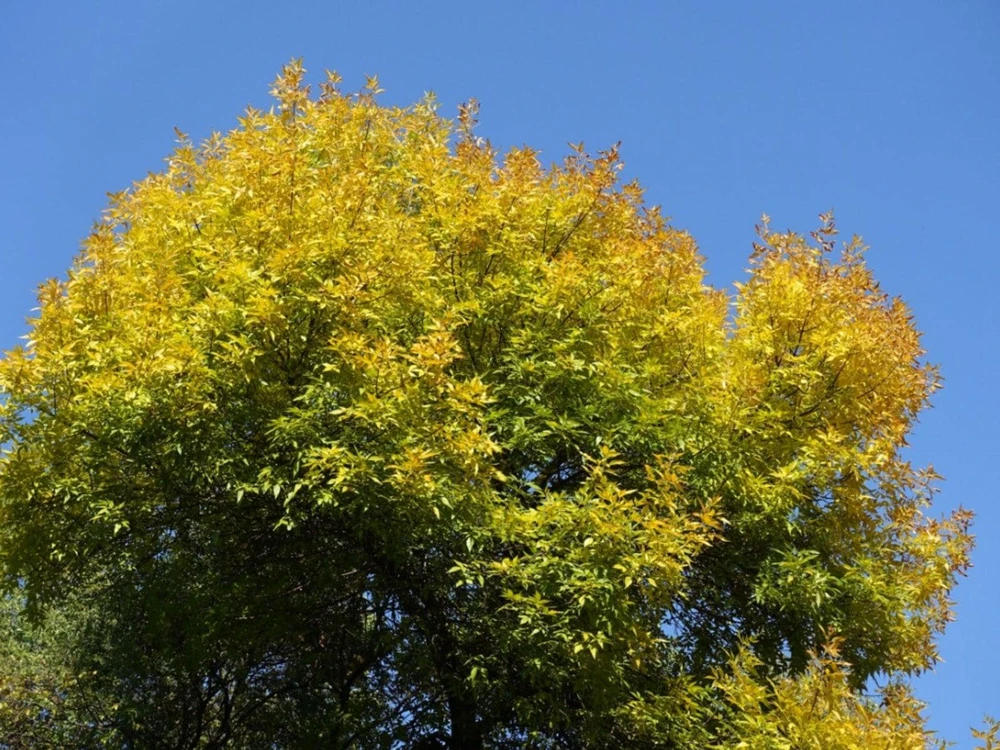
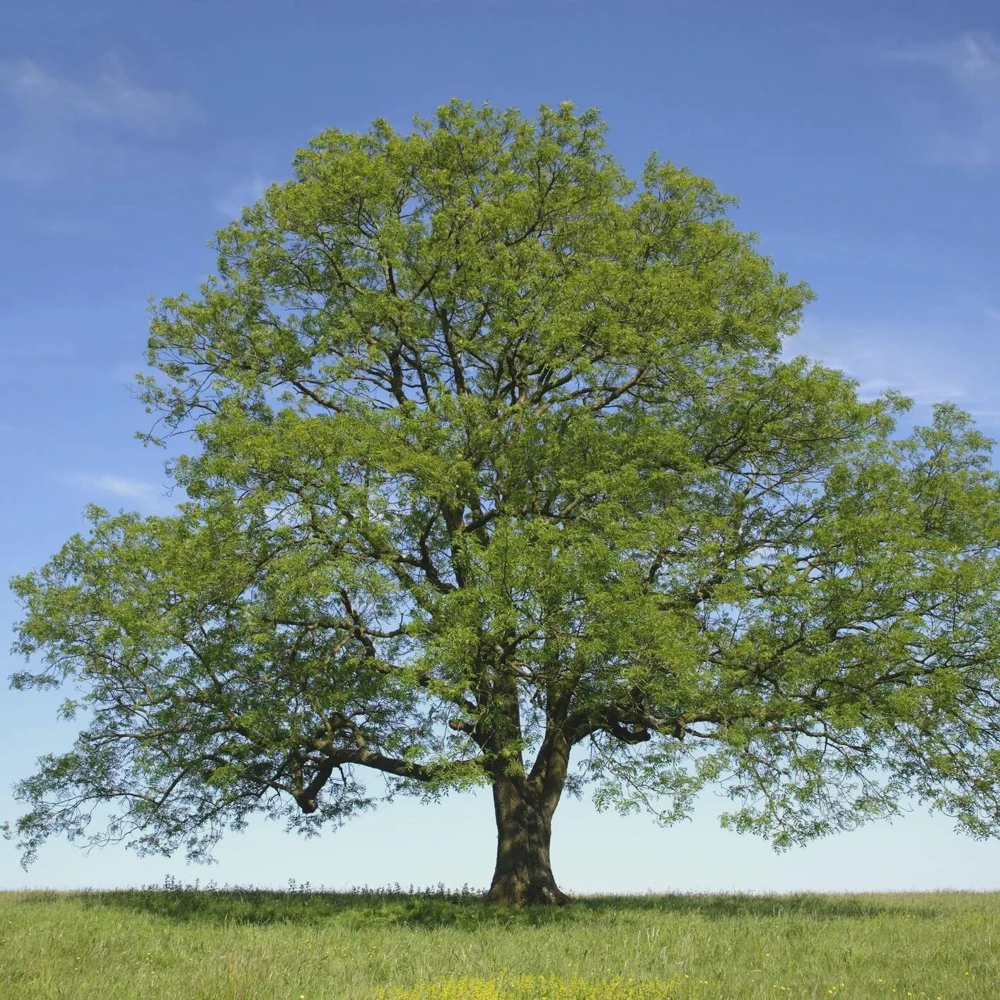
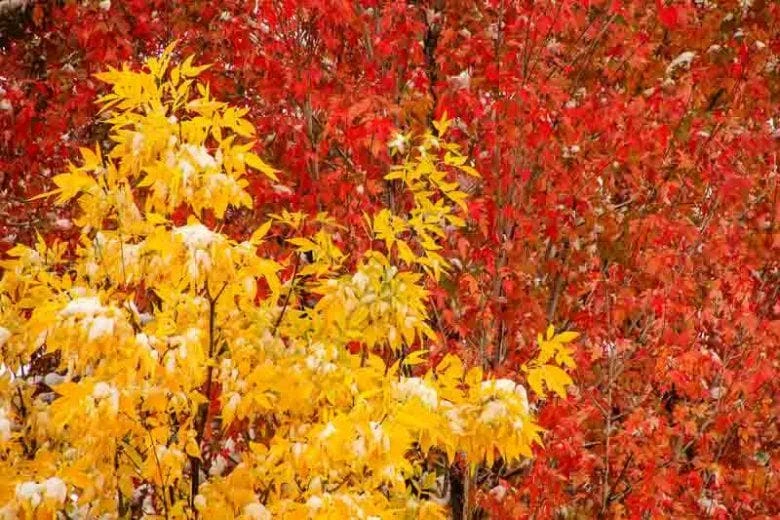
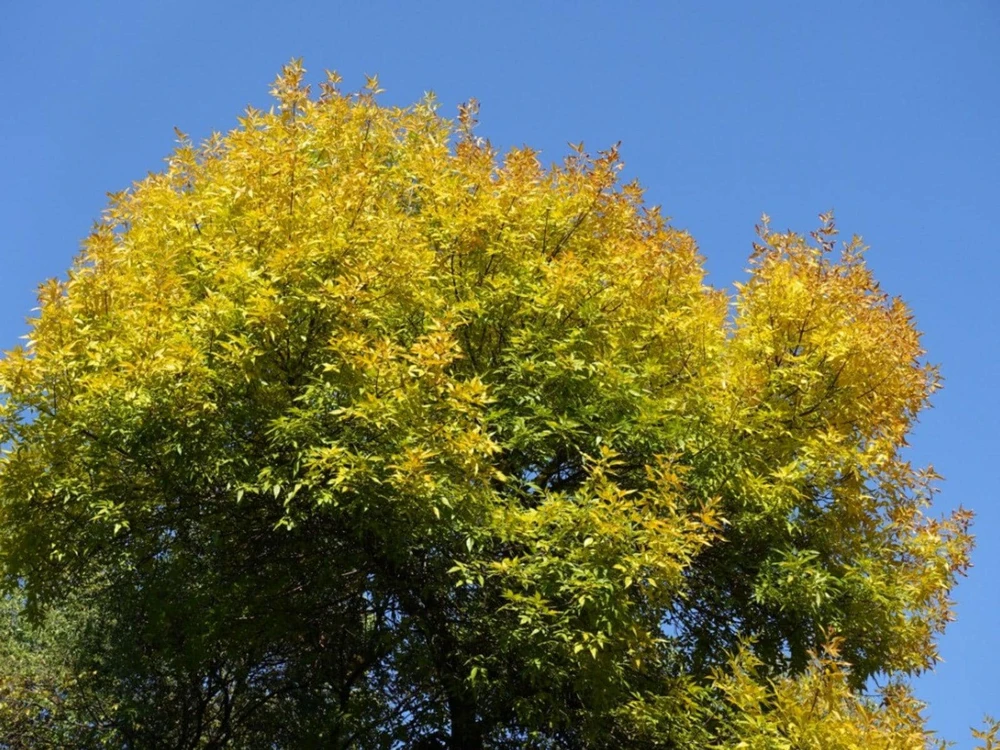
Introduce a majestic addition to your landscape with the green ash tree (Fraxinus pennsylvanica), a resilient and rapidly growing deciduous tree native to North America. This starter plant, measuring 12-24 inches tall, is an excellent choice for those looking to establish a significant shade tree or enhance their property with a strong, adaptable species. Known by its botanical name, Fraxinus pennsylvanica, the green ash is celebrated for its ability to thrive in a wide array of conditions, making it a favorite for both naturalized settings and urban plantings. Its characteristic irregular, rounded, or oval crown provides ample shade and contributes to a lush, natural aesthetic. Whether you’re aiming to restore a riparian zone or simply desire a beautiful, low-maintenance tree for your yard, this green ash tree offers impressive growth and ecological benefits.
The green ash tree is a medium to large specimen, typically reaching heights of 50 to 70 feet at maturity. It is naturally found flourishing along stream banks and in moist bottomlands, showcasing its preference for consistent moisture. However, its remarkable adaptability means it can tolerate diverse soil types, including both wet and dry sites, and even the challenging conditions found in urban environments. This makes it an incredibly versatile choice for various landscaping projects. When you plant a fraxinus pennsylvanica, you’re investing in a tree that will provide shade, habitat, and beauty for decades to come, becoming a prominent feature of your outdoor space.
Key Benefits
The green ash tree offers numerous advantages for any landscape, combining aesthetic appeal with ecological resilience. Its robust nature makes it a valuable investment for both homeowners and environmental projects.
- Rapid Growth & Shade: The green ash tree is renowned for its fast growth rate, quickly developing into a large, stately tree that provides extensive shade. This makes it ideal for cooling properties and creating comfortable outdoor living spaces during warm months, significantly enhancing the usability and enjoyment of your yard.
- Exceptional Adaptability: This tree is incredibly versatile, thriving in a wide range of soil conditions, from moist bottomlands to drier urban sites. Its ability to tolerate various environments ensures a higher success rate for planting and reduces the need for specialized care, making it a robust choice for diverse landscapes.
- Wildlife Habitat: As a native North American species, the fraxinus pennsylvanica supports local ecosystems by providing food and shelter for various wildlife, including birds and insects. Planting this tree contributes to biodiversity and helps maintain natural habitats.
- Strong Structural Form: The green ash tree develops a strong, irregular, rounded, or oval crown, adding architectural interest and a natural elegance to any setting. Its sturdy structure makes it a reliable choice for long-term landscape planning.
- Erosion Control: Often found along stream banks, the root system of the green ash tree is excellent for stabilizing soil and preventing erosion, particularly in areas prone to runoff or near water bodies. This ecological benefit helps protect natural resources and maintain landscape integrity.
- Urban Tolerance: Unlike many other tree species, the green ash tree exhibits a high tolerance for urban conditions, including compacted soils and air pollution. This makes it a suitable candidate for city parks, street plantings, and residential areas where other trees might struggle.
- Low Maintenance: Once established, the green ash tree requires minimal ongoing care, making it a practical choice for busy gardeners. Its resilience to various conditions means less effort is needed for watering, fertilizing, and pest management compared to more delicate species.
Plant Care & Growing Tips
Caring for your green ash tree (Fraxinus pennsylvanica) is relatively straightforward due to its adaptable nature, but understanding its basic needs will ensure optimal growth and health. For sunlight, the green ash thrives in full sun to partial shade, meaning it prefers at least 6 hours of direct sunlight per day but can tolerate some afternoon shade, especially in hotter climates. Adequate sunlight promotes vigorous growth and a healthy canopy. When considering an outdoor planting, choose a location that receives ample light throughout the day. This fraxinus pennsylvanica is a resilient outdoor tree.
Watering is crucial, particularly during the establishment phase. While the green ash tree can tolerate both wet and dry sites, consistent moisture is beneficial for young trees. Water regularly, ensuring the soil remains moist but not waterlogged. Once established, it becomes more drought-tolerant but will benefit from deep watering during prolonged dry spells. For soil, the green ash is highly adaptable, growing well in a wide range of soil types, including sandy, loamy, and clay soils. However, it prefers moist, well-draining soil with a neutral to slightly acidic pH. Amending heavy clay soils with organic matter can improve drainage and aeration. The ash tree care routine should include monitoring soil moisture.
The green ash tree is hardy in USDA zones 3-9, making it suitable for a broad range of climates across the United States. It can withstand cold winters and hot summers. Fertilization is generally not required for established trees in fertile soil, but young trees can benefit from a balanced, slow-release fertilizer applied in early spring to encourage growth. Avoid over-fertilizing, which can lead to excessive foliage growth at the expense of root development. Pruning should focus on removing dead, damaged, or crossing branches to maintain a strong structure and good air circulation. The best time for pruning is late winter to early spring before new growth emerges. Be aware of potential pests like the emerald ash borer; while this starter plant is healthy, ongoing monitoring and preventative measures may be necessary in affected regions, which is an important aspect of ash tree care. This approach will help you grow a healthy and strong fast growing shade tree.
Size & Details
This offering includes three green ash tree starter plants, each measuring approximately 12-24 inches tall. The plants are shipped as bare roots, a common and effective method for deciduous trees that minimizes transplant shock and encourages strong root development upon planting. These young fraxinus pennsylvanica specimens are ready to be planted directly into your garden or a larger nursery pot for further growth before permanent placement. They are provided in a quart pot size, indicating the initial container they were grown in before being prepared for bare root shipping.
The green ash tree is known for its relatively fast growth rate, typically adding 1-2 feet per year under ideal conditions. At maturity, these trees can reach an impressive height of 50-70 feet with a spread of 25-35 feet, forming a broad, irregular, rounded, or oval crown that provides significant shade. While individual growth rates may vary based on local conditions, these starter plants offer a solid foundation for cultivating a large, stately tree. Expect these trees to begin establishing their root systems quickly, leading to noticeable above-ground growth within the first few seasons after planting. This makes it an ideal deciduous tree for landscaping where quick canopy development is desired.
Frequently Asked Questions
- Q: How big does this green ash tree get? A: The green ash tree is a medium to large deciduous tree that typically grows 50 to 70 feet tall with a spread of 25-35 feet at maturity. These starter plants are 12-24 inches tall upon arrival.
- Q: Is this an indoor or outdoor plant? A: The green ash tree (Fraxinus pennsylvanica) is an outdoor tree. It is a large deciduous tree that requires ample space to grow and thrive in a garden or landscape setting.
- Q: How much sunlight does the fraxinus pennsylvanica need? A: This tree thrives in full sun to partial shade, ideally receiving at least 6 hours of direct sunlight daily for optimal growth. It can tolerate some afternoon shade, especially in hotter climates.
- Q: Is this plant easy to care for? A: Yes, the green ash tree is known for its adaptability and relatively low maintenance once established. It tolerates a wide range of soil conditions and climates, making ash tree care straightforward for most gardeners.
- Q: What condition will the trees arrive in? A: These green ash tree starter plants ship bare root. This means they will arrive without soil around their roots, which is a common and effective way to ship deciduous trees to ensure healthy establishment.
- Q: When is the best time to plant a fast growing shade tree like the green ash? A: The best time to plant bare root deciduous trees like the green ash is typically in early spring or late fall when the tree is dormant. This allows the roots to establish before the stress of summer heat or winter cold.
- Q: What’s the minimum temperature this deciduous tree for landscaping can withstand? A: The green ash tree is very cold hardy and can tolerate temperatures down to USDA Zone 3, which can experience winter lows of -40 to -30 degrees Fahrenheit (-40 to -34 degrees Celsius).
- Q: What kind of soil does the fraxinus pennsylvanica prefer? A: While adaptable to many soil types, the green ash prefers moist, well-draining soil. It can grow in sandy, loamy, or clay soils and tolerates both wet and dry conditions, but good drainage is always beneficial for root health.
- Q: Will this tree attract wildlife? A: Yes, as a native North American species, the green ash tree provides habitat and food sources for various local wildlife, including birds and insects, contributing to the biodiversity of your garden.
- Q: How quickly will this starter plant grow into a substantial shade tree? A: The green ash tree has a fast growth rate, typically growing 1-2 feet per year. With proper care, these starter plants will develop into a substantial shade tree within several years.
Be the first to review “Green Ash Tree (Fraxinus pennsylvanica) Live Plant – 12-24″ Starter”
People Also Viewed
Flower Seeds
Shrubs
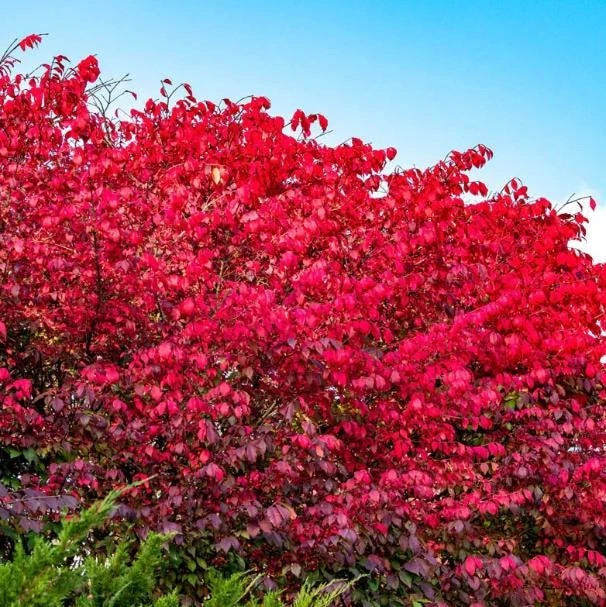
2 Burning Bush Live Plant (Euonymus alatus) – Hardy Red Shrub, 6-12 Inch Tall, 4″ Pot, Outdoor
Flower Seeds
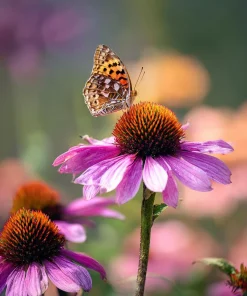
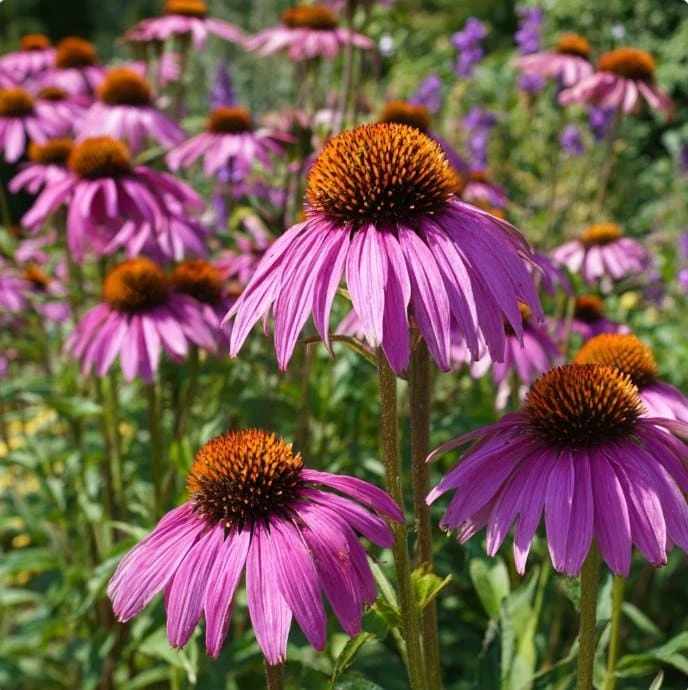
Purple Coneflower Seeds – Echinacea purpurea – 200 Seeds – Hardy Perennial for Pollinator Gardens
Reviews
There are no reviews yet.