
2 Eastern Redbud Tree Live Plants – Rosy Pink Spring Blooms, Outdoor
Original price was: $103.44.$83.44Current price is: $83.44.
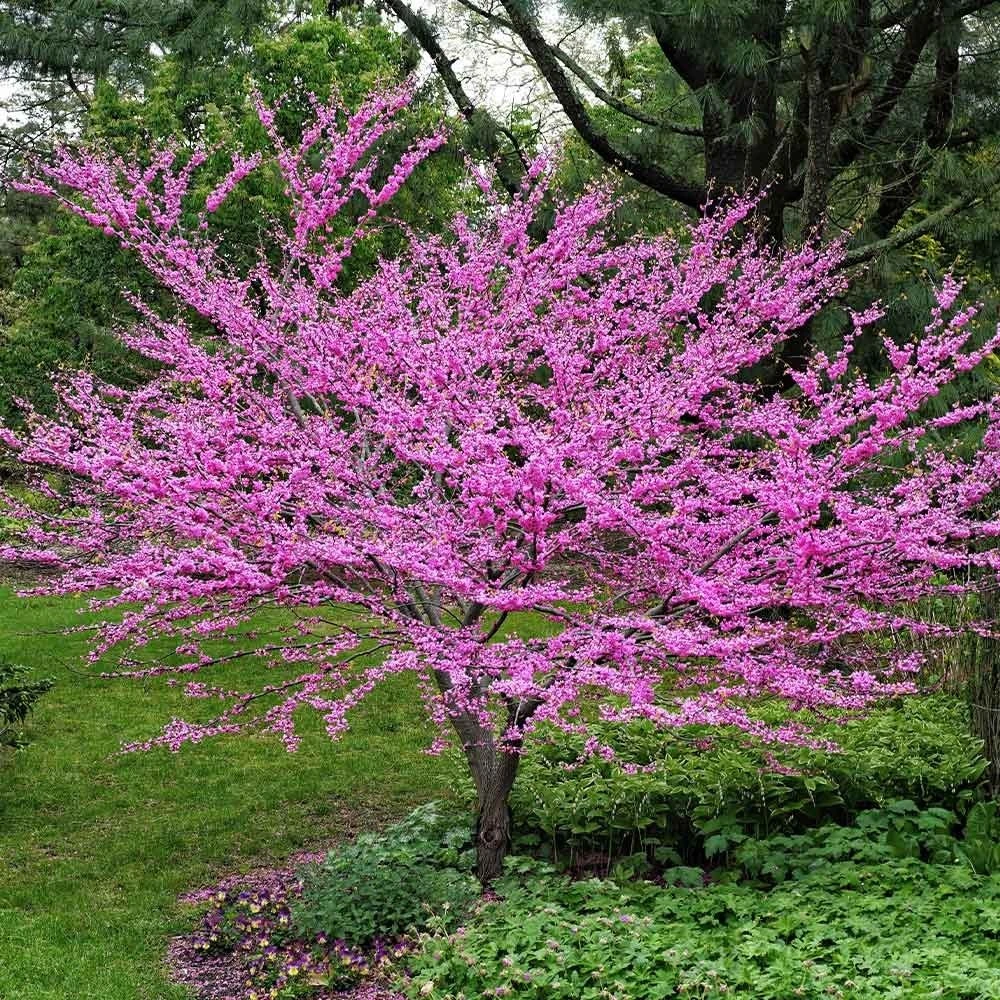
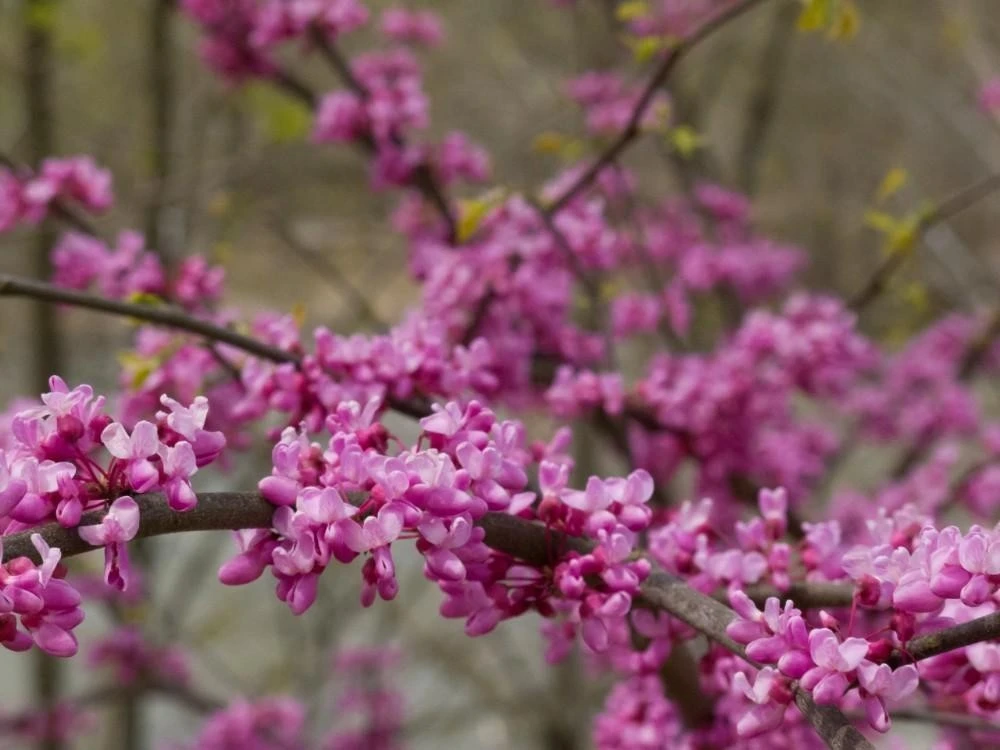
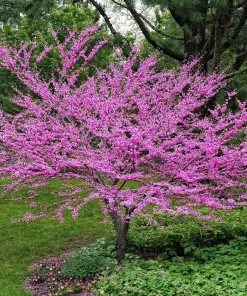
Bring vibrant color to your garden with these Eastern Redbud Tree live plant specimens. Each order includes two rooted plants, ready to grow into beautiful flowering trees. Enjoy a spectacular display of rosy pink redbud blooms in spring, followed by attractive heart-shaped leaves and bright fall foliage. Perfect for creating a stunning focal point or adding shade to your outdoor space.
Estimated arrival
Oct 25
Oct 30 - Nov 01
Nov 04 - Nov 08
Shop With Confidence
30-Day Plant Health Guarantee
Arrives damaged? We’ll replace it free — see our return policy.
Responsive Support
Email us anytime, we reply within 1 business day.
Expert Packaging
Temperature-controlled shipping to protect your plants in transit.
Secure Checkout
Pay safely with Visa, Mastercard, PayPal.
Plant Specifications
-
USDA Hardiness Zone
USDA Zones 4-9 -
Soil Type
Well-draining soil, adaptable to various types -
Sunlight Exposure
Full Sun to Medium Sun -
Expected Planting Period
Spring or Fall
Overview
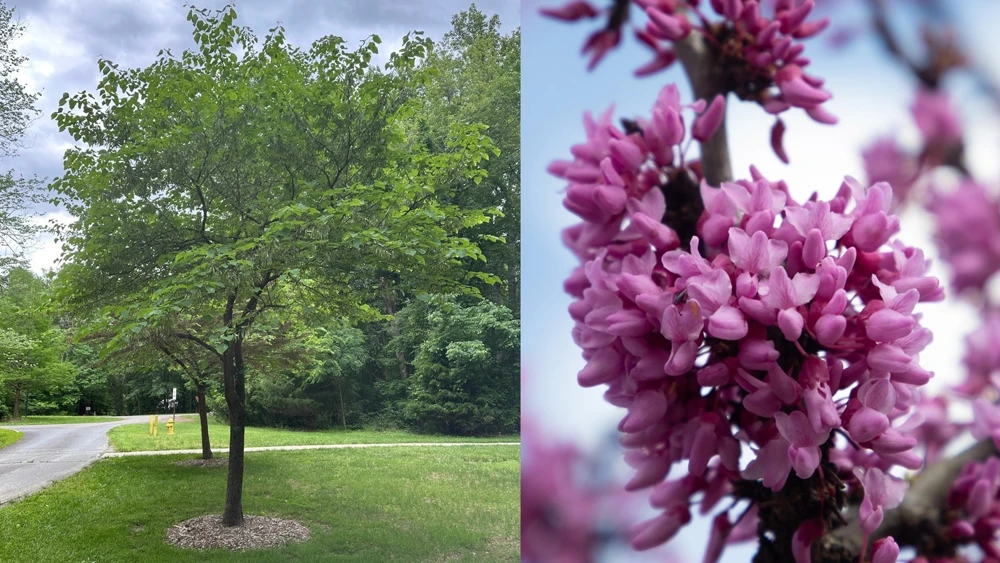
Transform your landscape with the stunning beauty of the Eastern Redbud Tree live plant. This offering includes two healthy, rooted plants, ready to establish themselves in your garden and provide years of enjoyment. Known for its breathtaking display of rosy pink to magenta flowers that emerge directly from the branches and trunk in early spring, even before the leaves appear, the Eastern Redbud is a true harbinger of warmer weather. Its heart-shaped leaves provide a lovely green canopy throughout the summer, often turning a cheerful yellow in the fall, adding multi-seasonal interest to any outdoor setting. The scientific name for this captivating species is Cercis canadensis, a North American native celebrated for its hardiness and adaptability. Whether you’re looking to add a specimen tree, create a naturalized area, or attract pollinators, the flowering redbud tree is an excellent choice for its ornamental value and ecological benefits.
Key Benefits
The Eastern Redbud Tree live plant offers numerous advantages for both the gardener and the environment. Its distinctive characteristics make it a standout addition to various landscape designs.
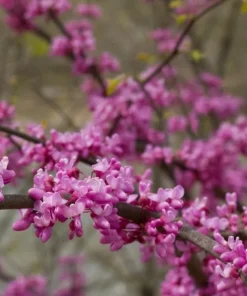
- Spectacular Spring Blooms: Witness a magnificent show of vibrant rosy pink redbud flowers that cover the tree’s branches and trunk in early spring, creating a visual feast before most other trees begin to leaf out. These prolific blooms are a significant draw for early pollinators, contributing to local biodiversity.
- Attractive Foliage: Beyond its flowers, the Eastern Redbud boasts charming heart-shaped leaves that provide lush green color throughout the growing season. In autumn, the foliage often transforms into brilliant shades of yellow, extending its ornamental appeal well into the fall.
- Native & Adaptable: As a native North American species, the native redbud tree is well-adapted to various soil types and climates within its hardiness zones, making it a robust and relatively low-maintenance choice for many gardeners. Its natural resilience helps it thrive with minimal intervention once established.
- Wildlife Attraction: The early spring flowers are a vital nectar source for bees and other pollinators, while its seeds provide food for birds later in the year. Planting an Eastern Redbud Tree live plant supports local wildlife ecosystems.
- Versatile Landscape Use: This medium-sized tree is perfect as a standalone specimen, in small groves, or integrated into mixed borders. Its moderate size makes it suitable for both spacious yards and smaller garden plots, offering shade and beauty without overwhelming the space.
- Easy to Grow: Once established, the Eastern Redbud is known for its relatively easy care requirements, tolerating a range of conditions and requiring minimal pruning. This makes the flowering redbud tree an excellent option for both experienced and novice gardeners.
Plant Care & Growing Tips
Caring for your Eastern Redbud Tree live plant is straightforward, ensuring a healthy and vibrant addition to your garden. These trees are quite adaptable, but providing optimal conditions will encourage the best growth and bloom production. Proper placement is key; choose a site with good drainage and adequate sunlight. While redbuds can tolerate some shade, they will produce the most abundant and vivid blooms when exposed to sufficient light.
For sunlight requirements, the Eastern Redbud thrives in Full Sun to Medium Sun (partial shade). Aim for at least 4-6 hours of direct sunlight per day for optimal flowering. When it comes to watering, young trees need consistent moisture to establish their root systems. Water deeply once or twice a week, especially during dry spells, ensuring the soil is moist but not waterlogged. Once established, redbuds are moderately drought-tolerant. They prefer well-draining soil that is rich in organic matter, but they can tolerate a range of soil types, including clay, loam, and sand, as long as drainage is adequate. Avoid planting in consistently wet areas. The ideal pH range is slightly acidic to neutral. The outdoor shade tree is quite hardy and generally thrives in USDA Zones 4-9. Fertilize young trees in early spring with a balanced, slow-release fertilizer to encourage strong growth. Established trees typically require less fertilization. Pruning should be done in late winter or early spring while the tree is dormant to remove any dead, diseased, or crossing branches. Minimal pruning is usually needed, focusing on shaping and maintaining tree health.
Size & Details
This offering includes two Eastern Redbud Tree live plant specimens, arriving as rooted plants with an approximate growth stage of 8-12 months. Each plant is carefully prepared for shipment to ensure a smooth transition to your garden. The Eastern Redbud is a deciduous tree that typically grows to a height of 20-30 feet with a similar spread, forming a beautiful, often multi-trunked, rounded crown. Its growth rate is moderate, adding about 13-24 inches per year. Expect the first significant blooms within 3-5 years after planting, with increasing abundance as the tree matures. These plants are ideal for creating a stunning focal point in your landscape or adding to a diverse planting scheme. The vibrant rosy pink redbud flowers will be a highlight of your spring garden, attracting pollinators and admiring glances. These are outdoor plants, best suited for planting directly into the ground or a very large container where they can grow to their full potential.
Frequently Asked Questions
- Q: How big does this plant get? A: The Eastern Redbud Tree live plant typically grows to a height of 20-30 feet and can have a similar spread, forming a lovely rounded canopy. Its mature size makes it an excellent medium-sized ornamental tree for most landscapes.
- Q: Is this an indoor or outdoor plant? A: The Eastern Redbud Tree is an outdoor shade tree. It requires outdoor conditions to thrive and will not do well as an indoor houseplant. It is best planted in a garden or yard where it can receive adequate sunlight and space.
- Q: How much sunlight does it need? A: This flowering redbud tree prefers Full Sun to Medium Sun, meaning it needs at least 4-6 hours of direct sunlight per day to produce the most abundant and vibrant rosy pink redbud blooms. It can tolerate some partial shade, especially in hotter climates.
- Q: Is this plant easy to care for? A: Yes, once established, the Eastern Redbud is considered relatively easy to care for. It’s quite adaptable to various conditions and requires minimal maintenance, making it a good choice for gardeners of all experience levels.
- Q: What condition will it arrive in? A: Your order includes two healthy, rooted Eastern Redbud Tree live plant specimens. They are carefully packaged to ensure they arrive in good condition, ready for planting and establishment in your garden.
- Q: How long until it blooms? A: You can typically expect your native redbud tree to start producing significant blooms within 3-5 years after planting, with the floral display becoming more impressive as the tree matures and establishes itself fully.
- Q: Will it survive winter in my zone? A: The Eastern Redbud Tree is hardy in USDA Zones 4-9. If your region falls within these zones, your tree should successfully survive winter and return with beautiful blooms each spring. Always check your local USDA zone for best results.
- Q: What’s the minimum temperature it can tolerate? A: This tree is quite cold-hardy, generally able to withstand winter temperatures down to approximately -30°F (-34°C) when planted within its recommended USDA hardiness zones.
- Q: Can I plant this near my house? A: Given its mature size, it’s advisable to plant the Eastern Redbud Tree live plant at least 10-15 feet away from your house or other structures to allow for its full growth and spread without interference.
- Q: What is the best time to plant this tree? A: The best time to plant an Eastern Redbud is in the spring or fall when temperatures are mild. This allows the tree to establish its root system before the stress of summer heat or winter cold.
Be the first to review “2 Eastern Redbud Tree Live Plants – Rosy Pink Spring Blooms, Outdoor”
People Also Viewed

Reviews
There are no reviews yet.