
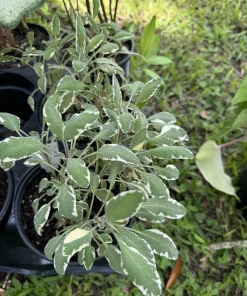
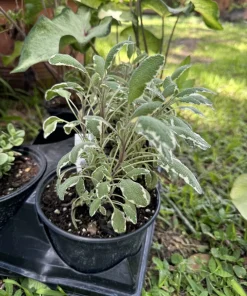
Tricolor Sage Live Plant – Vibrant Perennial Herb
Original price was: $43.99.$23.99Current price is: $23.99.
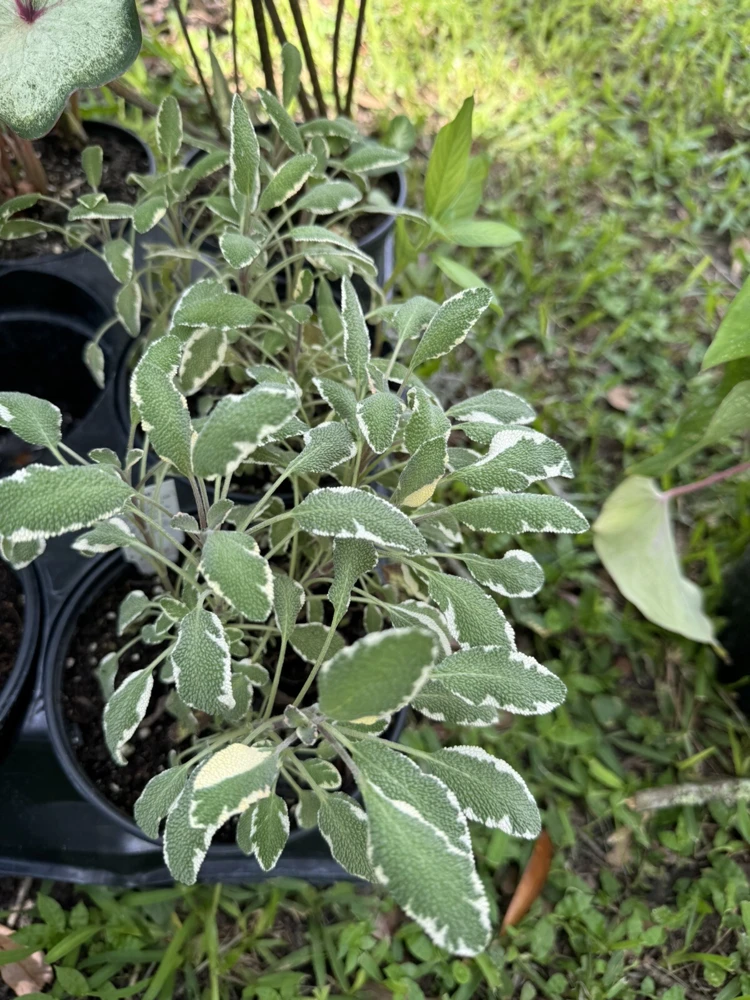
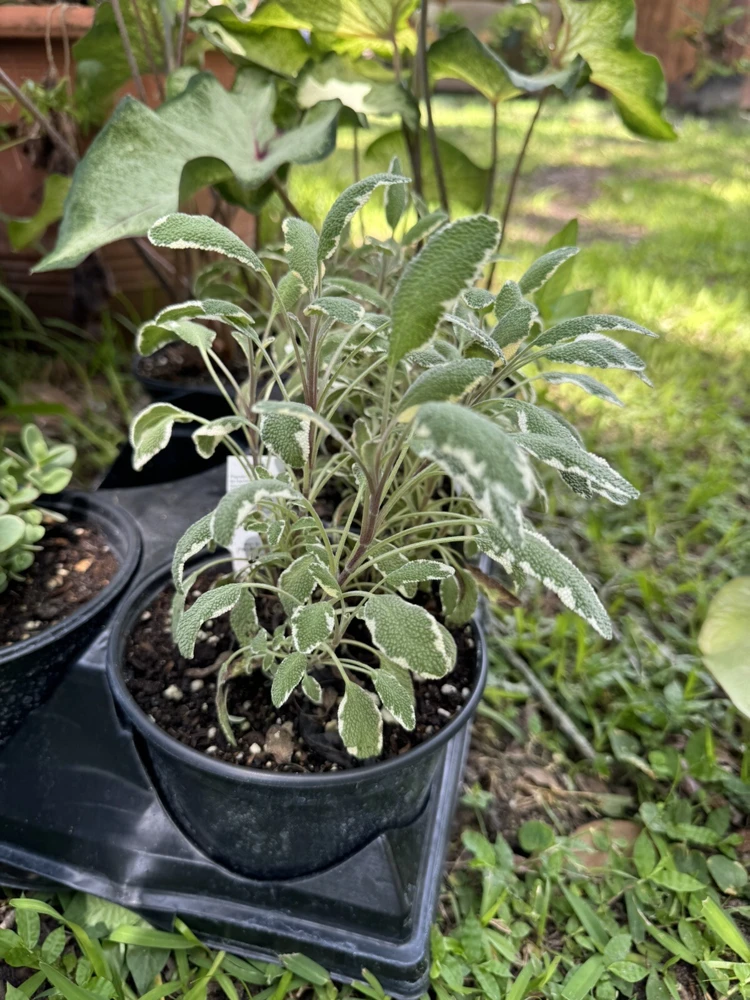
Bring vibrant color and aromatic flavor to your garden with the beautiful Tricolor Sage live plant. This stunning perennial herb features striking green, white, and pink variegated leaves, making it an excellent choice for both culinary use and ornamental display. Enjoy its unique beauty and fragrant foliage.
Estimated arrival
Oct 27
Nov 01 - Nov 03
Nov 06 - Nov 10
Shop With Confidence
30-Day Plant Health Guarantee
Arrives damaged? We’ll replace it free — see our return policy.
Responsive Support
Email us anytime, we reply within 1 business day.
Expert Packaging
Temperature-controlled shipping to protect your plants in transit.
Secure Checkout
Pay safely with Visa, Mastercard, PayPal.
Plant Specifications
-
USDA Hardiness Zone
USDA zones 5-9 -
Soil Type
Well-draining, sandy or loamy soil -
Sunlight Exposure
Full sun (6-8 hours direct light) -
Expected Planting Period
Spring to early summer
Overview
The Tricolor Sage live plant (Salvia officinalis ‘Tricolor’) is a truly captivating addition to any garden or container. Renowned for its exceptionally beautiful foliage, this ornamental and culinary herb displays a striking variegation of green, creamy white, and soft pink on its leaves. Unlike its common sage relatives, the Tricolor Sage live plant offers a visual feast, making it a popular choice for gardeners seeking both utility and aesthetic appeal. It’s a perennial herb that brings year-round interest in milder climates and provides fresh, aromatic leaves for cooking. Its unique coloration adds a sophisticated touch to herb gardens, mixed borders, and patio pots, ensuring it stands out among other plants.
Originating from the Mediterranean, sage has been valued for centuries for its medicinal and culinary properties. The ‘Tricolor’ cultivar elevates this classic herb with its decorative appeal. This plant is a fantastic way to introduce color and texture, while also offering the practical benefits of a versatile culinary herb. Whether you’re an experienced gardener or just starting, the Tricolor Sage live plant is a rewarding choice that combines beauty, fragrance, and flavor in one stunning package.
Key Benefits
The Tricolor Sage live plant offers a multitude of benefits, making it an indispensable plant for both the garden and the kitchen:
- Stunning Ornamental Appeal: Its vibrant variegated leaves, featuring shades of green, white, and pink, provide year-round visual interest. This makes it an excellent focal point in herb gardens, borders, or decorative containers, enhancing the beauty of your outdoor or even indoor space.
- Culinary Versatility: The leaves of this sage variety are just as flavorful as common garden sage. They are perfect for seasoning meats, poultry, vegetables, and stuffings. Fresh sage adds a distinct, earthy aroma that can elevate many dishes.
- Aromatic Fragrance: Like all sage varieties, the Tricolor Sage live plant emits a pleasant, slightly pungent aroma when its leaves are brushed or crushed. This natural fragrance can deter some garden pests and add an inviting scent to your garden area.
- Low Maintenance: This hardy perennial is relatively easy to care for, requiring minimal attention once established. It’s drought-tolerant and thrives in sunny, well-draining conditions, making it suitable for gardeners of all experience levels.
- Attracts Pollinators: When it blooms in late spring to early summer, Tricolor Sage produces small, attractive purple-blue flowers that are highly attractive to bees and other beneficial pollinators, contributing to a healthy garden ecosystem.
- Drought Tolerant: Once established, it can withstand periods of dry weather, making it a water-wise choice for sustainable gardening practices.
- Container Friendly: Its compact growth habit and striking appearance make it an ideal candidate for growing in pots and containers on patios, balconies, or even indoors in a sunny window.
Plant Care & Growing Tips
Proper care is essential for ensuring your Tricolor Sage live plant thrives and displays its beautiful variegation. This Mediterranean native prefers conditions similar to its homeland: plenty of sun and well-drained soil. For optimal growth, plant your sage in a location that receives at least 6-8 hours of direct sunlight per day. While it can tolerate some partial shade, too little sun will result in leggy growth and less vibrant leaf coloration. Indoor plants should be placed in the brightest window available, preferably south-facing.
When it comes to watering, less is often more with sage. Allow the soil to dry out completely between waterings to prevent root rot, which is a common issue for many herbs. When watering, do so deeply until water drains from the bottom of the pot or the soil is thoroughly moist. Well-draining soil is crucial; a sandy or loamy mix is ideal. If planting in a container, use a good quality potting mix with added perlite or sand to improve drainage. The ideal temperature range for Tricolor Sage care is between 60-80°F (15-27°C). It is generally hardy in USDA zones 5-9, though in colder regions, it may benefit from winter protection or being brought indoors.
Fertilization is rarely needed for sage; it thrives in lean soil. If your soil is particularly poor, a light application of a balanced, slow-release fertilizer in spring can be beneficial, but avoid over-fertilizing as this can reduce flavor intensity. Pruning is important for maintaining a bushy shape and encouraging new growth. Pinch back young plants to promote branching and regularly harvest leaves throughout the growing season. In late summer or early fall, you can give it a more substantial trim to prevent it from becoming woody. Watch out for common pests like aphids or spider mites, especially in dry conditions; a strong spray of water or insecticidal soap can usually manage these issues. Learning about growing Tricolor Sage successfully is straightforward with these simple guidelines.
Size & Details
The Tricolor Sage live plant typically grows to a compact size, reaching about 12-24 inches in height and spreading 18-30 inches wide, forming an attractive, mounding shrub. Its growth rate is moderate, allowing it to establish well within a single growing season. This plant is usually shipped as a young, actively growing specimen in a small nursery pot, ready for transplanting into your garden or a larger container. With proper care, it will develop into a robust and visually appealing herb. Expect its full, vibrant coloration to emerge as it matures and receives adequate sunlight. This variegated sage plant is perfect for adding a splash of color to any space.
Frequently Asked Questions
- Q: How big does this plant get? A: The Tricolor Sage live plant typically grows to about 12-24 inches tall and spreads 18-30 inches wide, forming a bushy, compact mound. Its mature size can vary slightly depending on growing conditions and pruning.
- Q: Is this an indoor or outdoor plant? A: Tricolor Sage can be grown both indoors and outdoors. It thrives outdoors in full sun and well-draining soil in appropriate hardiness zones. Indoors, it requires a very bright, sunny window to maintain its vibrant coloration and healthy growth.
- Q: How much sunlight does it need? A: This plant requires at least 6-8 hours of direct sunlight per day to flourish and maintain its distinctive leaf variegation. Less sun can lead to leggy growth and less intense color.
- Q: Is this plant easy to care for? A: Yes, Tricolor Sage care is generally considered easy. It’s a drought-tolerant and low-maintenance perennial, making it suitable for gardeners of all experience levels, provided it gets plenty of sun and good drainage.
- Q: What condition will it arrive in? A: Your Tricolor Sage live plant will arrive as a healthy, actively growing plant in a nursery pot, carefully packaged to ensure its safe journey. It will be ready for you to acclimate and transplant.
- Q: Can I use Tricolor Sage in cooking? A: Absolutely! The leaves of the Tricolor Sage live plant are just as flavorful and aromatic as common garden sage and can be used in all your favorite culinary dishes, from poultry stuffings to roasted vegetables.
- Q: When is the best time to plant Tricolor Sage? A: The best time for growing Tricolor Sage is in spring after the last frost, allowing it ample time to establish before the heat of summer or the cold of winter.
- Q: Will it survive winter in my zone? A: This variegated sage plant is typically hardy in USDA zones 5-9. In colder zones (5-6), it may benefit from winter protection or can be grown in containers and brought indoors.
- Q: What’s the best soil for growing Tricolor Sage? A: Tricolor Sage prefers well-draining soil, ideally a sandy or loamy mix. If planting in a pot, use a good quality potting mix amended with perlite or sand to enhance drainage.
- Q: Is Tricolor Sage a perennial? A: Yes, Tricolor Sage is a perennial herb, meaning it will return year after year in suitable climates.
Be the first to review “Tricolor Sage Live Plant – Vibrant Perennial Herb”
People Also Viewed
Flower Plants
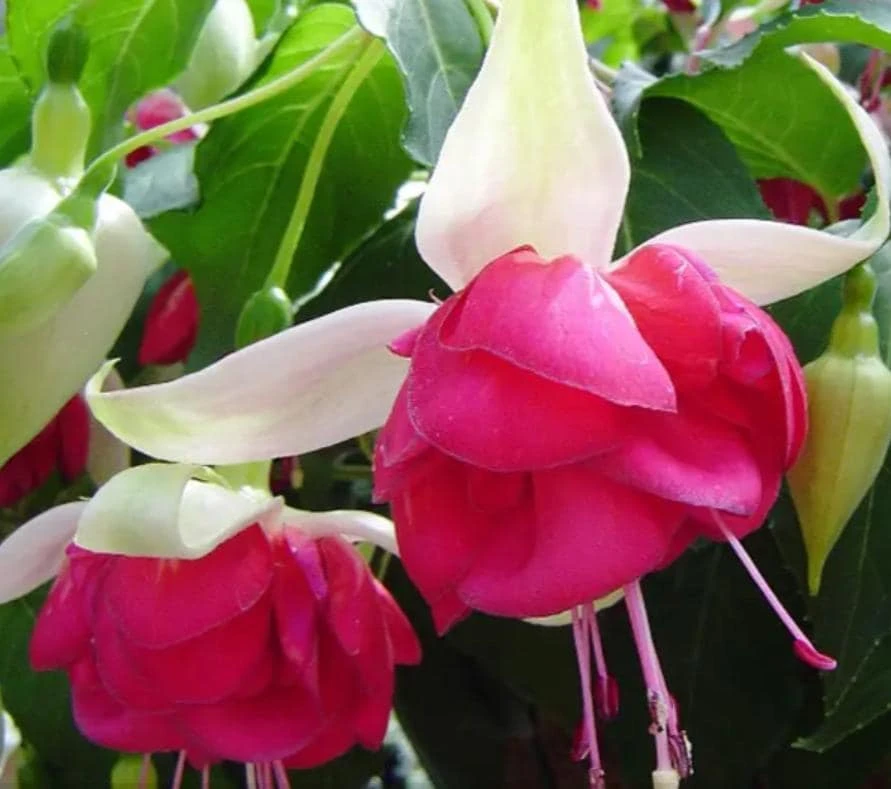
7th Heaven Fuchsia Live Plant – 6 inch Pot – Shade-Loving Ornamental Flower for Baskets
Reviews
There are no reviews yet.