
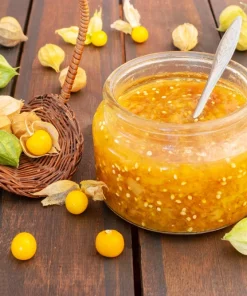
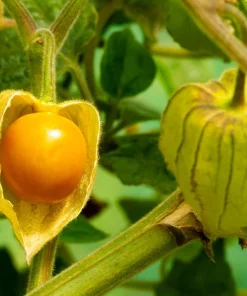
Peruvian Ground Cherry Seeds – Physalis Peruviana – 50 Seeds – Edible Fruit
Original price was: $36.99.$16.99Current price is: $16.99.
Cultivate your own flavorful Peruvian Ground Cherry seeds (Physalis Peruviana). These Cape Gooseberry fruit seeds yield sweet-tart goldenberries, perfect for fresh eating, preserves, or baking. Each pack contains 50 high-quality seeds for a bountiful harvest.
Estimated arrival
Sep 14
Sep 19 - Sep 21
Sep 24 - Sep 28
Shop With Confidence
30-Day Plant Health Guarantee
Arrives damaged? We’ll replace it free — see our return policy.
Responsive Support
Email us anytime, we reply within 1 business day.
Expert Packaging
Temperature-controlled shipping to protect your plants in transit.
Secure Checkout
Pay safely with Visa, Mastercard, PayPal.
Plant Specifications
-
USDA Hardiness Zone
6-11 -
Soil Type
Average to well-draining soil -
Sunlight Exposure
Full sun -
Expected Planting Period
Spring to early summer (after last frost)
Overview
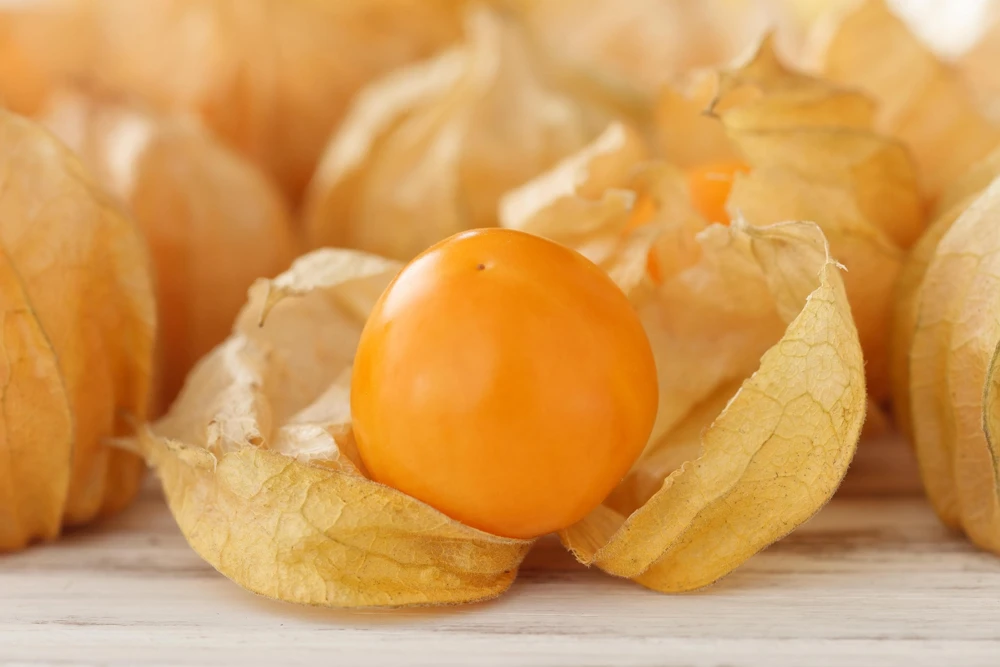
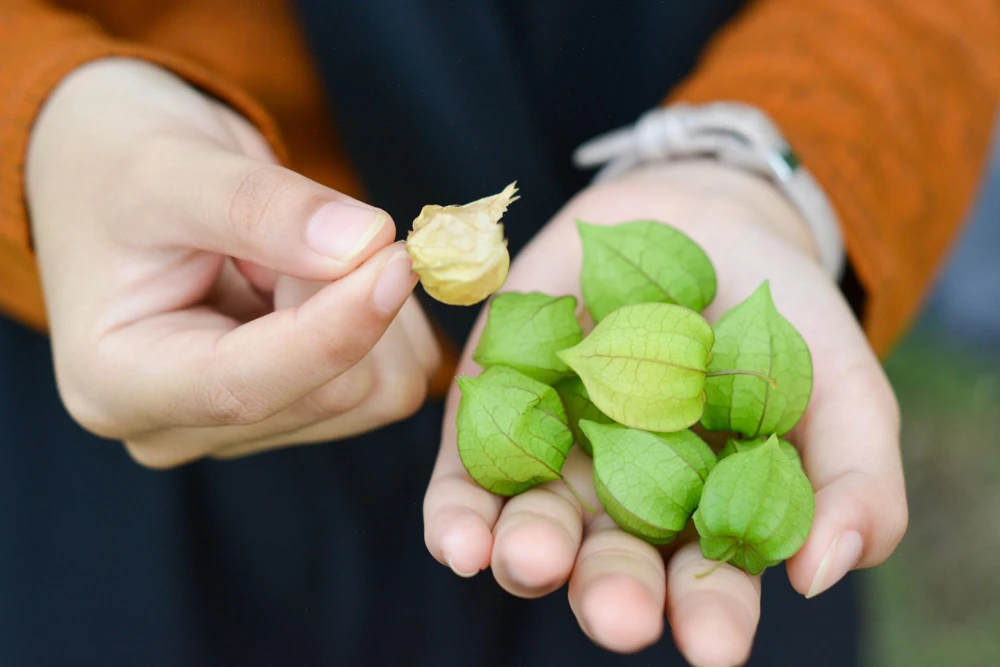
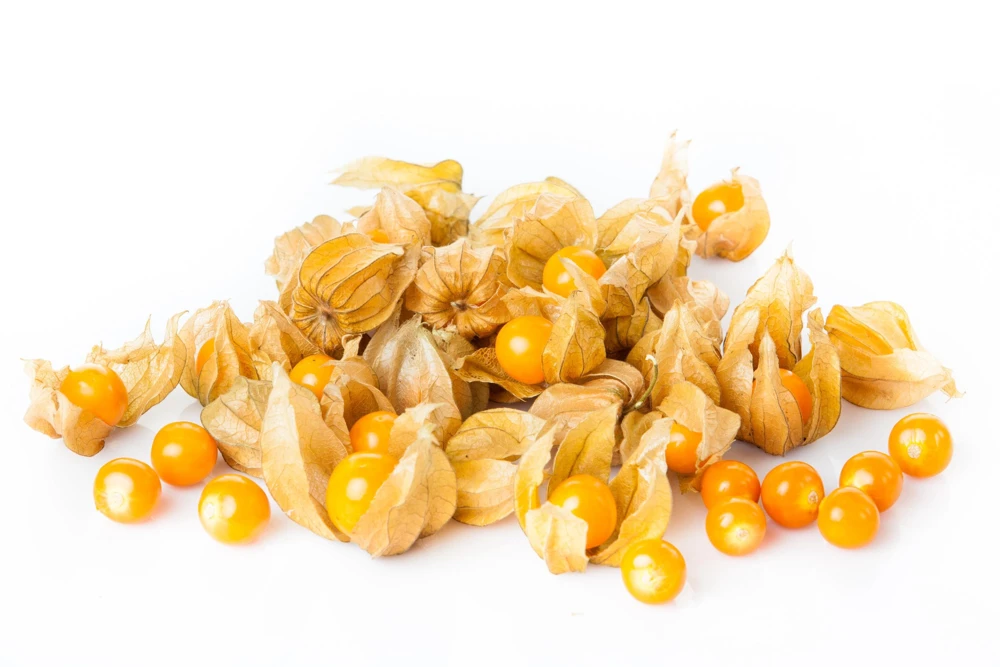
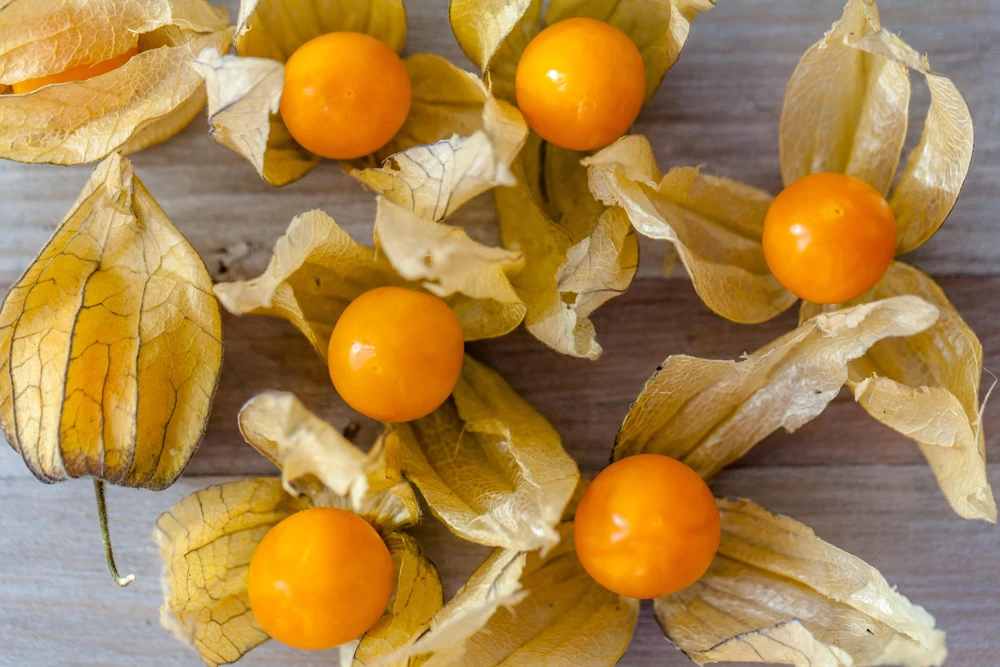
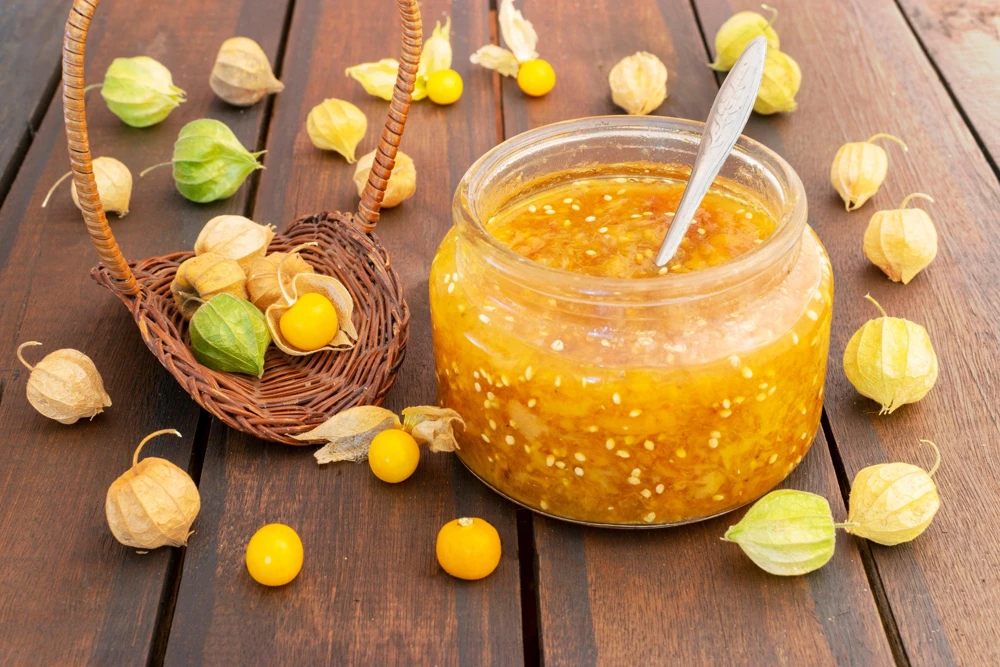
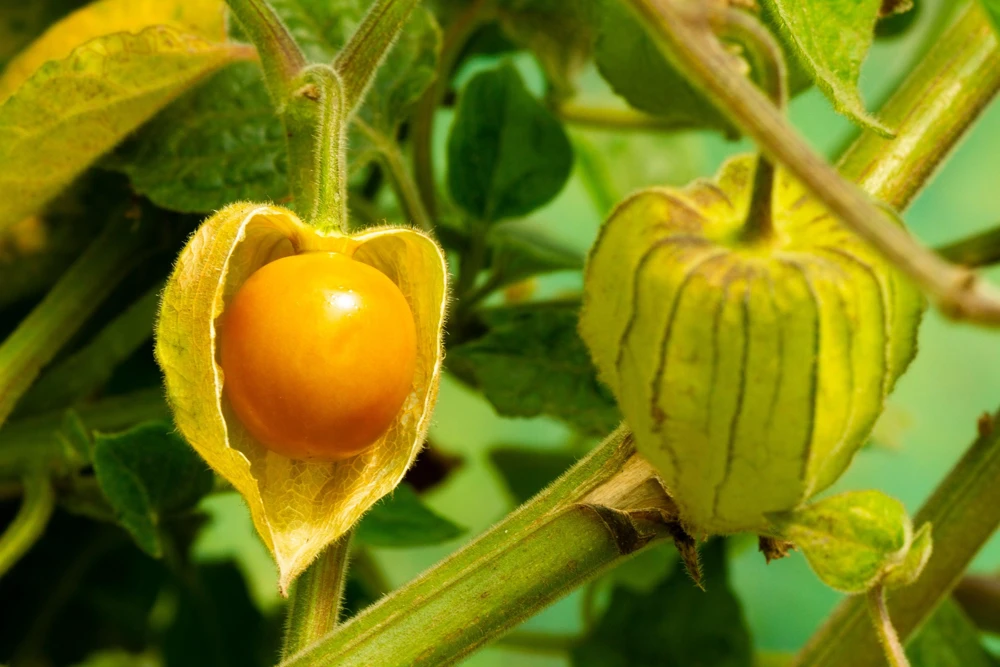
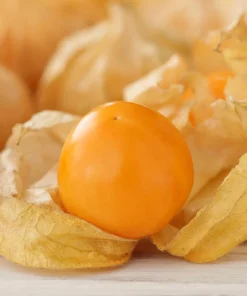
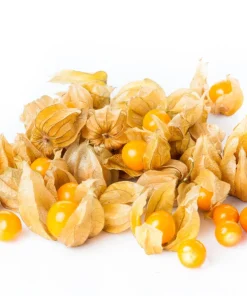
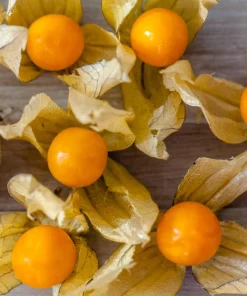
Embark on a rewarding gardening journey with these premium Peruvian Ground Cherry seeds. Often known as Goldenberry, Cape Gooseberry, Inca Berry, or Aztec Berry, Physalis Peruviana offers a unique and delicious fruit experience. These small, bright yellow-orange berries are encased in a papery husk, resembling miniature tomatillos, and boast a delightful sweet-tart flavor profile reminiscent of a blend between a tomato, pineapple, and strawberry. Growing your own Peruvian Ground Cherry seeds allows you to enjoy a fruit that is often hard to find and expensive in stores, bringing an exotic taste directly to your garden or patio. These versatile plants can be grown as annuals or perennials in many regions, adapting well to various growing conditions and offering a continuous harvest of these golden treasures.
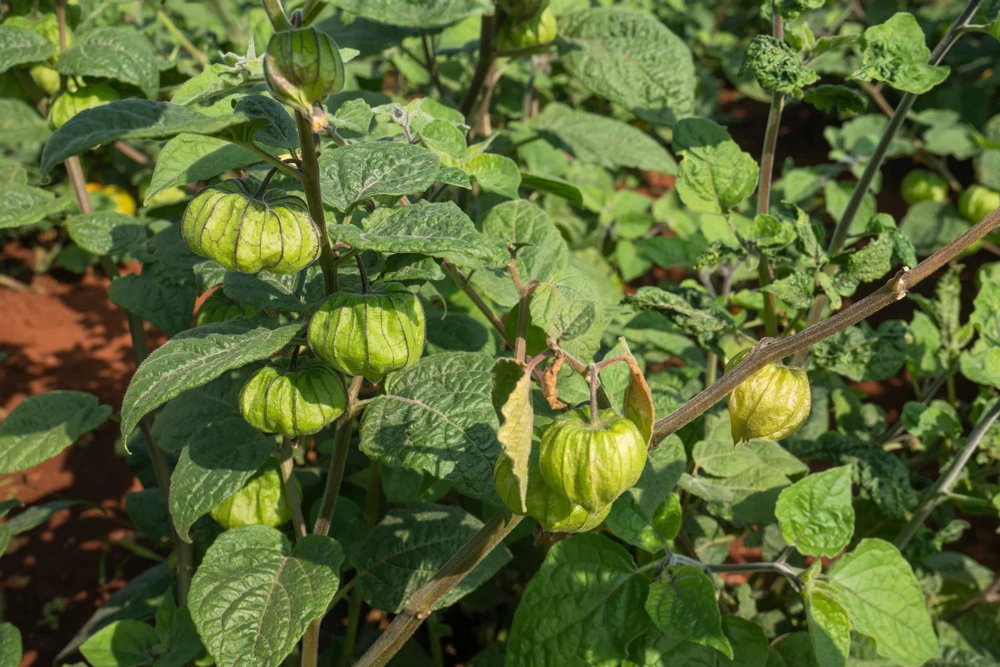
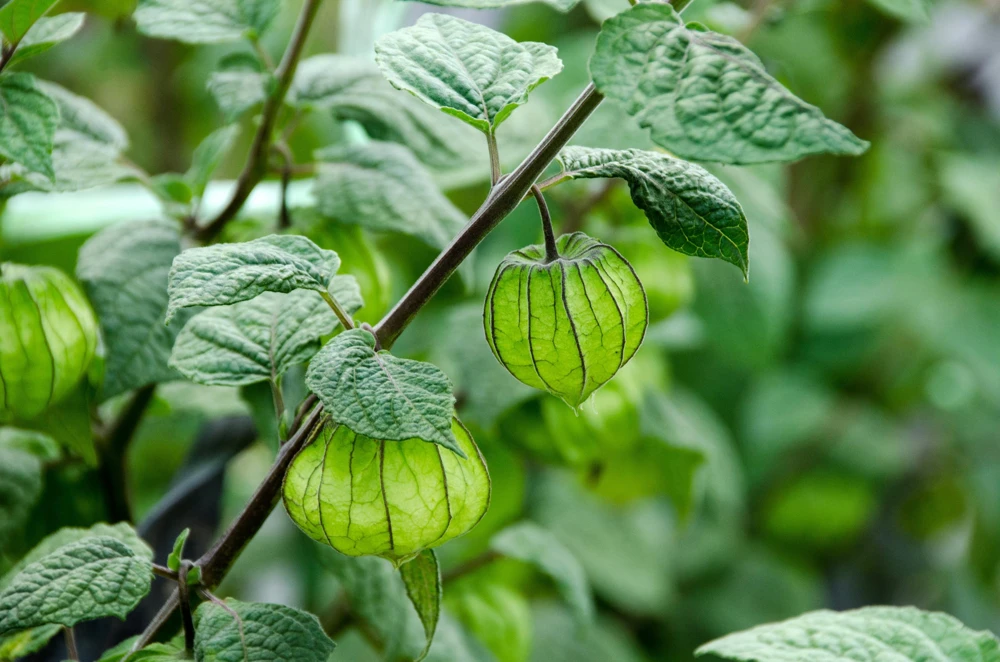
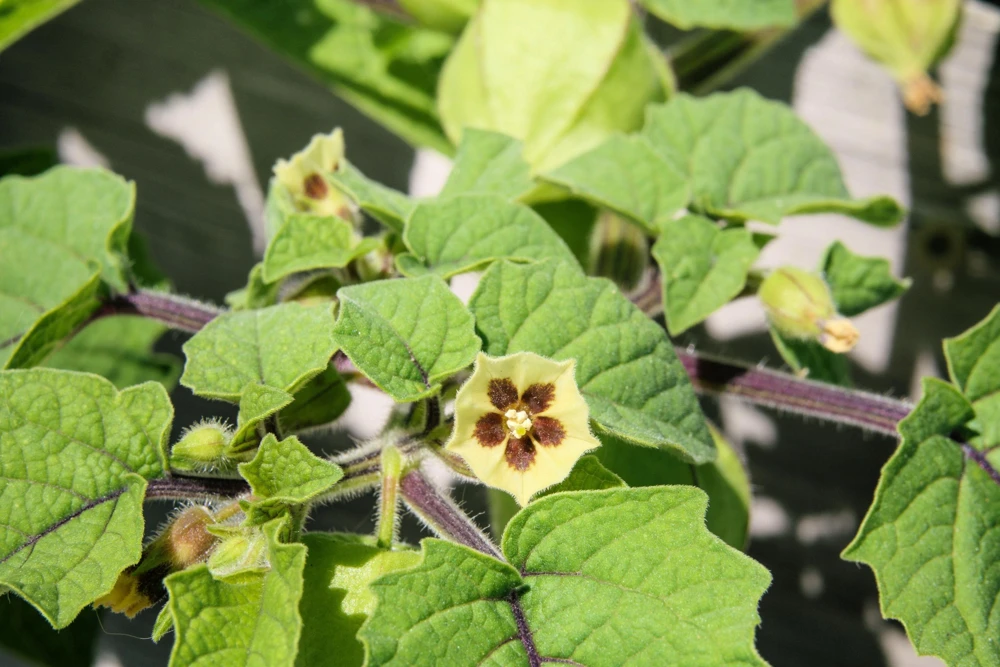
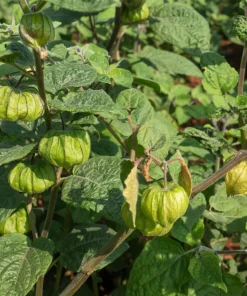
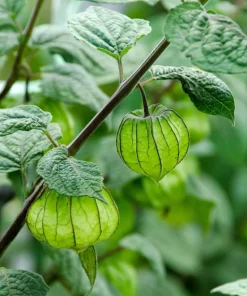
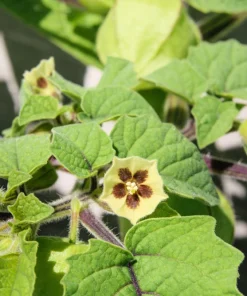
The Peruvian Ground Cherry plants are fast-growing and produce an abundance of fruit from late summer through fall. They are not only a source of tasty berries but also add ornamental value to your garden with their heart-shaped leaves and interesting husk-covered fruits. Each packet contains 50 Physalis Peruviana seeds, providing ample opportunity to establish a thriving patch of these delightful plants. Whether you’re a seasoned gardener or just starting, these seeds offer an exciting and flavorful addition to your edible landscape.
Key Benefits
Growing Peruvian Ground Cherry seeds offers a multitude of benefits, from their unique culinary applications to their ease of cultivation and ornamental appeal. These plants are a fantastic choice for home gardeners looking to add something special to their harvest.
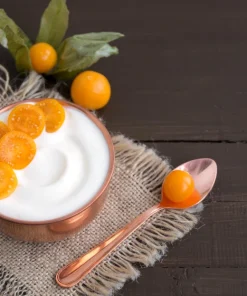
- Unique Flavor Profile: Enjoy the distinctive sweet-tart taste of Cape Gooseberry fruit, a delightful mix of tropical and garden flavors. Perfect for fresh eating, salads, and gourmet desserts.
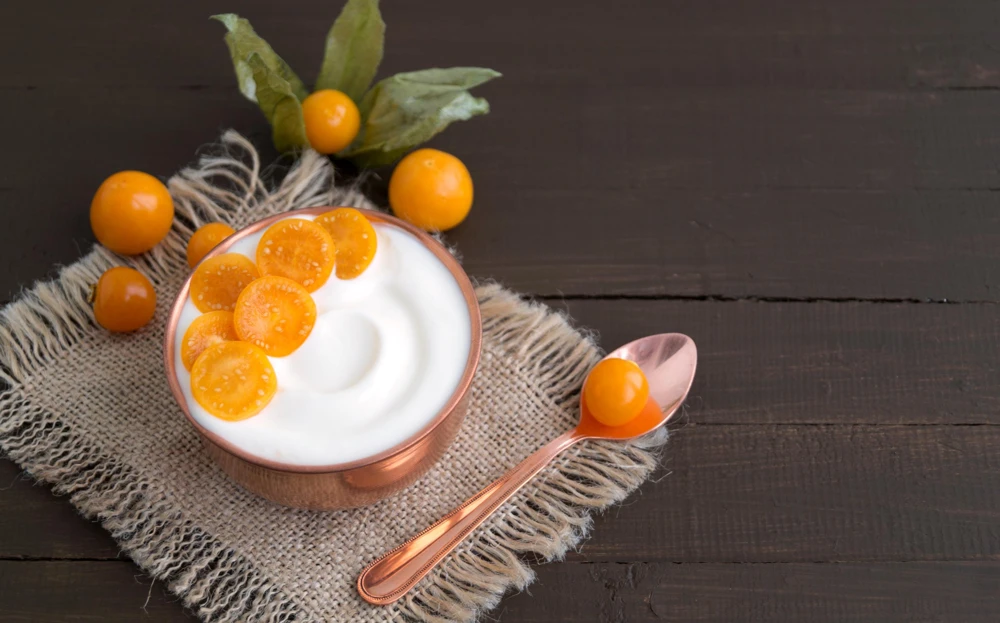
- Culinary Versatility: The goldenberries can be used in a wide array of dishes, including jams, pies, sauces, or dried for a healthy snack. Discover endless possibilities with your homegrown harvest.
- Homegrown Freshness: Experience the superior taste and nutritional benefits of freshly picked fruit, often unavailable or very costly in commercial markets. Growing from Peruvian Ground Cherry seeds ensures peak ripeness and quality.
- Easy to Grow: These plants are relatively low-maintenance and tolerant of various soil conditions, making them suitable for gardeners of all experience levels. They thrive in full sun and can be grown in containers or directly in the ground.
- Ornamental Appeal: Beyond their delicious fruit, the plants are attractive with their heart-shaped leaves and unique papery husks, adding visual interest to your garden space.
- Abundant Harvest: Once established, Peruvian Ground Cherry plants are prolific producers, providing a generous yield of fruit throughout the harvest season.
- Cost-Effective: Growing your own from Inca Berry seeds is a cost-effective way to enjoy this exotic fruit compared to purchasing it at specialty stores.
Plant Care & Growing Tips
To successfully grow goldenberry from seed, start by planting your Peruvian Ground Cherry seeds indoors 6-8 weeks before the last frost date in your area. Maintain a consistent soil temperature of 70-85°F for optimal germination. Use a well-draining seed starting mix and provide plenty of light once seedlings emerge. Transplant seedlings outdoors after all danger of frost has passed, when soil temperatures are consistently warm. Space plants 12-24 inches apart, allowing ample room for growth, as they can reach heights of 18-24 inches. Consider staking taller plants to support their fruit-laden branches.
Peruvian Ground Cherry plants prefer a location with full sun, benefiting from at least 6-8 hours of direct sunlight daily. While they tolerate average to dry soil conditions, consistent moisture is key during flowering and fruiting periods to ensure a bountiful harvest. Avoid overwatering, as this can lead to root rot. They are adaptable to a range of soil types, from sandy to heavy clay, but thrive best in well-drained, moderately fertile soil. Fertilize sparingly; too much nitrogen can encourage leafy growth at the expense of fruit production. These plants are hardy in USDA Zones 6-11, where they can be grown as perennials, though they are often cultivated as annuals in cooler climates. Monitor for common garden pests, but generally, Physalis Peruviana seeds produce resilient plants.
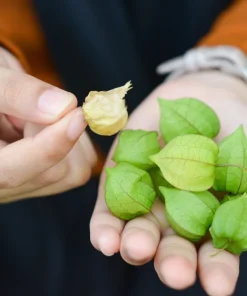
Harvesting Cape Gooseberry fruit typically occurs from August to November, when the papery husks turn brown and the fruit inside is bright yellow-orange and easily detaches from the plant. The fruit is ripe when it falls naturally from the plant or when the husk is dry and brittle. Remember that the husk is poisonous and must be removed before consuming the fruit. The French call it ‘amour en cage’ – love in a cage – due to its unique appearance. These plants are relatively disease-resistant and their vigorous growth makes them a rewarding addition to any garden looking to grow goldenberry.
Size & Details
This offering includes a packet of 50 high-quality Peruvian Ground Cherry seeds, ready for planting. Once germinated and established, the plants typically grow to a height of 18-24 inches with a similar spread of 12-24 inches, forming a small, bushy shrub. They are fast-growing and can be cultivated in the ground or in containers, making them suitable for various garden sizes and styles. The fruit, resembling a cherry tomato in size, ripens from August to November after flowers bloom from July to October. These Physalis Peruviana seeds will produce plants that are ornamental with their heart-shaped leaves and interesting seed pods, in addition to providing delicious fruit.
The plants exhibit a moderate growth rate, reaching maturity and beginning to fruit within a few months of planting from seed. They are shipped as dry seeds, ensuring easy storage and a long shelf life. With proper care, these Inca Berry seeds promise a rewarding harvest of unique and flavorful fruit for snacking, cooking, and preserving. Plan your planting to enjoy a summer and fall full of these delightful goldenberries.
Frequently Asked Questions
- Q: How big do these Peruvian Ground Cherry plants get? A: Peruvian Ground Cherry plants typically grow to a height of 18-24 inches and have a spread of 12-24 inches, forming a compact, bushy shrub. They can be grown in the ground or in sufficiently sized containers.
- Q: Is this an indoor or outdoor plant? A: While primarily grown outdoors, Physalis Peruviana plants can be grown indoors in large containers with adequate sunlight. They are typically grown as annuals in cooler climates and perennials in warmer USDA Zones (6-11).
- Q: How much sunlight do Peruvian Ground Cherry seeds need to grow? A: For optimal growth and fruit production, these plants require full sun, meaning at least 6-8 hours of direct sunlight per day. They can tolerate some shade but may produce less fruit.
- Q: Is this plant easy to care for? A: Yes, Peruvian Ground Cherry plants are considered relatively easy to care for. They are tolerant of various soil types and some drought conditions, making them suitable for beginner gardeners looking to grow goldenberry.
- Q: What condition will the seeds arrive in? A: The product consists of 50 dry Peruvian Ground Cherry seeds, packaged securely to ensure their viability upon arrival. You will receive seeds ready for planting.
- Q: How long until the Cape Gooseberry fruit is ready to harvest? A: After planting from Inca Berry seeds, fruits typically begin to ripen and are ready for harvest from August to November, depending on your climate and planting time.
- Q: Can I use Cape Gooseberry fruit in cooking? A: Absolutely! The Cape Gooseberry fruit is incredibly versatile. It can be eaten raw, added to salads, canned, made into jams, pies, or dried for a delicious and healthy snack.
- Q: What is the best time to plant Peruvian Ground Cherry seeds? A: It’s best to start Peruvian Ground Cherry seeds indoors 6-8 weeks before your last expected frost date. Transplant them outdoors when all danger of frost has passed and soil temperatures are warm.
- Q: Are there any special considerations for eating the fruit? A: Yes, like its relatives, the Peruvian Ground Cherry has a poisonous papery husk that must be removed completely before consuming the fruit. Only the bright yellow-orange berry inside is edible.
- Q: What kind of soil do these plants prefer? A: These plants are adaptable but thrive best in well-drained, moderately fertile soil. They can tolerate sandy or heavy clay soil, but good drainage is key.
Be the first to review “Peruvian Ground Cherry Seeds – Physalis Peruviana – 50 Seeds – Edible Fruit”
People Also Viewed
Reviews
There are no reviews yet.