
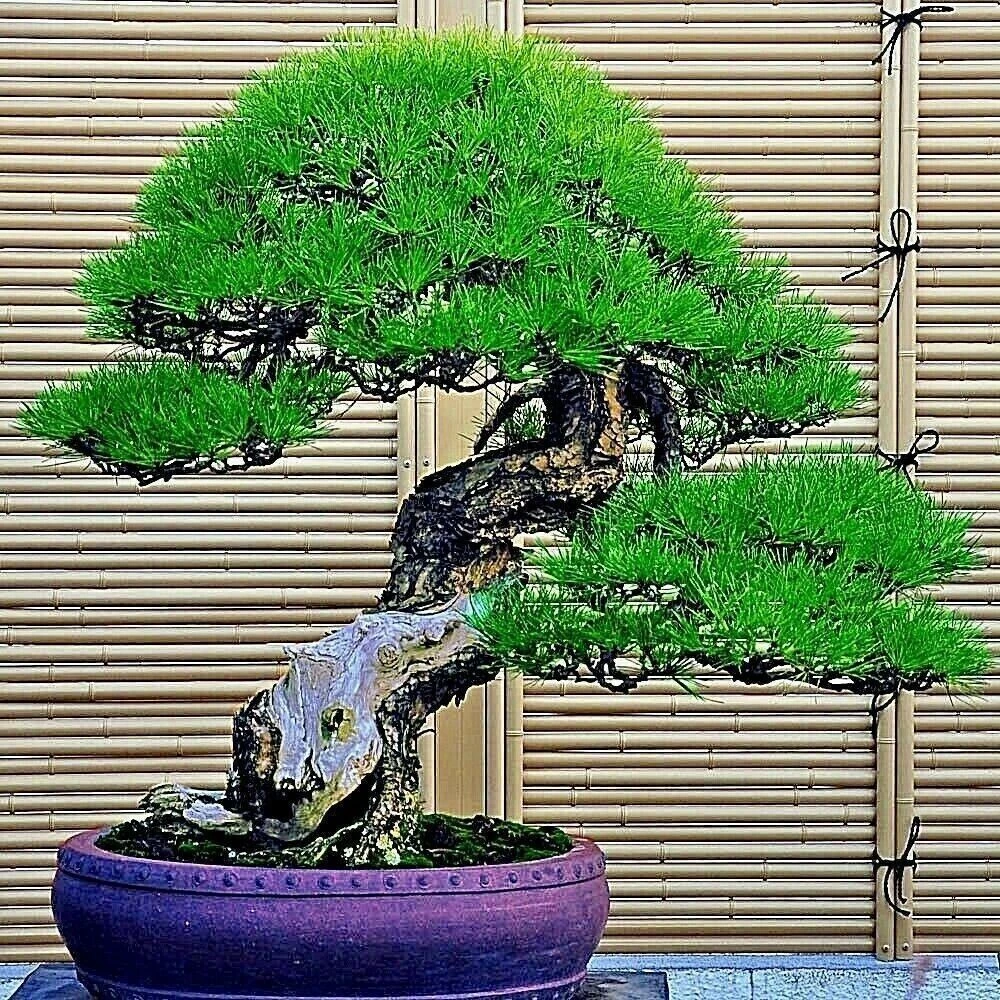
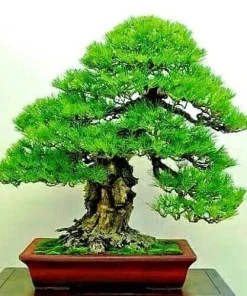
30 Dwarf Bonsai Japanese Pine Seeds – Mini Tree Seeds
Original price was: $49.99.$24.99Current price is: $24.99.
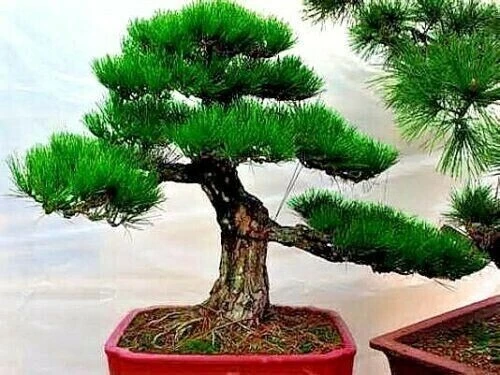
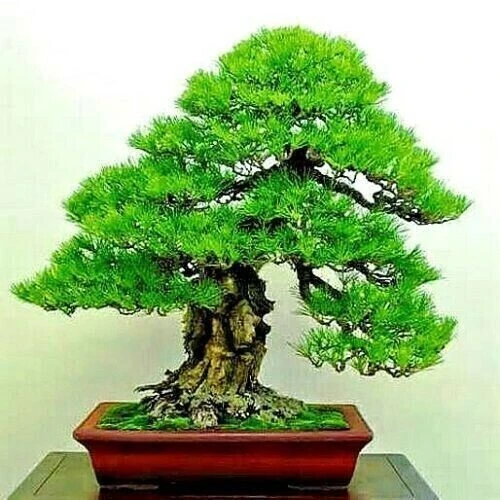
Start your bonsai journey with this pack of 30 Dwarf Bonsai Japanese Pine Seeds. Cultivate elegant mini pine tree seeds perfect for indoor or outdoor display. These seeds offer a rewarding experience for gardening enthusiasts and make a unique gift.
Estimated arrival
Oct 25
Oct 30 - Nov 01
Nov 04 - Nov 08
Shop With Confidence
30-Day Plant Health Guarantee
Arrives damaged? We’ll replace it free — see our return policy.
Responsive Support
Email us anytime, we reply within 1 business day.
Expert Packaging
Temperature-controlled shipping to protect your plants in transit.
Secure Checkout
Pay safely with Visa, Mastercard, PayPal.
Plant Specifications
-
USDA Hardiness Zone
USDA zones 5-9 (for outdoor growth of mature trees) -
Soil Type
Well-draining, slightly acidic soil; specialized bonsai mix recommended -
Sunlight Exposure
Full sun (6-8 hours daily) for seedlings and mature trees -
Expected Planting Period
Late winter to early spring (after cold stratification)
Overview
Embark on the captivating journey of growing your own miniature forest with our premium pack of dwarf bonsai Japanese pine seeds. These seeds offer the unique opportunity to cultivate stunning, compact pine trees, perfect for the art of bonsai. Japanese Pine, scientifically known as Pinus thunbergii, is a popular choice among bonsai enthusiasts due to its rugged appearance, strong growth habits, and adaptability to various training techniques. This species is celebrated for its dark green needles, textured bark, and ability to withstand diverse climates, making it an excellent candidate for creating exquisite living sculptures. Whether you are a seasoned bonsai artist or a beginner eager to learn, these mini pine tree seeds provide an accessible and fulfilling way to connect with nature and develop a living piece of art right in your home or garden.
Cultivating a bonsai from seed is a deeply rewarding process that teaches patience and appreciation for natural growth. Our dwarf bonsai Japanese pine seeds are carefully selected to ensure viability, giving you the best possible start for your miniature trees. Imagine the satisfaction of watching a tiny seed transform into a majestic, yet miniature, pine tree over time. These seeds are ideal for anyone looking to delve into the ancient practice of bonsai, offering a hands-on experience from germination to shaping. Grow your own unique collection of Japanese pine bonsai, each with its own character and story.
Key Benefits
Growing a bonsai from seed offers numerous advantages, from personal satisfaction to enhancing your living space. Our dwarf bonsai Japanese pine seeds bring a host of benefits that make them an excellent choice for any plant lover:
- Aesthetic Appeal: Create stunning, living art pieces that add a touch of tranquility and natural beauty to any indoor or outdoor setting. The distinct form and evergreen foliage of the Japanese pine make it a captivating focal point.
- Personal Growth & Patience: The process of growing and training a bonsai fosters patience, mindfulness, and a deeper connection to nature. It’s a meditative hobby that offers continuous learning.
- Unique Gift Idea: A packet of pine tree seeds or a young bonsai grown from these seeds makes a thoughtful and unique gift for gardeners, nature lovers, or anyone interested in creative hobbies.
- Hobby & Skill Development: Learn and master the intricate art of bonsai cultivation, including pruning, wiring, and shaping, which are valuable gardening skills. Successfully growing a mini pine tree seeds is a rewarding achievement.
- Stress Reduction: Engaging with plants and nature has been shown to reduce stress and improve overall well-being. Caring for a bonsai provides a peaceful escape from daily routines.
- Long-Term Beauty: With proper care, your dwarf Japanese pine bonsai can live for many decades, becoming a cherished heirloom that grows and evolves with you.
- Versatility: These Japanese pine bonsai can be cultivated indoors with adequate light or outdoors in suitable climates, offering flexibility in display and care.
Plant Care & Growing Tips
Cultivating dwarf bonsai Japanese pine seeds into mature bonsai trees requires attention and care, but the process is incredibly rewarding. To begin, typically sow your pine tree seeds in early spring or late winter after a period of cold stratification (mimicking winter conditions to break dormancy). Plant the seeds in a well-draining seed-starting mix, just barely covering them with soil. Maintain consistent moisture, but avoid waterlogging, which can lead to rot. Germination can take several weeks to a few months, so patience is key.
Once your seedlings emerge, they will need ample sunlight. Provide at least 6-8 hours of direct sunlight daily. If growing indoors, a grow light is highly recommended to ensure strong, healthy growth. As your mini pine tree seeds grow into young plants, gradually introduce them to outdoor conditions if you plan to keep them outside, hardening them off to prevent shock. Japanese pines thrive in well-draining, slightly acidic soil. A good bonsai soil mix typically consists of akadama, pumice, and lava rock, ensuring excellent drainage and aeration crucial for root health. Water thoroughly when the topsoil feels dry to the touch, allowing excess water to drain completely. During the active growing season (spring and summer), regular fertilization with a balanced, slow-release fertilizer or a liquid feed diluted to half strength is beneficial. Reduce watering and cease fertilization in winter when the tree is dormant.
Pruning and wiring are essential for shaping your Japanese pine bonsai. Start training early with gentle techniques, as young branches are more flexible. Prune back new growth to maintain the desired compact shape and encourage ramification (branching). Wiring allows you to guide the branches into specific forms, but always monitor the wires to prevent them from biting into the bark as the tree grows. Protect outdoor bonsai from extreme winter cold by placing them in a sheltered location or an unheated garage. With consistent care and dedicated training, your dwarf bonsai Japanese pine seeds will flourish into magnificent miniature trees, providing years of enjoyment.
Size & Details
This product includes a pack of 30 dwarf bonsai Japanese pine seeds, providing a generous quantity to begin your bonsai cultivation journey. The seeds are fresh and ready for planting, offering a high potential for germination when proper stratification and growing conditions are met. Japanese pines are known for their relatively fast growth rate in their juvenile stage, allowing for quicker development into a suitable bonsai specimen compared to some other pine varieties. While mature bonsai sizes vary greatly depending on training and pot size, these trees typically grow into compact forms, ranging from 6 inches to 2 feet in height, making them perfect for desk display or garden accents. Each seed holds the potential to become a unique, long-lived miniature tree, embodying the stoic beauty of nature in a small package. The final size and shape of your mini pine tree seeds will be a testament to your cultivation skills and artistic vision.
Frequently Asked Questions
- Q: How many dwarf bonsai Japanese pine seeds are included in this pack? A: This pack contains 30 high-quality dwarf bonsai Japanese pine seeds, giving you multiple opportunities to cultivate your own miniature trees and offering a good quantity for successful germination and selection.
- Q: Is cold stratification necessary for these pine tree seeds? A: Yes, cold stratification is highly recommended for Japanese pine bonsai seeds to break dormancy and improve germination rates. This typically involves placing the seeds in a moist medium in the refrigerator for 4-8 weeks before planting.
- Q: What is the best time to plant these mini pine tree seeds? A: After cold stratification, the ideal time to plant is in late winter or early spring. This timing allows the seedlings to establish themselves during the natural growing season.
- Q: How much sunlight do young Japanese pine bonsai seedlings need? A: Young seedlings require plenty of light, ideally 6-8 hours of direct sunlight per day. If growing indoors, a strong grow light is essential to prevent legginess and encourage robust growth.
- Q: Are these seeds suitable for beginners in bonsai? A: Yes, dwarf bonsai Japanese pine seeds are a great choice for beginners. Japanese pines are relatively vigorous growers and respond well to various training techniques, making the learning process enjoyable and rewarding.
- Q: What kind of soil should I use for planting the seeds and for growing the bonsai? A: For planting seeds, use a sterile, well-draining seed-starting mix. For growing the bonsai, a specialized bonsai soil mix that provides excellent drainage and aeration, such as a blend of akadama, pumice, and lava rock, is recommended.
- Q: How long does it take for the seeds to germinate? A: Germination times can vary, but typically, you can expect to see seedlings emerge anywhere from a few weeks to several months after planting, especially after proper stratification.
- Q: Can these pine tree seeds be grown indoors permanently? A: While they can be started indoors, Japanese pines generally thrive outdoors where they can experience natural seasonal changes. If kept indoors, they will require very strong artificial light and careful humidity management to simulate their natural environment.
- Q: What is the typical growth rate of a Japanese pine bonsai? A: Japanese pines have a moderate to fast growth rate when young, which is beneficial for bonsai training as it allows for quicker development of branches and trunk thickness. The growth rate slows as the tree matures and is kept compact through pruning.
- Q: What kind of care do these mini pine tree seeds need once they become small trees? A: Once established, they need consistent watering (allowing the soil to dry slightly between waterings), regular feeding during the growing season, appropriate light exposure, and ongoing pruning and wiring to maintain their bonsai shape.
Be the first to review “30 Dwarf Bonsai Japanese Pine Seeds – Mini Tree Seeds”
People Also Viewed
Succulents
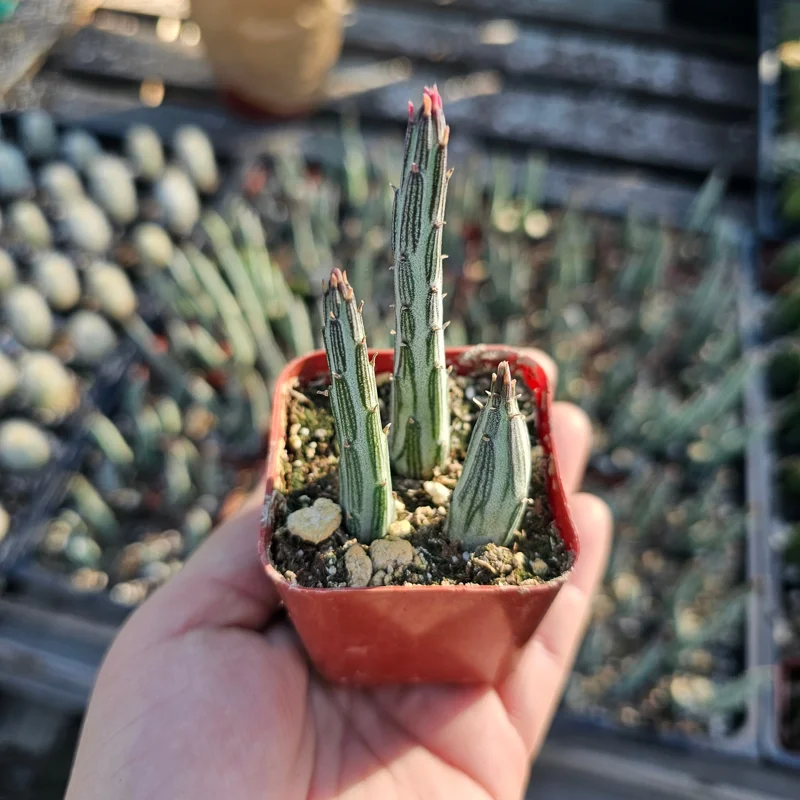
Pickle Plant Live Succulent – Delosperma echinatum – 2in & 4in Pot Sizes – Indoor/Outdoor
Reviews
There are no reviews yet.