
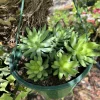
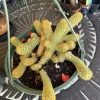
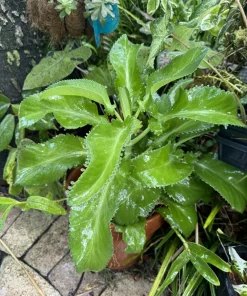
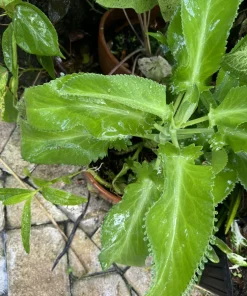
Kalanchoe Diagremontiana Mother of Thousands Live Plant – Unique Succulent
Original price was: $41.99.$21.99Current price is: $21.99.
Bring home a fascinating Kalanchoe Mother of Thousands live plant, known for its unique plantlets that form along the leaf margins. This Mother of Thousands succulent is an easy-to-grow houseplant, perfect for adding a touch of exotic beauty to your collection.
Estimated arrival
Oct 27
Nov 01 - Nov 03
Nov 06 - Nov 10
Shop With Confidence
30-Day Plant Health Guarantee
Arrives damaged? We’ll replace it free — see our return policy.
Responsive Support
Email us anytime, we reply within 1 business day.
Expert Packaging
Temperature-controlled shipping to protect your plants in transit.
Secure Checkout
Pay safely with Visa, Mastercard, PayPal.
Plant Specifications
-
USDA Hardiness Zone
USDA zones 9–11 (or indoor) -
Soil Type
Well-draining succulent/cactus mix -
Sunlight Exposure
Bright indirect light -
Expected Planting Period
Year-round indoors
Overview
Introduce an extraordinary botanical specimen to your home with the Kalanchoe Mother of Thousands live plant. Scientifically known as Kalanchoe diagremontiana, this succulent is renowned for its distinctive reproductive strategy, producing numerous tiny plantlets along the edges of its leaves. These plantlets, often referred to as ‘babies,’ can easily root and grow into new plants, making it a truly captivating and rewarding species for both novice and experienced gardeners. The unique growth habit of this Kalanchoe Diagremontiana care plant makes it a conversation starter and a fascinating addition to any indoor plant collection. Its robust nature and intriguing appearance ensure it stands out among other succulents, providing continuous interest as it self-propagates.
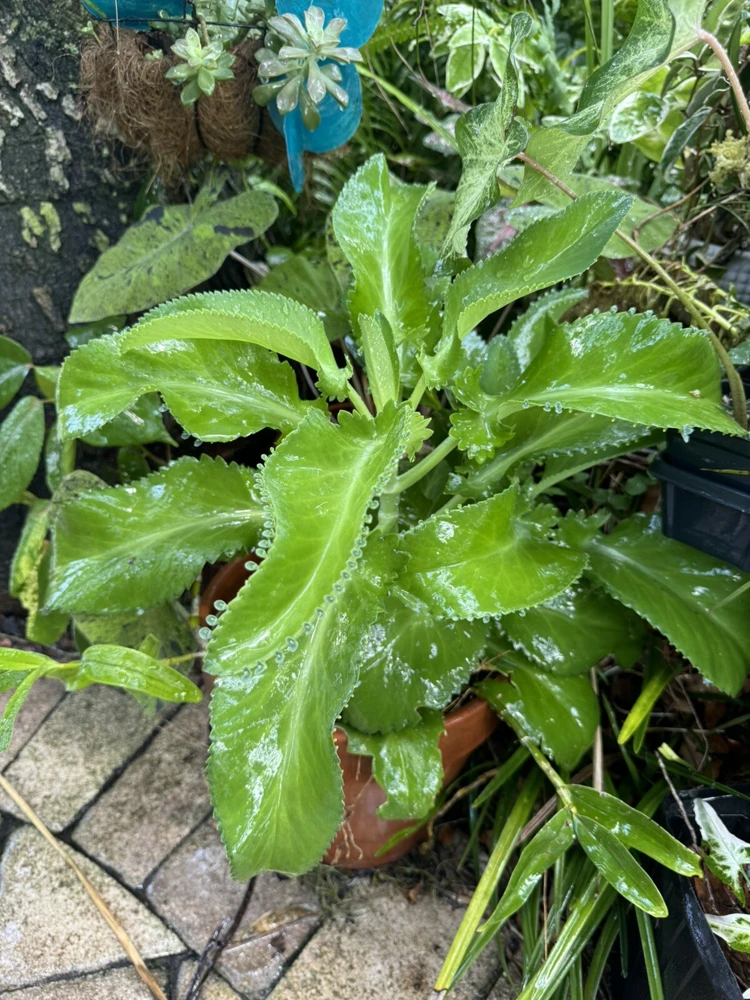
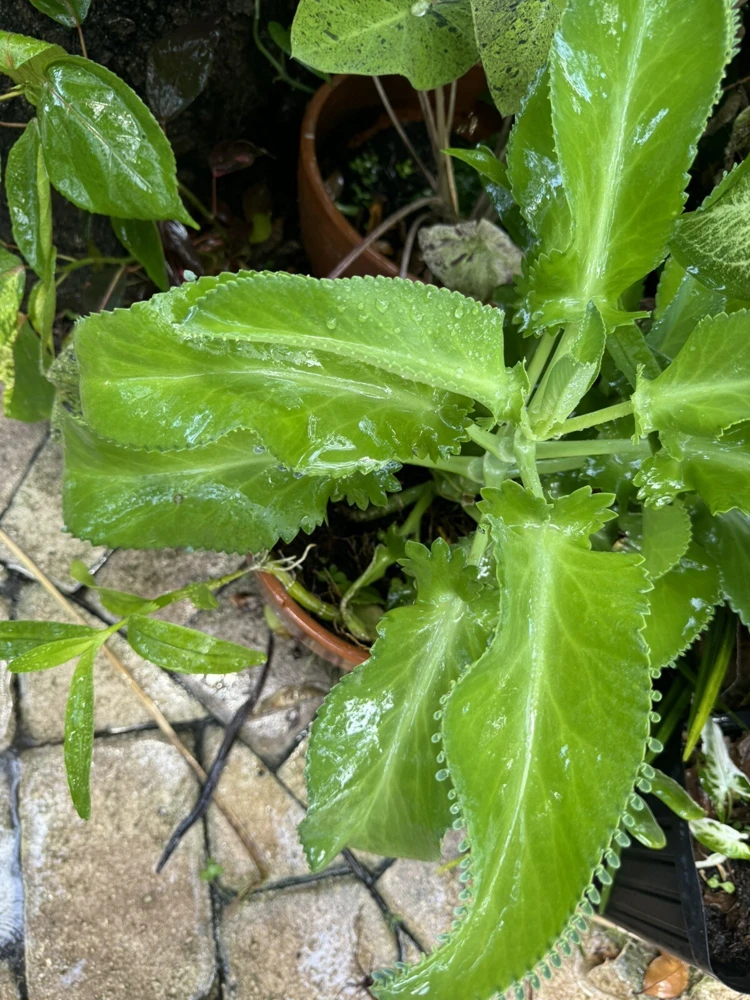
The Kalanchoe Diagremontiana Mother of Thousands plant is a resilient and low-maintenance succulent native to Madagascar. Its thick, fleshy leaves are typically green with brownish-purple blotches, especially on the undersides, adding to its visual appeal. This plant is a true marvel of nature, demonstrating an incredible ability to reproduce and thrive with minimal intervention. It’s often chosen for its educational value, showcasing the plant kingdom’s diverse methods of propagation. Whether you’re starting your succulent journey or expanding an existing collection, this plant offers both beauty and a unique growth experience.
Key Benefits
The Kalanchoe Mother of Thousands live plant offers a multitude of benefits, making it a popular choice for plant enthusiasts. Its ease of propagation and striking appearance are just a few reasons to welcome this succulent into your home.
- Unique Propagation: This plant is famous for producing numerous plantlets along its leaf margins, earning it the name ‘Mother of Thousands.’ These tiny plantlets readily drop off and root, allowing for easy propagation and sharing with friends and family. It’s a continuous source of new plants without any extra effort.
- Low Maintenance: As a succulent, the Kalanchoe Diagremontiana care requirements are minimal. It thrives on neglect, needing infrequent watering and tolerating a range of indoor conditions, making it an ideal choice for busy individuals or beginners.
- Aesthetic Appeal: With its distinctive leaves, often featuring attractive mottling and serrated edges, the Mother of Thousands succulent adds a unique texture and visual interest to any space. Its architectural form and vibrant green hues enhance interior decor.
- Educational Value: Observing the plantlets grow and detach provides a fascinating learning experience about plant reproduction, making it a great plant for families with children or anyone interested in botany.
- Drought Tolerant: Its succulent nature means it stores water in its leaves, allowing it to withstand periods of drought. This resilience ensures it remains healthy even if you occasionally forget to water.
- Air Purifying Qualities: Like many houseplants, the easy care Kalanchoe can contribute to improved indoor air quality by absorbing toxins and releasing oxygen, promoting a healthier living environment.
- Adaptable to Various Conditions: While it prefers bright light, this Kalanchoe can adapt to slightly lower light conditions, making it versatile for different spots in your home.
Plant Care & Growing Tips
Caring for your Kalanchoe Mother of Thousands live plant is straightforward, making it an excellent choice for both beginners and seasoned plant lovers. Proper care ensures vigorous growth and abundant plantlet production. This Mother of Thousands succulent thrives in conditions that mimic its native arid environment.
Sunlight Requirements: Provide your Kalanchoe Diagremontiana with plenty of bright, indirect sunlight. A south-facing window is ideal, but an east or west-facing window can also work if it receives several hours of direct morning or afternoon sun. Too little light can lead to leggy growth and fewer plantlets, while intense, unfiltered direct sun can scorch its leaves. Aim for at least 4-6 hours of bright light daily for optimal health and color.
Watering Schedule: The key to successful Kalanchoe Diagremontiana care is to avoid overwatering. Allow the soil to dry out completely between waterings. When it’s time to water, do so thoroughly until water drains from the bottom of the pot. In winter, reduce watering frequency significantly. Always check the soil moisture with your finger before watering. Signs of overwatering include mushy leaves, while underwatering may cause the leaves to shrivel.
Soil Type and Drainage: A well-draining potting mix is crucial for this succulent. Use a specialized succulent or cactus mix, or create your own by combining regular potting soil with perlite or coarse sand to improve drainage. Good drainage prevents root rot, which is a common issue for succulents. Ensure the pot has drainage holes.
Temperature and Humidity: The easy care Kalanchoe prefers warm temperatures, ideally between 65-80°F (18-27°C). It can tolerate cooler temperatures but should be protected from frost. Average household humidity is perfectly suitable; it does not require high humidity. USDA zones 9-11 are generally suitable for outdoor growth, otherwise, it is best kept as an indoor plant.
Fertilization: Fertilize sparingly during the growing season (spring and summer) with a balanced liquid fertilizer diluted to half strength. Avoid fertilizing in fall and winter when the plant’s growth slows down. Over-fertilization can harm the plant.
Common Problems: Watch out for common succulent pests like mealybugs or spider mites. Inspect your plant regularly and treat any infestations promptly with insecticidal soap. Leggy growth indicates insufficient light, while yellowing leaves can point to overwatering or nutrient deficiency.
Size & Details
The Kalanchoe Mother of Thousands live plant typically grows to a moderate size, making it suitable for various indoor settings. While specific dimensions can vary based on growing conditions and maturity, most plants reach an average height of 12-36 inches (30-90 cm) with a spread of 6-18 inches (15-45 cm). The plantlets, often referred to as Kalanchoe plantlets, develop along the leaf margins and can easily be removed for propagation. This plant is known for its relatively fast growth rate under ideal conditions, quickly developing into an impressive specimen.
This succulent is usually shipped as a young, actively growing plant, often in a nursery pot. It is ready for transplanting into a decorative container upon arrival. Expected time to maturity, where it produces abundant plantlets, can be within a year, depending on care. The plant’s unique ability to self-propagate means you’ll have a continuous supply of new plants. The thick, fleshy leaves are an attractive feature, often displaying unique mottling patterns.
Frequently Asked Questions
- Q: How big does this plant get? A: A Kalanchoe Mother of Thousands live plant typically grows between 1 to 3 feet tall (30-90 cm) and about 6 to 18 inches wide. Its size can vary depending on the growing conditions, light exposure, and pot size, but it generally remains a manageable size for indoor environments.
- Q: Is this an indoor or outdoor plant? A: While the Mother of Thousands succulent can be grown outdoors in USDA zones 9-11 where there is no frost, it is primarily cultivated as an indoor houseplant in most regions. It thrives in warm temperatures and bright, indirect light, making it perfect for windowsills or well-lit rooms.
- Q: How much sunlight does it need? A: The Kalanchoe Diagremontiana care requires plenty of bright, indirect light for at least 4-6 hours daily. It can tolerate some direct morning sun but should be protected from harsh afternoon sun to prevent leaf scorching. Insufficient light can lead to leggy growth.
- Q: Is this plant easy to care for? Is it good for beginners? A: Yes, the easy care Kalanchoe is known for its resilience and low maintenance, making it an excellent choice for beginners. Its drought tolerance and ability to self-propagate make it a very forgiving plant.
- Q: What condition will it arrive in? A: Your Kalanchoe Mother of Thousands live plant will arrive as a healthy, actively growing plant, typically in a nursery pot. It will be carefully packaged to ensure minimal stress during transit, ready for you to acclimate and enjoy.
- Q: How often should I water my Kalanchoe? A: Water your Mother of Thousands succulent only when the soil has completely dried out. This usually means watering every 2-4 weeks, depending on temperature and humidity. Always err on the side of underwatering rather than overwatering to prevent root rot.
- Q: How long until it produces plantlets? A: Young, healthy Kalanchoe plantlets can begin forming along the leaf margins within a few months of establishment, especially during periods of active growth. Mature plants will produce them continuously, providing a steady supply of new propagations.
- Q: What type of soil is best for this plant? A: A well-draining succulent or cactus potting mix is ideal for the Kalanchoe Diagremontiana. This type of soil prevents waterlogging and provides the aeration necessary for healthy root growth. You can also amend regular potting soil with perlite or coarse sand.
- Q: Is the Kalanchoe Mother of Thousands pet-safe? A: No, Kalanchoe plants, including the Mother of Thousands, are considered toxic to pets if ingested. It’s best to keep this plant out of reach of curious cats, dogs, and other animals to ensure their safety.
- Q: Can I grow the Kalanchoe plantlets? A: Absolutely! The Kalanchoe plantlets are designed to be easily grown. Simply remove them from the parent plant and place them on top of well-draining soil. They will root readily and grow into new independent plants.
Be the first to review “Kalanchoe Diagremontiana Mother of Thousands Live Plant – Unique Succulent”
People Also Viewed
Flower Seeds
Shrubs
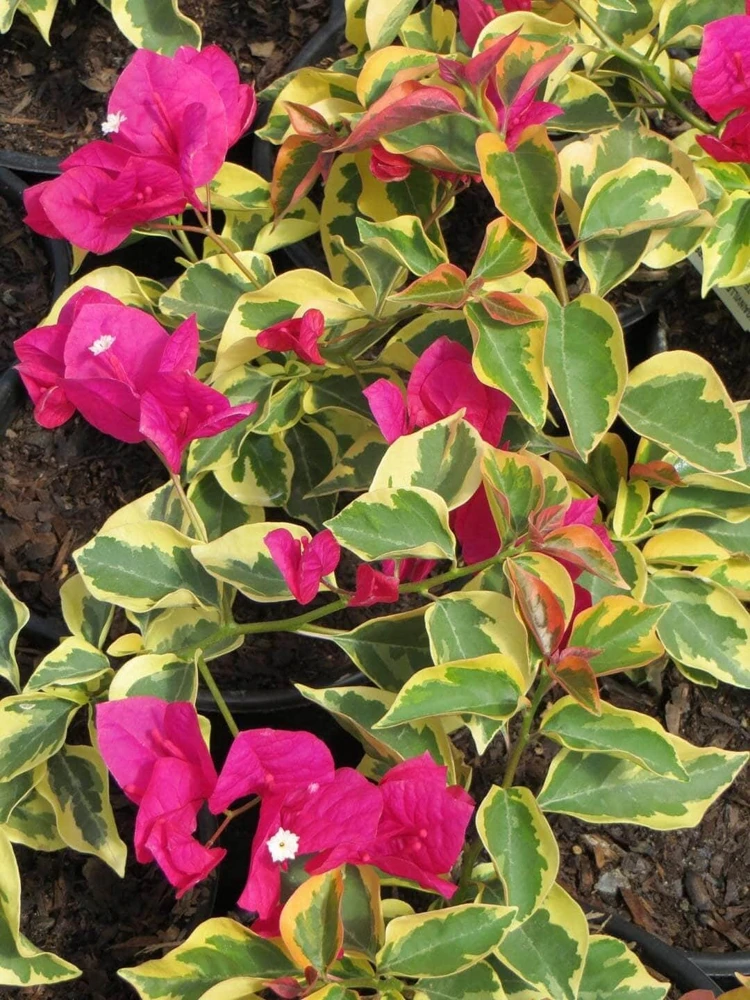
Raspberry Ice Bougainvillea Live Plant – Pink & Cream Variegated – Pack of 2, 5-9 inches tall
Trees
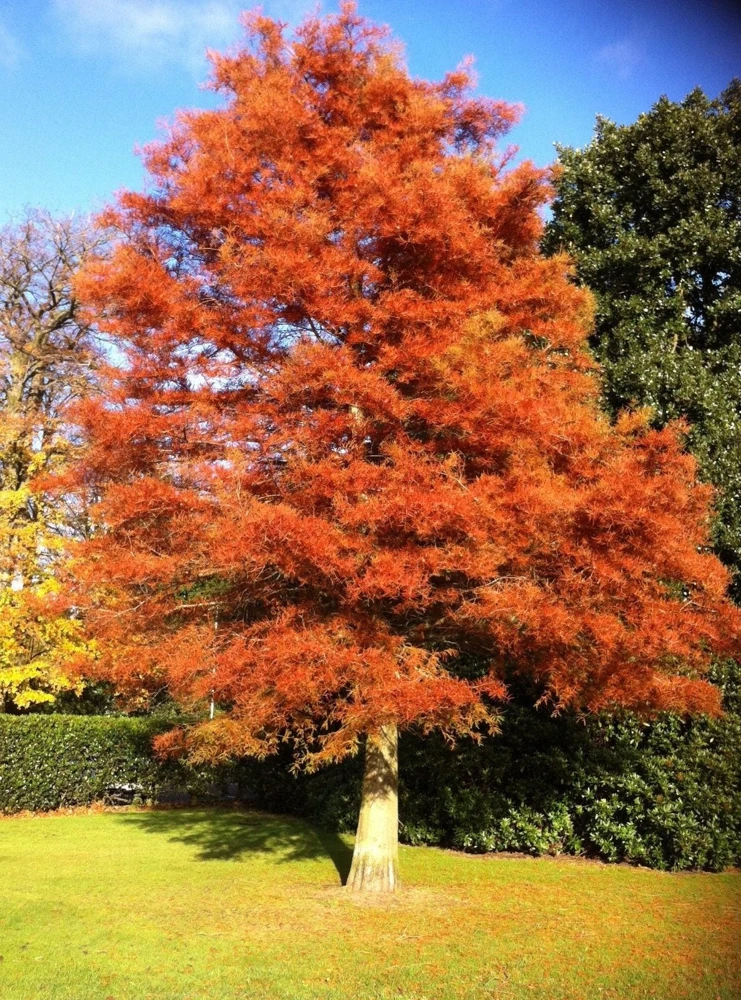
Dawn Redwood Live Plant – Metasequoia glyptostroboides – 1 Quart Pot 8-12″ Tall – Outdoor Tree
Reviews
There are no reviews yet.