
Black Chokeberry Aronia Melanocarpa Live Plant 12-24in Tall – Cold Hardy Fruit Shrub
Original price was: $67.99.$52.99Current price is: $52.99.
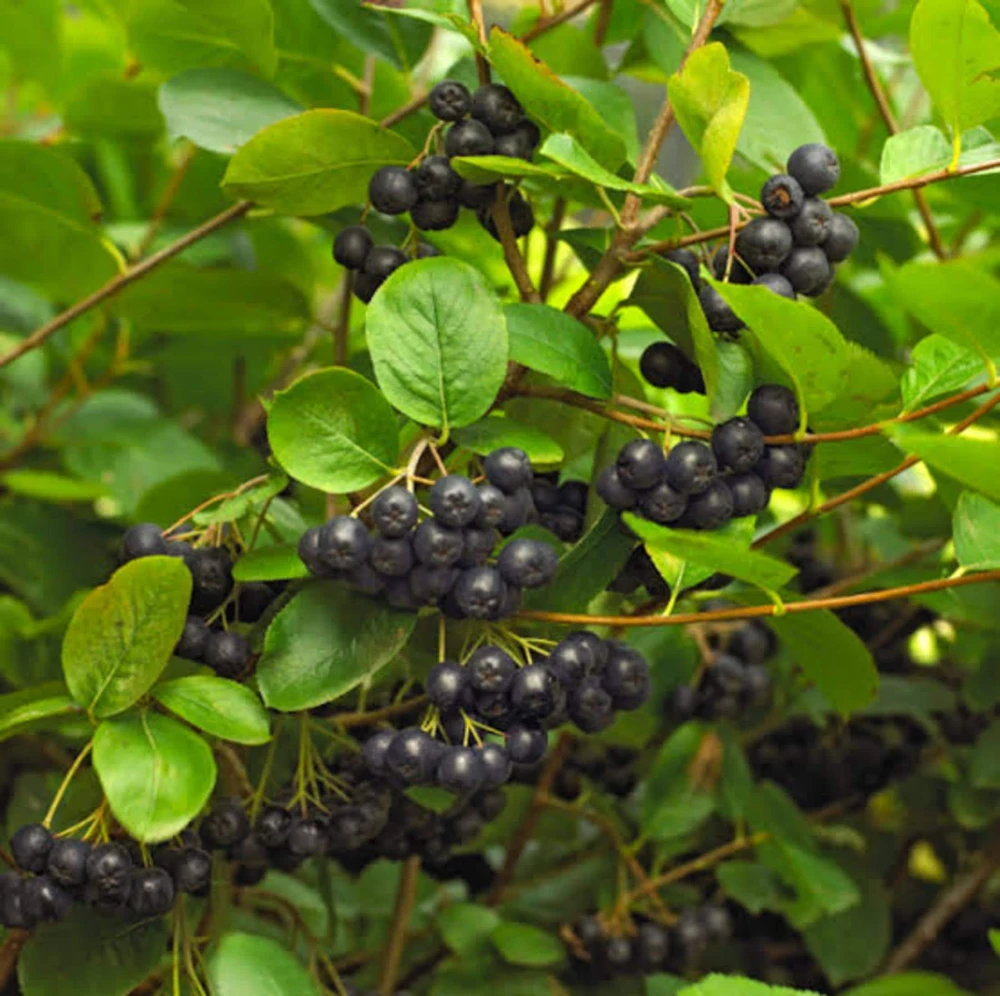
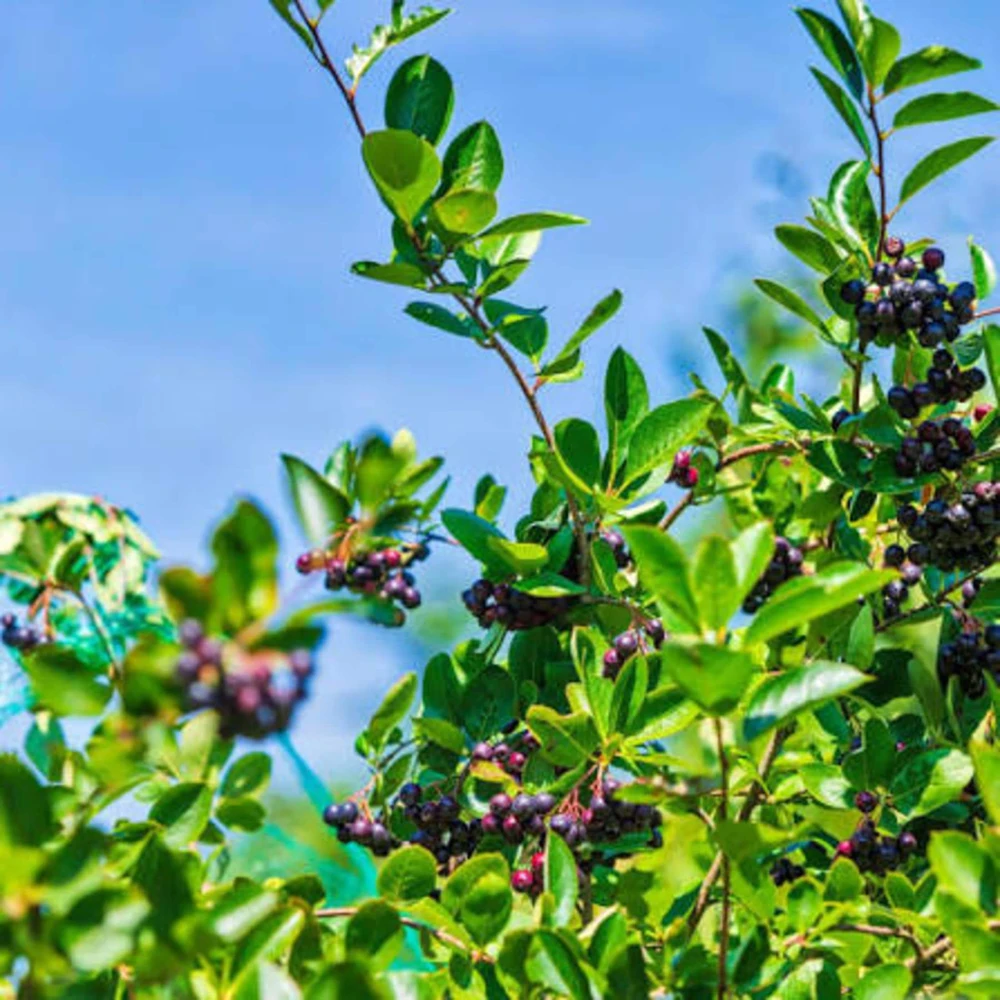
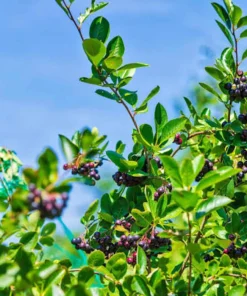
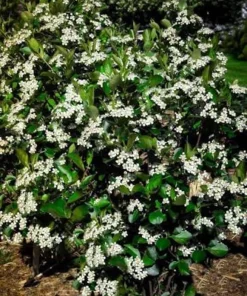
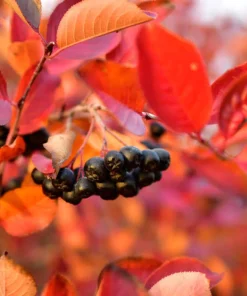
Bring native beauty and nutrient-packed superfoods to your garden with this black chokeberry live plant (Aronia melanocarpa). This healthy, established 12-24 inch shrub is cold hardy (USDA Zones 3-8) and offers multi-season interest with white flowers, dark berries, and fiery red fall foliage.
Estimated arrival
Oct 10
Oct 15 - Oct 17
Oct 20 - Oct 24
Shop With Confidence
30-Day Plant Health Guarantee
Arrives damaged? We’ll replace it free — see our return policy.
Responsive Support
Email us anytime, we reply within 1 business day.
Expert Packaging
Temperature-controlled shipping to protect your plants in transit.
Secure Checkout
Pay safely with Visa, Mastercard, PayPal.
Plant Specifications
-
USDA Hardiness Zone
USDA Zones 3 - 8 -
Soil Type
Well-draining, adaptable to various soil types -
Sunlight Exposure
Full sun to partial shade -
Expected Planting Period
Spring to early fall
Overview
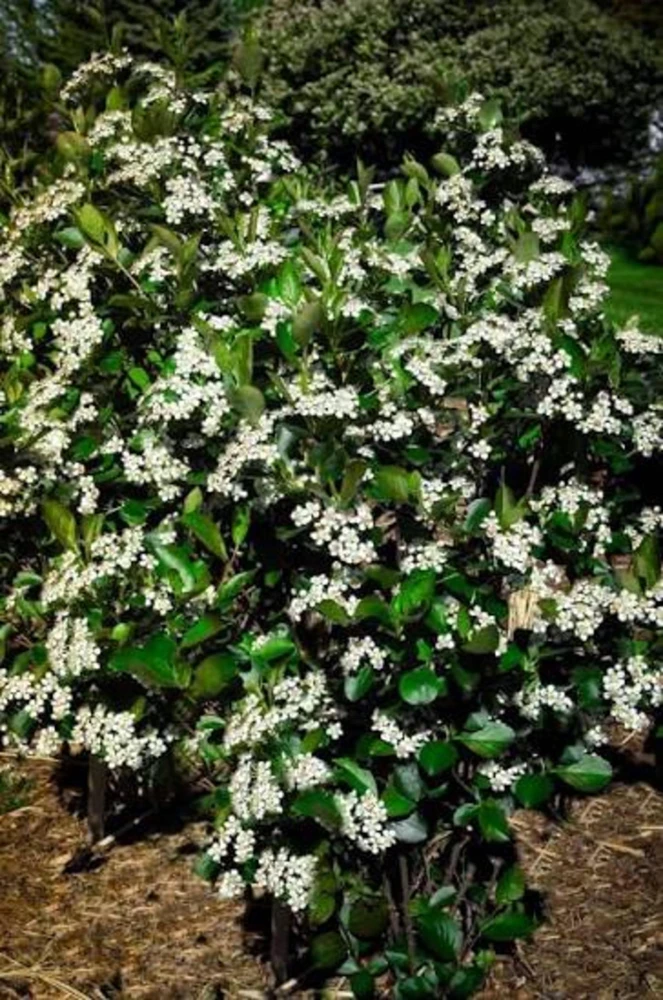
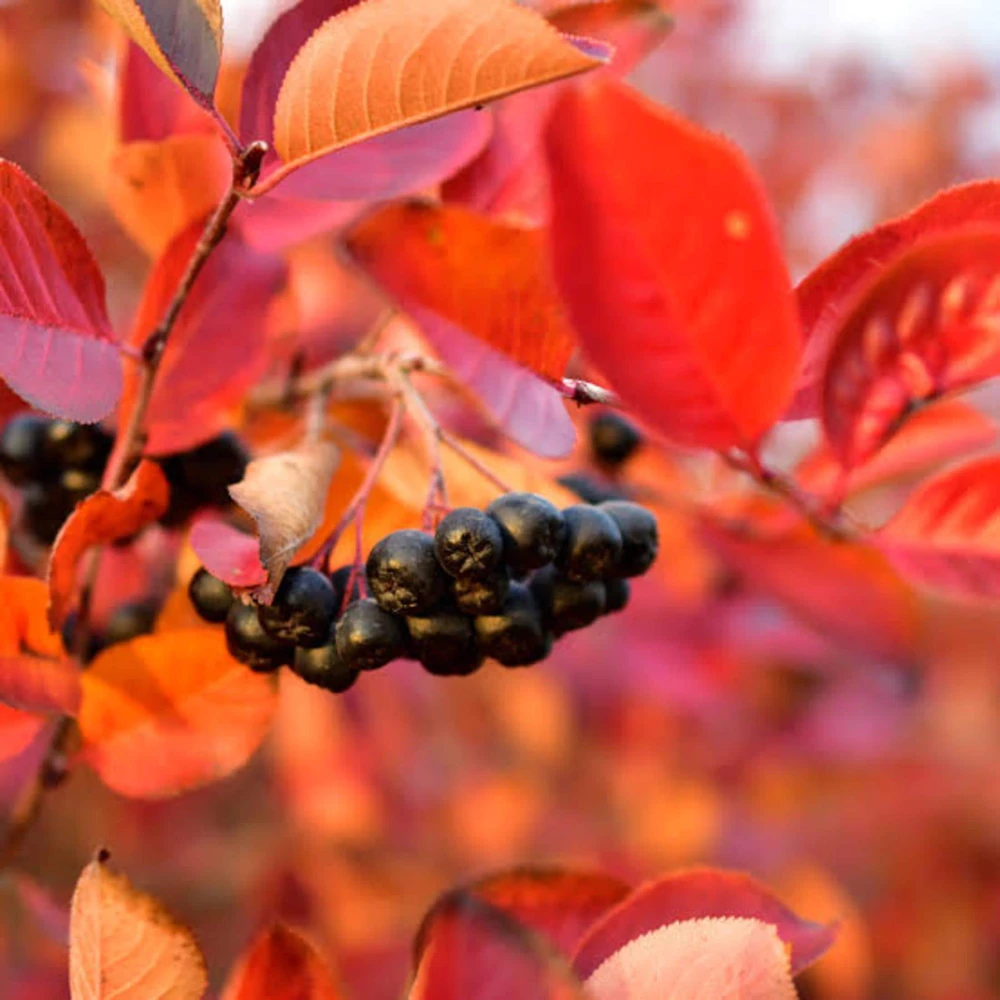
Introduce a remarkable addition to your landscape with the black chokeberry live plant, botanically known as Aronia melanocarpa shrub. This versatile and resilient plant is celebrated for its multi-seasonal appeal and health benefits, making it a perfect choice for both ornamental and edible gardens. Originating from North America, the black chokeberry live plant is a true native superstar, offering a stunning display of white blossoms in spring, followed by a bountiful harvest of deep purple-black berries in late summer. These berries are renowned as a ‘superfood’ due to their exceptionally high antioxidant levels, making this a truly unique and beneficial superfood berry plant. As autumn arrives, its foliage transforms into brilliant shades of fiery red, adding dramatic color to your garden. Whether you’re looking to create a privacy hedge, attract pollinators, or simply enjoy a beautiful and productive plant, the Aronia melanocarpa is an excellent choice. It thrives in a range of conditions and is known for its robust nature.
Key Benefits
The black chokeberry live plant offers a wealth of advantages for any garden. Its adaptability and aesthetic appeal, combined with its practical uses, make it a highly desirable specimen. You’ll find that incorporating this plant into your landscape provides continuous interest and value throughout the year.
- Multi-Season Visual Appeal: Enjoy delicate white flowers in spring, lush green foliage in summer, vibrant red leaves in autumn, and dark berries that persist into winter, providing year-round beauty. The transformation of the foliage in fall is particularly striking.
- Nutrient-Packed Superfood Berries: Harvest abundant crops of dark purple-black berries in late summer, known for their exceptionally high antioxidant content. These berries are perfect for jams, jellies, juices, or even fresh consumption, offering significant health benefits. This makes it an ideal superfood berry plant for health-conscious gardeners.
- Cold Hardy and Resilient: This cold hardy fruit plant is incredibly tough, thriving in USDA Zones 3-8. It can withstand harsh winter conditions, making it a reliable choice for various climates and ensuring a long lifespan in your garden with minimal fuss.
- Pollinator and Wildlife Friendly: The spring flowers attract bees and other beneficial pollinators, supporting local ecosystems. The berries provide a valuable food source for birds and other wildlife, enhancing biodiversity in your yard.
- Versatile Landscaping Use: Ideal for a variety of garden applications, including privacy hedges, mass plantings, rain gardens, or as a standalone specimen. Its moderate size and attractive form make it adaptable to many design schemes.
- Low Maintenance: Once established, the aronia melanocarpa shrub requires minimal care, tolerating a range of soil types and conditions. It’s a great option for gardeners seeking a beautiful plant without extensive upkeep.
- Erosion Control: Its fibrous root system can help stabilize soil on slopes and prevent erosion, making it a practical choice for challenging landscape areas.
Plant Care & Growing Tips
Caring for your black chokeberry live plant is straightforward, making it an excellent choice for gardeners of all experience levels. This resilient shrub is forgiving and, with a few basic considerations, will thrive and produce bountiful harvests. For optimal growth and fruit production, understanding the specific needs of the aronia melanocarpa shrub is key. Proper chokeberry plant care ensures a healthy, vibrant plant.
The Black Chokeberry prefers full sun to partial shade. For the most abundant berry production and vibrant fall foliage, aim for at least 6 hours of direct sunlight per day. While it can tolerate some shade, too much will reduce flowering and fruiting. This plant is adaptable to a wide range of soil conditions, but it performs best in well-draining, acidic to neutral soil. It can even tolerate wet soils, making it suitable for rain gardens. Water regularly during the first growing season to establish a strong root system. Once established, it is fairly drought-tolerant but will benefit from supplemental watering during prolonged dry spells, especially when berries are developing. Fertilization is generally not heavily required; a balanced, slow-release fertilizer in early spring can be beneficial, particularly for younger plants or those in nutrient-poor soil. Pruning can be done in late winter or early spring to remove dead or damaged branches, shape the plant, and encourage new growth. Thinning out older stems every few years can also rejuvenate the plant and improve air circulation.
The Black Chokeberry is remarkably pest and disease resistant, rarely suffering from serious issues. This hardiness contributes to its ease of care. Keep an eye out for common garden pests, but severe infestations are uncommon. Ensure good air circulation to prevent any potential fungal problems. Its natural vigor and resistance to common problems make it a low-stress addition to any garden. This cold hardy fruit plant is a testament to nature’s resilience.
Size & Details
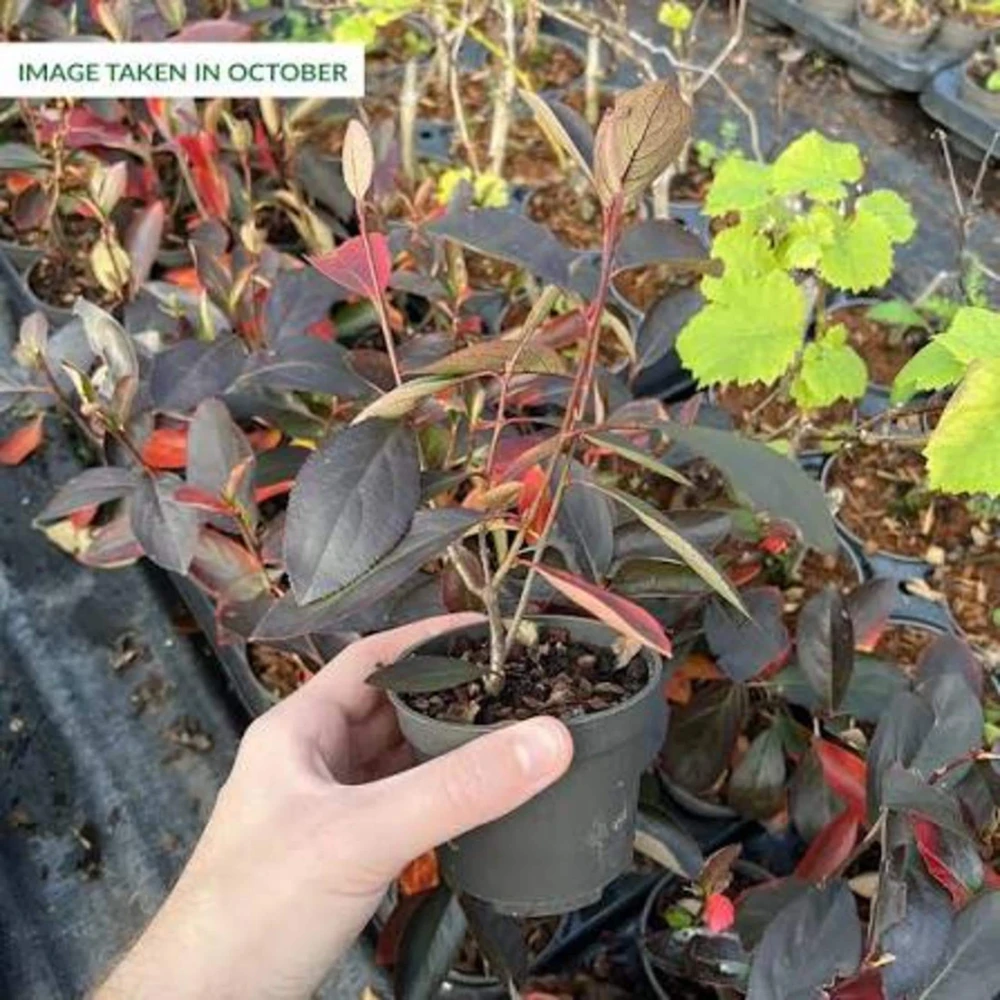
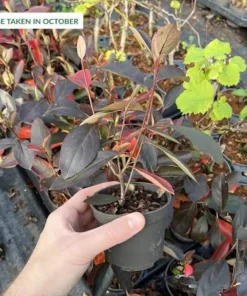
This offering includes 3 healthy black chokeberry live plant specimens, each carefully nurtured and shipped in its pot to ensure minimal stress during transit. The current size of each plant ranges from 12 to 24 inches tall, measured from the base of the plant. These are robust starter plants with an established root system, ready for successful transplantation into your garden. The aronia melanocarpa shrub is known for its moderate growth rate, typically reaching a mature height and width of about 3 to 6 feet. This makes it an ideal size for various landscaping purposes, from creating an effective privacy screen to serving as an attractive specimen plant in a mixed border. The plants are shipped in their original nursery pots with soil intact, providing the best possible start for your new additions. Expect these plants to establish quickly and begin producing flowers and fruit within a few growing seasons, contributing to a vibrant and productive garden for years to come. This superfood berry plant offers a great investment for your edible landscape.
Frequently Asked Questions
- Q: How big does this black chokeberry live plant get? A: The black chokeberry live plant typically matures to a height and spread of 3 to 6 feet. Its size can be managed with pruning, allowing it to fit into various garden designs.
- Q: Is this an indoor or outdoor plant? A: The Black Chokeberry (Aronia melanocarpa) is an outdoor plant. It is a very hardy shrub that thrives in garden settings and is an excellent cold hardy fruit plant.
- Q: How much sunlight does the aronia melanocarpa shrub need? A: For best results, the aronia melanocarpa shrub requires full sun (at least 6 hours of direct sunlight daily) to partial shade. Full sun exposure will lead to the most abundant berry production.
- Q: Is this chokeberry plant easy to care for? A: Yes, the chokeberry plant care is considered low maintenance. Once established, it is quite resilient, drought-tolerant, and pest-resistant, making it suitable for beginner gardeners.
- Q: What condition will the black chokeberry live plant arrive in? A: Your black chokeberry live plant will be carefully shipped in its pot with an established root system and soil, minimizing transplant shock and ensuring a higher survival rate upon arrival.
- Q: When is the best time to plant this superfood berry plant? A: The best time to plant your superfood berry plant is in spring or early fall. This allows the plant to establish its root system before extreme weather conditions.
- Q: Will this cold hardy fruit plant survive winter in my zone? A: Yes, this cold hardy fruit plant is incredibly robust and is suitable for USDA Hardiness Zones 3 through 8, making it highly tolerant of cold winter temperatures.
- Q: Can I eat the berries from the black chokeberry live plant? A: Yes, the berries are edible and known for their high antioxidant content. They can be quite tart when fresh but are excellent for making juices, jams, jellies, and baking.
- Q: What type of soil does the aronia melanocarpa shrub prefer? A: The aronia melanocarpa shrub is adaptable but prefers well-draining soil with a pH range from acidic to neutral. It can tolerate some clay and even wet conditions.
- Q: How quickly will my chokeberry plant grow? A: The chokeberry plant care for growth typically shows a moderate rate. You can expect noticeable growth and flowering within the first couple of years, with fruit production increasing as the plant matures.
Be the first to review “Black Chokeberry Aronia Melanocarpa Live Plant 12-24in Tall – Cold Hardy Fruit Shrub”
People Also Viewed
Succulents
Donkey Ears Succulent Live Plant – Kalanchoe Gastonis-Bonnieri – Rare Indoor Outdoor Succulent
Reviews
There are no reviews yet.