



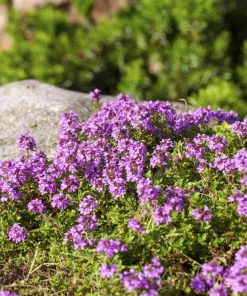


1000 Thyme Common English Herb Seeds – Thymus Vulgaris Winter Garden
Original price was: $37.99.$17.99Current price is: $17.99.
Cultivate fresh culinary herbs with this pack of 1000 Thyme Common English Herb Seeds. Ideal for creating a fragrant and useful garden, these Thymus Vulgaris seeds are suitable for both common garden beds and winter herb growing. Enjoy the versatility of common thyme in your kitchen.
Estimated arrival
Sep 17
Sep 22 - Sep 24
Sep 27 - Oct 01
Shop With Confidence
30-Day Plant Health Guarantee
Arrives damaged? We’ll replace it free — see our return policy.
Responsive Support
Email us anytime, we reply within 1 business day.
Expert Packaging
Temperature-controlled shipping to protect your plants in transit.
Secure Checkout
Pay safely with Visa, Mastercard, PayPal.
Plant Specifications
-
USDA Hardiness Zone
USDA zones 5-9 -
Soil Type
Well-draining, sandy or gritty soil -
Sunlight Exposure
Full sun (6+ hours daily) -
Expected Planting Period
Spring to early summer
Overview
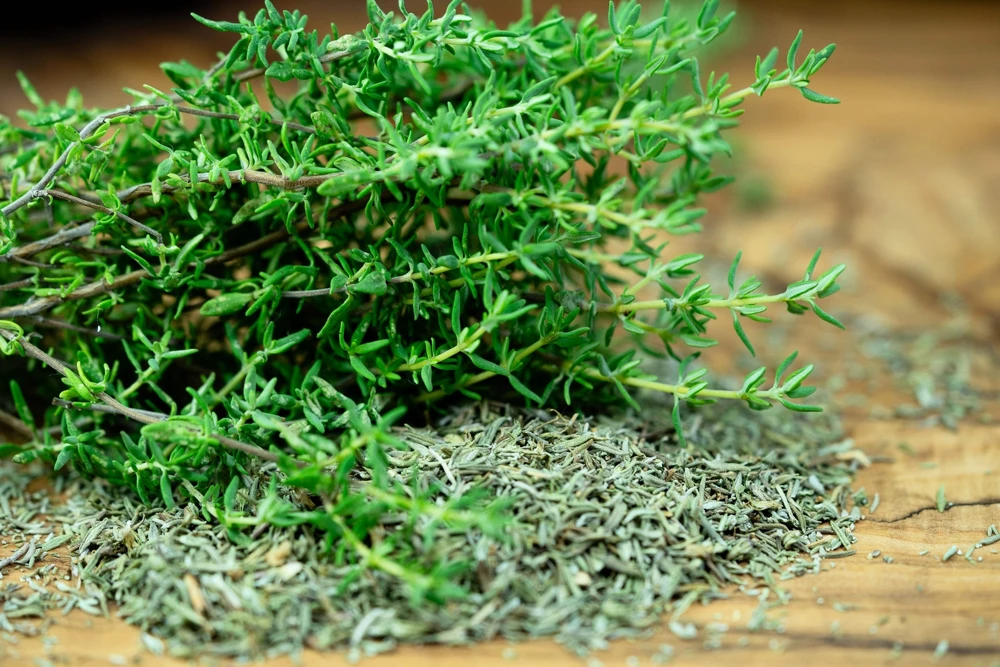
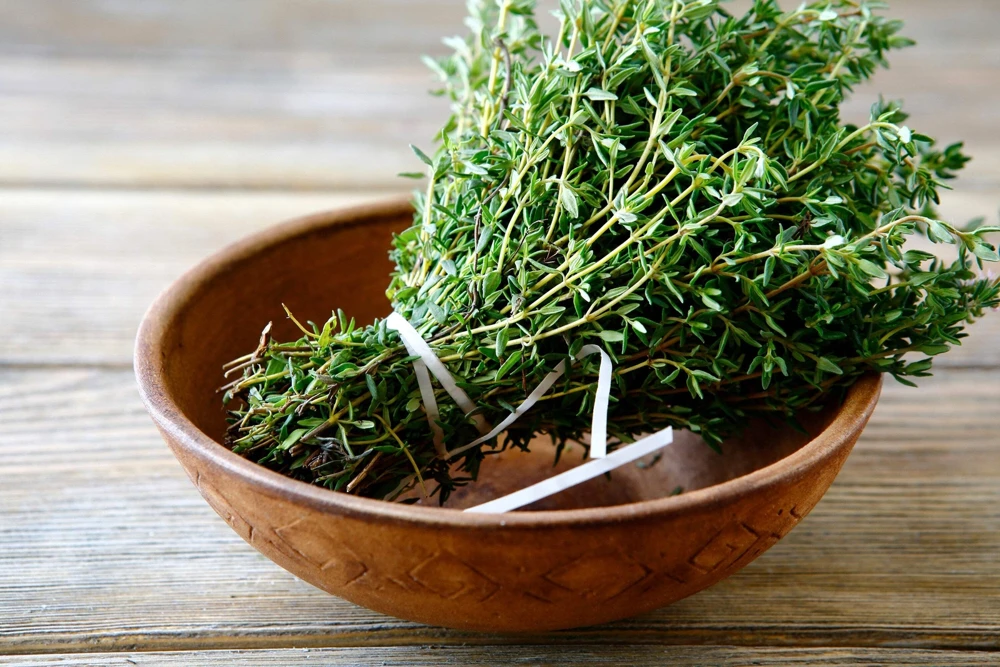
Embark on a rewarding gardening journey with our premium pack of 1000 Thyme Common English Herb Seeds. These high-quality Thymus Vulgaris seeds offer an excellent opportunity for both novice and experienced gardeners to cultivate a beloved culinary and aromatic herb. Commonly known as Common Thyme, English Thyme, or Garden Thyme, this resilient plant is celebrated for its distinctive flavor and fragrant foliage. Our Thyme Common English Herb Seeds are perfect for establishing a vibrant herb patch, adding a touch of green to your kitchen windowsill, or planning a specialized winter herb garden. With 1000 seeds, you’ll have an abundance to plant, ensuring a continuous supply of fresh thyme for your culinary creations and aromatic endeavors throughout the seasons.
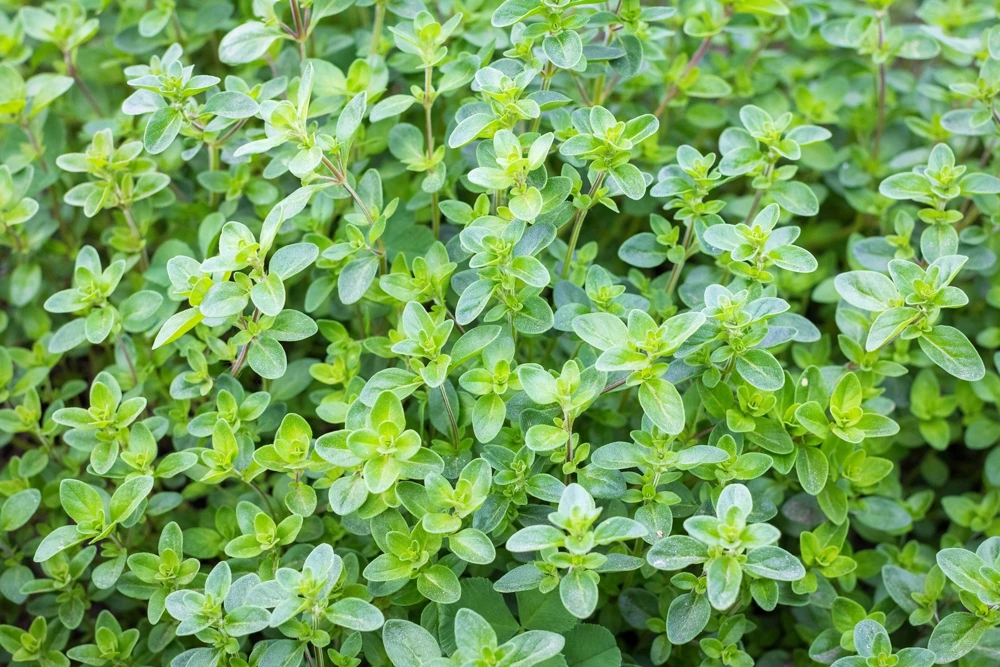
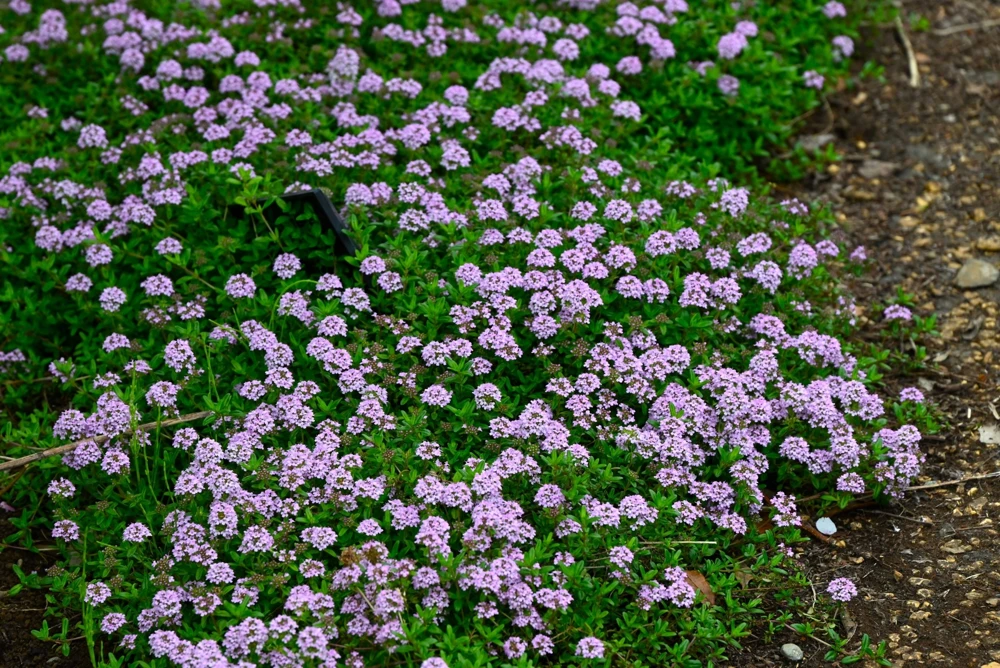
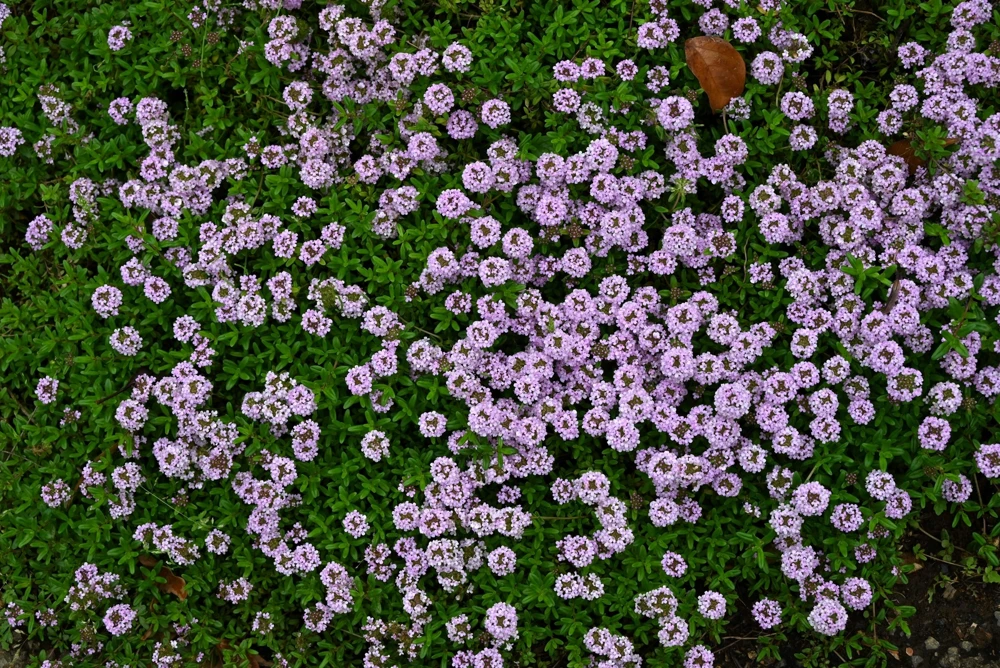
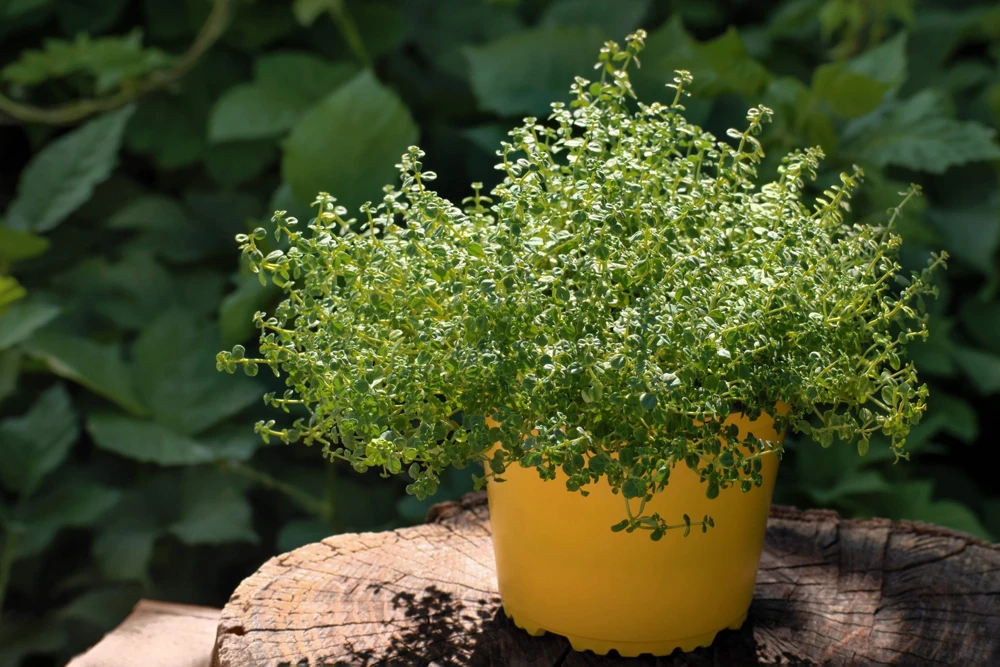
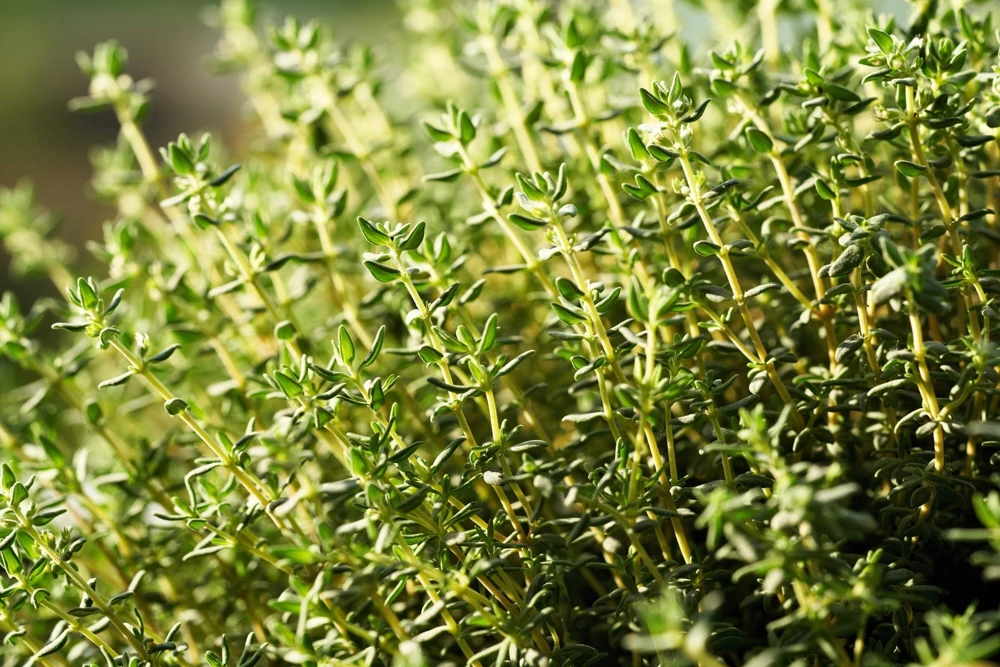
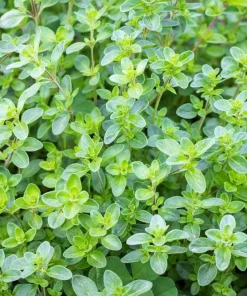
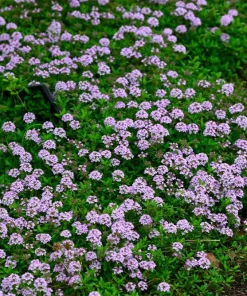
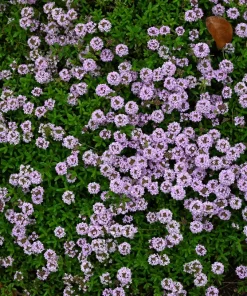
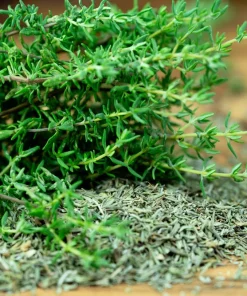
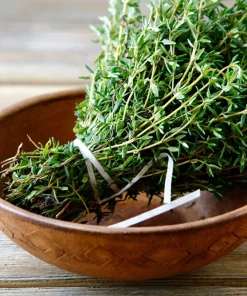
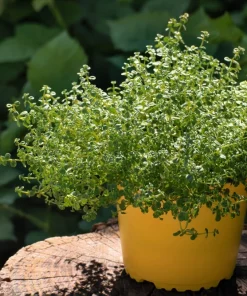
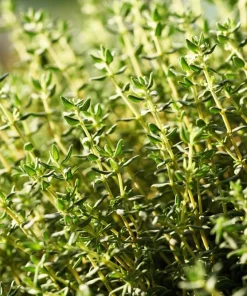
Thyme is a versatile perennial herb that thrives in various conditions, making it a popular choice for home gardens. Its small, oval, aromatic leaves grow on woody stems, forming dense mats or small bushes. Beyond its culinary appeal, thyme is also valued for its ornamental qualities, providing a delicate texture and subtle beauty to rock gardens, borders, and containers. The ease of growing thyme from seed makes it an accessible project for anyone looking to enhance their garden or patio space with a practical and beautiful plant.
Key Benefits
Discover the numerous advantages of growing your own thyme from these high-quality seeds. From enhancing your cooking to beautifying your garden, Thyme Common English Herb Seeds offer a wealth of benefits:
- Culinary Versatility: Fresh thyme is an indispensable ingredient in countless dishes, from roasted meats and vegetables to soups, stews, and sauces. Its earthy, slightly minty flavor elevates any meal.
- Aromatic Appeal: The delightful fragrance of thyme is known to be uplifting and calming. Plant it near pathways or seating areas to enjoy its natural perfume.
- Medicinal Properties: Historically, thyme has been used for its antiseptic and antioxidant properties. While not a substitute for medical advice, it’s a pleasant herb to have on hand.
- Low Maintenance: Once established, thyme is remarkably drought-tolerant and requires minimal care, making it an ideal choice for busy gardeners.
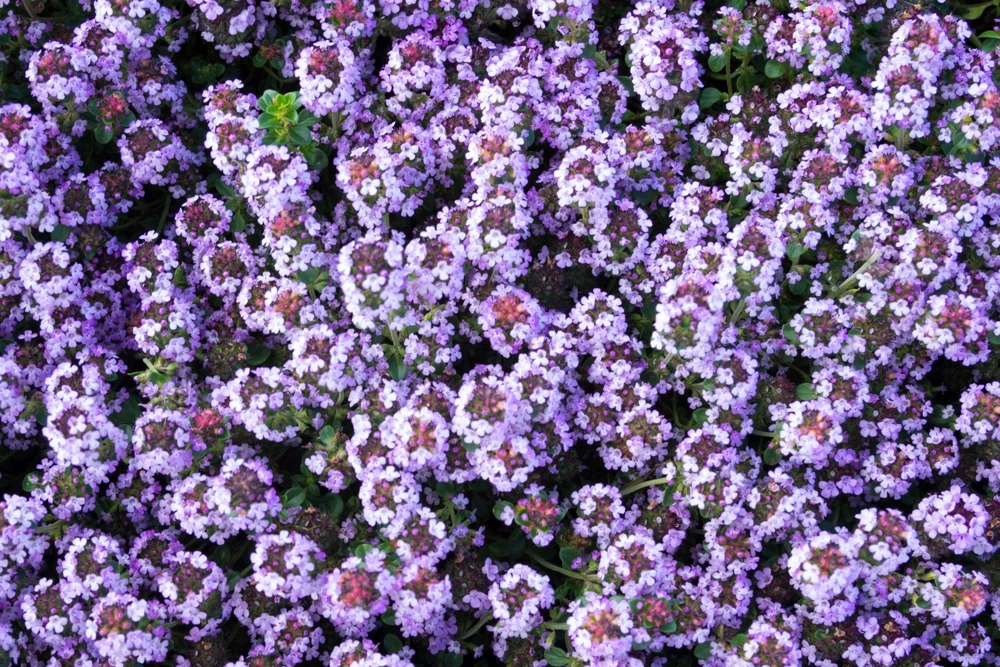
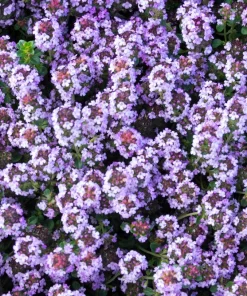
- Attracts Pollinators: The small, delicate flowers of thyme are a magnet for bees and other beneficial pollinators, contributing to a healthy garden ecosystem.
- Hardy & Resilient: Thyme is a robust plant that can withstand various environmental conditions, including cooler temperatures, making it suitable for a winter herb garden in many regions.
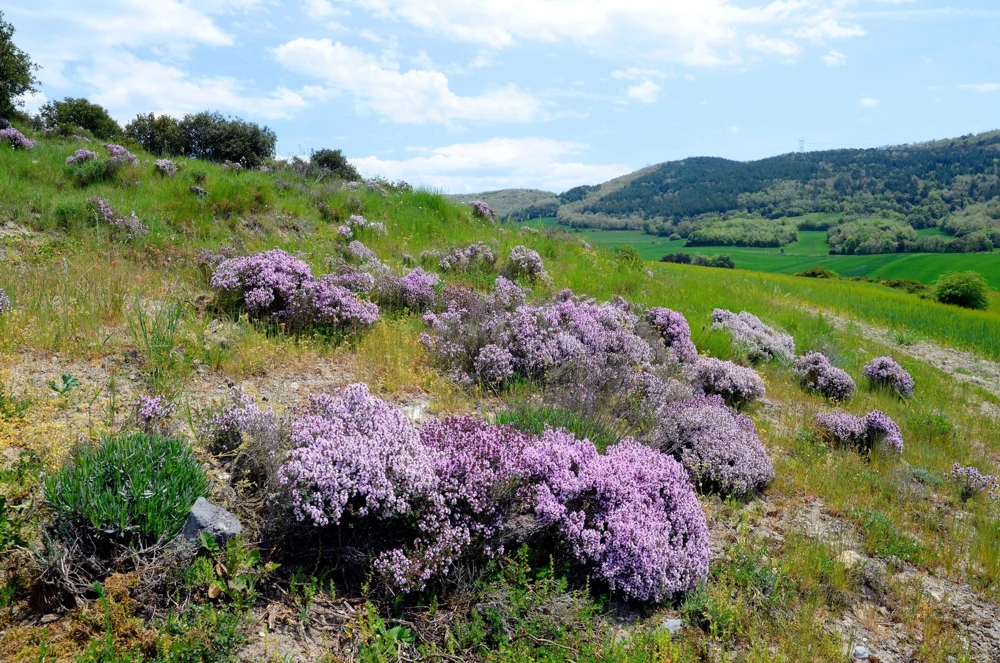
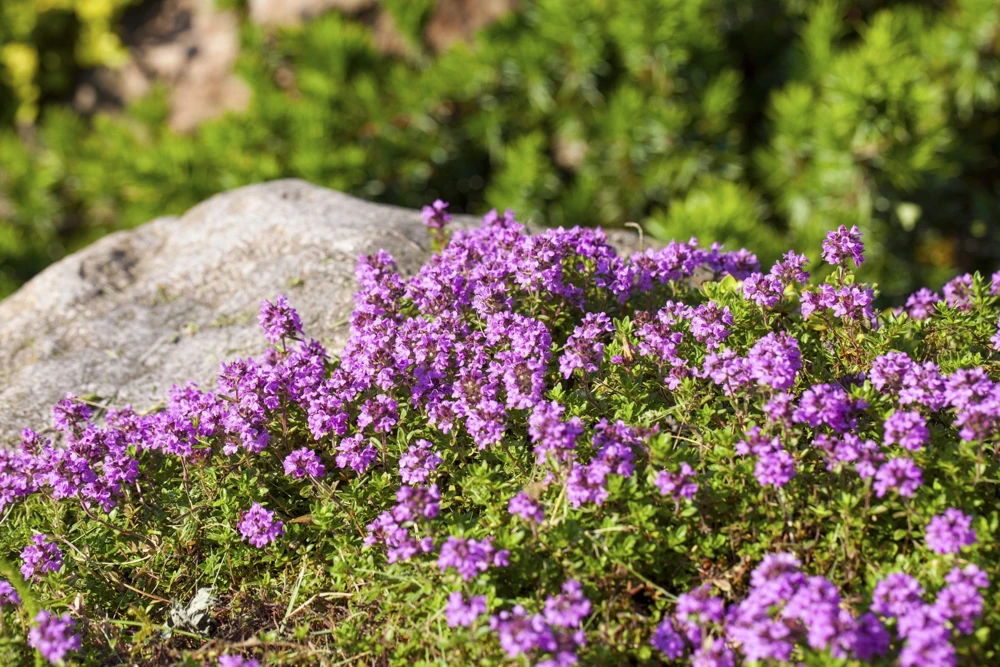
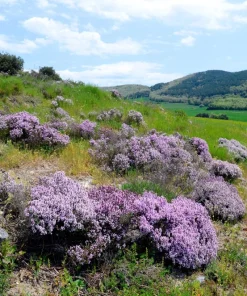
- Garden Design Element: Its creeping or bushy growth habit makes it excellent for ground cover, rock gardens, container planting, or as an edging plant, adding structure and beauty.
Plant Care & Growing Tips
Successfully growing thyme from seed is a straightforward process when you understand its basic needs. Thyme thrives on neglect rather than excessive attention, making it one of the easier herbs to cultivate. Start your Thyme Common English Herb Seeds indoors 6-8 weeks before the last frost, or sow directly outdoors once all danger of frost has passed. Lightly cover the tiny seeds with a thin layer of soil or vermiculite, as they require light to germinate. Maintain consistent moisture until germination, which typically occurs within 7-14 days.
For sunlight, thyme prefers at least 6 hours of full sun per day. In hotter climates, some afternoon shade can be beneficial. It is crucial for common thyme planting to ensure excellent drainage. Thyme is highly susceptible to root rot in soggy conditions. A sandy, well-draining soil mix is ideal, whether you’re planting in the ground or in containers. If your garden soil is heavy clay, amend it with sand or compost to improve drainage. Once established, water sparingly, allowing the soil to dry out completely between waterings. Overwatering is the most common cause of thyme failure.
Thyme is hardy in USDA zones 5-9, meaning it can often survive winters in these regions, making it a perfect candidate for a winter herb garden. In colder zones, it can be grown as an annual or brought indoors. Fertilization is rarely needed; thyme prefers lean soil. If growth seems sluggish, a light application of a balanced, all-purpose fertilizer once in spring can be sufficient. Pruning is beneficial to encourage bushier growth and prevent the plant from becoming woody. Harvest leaves as needed throughout the growing season, and consider a more substantial trim after flowering to maintain shape and vigor. Watch out for powdery mildew in humid conditions; ensuring good air circulation can help prevent this.
Size & Details
This package contains 1000 Thyme Common English Herb Seeds, providing a generous quantity for multiple plantings or a large herb garden. When mature, Common Thyme typically grows to a height of 6 to 12 inches (15-30 cm) and spreads about 12 to 18 inches (30-45 cm) wide, forming a dense, low-growing shrub or ground cover. The growth rate is moderate, with plants generally reaching a harvestable size within 60-90 days from germination. These Thymus Vulgaris seeds are shipped in a protective seed packet, ensuring their viability upon arrival. Expect vigorous growth and abundant foliage when provided with optimal conditions. Thyme is a perennial, meaning with proper care, it will return year after year, offering continuous harvests for your kitchen and garden.
Frequently Asked Questions
- Q: How many seeds are included in this pack? A: This pack contains 1000 Thyme Common English Herb Seeds, providing a generous quantity for multiple plantings or a large herb garden project.
- Q: Is this thyme suitable for culinary use? A: Yes, these are Thyme Common English Herb Seeds, specifically for the culinary variety of thyme, perfect for cooking and flavoring various dishes.
- Q: Can I grow these Thymus Vulgaris seeds indoors? A: Absolutely! Thyme can be successfully grown indoors, provided it receives at least 6 hours of bright light daily, ideally near a south-facing window or under grow lights.
- Q: How much sunlight does common thyme need? A: Common thyme planting requires full sun, meaning at least 6 hours of direct sunlight per day, for optimal growth and flavor development.
- Q: When is the best time for common thyme planting? A: You can sow seeds indoors 6-8 weeks before the last frost, or directly outdoors after all danger of frost has passed in spring.
- Q: What type of soil is best for these Thyme Common English Herb Seeds? A: Thyme prefers well-draining, sandy, or gritty soil with a neutral to slightly alkaline pH. Avoid heavy, waterlogged soils.
- Q: How often should I water my thyme plants? A: Thyme is drought-tolerant. Water only when the top inch or two of soil is dry to the touch. Overwatering can lead to root rot.
- Q: Can I grow a winter herb garden with these seeds? A: Yes, in suitable climates (USDA zones 5-9), thyme can overwinter outdoors. In colder regions, it can be grown as an annual or brought indoors for the winter.
- Q: How long does it take for thyme seeds to germinate? A: Germination typically occurs within 7-14 days under ideal conditions, including warmth and light.
- Q: What is the mature size of the thyme plant? A: Mature thyme plants typically reach 6-12 inches tall and spread 12-18 inches wide, forming a compact, bushy plant.
Be the first to review “1000 Thyme Common English Herb Seeds – Thymus Vulgaris Winter Garden”
People Also Viewed
Houseplants
Set of 2 Purple Alocasia Elephant Ear Live Plants, 4-8 Inch Tall Tropical Foliage for Indoor/Outdoor


Reviews
There are no reviews yet.