
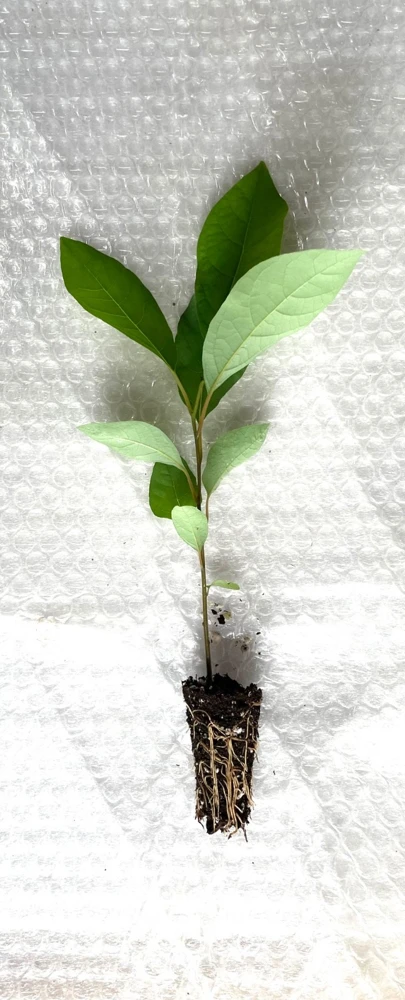

Spicebush Live Plant Starter Plugs – 10-Pack Native Shrubs for Outdoor Gardens
Original price was: $91.99.$66.99Current price is: $66.99.
Cultivate a vibrant native habitat with our spicebush live plant starter plugs. This 10-pack of native spicebush shrub seedlings is ideal for attracting beneficial wildlife and adding ecological value to your outdoor landscape. Enjoy easy establishment and watch your garden thrive.
Estimated arrival
Sep 17
Sep 22 - Sep 24
Sep 27 - Oct 01
Shop With Confidence
30-Day Plant Health Guarantee
Arrives damaged? We’ll replace it free — see our return policy.
Responsive Support
Email us anytime, we reply within 1 business day.
Expert Packaging
Temperature-controlled shipping to protect your plants in transit.
Secure Checkout
Pay safely with Visa, Mastercard, PayPal.
Plant Specifications
-
USDA Hardiness Zone
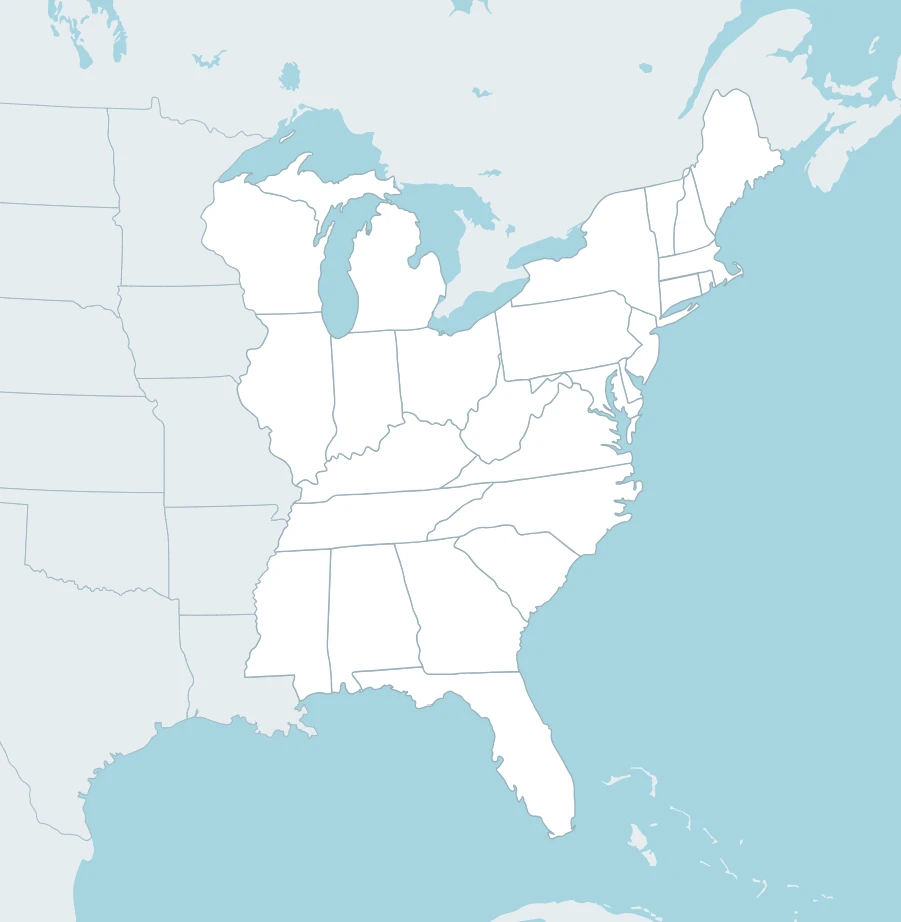
USDA Zones 4-9 -
Soil Type
Moist, well-draining, rich organic soil -
Sunlight Exposure
Partial shade to full sun -
Expected Planting Period
Spring or early fall
Overview
Embark on a journey to enhance your garden’s biodiversity with our premium spicebush live plant starter plugs. This convenient 10-pack offers young, healthy seedlings ready to establish themselves in your outdoor space. Known scientifically as Lindera benzoin, the Spicebush is a beloved native shrub across much of eastern North America, celebrated for its ecological importance and subtle beauty. These starter plugs provide an excellent foundation for creating a thriving habitat for local wildlife, including the Spicebush Swallowtail butterfly, whose caterpillars feed exclusively on its leaves. A spicebush live plant is not just an addition to your garden; it’s an investment in a richer, more vibrant ecosystem.
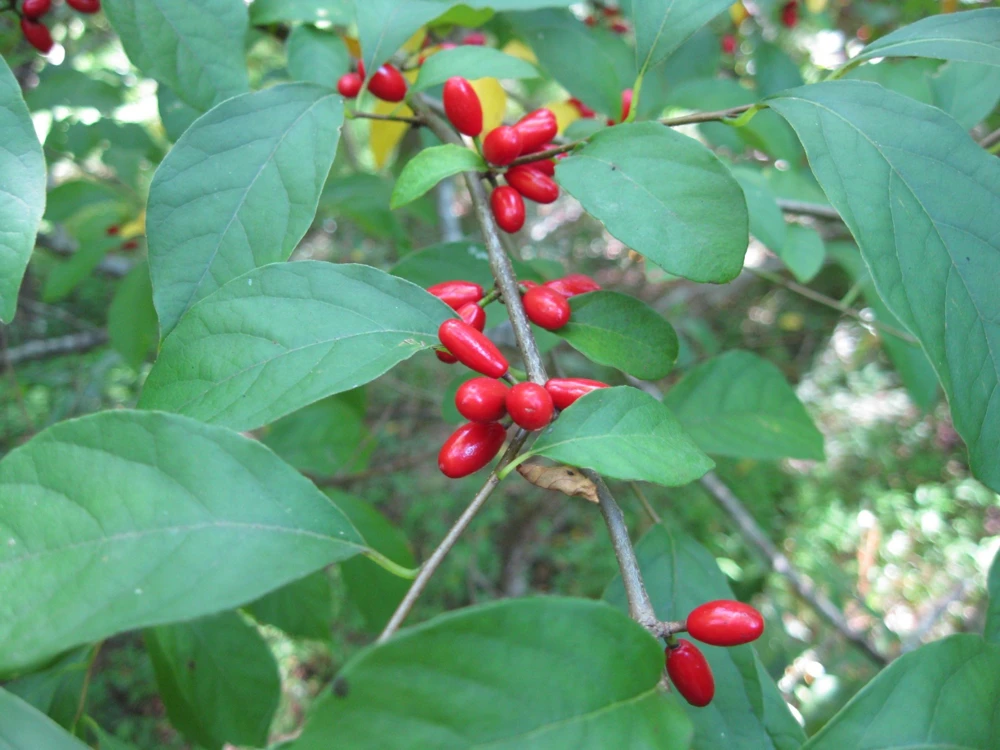
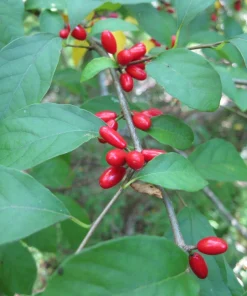
Our spicebush live plant starter plugs are carefully cultivated to ensure robust growth and successful transplantation. Each plug contains a well-rooted seedling, minimizing transplant shock and accelerating establishment. Whether you’re a seasoned gardener looking to expand your native plant collection or a beginner eager to support local fauna, these native spicebush shrub seedlings are an ideal choice. They mature into attractive, multi-stemmed shrubs, offering seasonal interest with delicate yellow flowers in early spring, aromatic foliage throughout summer, and bright red berries in fall that are a favorite food source for birds.
Key Benefits
Adding a spicebush live plant to your garden offers a multitude of advantages, both aesthetic and ecological. These native shrubs are cornerstones of a healthy ecosystem, providing essential resources for local wildlife and contributing to the overall beauty of your landscape. Here are some key benefits:
- Supports Pollinators and Wildlife: Spicebush is a host plant for the beautiful Spicebush Swallowtail butterfly and provides nectar for various early-season pollinators. Its bright red berries are a crucial food source for many bird species, making your garden a haven for local fauna.
- Early Spring Interest: Before most other plants awaken, the spicebush live plant bursts into delicate, fragrant yellow flowers, signaling the arrival of spring and providing an important early nectar source.
- Aromatic Foliage: Crush a leaf or twig, and you’ll be treated to a delightful, spicy aroma reminiscent of allspice. This unique feature adds a sensory dimension to your garden experience.
- Attractive Fall Color: Beyond its spring blooms and summer foliage, Spicebush offers a spectacular display of golden-yellow leaves in autumn, adding vibrant color to your landscape.
- Low Maintenance and Adaptable: Once established, native spicebush shrub plants are remarkably resilient and require minimal care. They tolerate a range of soil conditions and light exposures, making them suitable for various garden settings.
- Erosion Control: The fibrous root system of Spicebush helps to stabilize soil, making it an excellent choice for planting on slopes or in areas prone to erosion.
- Naturalizing Potential: Spicebush can spread to form natural thickets, providing excellent cover and nesting sites for birds and small mammals, further enhancing your garden’s ecological value.
Plant Care & Growing Tips
Caring for your spicebush live plant starter plugs is straightforward, ensuring a successful transition from plug to established shrub. These resilient native plants are quite forgiving, but a good start will lead to stronger, healthier growth. When considering spicebush care, remember its natural woodland habitat. It thrives in conditions that mimic the understory of deciduous forests.
Sunlight requirements: Spicebush prefers partial shade to full sun. In hotter climates, more shade is beneficial to prevent leaf scorch, while in cooler regions, it can tolerate more direct sun. Aim for at least 4-6 hours of sunlight daily for optimal flowering and berry production. Growing spicebush in too much shade might result in fewer flowers and berries. Watering schedule and soil moisture preferences: Keep the soil consistently moist, especially during the first year of establishment. Once mature, Spicebush is quite drought-tolerant but will appreciate supplemental watering during prolonged dry spells. Avoid waterlogged conditions, as this can lead to root rot. Soil type and drainage requirements: Spicebush is adaptable to a variety of soil types, but it prefers moist, well-drained, and rich organic soil. Amend heavy clay soils with compost to improve drainage and add nutrients. A slightly acidic to neutral pH (6.0-7.0) is ideal for native spicebush shrub growth. Temperature range and USDA hardiness zone: Spicebush is hardy in USDA Zones 4-9, making it suitable for a wide range of climates. It can withstand cold winters and hot summers within these zones. Fertilization schedule and type: Generally, Spicebush does not require heavy fertilization. An annual application of a balanced, slow-release organic fertilizer in spring can be beneficial, especially in poorer soils. Avoid over-fertilizing. Common problems and solutions: Spicebush is relatively pest and disease-free. Occasionally, deer may browse the foliage, especially on young plants. If necessary, use deer repellent or protective fencing. Ensure good air circulation to prevent fungal issues in humid environments.
Size & Details
This offering includes a 10-pack of spicebush live plant starter plugs, each measuring approximately 2-4 inches tall at the time of shipping. These vigorous young plants are grown in individual plugs, ensuring a strong root system and minimal disturbance during planting. When mature, a native spicebush shrub typically grows to a height of 6-12 feet and can spread equally wide, forming a rounded, multi-stemmed bush. The growth rate is moderate, usually adding 12-24 inches per year under ideal conditions. Expect your plants to begin producing flowers and berries within 2-3 years of planting, attracting a variety of wildlife to your garden. These starter plugs are the perfect way to begin growing spicebush in your landscape, offering an economical and effective method for establishment.
Frequently Asked Questions
- Q: How big does this plant get? A: A mature spicebush live plant typically reaches a height and spread of 6 to 12 feet, forming a lovely rounded shrub. Its size can vary slightly depending on growing conditions and pruning.
- Q: What size pot does it come in? A: These are starter plugs, which are small, individually rooted seedlings. They are not shipped in traditional pots but as ready-to-plant plugs with established root systems.
- Q: Is this an indoor or outdoor plant? A: Spicebush is primarily an outdoor plant, native to woodland environments. It thrives in garden settings where it can receive adequate sunlight and space to grow into a large shrub.
- Q: How much sunlight does it need? A: Spicebush performs best in partial shade to full sun. It can tolerate more sun in cooler climates and prefers more shade in hotter regions to protect its foliage.
- Q: Is this plant easy to care for? A: Yes, spicebush care is relatively easy once the plant is established. It’s a low-maintenance native shrub known for its resilience and adaptability.
- Q: Is it good for beginners? A: Absolutely! Its hardiness and minimal care requirements make growing spicebush an excellent choice for beginner gardeners looking to add native plants.
- Q: What condition will it arrive in? A: Your spicebush live plant starter plugs will arrive as healthy, well-rooted seedlings, carefully packaged to ensure their safe journey to your home.
- Q: Is it shipped in soil? A: Yes, the starter plugs come with their root ball intact within a small amount of growing medium, ready for immediate planting upon arrival.
- Q: Can I use spicebush in cooking? A: Historically, the berries and bark of Spicebush were used as a spice and for tea, hence its common name. However, it’s generally recommended to consult with experts before consuming wild plants.
- Q: How long until it blooms? A: Your native spicebush shrub plugs should begin to flower and produce berries within 2-3 years of planting, once they have had time to establish and mature.
- Q: When is the best time to plant? A: The best time to plant Spicebush starter plugs is in spring or early fall, allowing them time to establish their root systems before extreme temperatures.
- Q: Will it survive winter in my zone? A: Spicebush is hardy in USDA Zones 4-9, meaning it is well-equipped to survive winter conditions within these regions.
Be the first to review “Spicebush Live Plant Starter Plugs – 10-Pack Native Shrubs for Outdoor Gardens”
People Also Viewed
Reviews
There are no reviews yet.