
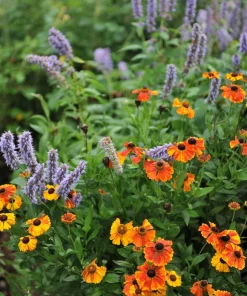
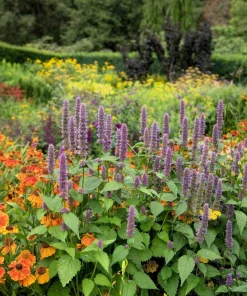
500 Purple Anise Hyssop Seeds – Blue Giant Licorice Mint Agastache Foeniculum
Original price was: $37.99.$17.99Current price is: $17.99.
Cultivate your own fragrant garden with 500 purple anise hyssop seeds. These blue giant hyssop seeds will grow into beautiful plants with a delightful licorice-mint scent, perfect for attracting pollinators and culinary uses.
Estimated arrival
Sep 17
Sep 22 - Sep 24
Sep 27 - Oct 01
Shop With Confidence
30-Day Plant Health Guarantee
Arrives damaged? We’ll replace it free — see our return policy.
Responsive Support
Email us anytime, we reply within 1 business day.
Expert Packaging
Temperature-controlled shipping to protect your plants in transit.
Secure Checkout
Pay safely with Visa, Mastercard, PayPal.
Plant Specifications
-
USDA Hardiness Zone
USDA Zones 4-9 -
Soil Type
Well-draining soil -
Sunlight Exposure
Full sun to partial shade -
Expected Planting Period
Spring
Overview
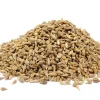
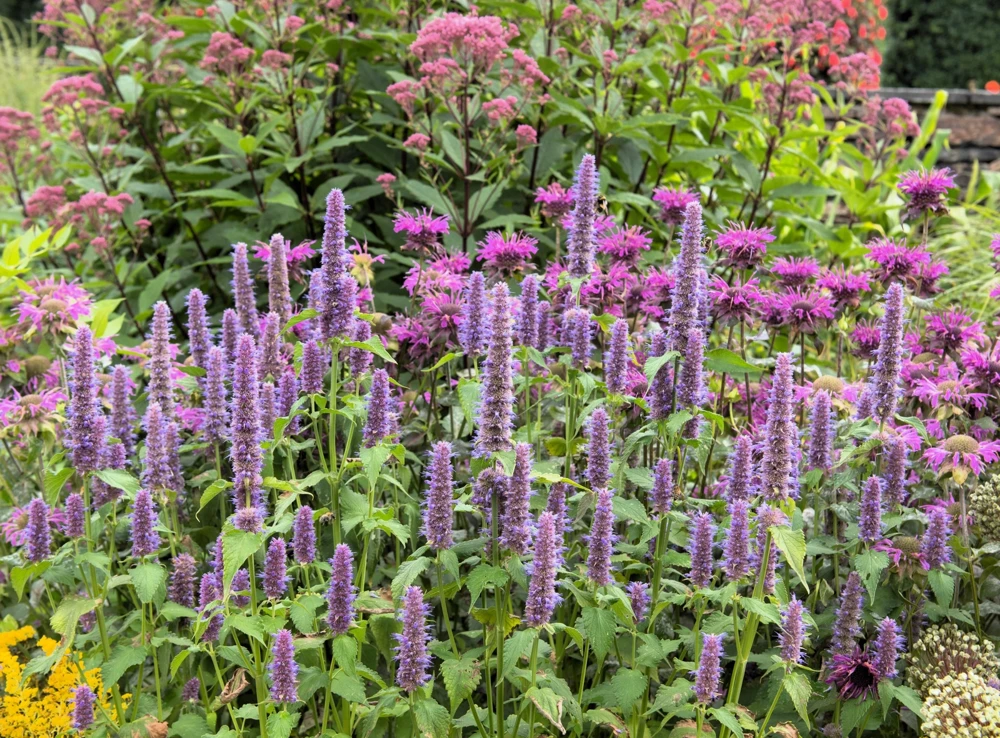
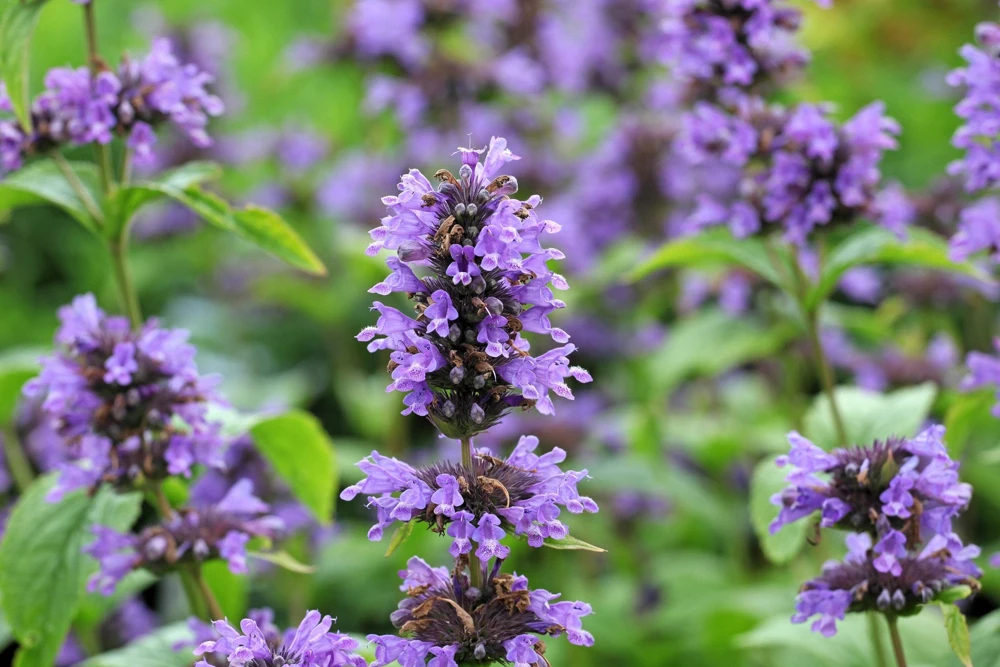
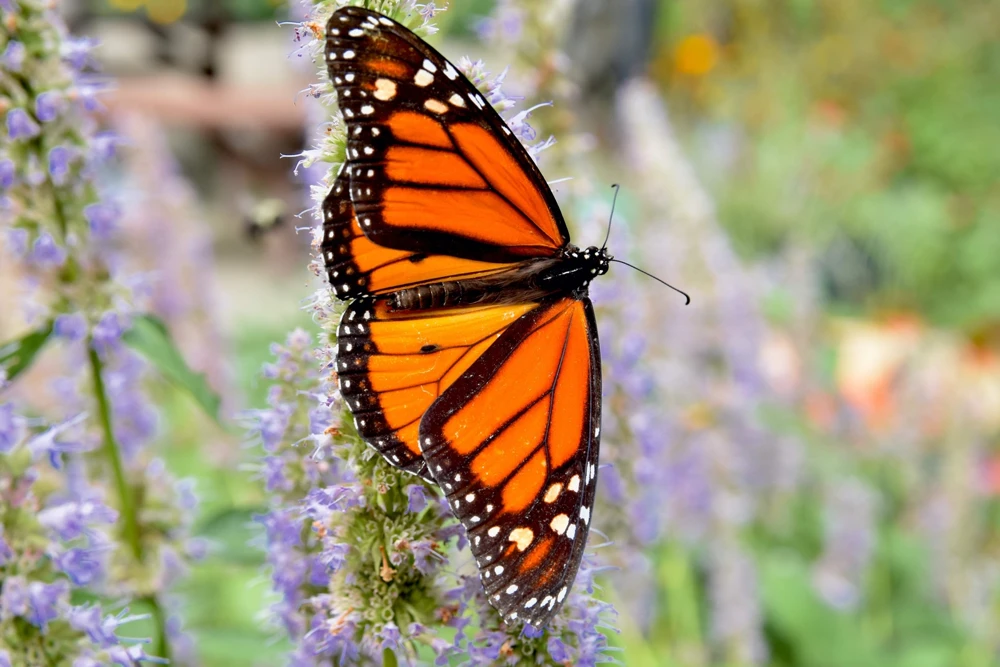
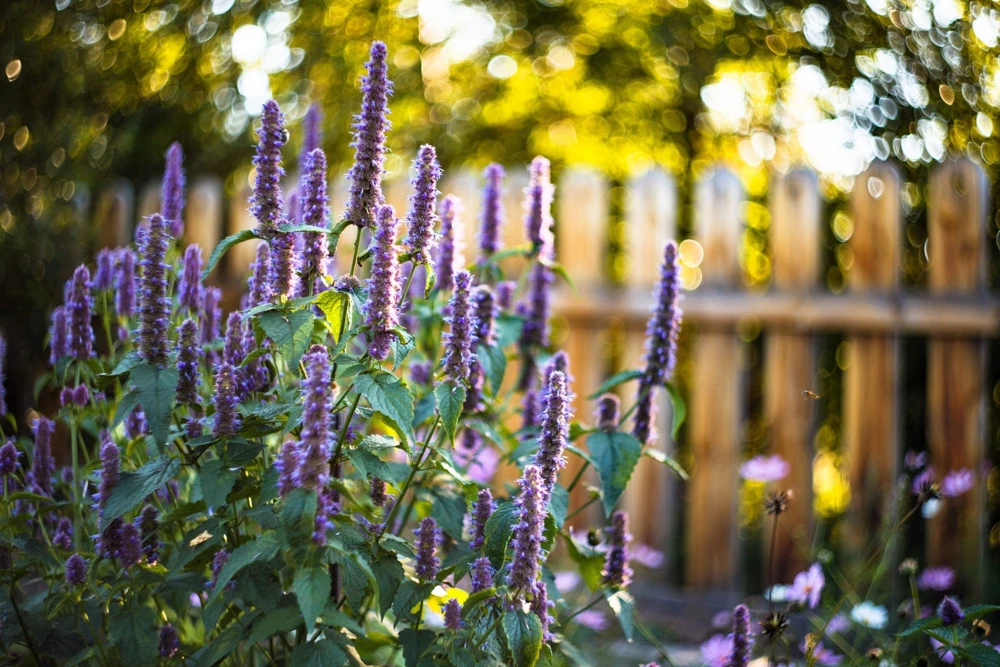
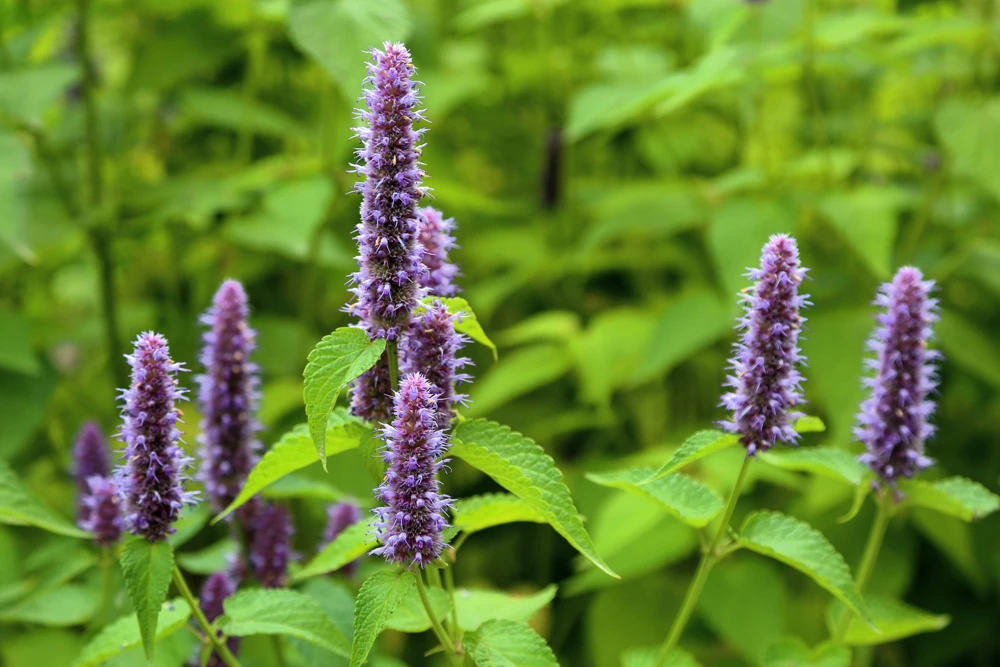
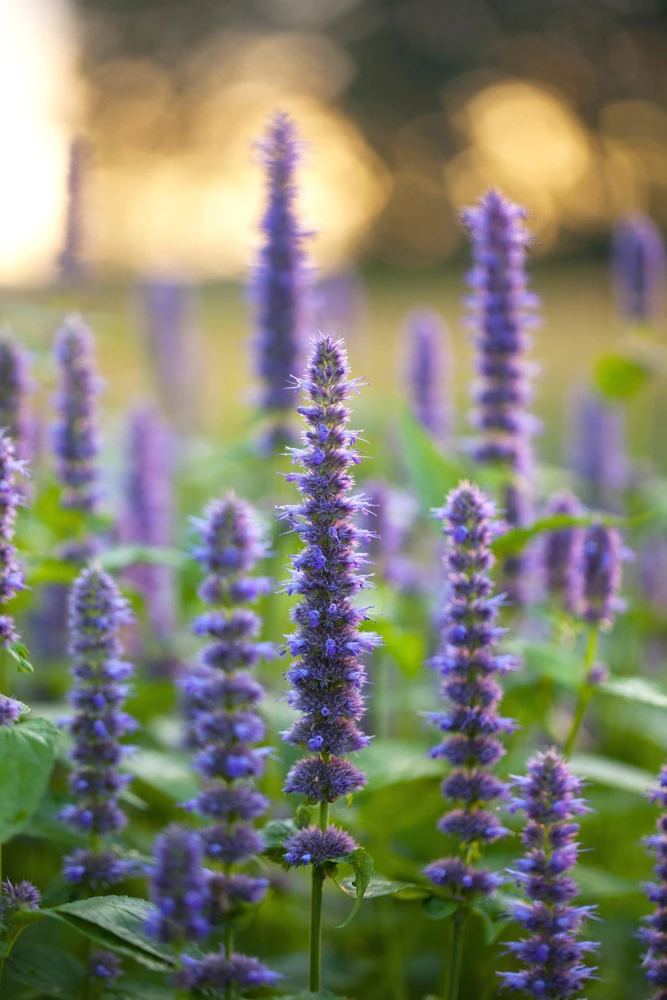
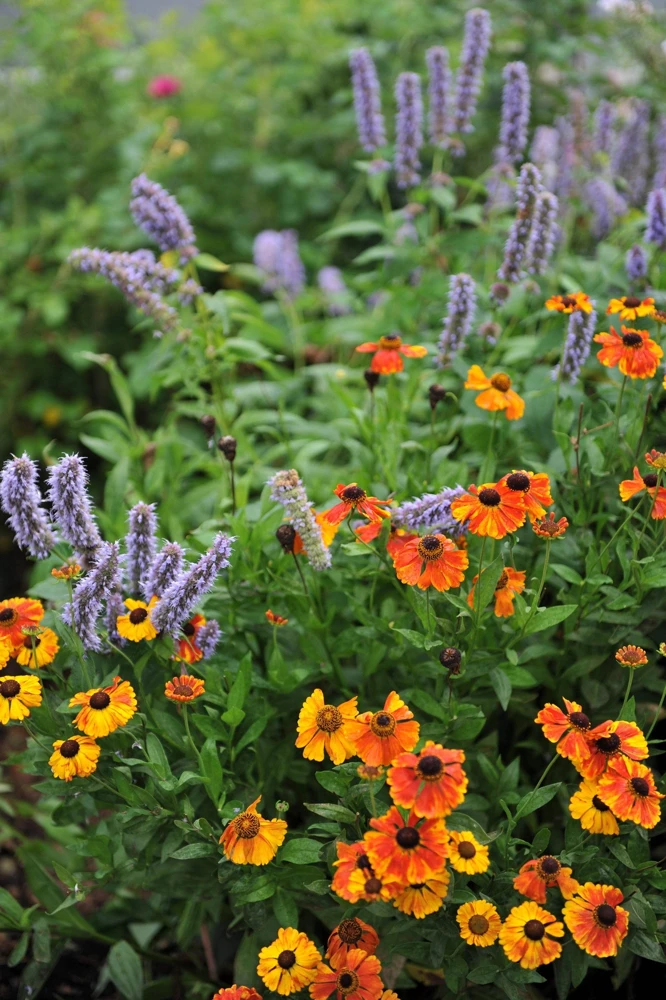
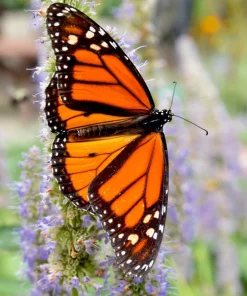
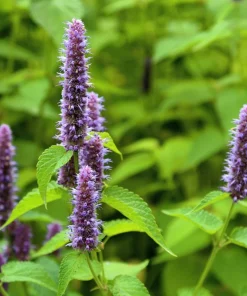
Embark on a delightful gardening journey with these high-quality purple anise hyssop seeds. Known botanically as Agastache foeniculum, this herbaceous perennial is a favorite among gardeners for its striking beauty, aromatic foliage, and ecological benefits. Each packet contains 500 seeds, providing ample opportunity to cultivate a vibrant patch of this versatile plant. Purple anise hyssop seeds are an excellent choice for creating pollinator-friendly gardens, attracting bees, butterflies, and hummingbirds with their abundant, nectar-rich purple flower spikes. Beyond its ornamental appeal, the plant offers a pleasant licorice-mint fragrance, making it a wonderful addition to herb gardens and sensory landscapes. This resilient plant is relatively easy to grow from seed, making it suitable for both novice and experienced gardeners looking to add a touch of natural charm and utility to their outdoor spaces. Discover the joy of growing your own fragrant herbs from these premium seeds.
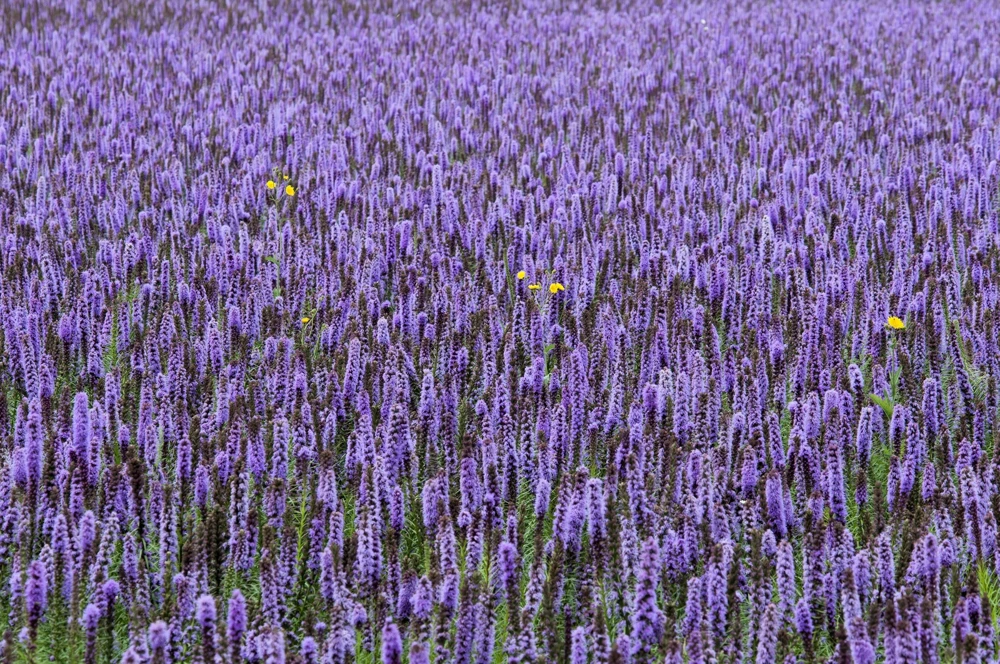
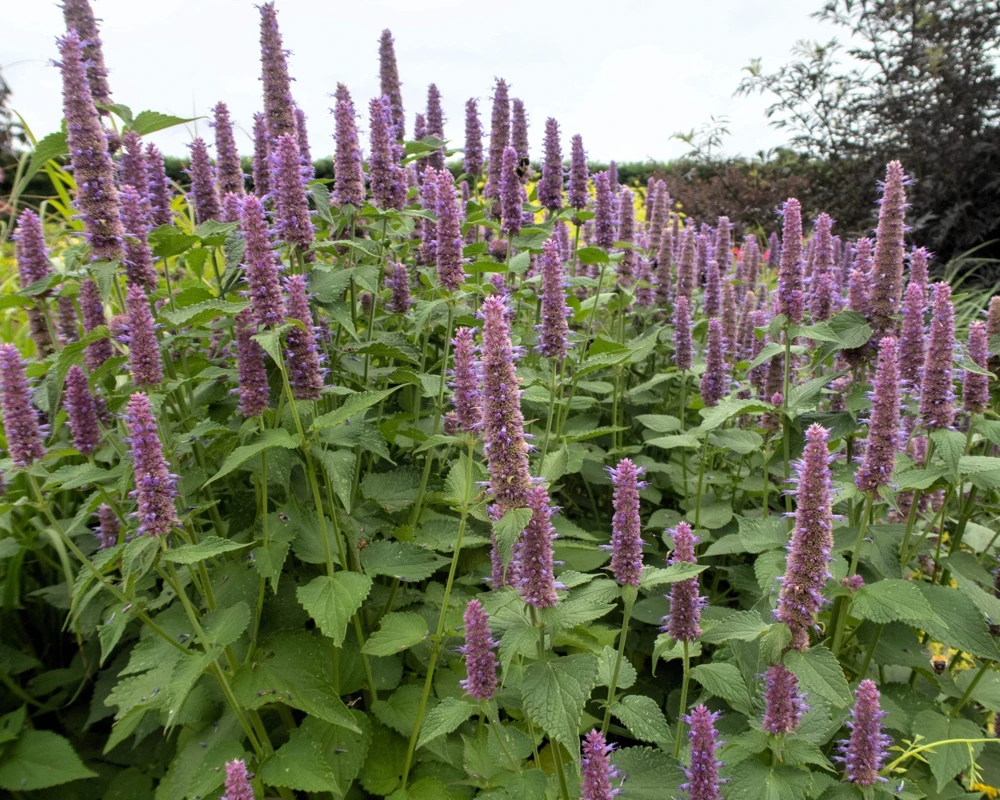
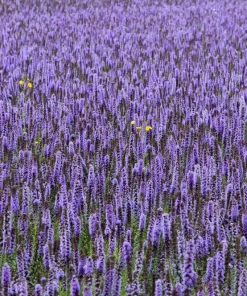
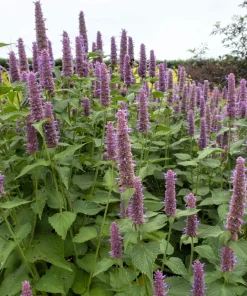
The blue giant hyssop variety is particularly prized for its taller stature and more pronounced blue-purple blooms, creating a dramatic visual impact in any garden setting. These seeds promise vigorous growth, leading to healthy, established plants that will return year after year in appropriate climates. Whether you’re planning a culinary herb bed, a native plant garden, or simply wish to enhance your garden’s biodiversity, these purple anise hyssop seeds are an ideal starting point. Their adaptability to various soil conditions and general hardiness contribute to their popularity, ensuring a rewarding growing experience. Prepare to enjoy the beauty and benefits of this exceptional plant.
Key Benefits
Growing purple anise hyssop seeds offers a multitude of advantages for your garden and well-being. This plant is not only beautiful but also highly functional.
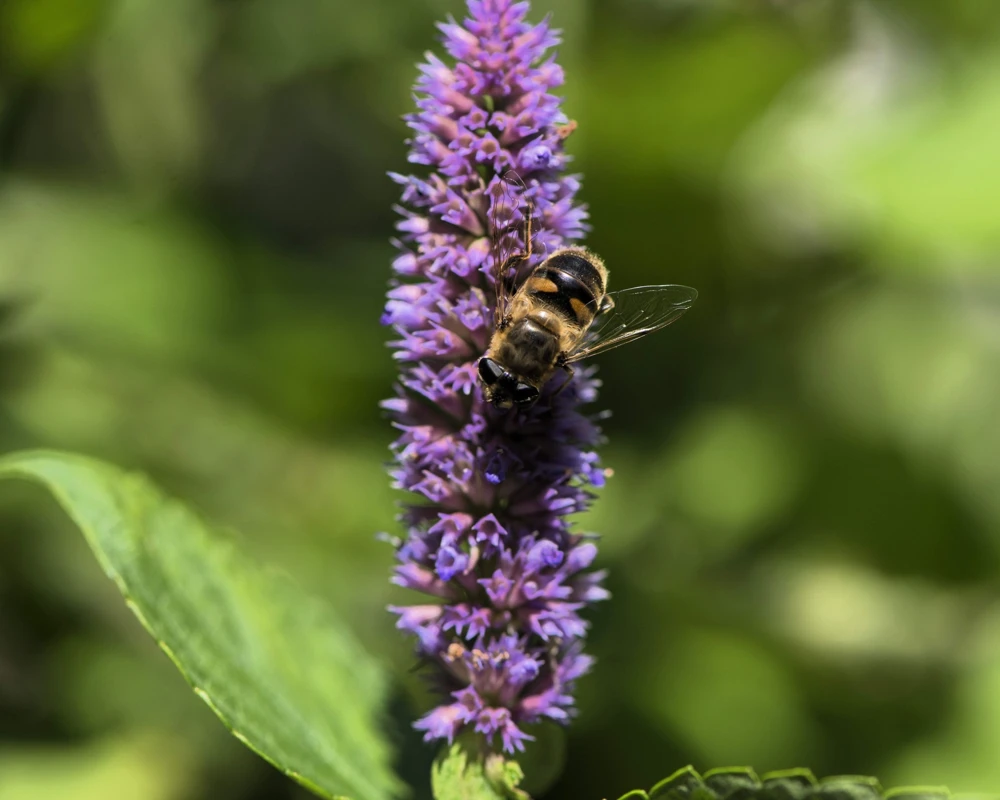
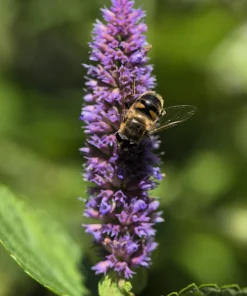
- Attracts Pollinators: The vibrant purple flower spikes are a magnet for bees, butterflies, and hummingbirds, making it an essential plant for supporting local ecosystems and enhancing garden biodiversity.
- Aromatic Foliage: Enjoy the delightful fragrance of fresh licorice and mint emanating from the leaves. This makes it a wonderful plant for sensory gardens or near seating areas where its aroma can be appreciated.
- Culinary Uses: The leaves and flowers can be used to flavor teas, salads, desserts, and poultry dishes, adding a unique licorice-mint zest. It’s a fantastic addition for those who enjoy fresh herbs.
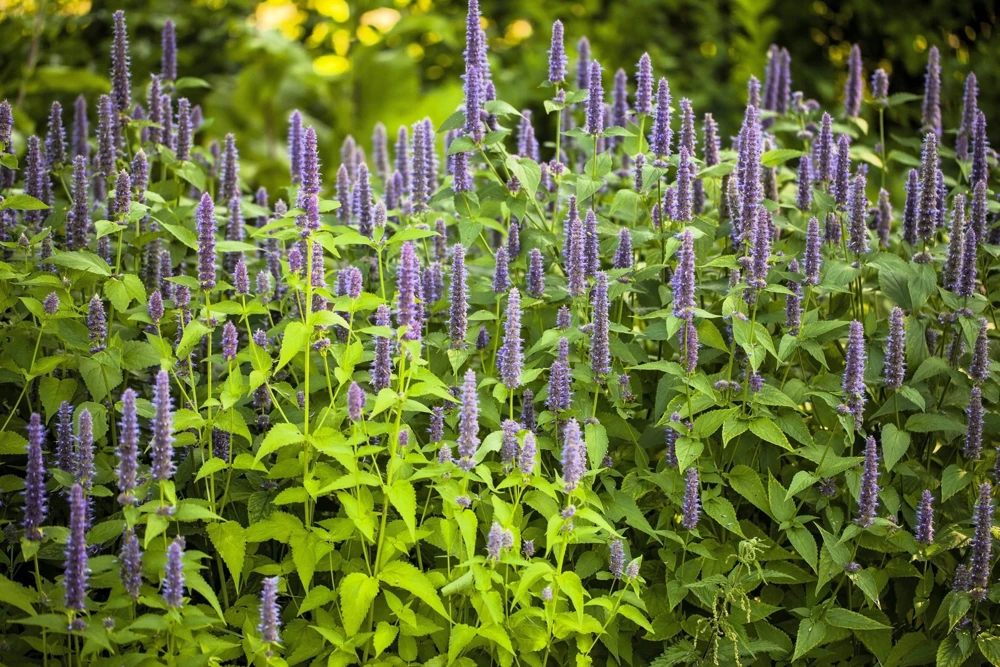
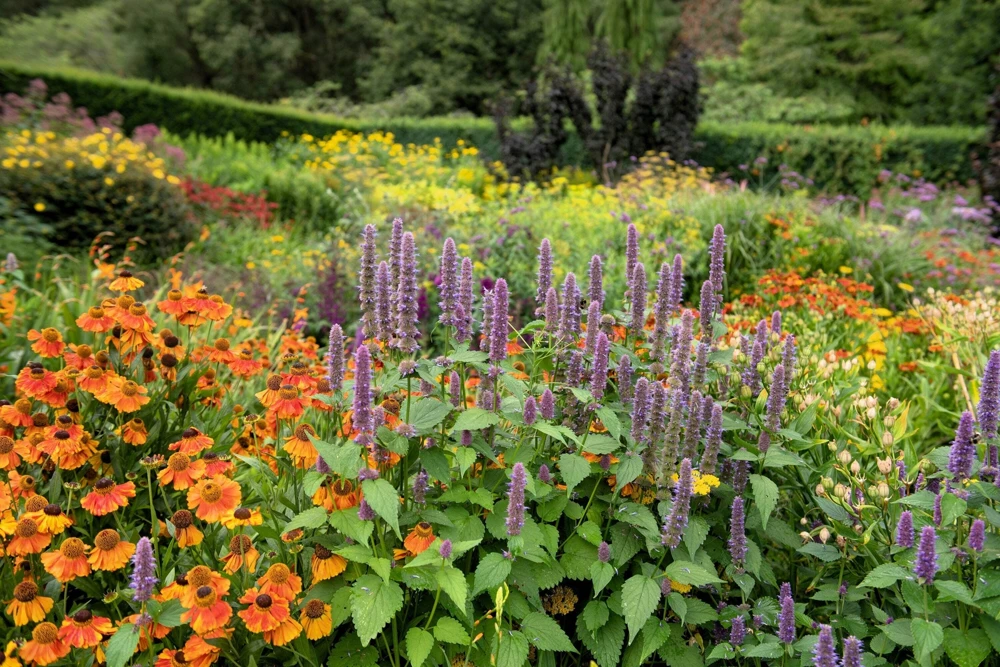
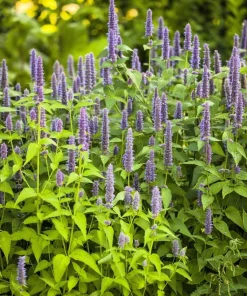
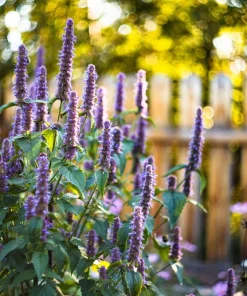
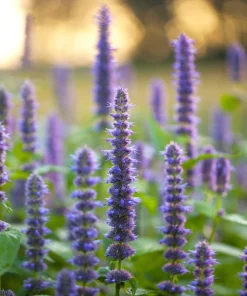
- Ornamental Value: With its tall, stately habit and long-lasting purple blooms, blue giant hyssop provides excellent vertical interest and color from mid-summer into fall, complementing other garden plants beautifully.
- Deer Resistant: Its strong aromatic properties tend to deter deer, making it a good choice for gardens in areas with deer populations where other plants might be browsed.
- Low Maintenance: Once established, agastache foeniculum seeds grow into drought-tolerant and relatively pest-free plants, requiring minimal care and making them perfect for busy gardeners.
- Medicinal Properties: Traditionally used in herbal remedies, anise hyssop has been valued for its potential to soothe coughs and colds, offering a natural option for home wellness.
Plant Care & Growing Tips
Successful cultivation of purple anise hyssop seeds begins with proper planting and ongoing care. Start seeds indoors 6-8 weeks before the last frost date or direct sow outdoors after the danger of frost has passed. Sow seeds about 1/8 inch deep in well-draining soil, gently covering them. Germination typically occurs within 7-14 days. Once seedlings are strong enough, transplant them outdoors, spacing plants 12-18 inches apart to allow for mature growth and good air circulation. Ensure the planting site receives at least 6 hours of full sun daily, as this plant thrives in bright conditions. While it tolerates some partial shade, abundant flowering and the strongest aroma are achieved in full sun.
Agastache foeniculum seeds prefer well-draining soil, ideally a sandy loam, but they are adaptable to various soil types as long as drainage is adequate. Avoid heavy, waterlogged soils, as this can lead to root rot. Once established, anise hyssop is quite drought-tolerant, but consistent moisture during dry spells, especially in its first growing season, will promote healthier and more robust plants. Water deeply but infrequently, allowing the top inch or two of soil to dry out between waterings. Fertilization is generally not necessary in rich garden soil; however, if your soil is poor, a light application of a balanced, slow-release fertilizer in spring can be beneficial. Deadhead spent flower spikes to encourage continuous blooming and to prevent excessive self-seeding. In colder climates (USDA zones 4-6), a layer of mulch in winter can help protect the roots.
Size & Details
These purple anise hyssop seeds will mature into impressive plants, typically reaching a height of 2 to 4 feet with a spread of about 1 to 2 feet. The plants exhibit an upright, bushy growth habit, making them an excellent choice for the middle or back of a perennial border. Each seed packet contains 500 individual seeds, providing ample opportunity for a generous planting. The plants usually begin to bloom in mid-summer and continue through early fall, offering a long season of color and fragrance. While a perennial in USDA Zones 4-9, it can be grown as an annual in colder regions or overwintered indoors in containers. Expect to see significant growth and flowering within the first year from seeds, with plants returning larger and more robust in subsequent years.
Frequently Asked Questions
- Q: How many purple anise hyssop seeds are included? A: Each packet contains 500 high-quality purple anise hyssop seeds, providing a generous quantity for your gardening projects.
- Q: Is this plant suitable for attracting pollinators? A: Yes, blue giant hyssop is renowned for its ability to attract a wide range of pollinators, including bees, butterflies, and hummingbirds, making it excellent for biodiversity.
- Q: What are the sun requirements for growing anise hyssop? A: This plant thrives in full sun, requiring at least 6 hours of direct sunlight per day for optimal growth and flowering. It can tolerate some partial shade but may have fewer blooms.
- Q: Can I use the leaves of this plant for culinary purposes? A: Absolutely! The leaves of Agastache foeniculum seeds grown from these seeds have a distinct licorice-mint flavor and are excellent for teas, salads, and other culinary creations.
- Q: What is the ideal soil type for purple anise hyssop? A: Purple anise hyssop prefers well-draining soil. A sandy loam is ideal, but it can adapt to various soil types as long as they are not waterlogged.
- Q: How tall does this plant typically grow? A: When mature, purple anise hyssop plants usually reach a height of 2 to 4 feet, with a spread of 1 to 2 feet, providing a good vertical element in the garden.
- Q: Is this plant drought-tolerant? A: Once established, anise hyssop is quite drought-tolerant, making it a good choice for water-wise gardens. Consistent watering is beneficial during its initial growth phase.
- Q: When is the best time to plant these seeds? A: You can sow grow anise hyssop seeds indoors 6-8 weeks before the last frost, or direct sow them outdoors after all danger of frost has passed in spring.
- Q: Will this plant survive winter in my region? A: Purple anise hyssop is a perennial in USDA Zones 4-9. In colder zones, it can be grown as an annual or protected with mulch for overwintering.
- Q: Is this plant deer resistant? A: Yes, due to its strong aromatic foliage, anise hyssop is generally considered deer resistant, helping to protect your garden from browsing.
Be the first to review “500 Purple Anise Hyssop Seeds – Blue Giant Licorice Mint Agastache Foeniculum”
People Also Viewed
Flower Seeds
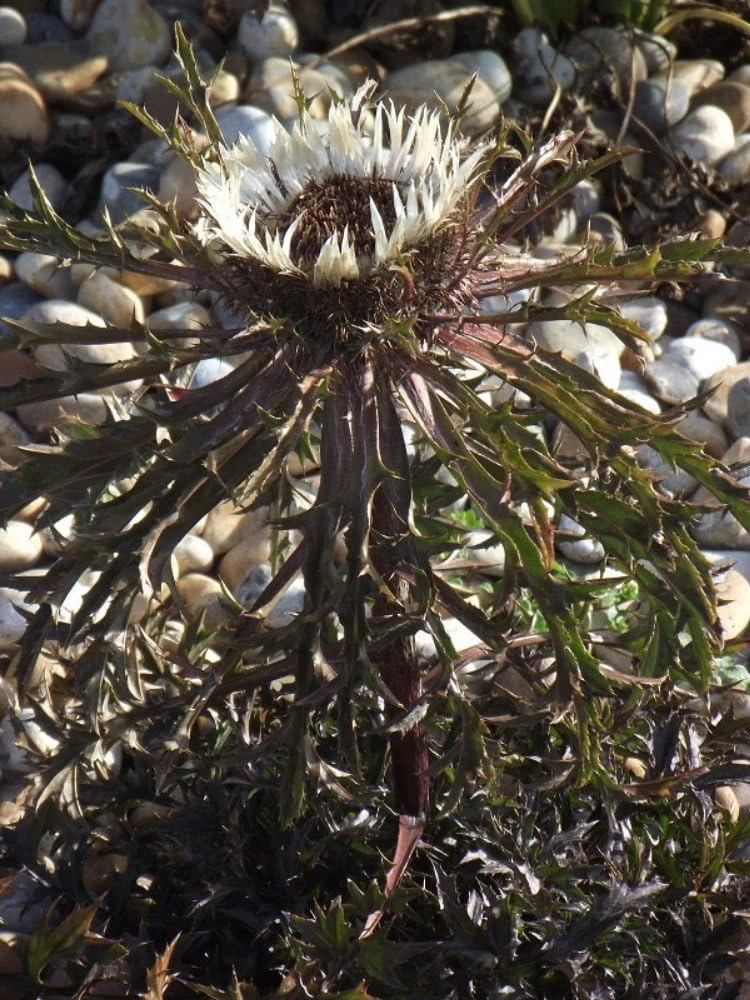
Bronze Weather Thistle Seeds – Carlina acaulis ‘Bronze’ Perennial Flower Seeds – 10 Count
Reviews
There are no reviews yet.