
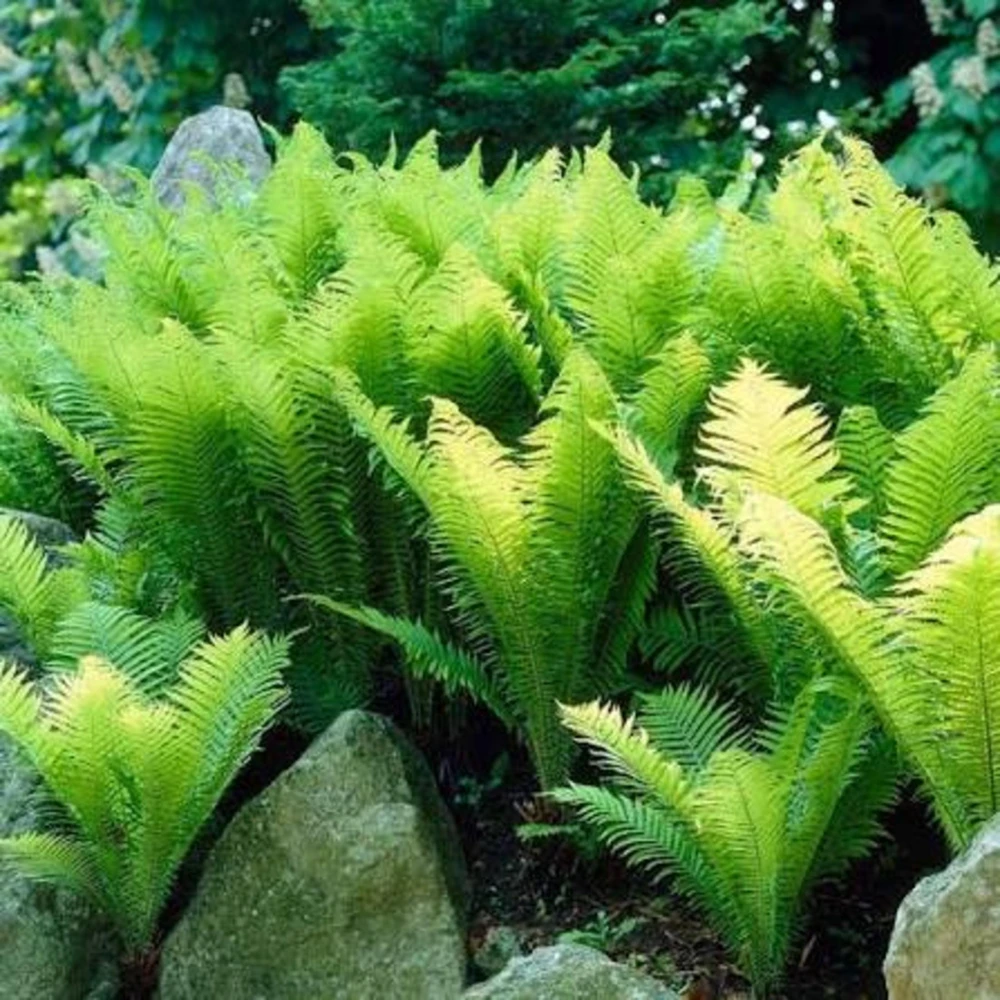
10 Ostrich Fern Bare Root Plants – Matteuccia Struthiopteris Hardy Perennial
Original price was: $67.99.$52.99Current price is: $52.99.
Enhance your shaded garden with 10 Ostrich Fern bare root plants (Matteuccia Struthiopteris). These hardy shade perennial ferns are perfect for creating lush, native woodland landscapes with their dramatic fronds.
Estimated arrival
Oct 10
Oct 15 - Oct 17
Oct 20 - Oct 24
Shop With Confidence
30-Day Plant Health Guarantee
Arrives damaged? We’ll replace it free — see our return policy.
Responsive Support
Email us anytime, we reply within 1 business day.
Expert Packaging
Temperature-controlled shipping to protect your plants in transit.
Secure Checkout
Pay safely with Visa, Mastercard, PayPal.
Plant Specifications
-
USDA Hardiness Zone
USDA Zones 3-7 -
Soil Type
Rich, organic, well-draining soil -
Sunlight Exposure
Partial to full shade -
Expected Planting Period
Early spring to early fall
Overview
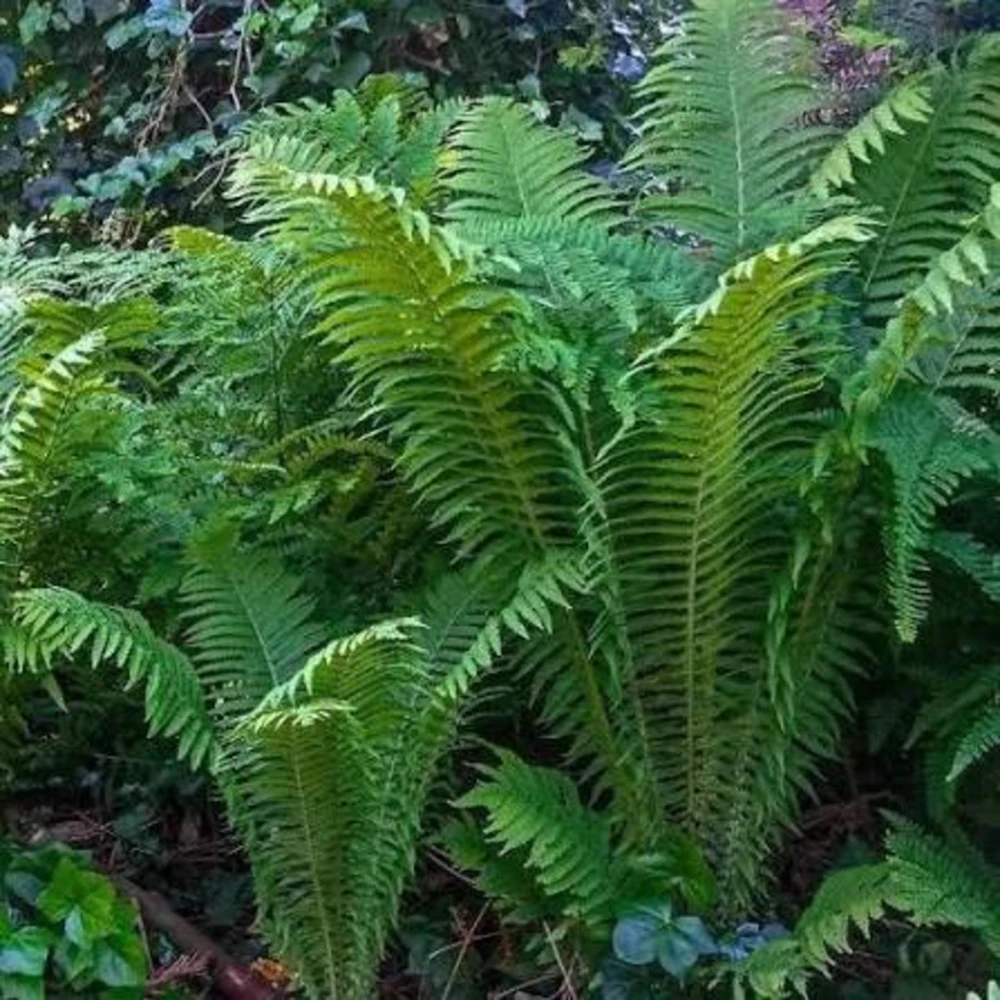
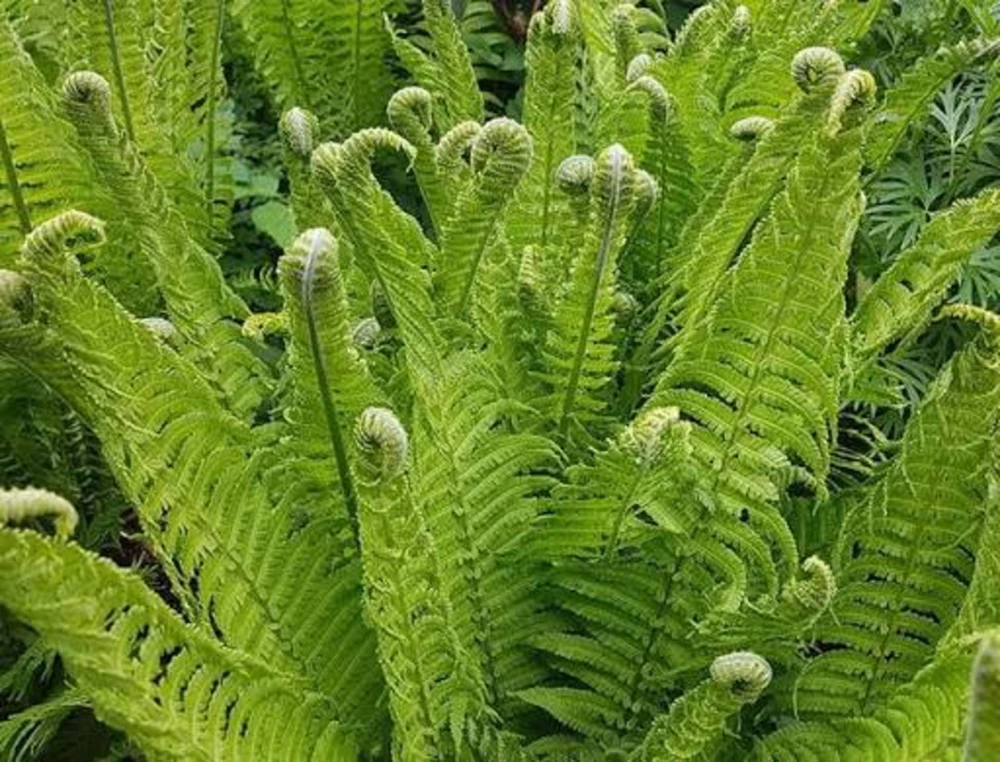
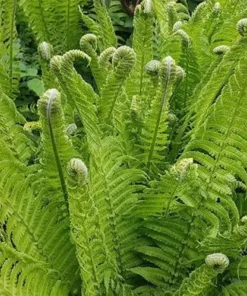
Transform your garden’s shady spots into a vibrant, verdant oasis with this pack of 10 Ostrich Fern bare root plants. Known scientifically as Matteuccia Struthiopteris, these robust ferns are celebrated for their distinctive, upright fronds that gracefully unfurl to resemble the elegant plumes of an ostrich feather. As a hardy shade perennial, the Ostrich Fern is an excellent choice for gardeners looking to establish a low-maintenance, yet strikingly beautiful groundcover or border plant in areas where other plants struggle due to lack of sunlight. These bare root plants are shipped dormant, ensuring minimal transplant shock and a strong start in their new environment. Ideal for creating a naturalistic, native woodland garden aesthetic, the Ostrich Fern will quickly establish itself, bringing a touch of wild elegance to your landscape. They are a fantastic addition for those aiming to cultivate a thriving ecosystem that supports local wildlife.
Key Benefits
Adding Ostrich fern bare root plants to your garden offers numerous advantages, from aesthetic appeal to ecological benefits. These ferns are not only beautiful but also incredibly resilient, making them a wise investment for any gardener. Their unique growth habit and adaptability ensure they will be a highlight in your outdoor space.
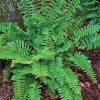
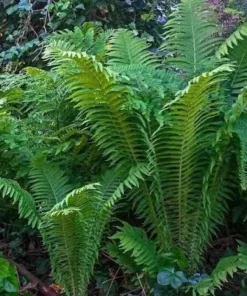
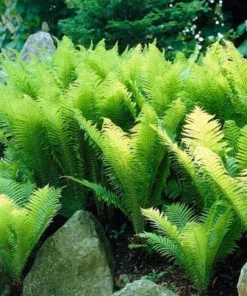
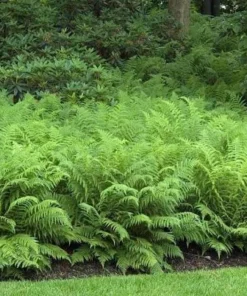
- Dramatic Foliage: The Ostrich Fern produces tall, vibrant green fronds that can reach up to 3-6 feet in height, creating a lush, tropical feel even in temperate climates. Their unique, feather-like appearance adds significant architectural interest to any garden design.
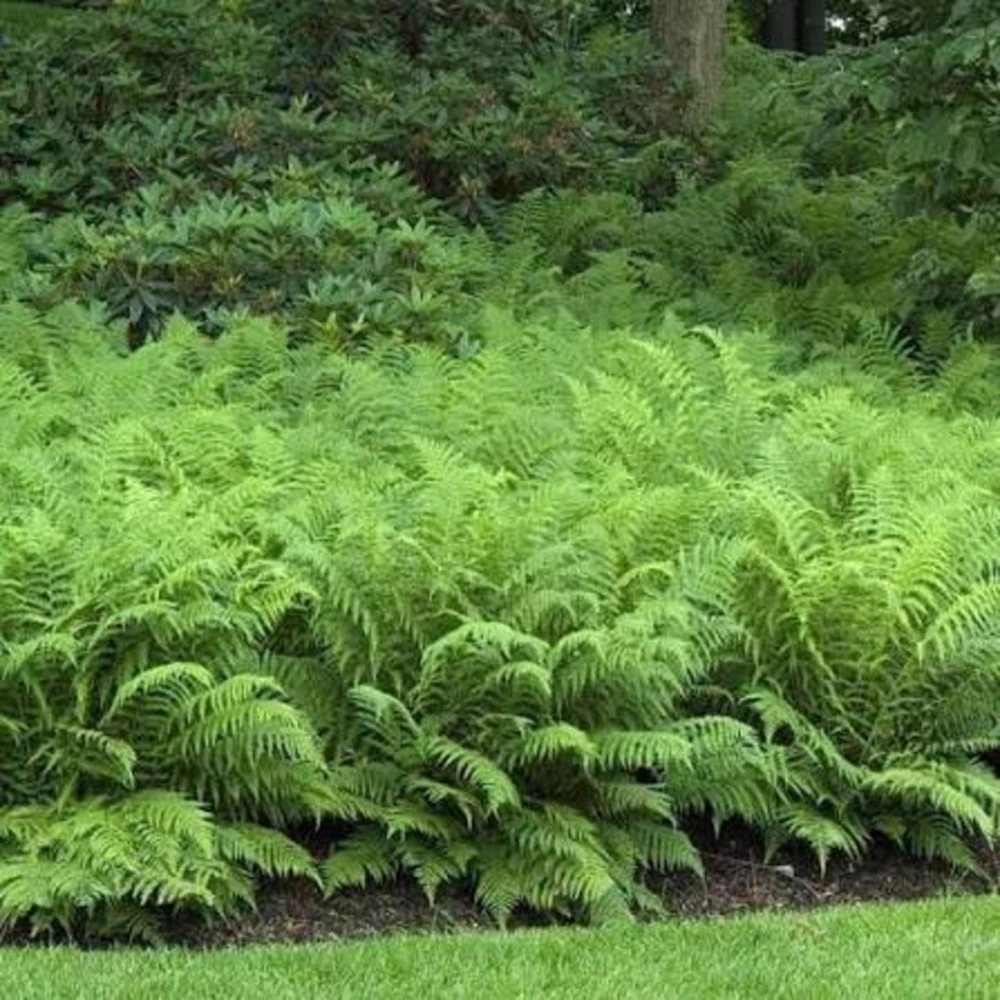
- Shade Loving: Thrives in shaded and partially shaded conditions, making it an ideal plant for difficult spots under trees, along north-facing walls, or in dense woodland gardens where other plants might not grow. This makes them a perfect solution for those challenging dark corners.
- Hardy and Resilient: As a hardy shade perennial, these ferns are incredibly tough and can withstand cold winters, returning year after year with fresh, new growth. They are well-suited for a wide range of USDA hardiness zones, ensuring long-term success.
- Native Woodland Plant: Matteuccia Struthiopteris is native to North America, making it an excellent choice for native plant gardens or for restoring natural habitats. It contributes to local biodiversity and supports wildlife.
- Low Maintenance: Once established, growing ostrich ferns requires minimal care. They are relatively pest and disease resistant, preferring consistent moisture and a hands-off approach, freeing up your time for other gardening tasks.
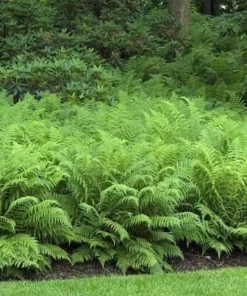
- Naturalizes Easily: Ostrich Ferns spread by rhizomes, forming colonies over time. This makes them superb for naturalizing large areas, providing effective ground cover and suppressing weeds in shaded areas.
- Edible Fiddleheads: The young, coiled fronds, known as fiddleheads, are edible and considered a delicacy in many regions. They can be harvested in spring, offering a unique culinary experience from your own garden.
Plant Care & Growing Tips
To ensure your Ostrich fern bare root plants flourish, understanding their specific care requirements is crucial. These ferns are relatively easy to grow once established, but providing the right conditions from the start will promote vigorous growth and a healthy, lush display. Proper planting and consistent moisture are key to success with Matteuccia Struthiopteris.
Sunlight Requirements: Ostrich Ferns thrive in partial to full shade. They prefer dappled sunlight or consistent shade throughout the day. Direct, harsh afternoon sun can scorch their fronds, leading to browning and stress. If planting in an area with some morning sun, ensure it is protected from intense midday and afternoon rays. For optimal growth, replicate their natural woodland fern roots habitat conditions.
Watering Schedule and Soil Moisture: These ferns prefer consistently moist soil. They do not tolerate dry conditions well, especially during their establishment phase. Water regularly, ensuring the soil remains damp but not waterlogged. In hot, dry periods, you may need to water daily. A layer of mulch can help retain soil moisture and keep the roots cool. Avoid letting the soil completely dry out between waterings.
Soil Type and Drainage Requirements: Ostrich Ferns prefer rich, organic, well-draining soil. A loamy soil amended with compost or leaf mold is ideal. While they love moisture, good drainage is essential to prevent root rot. Heavy clay soils should be amended to improve drainage, while sandy soils will benefit from organic matter to improve water retention. The ideal pH range is slightly acidic to neutral.
Temperature Range and USDA Hardiness Zone: These are very hardy plants, suitable for USDA Zones 3-7. They can tolerate cold winters and will die back to the ground, re-emerging vigorously in spring. They are tolerant of a wide range of temperatures within these zones but appreciate consistent moisture during hot summer months. Understanding the specific needs for growing ostrich ferns in your area is beneficial.
Fertilization Schedule and Type: Ostrich Ferns are not heavy feeders. If planted in rich, organic soil, they may not require additional fertilization. If your soil is poor, a balanced, slow-release granular fertilizer applied in early spring can be beneficial. Alternatively, top-dressing with compost or well-rotted manure each spring will provide a steady supply of nutrients and improve soil structure. Avoid over-fertilizing, which can harm the plant.
Common Problems and Solutions: The most common issues for Ostrich Ferns relate to improper watering or sun exposure. Brown, crispy fronds usually indicate too much sun or insufficient water. Yellowing fronds can suggest overwatering or poor drainage. Pests are rarely a significant problem, but occasional slug or snail damage may occur, which can be managed with organic baits or hand-picking. Ensuring the right conditions will prevent most issues.
Size & Details
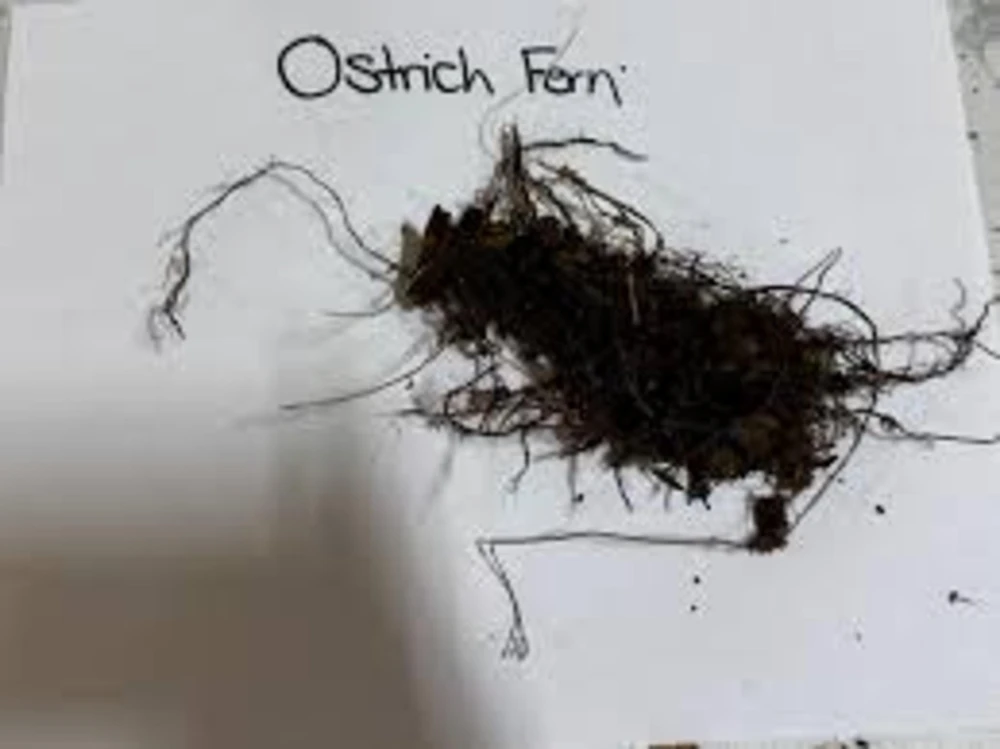
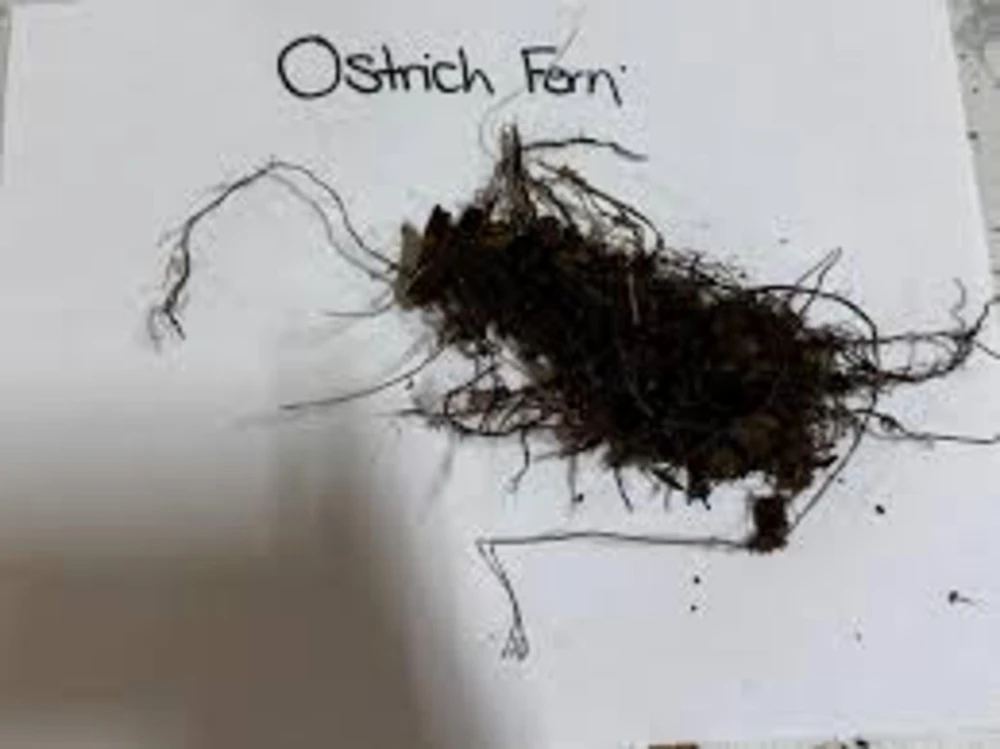
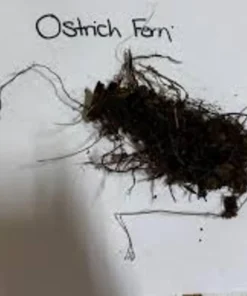
This offering includes 10 Ostrich Fern bare root plants (Matteuccia Struthiopteris), ready for planting. Each bare root is a dormant crown, specifically prepared for transplanting to ensure optimal establishment and growth. Upon maturity, these impressive ferns typically grow to a height of 3 to 6 feet, with a spread of 2 to 3 feet, forming dense, upright clumps. The spread will gradually increase as the plants naturalize and form colonies through their rhizomes. These plants are shipped without foliage, as this is the most effective method for minimizing stress during transit and allowing the root system to prioritize establishment in your garden. Expect new fronds to emerge in spring after planting, with full mature size achieved within 2-3 years under ideal conditions. Their impressive height makes them an excellent backdrop for smaller shade-loving plants or as a standalone feature.
Frequently Asked Questions
- Q: How big do these Ostrich Fern bare root plants get? A: Once established, Ostrich fern bare root plants can reach an impressive height of 3 to 6 feet tall, with a spread of 2 to 3 feet. They will gradually spread to form colonies over time, creating a dense, lush display in your shaded garden.
- Q: Are these an indoor or outdoor plant? A: Ostrich Ferns (Matteuccia Struthiopteris) are primarily outdoor plants, thriving as a hardy shade perennial in garden beds, woodland areas, and shaded borders. They are not typically grown as houseplants due to their size and specific outdoor growing requirements.
- Q: How much sunlight do Ostrich Ferns need? A: These ferns prefer partial to full shade. They perform best with dappled sunlight or consistent shade throughout the day, mimicking their natural woodland fern roots habitat. Avoid direct afternoon sun, which can scorch their fronds.
- Q: Is this plant easy to care for? A: Yes, Ostrich Ferns are considered low-maintenance once established. They require consistent moisture and thrive in rich, well-draining soil. With the right initial planting conditions, they are quite resilient and generally pest-free, making growing ostrich ferns a rewarding experience.
- Q: What condition will the plants arrive in? A: Your order will arrive as 10 Ostrich Fern bare root plants, which means they are dormant crowns without any foliage. This is the best method for shipping, as it reduces stress and encourages strong root development upon planting.
- Q: When is the best time to plant Ostrich Fern bare roots? A: The best time to plant Ostrich Fern bare roots is in early spring, after the last frost, or in early fall. This allows the roots to establish well before the extreme heat of summer or the deep cold of winter.
- Q: Will Ostrich Ferns survive winter in my zone? A: Yes, Ostrich Ferns are very hardy and are suitable for USDA Zones 3-7. They are deciduous, meaning their fronds will die back in winter, but the root system will survive and send up new growth in spring.
Be the first to review “10 Ostrich Fern Bare Root Plants – Matteuccia Struthiopteris Hardy Perennial”
People Also Viewed



Trees
Sweetbay Magnolia Live Plant – Fragrant White Flowers – 6-12 Inch Tall – Quart Pot – Outdoor Tree
Reviews
There are no reviews yet.