
500 White Anise Seeds – Pimpinella Anisum Herb Flower Seeds
Original price was: $37.99.$17.99Current price is: $17.99.
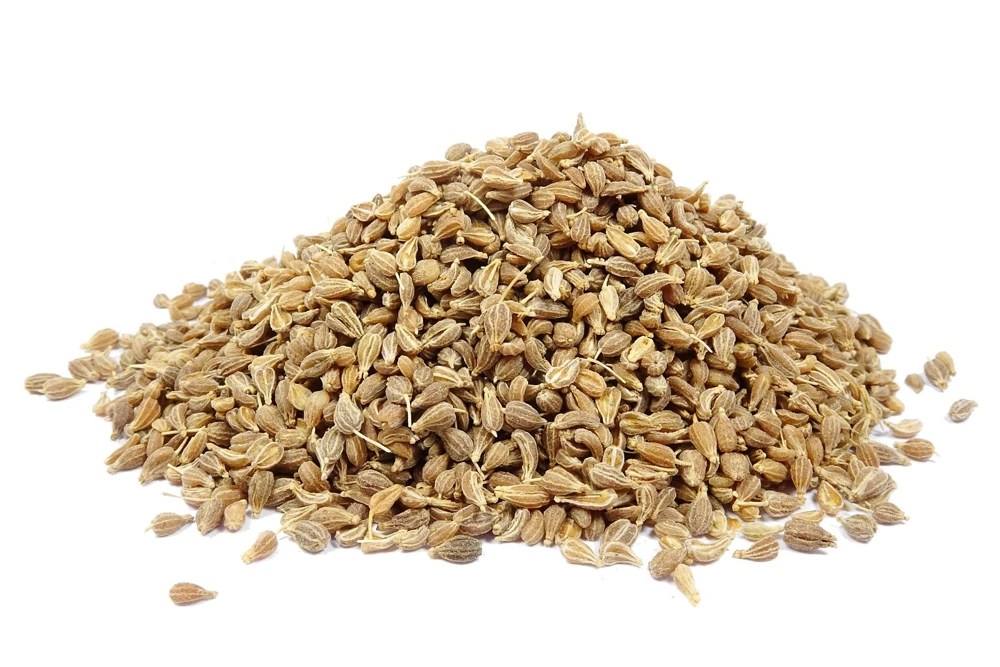
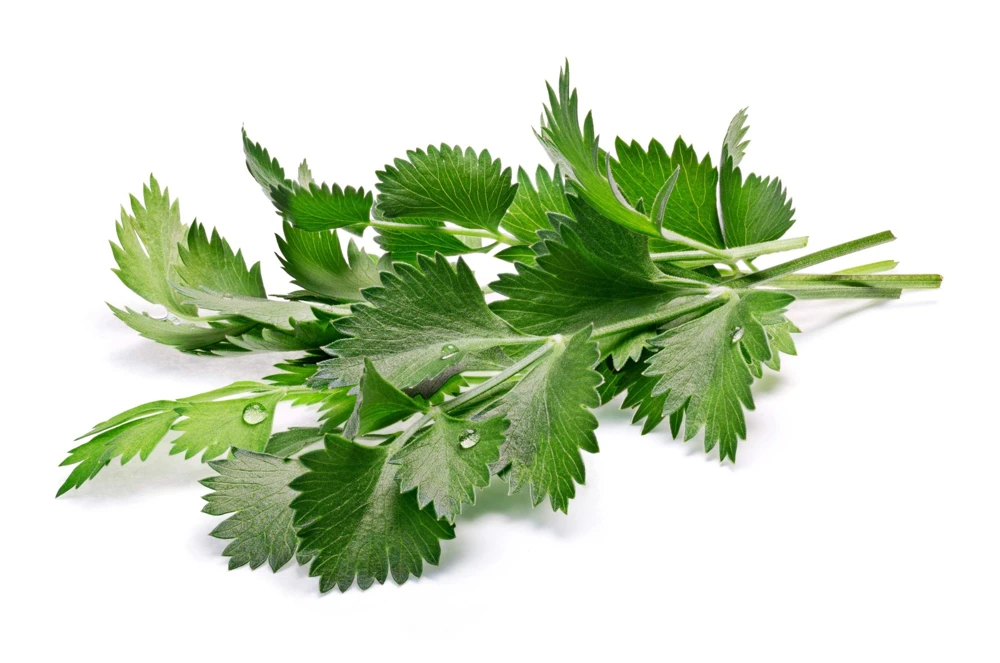
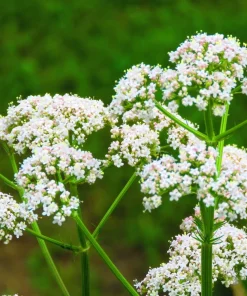
Cultivate your own aromatic garden with this pack of anise herb seeds. You’ll receive 500 premium Pimpinella Anisum seeds, perfect for growing this versatile herb. Enjoy its delicate white flowers and distinctive flavor in your culinary creations or as a charming ornamental addition.
Estimated arrival
Sep 17
Sep 22 - Sep 24
Sep 27 - Oct 01
Shop With Confidence
30-Day Plant Health Guarantee
Arrives damaged? We’ll replace it free — see our return policy.
Responsive Support
Email us anytime, we reply within 1 business day.
Expert Packaging
Temperature-controlled shipping to protect your plants in transit.
Secure Checkout
Pay safely with Visa, Mastercard, PayPal.
Plant Specifications
-
USDA Hardiness Zone
Annual in most zones -
Soil Type
Well-draining, fertile soil -
Sunlight Exposure
Full sun -
Expected Planting Period
Spring to early summer
Overview
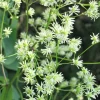
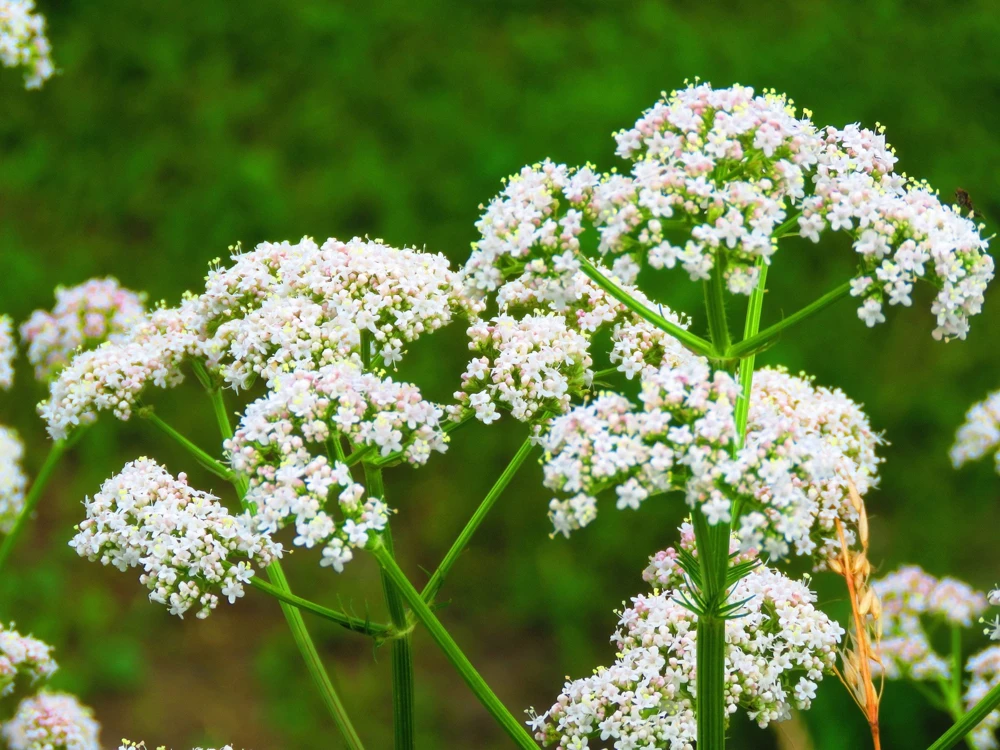
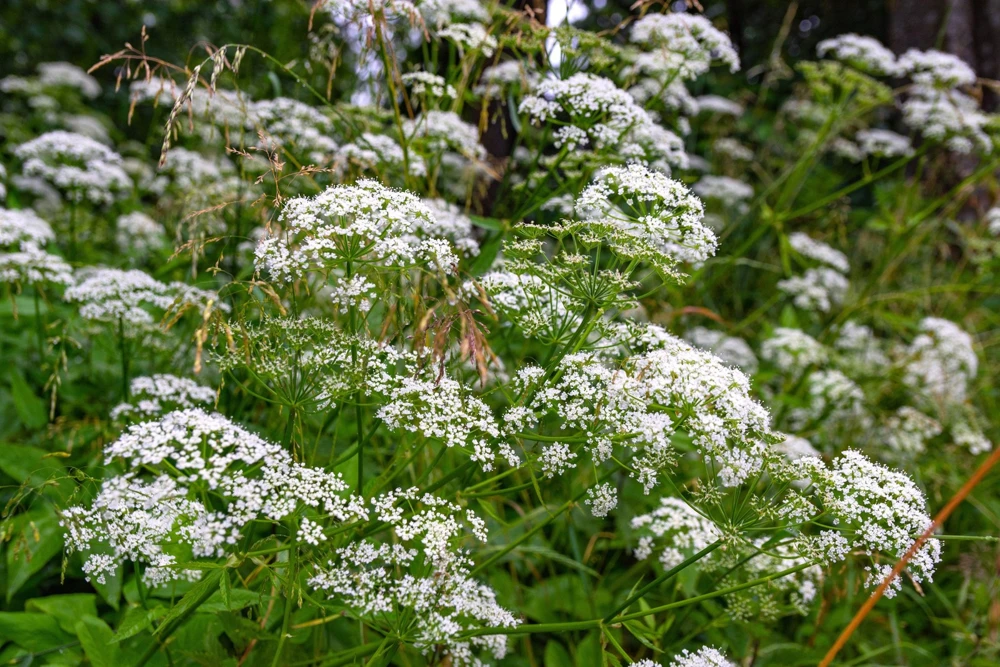
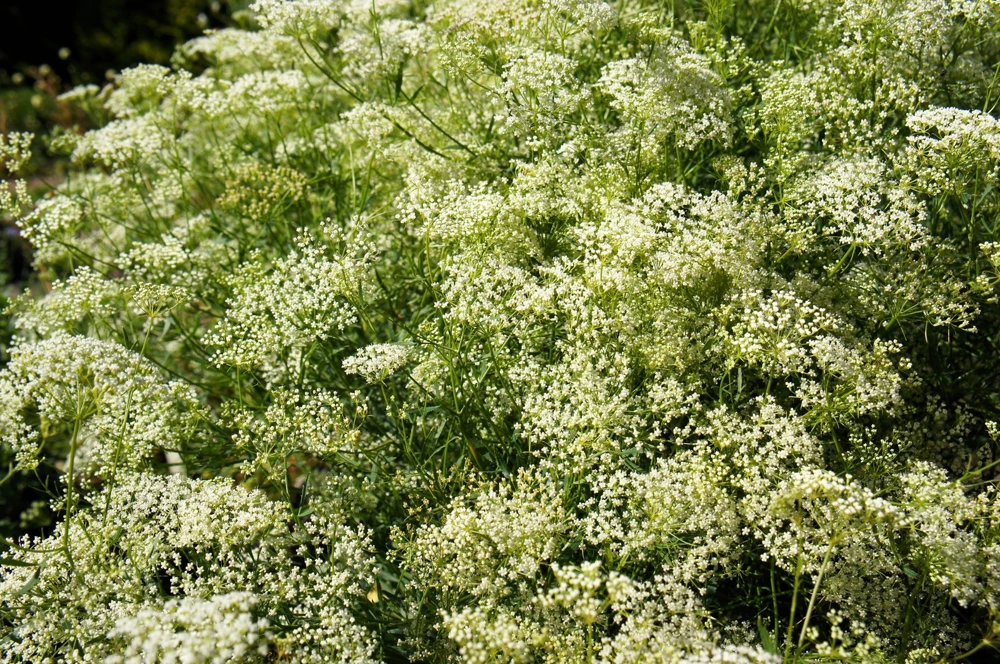
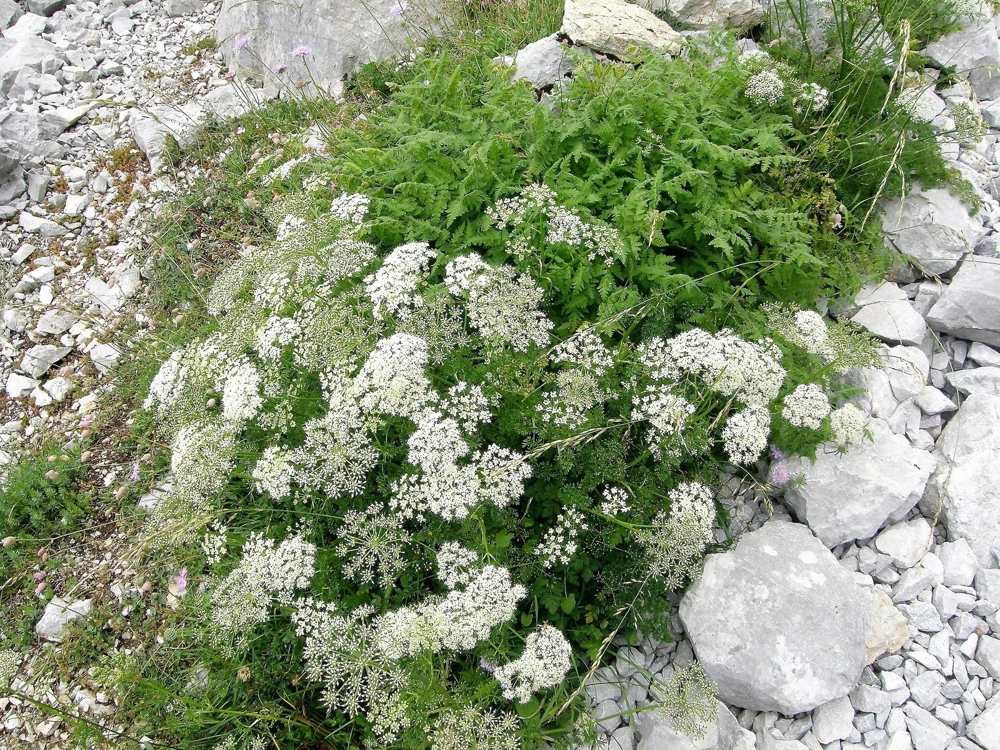
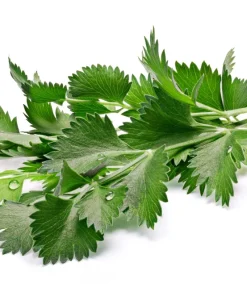
Embark on a rewarding gardening journey with our premium pack of anise herb seeds. This offering provides 500 high-quality Pimpinella Anisum seeds, allowing you to cultivate this ancient and versatile herb right in your own garden. Anise, known scientifically as Pimpinella anisum, is celebrated for its distinctive licorice-like flavor and delicate appearance. Originating from the Mediterranean region and Southwest Asia, it has been cherished for centuries for its culinary, medicinal, and ornamental properties. These seeds will grow into beautiful plants featuring feathery leaves and clusters of small, elegant white flowers, making them a charming addition to any herb garden, vegetable patch, or mixed border. Whether you’re an experienced gardener or just starting, growing anise from seed is a fulfilling experience that yields both beauty and utility.
Our anise herb seeds are carefully selected to ensure high germination rates and robust plant growth. Each seed holds the promise of a vibrant plant that will not only enhance your garden’s aesthetics but also provide a fresh source of this aromatic herb for your kitchen. The white flowers are particularly attractive to pollinators, adding to the ecological richness of your outdoor space. Discover the joy of nurturing your own anise plants from these exceptional Pimpinella Anisum seeds.
Key Benefits
Cultivating anise from seed offers a multitude of benefits, enriching both your garden and your lifestyle. These anise herb seeds are an excellent choice for gardeners looking for both beauty and utility.
- Culinary Versatility: Anise is renowned for its unique sweet, licorice-like flavor. The seeds, leaves, and flowers can all be used in cooking, from baking and desserts to savory dishes, teas, and liqueurs. Having fresh anise on hand elevates your culinary creations.
- Aromatic Appeal: The entire plant emits a pleasant, sweet aroma that can enhance the sensory experience of your garden. The fragrance is particularly noticeable when brushing against the foliage.
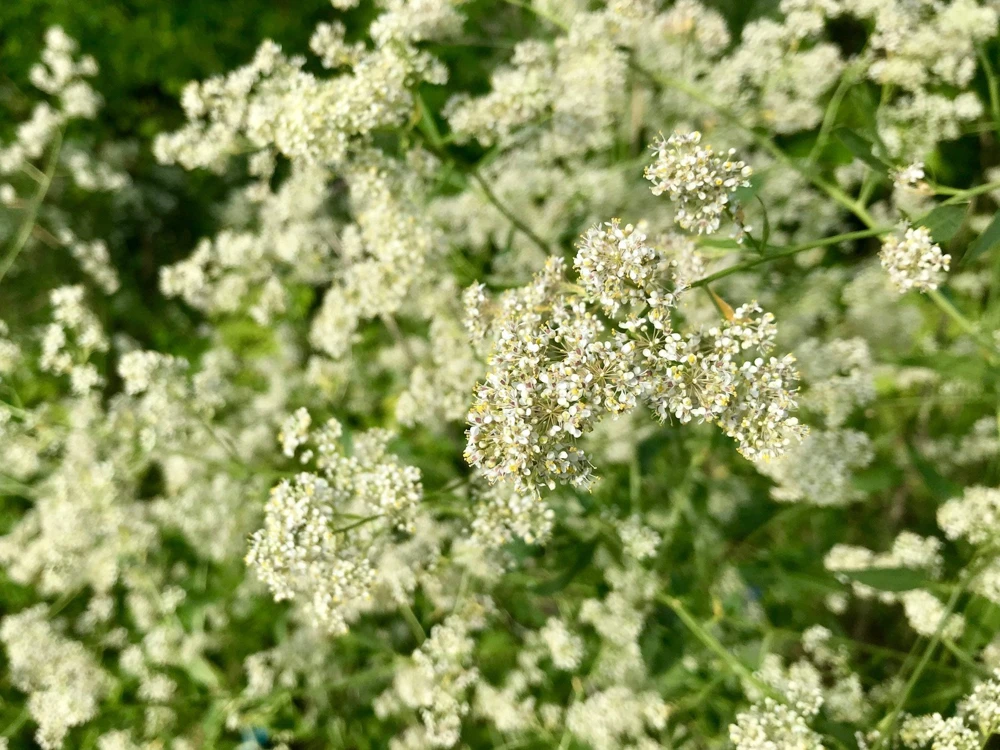
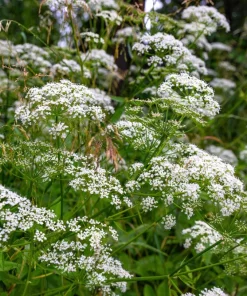
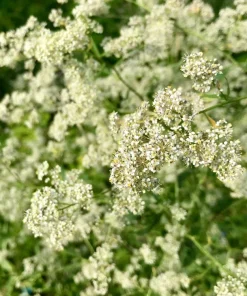
- Pollinator Attraction: The clusters of small white flowers are highly attractive to beneficial insects, including bees, butterflies, and other pollinators, contributing to the biodiversity and health of your garden ecosystem.
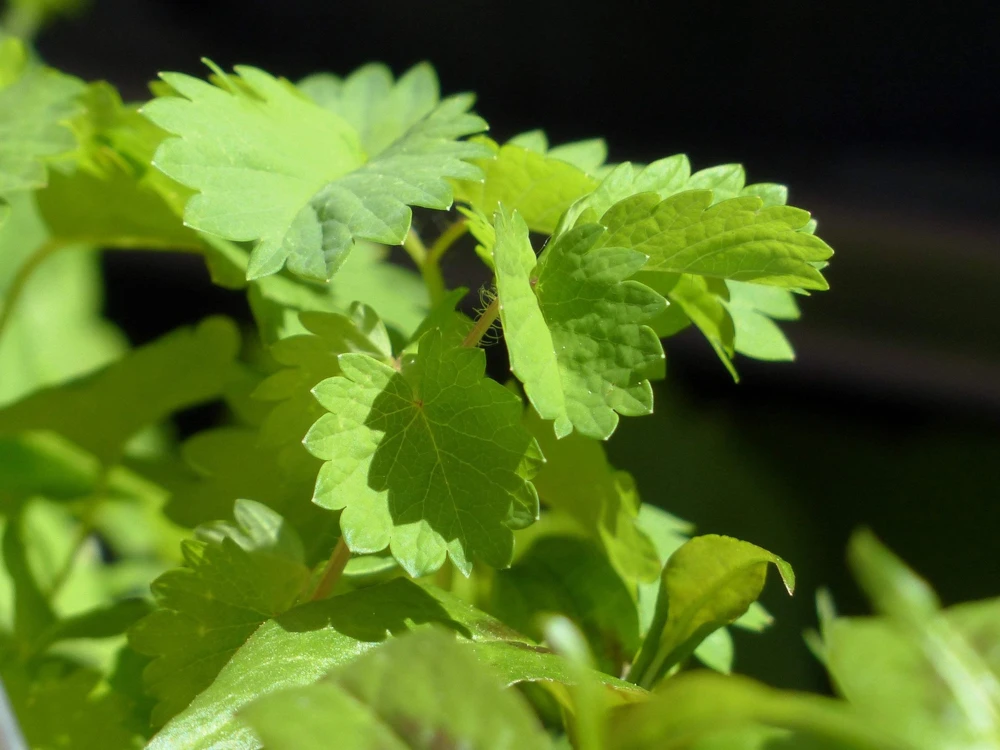
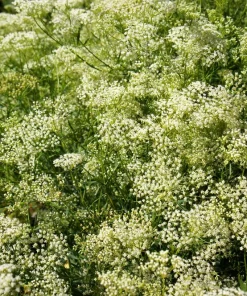
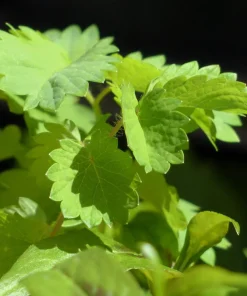
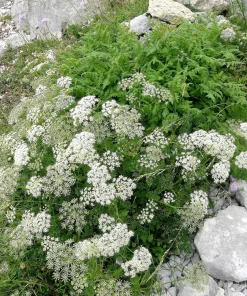
- Ornamental Value: With its delicate, fern-like foliage and airy white flower umbels, the anise plant adds a touch of grace and elegance to garden beds, borders, and even containers. It blends beautifully with other herbs and flowering plants.
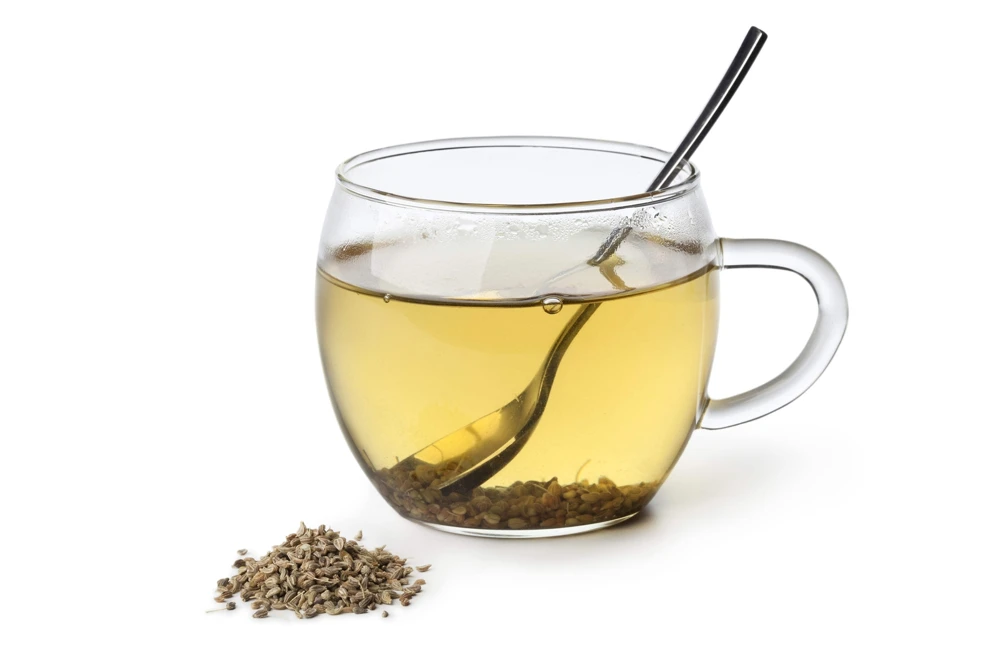
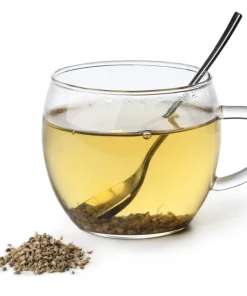
- Traditional Uses: Anise has a long history of traditional use for its potential digestive and carminative properties. Many enjoy anise tea for its soothing qualities, making anise plant care a valuable endeavor.
- Easy to Grow: These Pimpinella Anisum seeds are relatively easy to germinate and grow, making them suitable for gardeners of all skill levels. They thrive with minimal fuss once established.
- Freshness Guaranteed: By growing anise from seed yourself, you ensure the freshest possible herb for your culinary and aromatic needs, far superior to dried or store-bought alternatives.
Plant Care & Growing Tips
Successful anise plant care begins with proper planting and attentive cultivation. These anise herb seeds prefer a sunny location with well-draining soil. For best results, sow seeds directly into the garden after the last frost, typically in spring to early summer, when soil temperatures have warmed. Anise does not transplant well, so direct sowing is highly recommended. Plant the seeds about 1/4 to 1/2 inch deep and 6-12 inches apart in rows, allowing for proper air circulation as they grow. Keep the soil consistently moist until germination, which usually occurs within 7-14 days.
Once established, anise plants are relatively low maintenance. They thrive in full sun, requiring at least 6-8 hours of direct sunlight per day to produce the best flavor and flower development. The ideal soil is fertile, well-draining, and has a neutral pH (6.0-7.0). While anise is somewhat drought-tolerant once mature, consistent moisture, especially during dry spells, will promote healthier growth and better seed production. Avoid overwatering, as this can lead to root rot. Fertilization is generally not necessary in rich soil, but a balanced, organic fertilizer can be applied sparingly if growth appears stunted. Protect young plants from strong winds, and consider staking taller varieties if they become top-heavy with seed heads. For those interested in harvesting white anise flower seeds, allow the flower heads to mature and dry on the plant before collecting.
Size & Details
This package contains 500 white anise flower seeds (Pimpinella anisum), ensuring you have an abundant supply to start your herb garden. Anise plants typically grow to a height of 1 to 2 feet (30-60 cm) with a spread of about 6 to 12 inches (15-30 cm) when mature. The plants produce delicate, fern-like foliage and later develop attractive umbels of small white flowers. Seeds are usually ready for harvest in late summer to early fall, approximately 90-120 days after planting. These seeds are shipped as dry, viable seeds, ready for direct sowing. The growth rate is moderate, allowing you to enjoy fresh anise within a single growing season. Expect to see beautiful Pimpinella Anisum seeds develop after the flowering period.
Frequently Asked Questions
- Q: How big does this anise plant get? A: Anise plants typically grow to a height of 1 to 2 feet (30-60 cm) and spread about 6 to 12 inches (15-30 cm) wide, making them suitable for various garden spaces and containers.
- Q: What is the best way to plant these anise herb seeds? A: It is best to direct sow these seeds outdoors after the last frost. Plant them 1/4 to 1/2 inch deep and about 6-12 inches apart. Anise does not transplant well, so avoid starting indoors.
- Q: Is this an indoor or outdoor plant? A: Anise is primarily grown as an outdoor annual herb in most climates. It thrives in full sun and warm conditions. While it can be grown in containers, it generally prefers open garden spaces.
- Q: How much sunlight does anise need? A: Anise requires at least 6-8 hours of full, direct sunlight per day to grow vigorously and produce the best quality seeds and flavor.
- Q: Is this plant easy to care for? A: Yes, anise plant care is relatively easy. Once established, it is low maintenance, requiring well-draining soil, consistent moisture, and full sun. It’s a good choice for beginner gardeners.
- Q: What condition will the Pimpinella Anisum seeds arrive in? A: The seeds will arrive as dry, viable seeds in a protective package, ready for planting. They are not pre-germinated or in soil.
- Q: Can I use anise in cooking? A: Absolutely! Anise is widely used in culinary applications. The seeds, leaves, and flowers can all be incorporated into baking, desserts, teas, and savory dishes for their distinctive licorice-like flavor.
- Q: How long until anise blooms and produces seeds? A: Anise typically blooms in mid-summer, and the seeds are usually ready for harvest in late summer to early fall, approximately 90-120 days after planting.
- Q: What’s the minimum temperature anise can tolerate? A: Anise is an annual plant and is sensitive to frost. It prefers warm temperatures and will not survive freezing conditions. It should be planted after all danger of frost has passed.
- Q: Are these white anise flower seeds suitable for attracting pollinators? A: Yes, the small white flowers of the anise plant are very attractive to beneficial insects like bees and butterflies, making them excellent for supporting local pollinator populations in your garden.
Be the first to review “500 White Anise Seeds – Pimpinella Anisum Herb Flower Seeds”
People Also Viewed
Reviews
There are no reviews yet.