

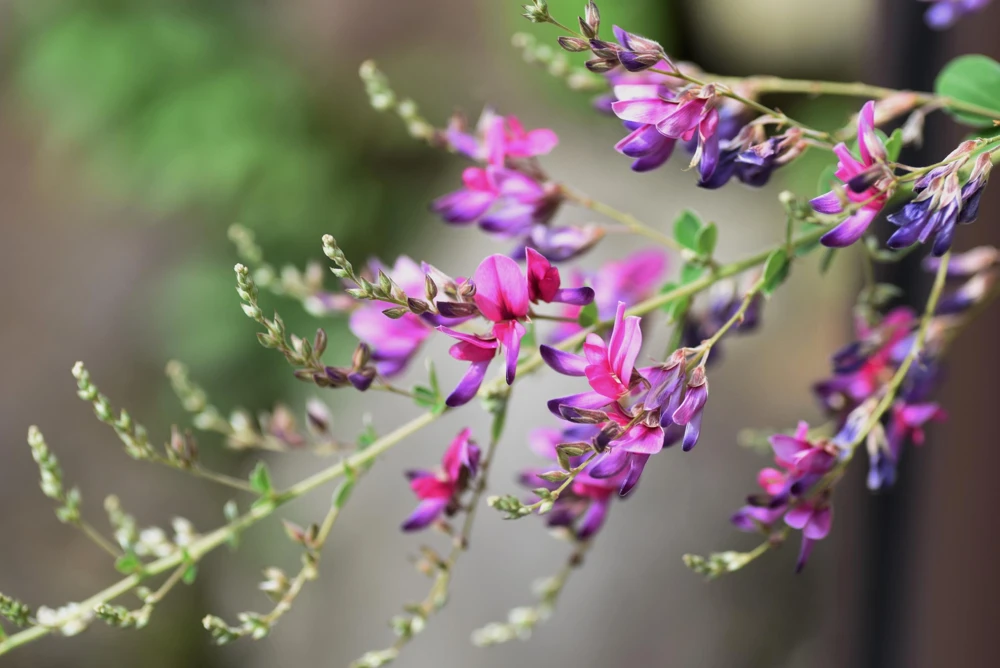
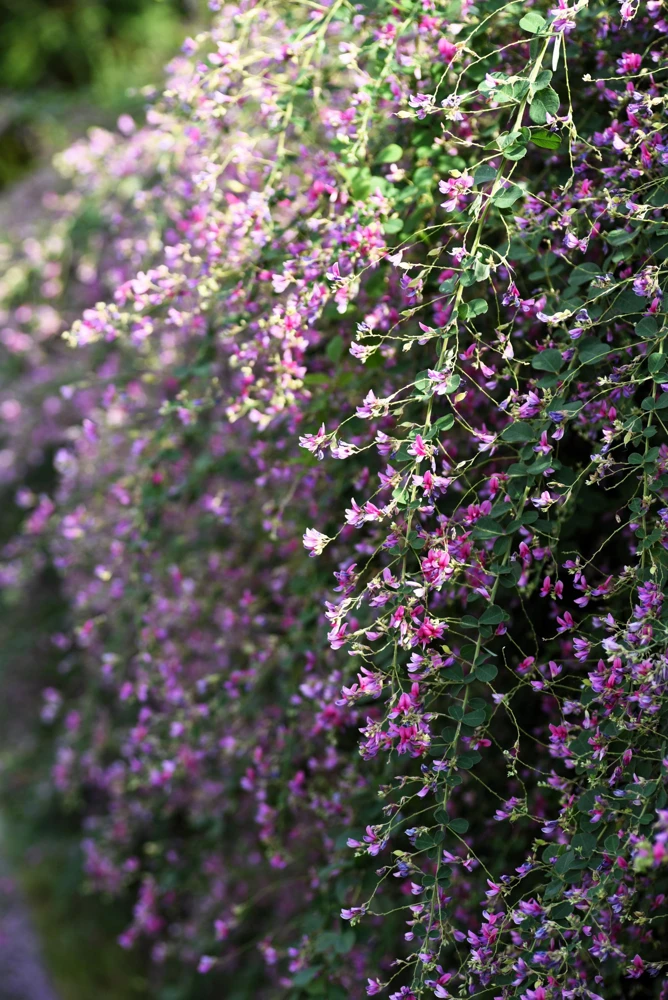
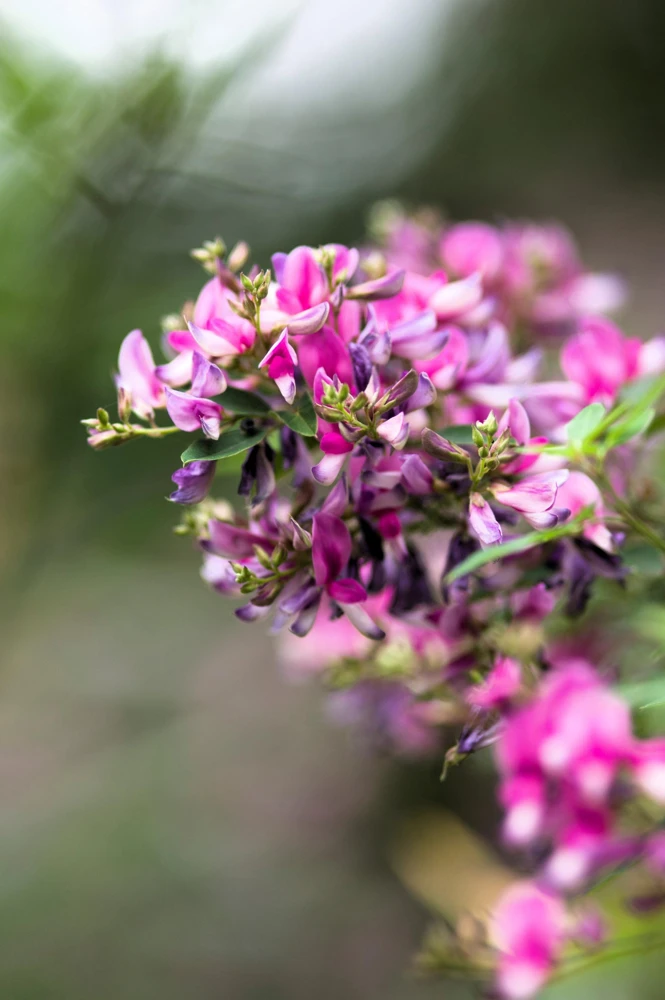
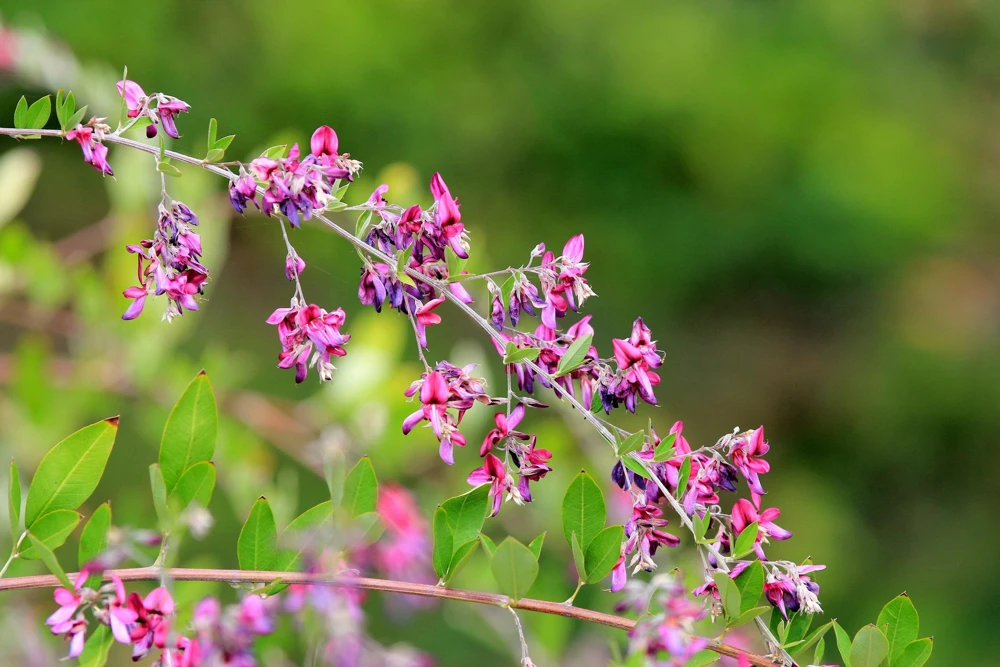
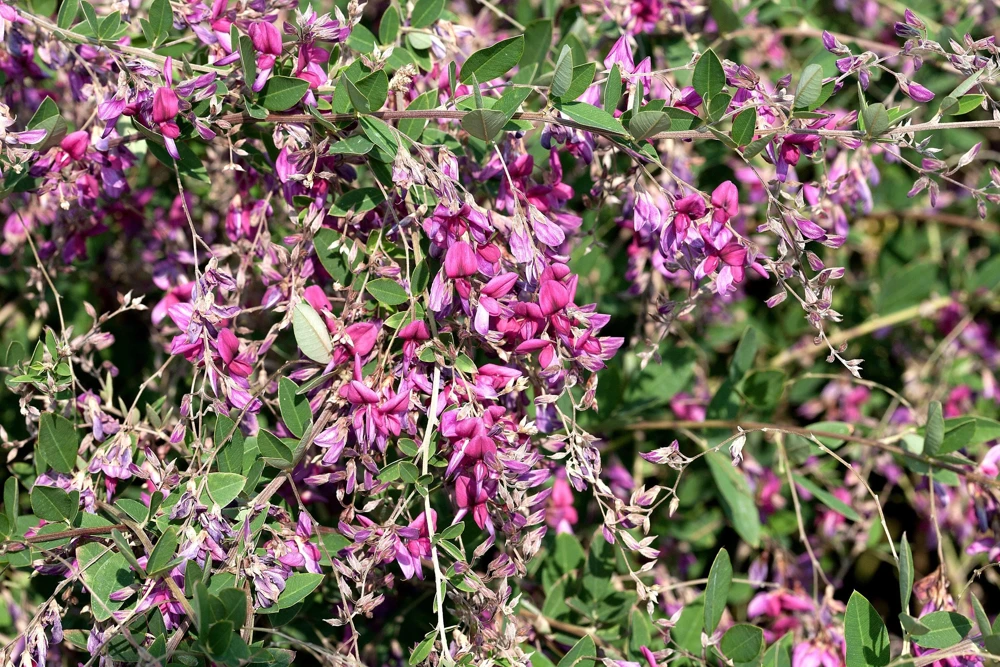
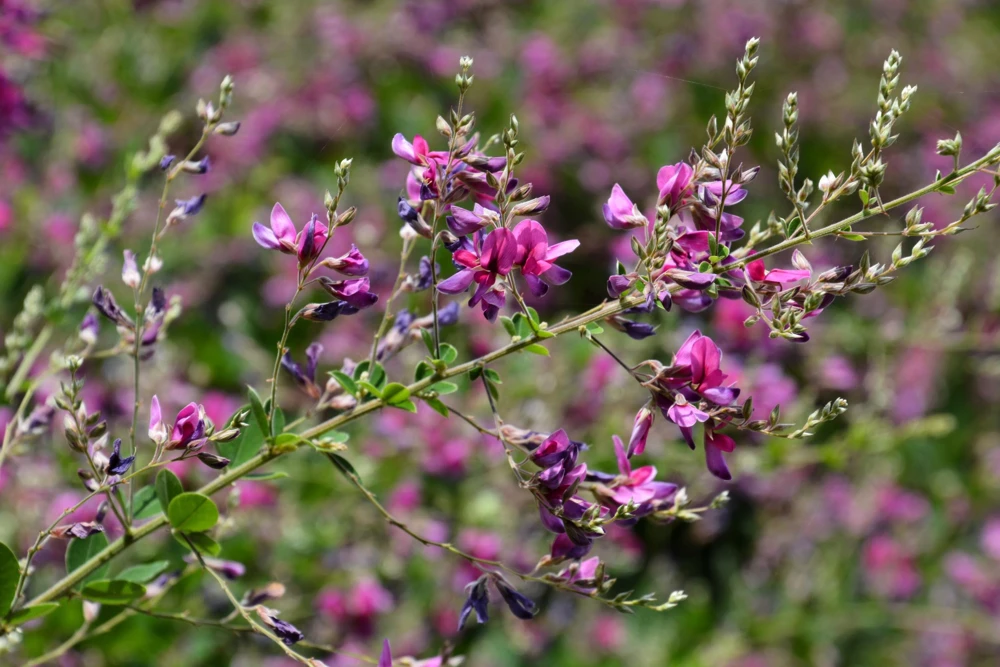
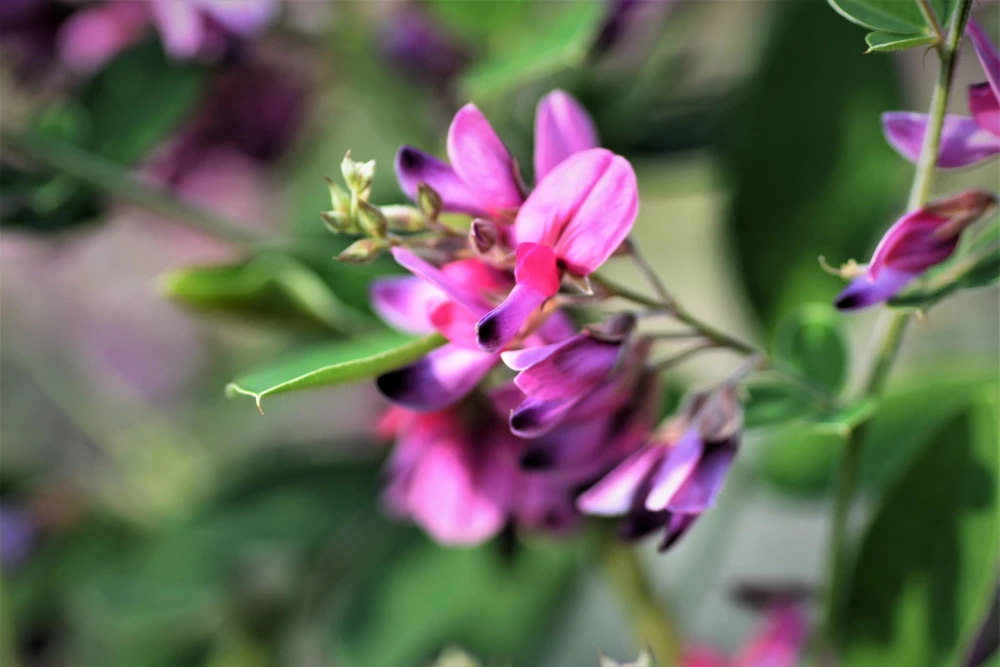
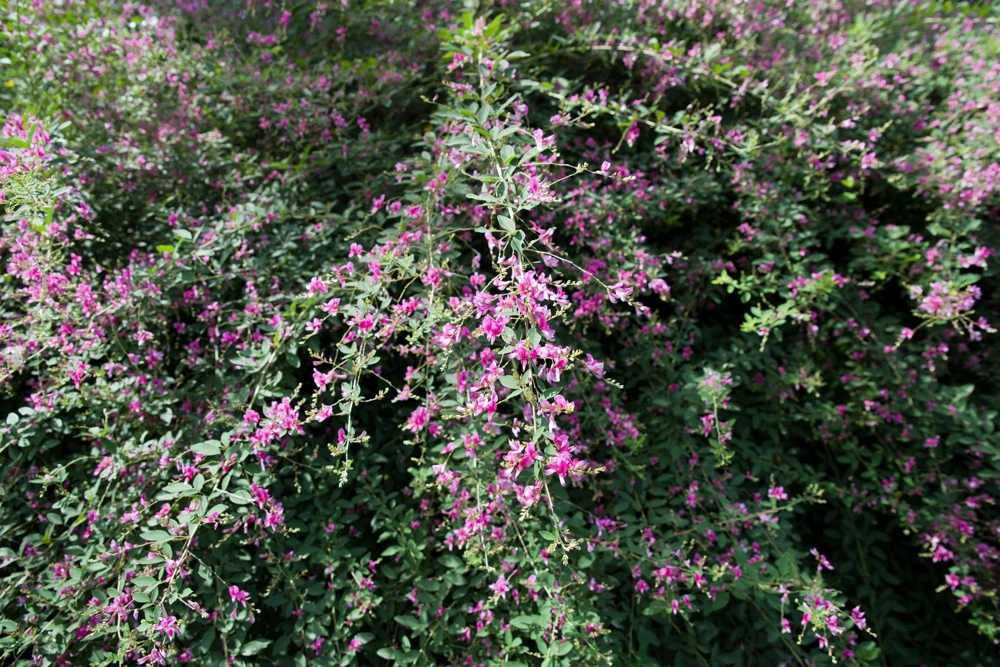
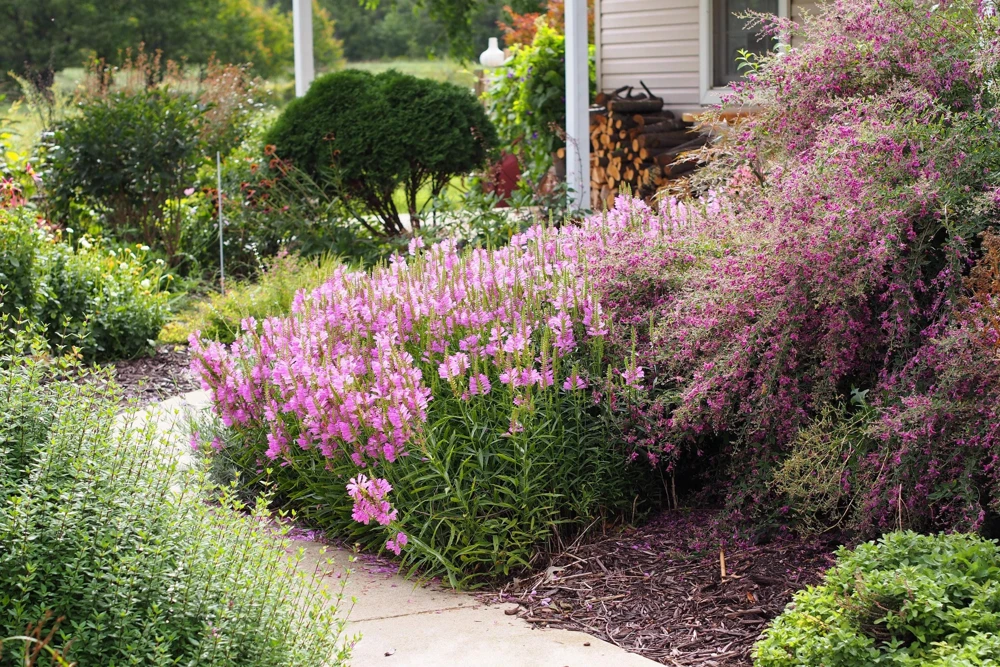
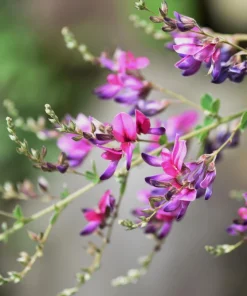
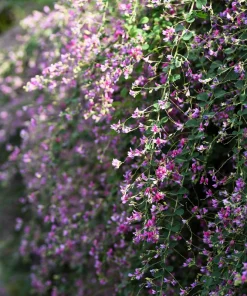
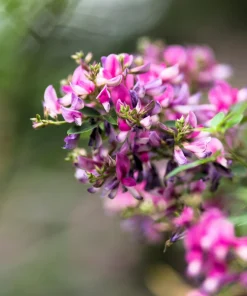
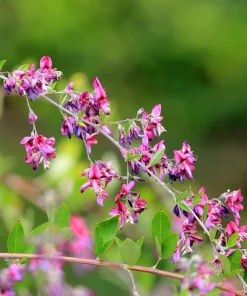
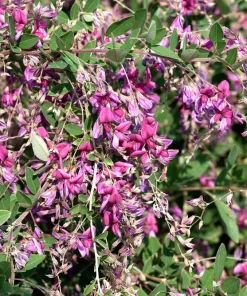
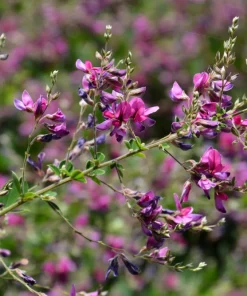
Slender Bush Clover Seeds – Lespedeza Virginica, Pink-Purple Flowers, 100 Seeds
Original price was: $36.99.$16.99Current price is: $16.99.
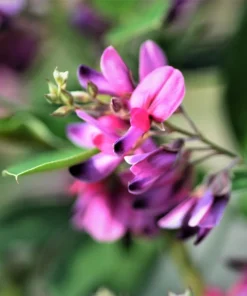
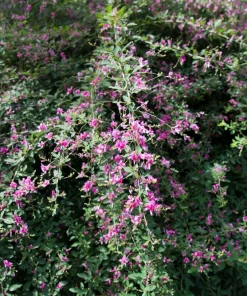
Discover the beauty of slender bush clover seeds (Lespedeza Virginica). These native shrub seeds produce charming pink-purple flowers, perfect for attracting pollinators and enhancing your garden’s biodiversity. Easy to grow and adaptable, they thrive in various conditions.
Estimated arrival
Sep 17
Sep 22 - Sep 24
Sep 27 - Oct 01
Shop With Confidence
30-Day Plant Health Guarantee
Arrives damaged? We’ll replace it free — see our return policy.
Responsive Support
Email us anytime, we reply within 1 business day.
Expert Packaging
Temperature-controlled shipping to protect your plants in transit.
Secure Checkout
Pay safely with Visa, Mastercard, PayPal.
Plant Specifications
-
USDA Hardiness Zone
3 - 9 -
Soil Type
Average - Dry, Well-draining -
Sunlight Exposure
Sun - Part Shade -
Expected Planting Period
Outdoors after danger of frost / Indoors weeks before last frost
Overview
Introduce a touch of natural elegance to your landscape with these premium slender bush clover seeds. Scientifically known as Lespedeza Virginica, this native shrub is a robust and attractive addition to any garden, providing a burst of pink and purple hues from July through September. Often referred to as Slender Lespedeza or Bushclover, this plant is cherished for its delicate yet abundant blooms and its ecological benefits. As a legume, it contributes to soil health by fixing nitrogen, making it a valuable component of a sustainable garden. Our lespedeza virginica seeds offer an excellent opportunity to cultivate a hardy, low-maintenance plant that supports local ecosystems and adds visual interest.
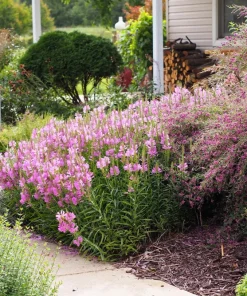
The slender bush clover seeds are ideal for creating naturalized areas, meadows, or mixed perennial borders. This plant’s adaptability to various light conditions and soil types, combined with its drought tolerance once established, makes it a resilient choice for gardeners seeking both beauty and practicality. Growing from native shrub seeds ensures you’re helping to preserve local flora and fauna, offering a habitat and food source for beneficial insects and wildlife. Prepare to enjoy a season of vibrant blooms and the gentle hum of pollinators drawn to your garden.
Key Benefits
Cultivating slender bush clover seeds offers a multitude of advantages for both your garden and the local environment. This plant is not only aesthetically pleasing but also contributes significantly to ecological balance.
- Pollinator Magnet: The vibrant pink-purple flowers of the bushclover plant are a favorite among bees, butterflies, and other beneficial insects, helping to support local pollinator populations and improve garden biodiversity.
- Native Species Advantage: As a native plant, Lespedeza virginica is well-adapted to local climates and soils, requiring less intervention and contributing to the health of regional ecosystems. Growing native shrub seeds helps maintain ecological integrity.
- Nitrogen Fixer: Like other legumes, Slender Bush Clover has the ability to fix atmospheric nitrogen into the soil, naturally enriching soil fertility and reducing the need for synthetic fertilizers.
- Drought Tolerant: Once established, this bushclover plant is remarkably drought-tolerant, making it an excellent choice for xeriscaping or gardens in regions with limited water resources.
- Low Maintenance: This hardy shrub requires minimal care, thriving with little attention once mature. It’s an ideal plant for gardeners looking for maximum impact with minimal effort.
- Erosion Control: Its fibrous root system helps stabilize soil, making it valuable for preventing erosion on slopes or in areas prone to soil runoff.
- Attractive Blooms: The profusion of small, pea-like pink-purple flowers creates a beautiful display throughout the late summer and early fall, adding consistent color to your landscape.
Plant Care & Growing Tips
Successfully growing slender bush clover seeds begins with understanding their specific needs. This hardy native shrub is relatively easy to care for, making it suitable for both experienced and novice gardeners. For best results, sow your lespedeza virginica seeds outdoors after the danger of the last frost has passed in spring, or start them indoors a few weeks prior for a head start. Ensure the soil is well-draining and not overly rich. While it tolerates average to dry soil conditions, consistent moisture during germination and early growth will promote stronger plants. The ideal hardiness zone for this plant is 3-9.
Light Requirements:Slender Bush Clover thrives in full sun to part shade. For the most abundant blooms, aim for at least 6 hours of direct sunlight per day. In hotter climates, some afternoon shade can be beneficial to prevent stress. Soil & Water Preferences: This plant prefers average to dry soil conditions and is adaptable to a range of soil types, including sandy, loamy, and clay soils, as long as they are well-drained. Avoid overly wet or waterlogged conditions, which can lead to root rot. Water regularly during dry spells, especially in the first year after planting. Once established, it is remarkably drought-tolerant.
Fertilization & Pests: As a nitrogen-fixing legume, the bushclover plant generally does not require heavy fertilization. An annual application of compost or a balanced, slow-release fertilizer in spring can be beneficial but is often not necessary. This native shrub is typically resistant to most common pests and diseases, making it a low-maintenance choice for a healthy garden. Keep an eye out for common garden pests, but severe infestations are rare. Pruning can be done in late winter or early spring to maintain shape or encourage bushier growth.
Size & Details
Each packet contains 100 seeds of Slender Bush Clover (Lespedeza Virginica), providing ample opportunity to establish these beautiful native shrubs in your garden. Once mature, these plants typically reach a height of 2 to 3 feet with a similar spread of 1 to 2 feet, forming an attractive, upright bush. The seeds are ready for planting outdoors after the last frost or can be started indoors several weeks before. Expect blooming to occur from July to September, showcasing delicate pink-purple flowers that add charm and attract pollinators. The growth rate is moderate, with plants establishing well within their first season and reaching full size within a few years.
These pink purple flower seeds are suited for USDA Hardiness Zones 3 through 9, indicating their versatility across a wide range of climates. The mature plants are robust and resilient, offering long-lasting beauty and ecological benefits. Whether you’re planning a habitat garden, a naturalized area, or simply wish to add a low-maintenance, flowering shrub, these slender bush clover seeds are an excellent choice. Each seed holds the potential for a vibrant, thriving plant that will enhance your outdoor space for years to come.
Frequently Asked Questions
- Q: How big does the slender bush clover plant get? A: Slender Bush Clover typically grows to a height of 2 to 3 feet and spreads 1 to 2 feet wide, forming an attractive, compact shrub. Its moderate size makes it suitable for various garden settings.
- Q: Is this an indoor or outdoor plant? A: Lespedeza Virginica is an outdoor plant, best suited for garden beds, naturalized areas, or meadows. It thrives in full sun to part shade conditions in USDA Zones 3-9.
- Q: How much sunlight does lespedeza virginica seeds need? A: For optimal growth and flowering, Slender Bush Clover prefers full sun, meaning at least 6 hours of direct sunlight daily. It can tolerate partial shade, especially in hotter climates.
- Q: Is this plant easy to care for? A: Yes, Slender Bush Clover is considered a low-maintenance plant. Once established, it is drought-tolerant and generally resistant to pests and diseases, making it a great choice for beginners.
- Q: When is the best time to plant slender bush clover seeds? A: The best time to plant these seeds outdoors is after the danger of the last frost in spring. For an earlier start, you can sow them indoors a few weeks before the last frost date.
- Q: What kind of soil does this bushclover plant prefer? A: It prefers average to dry, well-draining soil. It is adaptable to various soil types, including sandy, loamy, and clay, as long as they are not waterlogged.
- Q: Will it survive winter in my zone? A: Slender Bush Clover is hardy in USDA Zones 3-9, meaning it can tolerate cold winter temperatures within this range and will return reliably each spring.
- Q: Do these pink purple flower seeds attract pollinators? A: Absolutely! The flowers of Slender Bush Clover are a magnet for bees, butterflies, and other beneficial insects, making it an excellent plant for supporting local pollinator populations.
- Q: How long until the slender bush clover seeds bloom? A: When grown from seed, Slender Bush Clover typically blooms in its first or second year, with flowering occurring from July to September.
- Q: Can I use these native shrub seeds for erosion control? A: Yes, the strong root system of Slender Bush Clover makes it effective for stabilizing soil and preventing erosion, particularly on slopes or disturbed areas.
Be the first to review “Slender Bush Clover Seeds – Lespedeza Virginica, Pink-Purple Flowers, 100 Seeds”
People Also Viewed
Reviews
There are no reviews yet.