
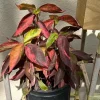
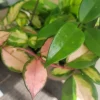
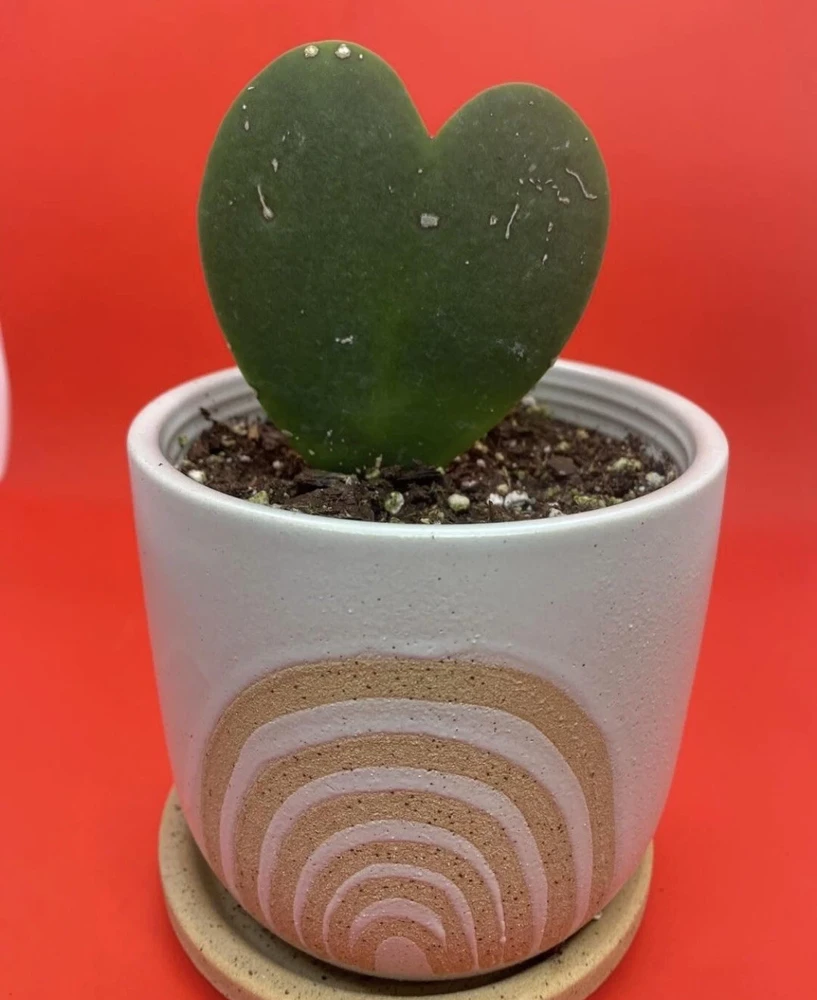
Hoya House Plant – Live Indoor Trailing Vine – Potted Houseplant
Original price was: $45.99.$25.99Current price is: $25.99.
Bring elegance to your home with a stunning hoya house plant. These beautiful, easy-care succulents are known for their waxy leaves and unique, fragrant flowers, making them a perfect addition to any indoor plant collection. Ideal for beginners and seasoned plant enthusiasts alike.
Estimated arrival
Oct 27
Nov 01 - Nov 03
Nov 06 - Nov 10
Shop With Confidence
30-Day Plant Health Guarantee
Arrives damaged? We’ll replace it free — see our return policy.
Responsive Support
Email us anytime, we reply within 1 business day.
Expert Packaging
Temperature-controlled shipping to protect your plants in transit.
Secure Checkout
Pay safely with Visa, Mastercard, PayPal.
Plant Specifications
-
USDA Hardiness Zone
USDA zones 10-11 (outdoors) or year-round indoors -
Soil Type
Well-draining potting mix (succulent or orchid mix) -
Sunlight Exposure
Bright indirect light -
Expected Planting Period
Year-round indoors
Overview
Welcome the charm of a hoya house plant into your indoor garden. Hoya, often referred to as ‘Wax Plants’ due to their thick, waxy foliage and porcelain-like flowers, are beloved for their unique beauty and relatively low-maintenance nature. These fascinating plants are primarily vining epiphytes, native to tropical and subtropical regions of Asia. They are renowned for their intricate, star-shaped flowers that often have a sweet, intoxicating fragrance, especially at night. Each hoya house plant offers a distinct personality, with a wide array of leaf shapes, sizes, and variegations, making them highly collectible and a joy to nurture. Whether you’re a seasoned plant parent or just starting your green journey, a Hoya will undoubtedly add a touch of exotic elegance and natural beauty to your living space.
Our selection provides a healthy, vibrant specimen ready to thrive in your home. Hoya plants are not only visually appealing but also known for their resilience, adapting well to various indoor conditions with proper care. They are excellent choices for hanging baskets, shelves, or trained on a trellis, showcasing their beautiful trailing habit. Investing in an indoor hoya plant means bringing a piece of tropical paradise into your home, enhancing your decor, and enjoying the serene presence of nature indoors.
Key Benefits
A hoya house plant offers numerous advantages, making it a fantastic choice for any plant enthusiast. Their unique characteristics contribute to both aesthetic appeal and ease of care, ensuring a rewarding experience.
- Stunning Ornamental Value: Hoya plants feature striking, often variegated, waxy leaves and produce clusters of star-shaped, fragrant flowers that add an exotic touch to any room. Their unique appearance makes them a focal point in any decor.
- Low Maintenance: These resilient plants are surprisingly easy to care for, requiring infrequent watering and tolerating a range of light conditions. This makes them ideal for busy individuals or those new to plant care.
- Air Purification: Like many houseplants, Hoya contribute to a healthier indoor environment by helping to filter out common airborne toxins, improving the air quality in your home.
- Versatile Display Options: With their vining and trailing habits, Hoya can be displayed in various ways – in hanging baskets, on shelves, or even trained to climb a small trellis, allowing for creative decorating.
- Long-Lived Companions: With proper hoya plant care, these plants can live for many years, becoming established and cherished members of your plant collection, offering continuous beauty and enjoyment.
- Unique Fragrance: Many Hoya varieties produce beautifully scented flowers, especially during the evening, adding a delightful natural aroma to your living space without artificial air fresheners.
- Pet-Friendly: Hoya plants are generally considered non-toxic to pets, making them a safer choice for households with curious cats and dogs, offering peace of mind.
Plant Care & Growing Tips
Caring for your hoya house plant is relatively straightforward, and with a few key considerations, it will flourish and potentially reward you with its beautiful blooms. Understanding the specific needs of your indoor hoya plant is crucial for its long-term health and vitality. These plants appreciate consistency and thrive when their basic requirements are met.
Sunlight Requirements: Hoya plants prefer bright, indirect light. An east or west-facing window is often ideal, providing ample light without the harshness of direct, scorching afternoon sun. While they can tolerate lower light, this may inhibit flowering. Too much direct sun can scorch their leaves, causing them to yellow or develop red edges. Rotate your plant occasionally to ensure even growth. For optimal flowering, a few hours of direct morning sun can be beneficial. When considering different hoya varieties, their light needs might slightly vary, but bright indirect light is a good general rule.
Watering Schedule: Hoya are succulents and prefer to dry out between waterings. Overwatering is the most common cause of Hoya problems. Allow the top inch or two of soil to dry completely before watering thoroughly. During the growing season (spring and summer), they will require more frequent watering than in their dormant period (fall and winter). Ensure your pot has drainage holes to prevent waterlogging, which can lead to root rot. When you water, do so until water drains from the bottom of the pot, then discard any excess water.
Soil Type and Drainage: A well-draining potting mix is essential for Hoya. A mix formulated for succulents or orchids, or a general potting mix amended with perlite, orchid bark, or pumice, works well. This provides the necessary aeration for their roots and prevents them from sitting in soggy soil. Good drainage is key to healthy hoya plant care.
Temperature and Humidity: Hoya thrive in average room temperatures, generally between 60-80°F (15-27°C). They are not frost-tolerant and should be protected from cold drafts. While they appreciate higher humidity, especially for flowering, they are quite adaptable to average household humidity levels. If your home is particularly dry, occasional misting or placing the plant near a humidifier can be beneficial.
Fertilization: Feed your Hoya every 2-4 weeks during the growing season (spring and summer) with a balanced liquid fertilizer diluted to half strength. Reduce or stop fertilizing during the fall and winter months when the plant’s growth slows down. Over-fertilization can harm the plant, so always err on the side of less.
Pests and Problems: Hoya are generally pest-resistant, but occasionally they can encounter mealybugs or spider mites. Inspect your plant regularly, especially the undersides of leaves and stem joints. Treat any infestations promptly with insecticidal soap or neem oil. Yellowing leaves can indicate overwatering or nutrient deficiency, while shriveled leaves might suggest underwatering. Adjust your hoya plant care routine accordingly.
Size & Details
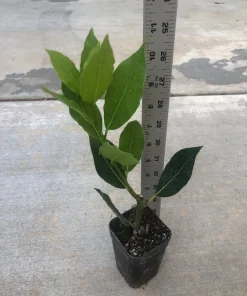
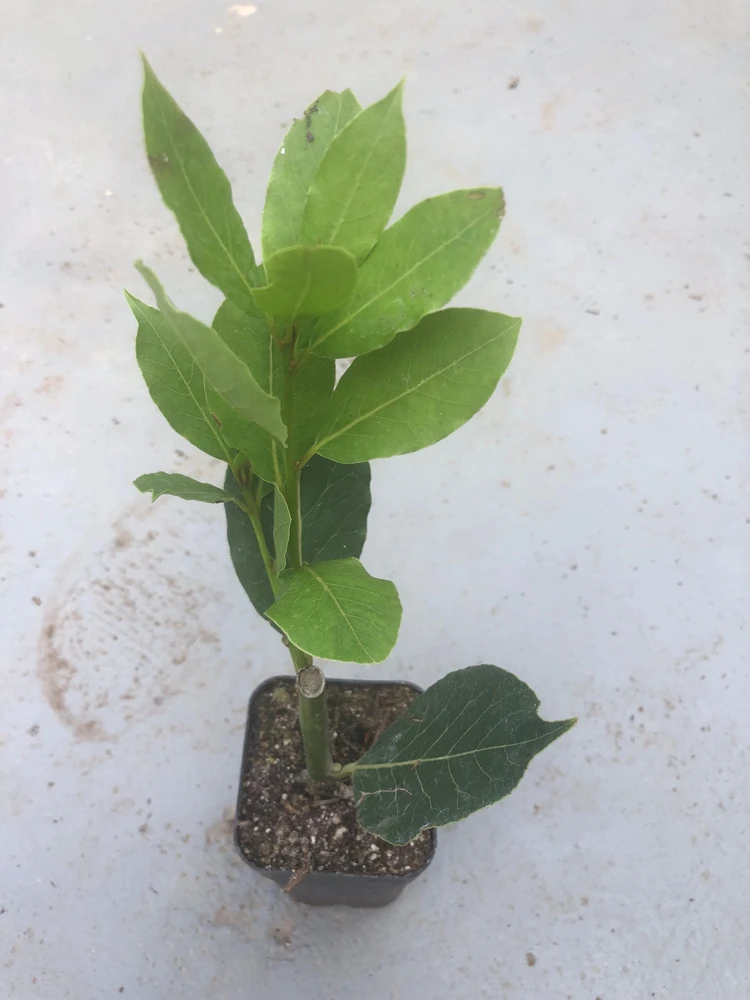
This hoya house plant is a vibrant, live specimen, carefully cultivated and ready to bring its unique beauty into your home. It typically ships as a well-rooted plant in a nursery pot, ensuring its health and stability upon arrival. The exact size and growth stage may vary slightly depending on the specific variety and growing conditions, but you can expect a healthy, established plant with several inches of trailing or upright growth. Hoya plants are known for their moderate growth rate, gradually developing into impressive specimens over time.
Once established, many hoya varieties can produce long, attractive vines, making them ideal for hanging displays or for training around a support. With consistent hoya plant care, you can expect your plant to reach a mature size that perfectly complements your indoor space, often growing several feet in length. The foliage is typically lush and green, sometimes with attractive variegation, providing year-round interest even when not in bloom. Flowering typically occurs in warmer months, once the plant is mature and receiving adequate light.
Frequently Asked Questions
- Q: How big does this plant get? A: The size of a hoya house plant can vary significantly by variety. Many Hoya are vining plants that can grow several feet long, especially when mature and given proper support or allowed to trail. The plant you receive will be a starter size, ready to grow.
- Q: What size pot does it come in? A: Your Hoya will typically arrive in a standard nursery pot, usually between 2-6 inches in diameter, suitable for its current size and root system. We recommend repotting into a slightly larger pot after it has acclimated to your home.
- Q: Is this an indoor or outdoor plant? A: While Hoya can thrive outdoors in very warm, humid climates (USDA zones 10-11+), they are primarily cultivated as indoor hoya plant specimens in most regions due to their sensitivity to cold. They excel as houseplants.
- Q: How much sunlight does it need? A: Hoya prefer bright, indirect light. They can tolerate some direct morning sun, which often encourages blooming, but should be protected from harsh afternoon sun to prevent leaf scorch.
- Q: Is this plant easy to care for? A: Yes, Hoya are considered relatively easy to care for, especially compared to some other houseplants. Their succulent-like nature means they are forgiving if you forget to water them occasionally, making hoya plant care manageable for most.
- Q: Is it good for beginners? A: Absolutely! Many hoya varieties are excellent choices for beginners due to their resilience and moderate care requirements. They are a great way to introduce yourself to the rewarding world of plant parenting.
- Q: What condition will it arrive in? A: Your Hoya will arrive as a healthy, live plant, carefully packaged to minimize stress during transit. It will be well-rooted in its nursery pot, ready for you to unbox and place in its new home.
- Q: Can I train my Hoya to climb? A: Yes, many Hoya varieties are natural climbers or trailers. You can provide a small trellis, moss pole, or other support structure to encourage its vining growth upwards, or let it cascade elegantly from a hanging basket.
- Q: How often should I fertilize my Hoya? A: Fertilize your hoya house plant every 2-4 weeks during the active growing season (spring and summer) with a diluted liquid fertilizer. Reduce or stop feeding during fall and winter.
- Q: Are Hoya plants pet-safe? A: Hoya plants are generally considered non-toxic to cats and dogs according to the ASPCA, making them a safer choice for homes with pets. However, it’s always best to prevent pets from ingesting any plant material.
Be the first to review “Hoya House Plant – Live Indoor Trailing Vine – Potted Houseplant”
People Also Viewed
Seeds
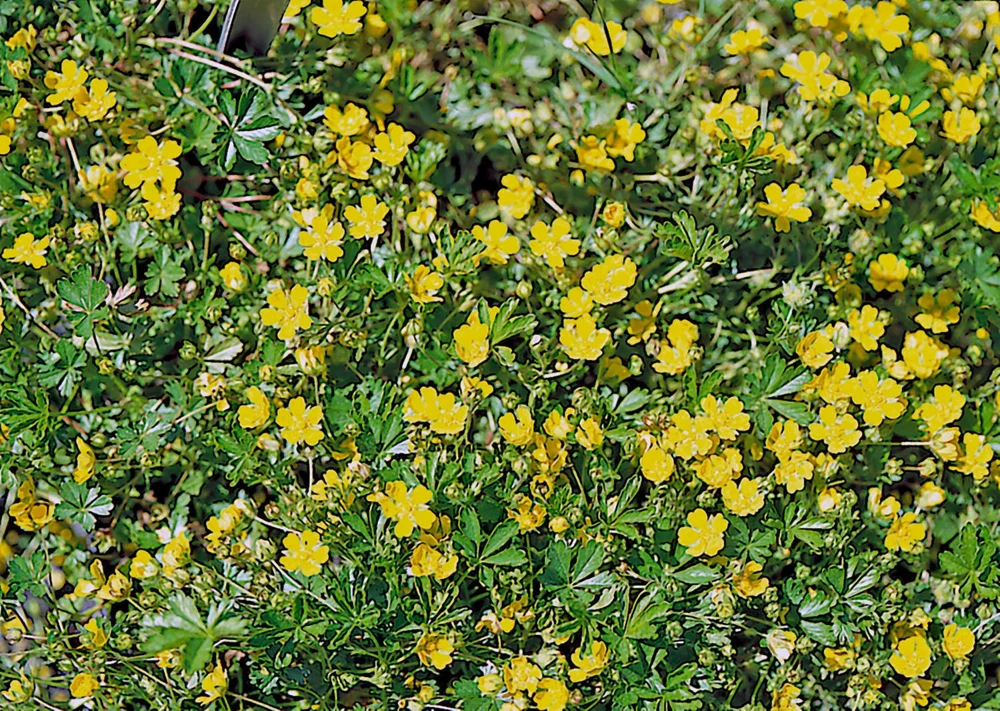
Potentilla Neumanni Nana Seeds – 1000 Seeds for Groundcover, Perennial, Yellow Flowers, Outdoor
Reviews
There are no reviews yet.