
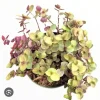
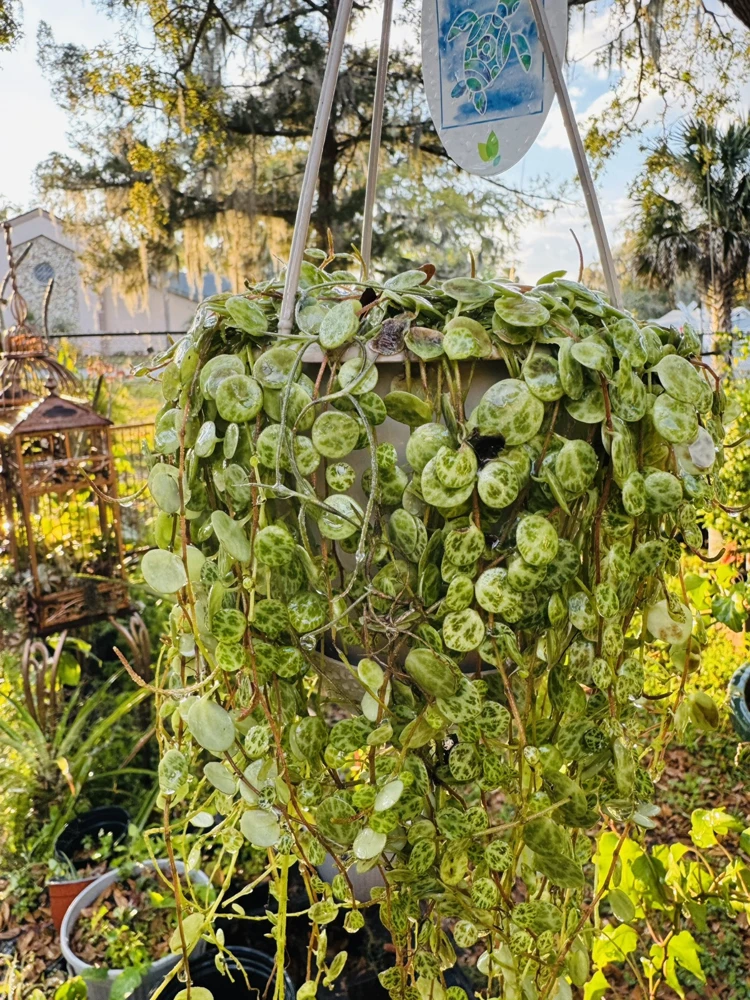
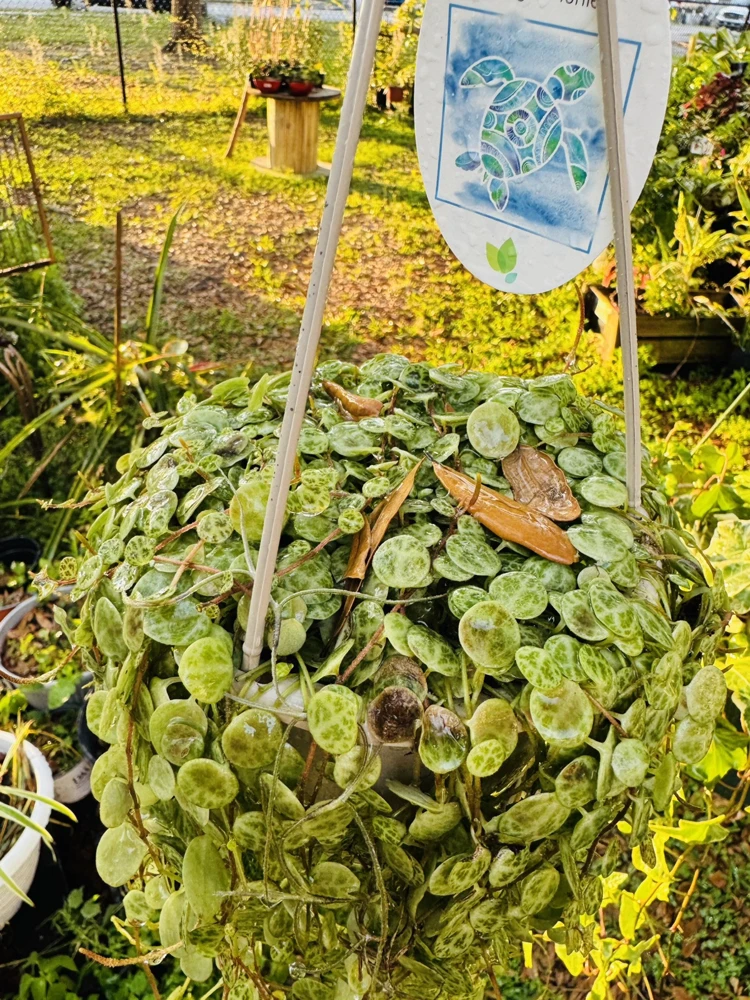
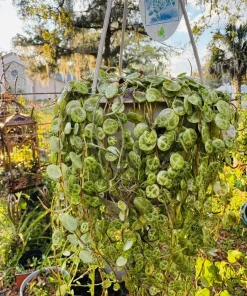
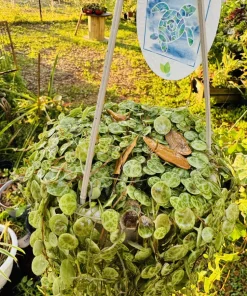
String of Turtles Peperomia Prostrata Live Plant – Hanging Basket
Original price was: $81.99.$61.99Current price is: $61.99.
Bring unique charm to your home with a beautiful String of Turtles live plant. This Peperomia Prostrata indoor plant features delicate, turtle-shell-like leaves, perfect for hanging baskets or shelves, adding natural elegance to any space.
Estimated arrival
Oct 27
Nov 01 - Nov 03
Nov 06 - Nov 10
Shop With Confidence
30-Day Plant Health Guarantee
Arrives damaged? We’ll replace it free — see our return policy.
Responsive Support
Email us anytime, we reply within 1 business day.
Expert Packaging
Temperature-controlled shipping to protect your plants in transit.
Secure Checkout
Pay safely with Visa, Mastercard, PayPal.
Plant Specifications
-
USDA Hardiness Zone
unknown -
Soil Type
well-draining potting mix -
Sunlight Exposure
bright indirect light -
Expected Planting Period
year-round indoors
Overview
Introduce a captivating botanical accent to your indoor garden with the exquisite String of Turtles live plant. Scientifically known as Peperomia prostrata, this delightful houseplant is celebrated for its distinctive foliage that resembles tiny turtle shells, linked together on delicate, trailing vines. Often referred to simply as ‘String of Turtles’ or ‘Turtle Vine’, this plant is a true conversation starter and a favorite among plant enthusiasts. Its unique appearance makes it an ideal choice for hanging baskets, allowing its charming vines to cascade gracefully, or for adorning shelves where its intricate patterns can be admired up close. The Peperomia Prostrata indoor plant offers a unique blend of elegance and whimsy, bringing a touch of nature’s artistry into your living space. This particular offering is for a vibrant, healthy live plant, ready to thrive in its new home.
The String of Turtles live plant is a relatively compact and slow-growing variety of Peperomia, making it suitable for smaller spaces and those who appreciate intricate details. Its leaves are not only patterned but also slightly succulent, allowing it to store water and making it somewhat forgiving if you occasionally forget to water. This resilience, combined with its stunning visual appeal, contributes to its widespread popularity. Whether you are a seasoned collector or new to the world of houseplants, the ‘String of Turtles’ provides a rewarding and beautiful addition to any collection, promising to enchant with its miniature, mosaic-like leaves.
Key Benefits
The String of Turtles live plant offers numerous advantages that make it a highly desirable addition to any indoor plant collection. Its aesthetic appeal is undeniable, but it also boasts several practical benefits for plant lovers.
- Unique Decorative Appeal: The most striking feature of the String of Turtles live plant is its delicate, round leaves with intricate patterns resembling miniature turtle shells. These patterns, combined with its trailing growth habit, create a visually captivating display perfect for hanging baskets or elevated shelves.
- Compact & Manageable Growth: This Peperomia Prostrata care is relatively easy due to its moderate growth rate and compact size, making it suitable for apartments, offices, or any space where you want a beautiful plant without it taking over.
- Air Purifying Qualities: Like many houseplants, the ‘String of Turtles’ contributes to a healthier indoor environment by helping to filter and purify the air, promoting a fresher atmosphere in your home or office.
- Low Maintenance: The Peperomia Prostrata indoor plant is known for being relatively undemanding, making it an excellent choice for both beginner and experienced plant parents. It doesn’t require constant attention, fitting well into busy lifestyles.
- Versatile Display Options: Its trailing vines make it an ideal candidate for a String of Turtles hanging plant, allowing its beauty to cascade. It also looks fantastic in terrariums or as a tabletop accent, adding charm wherever it’s placed.
- Pet-Friendly: While it’s always best to keep plants out of reach of pets, Peperomia prostrata is generally considered non-toxic to cats and dogs, offering some peace of mind for pet owners.
- Unique Texture and Color: The variegated green and red-purple undersides of the leaves add a rich texture and subtle color variation, providing visual interest that few other plants can match.
Plant Care & Growing Tips
Caring for your String of Turtles live plant, or Peperomia Prostrata indoor plant, is relatively straightforward, making it a joy for gardeners of all levels. Success hinges on providing the right balance of light, water, and humidity. For optimal growth and to maintain its vibrant appearance, position your plant where it will receive bright, indirect light. Direct sunlight can scorch its delicate leaves, while too little light may lead to leggy growth and faded patterns. An east or north-facing window is often ideal, or a spot a few feet away from a south or west-facing window. This plant thrives in consistent conditions, so try to avoid drastic changes in its environment.
When it comes to watering, the String of Turtles live plant prefers its soil to dry out almost completely between waterings. Overwatering is a common pitfall and can lead to root rot. Check the soil moisture by sticking your finger about an inch or two into the soil; if it feels dry, it’s time to water thoroughly until water drains from the bottom of the pot. Reduce watering frequency during the cooler, darker months of winter when the plant’s growth slows down. The ‘Turtle Vine’ appreciates high humidity, so consider misting it occasionally, placing it near a humidifier, or grouping it with other plants to create a microclimate. Use a well-draining potting mix, ideally one formulated for succulents or a standard houseplant mix amended with perlite or orchid bark, to ensure proper aeration and drainage.
Fertilize your String of Turtles hanging plant sparingly during the growing season (spring and summer) with a diluted liquid houseplant fertilizer. Too much fertilizer can harm the plant. Repotting is generally only needed every 1-2 years or when the plant becomes root-bound, as it prefers to be slightly snug in its pot. Watch out for common pests like mealybugs or spider mites, which can be treated with insecticidal soap. Providing the right environment and consistent, mindful care will allow your turtle vine plant to flourish and continue to enchant with its unique beauty.
Size & Details
This offering is for a healthy, established String of Turtles live plant, typically shipped in a nursery pot, ready for you to transplant into your preferred decorative hanging basket or container. The plant usually features multiple trailing vines, often reaching lengths of 6 to 12 inches, with the potential to grow longer with proper care. Each vine is adorned with numerous small, round leaves, approximately 0.5 to 1 inch in diameter, showcasing their signature turtle-shell-like variegation. The plant will arrive well-rooted and actively growing, providing an instant splash of lush greenery and unique texture to your chosen space.
The growth rate of the Peperomia Prostrata indoor plant is moderate, allowing you to enjoy its development without it becoming unruly too quickly. With ideal conditions, you can expect new vines and leaves to emerge consistently during the warmer months. When fully mature, a well-cared-for String of Turtles hanging plant can create a dense, cascading display that is truly spectacular. We ensure that our plants are carefully inspected and packed to withstand transit, arriving at your doorstep in excellent condition, ready to thrive and become a cherished part of your indoor plant collection.
Frequently Asked Questions
- Q: How big does this plant get? A: The String of Turtles live plant typically produces vines that can trail 6 to 12 inches or more, creating a lovely cascading effect. The individual leaves are small, usually 0.5 to 1 inch in diameter.
- Q: Is this an indoor or outdoor plant? A: The Peperomia Prostrata indoor plant is best suited for indoor environments as it prefers stable temperatures and bright, indirect light. It can be grown outdoors in very warm, humid climates, but generally thrives as a houseplant.
- Q: How much sunlight does it need? A: This plant requires bright, indirect light. Avoid direct sun exposure, which can scorch its leaves. A north or east-facing window is often ideal, or a spot a few feet away from a brighter window.
- Q: Is this plant easy to care for? A: Yes, the String of Turtles live plant is considered relatively easy to care for, making it suitable for both beginners and experienced plant enthusiasts. Its main requirements are consistent, indirect light and careful watering.
- Q: What condition will it arrive in? A: Your String of Turtles live plant will arrive as a healthy, well-rooted specimen in a nursery pot, carefully packaged to ensure its safe journey to your home.
- Q: What is the best way to water my String of Turtles? A: Water your turtle vine plant when the top inch or two of soil feels dry to the touch. Water thoroughly until it drains from the bottom, then allow the soil to dry out again before the next watering to prevent root rot.
- Q: Is the String of Turtles plant pet-safe? A: Yes, Peperomia prostrata is generally considered non-toxic to pets, including cats and dogs, according to the ASPCA. However, it’s always wise to prevent pets from munching on plants.
- Q: Does this plant need high humidity? A: While not strictly necessary, the Peperomia Prostrata care benefits from higher humidity. You can increase humidity by misting, using a pebble tray, or placing it near a humidifier.
- Q: When is the best time to fertilize my String of Turtles? A: Fertilize sparingly during the spring and summer growing seasons, using a balanced liquid houseplant fertilizer diluted to half strength. Reduce or stop fertilizing in fall and winter.
- Q: Can I propagate my String of Turtles plant? A: Yes, the String of Turtles hanging plant can be easily propagated from stem cuttings. Simply take a cutting with several leaves and place it in moist soil or water until roots develop.
Be the first to review “String of Turtles Peperomia Prostrata Live Plant – Hanging Basket”
People Also Viewed
Flower Bulbs

Houseplants
Set of 2 Purple Alocasia Elephant Ear Live Plants, 4-8 Inch Tall Tropical Foliage for Indoor/Outdoor
Reviews
There are no reviews yet.