
Myoga Ginger Live Plant – Zingiber mioga – 2 Inch Pot – Outdoor Perennial
Original price was: $54.99.$37.99Current price is: $37.99.
Cultivate your own unique spice with this myoga ginger live plant. Also known as Zingiber mioga, this perennial offers edible flower buds and a distinctive flavor. Thrives in part to full shade, making it an excellent addition to woodland gardens or shady beds. Ships in a 2-inch pot, ready for planting.
Estimated arrival
Oct 25
Oct 30 - Nov 01
Nov 04 - Nov 08
Shop With Confidence
30-Day Plant Health Guarantee
Arrives damaged? We’ll replace it free — see our return policy.
Responsive Support
Email us anytime, we reply within 1 business day.
Expert Packaging
Temperature-controlled shipping to protect your plants in transit.
Secure Checkout
Pay safely with Visa, Mastercard, PayPal.
Plant Specifications
-
USDA Hardiness Zone
6-9 -
Soil Type
Rich, well-draining soil -
Sunlight Exposure
Part to Full Shade -
Expected Planting Period
Spring to early summer
Overview
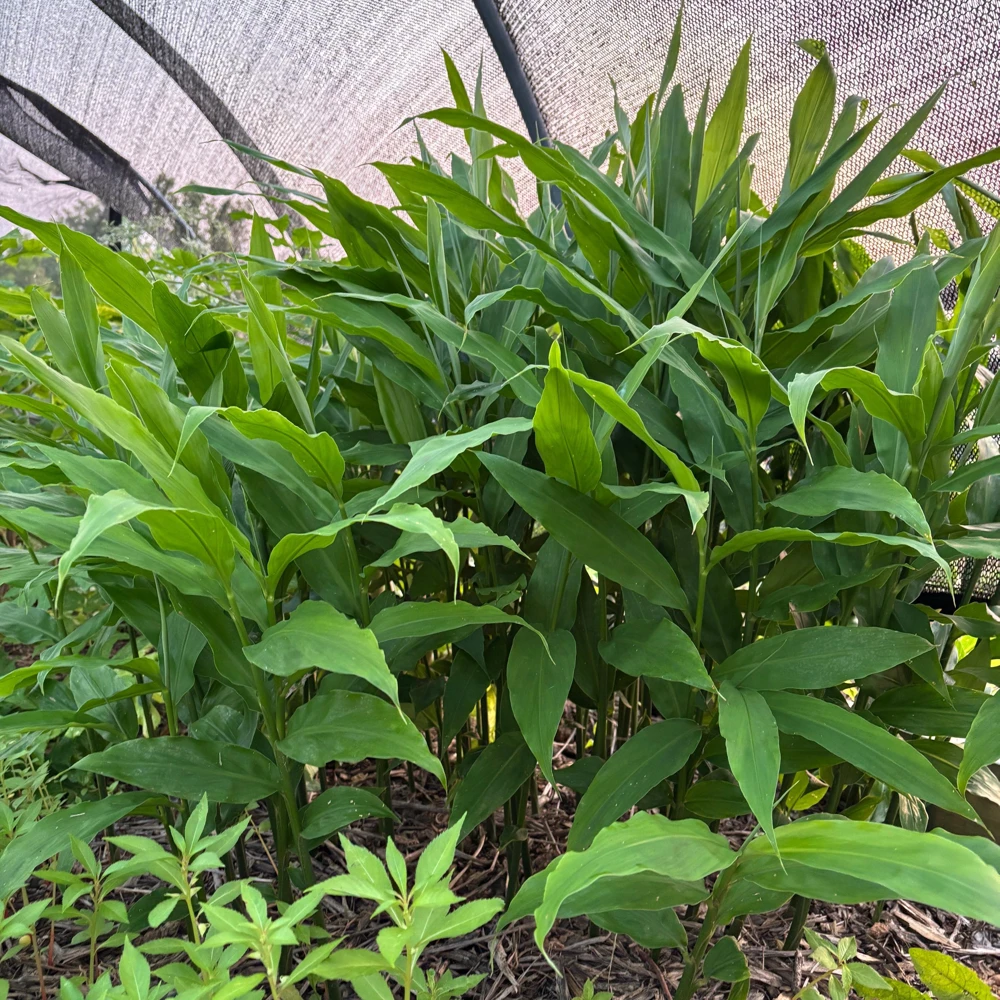
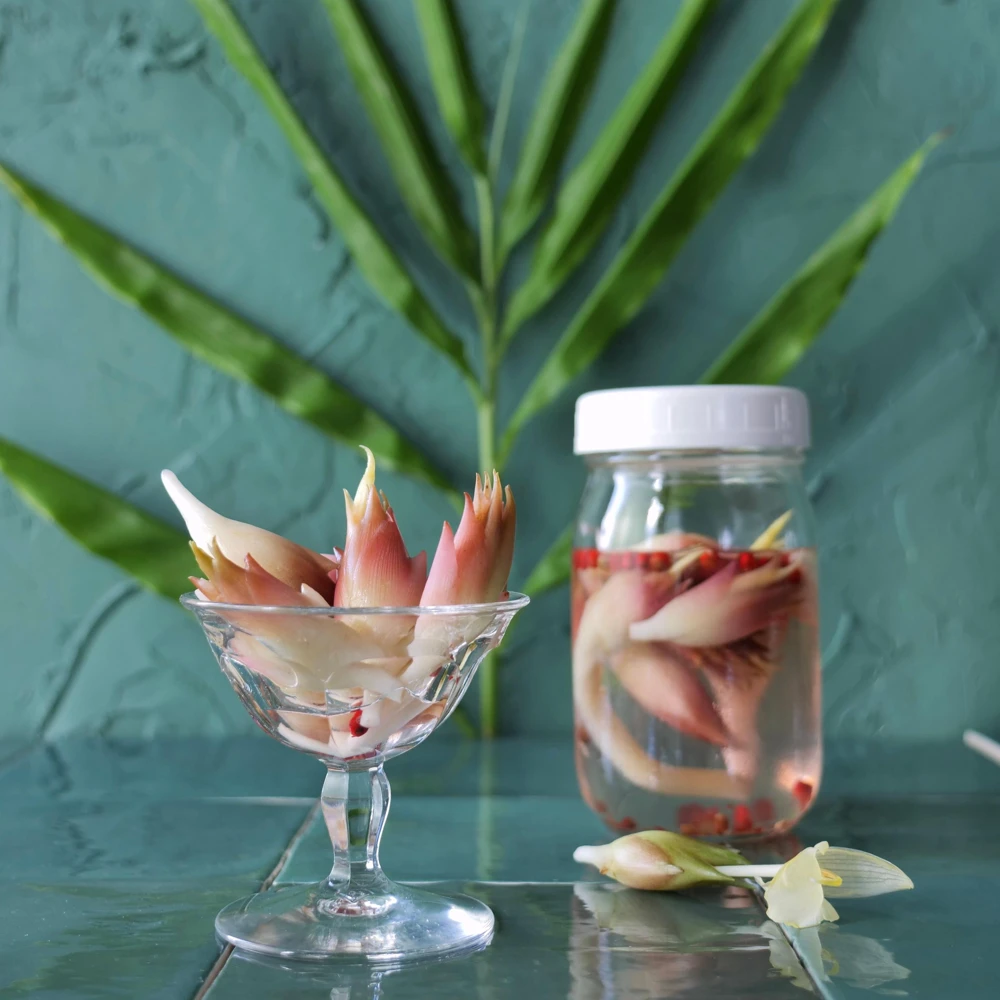
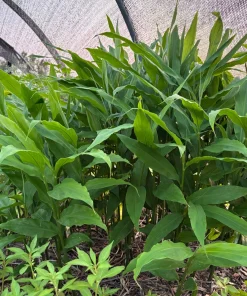
Discover the exotic flavor and ornamental beauty of the myoga ginger live plant. This unique perennial, scientifically known as Zingiber mioga, is a fascinating addition to any garden, especially for those who enjoy culinary herbs and unique edibles. Originating from Eastern Asia, Myoga ginger is primarily cultivated for its edible flower buds, which offer a crisp texture and a refreshing, slightly spicy, and aromatic flavor profile. Unlike common ginger, the rhizome of Myoga ginger is not typically consumed. This robust plant forms attractive clumps of lush green foliage, reaching heights of 1.5 to 2.5 feet, making it an excellent groundcover or accent plant in shaded areas. It’s a hardy and relatively low-maintenance choice for gardeners looking to expand their edible landscape with something truly special.
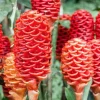
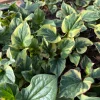
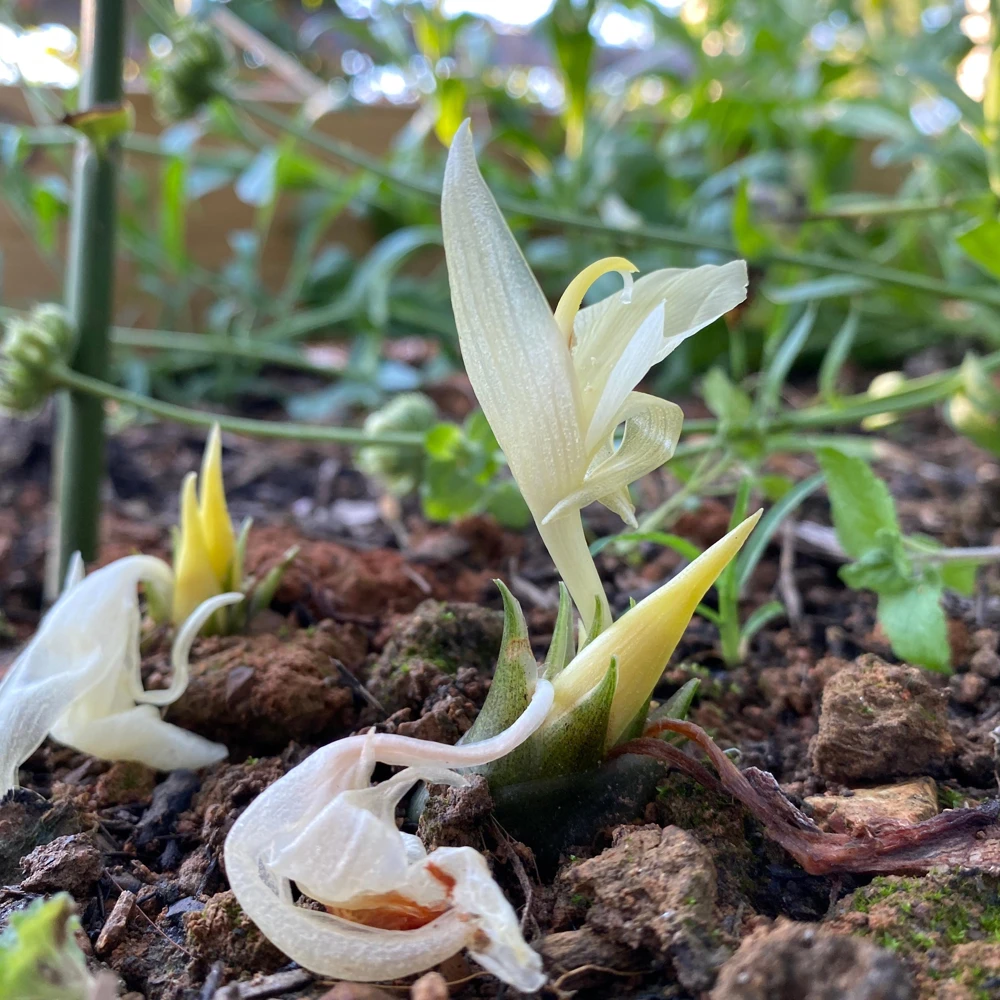
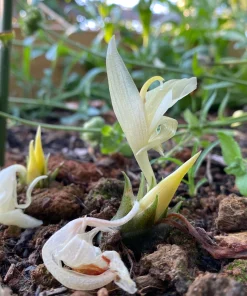
Whether you’re a seasoned gardener or just starting out, growing myoga ginger live plant offers a rewarding experience. Its distinctive flavor is highly prized in Japanese cuisine, often used thinly sliced in salads, soups, tempura, or as a garnish. Beyond its culinary appeal, the plant itself is quite attractive, with its lance-shaped leaves and unusual, pale yellow flower buds emerging directly from the soil surface in late summer to early autumn. This live plant comes in a 2-inch pot, ensuring it arrives healthy and ready for you to transplant into your garden or a larger container.
Key Benefits
The myoga ginger live plant offers a multitude of benefits, from its unique culinary contributions to its aesthetic appeal and ease of care. Incorporating this plant into your garden provides both a distinctive edible and a beautiful, shade-loving perennial.
- Unique Culinary Ingredient: Harvest the tender flower buds to add a distinctive, refreshing, and slightly pungent flavor to a wide range of dishes. Myoga is a staple in Japanese cuisine, perfect for garnishes, pickles, or enhancing seafood and vegetable dishes. Growing myoga ginger live plant ensures a fresh supply for your culinary adventures.
- Ornamental Appeal: Beyond its edible qualities, Zingiber mioga boasts lush, tropical-looking foliage that adds texture and interest to shaded garden spots. Its upright growth habit and vibrant green leaves create a beautiful backdrop or focal point.
- Shade-Loving Perennial: Thrives in part to full shade, making it an ideal plant for those challenging areas under trees or on the north side of buildings where many other plants struggle. This adaptability simplifies garden planning.
- Low Maintenance: Once established, myoga ginger live plant requires minimal care, primarily needing consistent moisture and protection from harsh sun. It’s relatively pest and disease resistant, offering an easy-care solution for busy gardeners.
- Hardy and Resilient: Tolerant of colder climates than tropical ginger, Myoga ginger is hardy in USDA Zones 6-9, making it a reliable perennial in many regions. Its ability to withstand cooler temperatures ensures it returns year after year.
- Conversation Starter: Its unusual appearance and unique flavor profile make it a great conversation piece among gardening enthusiasts and foodies alike. Learning about growing myoga ginger can be a fun and educational experience.
Plant Care & Growing Tips
Caring for your myoga ginger live plant is straightforward, especially when you understand its preferred growing conditions. This plant thrives in environments that mimic its native woodland habitats in Eastern Asia. The most crucial aspect of its care is ensuring it receives adequate shade and consistent moisture. Myoga ginger performs best in part shade to full shade, meaning it should receive no more than a few hours of direct morning sun; afternoon sun can scorch its leaves. For optimal growth, choose a location with dappled light or a spot that remains shaded throughout the day.
When it comes to soil, Zingiber mioga prefers rich, well-draining soil with a slightly acidic to neutral pH. Amend heavy clay soils with compost or other organic matter to improve drainage and fertility. Consistent moisture is key; the soil should remain evenly moist but never waterlogged, as this can lead to rhizome rot. During dry spells, especially in warmer climates, regular watering is essential. A layer of mulch around the base of the plant can help retain soil moisture and suppress weeds. For robust growth and abundant flower bud production, fertilize in spring with a balanced, slow-release granular fertilizer or a liquid feed every few weeks during the growing season. Understanding zingiber mioga care will ensure a healthy, productive plant.
The myoga ginger live plant is hardy in USDA Zones 6-9. In colder parts of its range, the foliage will die back in winter, but the rhizomes will overwinter underground and re-emerge in spring. In warmer climates, it may remain evergreen. Protect young plants from strong winds, which can damage the delicate leaves. While generally pest-resistant, keep an eye out for slugs and snails, which may be attracted to the foliage. Harvesting typically occurs in late summer to early autumn when the flower buds emerge from the soil. Simply cut the buds at the base before they open. For those interested in growing myoga ginger, these tips will set you up for success.
Size & Details
This myoga ginger live plant is shipped as a healthy, actively growing specimen in a 2-inch band pot. Band pots are designed to promote strong root development, ensuring your plant establishes quickly in its new environment. Upon arrival, the plant will typically stand a few inches tall with established foliage, ready for transplanting. Myoga ginger is a moderately fast grower, and with proper care, it will quickly develop into a lush clump. Mature plants typically reach a height of 1.5 to 2.5 feet (approximately 45-75 cm) and can spread to a similar width, forming an attractive groundcover or specimen plant.
The flower buds, which are the edible part, develop directly from the rhizomes at ground level and are usually harvested in late summer to early fall. Expect your plant to begin producing flower buds within one to two growing seasons after planting, depending on grow conditions and establishment. The perennial nature of this plant means it will return year after year, providing a continuous supply of this unique culinary delight. The plant’s family is Zingiberaceae, indicating its relation to other gingers, and it is native to Eastern Asia. Consider myoga ginger culinary uses as you plan your harvest.
Frequently Asked Questions
- Q: How big does this plant get? A: The myoga ginger live plant typically grows to a height of 1.5 to 2.5 feet (45-75 cm) and can spread similarly, forming a dense clump of foliage.
- Q: What size pot does it come in? A: This plant is shipped in a 2-inch band pot, which is ideal for promoting strong root growth and easy transplanting into your garden or a larger container.
- Q: Is this an indoor or outdoor plant? A: Myoga ginger is primarily an outdoor plant, hardy in USDA Zones 6-9. It can be grown in containers and brought indoors in colder climates, but it thrives best outdoors in shaded garden settings.
- Q: How much sunlight does it need? A: It prefers part to full shade. Avoid direct afternoon sun, which can scorch its leaves. Dappled sunlight or morning sun is ideal for zingiber mioga care.
- Q: Is this plant easy to care for? A: Yes, Myoga ginger is relatively easy to care for. It requires consistent moisture, well-draining soil, and a shaded location. Once established, it is quite low-maintenance.
- Q: What condition will it arrive in? A: Your myoga ginger live plant will arrive healthy, actively growing, and well-rooted in its 2-inch pot, carefully packaged to ensure safe transit.
- Q: Can I use myoga ginger in cooking? A: Absolutely! The flower buds are highly prized in Japanese cuisine. They can be sliced thinly and used in salads, soups, stir-fries, or as a garnish. Explore various myoga ginger culinary uses.
- Q: How long until it blooms? A: Myoga ginger typically produces its edible flower buds in late summer to early autumn, usually within one to two growing seasons after planting.
- Q: Will it survive winter in my zone? A: If you are in USDA Zones 6-9, the rhizomes will overwinter underground and re-emerge in spring. In colder zones, you may need to protect it or grow it as an annual/container plant.
- Q: What is the best way of growing myoga ginger? A: The best way is to plant it in a shaded area with rich, consistently moist, well-draining soil. Provide regular watering, especially during dry periods, and a layer of mulch.
Be the first to review “Myoga Ginger Live Plant – Zingiber mioga – 2 Inch Pot – Outdoor Perennial”
People Also Viewed
Succulents
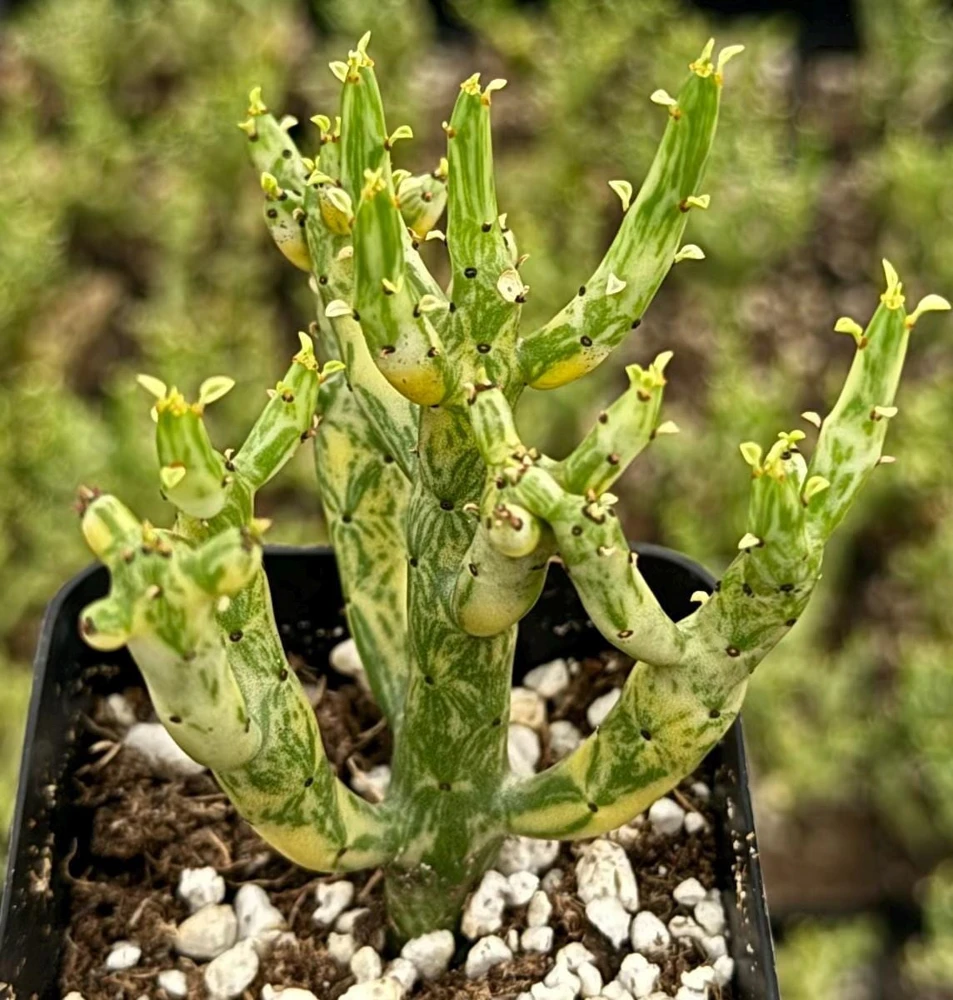
Variegated Pencil Cactus Live Plant – Euphorbia tirucalli ‘Variegata’ Succulent – 4 Inch Pot
Houseplants
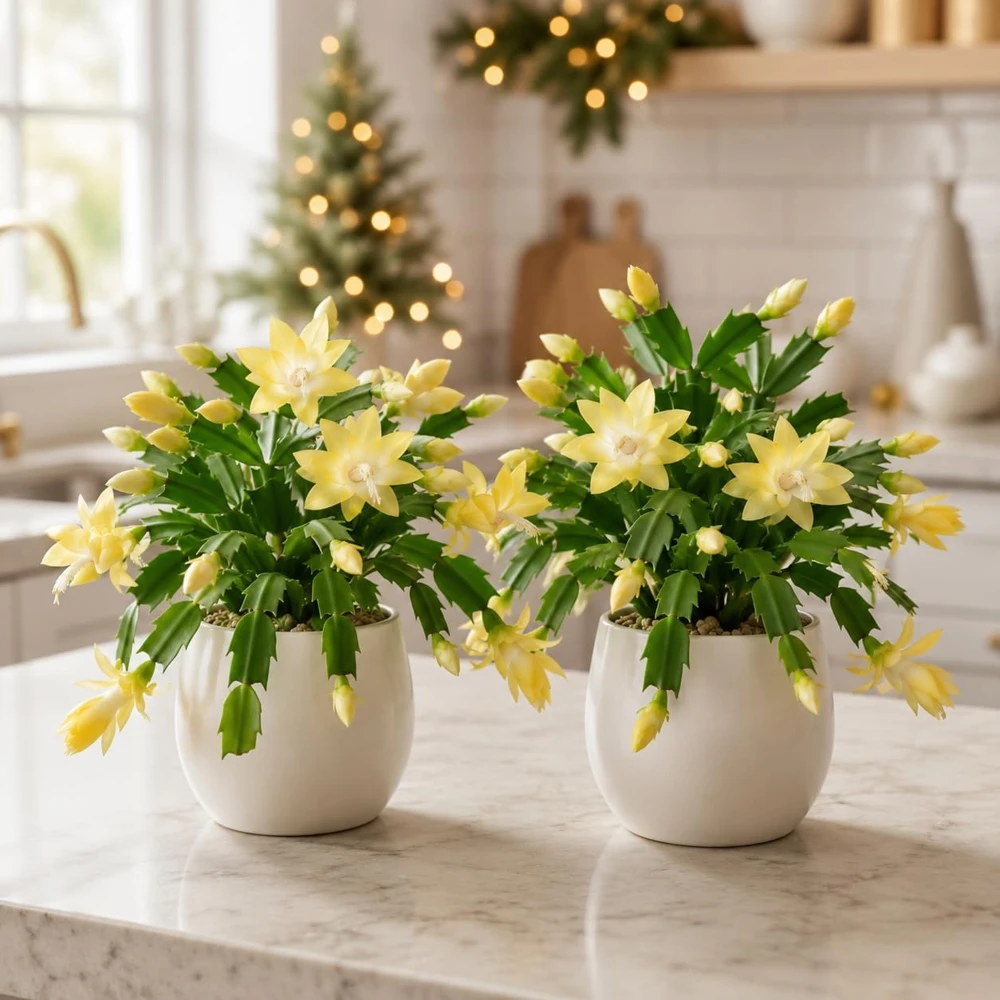
Set of 4 Yellow Christmas Cactus Live Plants – 4-8 Inch Tall Tropical Thanksgiving Cactus

Flower Seeds
Herbs
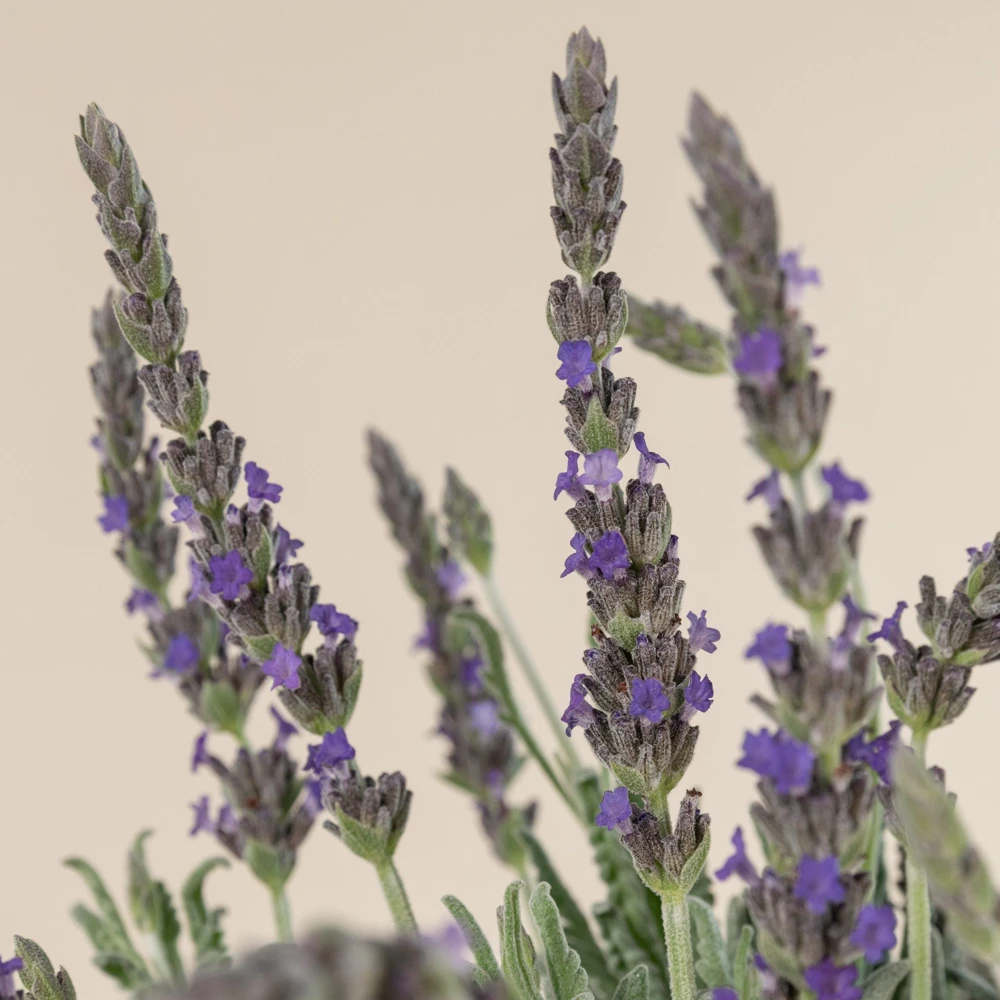
Goodwin Creek Lavender Live Plants 3-Pack – Lavandula × ginginsii – 4-6″ Tall – Indoor/Outdoor

Trees
Pin Oak Live Tree (Quercus palustris) – Fast Growing Shade Tree, 12-18″ Tall in 3.5″ Pot, Outdoor
Reviews
There are no reviews yet.