

2 Oxeye Daisy Live Plants – Perennial Wildflower – 3 inch Pots – Classic White Blooms
Original price was: $49.99.$29.99Current price is: $29.99.
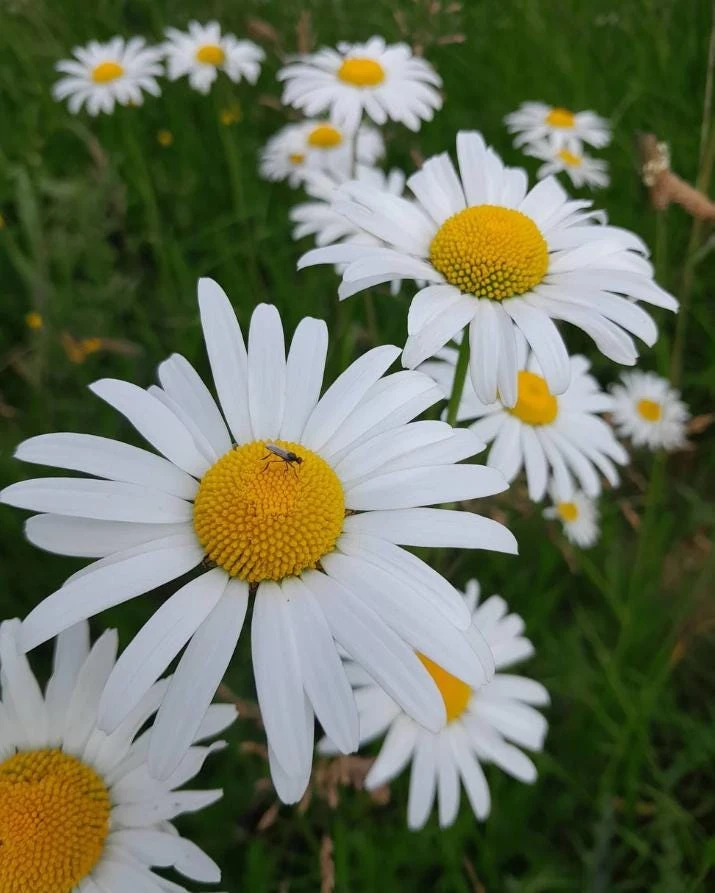
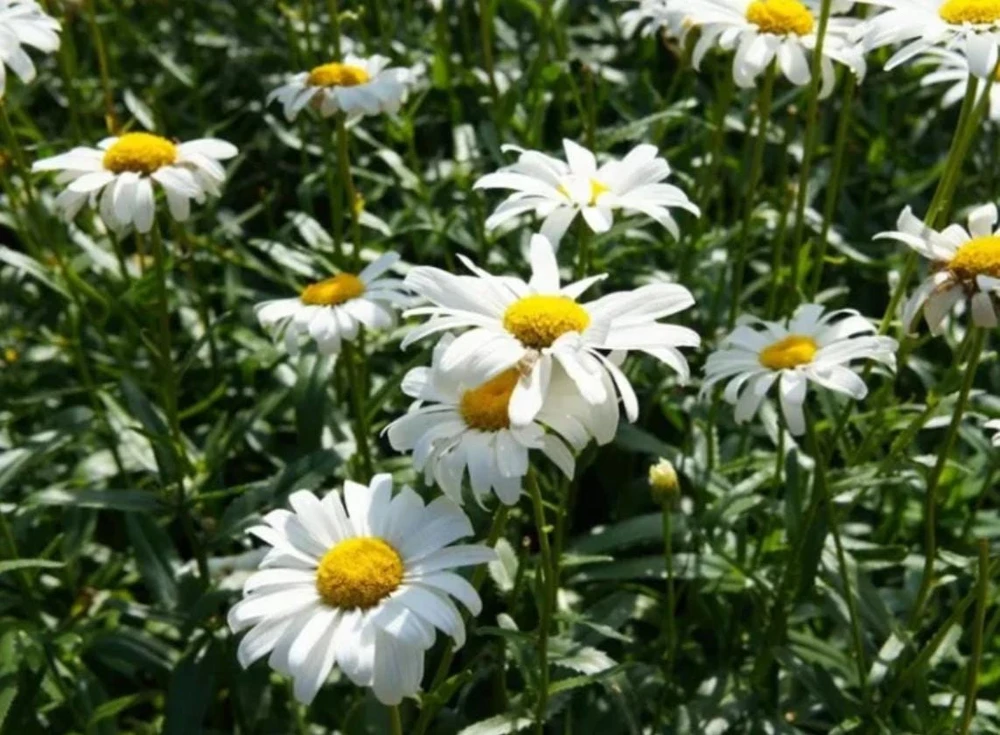
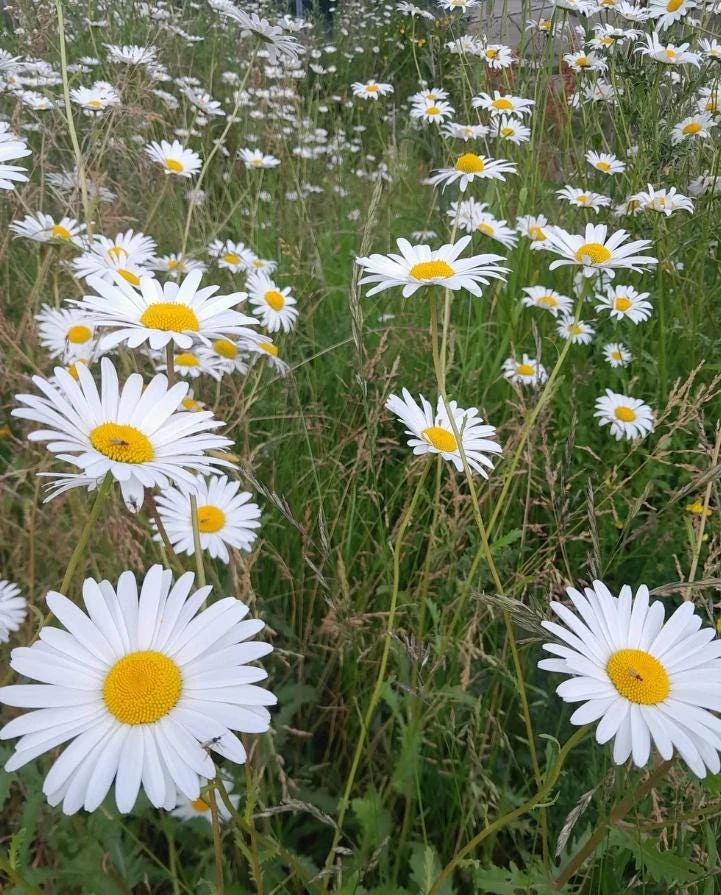
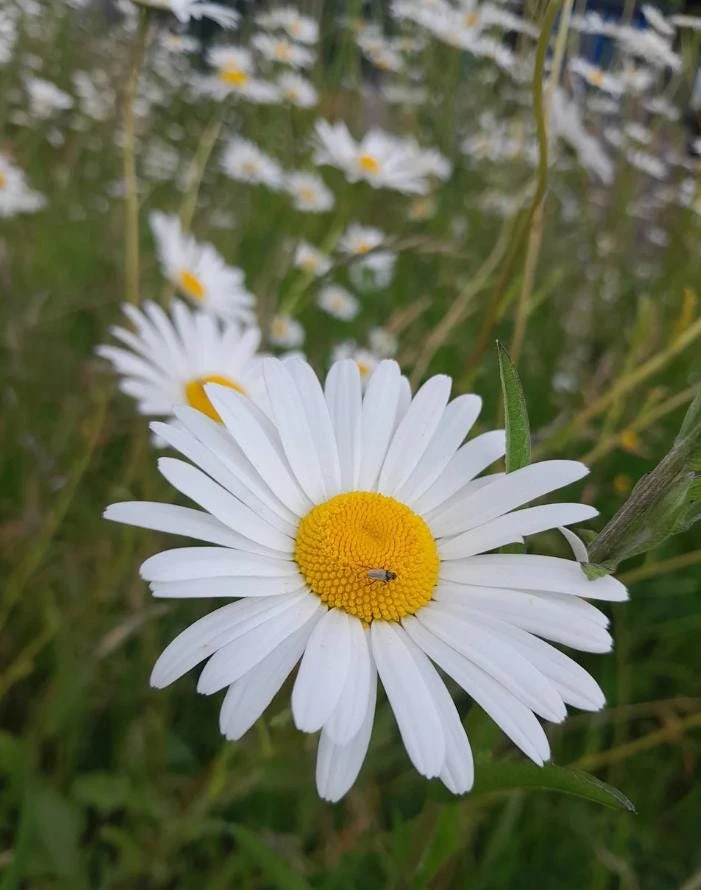
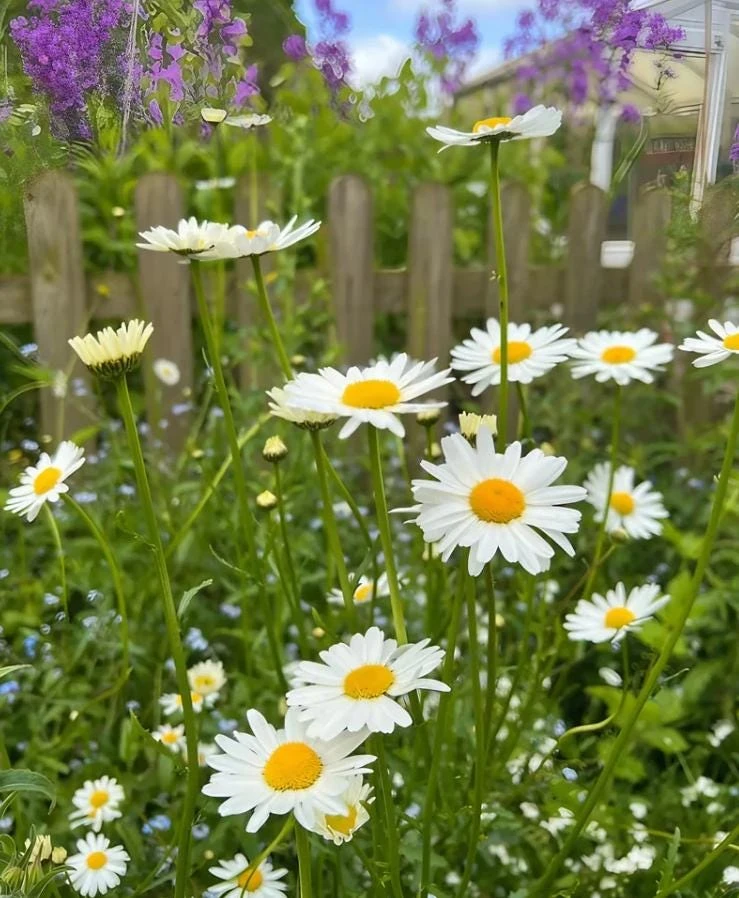
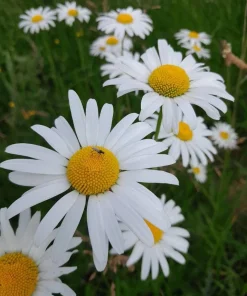
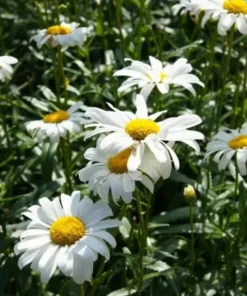
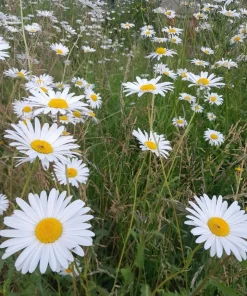
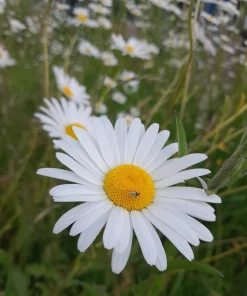
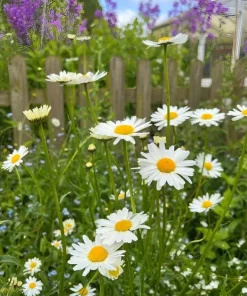
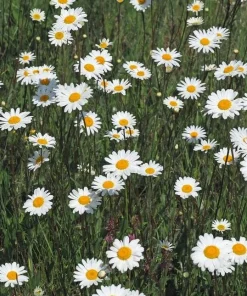
Bring timeless charm to your garden with this set of 2 Oxeye Daisy live plant starters. Known for their iconic white daisy blooms with bright yellow centers, these perennial wildflower plant specimens are perfect for creating a beautiful meadow garden plant or naturalized border. Easy to grow and cold-hardy, they thrive in full sun.
Estimated arrival
Sep 29
Oct 04 - Oct 06
Oct 09 - Oct 13
Shop With Confidence
30-Day Plant Health Guarantee
Arrives damaged? We’ll replace it free — see our return policy.
Responsive Support
Email us anytime, we reply within 1 business day.
Expert Packaging
Temperature-controlled shipping to protect your plants in transit.
Secure Checkout
Pay safely with Visa, Mastercard, PayPal.
Plant Specifications
-
USDA Hardiness Zone
USDA zones 3-9 -
Soil Type
Well-draining soil -
Sunlight Exposure
Full sun -
Expected Planting Period
Spring to early summer
Overview
Introduce classic, cheerful beauty to your outdoor space with this set of 2 Oxeye Daisy live plant starters. Scientifically known as Leucanthemum vulgare, the Oxeye Daisy is a beloved perennial wildflower plant, celebrated for its simple yet striking aesthetic. Each plant arrives in a 3-inch nursery pot, ready for transplanting into your garden. These robust plants will quickly establish themselves, bringing a natural, meadow-like charm with their iconic white daisy blooms and bright golden centers. Ideal for creating a serene and inviting atmosphere, the Oxeye Daisy is a versatile choice for various garden designs, from formal borders to expansive naturalized areas, making it an excellent meadow garden plant.
Originating from Europe and Asia, the Oxeye Daisy has become a naturalized favorite across North America, prized for its hardiness and ease of care. It’s a fantastic option for gardeners seeking low-maintenance yet high-impact floral displays. The vibrant green foliage provides a lush backdrop for the profusion of blooms that emerge from late spring through summer, attracting pollinators like butterflies and bees. Whether you’re a seasoned gardener or just starting, these Oxeye Daisy live plant starters offer a rewarding and beautiful addition to any landscape.
Key Benefits
The Oxeye Daisy offers a wealth of advantages for any gardener looking to enhance their outdoor environment. These benefits extend beyond just visual appeal, contributing to a healthier and more vibrant ecosystem:
- Classic Aesthetic Appeal: Enjoy the timeless beauty of pure white daisy blooms with sunny yellow centers, reminiscent of idyllic meadows and pastoral landscapes. These flowers provide a fresh, clean look to any garden setting.
- Hardy Perennial Growth: As a robust perennial wildflower plant, the Oxeye Daisy returns year after year, offering reliable beauty without the need for annual replanting. It’s cold-hardy and resilient in various conditions.
- Pollinator Magnet: The cheerful blooms are a favorite of bees, butterflies, and other beneficial insects, helping to support local ecosystems and improve garden biodiversity. Create a vibrant, buzzing haven in your yard.
- Low Maintenance: Once established, this leucanthemum vulgare requires minimal care, making it an excellent choice for busy gardeners. It’s drought-tolerant and adaptable to a range of soil types, reducing the need for constant attention.
- Versatile Landscaping: Perfect for creating a charming meadow garden plant effect, naturalizing open spaces, filling borders, or adding a touch of wild elegance to cottage gardens. Its adaptability ensures it fits into many design schemes.
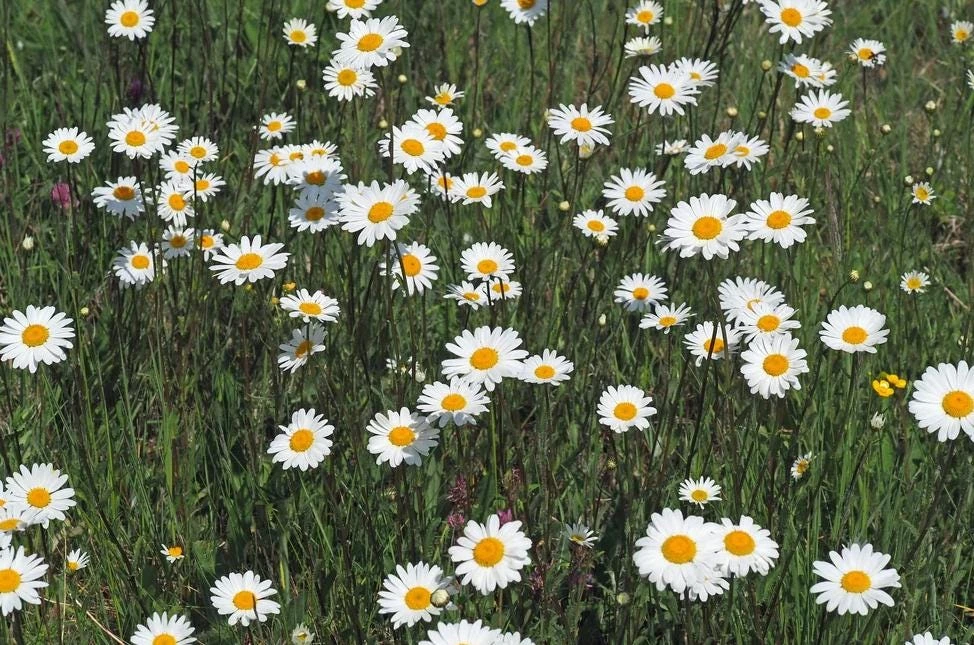
- Spreading Habit: The Oxeye Daisy gently spreads over time, creating dense patches of continuous blooms. This natural expansion helps fill out garden spaces and provides an abundant display throughout the flowering season.
- Long Blooming Season: Experience a prolonged period of flowering, typically from late spring through summer, ensuring your garden remains vibrant and colorful for months. Deadheading spent blooms can encourage even more flowers.
Plant Care & Growing Tips
Caring for your Oxeye Daisy live plant is straightforward, making it an excellent choice for both novice and experienced gardeners. These plants are known for their resilience and adaptability, thriving with minimal intervention once established. For optimal growth and prolific flowering, choose a location that receives full sun, meaning at least six hours of direct sunlight per day. Good air circulation is also beneficial to prevent fungal issues. While adaptable to various soil types, the Oxeye Daisy prefers well-draining soil. Avoid heavy clay soils that retain too much moisture, as this can lead to root rot. If your soil is heavy, amend it with organic matter like compost or sand to improve drainage.
When transplanting your leucanthemum vulgare from its 3-inch pot, dig a hole that is twice as wide as the root ball and just as deep. Gently remove the plant, loosen any circling roots, and place it in the hole, ensuring the top of the root ball is level with the surrounding soil. Backfill with soil, gently tamp down, and water thoroughly. During the establishment phase (the first few weeks after planting), water regularly to keep the soil consistently moist but not waterlogged. Once established, the Oxeye Daisy becomes quite drought-tolerant, requiring less frequent watering, especially in cooler climates. However, during prolonged dry spells, occasional deep watering will encourage better flowering.
Fertilization is generally not a critical requirement for this hardy perennial wildflower plant, especially in rich garden soils. However, a light application of a balanced, slow-release granular fertilizer in early spring can promote more vigorous growth and a more abundant display of white daisy blooms. Deadheading spent flowers is recommended to encourage continuous blooming throughout the season and to prevent excessive self-seeding if you wish to manage its spread. In terms of overwintering, the Oxeye Daisy is cold-hardy and typically requires no special winter protection in its recommended USDA zones. The foliage may die back in winter, but the plant will re-emerge vigorously in spring.
Size & Details
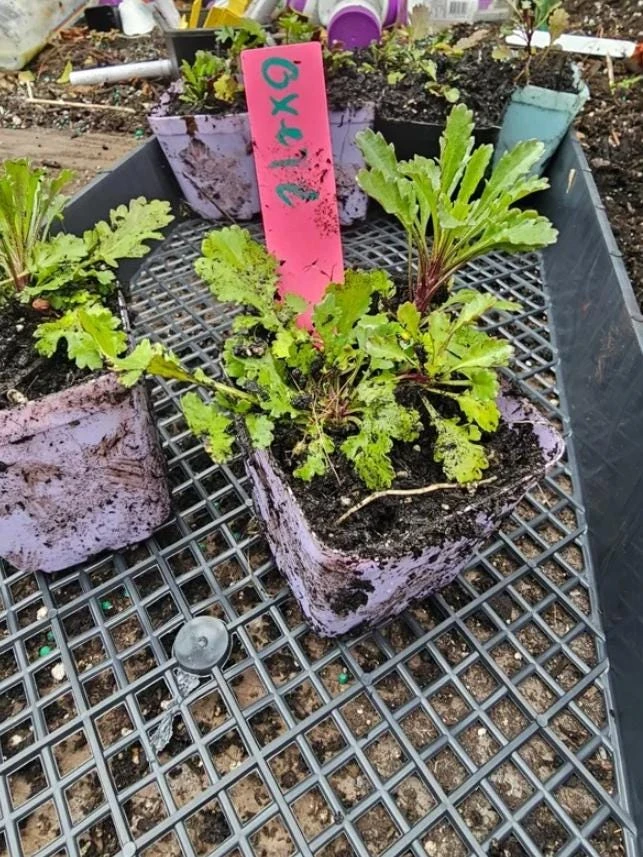
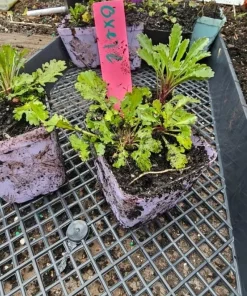
This offering includes two individual Oxeye Daisy live plant starters, each carefully cultivated in its own 3-inch nursery pot. At the time of shipping, these are small, healthy starter plants, ready for transplanting into your garden. While the photos may depict mature plants for illustrative purposes, the shipped plants will be at an early stage of growth, focusing on robust root development within their pots. The 3-inch pot size ensures a well-established root system, crucial for successful transplanting and quick adaptation to their new environment.
Once planted, these perennial wildflower plant specimens will grow to a mature height of approximately 1 to 3 feet (30-90 cm) and spread about 1 to 2 feet (30-60 cm) wide, forming attractive clumps. They have a moderate growth rate, establishing themselves well within the first season and producing abundant white daisy blooms by their second year. The Oxeye Daisy is suitable for a wide range of USDA hardiness zones, generally thriving in zones 3 through 9. Expect the first flush of flowers in late spring to early summer, with continuous blooming through mid-summer, especially with regular deadheading. These plants are ideal for creating a naturalized look and adding a touch of wild beauty to your landscape.
Frequently Asked Questions
- Q: How big will the Oxeye Daisy live plant get when mature? A: When mature, the Oxeye Daisy typically grows to a height of 1 to 3 feet and spreads about 1 to 2 feet wide. These measurements can vary slightly based on growing conditions and climate.
- Q: What size pot do the plants come in? A: Each Oxeye Daisy live plant is shipped in an individual 3-inch nursery pot, providing a good foundation for root development and successful transplanting into your garden.
- Q: Is this an indoor or outdoor plant? A: The Oxeye Daisy is primarily an outdoor perennial wildflower plant, thriving in garden beds, meadows, and naturalized areas. It requires full sun exposure to flourish.
- Q: How much sunlight does the leucanthemum vulgare need? A: This plant thrives in full sun, meaning it needs at least 6 hours of direct sunlight per day for optimal growth and abundant flowering.
- Q: Is this plant easy to care for? Is it good for beginners? A: Yes, the Oxeye Daisy is considered an easy-to-care-for plant and is an excellent choice for beginners. Once established, it is quite hardy and low-maintenance.
- Q: What condition will the plants arrive in? A: The plants are shipped as young, healthy starter plants in 3-inch pots. While they may not be as large as mature plants shown in photos, they will have well-developed root systems ready for planting.
- Q: When is the best time to plant my meadow garden plant? A: The best time to plant Oxeye Daisies is in spring or early summer after the last frost, allowing them ample time to establish before the heat of summer or the chill of winter.
- Q: Will it survive winter in my zone? A: The Oxeye Daisy is a cold-hardy perennial and typically survives winter in USDA zones 3-9 without special protection. Its foliage may die back, but it will re-emerge in spring.
- Q: Do these plants attract pollinators? A: Yes, the white daisy blooms are very attractive to various pollinators, including bees and butterflies, making them a wonderful addition to a pollinator-friendly garden.
- Q: How often should I water my Oxeye Daisy? A: Water regularly during the establishment period. Once established, the plant is quite drought-tolerant, but occasional deep watering during dry spells will promote better health and flowering.
Be the first to review “2 Oxeye Daisy Live Plants – Perennial Wildflower – 3 inch Pots – Classic White Blooms”
People Also Viewed

Reviews
There are no reviews yet.