
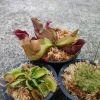
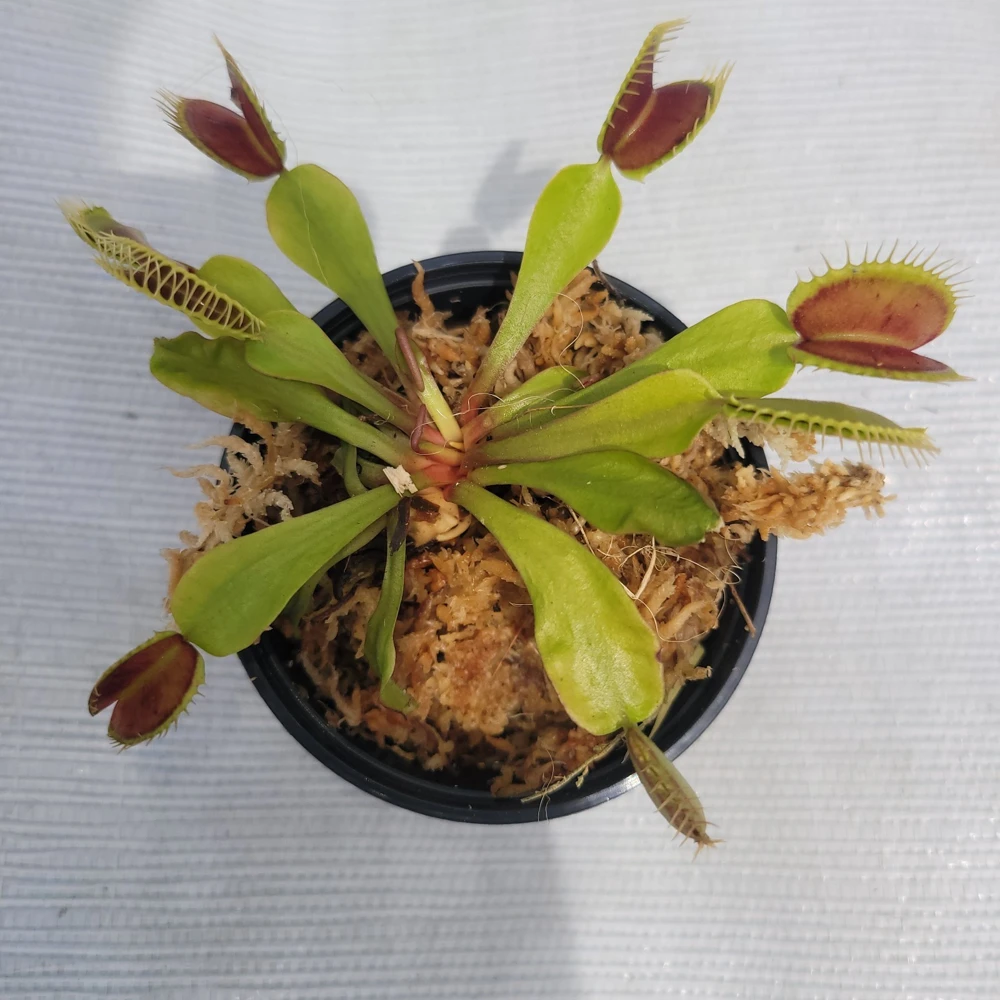
Mammoth Venus Flytrap Live Plant – Adult Sized Carnivorous Plant, 3 inch pot, Indoor/Outdoor
Original price was: $50.98.$37.99Current price is: $37.99.
Bring home a captivating mammoth venus flytrap live plant, a natural insect predator. This adult-sized carnivorous plant comes in a 3-inch pot, ready to thrive indoors or outdoors. Perfect for beginners and experienced enthusiasts, offering unique appeal and effective pest control.
Estimated arrival
Oct 25
Oct 30 - Nov 01
Nov 04 - Nov 08
Shop With Confidence
30-Day Plant Health Guarantee
Arrives damaged? We’ll replace it free — see our return policy.
Responsive Support
Email us anytime, we reply within 1 business day.
Expert Packaging
Temperature-controlled shipping to protect your plants in transit.
Secure Checkout
Pay safely with Visa, Mastercard, PayPal.
Plant Specifications
-
USDA Hardiness Zone
9 (20 to 30 °F) -
Soil Type
Peat -
Sunlight Exposure
Full Sun -
Expected Planting Period
Year-round indoors, Spring to Summer outdoors
Overview
Introduce an extraordinary addition to your plant collection with the mammoth venus flytrap live plant. This impressive carnivorous specimen, scientifically known as Dionaea muscipula, is revered for its distinctive trapping mechanism and striking appearance. Each plant is an adult-sized specimen, delivered healthy and vigorous in a convenient 3-inch pot. Ideal for both indoor enthusiasts seeking a unique houseplant and outdoor gardeners looking for natural pest control, the Venus Flytrap is a fascinating marvel of the plant kingdom. Its iconic hinged leaves snap shut to capture insects, providing endless entertainment and a natural solution to bothersome pests. This particular variety, often referred to as a giant venus flytrap, boasts larger traps than standard varieties, making it even more effective and visually dramatic.
Our mammoth venus flytrap live plant is a testament to nature’s ingenuity. Thriving in temperate climates, it’s a deciduous plant that will go through periods of dormancy, a natural and healthy part of its life cycle. Whether you’re a seasoned carnivorous plant collector or new to the world of unique flora, this Venus Flytrap is an excellent choice. It’s relatively easy to care for once its basic needs are met, making it accessible for a wide range of gardeners. Experience the thrill of watching this active predator in your home or garden, contributing to a balanced ecosystem and adding an exotic touch to your space.
Key Benefits
Adding a mammoth venus flytrap live plant to your environment offers a multitude of benefits beyond its captivating appearance:
- Natural Pest Control: Say goodbye to bothersome flies, mosquitoes, and other small insects. The Venus Flytrap actively traps and digests pests, serving as an eco-friendly alternative to chemical sprays and traps. This is a primary benefit for any carnivorous plant for sale.
- Educational Value: Perfect for children and adults, observing the Venus Flytrap’s trapping mechanism provides a live lesson in botany and ecology. It’s a fantastic way to spark curiosity about the natural world.
- Unique Decorative Element: With its striking green foliage and distinctive traps, this plant adds an exotic and intriguing focal point to any room, office, or outdoor garden. It stands out from typical houseplants.
- Low Maintenance (with proper care): While unique, venus flytrap care can be straightforward. Once its specific light, water, and soil requirements are understood, it requires minimal ongoing attention compared to many other plants.
- Hardy and Resilient: This Venus Flytrap is a robust plant, capable of thriving in various conditions when its core needs are met. Its inherent hardiness makes it a rewarding plant to grow.
- Pet and Child Safe: Unlike some plants, the Venus Flytrap is generally considered safe for households with pets and children, posing no known toxic threats.
Plant Care & Growing Tips
Proper venus flytrap care is crucial for the long-term health and vitality of your mammoth venus flytrap live plant. These carnivorous beauties thrive when their specific environmental needs are met. They require plenty of sunlight; aim for at least 4-6 hours of direct full sun daily. If growing indoors, a bright south-facing window is ideal, or you can supplement with a grow light to ensure adequate light exposure. Outdoor placement should be in a sunny spot where it can receive ample light throughout the day. Avoid low-light conditions, as this will weaken the plant and reduce its ability to produce vibrant, active traps.
Watering is perhaps the most critical aspect of caring for a Venus Flytrap. They require consistently moist soil, but must never sit in stagnant tap water, which contains minerals that can harm them. Use only distilled water, rainwater, or reverse osmosis water. Place the 3-inch pot in a tray of about half an inch of these purified waters, allowing the plant to wick up moisture from the bottom. Refill the tray as it dries out. The soil type is equally important: a mix of sphagnum peat moss and perlite (or horticultural sand) in a 1:1 or 2:1 ratio is ideal. This provides the acidic, nutrient-poor, well-draining environment they need. Do not use standard potting soil as it contains fertilizers and minerals that are toxic to Venus Flytraps. The plant is hardy in USDA Hardiness Zone 9, tolerating temperatures down to 20°F, but protection from hard freezes is recommended. During its deciduous dormancy period in winter, reduce watering slightly and ensure it experiences cooler temperatures (35-55°F) for several months. Fertilization is unnecessary and harmful, as the plant obtains nutrients from the insects it captures. If you’re looking for a carnivorous plant for sale, understanding these care tips will ensure its success.
Size & Details
This offering is for a healthy, adult-sized mammoth venus flytrap live plant, shipped in a 3-inch nursery pot. The plant’s overall height will vary but typically ranges from 3 to 6 inches, with individual traps reaching impressive sizes for this species. The plant form is a compact rosette of green leaves, each tipped with the iconic hinged traps. It is delivered as a fully rooted, live plant, ready to be placed in your chosen environment. While the growth rate is moderate, with proper care, you can expect new traps to form regularly during the growing season. This particular species, Dionaea muscipula, is known for its robust nature and captivating trapping action. Expect the plant to enter dormancy during colder months, where growth slows and some leaves may die back, only to re-emerge vigorously in spring.
Frequently Asked Questions
- Q: How big does this plant get? A: This is an adult-sized mammoth venus flytrap live plant, typically reaching an overall height of 3 to 6 inches. Individual traps can grow quite large, especially with optimal care, making it a true giant venus flytrap specimen.
- Q: What size pot does it come in? A: Your Venus Flytrap will arrive safely nestled in a 3-inch nursery pot, providing a suitable home for it to continue growing. You can repot it into a slightly larger pot if desired, using the correct soil mix.
- Q: Is this an indoor or outdoor plant? A: The Venus Flytrap is adaptable and can thrive both indoors and outdoors. For indoor growth, ensure it receives ample bright, direct sunlight. Outdoors, it will do best in a sunny location.
- Q: How much sunlight does it need? A: This carnivorous plant for sale requires a minimum of 4-6 hours of direct full sun daily. More light generally leads to healthier, more colorful traps.
- Q: Is this plant easy to care for? Is it good for beginners? A: While unique, venus flytrap care can be relatively easy for beginners if specific requirements for water, light, and soil are strictly followed. It’s not a difficult plant once those basics are understood.
- Q: What condition will it arrive in? Is it shipped in soil? A: Your mammoth venus flytrap live plant will arrive healthy and actively growing, fully rooted in its 3-inch pot with the appropriate peat moss and perlite soil mix.
- Q: Is it pet-safe? A: Yes, the Venus Flytrap is generally considered non-toxic and safe for homes with pets and children. It poses no known harmful effects if ingested.
- Q: How long until it blooms? A: Mature Venus Flytraps typically send up a flower stalk in late spring or early summer. However, many growers choose to cut the flower stalk to conserve the plant’s energy for trap production.
- Q: What’s the minimum temperature it can tolerate? A: This plant is hardy in USDA Zone 9, meaning it can tolerate temperatures down to 20°F. However, during dormancy, it prefers cooler temperatures between 35-55°F.
- Q: Do I need to feed it insects? A: While it enjoys catching insects, if grown outdoors or in a location with natural prey, you generally do not need to manually feed your Dionaea muscipula. If indoors and pest-free, you can occasionally offer small, live insects (like crickets) if desired, but it’s not strictly necessary for its survival.
Be the first to review “Mammoth Venus Flytrap Live Plant – Adult Sized Carnivorous Plant, 3 inch pot, Indoor/Outdoor”
People Also Viewed
Houseplants
Reviews
There are no reviews yet.