




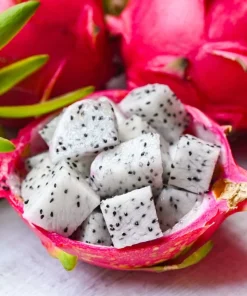

20 White Dragon Fruit (Pitaya) Hylocereus Undatus Cactus Seeds
Original price was: $40.99.$20.99Current price is: $20.99.
Cultivate your own exotic tropical fruit with these white dragon fruit seeds. Each pack contains 20 Hylocereus Undatus cactus seeds, ready for planting to grow delicious pitaya. Ideal for warm climates or indoor cultivation, these seeds offer a unique gardening experience.
Estimated arrival
Sep 17
Sep 22 - Sep 24
Sep 27 - Oct 01
Shop With Confidence
30-Day Plant Health Guarantee
Arrives damaged? We’ll replace it free — see our return policy.
Responsive Support
Email us anytime, we reply within 1 business day.
Expert Packaging
Temperature-controlled shipping to protect your plants in transit.
Secure Checkout
Pay safely with Visa, Mastercard, PayPal.
Plant Specifications
-
USDA Hardiness Zone
USDA Zones 9-11 (or indoors) -
Soil Type
Well-draining, slightly acidic to neutral soil -
Sunlight Exposure
Full sun (6-8 hours direct light) -
Expected Planting Period
Year-round indoors; spring to early summer outdoors in warm climates
Overview
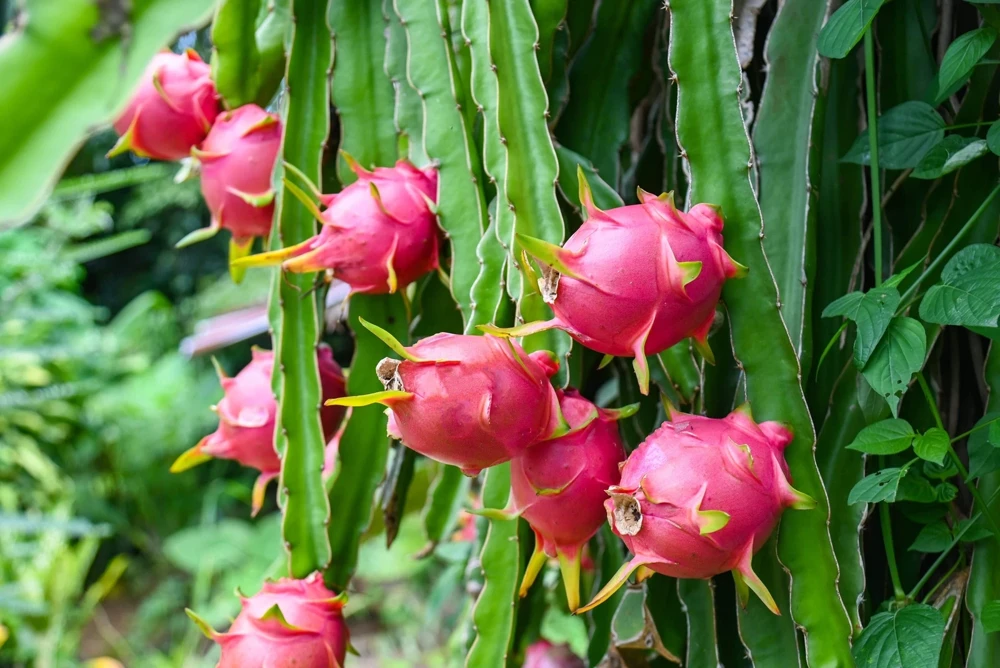
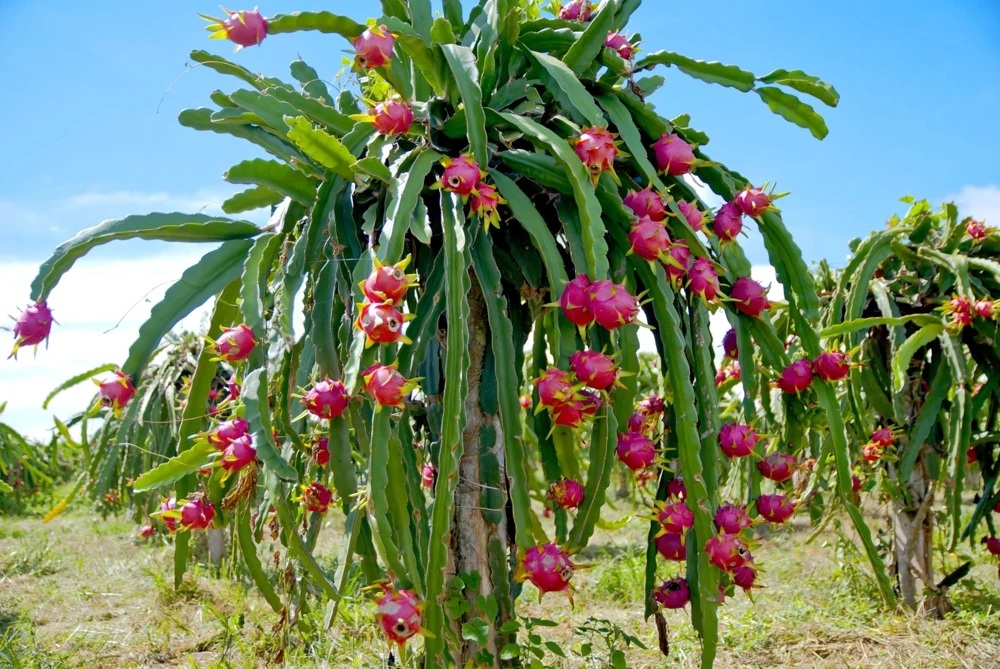
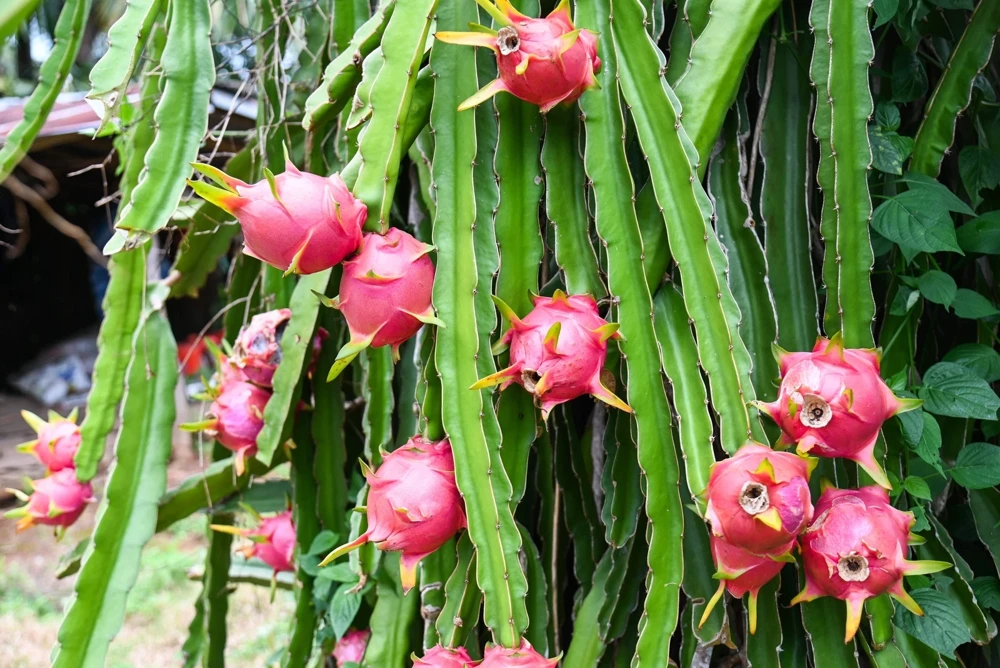
Embark on an exciting gardening adventure with our premium pack of white dragon fruit seeds. This offering includes 20 Hylocereus Undatus cactus seeds, providing a fantastic opportunity for both seasoned gardeners and curious beginners to cultivate their own exotic fruit. Commonly known as Pitaya or Strawberry Pear, the White Dragon Fruit is renowned for its striking appearance and subtly sweet, refreshing flavor. Originating from Central and South America, this vining cactus produces vibrant, otherworldly fruits that are as beautiful to behold as they are delicious to eat. Growing your own hylocereus undatus from seed allows you to witness the entire life cycle of this fascinating plant, from germination to fruit production, right in your own home or garden.
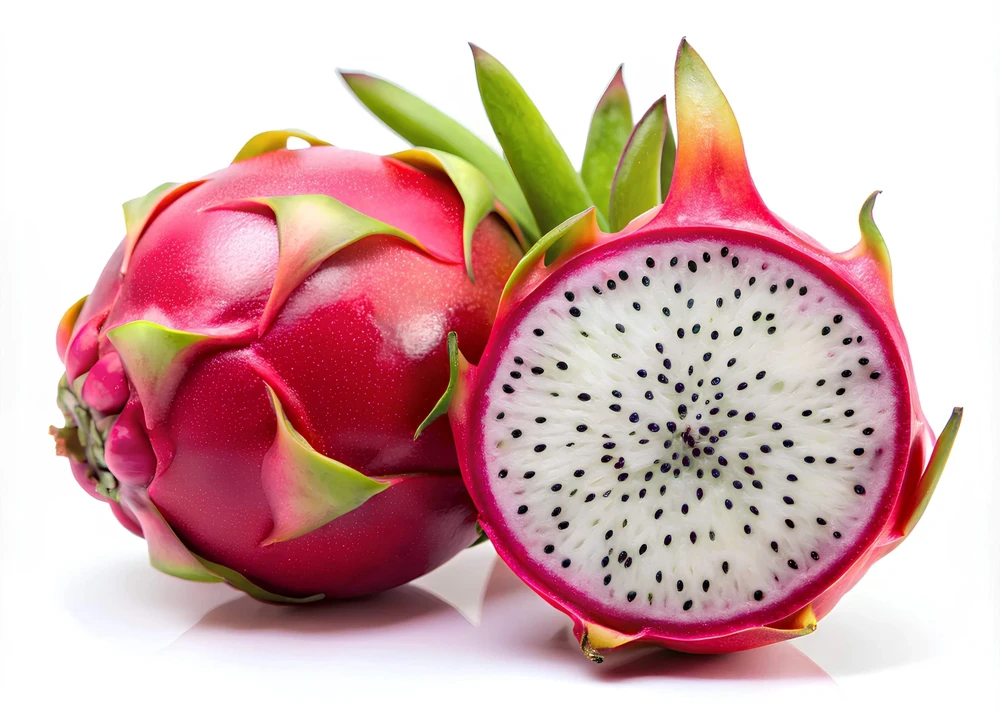
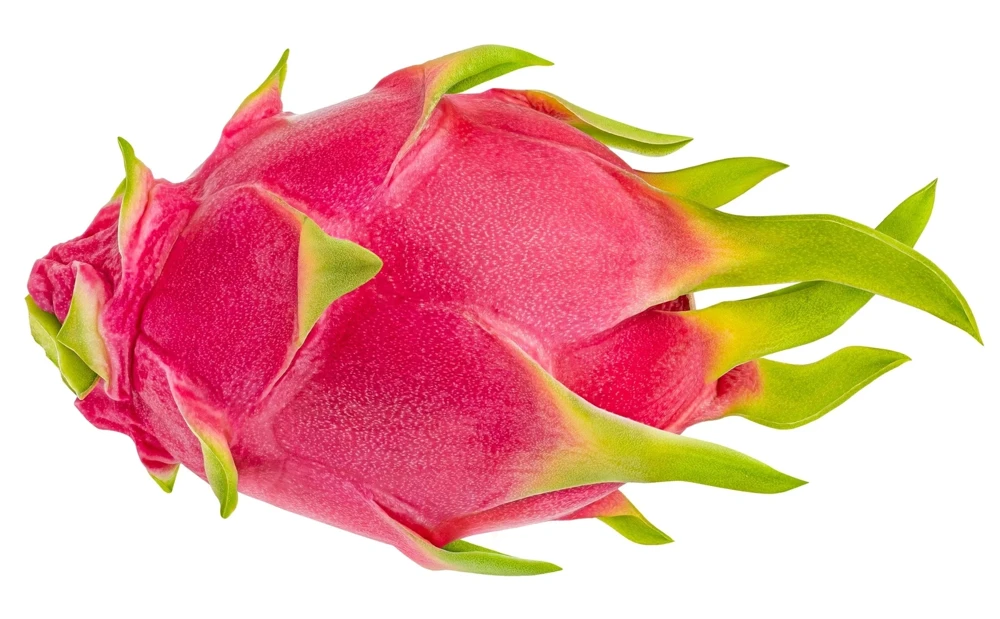
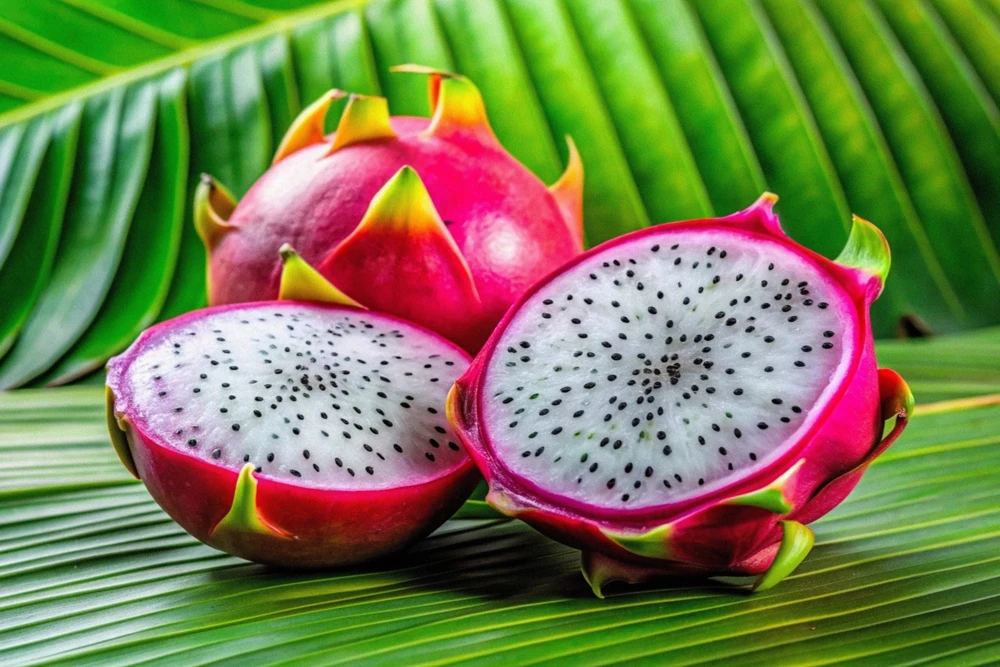
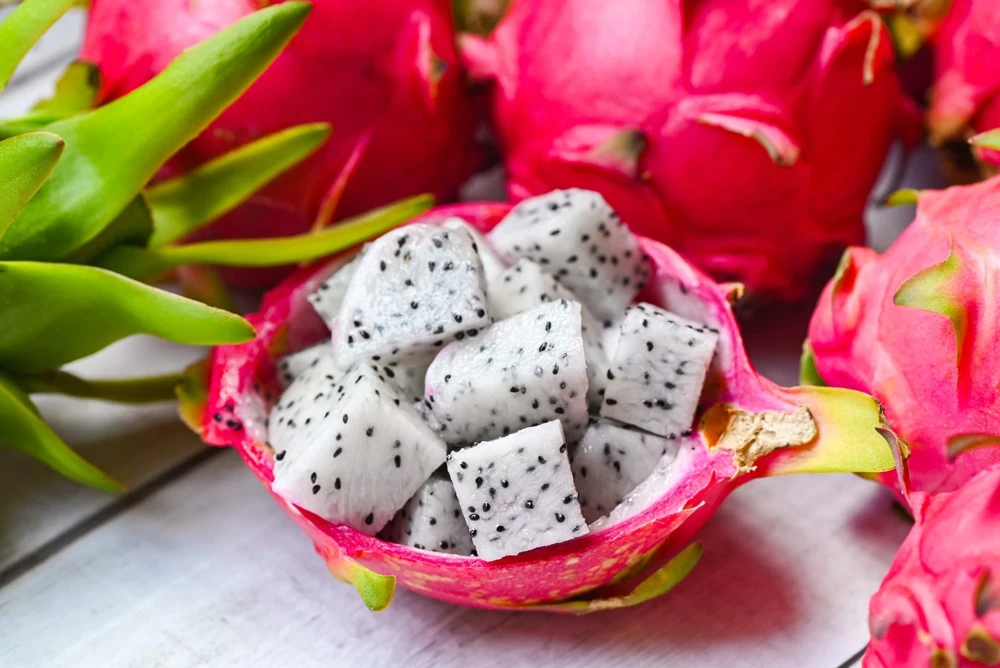
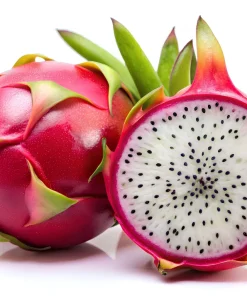
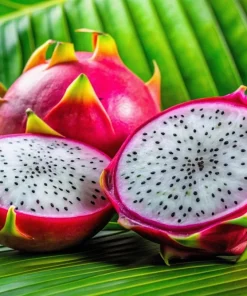
The Hylocereus undatus variety is particularly prized for its white flesh and black edible seeds, encased within a bright pink or red skin. These tropical fruit seeds are perfect for creating an edible landscape, adding a unique specimen to your plant collection, or simply enjoying the satisfaction of harvesting your own homegrown produce. With proper care and attention, these seeds can transform into robust cactus plants capable of producing abundant, healthy dragon fruit. Discover the joy of growing this magnificent plant and savor the fruits of your labor.
Key Benefits
Growing white dragon fruit seeds offers a multitude of rewards, from the aesthetic appeal of the plant to the delicious yield of its fruit. Here are some of the standout benefits:
- Exotic & Delicious Fruit: Cultivate your own supply of fresh, sweet, and juicy dragon fruit (pitaya). The white-fleshed variety is highly sought after for its mild, refreshing flavor, perfect for smoothies, desserts, or eating fresh.
- High Nutritional Value: Dragon fruit is packed with vitamins, minerals, and antioxidants, making it a healthy addition to any diet. Growing your own ensures you have access to nutrient-rich produce.
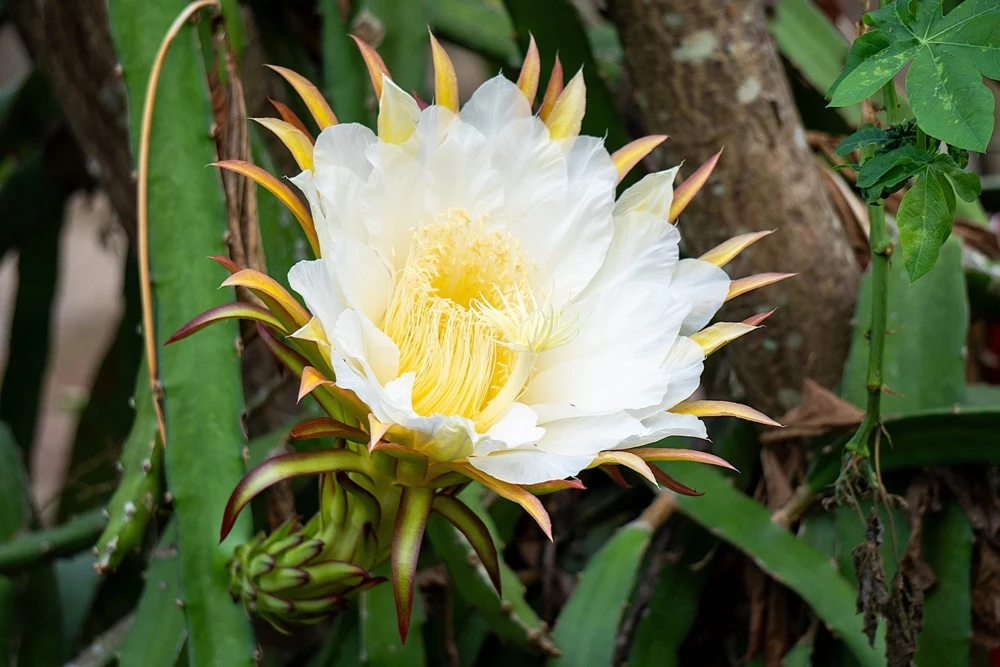
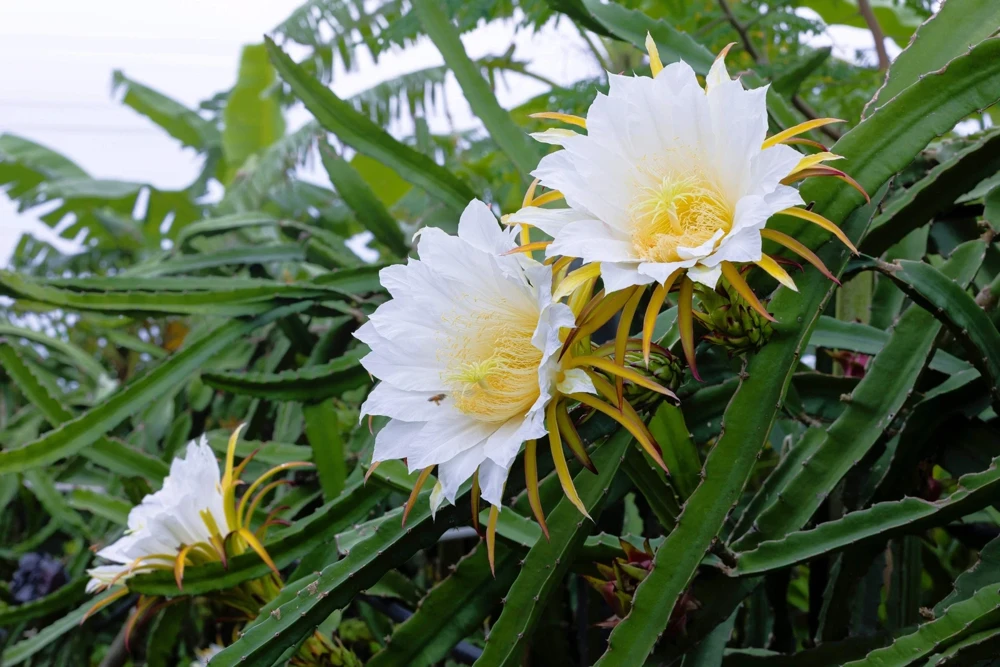
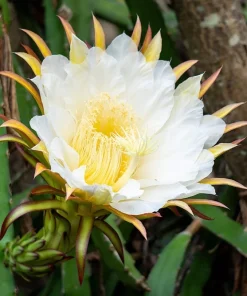
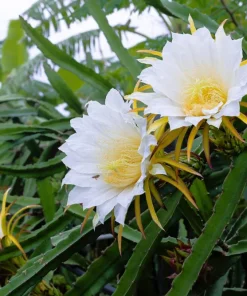
- Unique Ornamental Plant: The Hylocereus Undatus cactus itself is a beautiful and interesting plant, with large, nocturnal flowers that are incredibly fragrant and visually stunning. It adds a tropical touch to any garden or indoor space.
- Rewarding Growing Experience: The process of germinating and nurturing hylocereus undatus from seed to fruit is incredibly satisfying, offering a deep connection to nature and a sense of accomplishment. It’s a great project for those who love to grow dragon fruit.
- Versatile Cultivation: While ideal for warm climates, these seeds can also be successfully grown indoors in cooler regions, provided they receive adequate light and warmth, making them accessible to a wide range of gardeners.
- Sustainable & Cost-Effective: Starting from seeds is an economical way to acquire multiple dragon fruit plants compared to buying mature plants, allowing you to establish a larger garden or share with friends.
- Educational Project: For families or educators, growing pitaya seeds can be an excellent hands-on learning experience, teaching about plant biology, tropical agriculture, and sustainable living.
Plant Care & Growing Tips
Successfully growing white dragon fruit seeds into fruit-bearing plants requires specific care, as these are tropical cacti. Starting with germination, sow your 20 Hylocereus Undatus cactus seeds in a well-draining seed-starting mix. Lightly cover the seeds or press them gently onto the surface, as they need light to germinate. Keep the soil consistently moist but not waterlogged, and maintain a warm temperature between 70-85°F (21-29°C). A humidity dome or plastic wrap can help maintain moisture and warmth. Germination typically occurs within 1-4 weeks, but can sometimes take longer. Once seedlings emerge, ensure they receive plenty of bright, indirect light to prevent legginess.
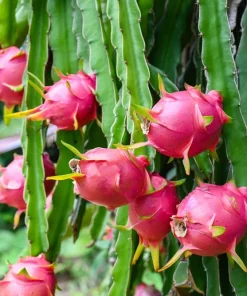
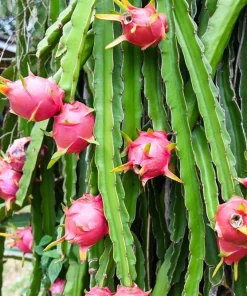
As your dragon fruit plants mature, they will require a sturdy support structure, as they are vining cacti. A trellis, pole, or even a robust tree can serve this purpose. They thrive in full sun, needing at least 6-8 hours of direct sunlight per day to produce fruit. In extremely hot climates, some afternoon shade can prevent scorching. The ideal soil for established plants is well-draining, slightly acidic to neutral (pH 6.0-7.0), and rich in organic matter. A good mix would be equal parts potting soil, compost, and perlite or sand. Water thoroughly when the top few inches of soil are dry, but allow it to dry out between waterings to prevent root rot. Dragon fruit plants are drought-tolerant once established, but consistent watering during flowering and fruiting periods will encourage better yields.
Fertilize your dragon fruit plants during the growing season (spring and summer) with a balanced, slow-release fertilizer or a liquid feed diluted to half strength every 2-4 weeks. Reduce fertilization in fall and winter. Protect your plants from frost, as they are sensitive to cold temperatures. If you live in a region with cold winters, consider growing your exotic fruit seeds in large containers that can be moved indoors. Pruning is essential to manage growth and encourage fruit production; remove old, damaged, or overcrowded stems. With these care tips, you’ll be well on your way to enjoying your own homegrown white dragon fruit.
Size & Details
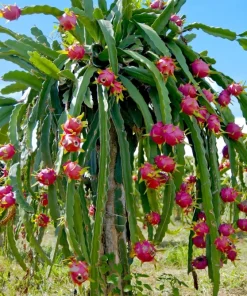
This product includes 20 white dragon fruit seeds, specifically the Hylocereus Undatus variety. These seeds are small, typically resembling tiny black specks, and are packaged to ensure viability upon arrival. Once germinated, the dragon fruit plant is a fast-growing, vining cactus. In optimal conditions, young plants can grow several feet in a single season. Mature plants, when properly supported, can reach heights of 10-20 feet or more, with sprawling stems that can extend even further. The fruits typically develop 30-50 days after flowering, with plants often beginning to produce fruit within 2-5 years from seed, depending on growing conditions and care. Each fruit typically weighs between 0.5 to 1.5 pounds. These pitaya seeds offer the potential for a substantial and long-lived addition to your garden.
Frequently Asked Questions
- Q: How big does this plant get? A: A mature Hylocereus Undatus plant can grow quite large, typically reaching 10-20 feet in height with a wide spread if given adequate support and space. Its vining nature means it can grow extensively.
- Q: Is this an indoor or outdoor plant? A: While dragon fruit thrives outdoors in USDA Zones 9-11, it can be grown indoors in cooler climates. Indoor cultivation requires a large pot, strong support, and ample bright light, preferably from a south-facing window or grow lights.
- Q: How much sunlight does it need? A: Dragon fruit plants require at least 6-8 hours of direct sunlight daily to produce fruit. They are sun-loving cacti, though in extremely hot, arid environments, some afternoon shade can be beneficial.
- Q: Is this plant easy to care for? A: Growing white dragon fruit seeds requires some commitment, especially in providing proper support and light. Once established, they are relatively low-maintenance for a tropical fruit, but consistent watering and feeding during the growing season are important.
- Q: What condition will the seeds arrive in? A: The 20 white dragon fruit seeds will arrive as dry, viable seeds, carefully packaged to ensure their quality and readiness for planting upon delivery.
- Q: How long until it blooms and fruits? A: From seed, it typically takes 2-5 years for a dragon fruit plant to mature enough to begin flowering and fruiting. Once mature, flowers bloom at night, and fruits develop within 30-50 days.
- Q: What is the best way to germinate these pitaya seeds? A: Sow the seeds lightly on the surface of a well-draining seed-starting mix, keep the soil consistently moist and warm (70-85°F), and provide bright, indirect light. A humidity dome can aid germination.
- Q: Can I grow dragon fruit in a pot? A: Yes, you can grow dragon fruit in a large pot, especially if you plan to move it indoors during cold weather. Choose a pot at least 15-20 gallons in size and provide a sturdy trellis or stake for support.
- Q: What kind of soil is best for dragon fruit? A: Dragon fruit prefers well-draining soil that is slightly acidic to neutral, rich in organic matter. A mix of potting soil, compost, and perlite or sand works well.
- Q: How often should I water my dragon fruit plant? A: Water thoroughly when the top few inches of soil are dry to the touch. Allow the soil to dry out completely between waterings to prevent root rot, as these are cacti.
Be the first to review “20 White Dragon Fruit (Pitaya) Hylocereus Undatus Cactus Seeds”
People Also Viewed





Flower Seeds
English Lavender Seeds – Vera Lavandula angustifolia – Fragrant Purple Flowers – 200+ Seeds






Reviews
There are no reviews yet.