
Gray Goldenrod Live Plant – Starter Plugs – Native Perennials – 10-Pack
Original price was: $86.99.$61.99Current price is: $61.99.
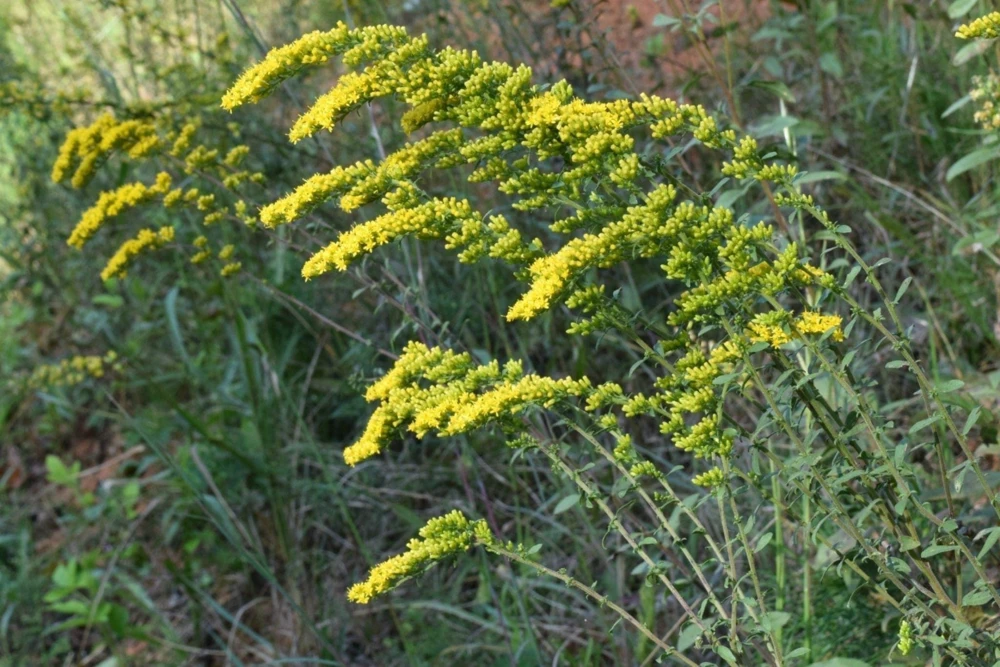
Introduce the beauty of native flora to your landscape with this gray goldenrod live plant 10-pack of starter plugs. Perfect for attracting pollinators, these gray goldenrod perennials are low-maintenance and establish easily. Grow your own vibrant, eco-friendly garden.
Estimated arrival
Sep 17
Sep 22 - Sep 24
Sep 27 - Oct 01
Shop With Confidence
30-Day Plant Health Guarantee
Arrives damaged? We’ll replace it free — see our return policy.
Responsive Support
Email us anytime, we reply within 1 business day.
Expert Packaging
Temperature-controlled shipping to protect your plants in transit.
Secure Checkout
Pay safely with Visa, Mastercard, PayPal.
Plant Specifications
-
USDA Hardiness Zone
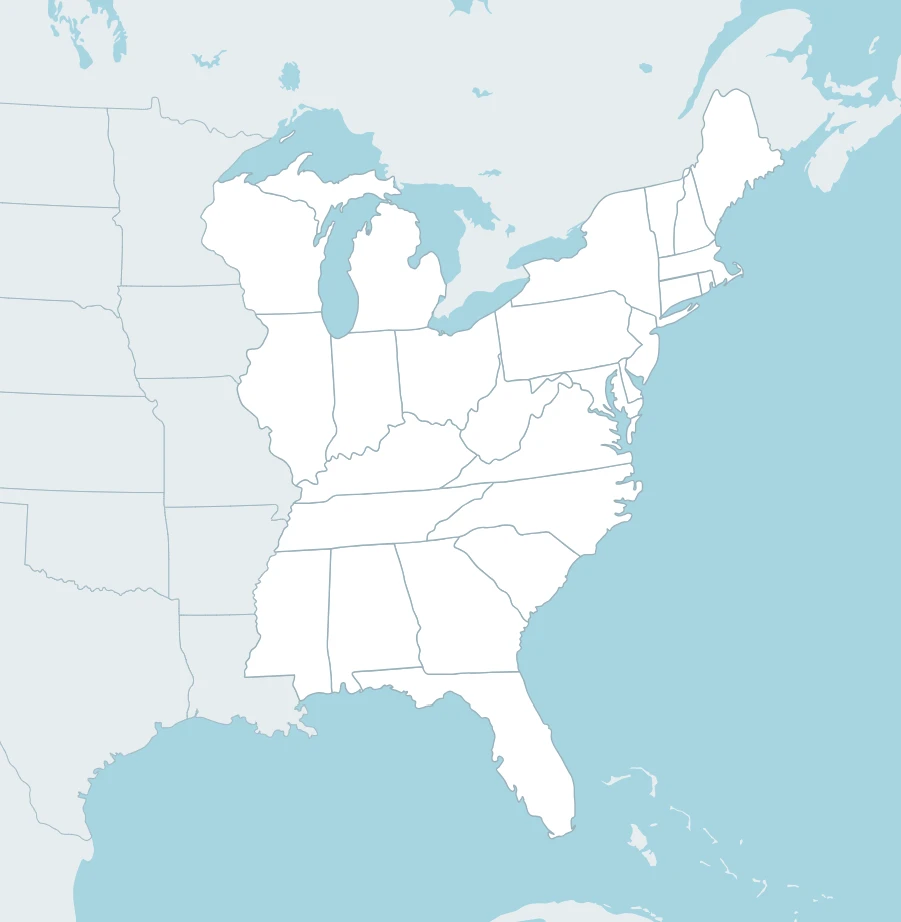
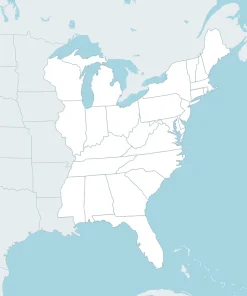
USDA Zones 3-8 -
Soil Type
Well-draining soil -
Sunlight Exposure
Full sun to partial shade -
Expected Planting Period
Spring to early fall
Overview
Discover the charm and ecological benefits of the gray goldenrod live plant with this convenient 10-pack of starter plugs. Scientifically known as Solidago nemoralis, this native perennial is a fantastic addition to any garden, meadow, or naturalized area. Unlike some of its more aggressive relatives, gray goldenrod is a well-behaved, compact species that provides late-season nectar for bees, butterflies, and other beneficial insects. It’s an excellent choice for supporting local ecosystems and adding a touch of wild beauty to your outdoor space.
These native goldenrod plants are grown from robust starter plugs, ensuring a strong foundation for healthy growth. They are ready to be transplanted directly into your garden, offering a head start compared to seeds. Whether you’re an experienced gardener or just beginning to explore native plant landscaping, these gray goldenrod plugs make it easy to establish a thriving, pollinator-friendly habitat. Embrace sustainable gardening practices by incorporating this resilient and attractive perennial into your design.
Key Benefits
Integrating gray goldenrod live plant plugs into your garden offers a multitude of advantages, enhancing both the aesthetic and ecological value of your outdoor space. These benefits make it a top choice for gardeners seeking beauty and environmental stewardship.
- Pollinator Magnet: Gray goldenrod is a vital late-season nectar source for a wide array of pollinators, including various bee species, butterflies, and other beneficial insects. By planting these native goldenrod plants, you actively support local biodiversity and help sustain pollinator populations as they prepare for winter.
- Low Maintenance: Once established, gray goldenrod perennials are incredibly resilient and require minimal care. They are drought-tolerant and can thrive in poor to average soils, making them ideal for gardeners who prefer a hands-off approach.
- Compact Growth Habit: Unlike some taller goldenrod varieties, Solidago nemoralis boasts a more compact and tidy growth habit, typically reaching 1-3 feet in height. This makes it suitable for smaller gardens, borders, and even rock gardens without becoming unruly.
- Deer Resistant: Gray goldenrod is generally unpalatable to deer, offering a reliable option for gardens in areas prone to deer browsing. This feature helps ensure your plants remain healthy and vibrant throughout the growing season.
- Erosion Control: With its fibrous root system, gray goldenrod can help stabilize soil, making it beneficial for erosion control on slopes or disturbed areas. This contributes to healthier soil and prevents runoff.
- Adaptable & Versatile: This native plant is highly adaptable to various growing conditions, from full sun to partial shade, and a range of soil types. This versatility allows it to be incorporated into diverse garden designs, from formal beds to naturalistic landscapes.
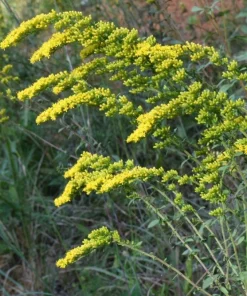
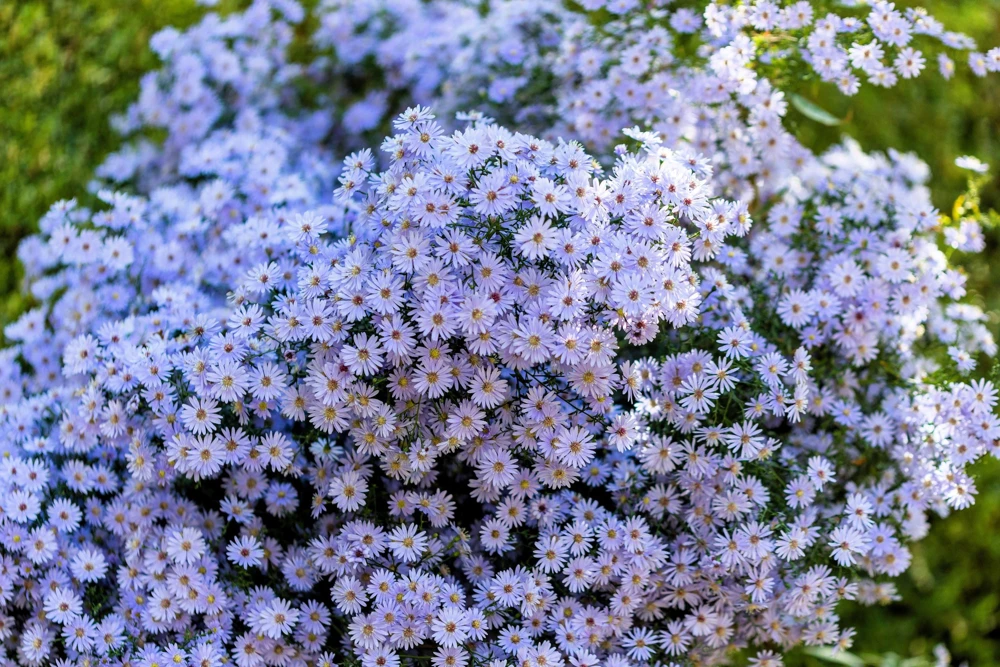
- Late Season Interest: Providing a cheerful display of bright yellow flowers from late summer into fall, gray goldenrod extends the blooming season, offering visual interest and food for pollinators when many other plants have faded.
Plant Care & Growing Tips
To successfully grow gray goldenrod, understanding its basic care requirements is key. These native goldenrod plants are known for their hardiness and adaptability, making them relatively easy to cultivate. Ensure your planting site receives adequate sunlight and has well-draining soil to promote vigorous growth. While tolerant of various conditions, providing optimal care will result in a more robust and floriferous display.
For best results, plant your gray goldenrod live plant starter plugs in a location that receives at least 6 hours of full sun per day. While they can tolerate partial shade, flowering may be reduced. Gray goldenrod prefers well-draining soil and is not particular about soil type, thriving in sandy, loamy, or even clay soils as long as drainage is good. Avoid overly rich soils, as this can lead to leggier growth. Water regularly during the first growing season to help the plants establish a strong root system. Once established, they are quite drought-tolerant and will only need supplemental watering during prolonged dry spells. No significant fertilization is typically needed; in fact, over-fertilizing can encourage excessive foliage at the expense of flowers.
Gray goldenrod is generally pest and disease resistant. Deadheading spent flower stalks is not necessary for plant health but can be done for aesthetic reasons if desired. In late fall or early spring, you can cut back the dead foliage to the ground to encourage new growth. This plant is hardy in USDA zones 3-8. Consider planting with other native perennials that share similar cultural needs, such as asters or coneflowers, to create a beautiful and harmonious native plant garden. Monitoring for any signs of stress or disease, though rare, will help maintain the health of your solidago nemoralis.
Size & Details
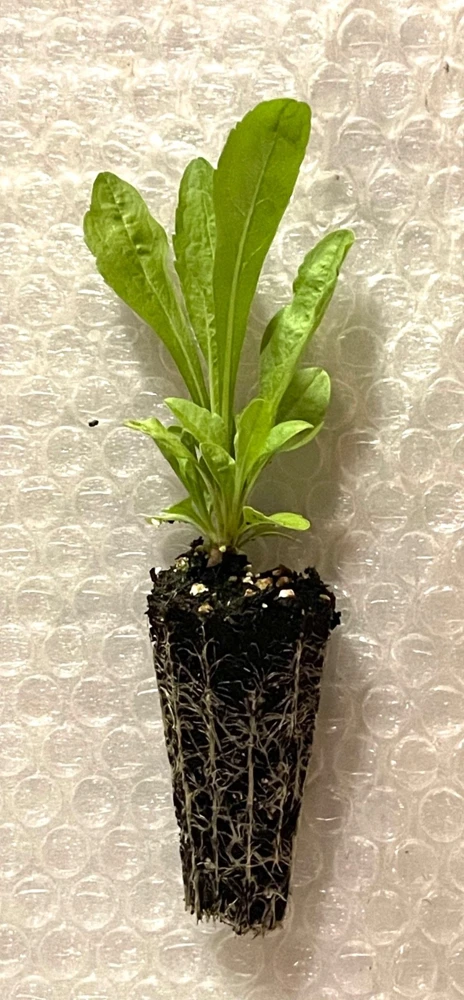
This offering includes a 10-pack of gray goldenrod live plant starter plugs, providing you with multiple plants to establish a vibrant native garden. Each plug is a well-rooted seedling, typically measuring 2-4 inches tall, ready for immediate transplanting into your garden. Gray goldenrod (Solidago nemoralis) is a relatively compact species, usually maturing to a height of 1 to 3 feet with a spread of about 1 to 2 feet, making it an excellent choice for various garden applications without overwhelming other plants. The plants are shipped in their starter plug form, ensuring minimal root disturbance and a smooth transition to your landscape.
With a moderate growth rate, these gray goldenrod perennials will establish quickly and begin to flower in their first or second year. Expect a beautiful display of golden-yellow blooms from late summer through fall, providing crucial sustenance for pollinators. These plants are grown specifically to thrive in typical garden conditions and are a robust foundation for building a sustainable, pollinator-friendly habitat. The 10-pack allows for flexible planting arrangements, whether you’re creating a mass planting or incorporating them individually into mixed borders.
Frequently Asked Questions
- Q: How big does this gray goldenrod live plant get? A: Gray goldenrod live plant (Solidago nemoralis) typically grows to a height of 1 to 3 feet with a spread of 1 to 2 feet. It’s a more compact goldenrod variety, making it suitable for various garden sizes.
- Q: Is this an indoor or outdoor plant? A: Gray goldenrod is an outdoor plant, native to North America. It thrives in garden beds, meadows, and naturalized areas, providing ecological benefits and beauty to your landscape.
- Q: How much sunlight does it need? A: To best grow gray goldenrod, it requires at least 6 hours of full sun per day. While it can tolerate partial shade, full sun promotes the most vigorous growth and abundant flowering.
- Q: Is this plant easy to care for? A: Yes, gray goldenrod perennials are very easy to care for. They are drought-tolerant, adaptable to various soil types, and generally pest and disease resistant, making them an excellent choice for beginner gardeners.
- Q: What condition will it arrive in? A: Your order will arrive as a 10-pack of healthy, well-rooted starter plugs. These plugs are carefully packaged to ensure they reach you in optimal condition, ready for planting.
- Q: When is the best time to plant these native goldenrod plants? A: The best time to plant these native goldenrod plants is in spring after the last frost, or in early fall. This allows the plants sufficient time to establish their root systems before extreme temperatures.
- Q: Will it survive winter in my zone? A: Gray goldenrod is very hardy and typically survives winter in USDA Zones 3-8. It is a perennial, meaning it will return year after year in appropriate climates.
- Q: What kind of soil does solidago nemoralis prefer? A: Solidago nemoralis prefers well-draining soil and can tolerate a range of soil types, including sandy, loamy, and clay. It does not require particularly rich soil and can thrive in average conditions.
- Q: Is gray goldenrod aggressive like some other goldenrod varieties? A: No, gray goldenrod perennials (Solidago nemoralis) are not considered aggressive. They have a clumping growth habit and are much more well-behaved than some of the taller, spreading goldenrod species, making them suitable for smaller garden spaces.
- Q: Can I use these plants for erosion control? A: Yes, the fibrous root system of gray goldenrod live plant makes it an excellent choice for erosion control on slopes or in areas where soil stabilization is needed.
Be the first to review “Gray Goldenrod Live Plant – Starter Plugs – Native Perennials – 10-Pack”
People Also Viewed

Vegetable Seeds
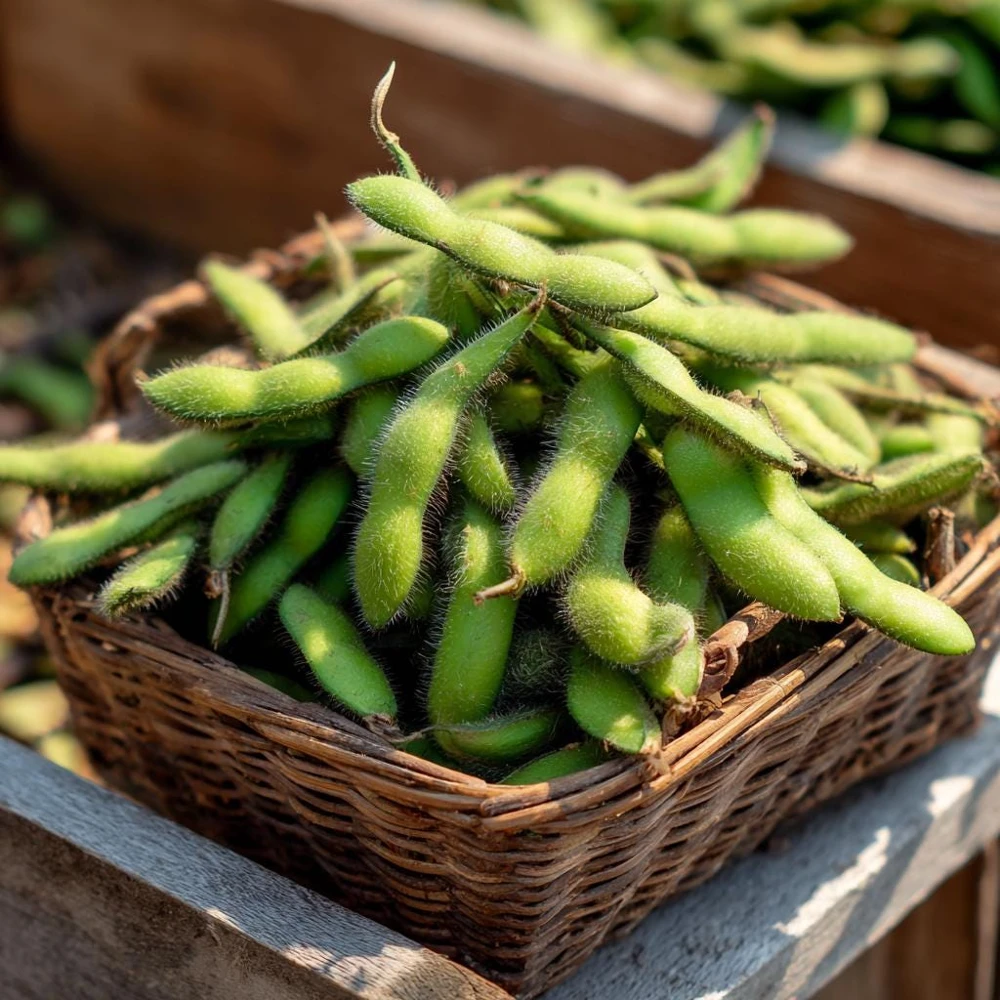
Edamame Seeds – Tender Soybean for Home Gardens, 25 Seed Pack
Uncategorized
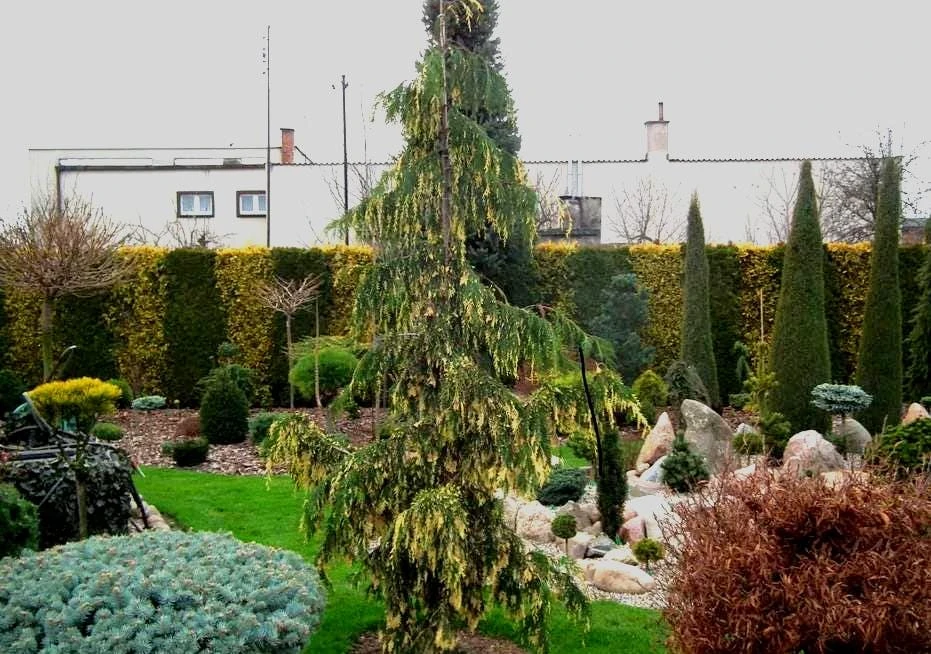
Chamaecyparis nootkatensis Variegated Weeping Alaskan Cedar- 6-12″ Height- #1 Container Size
Reviews
There are no reviews yet.