
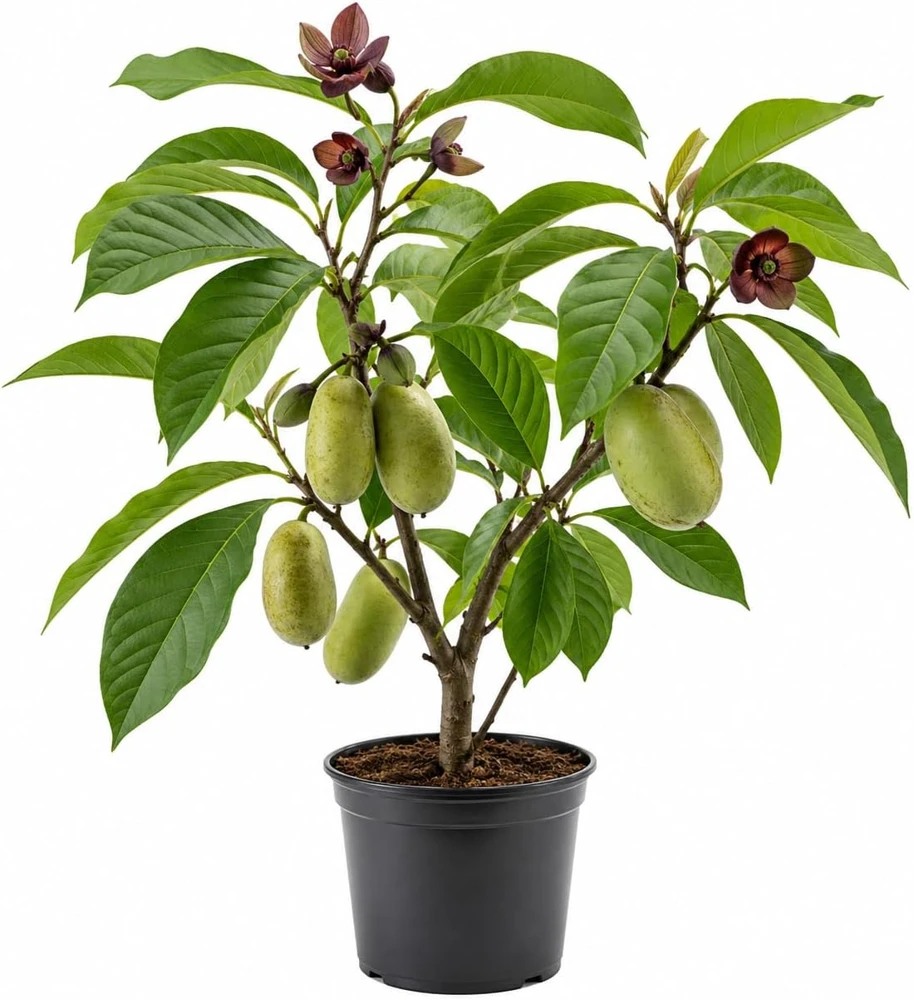
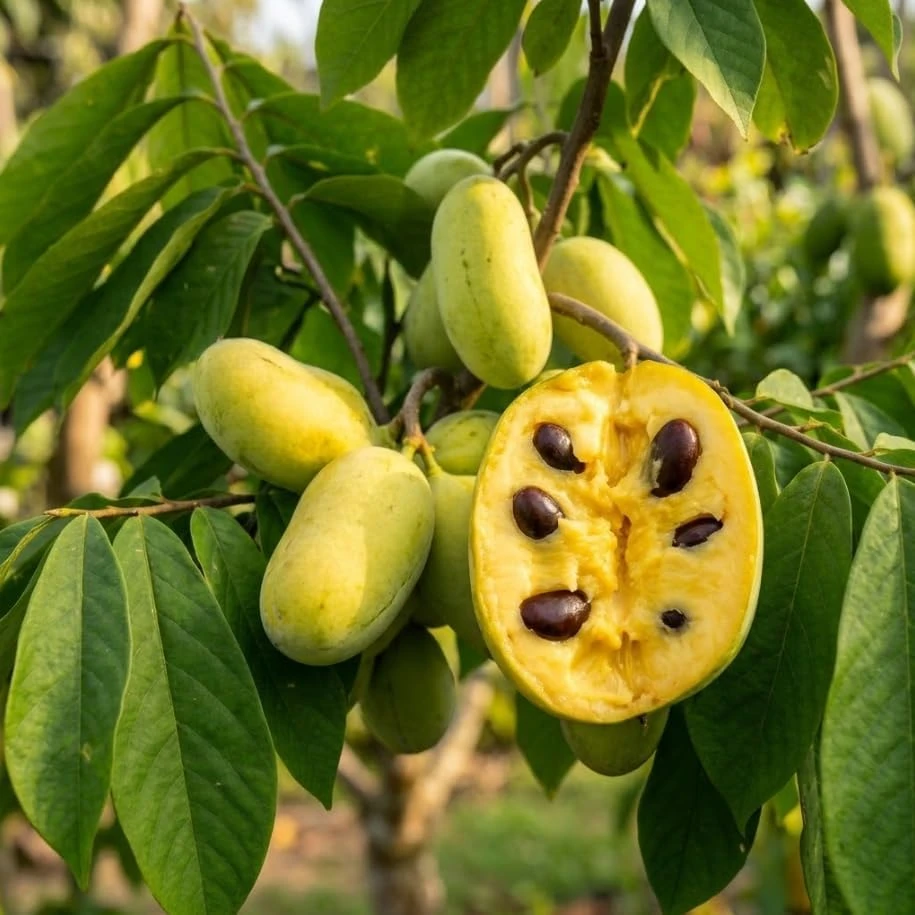
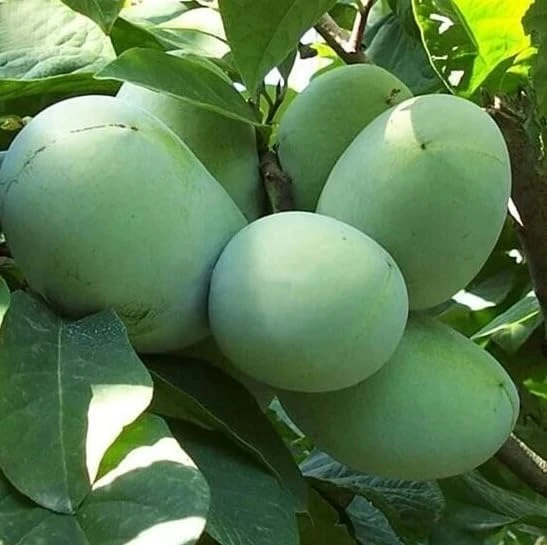
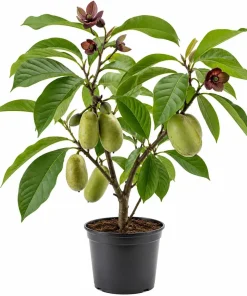
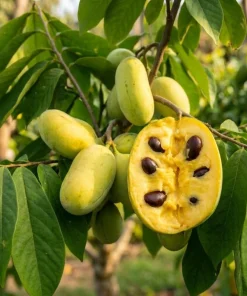
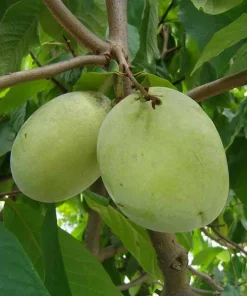
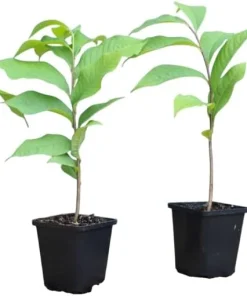
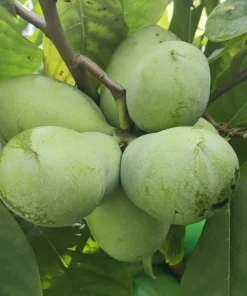
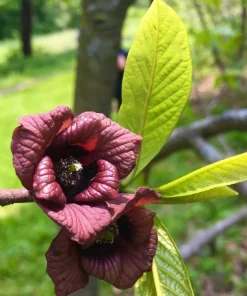
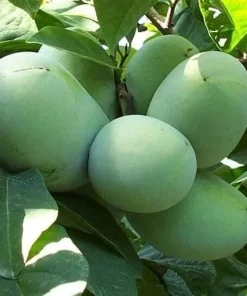
American Paw Paw Tree Live Plant (Asimina triloba) – 6-14 Inches Tall, Quart Pot
Original price was: $39.98.$19.99Current price is: $19.99.
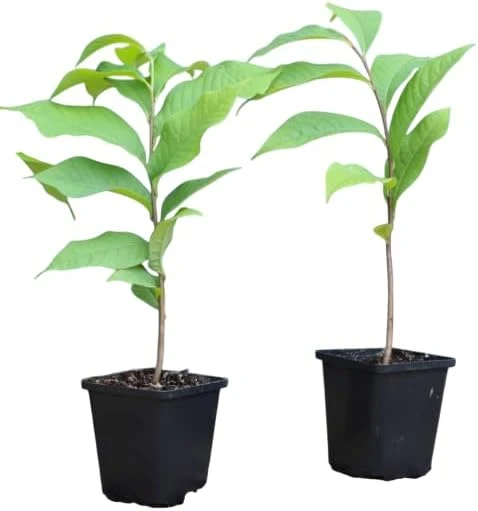
Cultivate your own unique fruit with an American Paw Paw Tree live plant. This Asimina triloba tree is a young starter, 6-14 inches tall in a quart pot, perfect for establishing a hardy banana tree in your garden or orchard for future ornamental fruit.
Estimated arrival
Oct 14
Oct 19 - Oct 21
Oct 24 - Oct 28
Shop With Confidence
30-Day Plant Health Guarantee
Arrives damaged? We’ll replace it free — see our return policy.
Responsive Support
Email us anytime, we reply within 1 business day.
Expert Packaging
Temperature-controlled shipping to protect your plants in transit.
Secure Checkout
Pay safely with Visa, Mastercard, PayPal.
Plant Specifications
-
USDA Hardiness Zone
USDA Zones 5-9 -
Soil Type
Well-draining, fertile soil -
Sunlight Exposure
Full sun to partial shade (young trees prefer some afternoon shade) -
Expected Planting Period
Spring to early summer
Overview
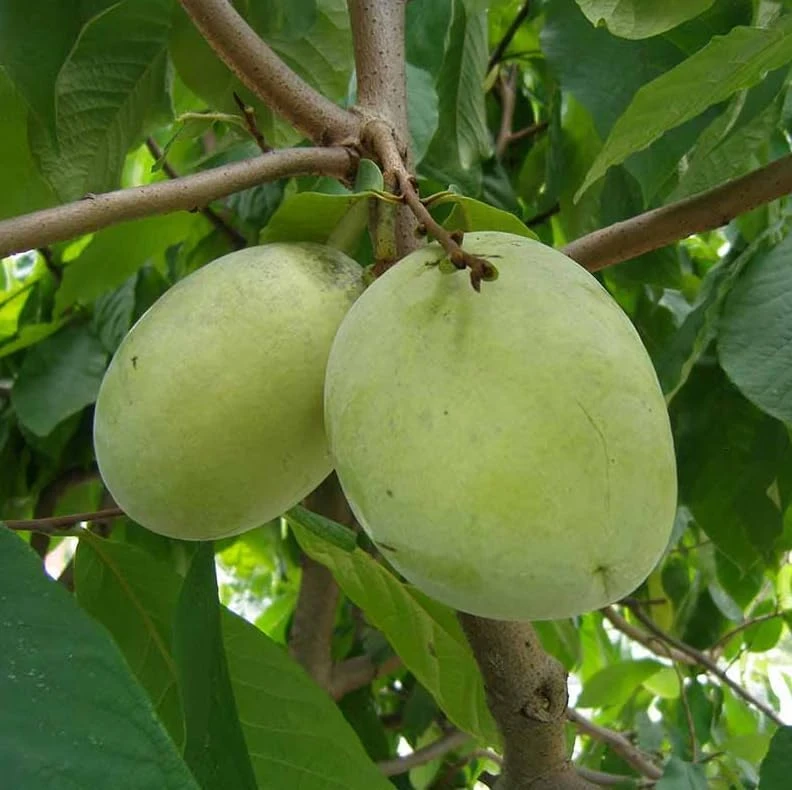
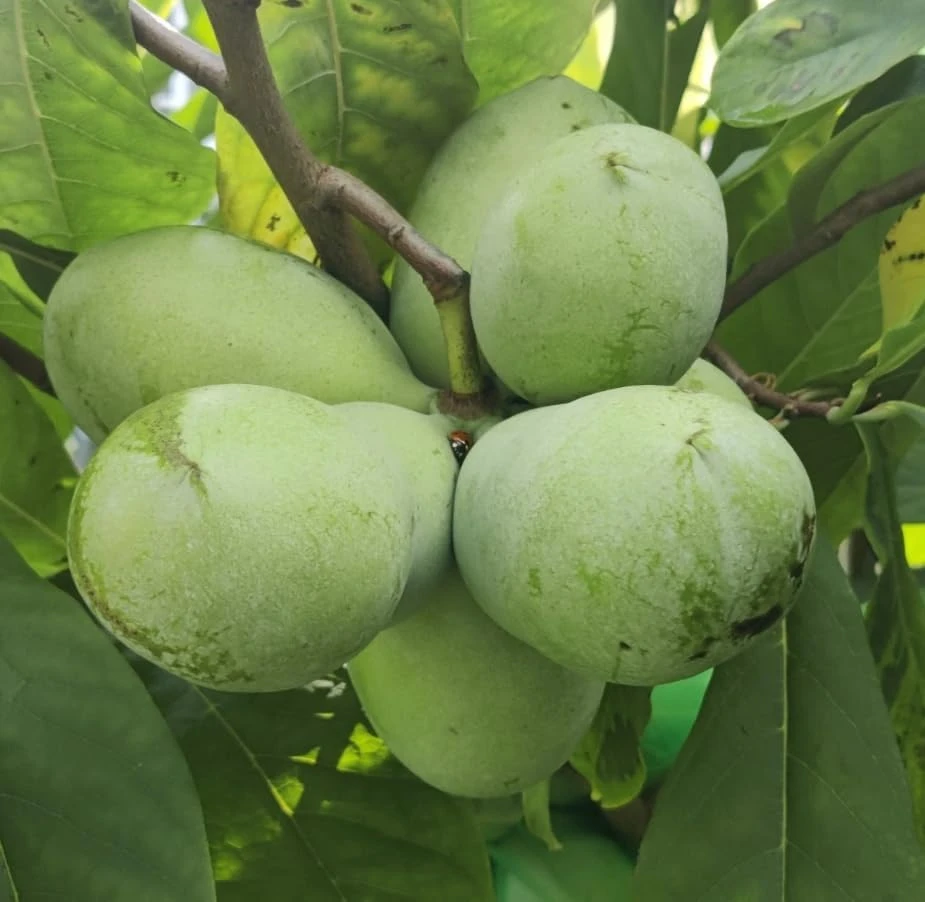
Bring the taste of the tropics to your temperate garden with this American Paw Paw Tree live plant. Also known as the Asimina triloba tree, this unique fruit-bearing specimen is a true North American native, offering a delicious and often overlooked fruit. Our starter plants are approximately 6-14 inches tall and arrive in a quart pot, ready for transplanting into your landscape. The pawpaw is celebrated for its distinctive, sweet, custard-like fruit, often compared to bananas and mangoes. This young tree is carefully grown to ensure a healthy start, providing you with the foundation for a thriving pawpaw fruit tree that will beautify your outdoor space and provide bountiful harvests in the coming years. It’s an excellent choice for food forests, orchards, or simply as an intriguing addition to your backyard, promising both ornamental appeal and delectable produce.
Key Benefits
Adding an American Paw Paw Tree live plant to your garden offers a range of unique advantages, from its delicious fruit to its ecological benefits. This hardy, native tree provides more than just aesthetic appeal; it’s a valuable addition to any sustainable landscape.
- Unique Fruit Production: Enjoy the rare and delicious taste of pawpaws, often described as a blend of banana, mango, and pineapple. These trees typically begin producing fruit 2-4 years after establishment, offering a truly unique harvest.
- Native & Hardy: As a native North American species, the Asimina triloba tree is well-adapted to various climates and resistant to many common pests and diseases, making it a low-maintenance choice for gardeners.
- Ornamental Value: Beyond its fruit, the pawpaw tree boasts attractive, large, drooping leaves that provide a lush, tropical appearance, especially in the fall when they turn a vibrant yellow.
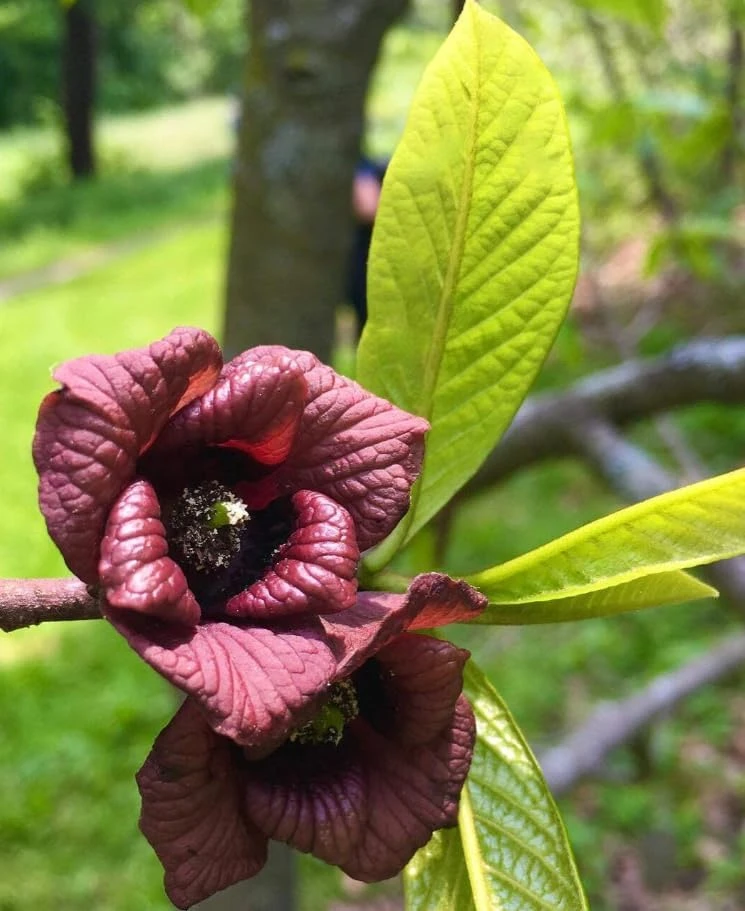
- Wildlife Attraction: The flowers attract native pollinators, and the fruit, if left unharvested, can provide food for local wildlife, contributing to a healthy ecosystem.
- Shade & Landscape Enhancement: Growing into a small to medium-sized tree, it provides excellent shade and can be a focal point in your garden or a valuable understory tree in a larger food forest.
- Sustainable Gardening: Incorporating a pawpaw fruit tree supports biodiversity and offers a sustainable food source directly from your backyard.
- Low Maintenance: Once established, these trees are relatively easy to care for, requiring minimal intervention compared to many other fruit trees.
Plant Care & Growing Tips
Caring for your American Paw Paw Tree live plant is a rewarding experience that results in delicious, unique fruit. While hardy, proper initial care sets the stage for a thriving Asimina triloba tree. Pawpaws prefer full sun to partial shade; young trees benefit from some afternoon shade to prevent leaf scorch, especially in hotter climates. Once established, they can tolerate full sun, which promotes better fruit production. When planting, ensure the site has well-draining soil. Pawpaws prefer a slightly acidic to neutral pH (5.5-7.0). Amend heavy clay soils with compost or other organic matter to improve drainage. Keep the soil consistently moist, especially during the first few years after planting and during dry spells. Avoid waterlogging, as this can lead to root rot. Deep watering is better than frequent shallow watering. Fertilize sparingly in the first year; an all-purpose balanced fertilizer can be applied in spring once the tree is established. Pruning is generally minimal, focusing on removing dead or crossing branches to maintain a strong structure. These trees are quite cold hardy, typically thriving in USDA Zones 5-9. Remember that a hardy banana tree like the pawpaw may appear dormant in winter, shedding its leaves, but will resume active growth when temperatures warm in spring. Protect young trees from deer, which may browse on the foliage.
Size & Details
This offering includes one American Paw Paw Tree live plant, specifically an Asimina triloba tree, carefully cultivated and ready for its new home. Each plant arrives growing in a quart-sized pot, ensuring its root system is well-established for a smooth transition. The young starter plant measures approximately 6 to 14 inches in height, making it an ideal size for transplanting into your garden, food forest, or orchard. This is a 1-year-old plant, meaning it has had a full season of growth and developed a strong foundation. While it is a young starter plant and will not have flowers or fruit upon arrival, with proper care and favorable growing conditions, you can anticipate your pawpaw fruit tree to begin producing its unique ornamental fruit in approximately 2 to 4 years. The pawpaw tree is known for its moderate growth rate, eventually reaching heights of 15-20 feet, with a spread of 10-15 feet, providing a good canopy for shade and fruit production.
Frequently Asked Questions
- Q: How big will this American Paw Paw Tree live plant get? A: This particular plant is a young starter, 6-14 inches tall. Fully mature Asimina triloba tree specimens typically reach heights of 15-20 feet with a spread of 10-15 feet, providing a good size for most home landscapes.
- Q: Is this an indoor or outdoor plant? A: The American Paw Paw Tree live plant is an outdoor plant, ideally suited for gardens, orchards, and food forests. It requires outdoor conditions to thrive and produce its unique ornamental fruit tree.
- Q: How much sunlight does a pawpaw tree need? A: Young pawpaw trees prefer partial shade, especially protection from intense afternoon sun. Once established, they can tolerate full sun, which is beneficial for maximizing fruit production.
- Q: Is this plant easy to care for? A: Yes, once established, the American Paw Paw Tree live plant is considered relatively low-maintenance due to its native hardiness and resistance to many common pests and diseases. It’s a good choice for both experienced and novice gardeners.
- Q: What condition will it arrive in? A: You will receive a healthy, young starter plant, approximately 6-14 inches tall, growing in a quart pot. It will be carefully packaged to ensure safe transit.
- Q: How long until it produces fruit? A: As a young starter plant, your pawpaw fruit tree will not have fruit upon arrival. With proper care and establishment in your garden, it typically begins producing fruit in approximately 2-4 years.
- Q: Will it survive winter in my zone? A: Pawpaw trees are quite cold hardy and thrive in USDA Zones 5-9. They are deciduous, meaning they will lose their leaves and go dormant in winter, resuming growth in spring.
- Q: What is the best soil for an Asimina triloba tree? A: Pawpaws prefer well-draining, fertile soil with a slightly acidic to neutral pH. Amending with organic matter can improve soil structure and fertility.
- Q: Do I need more than one tree for fruit? A: While some pawpaw varieties are self-fertile, cross-pollination generally leads to better fruit set and larger harvests. Planting at least two genetically different pawpaw trees is recommended for optimal fruit production.
- Q: Can I grow this hardy banana tree in a container? A: While possible for a short period when young, pawpaws develop a deep taproot and are best suited for planting directly in the ground to allow for proper growth and fruit production.
Be the first to review “American Paw Paw Tree Live Plant (Asimina triloba) – 6-14 Inches Tall, Quart Pot”
People Also Viewed
Trees
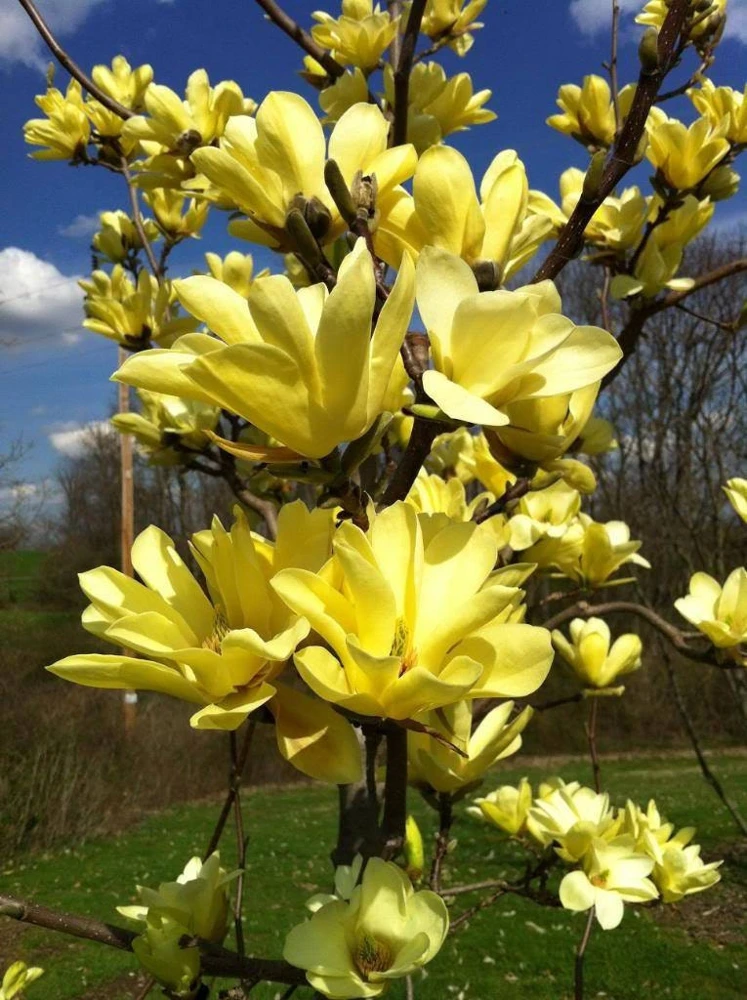
Yellow Bird Magnolia Live Plant 6-12″ Tall – 2.5″ Pot – Full Sun to Partial Shade Outdoor Tree
Vegetables
Crimson Sweet Watermelon Live Plants – 2 Heirloom Seedlings, 4 Inch Pot, 3-5″ Tall for Garden
Reviews
There are no reviews yet.