
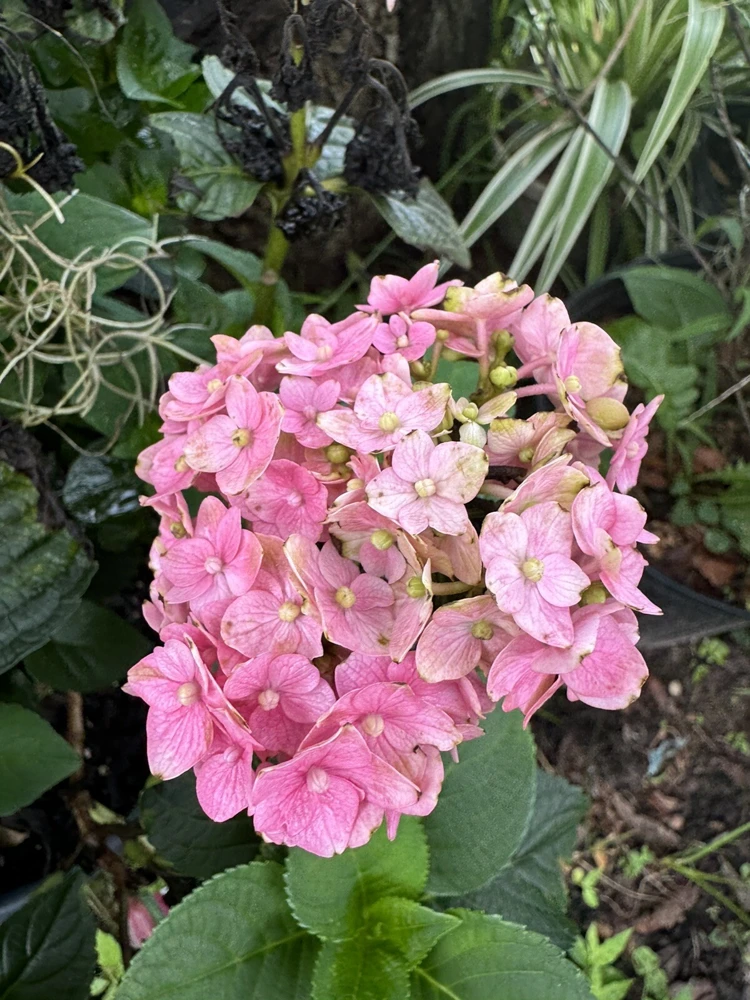
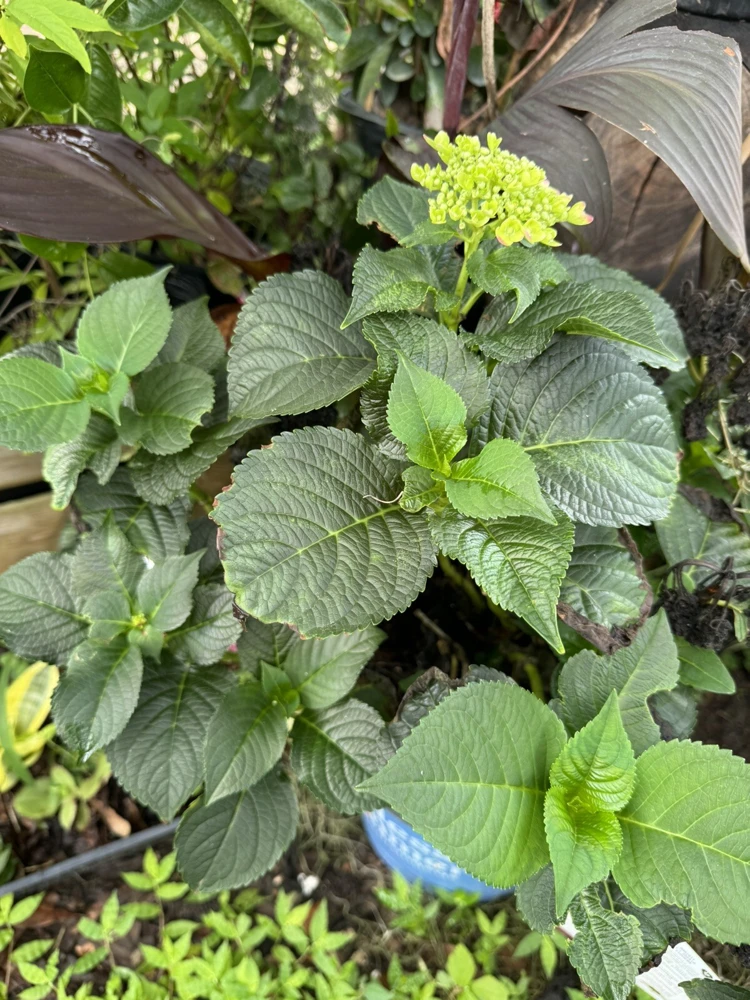
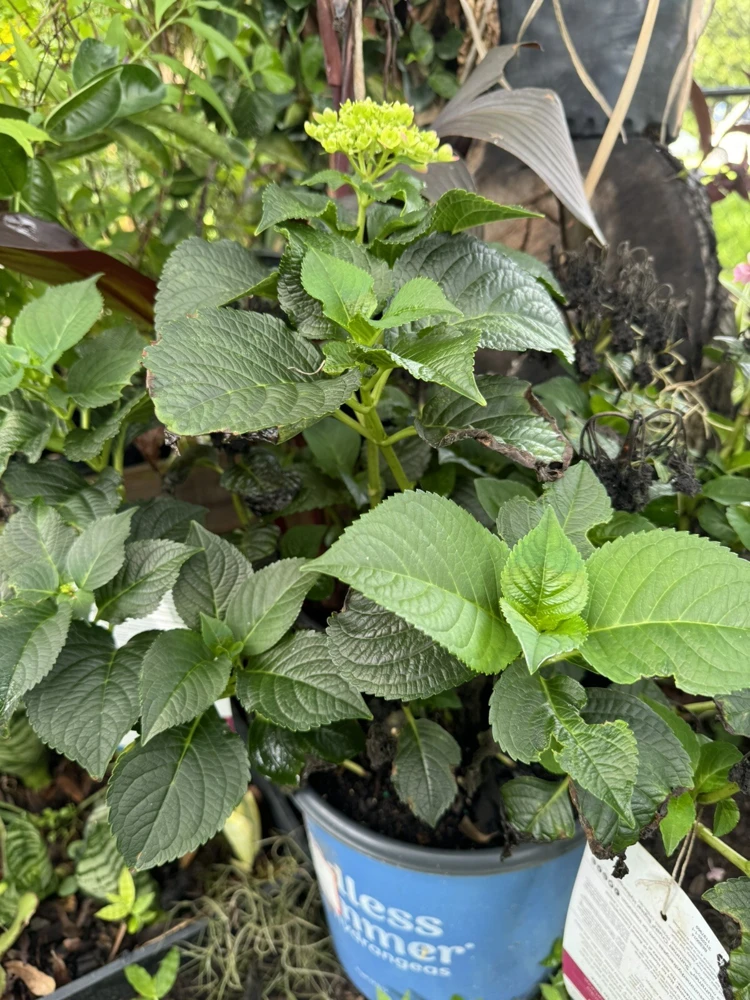
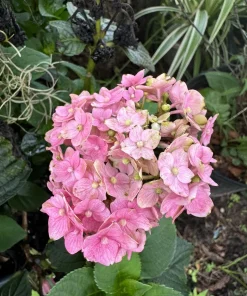
Hydrangea Macrophylla Live Plant – Outdoor Flowering Shrub
Original price was: $64.99.$44.99Current price is: $44.99.
Bring vibrant beauty to your landscape with the Hydrangea Macrophylla live plant. This popular outdoor flowering shrub is known for its large, showy blooms and lush foliage, perfect for garden beds or containers.
Estimated arrival
Oct 27
Nov 01 - Nov 03
Nov 06 - Nov 10
Shop With Confidence
30-Day Plant Health Guarantee
Arrives damaged? We’ll replace it free — see our return policy.
Responsive Support
Email us anytime, we reply within 1 business day.
Expert Packaging
Temperature-controlled shipping to protect your plants in transit.
Secure Checkout
Pay safely with Visa, Mastercard, PayPal.
Plant Specifications
-
USDA Hardiness Zone
USDA zones 5-9 -
Soil Type
Well-draining, rich, loamy soil -
Sunlight Exposure
Partial shade (morning sun, afternoon shade) -
Expected Planting Period
Spring to early fall
Overview
The Hydrangea Macrophylla live plant is a beloved deciduous shrub, cherished for its spectacular, often colorful, flower clusters that grace gardens from summer into fall. Commonly known as Bigleaf Hydrangea, this plant is a staple in many landscapes across the United States. It is a robust and visually stunning addition, offering a burst of color and a touch of elegance to any outdoor space. These live plants are ready to be established in your garden, providing immediate visual impact and promising years of beautiful blooms. Whether you’re looking to create a vibrant border, a focal point, or simply add some lush greenery, the Hydrangea Macrophylla live plant is an excellent choice for its beauty and relatively easy care.
Originating from Japan, these hydrangeas are known for their large leaves and even larger flower heads, which can be either mophead (globe-shaped) or lacecap (flat-topped with small fertile flowers surrounded by larger sterile ones). The color of the flowers can vary significantly based on soil pH, ranging from vibrant blues in acidic soils to rich pinks and reds in alkaline soils, with purple hues in between. This fascinating characteristic allows gardeners to influence the bloom color, adding an exciting dimension to gardening. The Hydrangea Macrophylla live plant is a testament to nature’s artistry, providing continuous visual interest throughout its growing season.
Key Benefits
The Hydrangea Macrophylla live plant offers numerous benefits, making it a highly desirable addition to any garden. Its stunning appearance and adaptability contribute to a beautiful and thriving outdoor environment.
-
Spectacular Blooms: Enjoy large, showy flower clusters that provide a magnificent display of color, ranging from blue, pink, purple, or white, depending on the cultivar and soil pH. These blooms are a true centerpiece in any garden setting.
-
Versatile Landscaping: Perfect for use as a specimen plant, in mass plantings, borders, or even in large containers. Its adaptability makes it suitable for various garden designs and sizes, enhancing curb appeal.
-
Long Blooming Season: The Hydrangea Macrophylla live plant often blooms from early summer through fall, providing extended periods of vibrant color when many other plants have finished their display. This ensures continuous beauty in your garden.
-
Attractive Foliage: Beyond its flowers, the plant features lush, dark green leaves that maintain an attractive appearance throughout the growing season, providing a beautiful backdrop even when not in bloom.
-
Pollinator Friendly: The flowers, especially the lacecap varieties, can attract pollinators like bees and butterflies, contributing to a healthy and biodiverse garden ecosystem.
-
Color Changing Ability: For many varieties, the flower color can be influenced by adjusting the soil pH, offering a unique and engaging gardening experience. This makes macrophylla hydrangea care even more rewarding.
Plant Care & Growing Tips
Proper macrophylla hydrangea care is essential for ensuring a healthy and abundantly flowering plant. These shrubs thrive with consistent attention to their specific needs. Hydrangeas prefer morning sun and afternoon shade, especially in hotter climates, which helps protect their delicate blooms and foliage from scorching. Aim for at least 4-6 hours of morning sunlight. In cooler regions, they can tolerate more sun, but always ensure they are not exposed to intense, direct afternoon sun that can cause wilting and stress. Plant your hydrangea in a location with good air circulation to reduce the risk of fungal diseases.
Watering is crucial for Hydrangea Macrophylla live plant, especially during dry spells and in their first year of establishment. The soil should be kept consistently moist but not waterlogged. Deep watering 2-3 times a week is generally more beneficial than light, frequent watering. Well-draining soil is paramount; hydrangeas do not like ‘wet feet.’ A rich, well-draining loam with plenty of organic matter is ideal. You can amend heavy clay soils with compost or peat moss to improve drainage and aeration. Fertilize in early spring with a slow-release granular fertilizer formulated for flowering shrubs, or one specific for hydrangeas, to encourage vigorous growth and prolific blooming. Avoid over-fertilizing, as this can lead to lush foliage but fewer flowers.
Pruning techniques depend on whether your hydrangea blooms on ‘old wood’ or ‘new wood.’ Most Hydrangea Macrophylla live plant varieties bloom on old wood, meaning the flower buds form on stems from the previous year. For these, prune immediately after flowering in late summer to early fall. Remove only dead, damaged, or weak stems, and shape the plant as needed. For ‘new wood’ bloomers (re-blooming varieties), you can prune in late winter or early spring. Monitor for common pests like aphids and spider mites, and diseases such as powdery mildew, treating promptly with appropriate organic or chemical solutions if necessary. Protecting your hydrangea from harsh winter winds and extreme cold can help ensure a strong return in the spring, which is vital for successful growing bigleaf hydrangea.
Size & Details
The Hydrangea Macrophylla live plant is typically shipped as a young plant, often in a nursery pot (e.g., 1-gallon or 2-gallon size), ready for planting. Upon arrival, the plant will have established roots and healthy foliage, usually standing approximately 6-12 inches tall, though specific sizing can vary by cultivar and growing stage. When mature, these beautiful shrubs typically grow to a height of 3-6 feet and spread 3-6 feet wide, forming a dense, rounded bush. The growth rate is moderate, allowing the plant to establish itself well within a few seasons. Expect the first significant blooms within the first one to two years after planting, with more abundant flowering as the plant matures. This makes it an ideal hydrangea garden shrub for various landscape applications.
The vibrant flower clusters, which are the hallmark of the Hydrangea Macrophylla live plant, can reach impressive sizes, often 6-10 inches in diameter. The plant’s overall size and bloom production are greatly influenced by growing conditions, including soil quality, sunlight exposure, and consistent watering. With proper care, your hydrangea will become a robust and attractive feature in your garden. It is important to note that the plant’s mature size can also be managed through strategic pruning, allowing it to fit into smaller garden spaces or containers if desired. The lush green foliage provides an attractive backdrop for the colorful flowers, contributing to the plant’s overall aesthetic appeal.
Frequently Asked Questions
-
Q: How big does this plant get? A: The Hydrangea Macrophylla live plant typically grows to a mature height and spread of 3-6 feet, forming a full, rounded shrub. Its ultimate size can be influenced by cultivar, growing conditions, and pruning.
-
Q: What size pot does it come in? A: The plant usually arrives in a nursery pot, such as a 1-gallon or 2-gallon container, with a well-developed root system ready for transplanting into your garden or a larger pot.
-
Q: Is this an indoor or outdoor plant? A: This is primarily an outdoor plant, best suited for garden beds, borders, and large outdoor containers. While it can be briefly brought indoors for decorative purposes, it thrives in outdoor conditions.
-
Q: How much sunlight does it need? A: Hydrangea Macrophylla live plant prefers a location with morning sun and afternoon shade, especially in warmer climates. Aim for 4-6 hours of morning sun to ensure optimal blooming and prevent leaf scorch.
-
Q: Is this plant easy to care for? A: Yes, with consistent watering and proper site selection, Bigleaf Hydrangeas are relatively easy to care for, making them suitable for both experienced and novice gardeners interested in growing bigleaf hydrangea.
-
Q: What condition will it arrive in? A: Your Hydrangea Macrophylla live plant will arrive as a healthy, actively growing plant, typically with established roots and lush foliage, carefully packaged to ensure its safe journey.
-
Q: Is it shipped in soil? A: Yes, the plant is shipped rooted in its nursery pot with soil, preserving its health and minimizing transplant shock upon arrival.
-
Q: How long until it blooms? A: You can expect your hydrangea to start producing its beautiful blooms within one to two years after planting, with more abundant flowering as the plant matures and establishes itself. Enjoy the beautiful vibrant hydrangea flowers.
-
Q: When is the best time to plant? A: The best time to plant macrophylla hydrangea care is in spring after the last frost, or in early fall before the ground freezes, allowing the plant time to establish its roots.
-
Q: Will it survive winter in my zone? A: Hydrangea Macrophylla is generally hardy in USDA Zones 5-9. In colder zones, winter protection may be necessary to ensure survival and consistent blooming, preserving your beautiful hydrangea garden shrub.
Be the first to review “Hydrangea Macrophylla Live Plant – Outdoor Flowering Shrub”
People Also Viewed
Vegetable Seeds
500 Danish Ballhead Cabbage Vegetable Seeds – Brassica Oleracea Capitata – Outdoor Garden

Shrubs
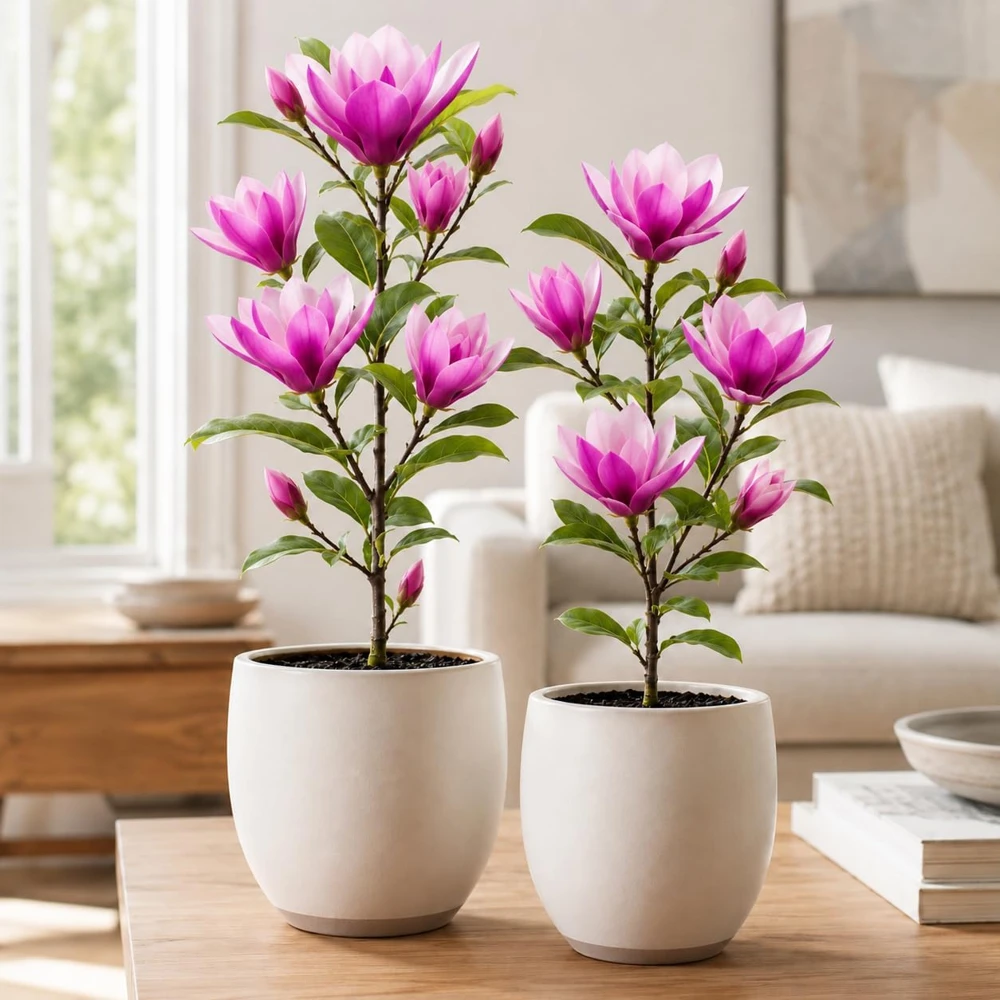
Ann Magnolia Tree Live Plant Set of 2, 2.5 Inch Pot, Fragrant Pink-Purple Flowers, 5-10 Inches Tall
Reviews
There are no reviews yet.