
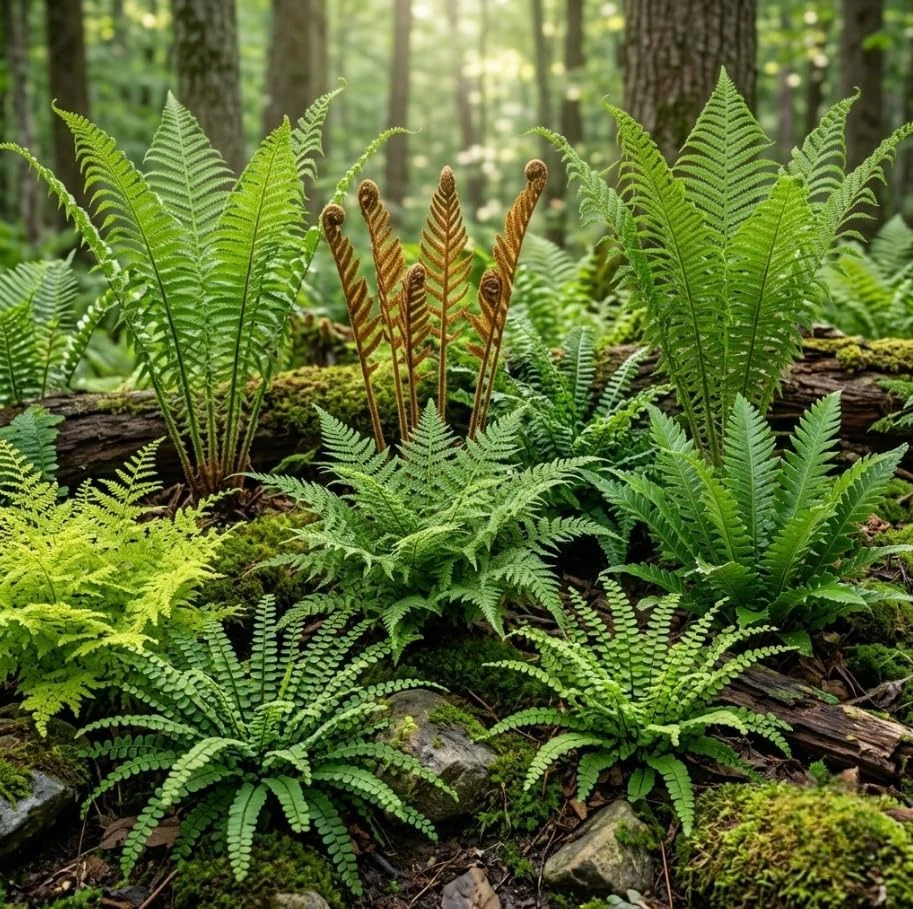
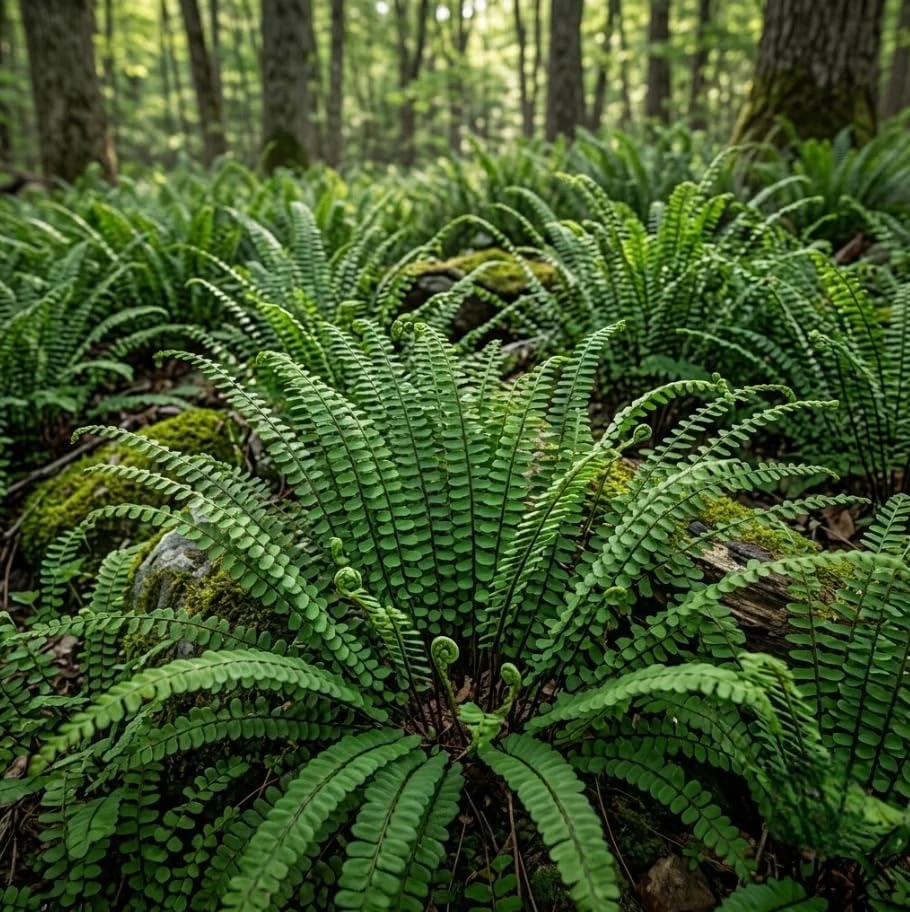
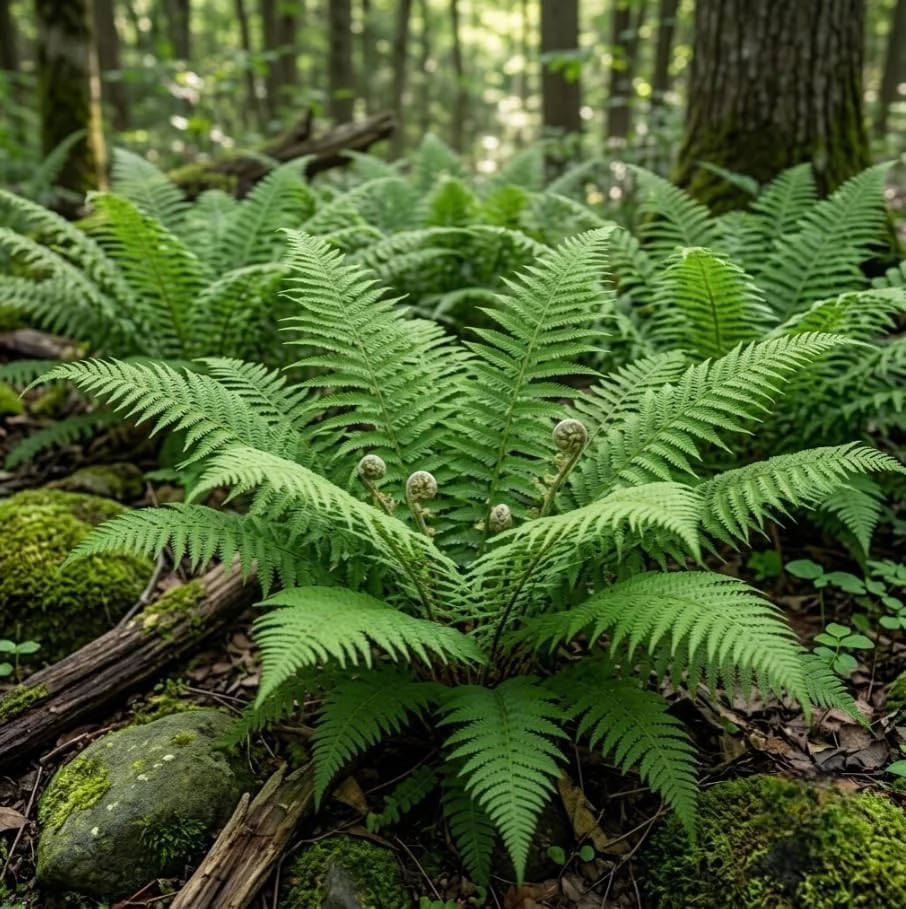
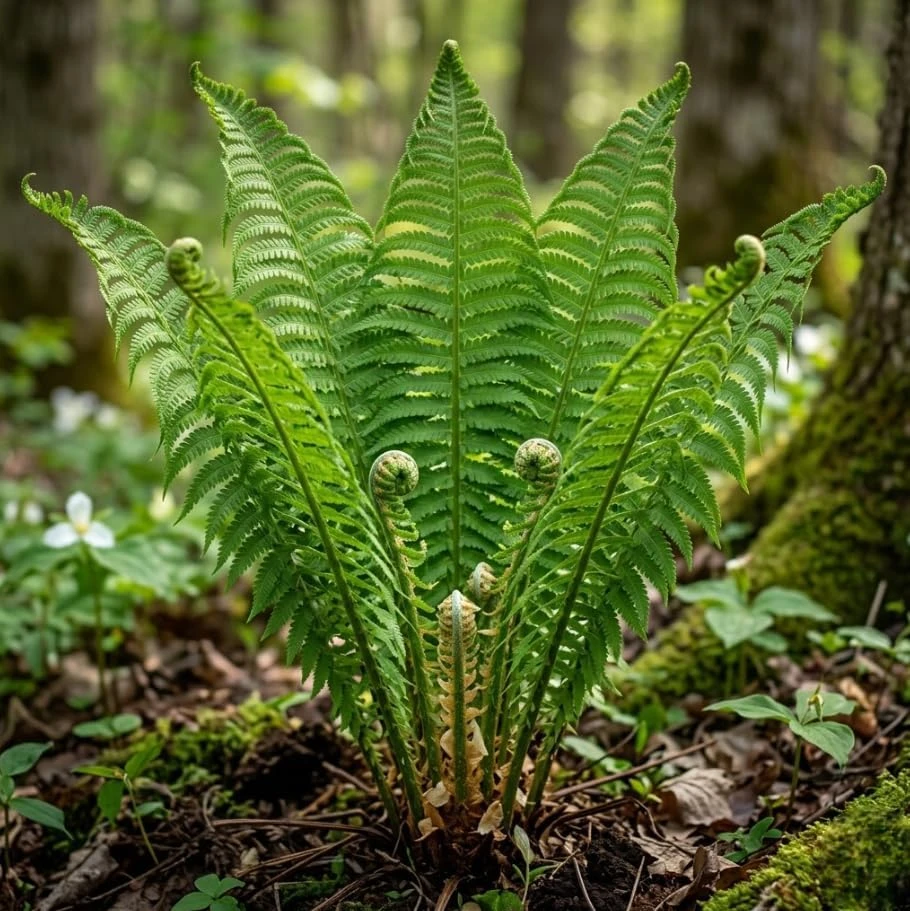
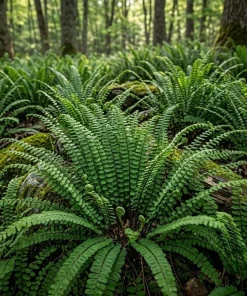
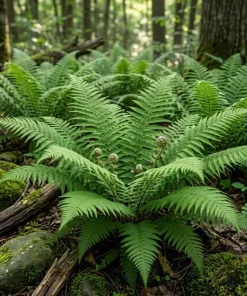
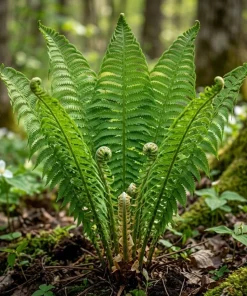
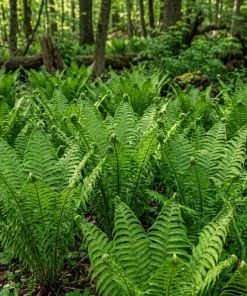
10 Fern Rhizomes Bare Roots – Mixed Green Perennial Ferns, 3-6″ Long
Original price was: $45.98.$22.99Current price is: $22.99.
Introduce natural beauty to your garden with this collection of fern rhizomes. Each pack contains 10 bare roots, 3-6 inches long, ready to establish into vibrant perennial ferns. Ideal for shaded and partially shaded areas, these ferns provide lush, green foliage year after year. A perfect choice for creating a serene garden space.
Estimated arrival
Oct 14
Oct 19 - Oct 21
Oct 24 - Oct 28
Shop With Confidence
30-Day Plant Health Guarantee
Arrives damaged? We’ll replace it free — see our return policy.
Responsive Support
Email us anytime, we reply within 1 business day.
Expert Packaging
Temperature-controlled shipping to protect your plants in transit.
Secure Checkout
Pay safely with Visa, Mastercard, PayPal.
Plant Specifications
-
USDA Hardiness Zone
USDA zones 3-9 (varies by species) -
Soil Type
Rich, well-draining, consistently moist soil -
Sunlight Exposure
Shade to partial shade -
Expected Planting Period
Spring to early fall
Overview
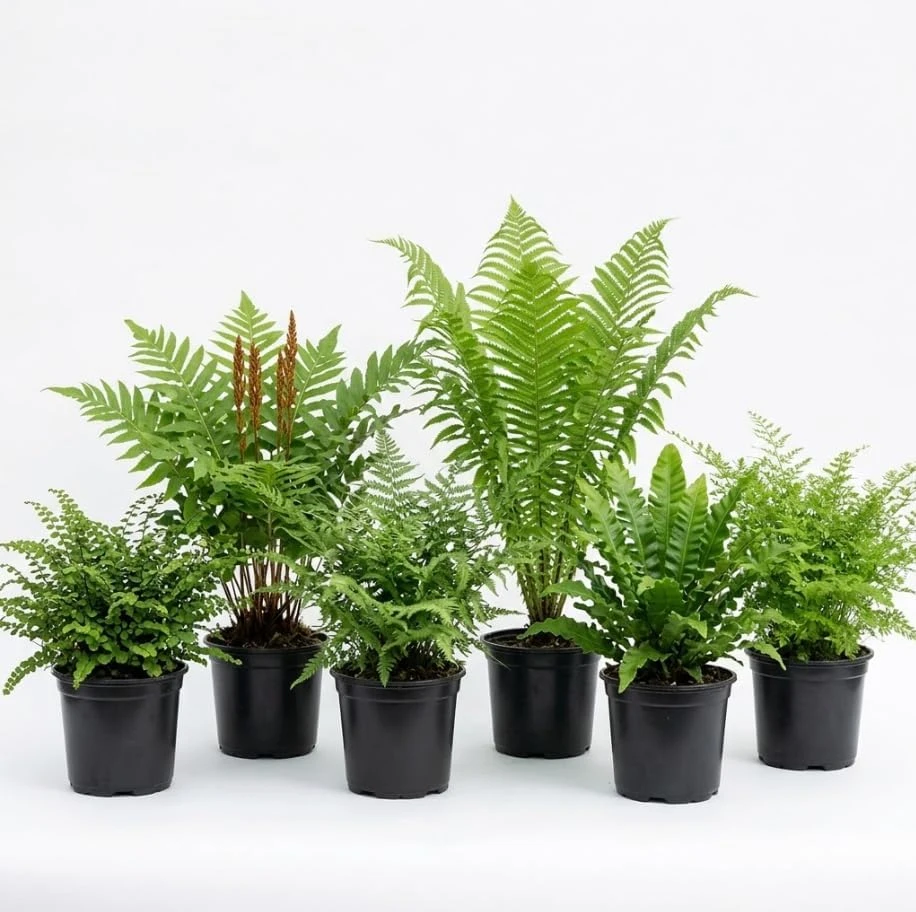
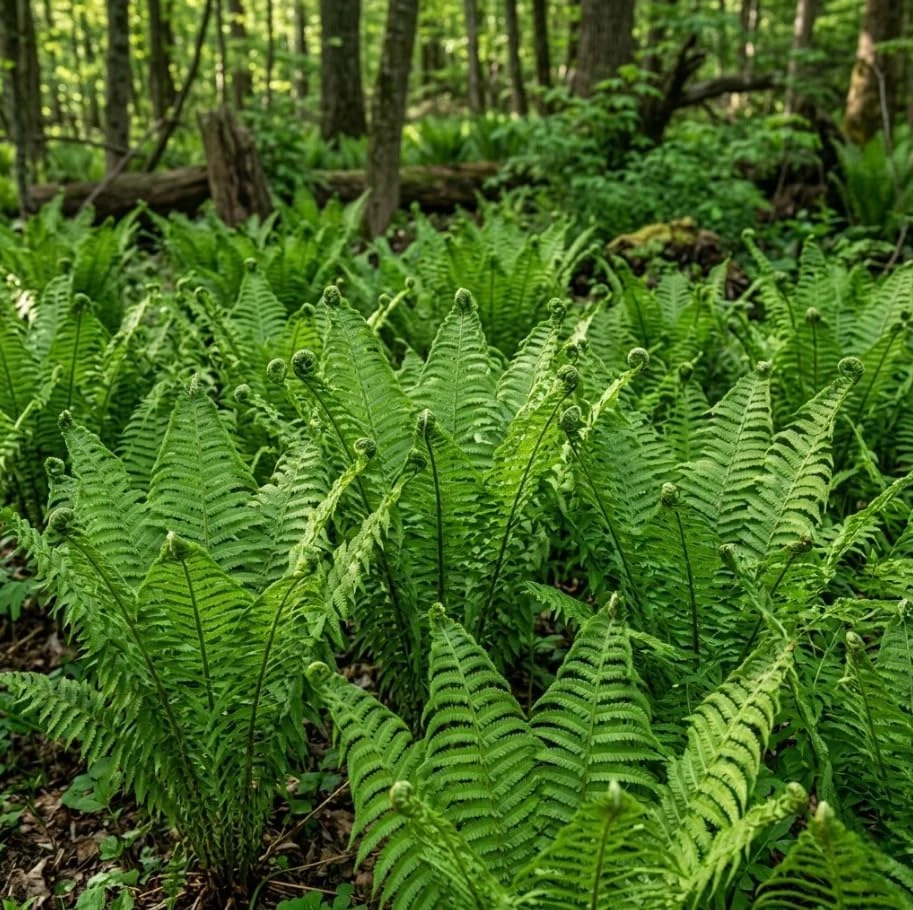
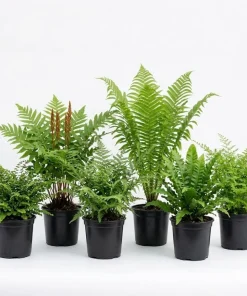
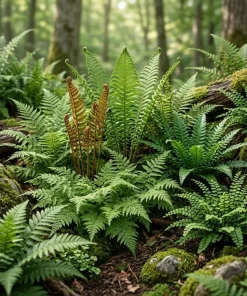
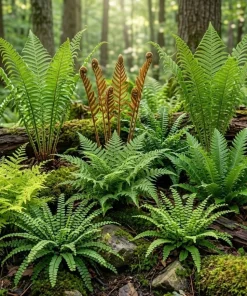
Transform your outdoor space with a collection of fern rhizomes, offering a simple yet rewarding way to cultivate lush greenery. This offering includes 10 individual fern rhizomes, each measuring between 3 and 6 inches long. These are not potted plants but fresh, healthy bare roots, ready to be planted directly into your garden. Ferns are celebrated for their elegant, feathery fronds and ability to thrive in shaded environments, making them an excellent choice for woodland gardens, shaded borders, or alongside water features. These perennial ferns will return year after year, gradually expanding to create a verdant, tranquil landscape. You’ll receive a random selection of popular varieties such as Spleenwort Fern, Cinnamon Fern, Lady Fern, Ostrich Fern, Christmas Fern, and Hay-scented Fern, ensuring a delightful mix of textures and forms for your garden.
Key Benefits
Adding these bare root ferns to your garden offers numerous advantages, from aesthetic appeal to ecological benefits. They are particularly effective in creating a natural, serene atmosphere in areas where other plants might struggle. Here are some of the key benefits:
-
Effortless Establishment: These fern rhizomes are supplied as bare roots, which are naturally robust and designed for quick establishment once planted. This method allows for a strong foundation, leading to vigorous growth in your garden.
-
Perennial Beauty: Enjoy year-round interest with these perennial plants. Once established, they will reliably emerge each spring, providing consistent lush, green foliage without the need for annual replanting, making them a sustainable choice for your landscape.
-
Shade Tolerance: Ferns are renowned for their ability to flourish in shaded or partially shaded environments. They are the perfect solution for brightening up those tricky, low-light spots in your garden where many flowering plants would struggle, creating a vibrant understory.
-
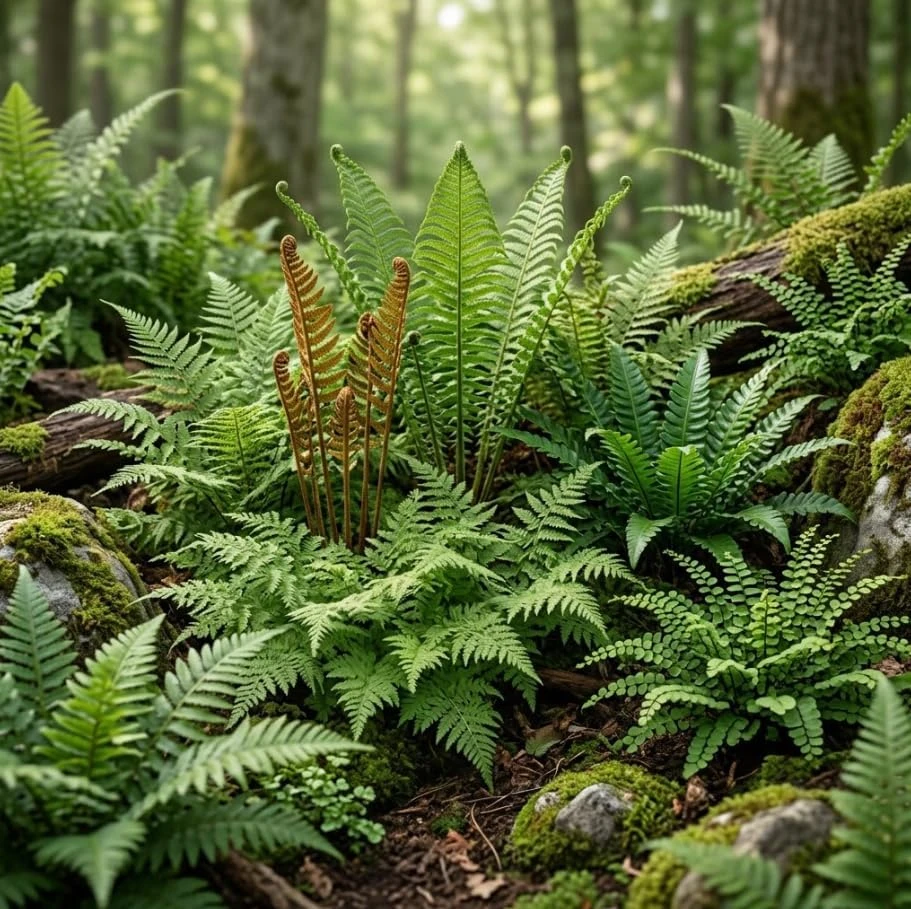
Naturalizing Effect: Ideal for naturalizing, these ferns will gradually spread over time, forming dense colonies that mimic a forest floor. This organic growth pattern helps to suppress weeds and creates a beautiful, maintenance-friendly groundcover.
-
Diverse Selection: Each collection includes 10 random varieties from a list of popular and hardy ferns, such as Spleenwort Fern, Cinnamon Fern, and Lady Fern. This diversity ensures a varied and interesting display of frond shapes and sizes, adding depth to your garden design.
-
Low Maintenance: Once established, most perennial ferns require minimal care. They are generally resistant to pests and diseases and, with proper initial planting, will thrive with little intervention, allowing you more time to enjoy your garden.
-
Erosion Control: The spreading root systems of these ferns can help stabilize soil on slopes or in areas prone to erosion, providing a natural and attractive solution for landscape management.
Plant Care & Growing Tips
Caring for your new fern rhizomes is straightforward, especially when you understand their basic needs. Ferns generally prefer conditions that mimic their natural woodland habitats. Upon arrival, plant your bare roots as soon as possible. Dig a hole wide enough to spread out the rhizome and deep enough so the top of the rhizome is just below the soil surface. Ensure the soil is consistently moist but not waterlogged, particularly during the establishment phase. Good drainage is crucial to prevent root rot.
For optimal growth, these shade loving ferns thrive in shaded to partially shaded locations. Avoid direct, intense sunlight, which can scorch their delicate fronds. Morning sun is generally acceptable, but afternoon shade is essential. The ideal soil is rich in organic matter, slightly acidic, and consistently moist. Incorporating compost or leaf mold into your planting area will greatly benefit their growth. While ferns are quite self-sufficient, a light application of balanced, slow-release fertilizer in early spring can encourage more vigorous growth, though it is often not strictly necessary. Protect young plants from strong winds which can damage new fronds.
Most ferns are quite hardy, thriving in a wide range of USDA zones. Ensure adequate moisture during dry spells, especially for newly planted rhizomes. Mulching around the plants with shredded bark or leaf litter can help retain soil moisture and regulate soil temperature. As your fern plant care routine evolves, you’ll find these plants to be remarkably resilient and rewarding. Monitor for any signs of pest or disease, though ferns are generally quite robust. With these simple tips, your perennial ferns will create a beautiful, lasting impact.
Size & Details
This collection includes 10 fern rhizomes, each a healthy bare root measuring approximately 3 to 6 inches long. These are mature divisions, ready for planting and rapid establishment in your garden. The random selection ensures a varied display of forms and textures, drawing from varieties like Spleenwort Fern, Cinnamon Fern, Lady Fern, Ostrich Fern, Christmas Fern, and Hay-scented Fern. Expect these ferns to reach a mature height and spread varying by species, typically ranging from 1 to 3 feet in height and width, forming dense clumps over several growing seasons. They are shipped as dormant bare roots, ensuring they travel well and are ready to burst into growth once planted.
Frequently Asked Questions
-
Q: How big will these perennial ferns get? A: The mature size varies by species, but most ferns in this collection will typically grow between 1 and 3 feet tall and wide, forming beautiful, dense clumps. Their spread will increase over several years as the rhizomes naturalize.
-
Q: Are these fern rhizomes difficult to plant? A: No, planting these bare roots is quite easy. Simply dig a hole, spread out the rhizome, and cover it with soil so the top is just below the surface. Water thoroughly after planting to help establish the roots.
-
Q: How much sunlight do these shade loving ferns need? A: These ferns thrive in shaded to partially shaded conditions. They prefer locations that receive filtered light or morning sun, with protection from harsh afternoon sun, which can scorch their fronds.
-
Q: What kind of soil is best for fern plant care? A: Ferns prefer rich, well-draining soil that is consistently moist and slightly acidic. Incorporating organic matter like compost or leaf mold will provide an ideal growing medium and help with moisture retention.
-
Q: When is the best time to plant these bare root ferns? A: The best time to plant bare root ferns is in spring or early fall when temperatures are moderate. This allows the roots to establish before the stress of extreme heat or cold.
-
Q: Will these ferns survive winter? A: Yes, these are hardy perennial ferns. Once established, they are designed to return year after year, even after winter dormancy. The specific hardiness will depend on the individual fern varieties and your local climate.
-
Q: What condition will the fern rhizomes arrive in? A: Your ferns will arrive as healthy, dormant bare roots, measuring 3-6 inches long. They will be carefully packaged to ensure they are in optimal condition for planting upon arrival.
-
Q: Can I grow these ferns in containers? A: While primarily suited for garden planting, some varieties can be grown in containers, especially if you provide a large enough pot with good drainage and ensure consistent moisture. However, they generally perform best when planted directly in the ground.
-
Q: Are these ferns deer resistant? A: Many fern varieties are considered deer resistant, making them a good choice for gardens in areas with deer. However, no plant is entirely deer-proof, especially if food sources are scarce.
-
Q: How long does it take for the ferns to show growth? A: After planting, you can typically expect to see new fronds emerging within a few weeks to a couple of months, depending on planting time, growing conditions, and the specific fern variety. Establishment can take a full growing season.
Be the first to review “10 Fern Rhizomes Bare Roots – Mixed Green Perennial Ferns, 3-6″ Long”
People Also Viewed
Vegetable Seeds
30 Dwarf Cherry Tomato Tiny Tim Seeds – Red Fruit, Compact Plant
Reviews
There are no reviews yet.