
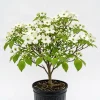
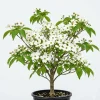

White Dogwood Tree Live Plant – Ornamental Flowering Shrub – 8-12″ Tall Quart Pot – Outdoor
Original price was: $38.98.$19.49Current price is: $19.49.
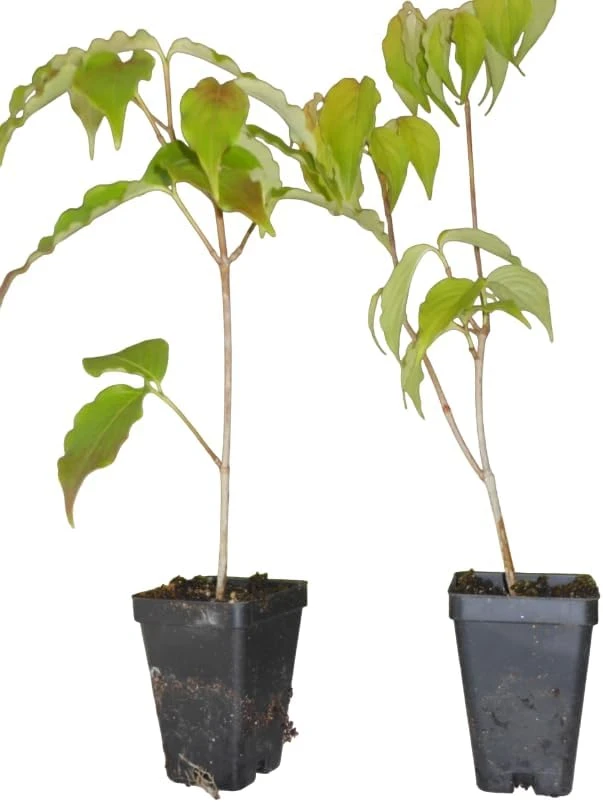
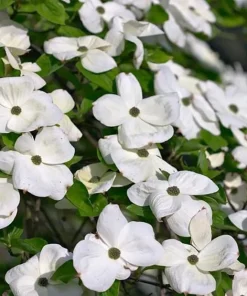
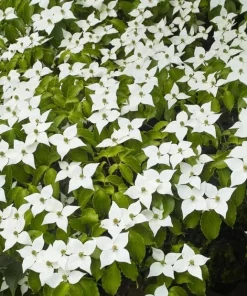
Add timeless elegance to your garden with a white dogwood tree live plant. This deciduous ornamental tree features classic white blooms, perfect for accent plantings. Arrives 8-12 inches tall in a quart pot, ready for transplanting into your outdoor landscape.
Estimated arrival
Oct 14
Oct 19 - Oct 21
Oct 24 - Oct 28
Shop With Confidence
30-Day Plant Health Guarantee
Arrives damaged? We’ll replace it free — see our return policy.
Responsive Support
Email us anytime, we reply within 1 business day.
Expert Packaging
Temperature-controlled shipping to protect your plants in transit.
Secure Checkout
Pay safely with Visa, Mastercard, PayPal.
Plant Specifications
-
USDA Hardiness Zone
5-9 -
Soil Type
Well-drained, acidic, rich in organic matter -
Sunlight Exposure
Partial sun to filtered sunlight -
Expected Planting Period
Early spring to early fall
Overview
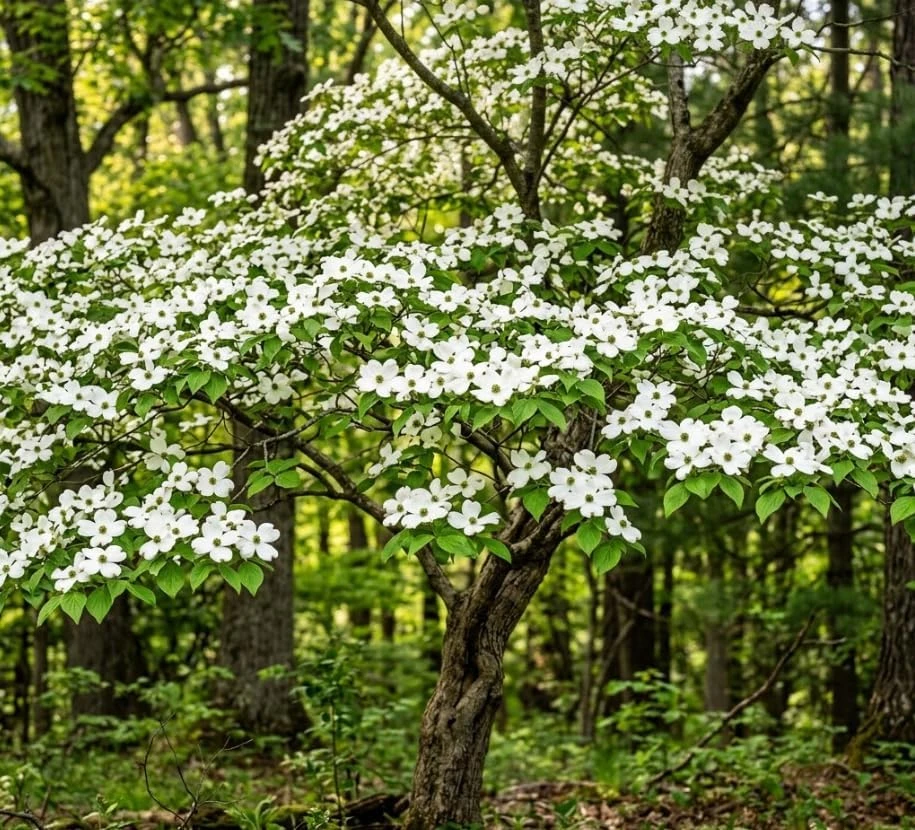
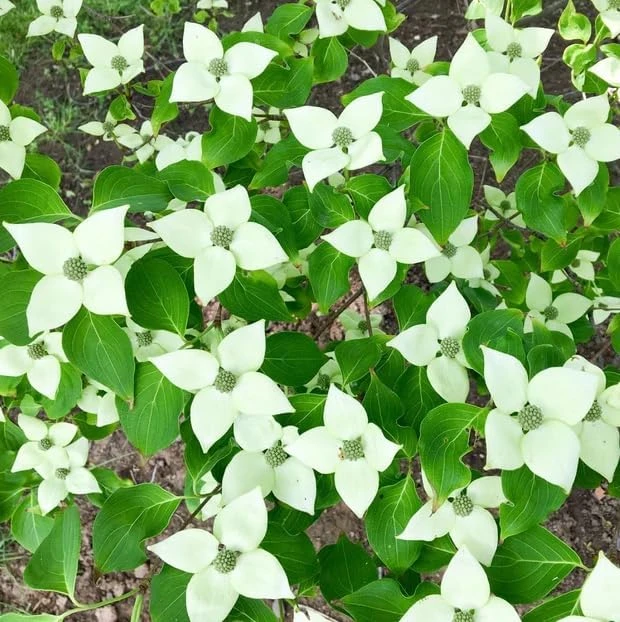
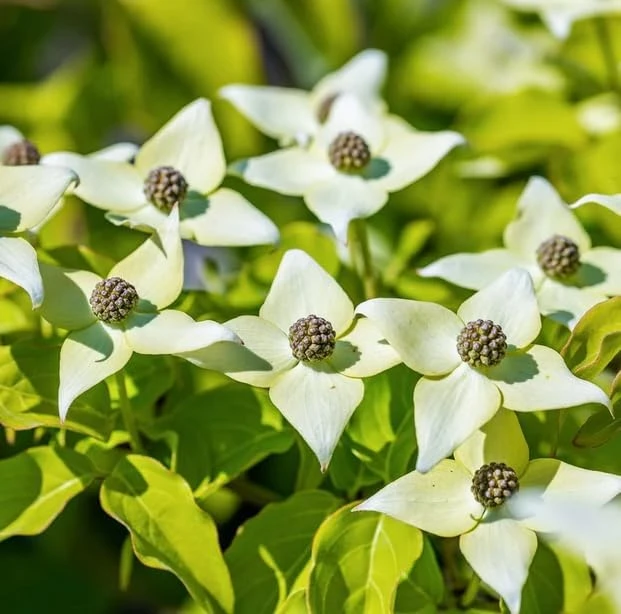
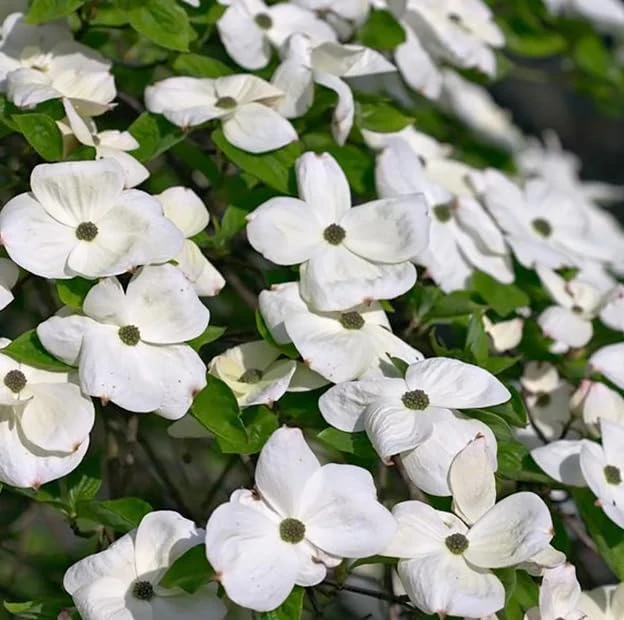
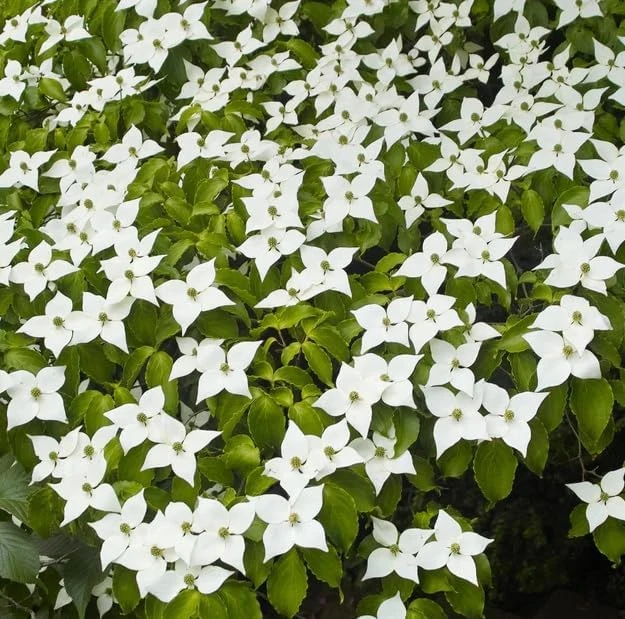
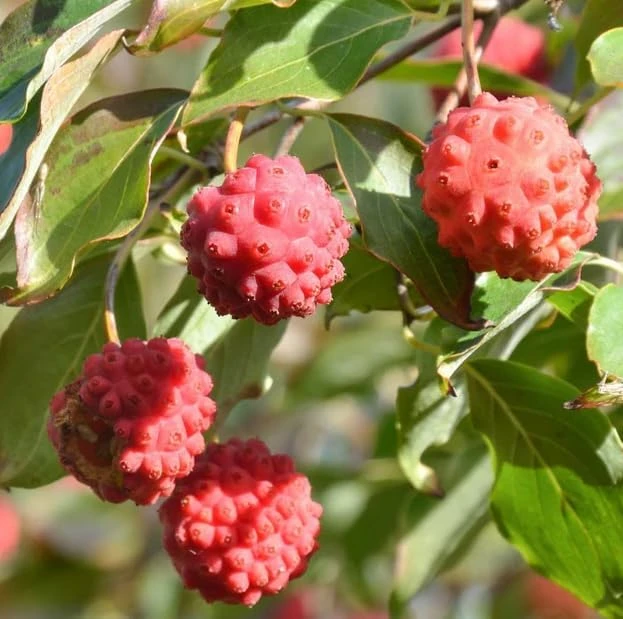
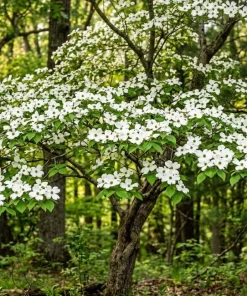
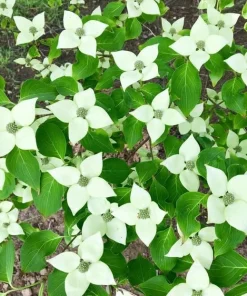
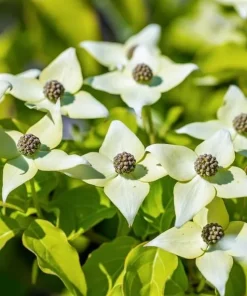
Introduce classic beauty to your garden with this stunning white dogwood tree live plant. Revered for its breathtaking spring display of delicate white blooms, the Dogwood (Cornus florida) is a quintessential ornamental tree that transforms any landscape into a vibrant sanctuary. This deciduous shrub or small tree is a beloved choice for gardeners seeking both visual appeal and ease of care. Our white dogwood tree live plant arrives well-established, ready to bring its charm to your outdoor space. It’s a perfect specimen for creating a focal point, enhancing woodland gardens, or adding seasonal interest with its distinctive flowers, attractive foliage, and bright berries.
The white dogwood tree live plant is not just a seasonal wonder; it offers multi-season interest, with vibrant green leaves in summer that turn spectacular shades of red and purple in autumn, followed by bright red berries that provide food for local wildlife. This makes it a valuable addition for those looking to support biodiversity in their yard. Its manageable size makes it suitable for a variety of garden designs, from formal to naturalistic. Growing a white dogwood tree live plant is a rewarding experience, providing years of natural beauty and an enduring presence in your home garden.
Key Benefits
Opting for a white dogwood tree live plant offers numerous advantages, enriching your outdoor environment with its unique characteristics and contributing to the overall health and aesthetics of your garden. Here are some of the standout benefits:
- Stunning Spring Blooms: The most iconic feature of the white dogwood is its profusion of classic white flowers that herald the arrival of spring. These elegant blooms create a striking visual impact, making it a spectacular focal point in any garden or landscape design.
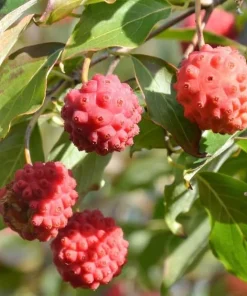
- Four-Season Interest: Beyond its spring flowers, the white dogwood tree live plant offers appeal throughout the year. Its vibrant green summer foliage transitions to brilliant red and purple hues in autumn, followed by attractive red berries in winter, providing continuous beauty.
- Wildlife Attraction: The red berries produced by the dogwood tree are a vital food source for many bird species and other wildlife, making it an excellent choice for gardeners looking to enhance their yard’s ecological value and attract beneficial creatures.
- Adaptable & Resilient: This ornamental tree is remarkably adaptable to various soil types and growing conditions, thriving in USDA zones 5-9. Its resilience makes it a reliable choice for many different climates and garden settings.
- Manageable Size: The white dogwood tree live plant typically grows to a manageable mature size, making it suitable for smaller yards, accent plantings, or as an understory tree in larger landscapes without overwhelming the space.
- Elegant Landscape Addition: Whether used as a specimen tree, in groupings, or as part of a mixed border, the dogwood’s graceful form and delicate flowers add a touch of sophistication and elegance to any garden or yard.
- Easy to Care For: While it delivers significant aesthetic impact, the white dogwood tree live plant is relatively low-maintenance once established, requiring basic care to flourish and provide years of enjoyment.
Plant Care & Growing Tips
Proper care is essential for your white dogwood tree live plant to thrive and produce its spectacular blooms. Dogwoods prefer a site with partial sun to filtered sunlight, ideally receiving morning sun and afternoon shade, especially in hotter climates. Too much direct, intense afternoon sun can scorch the leaves, while too much shade can reduce flowering. Ensure the planting location has good air circulation to prevent fungal diseases. When considering flowering dogwood care, understanding its light and moisture needs is paramount for its long-term health and vibrant display.
The ideal soil for a white dogwood tree live plant is well-drained, acidic, and rich in organic matter. While it can tolerate a range of soil types, heavy clay or excessively sandy soils should be amended with compost to improve drainage and fertility. Consistent moisture is important, especially during dry periods and in the plant’s first few years. Water deeply and regularly, but avoid overwatering, which can lead to root rot. A layer of mulch around the base of the tree will help retain soil moisture, regulate soil temperature, and suppress weeds. For optimal growth and flowering, fertilize in early spring with a balanced, slow-release fertilizer formulated for acid-loving plants. Pruning should be done sparingly, primarily to remove dead, damaged, or crossing branches after flowering. Learning to grow dogwood tree successfully ensures a beautiful and healthy specimen.
Protecting your ornamental dogwood tree from common pests and diseases is part of comprehensive care. Dogwoods can be susceptible to powdery mildew, anthracnose, and dogwood borer. Good cultural practices, such as proper watering, air circulation, and avoiding overhead irrigation, can help prevent many issues. Inspect your tree regularly for any signs of distress. With attentive flowering dogwood care, your tree will reward you with seasons of beauty. Remember, a healthy tree is more resistant to problems, ensuring your efforts to grow dogwood tree are well spent.
Size & Details
This white dogwood tree live plant arrives as a well-established specimen, typically standing approximately 8 to 12 inches tall. It is securely rooted in a quart-sized pot, providing a robust start for transplanting into your garden or landscape. This size makes it ideal for immediate planting, allowing the tree to acclimate quickly to its new environment and begin its growth journey.
The dogwood is a deciduous small tree, meaning it will shed its leaves in the fall. It boasts a moderate growth rate, eventually reaching a manageable mature size that makes it versatile for various outdoor settings. Expect this ornamental dogwood tree to flower in early to mid-spring, offering a spectacular display of white blooms. Its eventual height and spread will depend on growing conditions and care, but it generally remains a compact and elegant addition to the landscape.
Frequently Asked Questions
- Q: How big does this plant get? A: This white dogwood tree live plant arrives 8-12 inches tall in a quart pot. At maturity, white dogwood trees typically reach heights of 15-30 feet with a similar spread, depending on growing conditions and climate.
- Q: What size pot does it come in? A: The white dogwood tree live plant is delivered in a quart-sized pot, ensuring a healthy root system for successful transplanting into your garden.
- Q: Is this an indoor or outdoor plant? A: The white dogwood tree live plant is an outdoor ornamental tree, best suited for planting in gardens, yards, or larger landscape designs where it can receive adequate space and sunlight.
- Q: How much sunlight does it need? A: This flowering dogwood care requires partial sun to filtered sunlight. It thrives with morning sun and afternoon shade, especially in warmer climates, to prevent leaf scorch.
- Q: Is this plant easy to care for? A: Once established, the white dogwood tree live plant is considered relatively low-maintenance. Basic care includes proper watering, well-drained soil, and occasional fertilization to ensure vibrant growth and blooms.
- Q: What condition will it arrive in? A: Your white dogwood tree live plant will arrive well-established in its quart pot, approximately 8-12 inches tall, and ready for transplanting into your prepared garden space.
- Q: When is the best time to plant a dogwood tree? A: The best time to plant a white dogwood tree live plant is in early spring or early fall. This allows the tree to establish its root system before the stress of summer heat or winter cold.
- Q: Will it survive winter in my zone? A: Yes, this ornamental dogwood tree is hardy in USDA zones 5 through 9, making it suitable for a wide range of climates and capable of withstanding typical winter conditions in these zones.
- Q: What are the main benefits of this tree? A: The primary benefits of this white dogwood tree live plant include its stunning white spring flowers, vibrant fall foliage, attractive red berries for wildlife, and its ability to add significant aesthetic value to any landscape.
- Q: How can I ensure a good bloom for my dogwood tree? A: To ensure a good bloom for your flowering dogwood care, provide adequate sunlight (partial sun), well-drained acidic soil, consistent moisture, and fertilize in early spring with an appropriate plant food.
Be the first to review “White Dogwood Tree Live Plant – Ornamental Flowering Shrub – 8-12″ Tall Quart Pot – Outdoor”
People Also Viewed
Vegetable Seeds
50 Dwarf Bonsai Tiger Melon Seeds – Heirloom Easy Grow Seeds
Houseplants
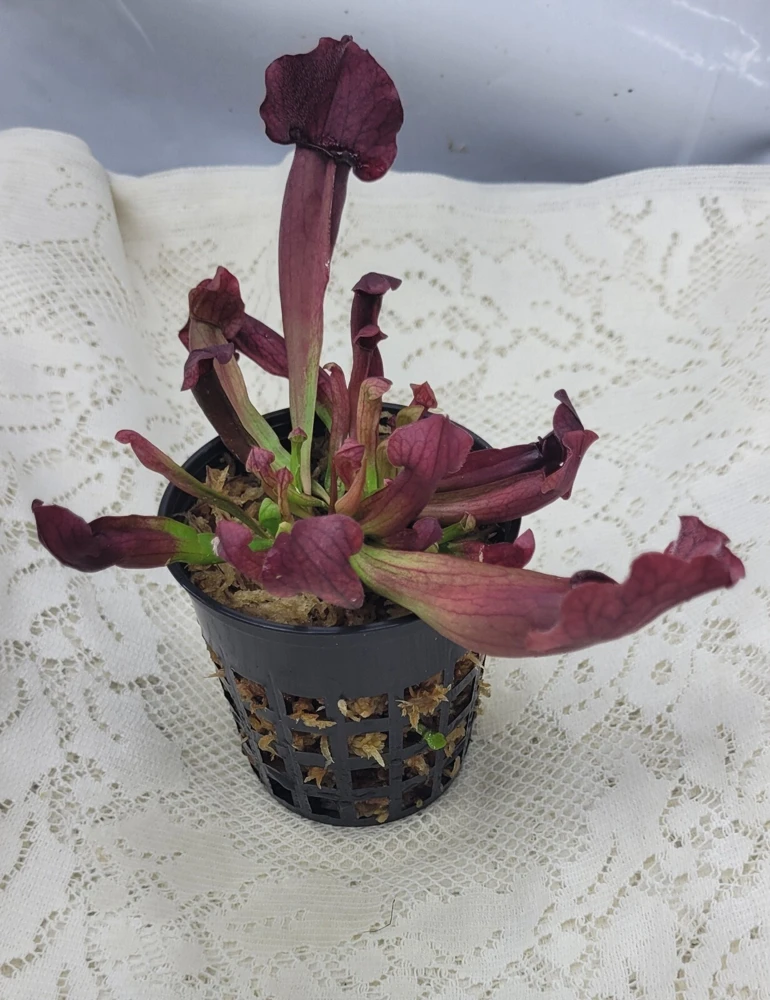
Sarracenia Catesbaei Pitcher Plant – Live Carnivorous Plant – 3.75 inch Net Pot – Potted – Indoor
Reviews
There are no reviews yet.