
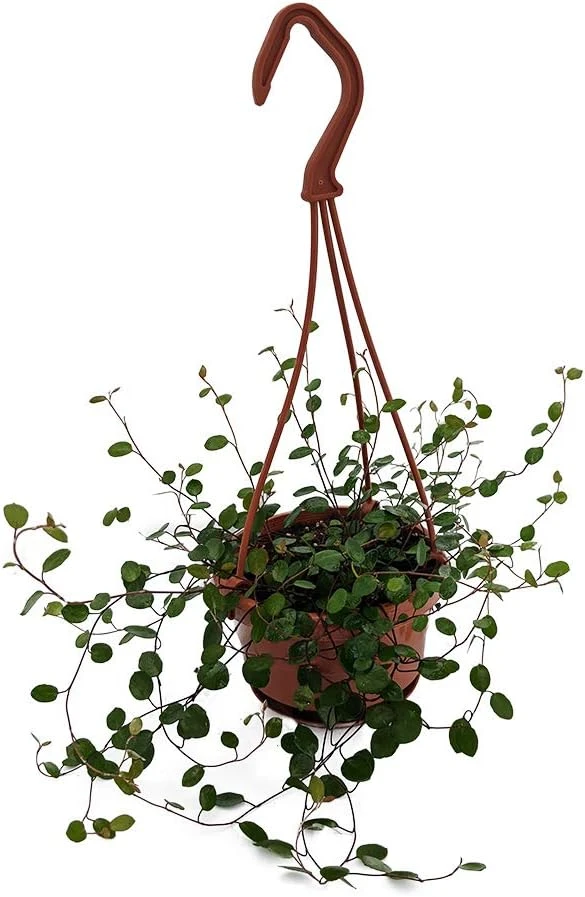
Dwarf Wisteria Live Plant, Purple Flowering Vine, 7-14″ Tall in 2.5″ Pot
Original price was: $26.98.$13.49Current price is: $13.49.
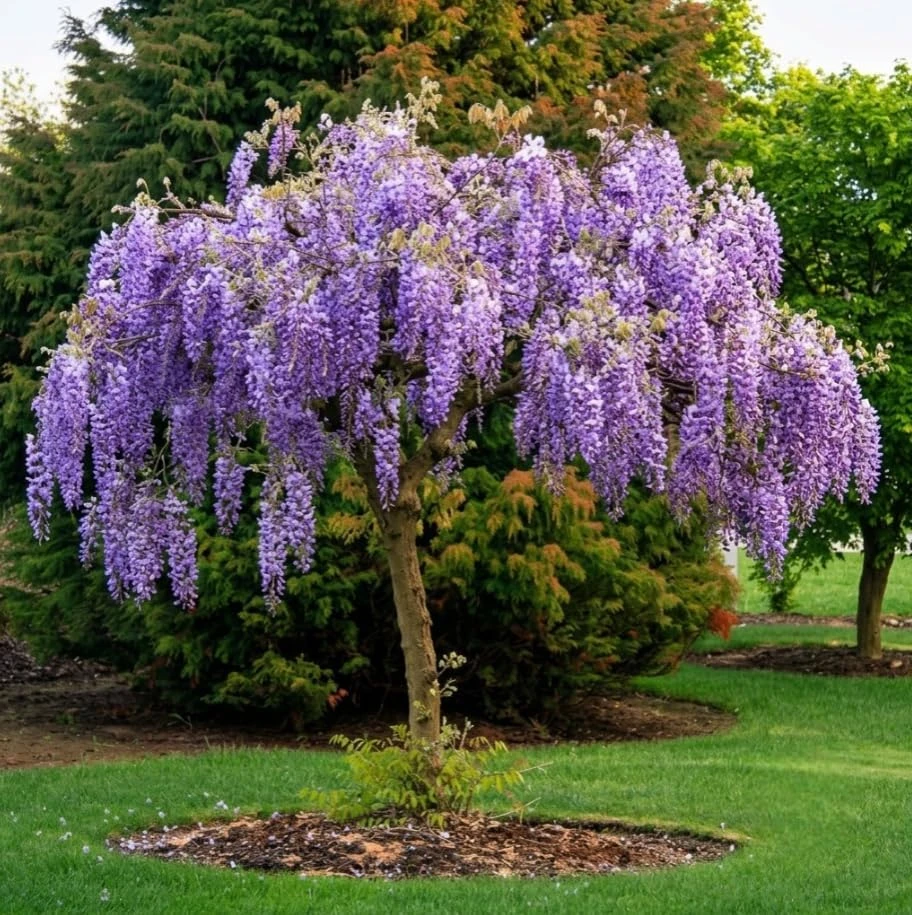
Add elegance to your garden with a dwarf wisteria live plant. This beautiful climbing vine produces cascades of fragrant purple flowers, ideal for trellises, fences, and pergolas. Arrives 7-14 inches tall in a 2.5-inch pot.
Estimated arrival
Oct 14
Oct 19 - Oct 21
Oct 24 - Oct 28
Shop With Confidence
30-Day Plant Health Guarantee
Arrives damaged? We’ll replace it free — see our return policy.
Responsive Support
Email us anytime, we reply within 1 business day.
Expert Packaging
Temperature-controlled shipping to protect your plants in transit.
Secure Checkout
Pay safely with Visa, Mastercard, PayPal.
Plant Specifications
-
USDA Hardiness Zone
USDA zones 5-9 -
Soil Type
Moist clay to sandy soil with good drainage -
Sunlight Exposure
Full to partial sun -
Expected Planting Period
Spring to early fall
Overview
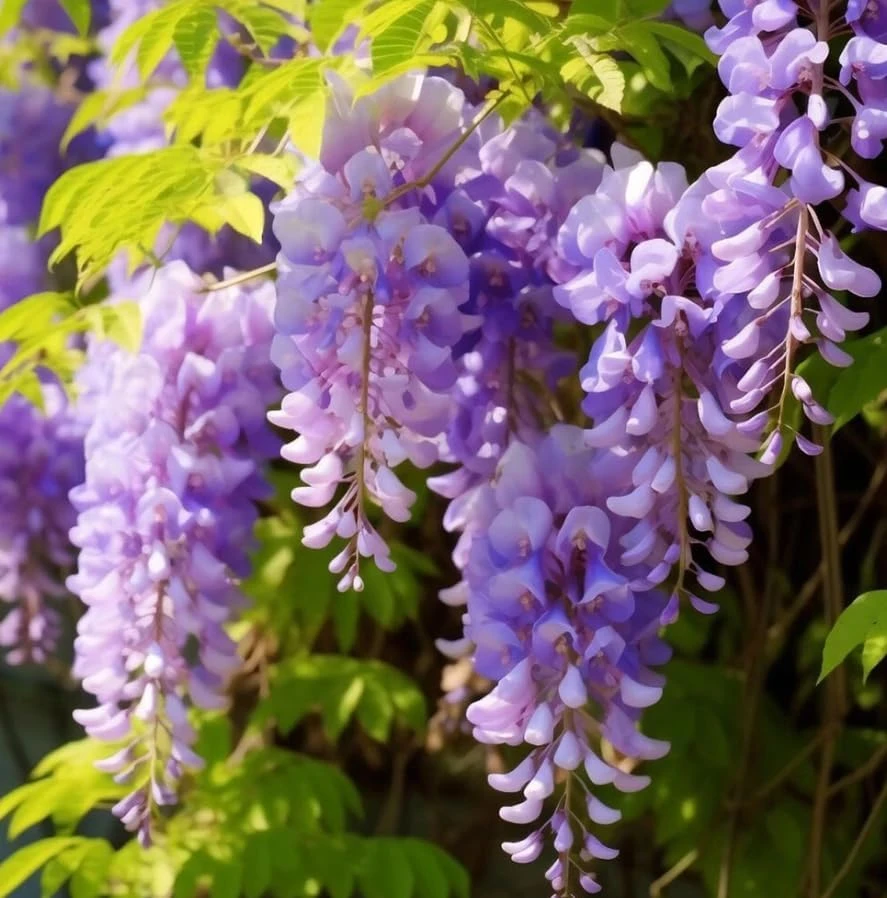
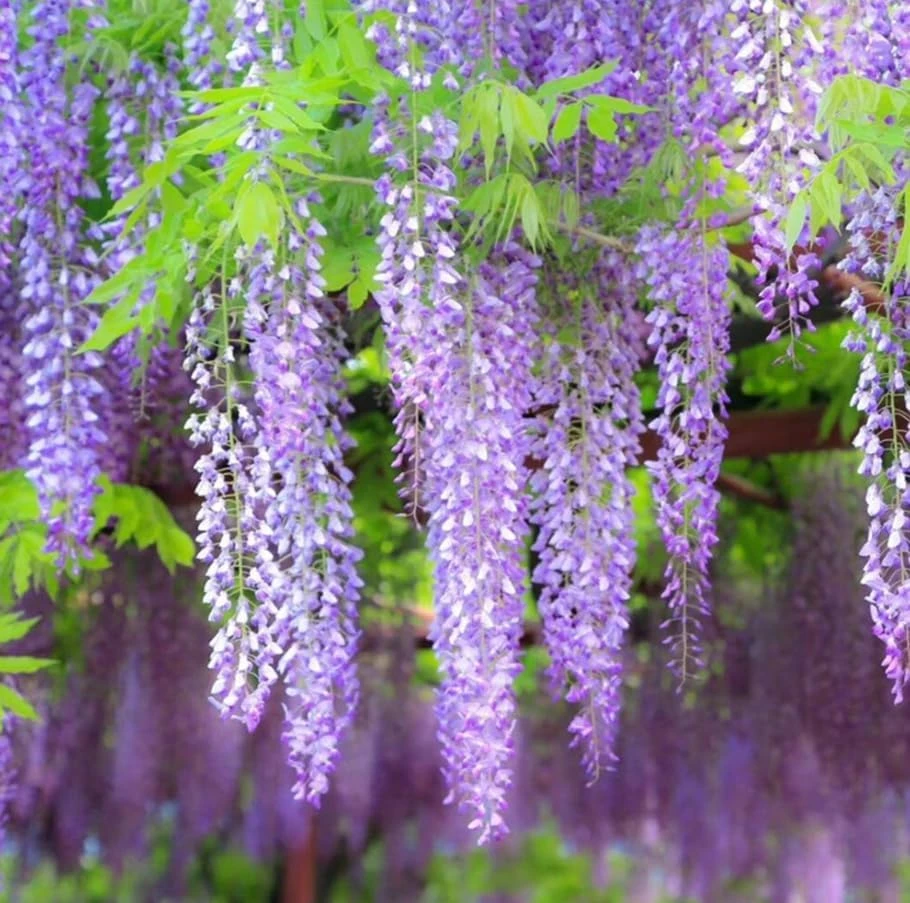
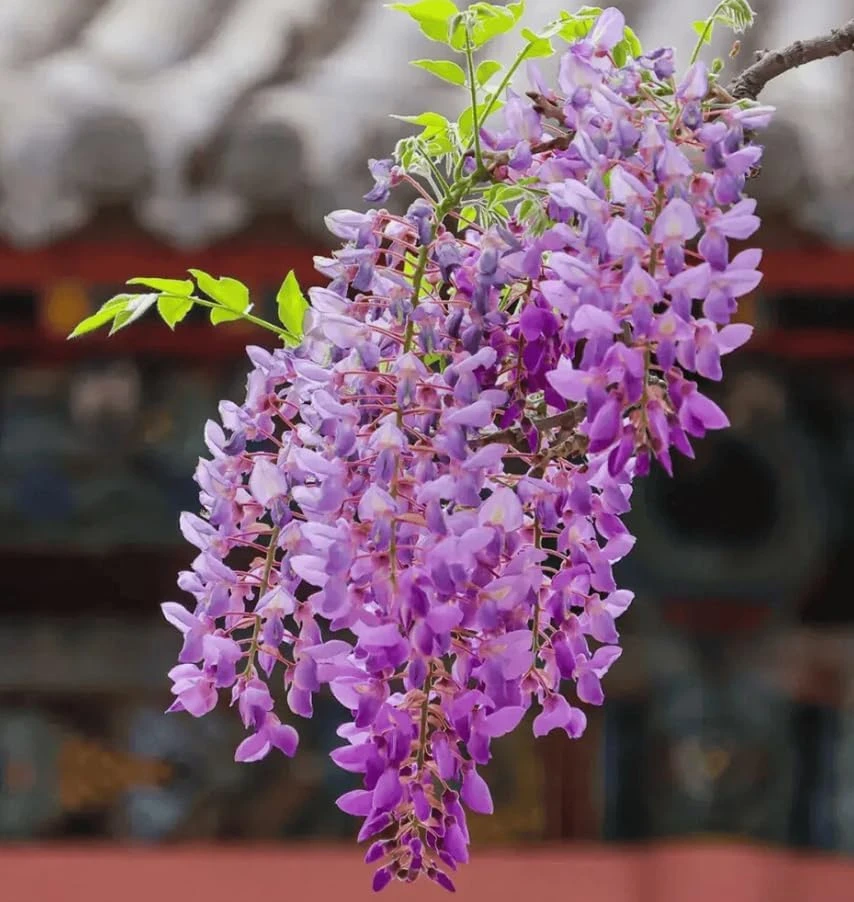
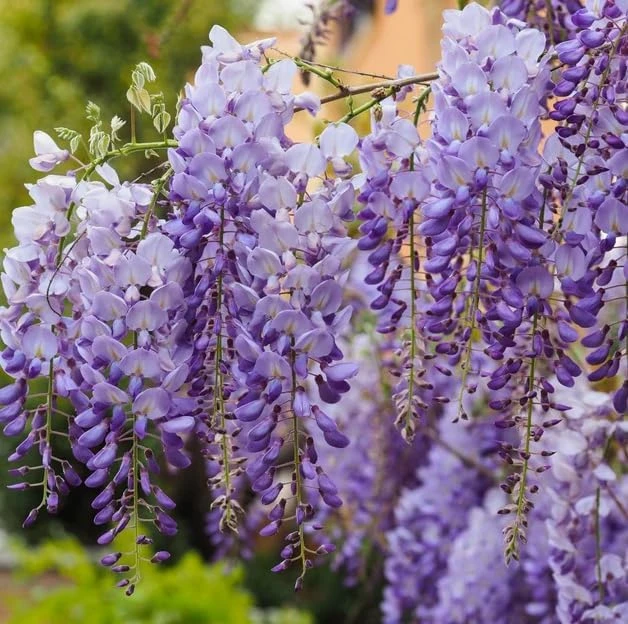
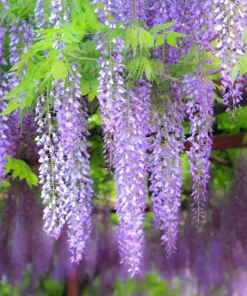
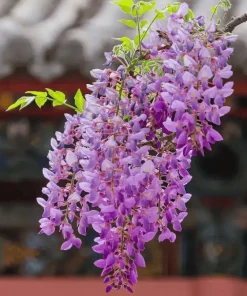
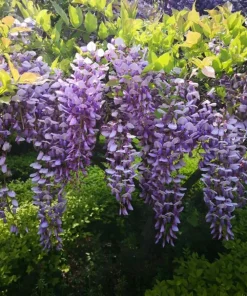
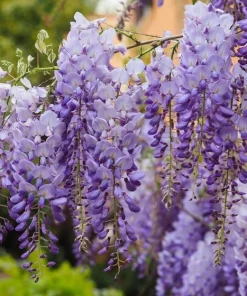
Introduce breathtaking beauty to your outdoor sanctuary with the exquisite dwarf wisteria live plant. Celebrated for its spectacular cascades of fragrant blue to violet pea-shaped blooms, this hardy climbing shrub is a true showstopper. Known scientifically as Wisteria sinensis or floribunda (depending on variety), Wisteria plants are renowned for their vigorous growth and stunning floral displays, transforming any garden into a picturesque haven. This particular variety, the dwarf wisteria live plant, offers the same magnificent charm in a more manageable size, making it suitable for a wider range of garden designs and spaces. Each plant arrives as a well-established start, typically standing 7–14 inches tall in a 2.5-inch pot, ready to embark on its journey of growth and beauty in your landscape.
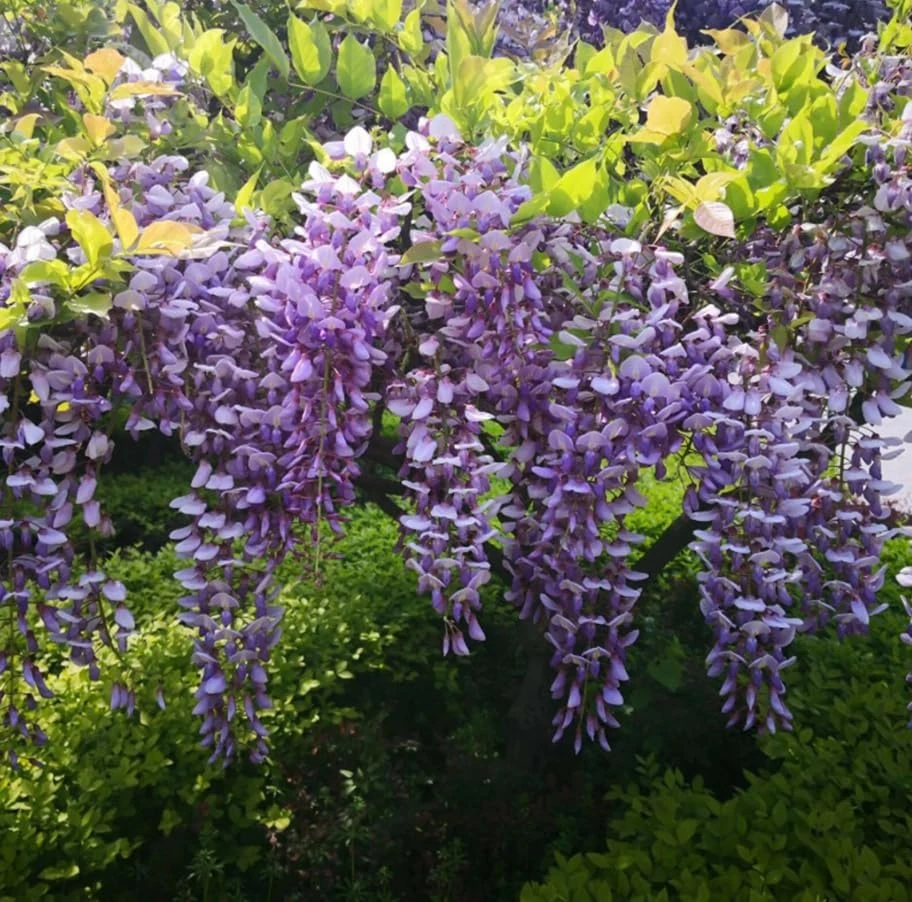
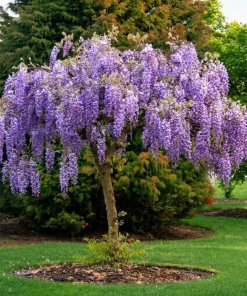
A mature dwarf wisteria live plant can create a dramatic focal point, whether trained along a trellis, fence, pergola, or garden wall. Its deciduous nature means it provides seasonal interest, with lush green foliage in spring and summer, followed by brilliant autumn colors before its winter dormancy. The intoxicating fragrance of its flowers attracts pollinators, adding life and movement to your garden. This climbing wisteria plant offers an unparalleled aesthetic appeal, promising years of enjoyment and a touch of old-world charm.
Key Benefits
The dwarf wisteria live plant offers numerous advantages for any gardener looking to enhance their outdoor space with a touch of elegance and vibrant color. Its unique characteristics make it a highly desirable addition.
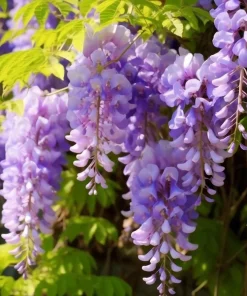
- Stunning Floral Displays: Witness spectacular cascades of fragrant blue to violet flowers each spring and early summer. These pea-shaped blooms create a dramatic and beautiful visual impact, making your garden stand out.
- Vigorous Climbing Growth: This plant is a powerful climber, perfect for covering unsightly structures or adding vertical interest. It quickly establishes itself on trellises, pergolas, fences, and walls, creating living archways and shaded retreats.
- Intoxicating Fragrance: Enjoy the sweet, captivating aroma of wisteria flowers that will fill your garden, attracting beneficial pollinators like bees and butterflies, and enhancing your outdoor experience.
- Hardy and Resilient: As a hardy wisteria shrub, it is well-suited for various climates and can tolerate a range of conditions once established. It’s a robust plant that will thrive for many years with proper care.
- Versatile Landscaping Use: Ideal for creating stunning focal points, providing natural shade, or defining garden spaces. Its adaptability allows it to be integrated into diverse garden designs, from formal to informal settings.
- Long-Lasting Beauty: A well-cared-for climbing wisteria plant can live for decades, becoming a cherished part of your landscape and increasing in beauty and grandeur each year.
- Seasonal Interest: Beyond its breathtaking flowers, the deciduous foliage provides lush green in warmer months and often develops attractive yellow hues in autumn, offering visual appeal throughout multiple seasons.
Plant Care & Growing Tips
Caring for your dwarf wisteria live plant is crucial for ensuring its vigorous growth and abundant flowering. Wisteria thrives when given the right conditions and a little attention. For optimal growth, Wisteria needs full to partial sun, meaning at least 6 hours of direct sunlight per day. While it can tolerate some shade, more sun generally leads to more prolific blooms. Ensure the plant is in a location where it can receive ample light, especially during its growing season. This helps in the development of strong branches and a generous display of its beautiful violet flowers. When it comes to soil, this plant prefers moist clay to sandy soil with good drainage. Avoid waterlogged conditions, which can lead to root rot. Amending heavy clay soils with organic matter can improve drainage, while adding compost to sandy soils can help retain moisture and nutrients, providing an ideal environment for your purple wisteria vine.
Watering should be consistent, especially during dry spells and in the plant’s first few years while it establishes. Deep watering is better than frequent shallow watering, encouraging roots to grow deeper. Once established, wisteria is relatively drought-tolerant but will perform best with regular moisture. Fertilize in early spring with a balanced, slow-release fertilizer or one that is higher in phosphorus to promote flowering rather than just foliage growth. Avoid high-nitrogen fertilizers, which can hinder bloom production. Pruning is key to managing the size and encouraging flowering of your climbing wisteria plant. Prune twice a year: once in late winter to shape the plant and remove dead wood, and again in mid-summer after flowering to control growth and encourage flower bud formation for the following year. Wisteria is hardy and generally pest-resistant, but keep an eye out for common issues like aphids or powdery mildew, treating them promptly if they appear.
Size & Details
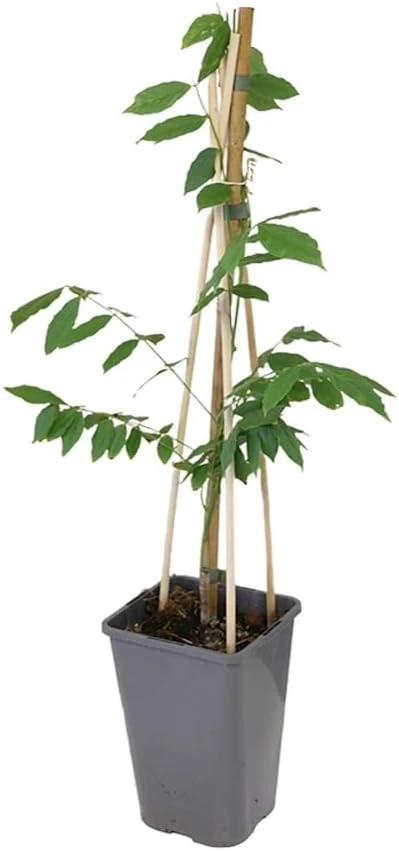
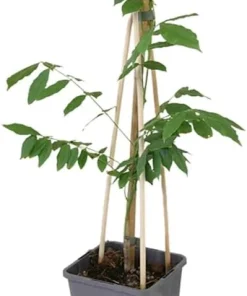
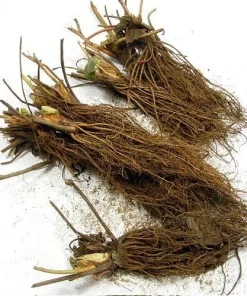
Each dwarf wisteria live plant arrives as a healthy, well-rooted specimen, typically standing between 7 and 14 inches tall. It is shipped in a sturdy 2.5-inch nursery pot, providing a strong foundation for transplanting into your garden or a larger container. This size ensures the plant is robust enough to establish quickly in its new environment. While considered dwarf, this hardy wisteria shrub is still a vigorous grower. When mature, it can reach impressive dimensions, typically growing 10 to 20 feet high and spreading 4 to 30 feet wide, depending on the variety and how it is trained and pruned. Its rapid growth rate means you won’t have to wait long to enjoy its magnificent floral displays.
The plant will ship as a young, actively growing vine, perfect for training onto supports. Expect the first significant blooms within 2-5 years, although some varieties may bloom sooner. The exact height and spread will be influenced by growing conditions, support structures, and your pruning regimen. This dwarf wisteria live plant is a deciduous perennial, meaning it will lose its leaves in winter and return with new growth and abundant flowers each spring.
Frequently Asked Questions
- Q: How big does this dwarf wisteria live plant get? A: While it’s a dwarf variety, this vigorous climber can still reach impressive sizes. Expect it to grow 10 to 20 feet high and spread 4 to 30 feet wide, depending on how it’s trained and pruned.
- Q: What size pot does the wisteria plant come in? A: Each dwarf wisteria live plant is shipped in a 2.5-inch nursery pot, and the plants themselves are typically between 7 and 14 inches tall upon arrival, providing a great start for your garden.
- Q: Is this an indoor or outdoor plant? A: Wisteria is primarily an outdoor plant, thriving in full to partial sun and requiring significant space to climb and grow. It is not suitable for long-term indoor cultivation.
- Q: How much sunlight does the purple wisteria vine need? A: For best results and abundant blooms, your purple wisteria vine needs full to partial sun, ideally at least 6 hours of direct sunlight per day. More sun generally leads to more flowers.
- Q: Is this plant easy to care for? A: Wisteria is relatively easy to care for once established, but it does require consistent watering during dry periods and regular pruning to manage its vigorous growth and encourage flowering.
- Q: What condition will the climbing wisteria plant arrive in? A: Your climbing wisteria plant will arrive as a healthy, well-rooted young plant in its nursery pot, ready for transplanting. We pack carefully to ensure safe delivery.
- Q: When is the best time to plant dwarf wisteria? A: The best time to plant wisteria is in spring or early fall, allowing the plant time to establish its root system before extreme weather conditions.
- Q: Will this hardy wisteria shrub survive winter in my zone? A: Wisteria is a hardy shrub. Its specific hardiness depends on the variety, but most common wisteria types are hardy in USDA Zones 5-9. Please check your specific zone to ensure it’s suitable.
- Q: How long until my dwarf wisteria live plant blooms? A: Wisteria can take a few years to establish and begin flowering, typically blooming within 2 to 5 years after planting. Proper care and pruning can help encourage earlier blooms.
- Q: What type of soil does wisteria prefer? A: Wisteria thrives in moist, well-draining soil, ranging from clay to sandy textures. Good drainage is key to prevent root issues.
Be the first to review “Dwarf Wisteria Live Plant, Purple Flowering Vine, 7-14″ Tall in 2.5″ Pot”
People Also Viewed

Flower Seeds
Mixed Colors Ten-Week Stock Seeds – 50 Gillyflower Matthiola Incana Seeds, Fragrant Cut Flowers
Reviews
There are no reviews yet.