
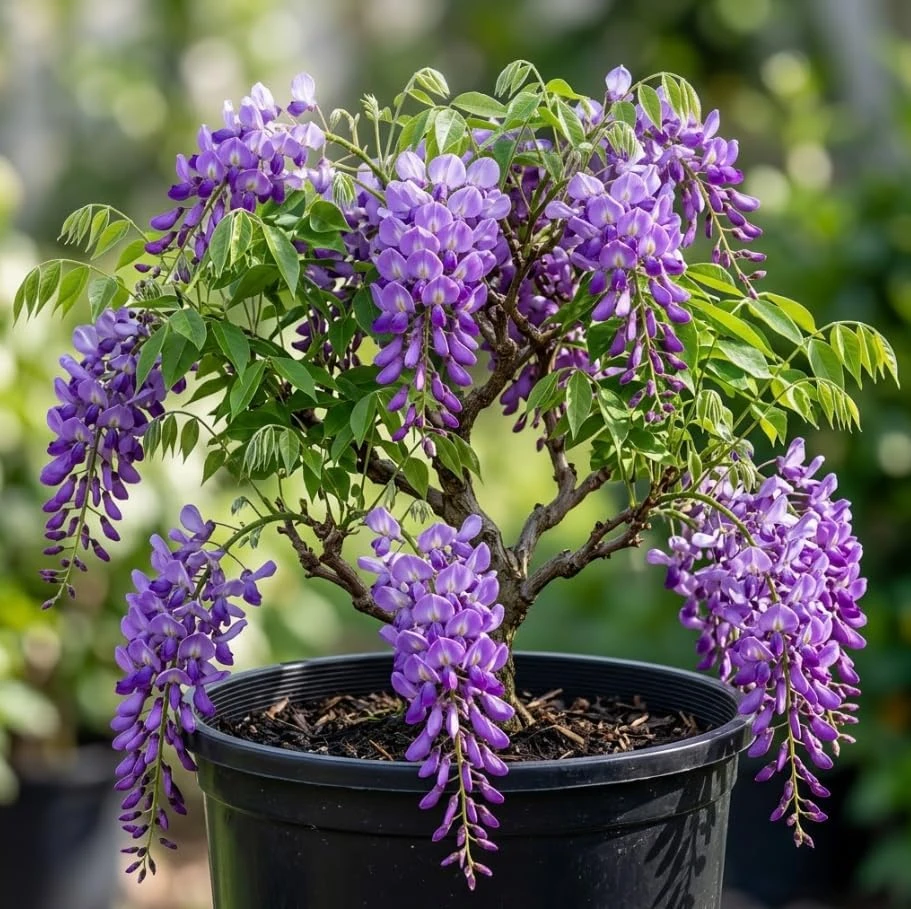
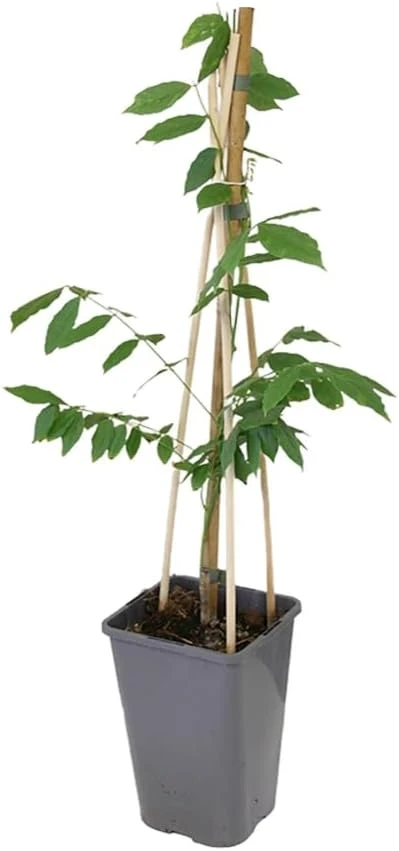
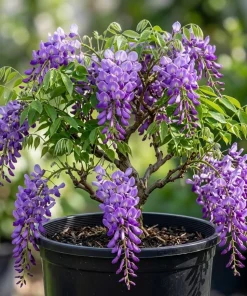
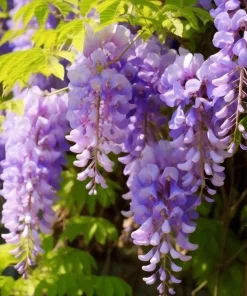
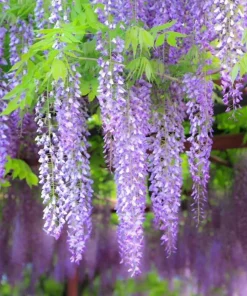
Wisteria Plant Live – Hardy Climbing Shrub, Fragrant Blue to Violet Flowers, 7-14″ Tall in 2.5″ Pot
Original price was: $25.98.$12.99Current price is: $12.99.
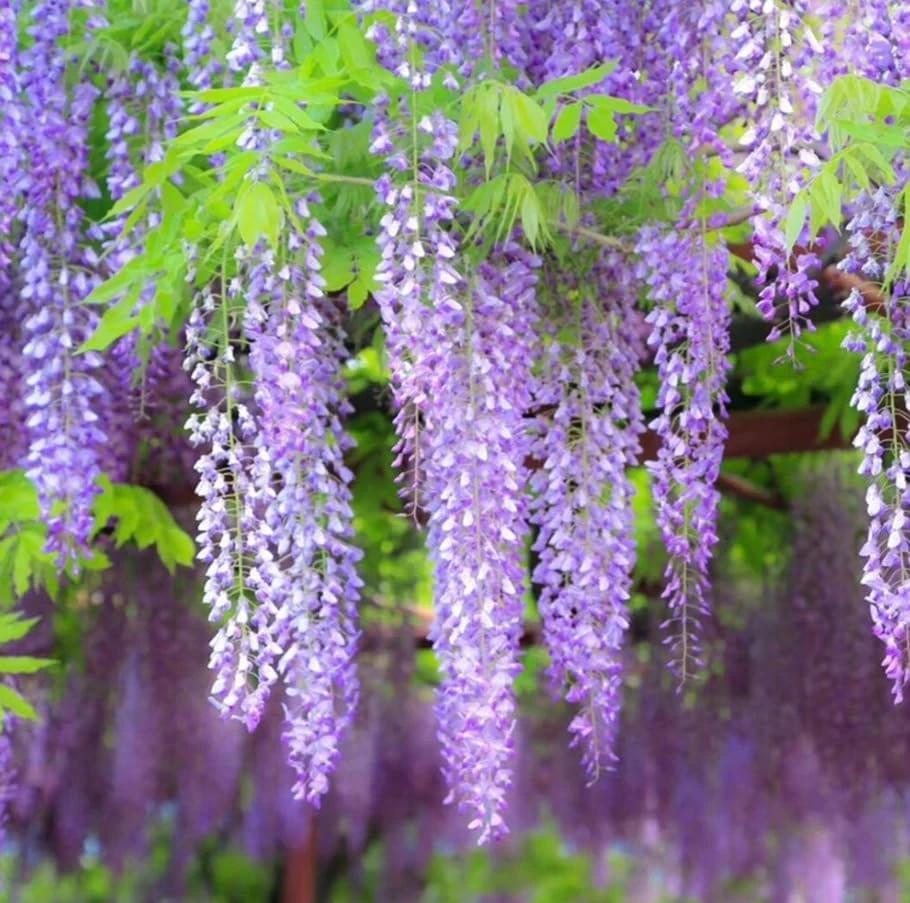
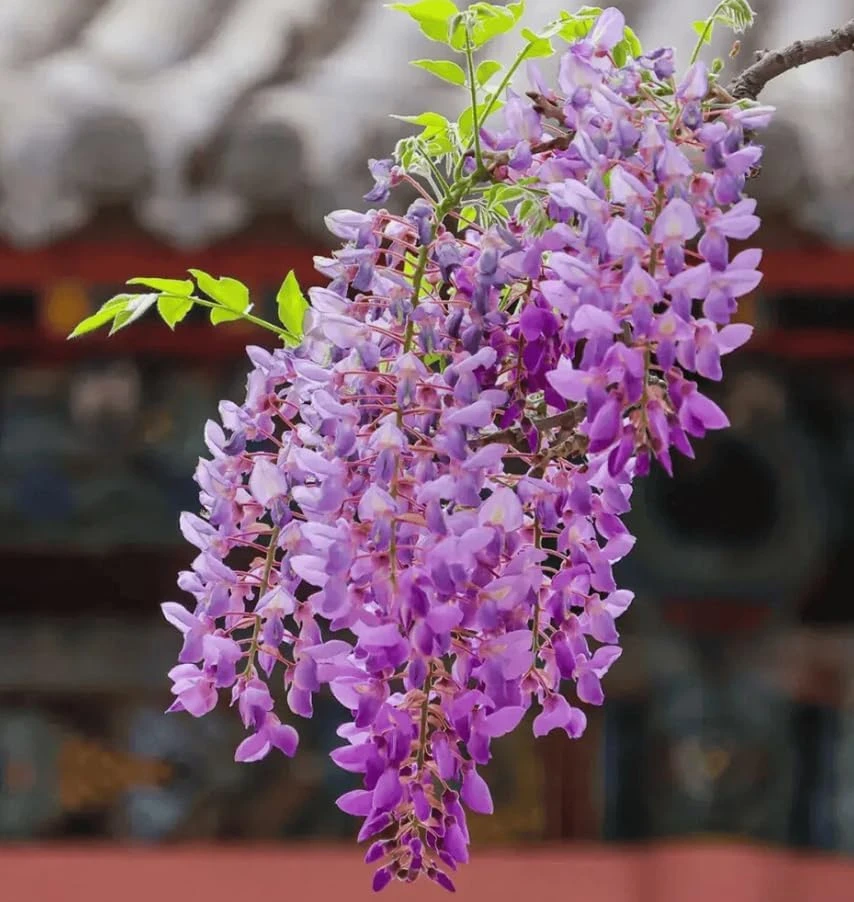
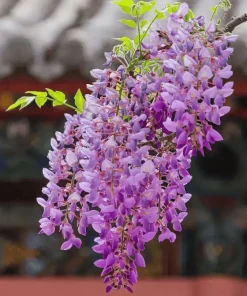
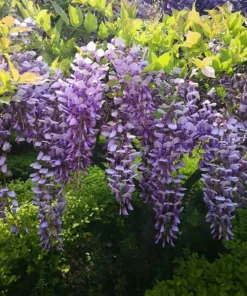
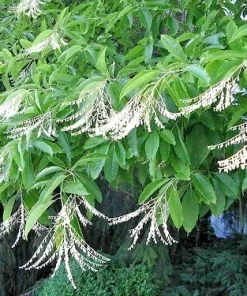
Enhance your garden with a stunning wisteria plant live. This vigorous, hardy climbing shrub produces breathtaking cascades of fragrant blue to violet flowers, perfect for trellises, pergolas, or fences.
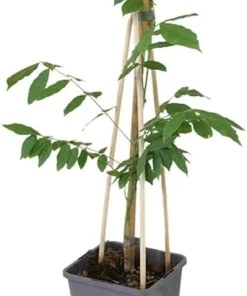
- Ships 7–14 inches tall in a 2.5-inch pot.
- Ideal for outdoor landscapes.
Estimated arrival
Oct 14
Oct 19 - Oct 21
Oct 24 - Oct 28
Shop With Confidence
30-Day Plant Health Guarantee
Arrives damaged? We’ll replace it free — see our return policy.
Responsive Support
Email us anytime, we reply within 1 business day.
Expert Packaging
Temperature-controlled shipping to protect your plants in transit.
Secure Checkout
Pay safely with Visa, Mastercard, PayPal.
Plant Specifications
-
USDA Hardiness Zone
USDA Zones 5-9 -
Soil Type
Moist, well-draining soil -
Sunlight Exposure
Full sun -
Expected Planting Period
Spring to early fall
Overview
Transform your outdoor space with the majestic beauty of a wisteria plant live. Renowned for its spectacular display of cascading, pea-shaped blooms, this hardy climbing shrub brings an unparalleled elegance and intoxicating fragrance to any garden. Originating from East Asia and North America, Wisteria is a deciduous vine that can quickly become the focal point of your landscape, offering a breathtaking spectacle each spring. Its vigorous growth and abundant flowering make it a favorite among gardeners looking to create dramatic vertical interest or a stunning canopy. This particular offering provides a well-established young plant, ready to thrive and bring years of enjoyment to your home. Whether you’re aiming for a romantic cottage garden aesthetic or a sophisticated, fragrant arbor, the wisteria plant is an exceptional choice.
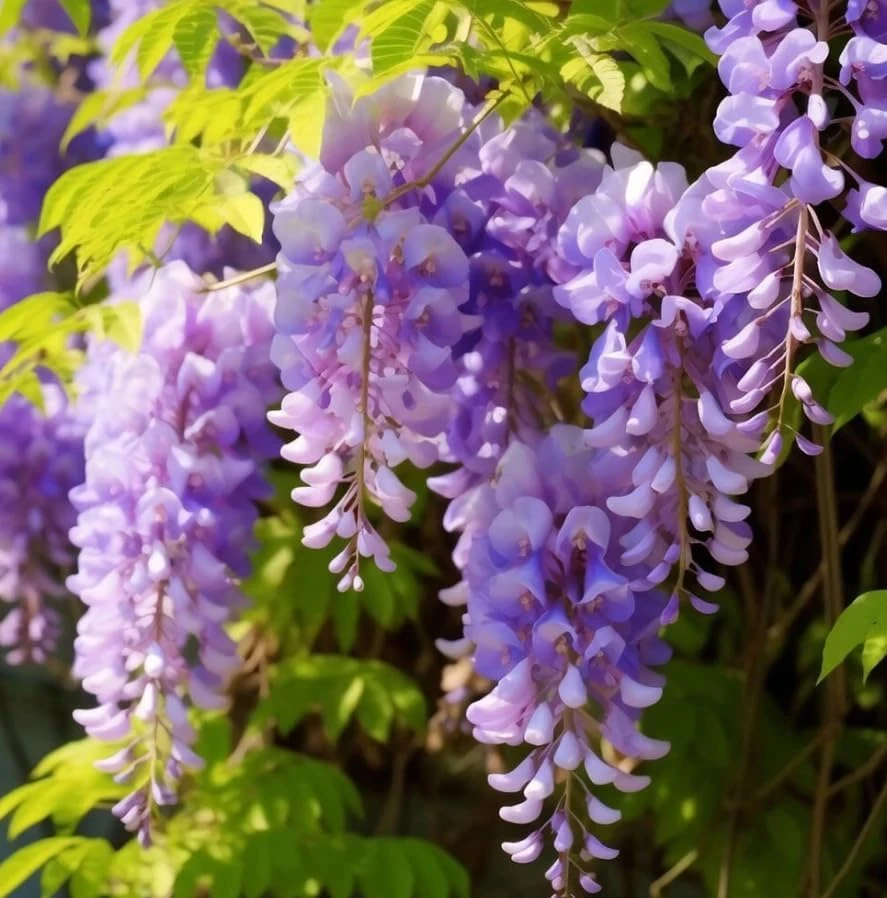
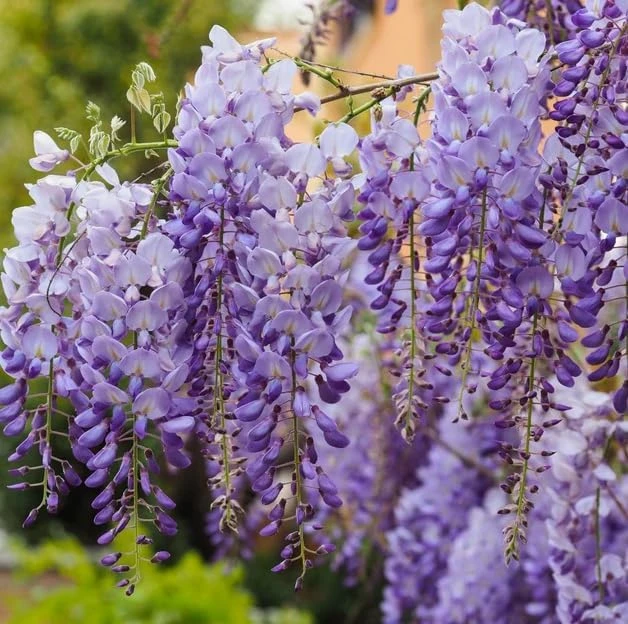
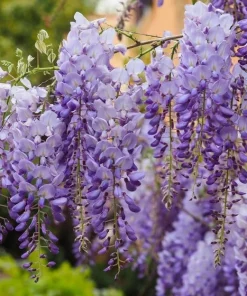
The allure of fragrant wisteria flowers is undeniable. These beautiful blooms, typically ranging from soft blue to vibrant violet, hang in graceful racemes, creating a waterfall effect that is truly a sight to behold. Beyond its visual appeal, the sweet, pervasive scent of wisteria adds another layer of sensory delight, perfuming the air and attracting pollinators like bees and butterflies. This makes the wisteria plant live not just a decorative element but also a vibrant part of your garden’s ecosystem. With proper support and care, your wisteria will grow into a magnificent specimen, providing shade, beauty, and an unforgettable aromatic experience.
Key Benefits
Adding a wisteria plant to your garden offers a multitude of advantages, enhancing both the aesthetic and ecological value of your outdoor sanctuary. The sheer grandeur of its blooms and its vigorous growth habit make it a standout choice for various landscaping needs. Cultivating a wisteria climbing plant provides a rewarding experience for gardeners of all levels.
- Stunning Visual Impact: The most striking benefit is the plant’s ability to produce long, pendulous clusters of flowers in shades of blue, purple, or violet. These dramatic floral displays create an unforgettable visual spectacle, transforming ordinary structures into breathtaking focal points.
- Enchanting Fragrance: Beyond their beauty, fragrant wisteria flowers release a sweet, intoxicating perfume that can envelop your garden. This natural aromatherapy enhances the outdoor living experience, making patios and seating areas more inviting.
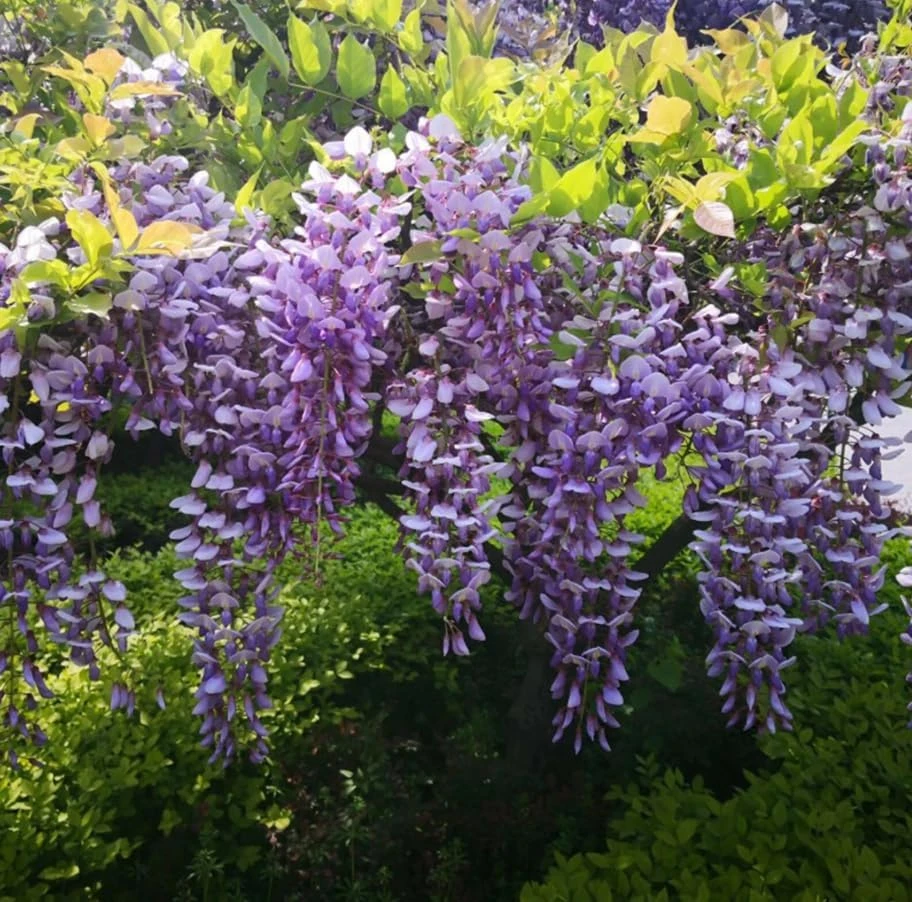
- Versatile Climbing Habit: As a vigorous climber, wisteria is perfect for training over pergolas, arbors, fences, and walls. It provides excellent shade and privacy while adding a touch of old-world charm and romance to your landscape.
- Attracts Pollinators: The nectar-rich flowers are a magnet for bees, butterflies, and other beneficial pollinators, contributing to the biodiversity and health of your garden ecosystem.
- Long-Lived and Hardy: Once established, wisteria is a remarkably resilient and long-lived plant. It can withstand various environmental conditions and continue to flourish for decades, becoming a cherished part of your garden’s legacy.
- Erosion Control: Its extensive root system can help stabilize soil on slopes, making it a functional choice for challenging landscape areas while providing beauty.
- Architectural Interest: The woody vines develop an impressive, gnarled structure over time, providing appealing architectural interest even during the dormant season.
Plant Care & Growing Tips
Proper care is essential for a thriving wisteria plant live that produces abundant, beautiful blooms. While generally hardy, understanding its specific needs will ensure it flourishes in your garden. Wisteria thrives in full sun, meaning it needs at least 6 hours of direct sunlight per day. Adequate sunlight is crucial for prolific flowering; plants in shadier conditions may produce more foliage than blossoms. Ensure your chosen location provides ample light throughout the day. When considering wisteria care guide, soil plays a significant role. Wisteria prefers moist, well-draining soil with a pH between 6.0 and 7.0. While it can tolerate a range of soil types from clay to sandy, good drainage is paramount to prevent root rot. Incorporating organic matter into the soil before planting can improve its structure and fertility.
Watering should be consistent, especially during the first year of establishment and dry periods. Keep the soil evenly moist but not waterlogged. Once established, wisteria is relatively drought-tolerant but will benefit from deep watering during prolonged dry spells. Fertilize sparingly; too much nitrogen can encourage leafy growth at the expense of flowers. A balanced fertilizer or one higher in phosphorus can be applied in early spring before new growth appears. Pruning is perhaps the most critical aspect of growing wisteria for abundant flowers. Regular summer pruning (after flowering) and winter pruning (dormant season) are necessary to control its vigorous growth, promote flower bud formation, and maintain its desired shape. Remove any dead, damaged, or crossing branches, and cut back side shoots to a few buds.
Wisteria is generally hardy in USDA Zones 5-9, though specific varieties may have slightly different tolerances. Protect young plants from severe winter frosts in colder zones. Pests are usually not a major issue, but watch out for aphids, scale, or borers. Diseases like powdery mildew can occur in humid conditions; ensure good air circulation. Providing a sturdy support structure is non-negotiable for a wisteria climbing plant, as its vines can become very heavy and robust over time. Train young shoots to grow along your chosen support, whether it’s a trellis, pergola, or sturdy fence, to guide its growth and maximize its ornamental potential.
Size & Details
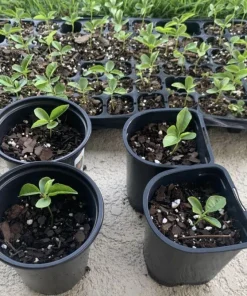
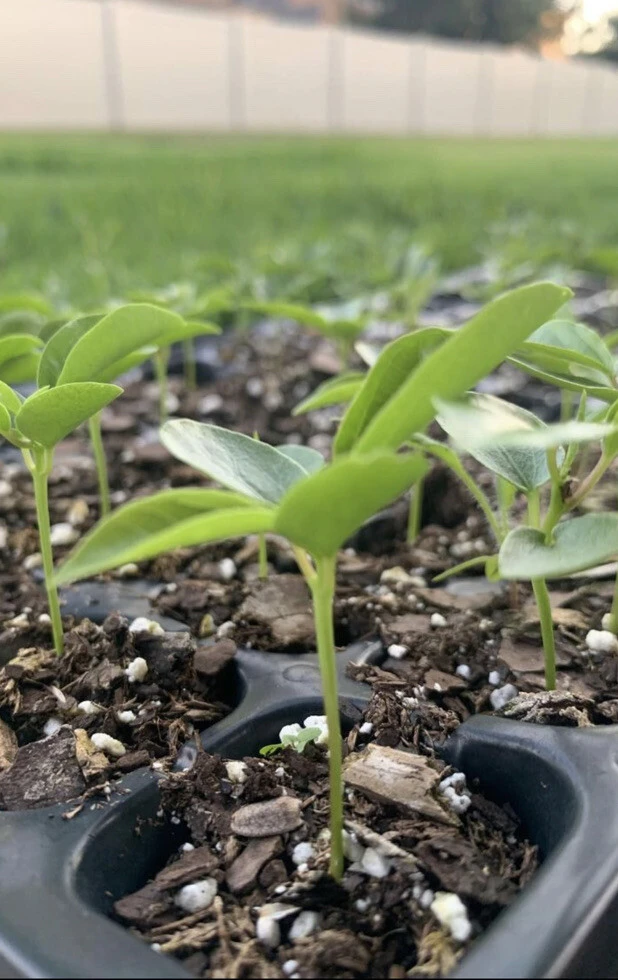
This wisteria plant live arrives as a vibrant young specimen, typically standing 7–14 inches tall, carefully rooted in a 2.5-inch pot. This size provides a robust and well-established start for your garden, allowing it to acclimate quickly to its new environment. Wisteria is known for its vigorous growth rate; once established, it can grow 10 to 20 feet high and spread 4 to 30 feet wide, depending on the variety and support structure. It will take a few years for the plant to mature and begin flowering profusely, but the wait is well worth the magnificent display. Each plant is carefully packaged to ensure it arrives healthy and ready for planting, ready to become a stunning fragrant wisteria flowers producer in your landscape.
The mature size and spread of your wisteria will depend on pruning and the available support. With proper training and consistent care, this wisteria climbing plant will develop a strong woody structure, providing a beautiful canopy or vertical accent. Expect the first significant blooms to appear within 2-5 years, with subsequent years bringing increasingly spectacular displays. The plant’s adaptability to various soil types, provided there is good drainage, makes it a versatile choice for many garden settings. This young plant offers the perfect opportunity to nurture a beautiful vine from its early stages, ensuring it integrates perfectly into your garden design.
Frequently Asked Questions
- Q: How big does this wisteria plant get? A: This wisteria plant live arrives 7-14 inches tall in a 2.5-inch pot. Once established, it can grow to an impressive height of 10 to 20 feet and spread 4 to 30 feet wide, depending on the support and pruning.
- Q: Is this an indoor or outdoor plant? A: Wisteria is primarily an outdoor plant, best suited for gardens and landscapes where it can climb and flourish in full sun exposure. It is not typically grown as an indoor houseplant.
- Q: How much sunlight does the wisteria plant need? A: For abundant fragrant wisteria flowers, this plant requires full sun, meaning at least 6 hours of direct sunlight per day. More sun generally leads to more prolific blooming.
- Q: Is this plant easy to care for, especially for beginners? A: While wisteria is hardy, growing wisteria successfully requires consistent pruning to manage its vigorous growth and encourage flowering. With a good wisteria care guide and regular attention, even beginners can achieve beautiful results.
- Q: What condition will the wisteria plant arrive in? A: Your wisteria plant live will arrive well-established in its 2.5-inch pot, carefully packaged to ensure it reaches you healthy and ready for planting.
- Q: How long until my wisteria plant blooms? A: Wisteria plants typically begin to flower noticeably within 2-5 years after planting. Proper pruning techniques can help encourage earlier and more abundant blooms.
- Q: What is the best time to plant wisteria? A: The best time to plant wisteria is in spring or early fall, allowing the plant sufficient time to establish its root system before extreme weather conditions.
- Q: Will this wisteria plant survive winter in my zone? A: Wisteria is generally hardy in USDA Zones 5-9. Consult your specific zone to ensure it’s suitable for your climate, and provide winter protection for young plants in colder areas.
- Q: What kind of soil does wisteria prefer? A: This wisteria climbing plant thrives in moist, well-draining soil with a slight acidity to neutral pH (6.0-7.0). Good drainage is crucial to prevent root issues.
- Q: Does this plant attract pollinators? A: Yes, the sweet, fragrant blooms of wisteria are known to attract various pollinators, including bees and butterflies, contributing positively to your garden’s ecosystem.
Be the first to review “Wisteria Plant Live – Hardy Climbing Shrub, Fragrant Blue to Violet Flowers, 7-14″ Tall in 2.5″ Pot”
People Also Viewed


Reviews
There are no reviews yet.