
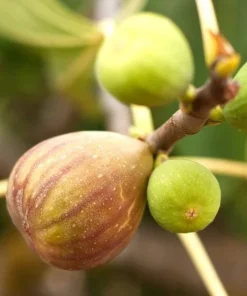

Chicago Hardy Fig Tree Live Plant, 4-6 Inch Tall, Cold Hardy Edible Fig for Patio & Garden
Original price was: $44.99.$29.99Current price is: $29.99.
Grow your own delicious figs with the Chicago Hardy Fig Tree live plant. This cold hardy fig tree is renowned for its sweet, purple-brown fruits and beautiful foliage, making it an excellent addition to any patio or garden. Thrives in USDA Zones 5-10, reaching 4 to 6 inches tall.
Estimated arrival
Oct 14
Oct 19 - Oct 21
Oct 24 - Oct 28
Shop With Confidence
30-Day Plant Health Guarantee
Arrives damaged? We’ll replace it free — see our return policy.
Responsive Support
Email us anytime, we reply within 1 business day.
Expert Packaging
Temperature-controlled shipping to protect your plants in transit.
Secure Checkout
Pay safely with Visa, Mastercard, PayPal.
Plant Specifications
-
USDA Hardiness Zone
5 to 10 -
Soil Type
Well-drained loamy soil -
Sunlight Exposure
Full sun (6-8 hours daily) -
Expected Planting Period
Spring to summer
Overview
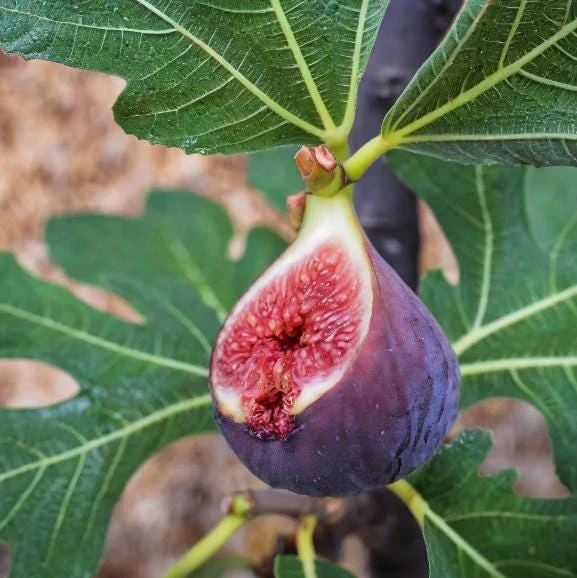
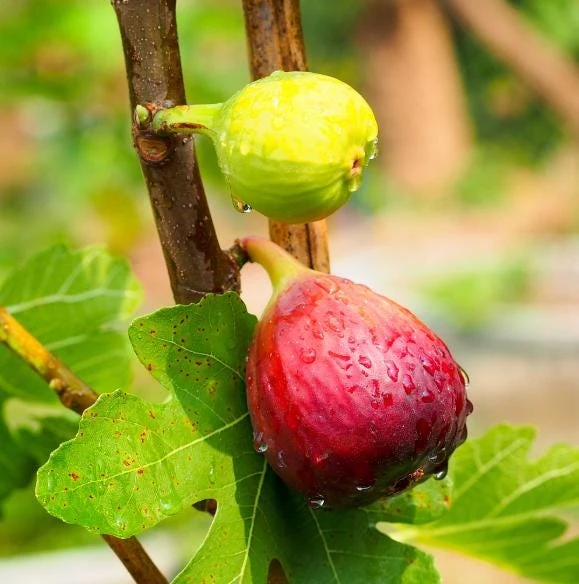
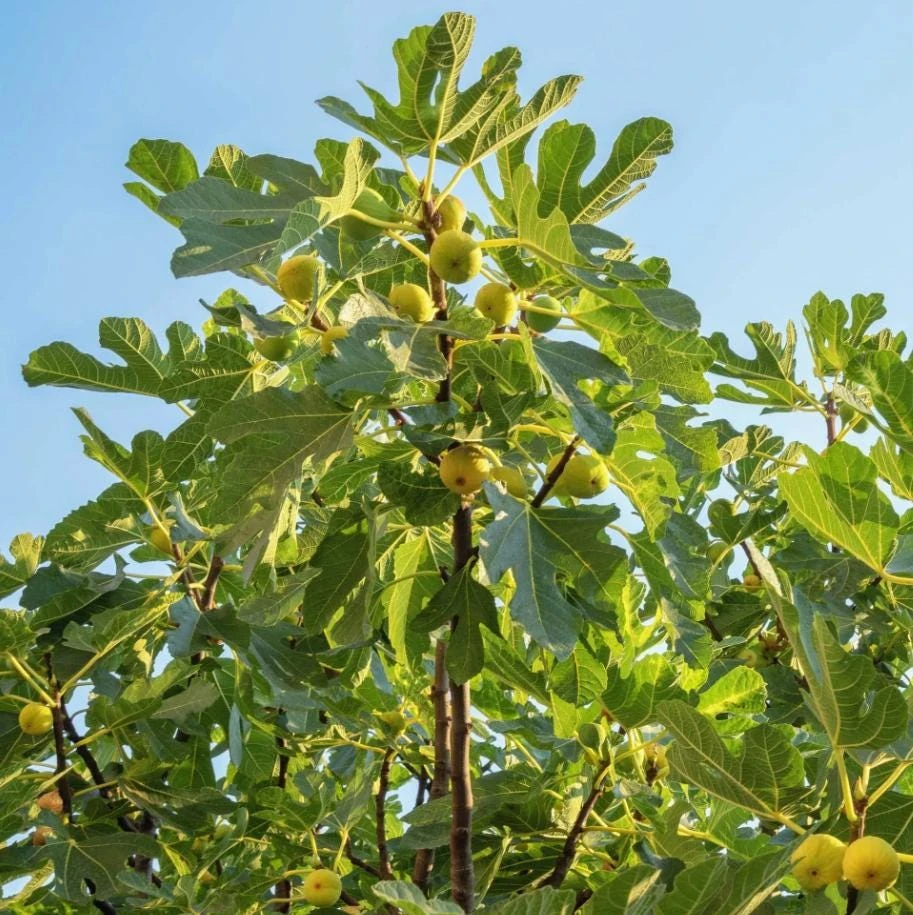
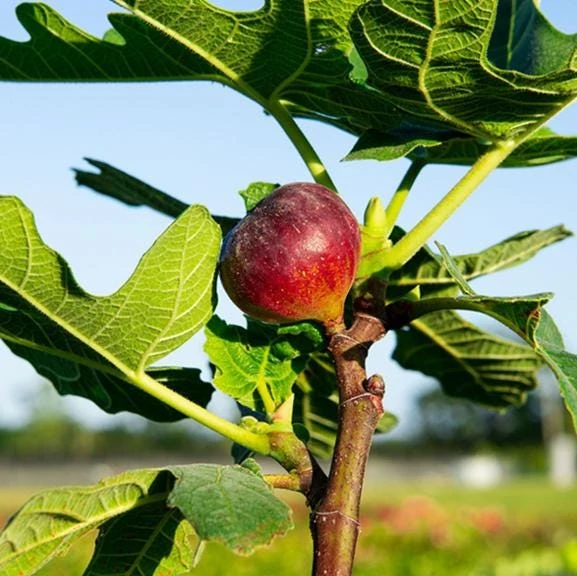
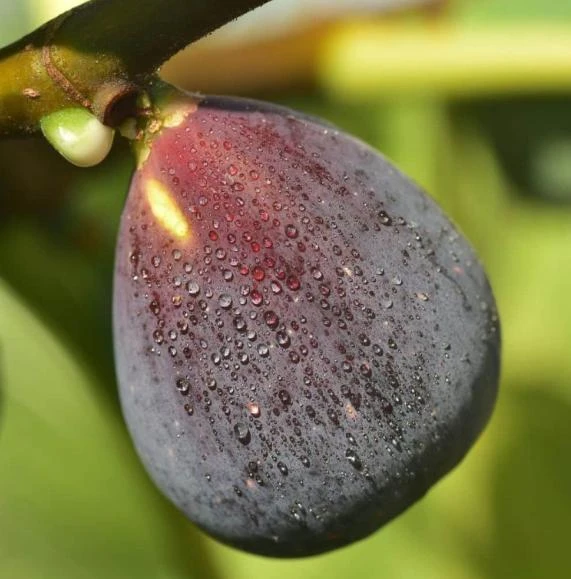
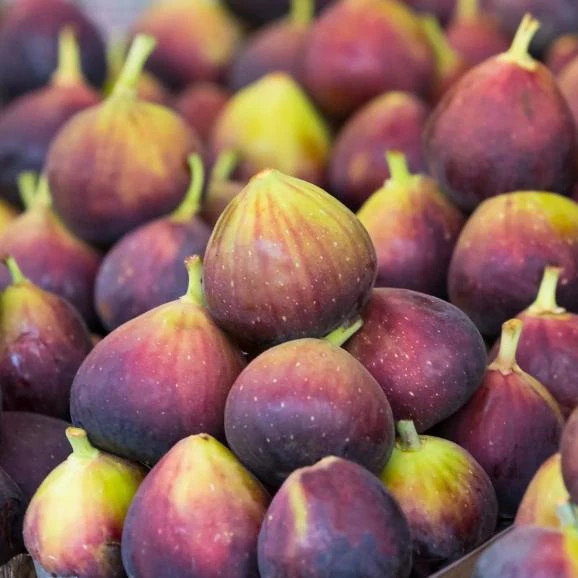
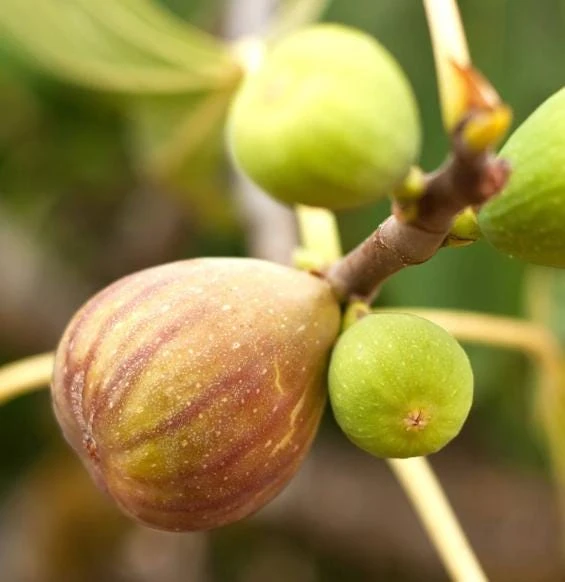
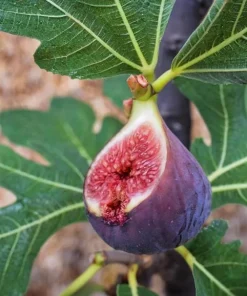
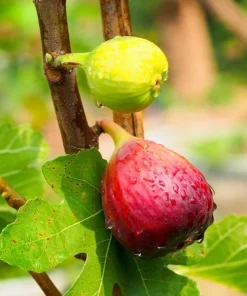
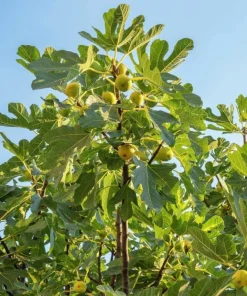
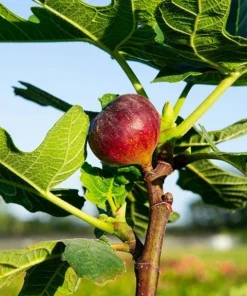
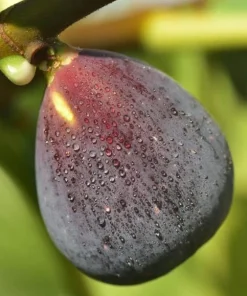
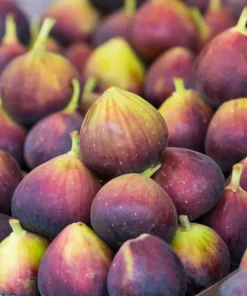
Cultivate your own fruitful oasis with the Chicago Hardy Fig Tree live plant. This remarkable variety, scientifically known as Ficus Carica ‘Chicago Hardy’, is celebrated for its exceptional cold tolerance, making it a favorite among gardeners in a wide range of climates. Originating from Sicily, this fig tree has proven its resilience, often returning from the roots even after harsh winters. The Chicago Hardy Fig Tree live plant is highly prized for its abundant production of sweet, rich, medium-sized fruits. These delightful figs feature an attractive purple-brown skin and a vibrant deep pink flesh, offering a delectable taste experience. Beyond its delicious harvest, this tree boasts beautiful broad leaves, adding significant ornamental value to any landscape, whether planted directly in the garden or grown in a container on a patio.
The cold hardy fig tree is a versatile addition to various outdoor settings, providing both aesthetic appeal and a bountiful yield of fruit. Its adaptability and robust nature make it an ideal choice for both novice and experienced gardeners looking to enjoy fresh, homegrown figs. With proper care, this Ficus Carica Chicago Hardy will thrive and become a cherished part of your garden for many years to come.
Key Benefits
The Chicago Hardy Fig Tree live plant offers a multitude of advantages for the home gardener, combining ornamental beauty with practical fruit production. Here are some of the key benefits you can expect from this exceptional plant:
- Exceptional Cold Hardiness: Recognized as one of the most cold-tolerant fig varieties, it can withstand temperatures down to USDA Zone 5, often regrowing from the roots after severe freezes. This resilience makes it suitable for cooler climates where other fig trees might struggle.
- Delicious Fruit Production: Enjoy a generous harvest of sweet, flavorful, medium-sized figs with distinctive purple-brown skin and deep pink flesh. These figs are perfect for fresh eating, preserves, or baking, providing a healthy and tasty treat.
- Ornamental Value: Beyond its fruit, the tree features large, attractive broad leaves that add a lush, tropical aesthetic to your landscape or patio. Its striking foliage makes it a beautiful specimen plant.
- Versatile Growth: The edible fig plant can be grown in the ground in suitable climates or maintained as a container plant, allowing gardeners in colder regions to move it indoors during winter. This flexibility makes it accessible to a wider range of growing conditions.
- Low Maintenance: Once established, the Chicago Hardy Fig is relatively low-maintenance, requiring moderate watering and full sun. Its hardiness contributes to an easier gardening experience.
- Adaptable to Various Settings: Whether you have a spacious garden or a small patio, this fig tree for patio can adapt. Its manageable size and growth habit make it suitable for various outdoor spaces.
- Long Blooming Season: Experience blooming from spring to summer, leading to a consistent production of delicious figs throughout the warmer months.
Plant Care & Growing Tips
Caring for your Chicago Hardy Fig Tree live plant is straightforward, ensuring a healthy and productive tree. This resilient variety thrives with consistent attention to its basic needs. For optimal growth and fruit production, ensure your fig tree receives ample sunlight. It prefers full sun, meaning at least 6–8 hours of direct sunlight daily. In hotter climates, some afternoon shade can be beneficial to prevent leaf scorch. If growing in a container, rotate the pot periodically to ensure even sun exposure. This cold hardy fig tree is adaptable, but consistent light is key to sweet fruits.
When it comes to watering, the Chicago Hardy Fig prefers moderate moisture. The soil should be kept consistently moist but not waterlogged. During the active growing season (spring and summer), deep water once weekly, allowing the top few inches of soil to dry out slightly between waterings. Reduce watering significantly in fall and winter, especially if the tree enters dormancy and loses its leaves. Well-drained loamy soil is ideal for this fig tree. Good drainage is crucial to prevent root rot. If planting in a container, use a high-quality potting mix that drains well. The ideal temperature range for active growth is between 70°F and 90°F. This Ficus Carica Chicago Hardy is hardy in USDA Zones 5 to 10. In zones 5-7, it may die back to the ground in winter but will typically regrow from the roots in spring, producing fruit on new growth. For fertilization, a balanced slow-release fertilizer applied in early spring and mid-summer can support vigorous growth and fruit development. Watch out for common pests like fig rust or spider mites, addressing them with appropriate organic solutions if they appear.
Size & Details
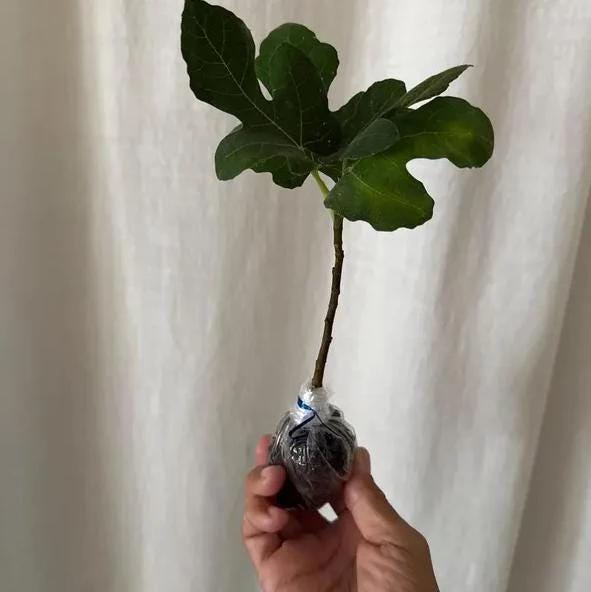
Your Chicago Hardy Fig Tree live plant will arrive ready for planting, typically measuring 4 to 6 inches tall. This young plant provides a great starting point for establishing a robust and productive fig tree in your garden or patio. When mature, Chicago Hardy Fig trees can reach heights of 10-15 feet and a similar spread if grown in the ground, though they can be kept smaller with pruning or by growing in containers. The growth rate is moderate, allowing you to enjoy fresh figs within a few years of planting. This edible fig plant is often shipped in a nursery pot with established roots, ensuring a smooth transition to its new home. Expect the tree to begin producing fruit in its second or third year, with yields increasing as it matures. The beautiful broad leaves provide a lush canopy, creating an attractive focal point in any garden space. This fig tree for patio is perfect for container gardening, offering flexibility for those with limited space or in colder climates.
Frequently Asked Questions
- Q: How big does this plant get? A: The Chicago Hardy Fig Tree live plant typically grows to a height of 10-15 feet and a similar spread when mature if planted in the ground. Its size can be managed with pruning, and it will remain smaller when grown in a container.
- Q: What size pot does it come in? A: The plant arrives as a live plant, generally 4 to 6 inches tall, and is typically shipped in a nursery pot suitable for its current size, ready for transplanting.
- Q: Is this an indoor or outdoor plant? A: The cold hardy fig tree is primarily an outdoor plant, thriving in full sun. In colder USDA Zones (5-7), it can be grown in containers and moved indoors for winter protection, allowing it to function as a temporary indoor plant.
- Q: How much sunlight does it need? A: This fig tree requires full sun, which means at least 6-8 hours of direct sunlight daily for optimal growth and fruit production. Plenty of sun contributes to sweeter figs.
- Q: Is this plant easy to care for? Is it good for beginners? A: Yes, the Chicago Hardy Fig is considered relatively easy to care for, especially due to its resilience and cold hardiness. It’s a great choice for beginners looking to grow an edible fig plant.
- Q: What condition will it arrive in? A: Your Chicago Hardy Fig Tree live plant will arrive as a healthy, young plant with established roots, carefully packaged to ensure its safe journey to your home.
- Q: Can I use the figs for cooking? A: Absolutely! The figs produced by the Chicago Hardy Fig Tree are sweet and delicious, perfect for fresh eating, making jams, preserves, pies, or adding to salads and other culinary creations.
- Q: How long until it blooms or produces fruit? A: While it blooms from spring to summer, fruit production typically begins in the second or third year after planting, with yields increasing as the tree matures.
- Q: When is the best time to plant? A: The best time to plant your fig tree for patio or garden is in spring after the last frost, allowing it ample time to establish before cooler weather.
- Q: Will it survive winter in my zone? A: The Chicago Hardy Fig is hardy in USDA Zones 5-10. In zones 5-7, it is known to be root hardy, meaning it may die back to the ground but will typically regrow from the roots in spring.
Be the first to review “Chicago Hardy Fig Tree Live Plant, 4-6 Inch Tall, Cold Hardy Edible Fig for Patio & Garden”
People Also Viewed
Reviews
There are no reviews yet.