
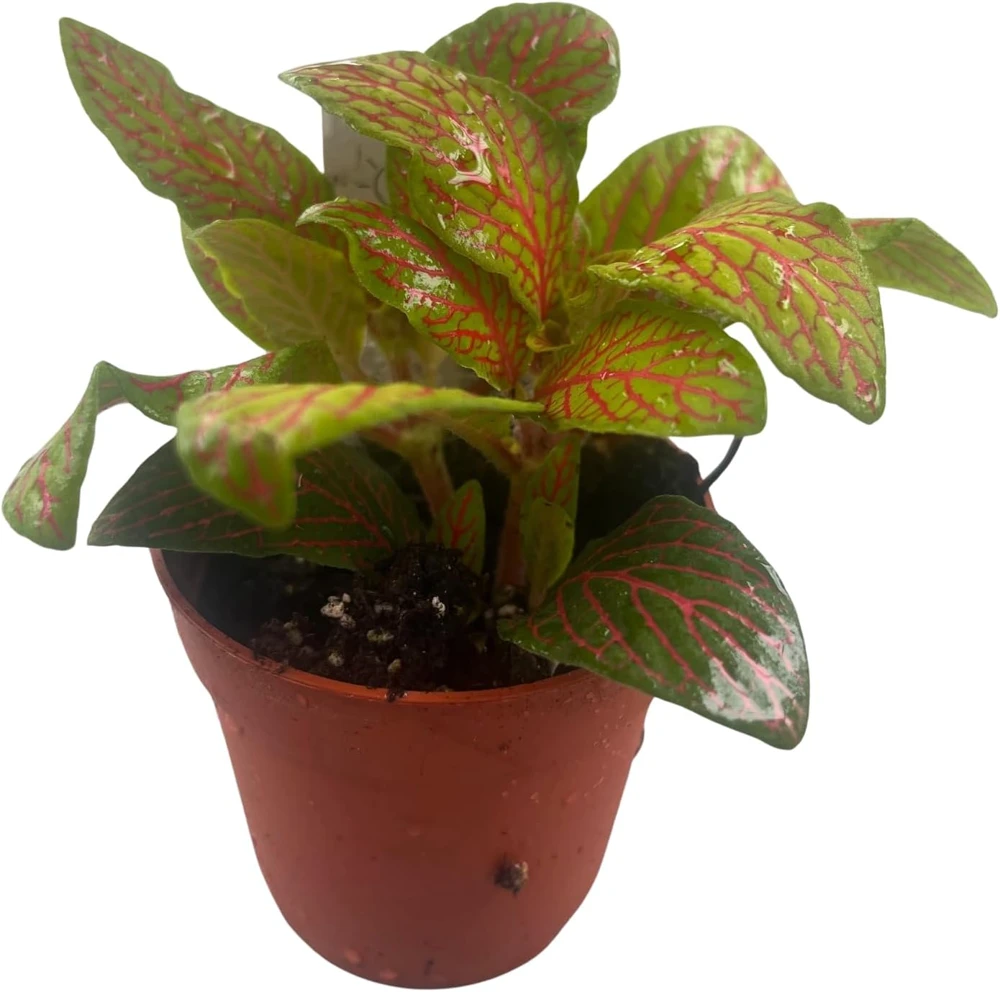
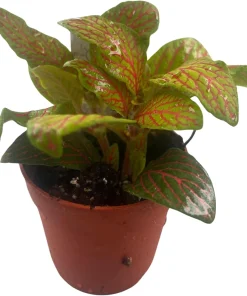
Skeleton Fittonia Nerve Plant – Live Houseplant – 2.5″ Pot – Easy Care
Original price was: $34.99.$24.99Current price is: $24.99.
Bring vibrant foliage indoors with the skeleton fittonia nerve plant. This beautiful easy care houseplant features striking, intricate leaf patterns, making it a perfect addition to any home or office. Ideal for beginners and thriving in terrariums, this 2.5″ potted plant adds a touch of natural beauty with minimal fuss.
Estimated arrival
Sep 29
Oct 04 - Oct 06
Oct 09 - Oct 13
Shop With Confidence
30-Day Plant Health Guarantee
Arrives damaged? We’ll replace it free — see our return policy.
Responsive Support
Email us anytime, we reply within 1 business day.
Expert Packaging
Temperature-controlled shipping to protect your plants in transit.
Secure Checkout
Pay safely with Visa, Mastercard, PayPal.
Plant Specifications
-
USDA Hardiness Zone
year-round indoors -
Soil Type
well-draining potting mix -
Sunlight Exposure
bright indirect light -
Expected Planting Period
year-round indoors
Overview
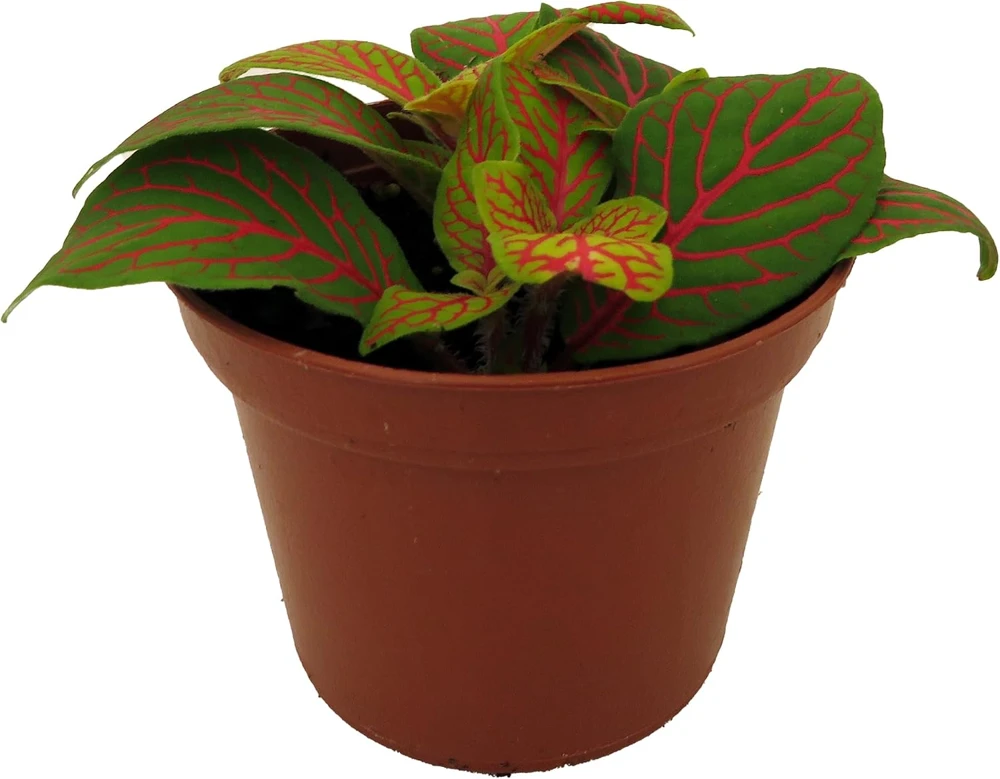
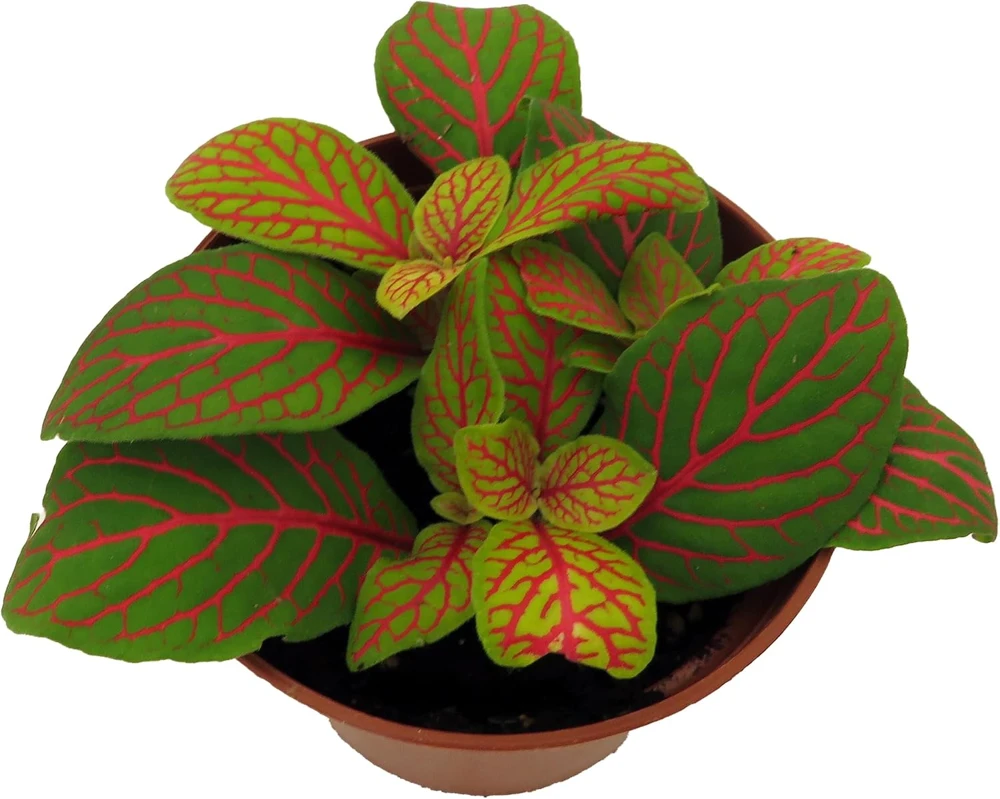
Introduce a touch of dramatic elegance to your indoor plant collection with the skeleton fittonia nerve plant. Also known by its botanical name, Fittonia albivenis ‘Skeleton’, or simply fittonia albivenis skeleton, this live houseplant is celebrated for its truly unique and intricate leaf patterns. The deep green foliage is dramatically veined with contrasting colors, creating a captivating ‘skeleton-like’ appearance that is sure to draw attention. This particular variety is a popular choice among plant enthusiasts and beginners alike, offering a stunning visual appeal without demanding excessive attention. Perfect for brightening up a desk, shelf, or adding texture to a terrarium, the Skeleton Fittonia is a compact and visually rewarding addition to any indoor space.
Originating from the tropical rainforests of South America, the Nerve Plant thrives in conditions that mimic its natural humid environment. It’s a fantastic option for those seeking an easy care houseplant that still delivers on aesthetic impact. Its relatively small size and preference for consistent moisture make it an excellent candidate for enclosed environments like terrariums, where it can create a lush, miniature ecosystem. Expect a vibrant, healthy specimen ready to adorn your home.
Key Benefits
The Skeleton Fittonia Nerve Plant offers a multitude of benefits, making it a highly desirable choice for indoor gardeners. Its striking appearance and manageable care requirements contribute to a rewarding plant ownership experience. The skeleton fittonia nerve plant is more than just a pretty face; it’s a living piece of art that enhances your living space.
- Exceptional Decorative Appeal: The intricate, contrasting vein patterns on its leaves create a stunning visual display, adding unique texture and color to any room. It’s a true conversation starter.
- Compact & Versatile Size: Its small, bushy growth habit makes it perfect for windowsills, desks, bookshelves, or as a focal point in miniature gardens and terrariums.
- Air Purifying Qualities: Like many houseplants, the Nerve Plant contributes to a healthier indoor environment by helping to filter airborne toxins and improve air quality.
- Relatively Easy to Care For: With a few consistent care practices, this plant thrives, making it an ideal choice for both experienced plant parents and those new to gardening. It’s truly an easy care houseplant.
- Terrarium Friendly: Its love for humidity and compact size makes it an excellent candidate for closed or open terrariums, where it can flourish and create a vibrant, self-contained ecosystem.
- Non-Toxic to Pets: The Fittonia plant is generally considered non-toxic to cats and dogs, offering peace of mind for pet owners who want to safely green their homes.
- Enhances Well-being: Bringing nature indoors has been shown to reduce stress and improve overall mood, and caring for a beautiful plant like this can be a very calming activity.
Plant Care & Growing Tips
Caring for your skeleton fittonia nerve plant is straightforward, especially once you understand its preferences. These plants thrive in consistent conditions that mimic their native tropical habitat. The key to successful nerve plant care is providing adequate humidity and consistent moisture without overwatering. They are known for their dramatic wilting when thirsty, but they typically bounce back quickly once watered.
For sunlight, the Skeleton Fittonia prefers bright, indirect light. Avoid direct sunlight, which can scorch its delicate leaves and fade their vibrant colors. An east or north-facing window is often ideal, or a few feet away from a south or west-facing window. If placed in a terrarium, ensure it still receives ample ambient light. Keep the soil consistently moist but never soggy. Allow the top inch of soil to dry out slightly between waterings, but do not let the plant sit in standing water. Overwatering can lead to root rot. High humidity is crucial for this plant; consider placing it near a humidifier, grouping it with other plants, or using a pebble tray to increase ambient moisture. This is especially important for a healthy fittonia albivenis skeleton.
The ideal temperature range for your Fittonia is between 65-80°F (18-27°C). Avoid sudden temperature fluctuations or cold drafts. A well-draining potting mix is essential. A standard houseplant mix amended with perlite or orchid bark for extra drainage works well. Fertilize monthly during the active growing season (spring and summer) with a balanced liquid fertilizer diluted to half strength. Reduce feeding in fall and winter. Trim as needed to maintain shape and encourage bushier growth. While generally resilient, watch for common pests like spider mites or mealybugs, especially in dry conditions. Regular misting can help deter these pests. The terrarium plant thrives when its needs are consistently met.
Size & Details
This offering is for a live skeleton fittonia nerve plant, carefully cultivated and ready to thrive in your home. Each plant comes potted in a 2.5-inch nursery pot, providing a perfect starter size for display on desks, shelves, or as an accent in a larger arrangement. While measurements are approximate, you can expect a compact plant, typically standing between 3-6 inches tall, with a similar spread, depending on its growth stage upon arrival. The Fittonia is known for its relatively moderate growth rate, allowing you to enjoy its current size for an extended period while still offering the satisfaction of watching it gradually mature.
Your Fittonia will be shipped as a healthy, established potted plant, ensuring a smooth transition to its new environment. The vibrant foliage and intricate patterns will be well-developed, showcasing the unique ‘Skeleton’ variety. This plant is well-suited for year-round indoor enjoyment and can be easily integrated into various decorative schemes. With proper care, it will gradually fill out its pot, creating a lush, dense display. The 2.5″ pot size makes it easy to repot into a decorative container or integrate directly into a terrarium setup.
Frequently Asked Questions
- Q: How big does this plant get? A: The skeleton fittonia nerve plant typically remains quite compact, usually growing to about 3-6 inches in height and spread. Its small size makes it ideal for tabletops and terrariums.
- Q: What size pot does it come in? A: This Fittonia plant is shipped in a convenient 2.5-inch nursery pot, ready for you to place in a decorative container or integrate into your chosen display.
- Q: Is this an indoor or outdoor plant? A: The Skeleton Fittonia is primarily an indoor houseplant, preferring stable temperatures and high humidity. It is not suitable for outdoor planting in most climates.
- Q: How much sunlight does it need? A: This plant thrives in bright, indirect light. Avoid direct sun exposure, which can burn its delicate leaves. A north or east-facing window is often perfect.
- Q: Is this plant easy to care for? A: Yes, the easy care houseplant Fittonia is considered relatively easy to care for, especially if its humidity and watering needs are met consistently. It’s known for dramatically wilting when thirsty, which serves as a clear indicator for watering.
- Q: Is it good for beginners? A: Absolutely! Its clear communication of thirst and relatively straightforward care requirements make it an excellent choice for beginner plant enthusiasts looking for an attractive indoor plant.
- Q: What condition will it arrive in? A: Your Fittonia will arrive as a healthy, live potted plant, carefully packaged to ensure its safety during transit. It will be ready to display and thrive in its new home.
- Q: Is it shipped in soil? A: Yes, the plant is shipped securely in its 2.5-inch nursery pot with its established soil, minimizing stress and making for an easy transition upon arrival.
- Q: Is this a good terrarium plant? A: Yes, the fittonia albivenis skeleton is an excellent choice for terrariums due to its love for high humidity and compact growth habit. It thrives in enclosed environments.
- Q: How often should I water my nerve plant? A: Keep the soil consistently moist but not waterlogged. Water when the top inch of soil feels dry to the touch. This plant will often tell you it’s thirsty by drooping its leaves.
Be the first to review “Skeleton Fittonia Nerve Plant – Live Houseplant – 2.5″ Pot – Easy Care”
People Also Viewed
Flower Plants
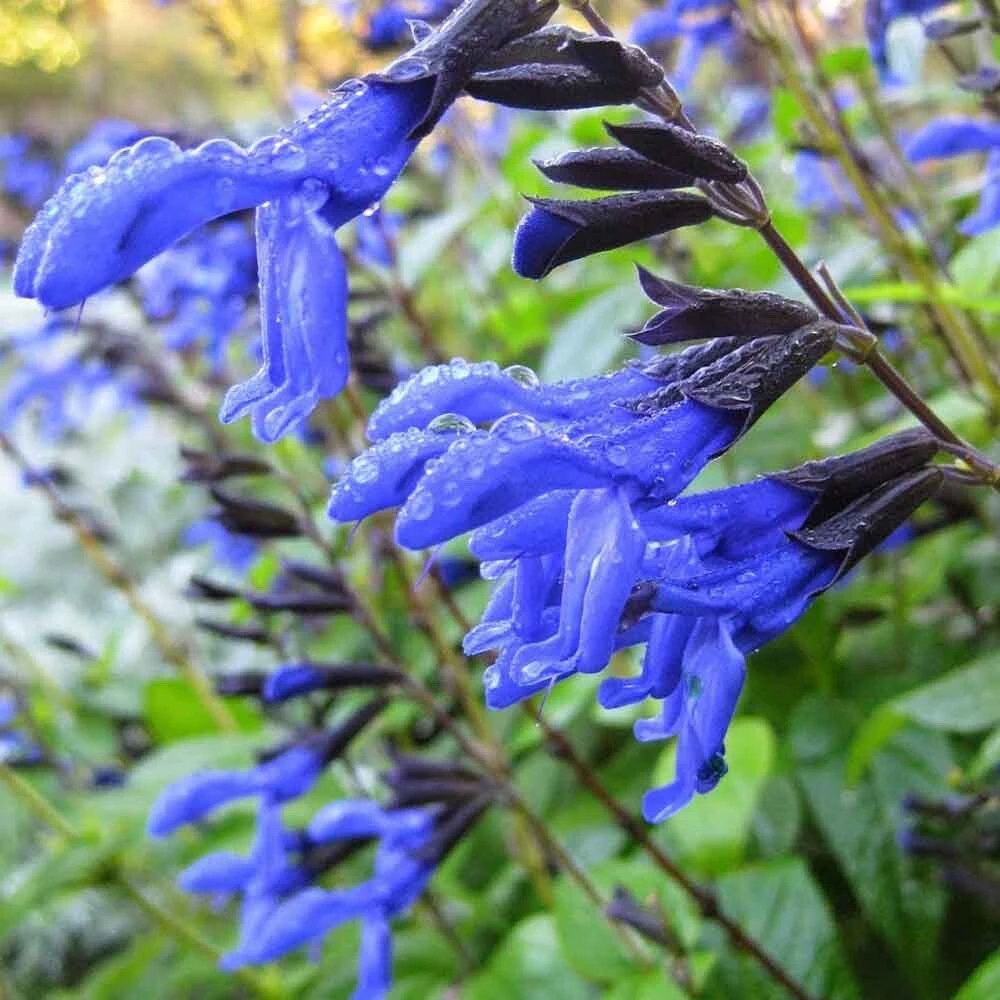
Salvia Black & Blue Live Perennial Plant Starter, 5-8″ Tall in 2.5″ Pot, Outdoor Flower
Reviews
There are no reviews yet.