
Silver Squill Live Plant with Pot – Easy Care Potted Houseplant
Original price was: $54.99.$34.99Current price is: $34.99.
Enhance your home decor with the beautiful silver squill live plant. This captivating houseplant features unique silver-spotted foliage and is incredibly easy to care for, making it ideal for beginners and busy plant enthusiasts. Arrives conveniently potted and ready to display.
Estimated arrival
Oct 27
Nov 01 - Nov 03
Nov 06 - Nov 10
Shop With Confidence
30-Day Plant Health Guarantee
Arrives damaged? We’ll replace it free — see our return policy.
Responsive Support
Email us anytime, we reply within 1 business day.
Expert Packaging
Temperature-controlled shipping to protect your plants in transit.
Secure Checkout
Pay safely with Visa, Mastercard, PayPal.
Plant Specifications
-
USDA Hardiness Zone
USDA zones 10-11 (outdoors); suitable for all zones indoors -
Soil Type
Well-draining succulent or cactus potting mix -
Sunlight Exposure
Bright, indirect light -
Expected Planting Period
Year-round indoors
Overview
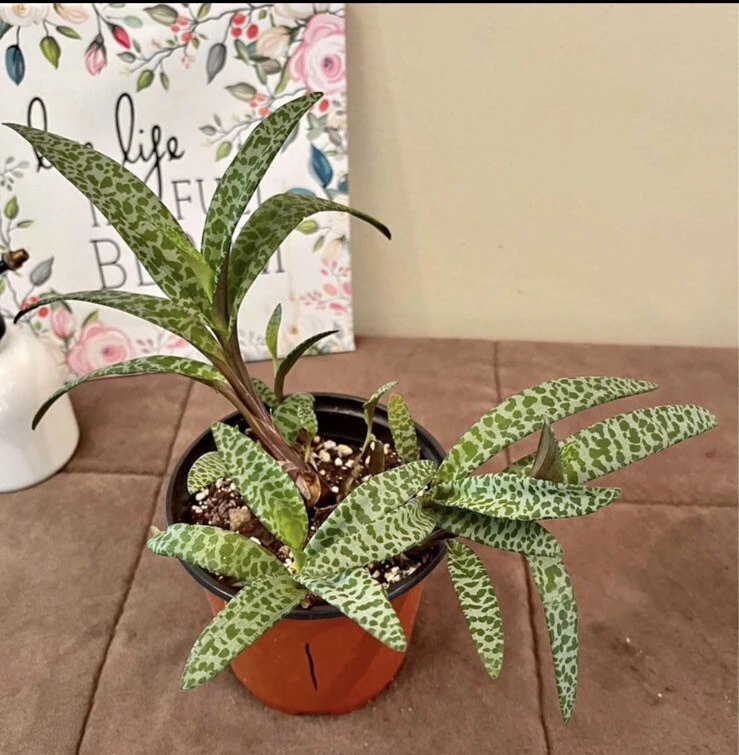
Bring a touch of unique elegance to your indoor plant collection with the stunning silver squill live plant. Also known by its botanical name, Ledebouria socialis, or sometimes as Leopard Lily, this charming succulent-like plant is celebrated for its striking foliage. Each leaf boasts a captivating silver-green hue adorned with distinct purple-green spots or stripes, creating a mesmerizing pattern that stands out in any room. The underside of the leaves often displays a beautiful purple tint, adding another layer of visual interest. Unlike many houseplants, the silver squill live plant is relatively small and compact, making it an excellent choice for desks, shelves, or windowsills where space may be limited. It’s a fantastic option for both seasoned plant parents and those just beginning their green journey, thanks to its forgiving nature and minimal care requirements. This particular offering includes a healthy Silver Squill plant, conveniently potted and ready to thrive in its new home, ensuring a smooth transition and immediate enjoyment.
Key Benefits
The silver squill live plant offers numerous advantages, making it a highly desirable addition to any indoor environment. Its unique aesthetic and robust nature contribute to a more vibrant and serene living space.
- Striking Ornamental Value: The primary appeal of the Silver Squill lies in its distinctive foliage. The silver-green leaves with their prominent purple-green spots and purple undersides provide year-round visual interest that can complement a wide range of interior design styles, from minimalist to bohemian. This plant is a true conversation starter.
- Low Maintenance & Easy Care: Known for its resilience, the silver squill live plant is incredibly forgiving, making it perfect for busy individuals or those new to plant care. It tolerates occasional neglect and doesn’t demand constant attention, allowing you to enjoy its beauty without extensive effort.
- Compact & Versatile Size: Its modest growth habit ensures it won’t outgrow its space quickly. The compact nature of the potted squill plant allows it to fit comfortably in small apartments, offices, or as part of a larger plant arrangement, adding greenery without overwhelming the area.
- Air Purifying Qualities: Like many houseplants, the Silver Squill contributes to a healthier indoor atmosphere by helping to filter out common airborne toxins, promoting better air quality and a more refreshing environment in your home or office.
- Drought Tolerance: As a succulent-like plant, Ledebouria socialis has adapted to store water in its bulbous base, making it quite drought-tolerant. This feature reduces the frequency of watering, further simplifying its care routine and making it less susceptible to issues caused by underwatering.
- Pet-Friendly Option: While it’s always wise to exercise caution, Silver Squill is generally considered non-toxic to pets, making it a safer choice for households with curious cats or dogs compared to many other popular houseplants. However, it’s always best to discourage pets from ingesting any plant material.
- Unique Bulb Formation: The plant forms attractive, above-ground bulbs that add another layer of texture and interest to its overall appearance. These bulbs are a fascinating aspect of its growth and contribute to its unique charm.
Plant Care & Growing Tips
Caring for your silver squill live plant is straightforward, ensuring it remains a vibrant and cherished part of your home decor for years to come. Understanding its basic needs will help it thrive. When it comes to sunlight, the Silver Squill prefers bright, indirect light. A spot near an east or west-facing window is often ideal, where it can receive plenty of light without the harshness of direct, intense sun, which can scorch its delicate leaves. While it can tolerate lower light conditions, its distinctive silver markings and overall vigor will be more pronounced with adequate brightness. Avoid deep shade as this can lead to leggy growth and duller coloration. For watering, allow the soil to dry out almost completely between waterings. As a succulent-like plant, it is highly susceptible to root rot if overwatered. During the growing season (spring and summer), you might water more frequently, perhaps once every 1-2 weeks, depending on your environment. In the dormant winter months, reduce watering significantly, perhaps once a month or even less. Always ensure proper drainage to prevent waterlogging.
The ideal soil type for your Ledebouria socialis is a well-draining potting mix. A standard succulent or cactus mix works wonderfully, or you can amend a regular potting mix with perlite or coarse sand to improve drainage. Good airflow around the roots is crucial for preventing fungal issues. This plant is not particularly fussy about humidity and thrives in average household humidity levels. It prefers temperatures between 60-80°F (15-27°C) and should be protected from cold drafts or temperatures below 50°F (10°C). Fertilize sparingly; a balanced liquid fertilizer diluted to half strength once a month during the spring and summer growing season is sufficient. Skip fertilization entirely in fall and winter. Repotting is rarely needed as Silver Squill prefers to be slightly root-bound. When it does outgrow its pot, choose a pot only one size larger with good drainage holes. Look out for common pests like mealybugs or spider mites, though they are not frequent visitors. Treat with insecticidal soap if infestations occur. Proper watering habits are key to preventing most issues with this hardy and beautiful easy care houseplant.
Size & Details
The silver squill live plant offered typically arrives as a well-established specimen in a grower’s pot, ready for immediate display or transplanting into your chosen decorative container. While exact dimensions can vary slightly based on individual plant growth, most plants will be approximately 4-6 inches tall from the soil line, with a spread of 3-5 inches. The plant comes in a standard nursery pot, generally 2-4 inches in diameter, providing a healthy root system for continued growth. Silver Squills are known for their moderate growth rate, gradually forming clumps of attractive foliage and multiplying their bulbs over time. Expect it to maintain a compact desk-friendly size, making it suitable for a variety of indoor settings. This potted squill plant is perfect for adding a touch of living decor to any small space or as part of a larger plant arrangement.
Frequently Asked Questions
- Q: How big does this plant get? A: The Silver Squill typically grows to a compact size, usually reaching about 4-8 inches in height and spread. It’s an ideal plant for small spaces like desks or windowsills, maintaining its modest stature.
- Q: Is this an indoor or outdoor plant? A: While it can be grown outdoors in very warm, frost-free climates (USDA zones 10-11), the silver squill live plant is predominantly grown as an indoor houseplant in most regions due to its sensitivity to cold temperatures.
- Q: How much sunlight does it need? A: This plant thrives in bright, indirect light. Avoid direct, harsh sunlight which can scorch its leaves. A spot near an east or west-facing window is usually perfect for optimal growth and coloration.
- Q: Is this plant easy to care for? A: Yes, the Silver Squill is considered an easy care houseplant and is very forgiving. It’s an excellent choice for beginners or those seeking a low-maintenance plant that still offers unique visual appeal.
- Q: What condition will it arrive in? A: Your Silver Squill will arrive as a healthy, live plant, securely packaged in its nursery pot with soil, ready to be placed in your home or repotted into a decorative container.
- Q: How often should I water my silver squill? A: Water only when the soil has almost completely dried out. Overwatering is the biggest killer of this plant. Typically, this means once every 1-2 weeks during warmer months and much less frequently in winter.
- Q: Is the Silver Squill pet-safe? A: The Silver Squill (Ledebouria socialis) is generally considered non-toxic to pets, making it a safer option for homes with animals. However, it’s always best to prevent pets from consuming any plant material.
- Q: Can I propagate my silver squill plant? A: Yes, Silver Squill is relatively easy to propagate. You can propagate it by dividing the offsets (baby bulbs) that grow around the base of the mature plant, or from leaf cuttings planted in suitable soil.
- Q: What kind of soil is best for this plant? A: A well-draining soil mix is crucial. A succulent or cactus potting mix is ideal, or you can amend regular potting soil with perlite or coarse sand to improve drainage and prevent waterlogging.
- Q: Does it flower? A: Yes, the Silver Squill produces small, delicate green or white flowers on slender stalks, typically in spring or summer. While not as showy as its foliage, they add a charming detail to the plant.
Be the first to review “Silver Squill Live Plant with Pot – Easy Care Potted Houseplant”
People Also Viewed
Flower Seeds
Reviews
There are no reviews yet.