
Bromeliad Live Plant – Exotic Houseplant & Indoor Decor
Original price was: $64.99.$44.99Current price is: $44.99.
Bring vibrant color and unique texture into your space with a stunning bromeliad live plant. These exotic houseplants are known for their striking foliage and long-lasting, colorful blooms, making them a perfect choice for adding a tropical touch to any room. Easy to maintain and visually captivating, a bromeliad live plant is an excellent addition for both seasoned plant enthusiasts and beginners.
Estimated arrival
Oct 27
Nov 01 - Nov 03
Nov 06 - Nov 10
Shop With Confidence
30-Day Plant Health Guarantee
Arrives damaged? We’ll replace it free — see our return policy.
Responsive Support
Email us anytime, we reply within 1 business day.
Expert Packaging
Temperature-controlled shipping to protect your plants in transit.
Secure Checkout
Pay safely with Visa, Mastercard, PayPal.
Plant Specifications
-
USDA Hardiness Zone
USDA zones 10-11 (outdoors); suitable for all zones indoors -
Soil Type
Well-draining, airy potting mix (e.g., orchid mix) -
Sunlight Exposure
Bright indirect light -
Expected Planting Period
Year-round indoors
Overview
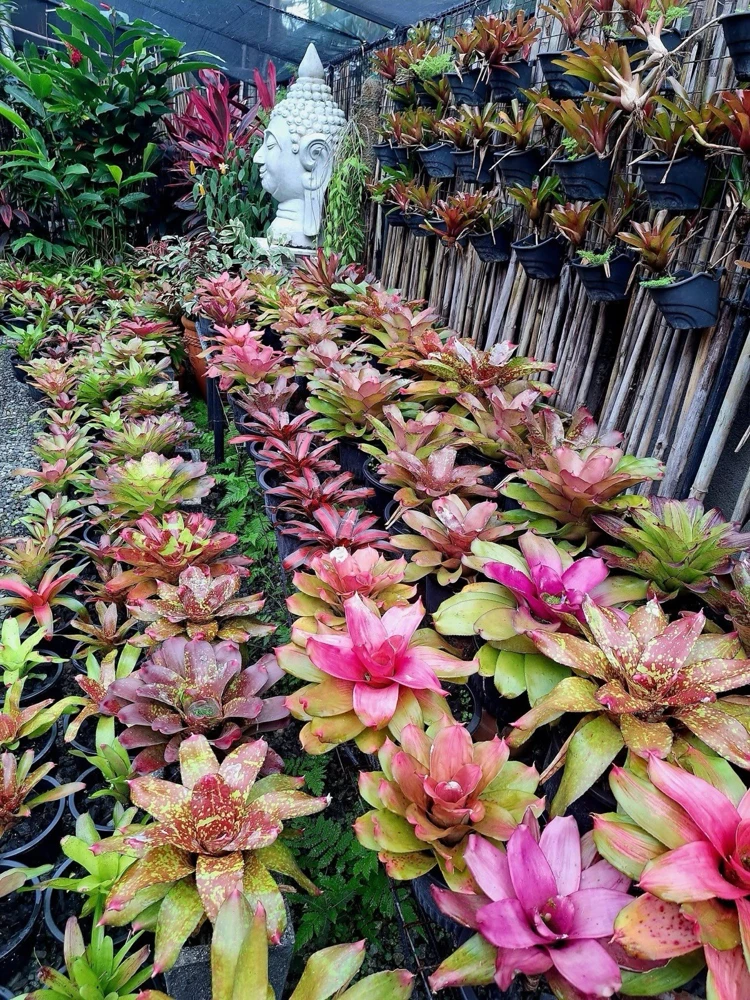
Introduce a touch of the tropics to your home or office with a captivating bromeliad live plant. Renowned for their vibrant, long-lasting bracts and architectural foliage, bromeliads are a fantastic choice for adding exotic beauty to any indoor setting. These fascinating plants, members of the Bromeliaceae family, are native to tropical and subtropical regions of the Americas, where they often grow as epiphytes on trees. Unlike many other houseplants, the true ‘flower’ of a bromeliad is often small and inconspicuous, overshadowed by the brightly colored leaves (bracts) that surround it, which can last for several months. Each bromeliad live plant offers a unique display, ranging from intricate patterns to bold, solid hues, ensuring there’s a variety to suit every taste and decor style. They are relatively low-maintenance, making them an ideal choice for busy individuals seeking a striking yet easy-care houseplant.
Our selection of bromeliad live plant options allows you to choose the perfect specimen to brighten your living space. These plants are not only visually appealing but also contribute to a healthier indoor environment by purifying the air. Whether you’re looking for a bold statement piece or a subtle accent, a bromeliad offers unparalleled beauty and intrigue. Their unique growth habit and stunning coloration make them a popular choice among plant collectors and interior decorators alike. Discover the joy of owning an indoor bromeliad and transform your home into a verdant paradise.
Key Benefits
A bromeliad live plant offers a multitude of benefits beyond its stunning appearance, making it a highly desirable addition to any home or office:
- Vibrant, Long-Lasting Color: Bromeliads are celebrated for their incredibly vibrant and long-lasting bracts, which can maintain their brilliant hues for months. This provides continuous visual interest and a splash of color that is hard to match with other houseplants, unlike typical flowers that fade quickly. This extended display makes the bromeliad live plant a fantastic value.
- Low Maintenance & Easy Care: These exotic plants are surprisingly easy to care for, requiring minimal attention once their basic needs are met. They are drought-tolerant and forgiving of occasional neglect, making them perfect for beginners or those with busy lifestyles. An indoor bromeliad thrives with simple watering and light requirements.
- Air Purification: Like many houseplants, bromeliads help improve indoor air quality by absorbing pollutants and releasing oxygen. This contributes to a healthier and more refreshing living environment, making your home a more pleasant place to be.
- Unique & Exotic Appeal: With their distinctive shapes, striking patterns, and bold colors, bromeliads add an instant exotic and tropical flair to any decor. They serve as natural works of art, creating a focal point in any room and sparking conversation. Each bromeliad live plant is a unique sculptural piece.
- Adaptable to Various Light Conditions: While they prefer bright, indirect light, many bromeliad varieties can adapt to lower light conditions, making them versatile for different areas within your home. This flexibility allows you to place your bromeliad live plant in various spots.
- Pet-Friendly Option: Many bromeliad species are considered non-toxic to pets, offering peace of mind for pet owners who want to enjoy beautiful houseplants without worry. Always confirm the specific species, but generally, bromeliads are a safer choice.
- Great for Gifting: Due to their unique beauty, ease of care, and long-lasting color, a bromeliad live plant makes an excellent and thoughtful gift for any occasion, bringing lasting joy to the recipient.
Plant Care & Growing Tips
Caring for your bromeliad live plant is relatively straightforward, ensuring it thrives and displays its stunning coloration for an extended period. Most bromeliads prefer bright, indirect light. A north or east-facing window is often ideal, or a spot several feet away from a south or west-facing window. Direct, intense sunlight can scorch their leaves, while too little light can result in duller coloration and less vigorous growth. Aim for at least 6-8 hours of bright, indirect light daily to encourage vibrant bracts. These plants generally prefer temperatures between 65-80°F (18-27°C) and high humidity, similar to their native tropical habitats. You can increase humidity by misting the plant regularly, placing it near a humidifier, or setting its pot on a pebble tray filled with water (making sure the pot isn’t sitting directly in the water).
Watering a bromeliad live plant differs slightly from typical houseplants. Many bromeliads have a central cup or ‘tank’ formed by their overlapping leaves. This cup should be kept filled with clean water, preferably rainwater or distilled water, flushing it out every few weeks to prevent stagnation. Additionally, water the soil thoroughly when the top inch or two feels dry to the touch, ensuring good drainage to prevent root rot. Avoid overwatering the soil, as this is a common killer of bromeliads. They are generally not heavy feeders; a balanced liquid fertilizer diluted to half or quarter strength can be applied to the water in the cup or to the soil once or twice a year during the growing season (spring and summer). The ideal soil for an indoor bromeliad is a well-draining, airy mix, such as an orchid mix or a blend of peat moss, perlite, and pine bark. Repotting is rarely needed unless the plant produces offsets (pups) that you wish to separate. Understanding these bromeliad plant care basics will ensure your plant flourishes.
Common problems for bromeliad varieties include leaf tip browning, which can indicate low humidity or excess fertilizer. Pests are generally not a major issue, but occasional mealybugs or scale can be wiped off with rubbing alcohol. Ensuring proper air circulation and maintaining stable environmental conditions will help your bromeliad live plant remain healthy and vibrant. Remember that after flowering, the mother plant will slowly decline, but it will produce ‘pups’ or offsets at its base, which can be separated and grown into new plants, extending the life cycle of your bromeliad collection.
Size & Details
Each bromeliad live plant is carefully selected to ensure health and vitality upon arrival. While specific dimensions can vary by variety and growth stage, most bromeliads offered are mature or near-mature plants, ready to display their full vibrant coloration. Typically, these plants will reach a height of 10-20 inches and a spread of 8-15 inches, making them an ideal size for tabletops, shelves, or as part of a larger plant display. They are shipped as established, potted plants, ensuring a smooth transition to your home. The growth rate is moderate, with the colorful bracts lasting for several months before the plant begins to produce offsets.
These bromeliads are delivered in a nursery pot, ready for you to place in your decorative container of choice. The exact pot size may vary but is generally appropriate for the plant’s current size, providing ample room for its root system. Expect your bromeliad live plant to arrive with healthy foliage and, in many cases, already displaying its beautiful, developing or fully colored bracts. With proper bromeliad plant care, these plants will bring sustained beauty to your indoor environment.
Frequently Asked Questions
- Q: How big does this bromeliad plant get? A: A typical bromeliad live plant will generally reach a mature height of 10-20 inches and a spread of 8-15 inches, depending on the specific variety and growing conditions. They are well-suited for medium-sized spaces and tabletops.
- Q: Is this an indoor or outdoor plant? A: While bromeliads can thrive outdoors in warm, humid climates (USDA zones 10-11), our selection is primarily intended as an indoor bromeliad. They excel as houseplants, where their environmental needs can be more easily controlled.
- Q: How much sunlight does it need? A: Your bromeliad live plant prefers bright, indirect light. Avoid direct, harsh sunlight, which can scorch the leaves. An east-facing window or a spot a few feet from a south or west-facing window is usually ideal.
- Q: Is this plant easy to care for? A: Yes, bromeliads are considered relatively easy to care for, making them a great choice for beginners. Their unique watering method and tolerance for occasional neglect contribute to their low-maintenance reputation. Following basic bromeliad plant care guidelines will ensure success.
- Q: What condition will it arrive in? A: Your bromeliad live plant will arrive as an established, healthy plant in a nursery pot, carefully packaged to minimize stress during transit. It will be ready to display or be placed in your preferred decorative planter.
- Q: How often should I water my bromeliad? A: Keep the central cup (or ‘tank’) filled with clean water, flushing it out every few weeks. Additionally, water the soil when the top inch or two feels dry, ensuring good drainage. Avoid letting the plant sit in standing water.
- Q: Can I use tap water for my bromeliad? A: It’s best to use rainwater, distilled water, or filtered water for your bromeliad live plant, especially for filling the central cup. Tap water can contain minerals and chemicals that may build up and harm the plant over time.
- Q: How long do the colorful parts last? A: The vibrant ‘flowers’ (which are actually colorful bracts) of a bromeliad live plant can last for several months, often between 3 to 6 months, providing a prolonged display of color. After they fade, the mother plant will eventually produce offsets.
- Q: Are bromeliad varieties pet-safe? A: Many popular bromeliad varieties are considered non-toxic to cats and dogs, making them a safer choice for pet owners. However, it’s always wise to supervise pets and prevent them from chewing on plants.
- Q: When is the best time to repot a bromeliad? A: Bromeliads rarely need repotting. You would typically only repot when separating ‘pups’ (offsets) from the mother plant, which is usually done when the pups are about one-third the size of the mother plant.
Be the first to review “Bromeliad Live Plant – Exotic Houseplant & Indoor Decor”
People Also Viewed
Vegetable Seeds
Golden Zucchini Squash Seeds – 25 Heirloom Summer Squash Seeds
Flower Seeds
3000+ Giant Rattle Poppy Seeds – P. Somniferum Flower Seeds – Massive Heads & Blooms, White
Reviews
There are no reviews yet.