
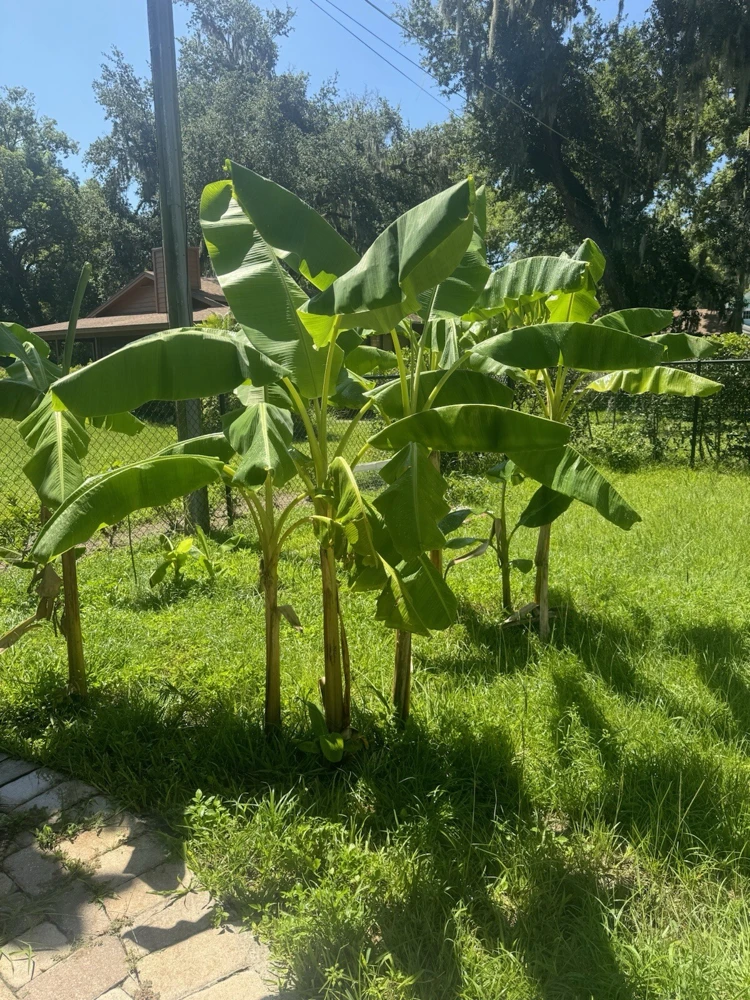
Dwarf Puerto Rican Plantain Live Plant – Cooking Plantain Tree
Original price was: $81.99.$61.99Current price is: $61.99.
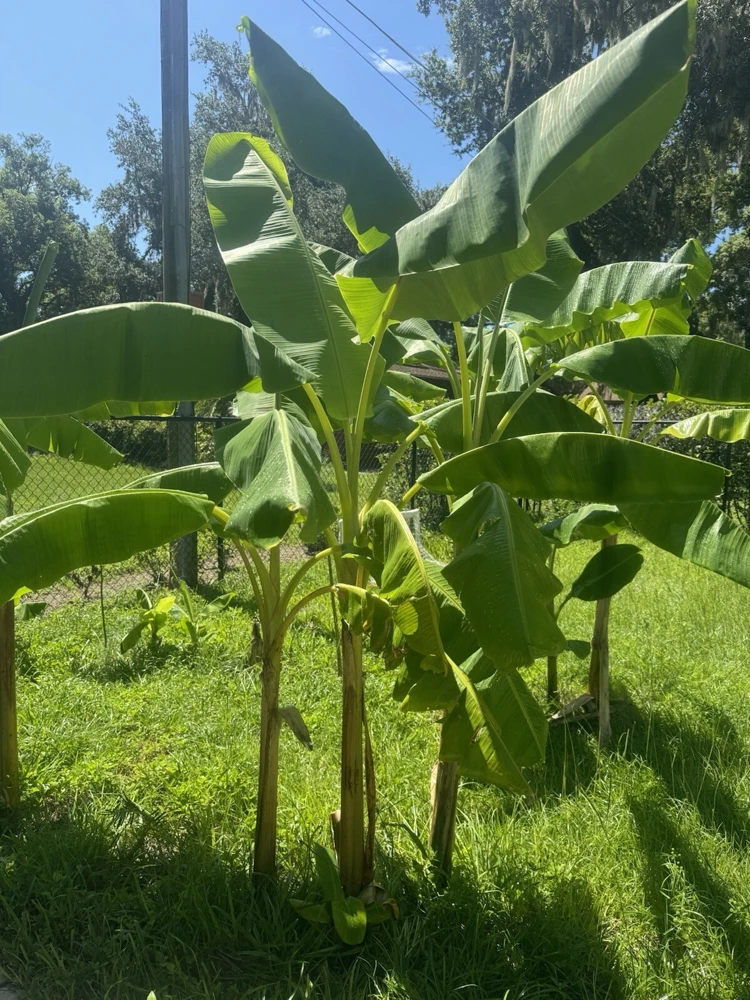
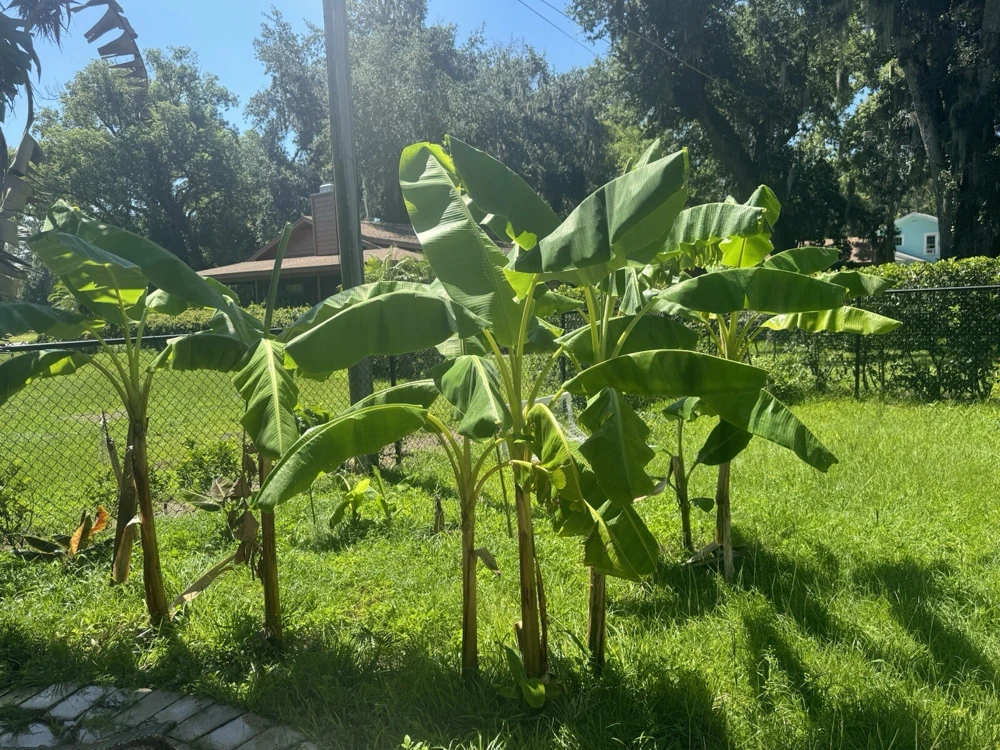
Cultivate your own delicious fruit with this dwarf plantain live plant. Perfect for home gardens, this compact variety produces flavorful cooking plantains. Enjoy fresh, homegrown tropical fruit.
Estimated arrival
Oct 28
Nov 02 - Nov 04
Nov 07 - Nov 11
Shop With Confidence
30-Day Plant Health Guarantee
Arrives damaged? We’ll replace it free — see our return policy.
Responsive Support
Email us anytime, we reply within 1 business day.
Expert Packaging
Temperature-controlled shipping to protect your plants in transit.
Secure Checkout
Pay safely with Visa, Mastercard, PayPal.
Plant Specifications
-
USDA Hardiness Zone
USDA Zones 9-11 -
Soil Type
Rich, well-draining soil -
Sunlight Exposure
Full sun -
Expected Planting Period
Year-round in warm climates, spring in cooler zones
Overview
Bring the taste of the tropics to your garden with a dwarf plantain live plant. This robust and compact plantain tree is an excellent choice for home gardeners looking to grow their own cooking plantains. Unlike its larger relatives, this dwarf variety is more manageable in size, making it suitable for a wider range of garden spaces, including containers in warmer climates. The plantain, a staple in many cuisines, offers a versatile and nutritious fruit that can be enjoyed in various stages of ripeness. Cultivating a puerto rican plantain tree allows you to experience the satisfaction of harvesting your own fresh produce, straight from your backyard.
Our dwarf plantain live plant is carefully cultivated to ensure a strong start in your garden. Known for its vigorous growth and productive nature, this plant will soon be a highlight in your edible landscape. Whether you’re an experienced gardener or just starting out, growing a cooking plantain plant is a rewarding endeavor that provides both ornamental beauty and delicious, usable fruit.
Key Benefits
Growing a dwarf plantain offers numerous advantages for the home gardener, from its culinary versatility to its tropical appeal. It’s a fantastic addition to any garden seeking productive and unique edible plants.
- Homegrown Produce: Enjoy fresh, organic plantains directly from your garden, ensuring superior taste and quality compared to store-bought options. This allows you to harvest them at their peak ripeness for optimal flavor.
- Compact Size: The dwarf nature of this plantain variety makes it ideal for smaller gardens, patios, or even large containers, fitting into diverse outdoor spaces without overgrowing. It’s an excellent choice for those with limited space.
- Culinary Versatility:Cooking plantain plant fruits can be used in a wide array of dishes, from savory fried plantains and stews to sweet desserts, providing endless culinary opportunities. They are a staple in many tropical cuisines.
- Tropical Aesthetic: With its large, lush leaves, the dwarf plantain live plant adds a vibrant, tropical ambiance to your landscape, creating an exotic focal point. It can transform a mundane garden into a lush, green paradise.
- Productive Yield: Despite its smaller stature, this puerto rican plantain tree is known for its generous fruit production, allowing you to enjoy a consistent supply of plantains throughout the growing season.
- Educational Experience: Growing your own tropical fruit provides a fantastic learning opportunity for all ages, teaching about plant life cycles, cultivation, and sustainable food practices. It’s a hands-on way to connect with nature.
- Unique Garden Addition: Stand out from traditional gardens by incorporating this unique fruit-bearing plant, offering both visual interest and a conversation starter. It’s a distinctive choice for adventurous gardeners.
Plant Care & Growing Tips
Caring for your dwarf plantain live plant involves understanding its tropical origins and providing consistent conditions to thrive. Plantains flourish in warm, humid environments with plenty of sunlight and consistent moisture. Choose a location that receives at least 6-8 hours of direct sunlight daily for optimal growth and fruit production. In regions with intense afternoon sun, some partial shade during the hottest part of the day can be beneficial to prevent leaf scorch, especially for a young puerto rican plantain tree.
Watering is crucial for plantains. They are heavy feeders and drinkers, requiring consistently moist soil but not waterlogged conditions. Water deeply several times a week, especially during dry spells and hot weather. Reduce watering slightly during cooler months. The ideal soil for a cooking plantain plant is rich, well-draining, and slightly acidic to neutral (pH 6.0-7.0). Amend heavy clay soils with organic matter like compost or aged manure to improve drainage and fertility. Fertilize regularly during the growing season with a balanced, slow-release fertilizer or a liquid feed high in potassium to promote fruit development. Protect your plant from strong winds, as their large leaves can easily tear. In colder climates, consider growing your plantain in a large container that can be moved indoors during winter.
Size & Details
This dwarf plantain live plant typically grows to a manageable height of 6-10 feet, making it an excellent choice for home gardens where space might be a consideration. It will arrive as a young, healthy plant, ready for transplanting. Plantains have a relatively fast growth rate under ideal conditions, and you can expect your first fruit within 1-2 years of planting. The fruit itself will be of typical cooking plantain size, suitable for all your favorite recipes. This plant is shipped in a nursery pot, ensuring its roots are protected during transit and ready for a smooth transition to its new home. Its compact nature also makes it a strong candidate if you want to grow plantain at home in a large container.
Frequently Asked Questions
- Q: How big does this dwarf plantain plant get? A: This dwarf plantain live plant typically reaches a mature height of 6-10 feet, making it a more manageable size for home gardens compared to standard varieties. Its compact nature is one of its key advantages.
- Q: Is this an indoor or outdoor plant? A: While plantains are tropical plants and thrive outdoors in warm climates (USDA Zones 9-11), they can be grown in large containers and brought indoors during colder months in cooler regions. It’s primarily an outdoor plant for most of the year.
- Q: How much sunlight does a plantain need? A: A puerto rican plantain tree requires full sun, meaning at least 6-8 hours of direct sunlight per day, to produce the best fruit. In very hot climates, some afternoon shade can be beneficial.
- Q: Is this plant easy to care for? A: Plantains are relatively easy to care for if their basic needs for warmth, sunlight, and consistent moisture are met. They are considered suitable for gardeners with some experience but can be managed by dedicated beginners.
- Q: What condition will the plant arrive in? A: Your dwarf plantain live plant will arrive as a healthy, young plant in a nursery pot, with its root system well-established and protected, ready for planting. We take care to ensure safe transit.
- Q: Can I use this plantain for cooking? A: Absolutely! This is a cooking plantain plant variety, and its fruits are specifically grown for culinary use. They are perfect for frying, baking, boiling, and incorporating into various savory and sweet dishes.
- Q: How long until it produces fruit? A: Under optimal growing conditions, you can typically expect your dwarf plantain live plant to begin producing fruit within 1 to 2 years after planting. Consistent care will encourage faster fruiting.
- Q: What’s the best way to grow plantain at home in a container? A: To grow plantain in a container, choose a very large pot (at least 20-25 gallons) with good drainage. Use a rich, well-draining potting mix and ensure consistent watering and feeding. Move it indoors when temperatures drop below 50°F (10°C).
- Q: What kind of soil does it prefer? A: Plantains prefer rich, fertile, well-draining soil with a slightly acidic to neutral pH (6.0-7.0). Amending your soil with plenty of organic matter will provide the best growing environment for your puerto rican plantain tree.
- Q: Is this a cold-hardy plant? A: No, plantains are tropical and are not cold-hardy. They are best suited for USDA Zones 9-11. In colder zones, they must be protected from frost or grown in containers and brought indoors during winter to ensure survival and continued growth.
Be the first to review “Dwarf Puerto Rican Plantain Live Plant – Cooking Plantain Tree”
People Also Viewed
Uncategorized
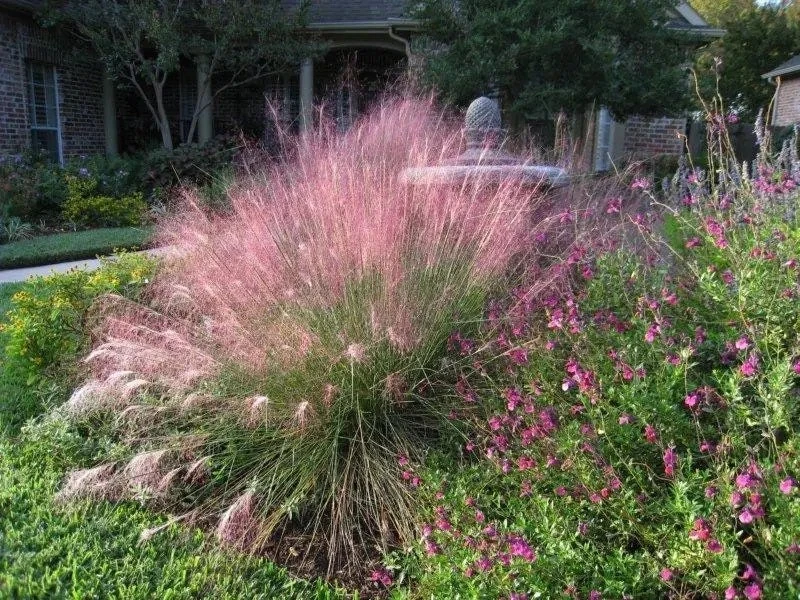
Pink Gulf Muhly Grass Live Plant, Muhlenbergia capillaris Ornamental Grass, 1 Gallon Pot
Reviews
There are no reviews yet.