

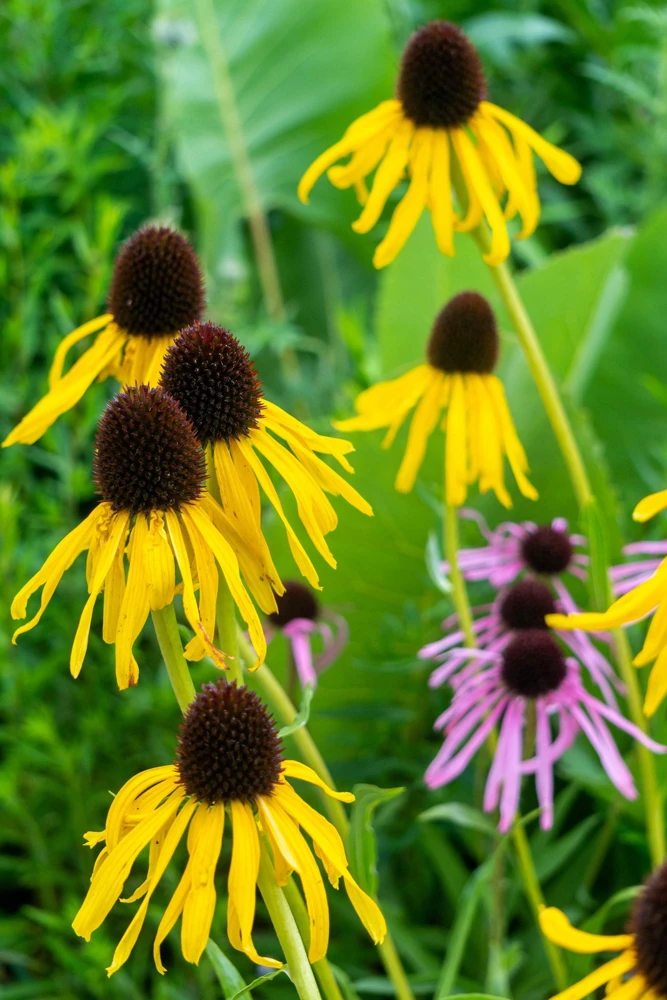
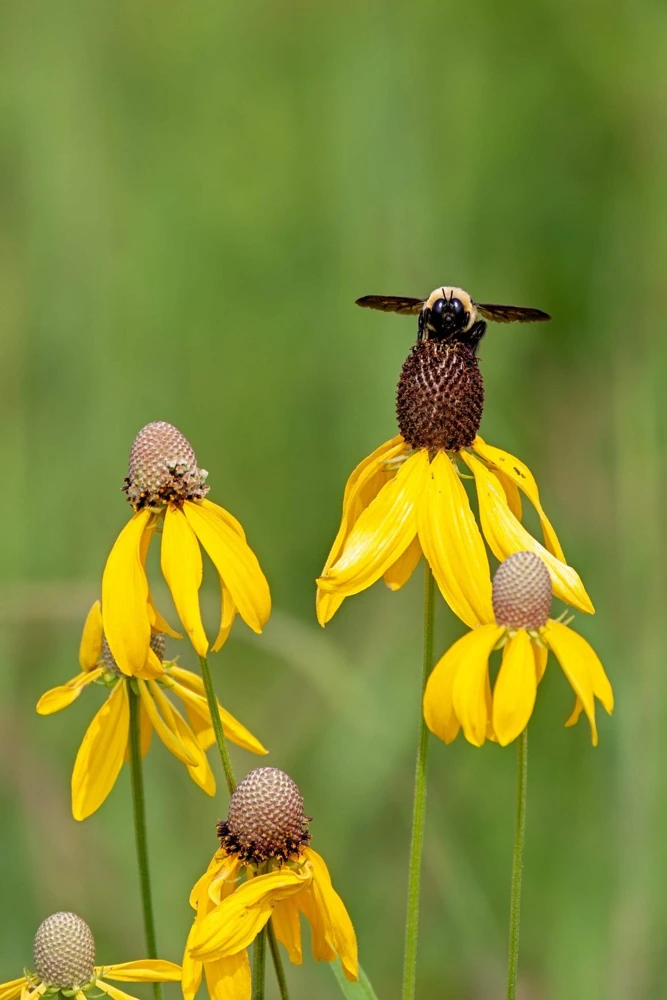
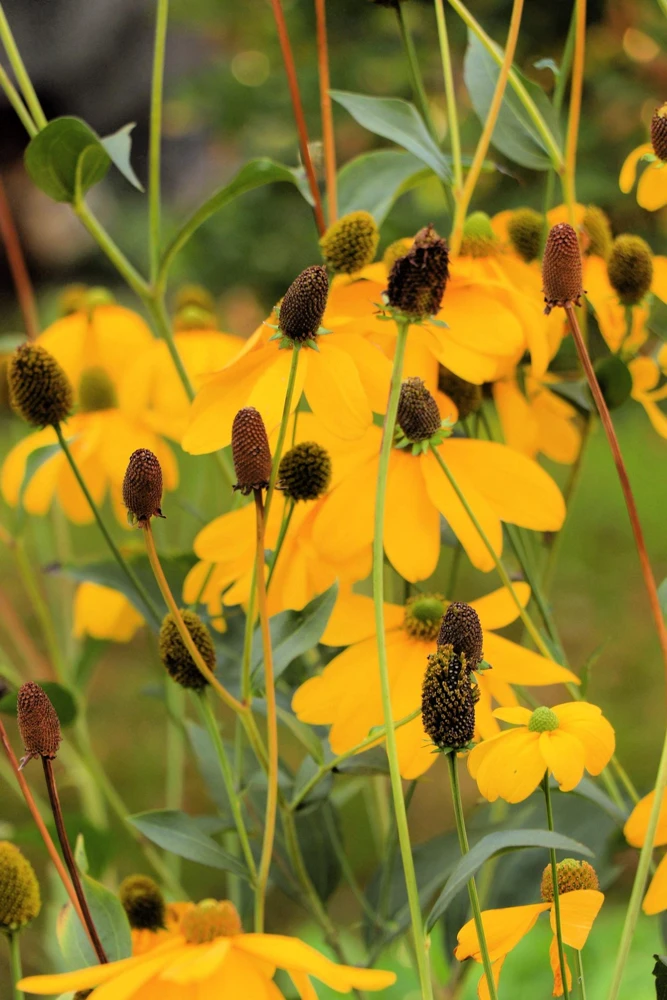
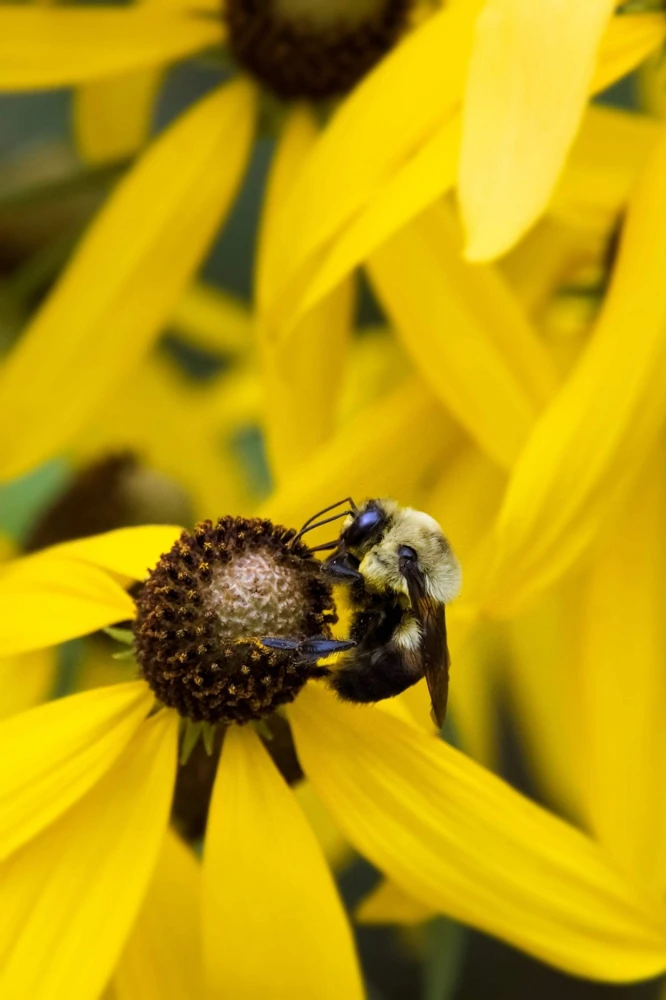
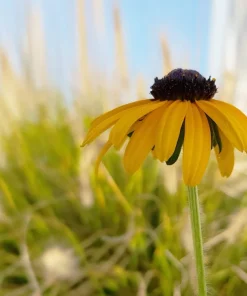
100 Yellow Coneflower Seeds – Ratibida Pinnata Flower Seeds for Gardens
Original price was: $37.99.$17.99Current price is: $17.99.
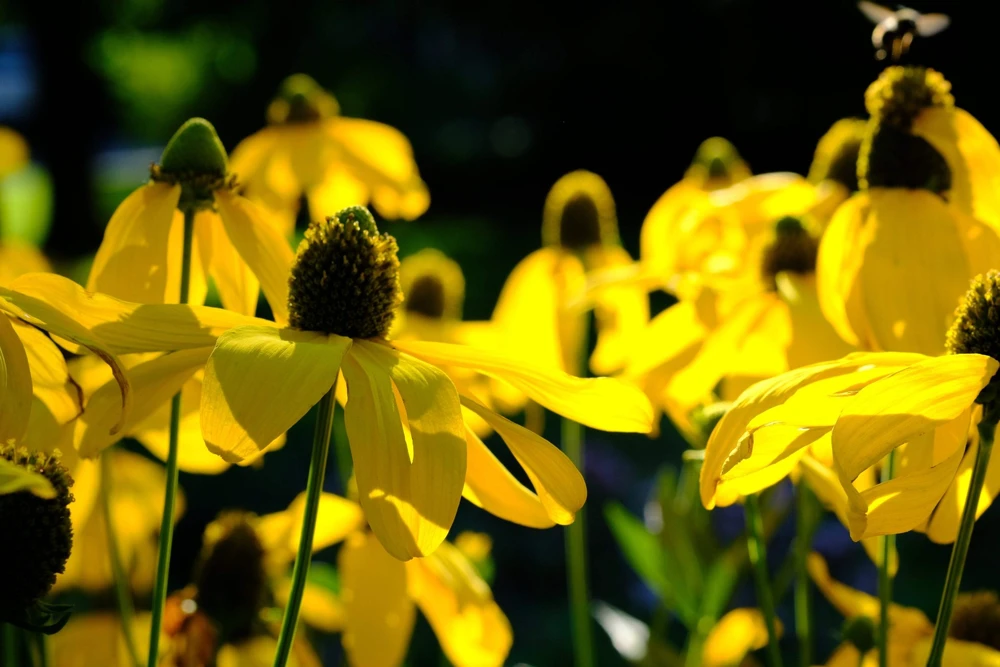
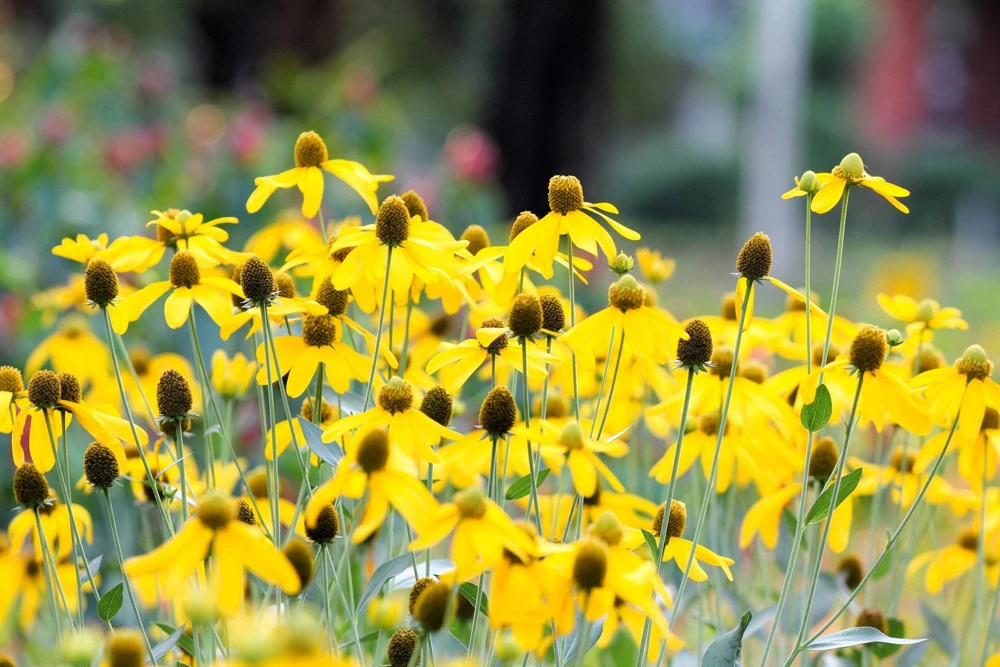
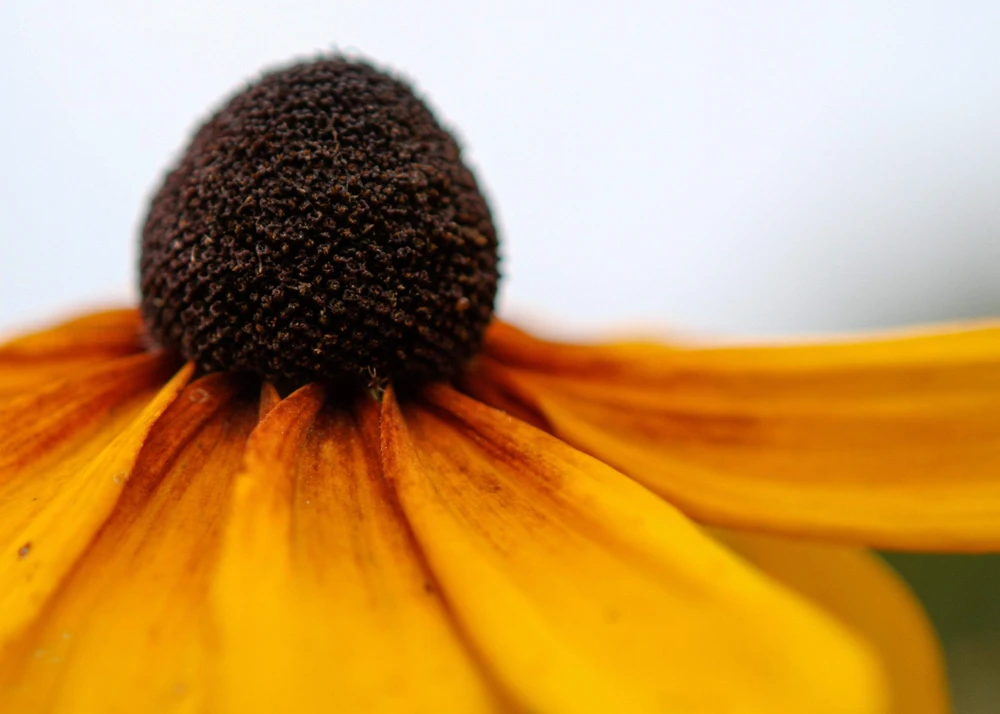
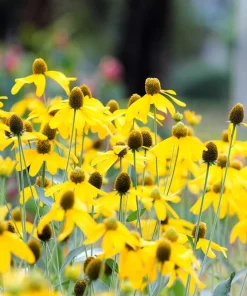
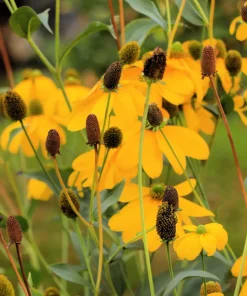
Cultivate stunning yellow coneflower seeds (Ratibida Pinnata) with this pack of 100 seeds. Perfect for creating vibrant, pollinator-friendly landscapes and adding a touch of native beauty to your garden. These hardy perennial flowers are known for their distinctive yellow petals and cone-shaped centers, making them a delightful addition to any outdoor space.
Estimated arrival
Sep 17
Sep 22 - Sep 24
Sep 27 - Oct 01
Shop With Confidence
30-Day Plant Health Guarantee
Arrives damaged? We’ll replace it free — see our return policy.
Responsive Support
Email us anytime, we reply within 1 business day.
Expert Packaging
Temperature-controlled shipping to protect your plants in transit.
Secure Checkout
Pay safely with Visa, Mastercard, PayPal.
Plant Specifications
-
USDA Hardiness Zone
USDA Zones 3-8 -
Soil Type
Well-draining soil -
Sunlight Exposure
Full sun -
Expected Planting Period
Fall or early spring
Overview
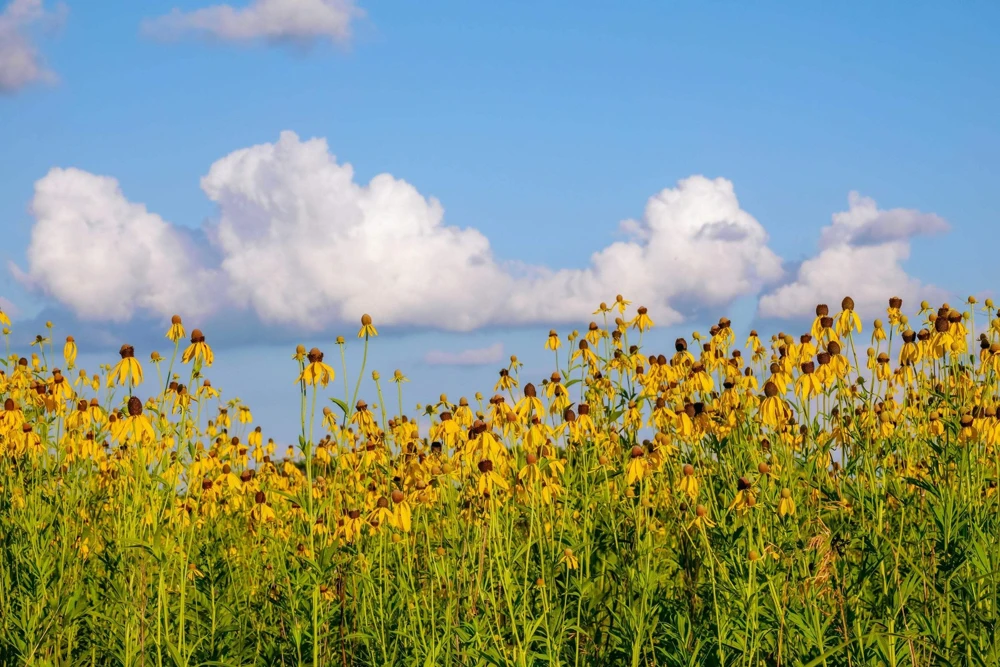
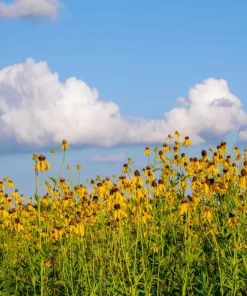
Transform your garden into a vibrant haven for pollinators with these premium yellow coneflower seeds. This pack contains 100 seeds of Ratibida Pinnata seeds, commonly known as the Prairie Coneflower or Grey-headed Coneflower. Renowned for its cheerful yellow petals that droop gracefully from a prominent central cone, this native wildflower brings a touch of rustic charm and ecological benefit to any landscape. Ideal for meadow gardens, naturalized areas, or mixed perennial borders, these easy-to-grow seeds will establish robust plants that return year after year, providing continuous beauty and supporting local wildlife. The unique form and bright color of the yellow coneflower seeds make them a standout choice for gardeners seeking both aesthetic appeal and environmental contribution.
Ratibida Pinnata seeds are a fantastic choice for gardeners looking for low-maintenance yet high-impact plants. Originating from the North American prairies, these coneflowers are well-adapted to various conditions and are incredibly resilient once established. They are a favorite among bees, butterflies, and other beneficial insects, making your garden a lively hub of activity. With this generous quantity of yellow coneflower seeds, you can easily sow a large area or share them with fellow gardening enthusiasts, ensuring a widespread display of these captivating flowers.
Key Benefits
Planting yellow coneflower seeds offers numerous advantages, enhancing both the beauty and biodiversity of your outdoor space. These hardy perennials are a fantastic investment for any gardener.
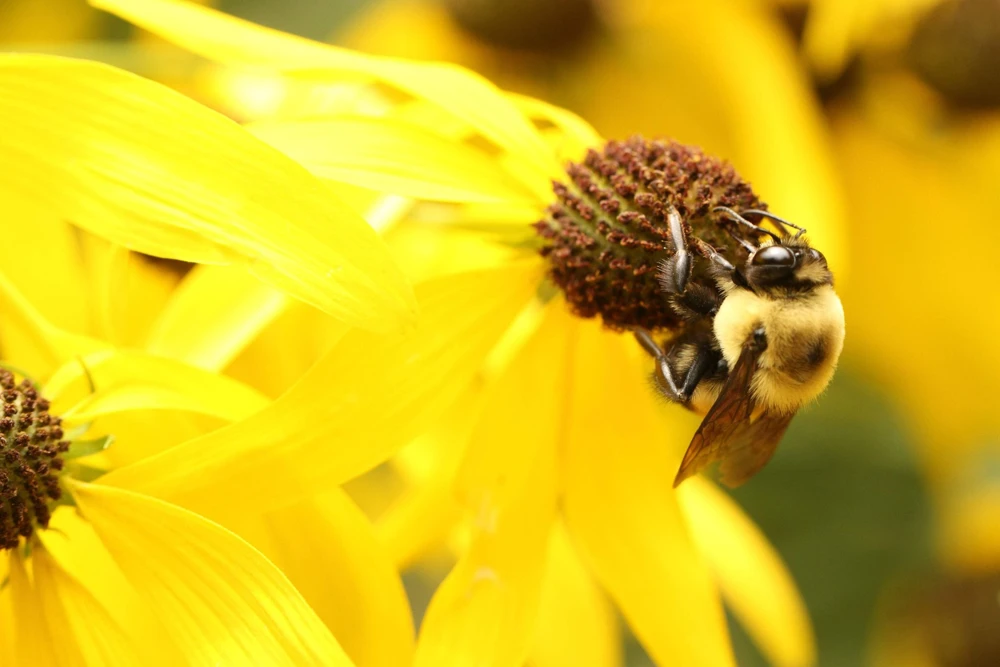
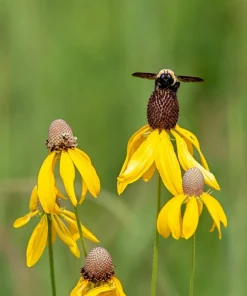
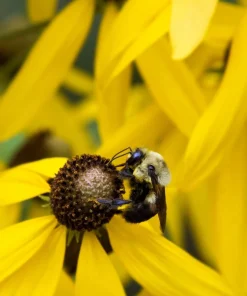
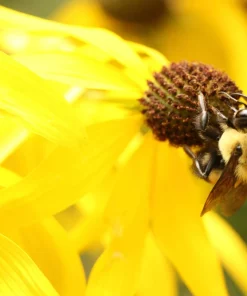
- Pollinator Attraction: The bright yellow petals and prominent cones of the Prairie Coneflower are irresistible to bees, butterflies, and other beneficial insects, making it an excellent choice for supporting local ecosystems and encouraging biodiversity in your garden.
- Drought Tolerance: Once established, Ratibida Pinnata seeds grow into plants that are remarkably drought-tolerant, requiring minimal watering and making them perfect for xeriscaping or gardens in drier climates.
- Low Maintenance: These coneflowers are incredibly easy to care for, thriving with little intervention. They are resistant to most pests and diseases, allowing you more time to enjoy their beauty and less time on upkeep.
- Long Blooming Season: Enjoy a prolonged display of cheerful yellow blooms from mid-summer through fall, providing continuous color and interest when many other plants have faded. This extended bloom period is a key feature of coneflower growing tips for sustained garden vibrancy.
- Native Wildflower: As a native North American species, native wildflower seeds like these are perfectly adapted to local conditions, contributing to ecological balance and promoting a naturalized garden aesthetic.
- Excellent Cut Flower: The unique shape and vibrant color of the flowers make them a superb addition to fresh floral arrangements, bringing the beauty of your garden indoors.
- Winter Interest: Even after the blooms fade, the dried seed heads provide architectural interest in the winter garden and serve as a food source for birds, extending their seasonal appeal.
Plant Care & Growing Tips
Successfully growing yellow coneflower seeds is straightforward, even for novice gardeners. These resilient plants prefer full sun, meaning they need at least 6-8 hours of direct sunlight per day to thrive and produce abundant blooms. While they tolerate a range of soil types, well-draining soil is crucial to prevent root rot. If your soil is heavy clay, consider amending it with organic matter like compost to improve drainage and fertility. For optimal growth, aim for a soil pH between 6.0 and 7.5. These Ratibida Pinnata seeds are adaptable but flourish in conditions that mimic their native prairie environment.
When it comes to watering, prairie coneflower plants are quite self-sufficient once established. Water regularly after planting until the seedlings are strong, then reduce frequency. Mature plants are drought-tolerant and only need supplemental watering during extended dry spells. Overwatering can be more detrimental than underwatering. Fertilization is generally not necessary in rich garden soil; however, if your soil is poor, a light application of a balanced, slow-release fertilizer in early spring can encourage more vigorous growth. Deadheading spent flowers can promote additional blooms and prevent self-seeding, though leaving some seed heads provides winter interest and food for birds. Learning good coneflower growing tips will ensure your plants thrive.
Yellow coneflower seeds are hardy in USDA Zones 3-8, meaning they can withstand cold winters and return reliably each spring. They are generally pest and disease resistant, making them a low-maintenance choice. Occasionally, aphids or powdery mildew may appear, but these can typically be managed with organic sprays or by ensuring good air circulation. Planting these native wildflower seeds in groups not only creates a stunning visual impact but also helps with cross-pollination and seed production, ensuring a continuous cycle of beauty in your garden.
Size & Details
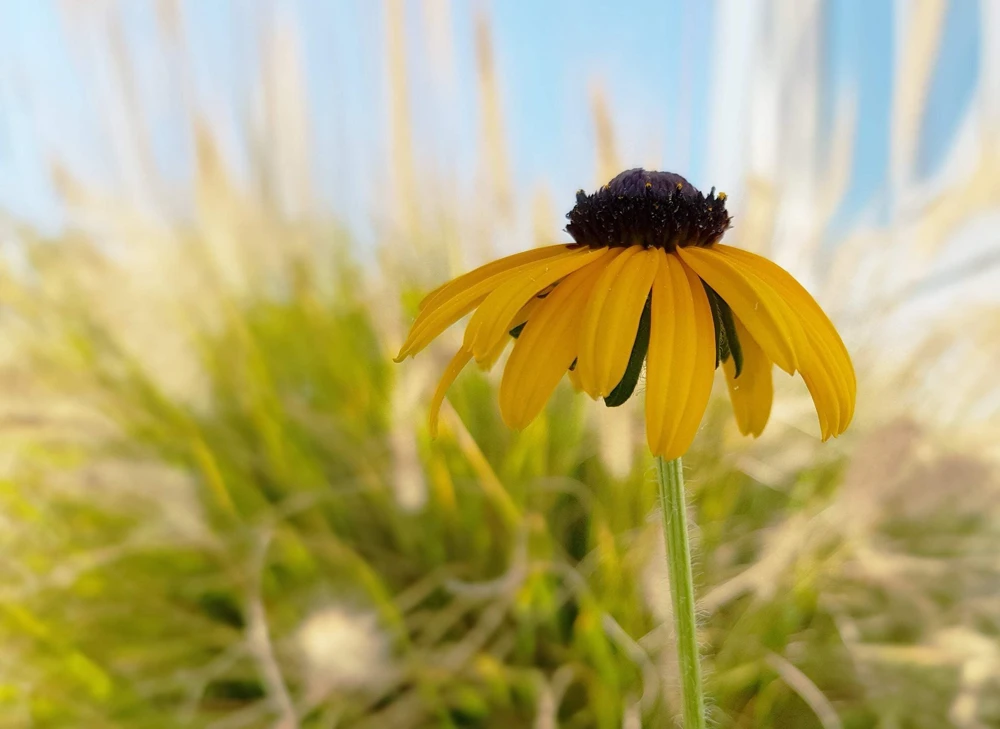
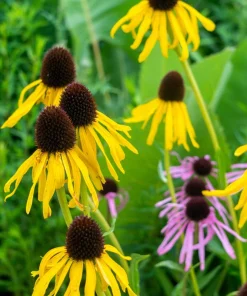
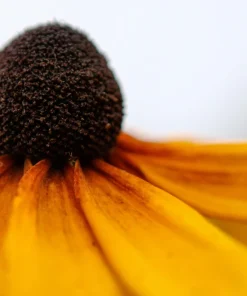
This package contains 100 yellow coneflower seeds (Ratibida Pinnata), providing ample opportunity to establish a beautiful display in your garden. Once mature, these perennial plants typically grow to a height of 3 to 5 feet (90-150 cm) and spread about 1 to 2 feet (30-60 cm) wide, forming an upright clump. The distinctive daisy-like flowers feature bright yellow ray petals that droop downwards from a prominent, elongated central cone, which starts green and matures to a dark brown or grey. These flowers can measure approximately 2-3 inches (5-7.5 cm) in diameter.
The plants grown from these Ratibida Pinnata seeds are delivered as dried seeds, ready for planting. They generally bloom from July through October, offering a long season of color. Expect germination within 10-20 days under ideal conditions, with plants reaching maturity and flowering in their second year after establishment. The growth rate is moderate, allowing for gradual development into robust, long-lived perennials that will enhance your landscape for years to come. These prairie coneflower plants are an excellent addition for gardeners seeking both visual appeal and ecological benefits.
Frequently Asked Questions
- Q: How big do these yellow coneflower plants get? A: Mature yellow coneflower seeds plants typically reach a height of 3 to 5 feet and spread 1 to 2 feet wide. Their upright growth habit makes them ideal for back borders or naturalized areas.
- Q: How much sunlight does Ratibida Pinnata need? A: Ratibida Pinnata seeds thrive in full sun, requiring at least 6-8 hours of direct sunlight daily for the best growth and most abundant blooms. They can tolerate partial sun but may produce fewer flowers.
- Q: Is this plant easy to care for? A: Yes, the prairie coneflower is known for being very easy to care for. Once established, it is drought-tolerant and requires minimal attention, making it an excellent choice for both beginner and experienced gardeners.
- Q: What condition will the seeds arrive in? A: The product consists of 100 yellow coneflower seeds in a packet, ready for you to sow directly into your garden or starter trays. They are dormant seeds, not live plants.
- Q: When is the best time to plant these native wildflower seeds? A: The best time to plant native wildflower seeds like these is in the fall or early spring. Fall planting allows for natural stratification over winter, leading to better germination in spring.
- Q: How long until the coneflowers bloom? A: While germination occurs in 10-20 days, plants grown from coneflower growing tips typically establish their root system in the first year and begin to bloom in their second year after planting.
- Q: Will these coneflowers survive winter in my zone? A: Yes, yellow coneflower seeds grow into plants that are hardy in USDA Zones 3-8, meaning they are well-equipped to survive cold winters and return reliably each spring in these regions.
- Q: Do these coneflowers attract pollinators? A: Absolutely! The vibrant yellow flowers are a magnet for bees, butterflies, and other beneficial insects, making them an excellent choice for supporting local wildlife and enhancing garden biodiversity.
- Q: What type of soil do these Ratibida Pinnata seeds prefer? A: While adaptable, Ratibida Pinnata seeds prefer well-draining soil. They can tolerate various soil types, including sandy or clay soils, as long as drainage is adequate.
- Q: Are these plants considered invasive? A: No, Prairie Coneflowers are native wildflowers and are not considered invasive. They may self-seed, but this is generally manageable and contributes to a naturalized look rather than an invasive spread.
Be the first to review “100 Yellow Coneflower Seeds – Ratibida Pinnata Flower Seeds for Gardens”
People Also Viewed
Succulents
Red Apple Aptenia Live Plant – Spreading Succulent – 2 Pack – 4-6 Inches Tall – Outdoor Ground Cover
Reviews
There are no reviews yet.