
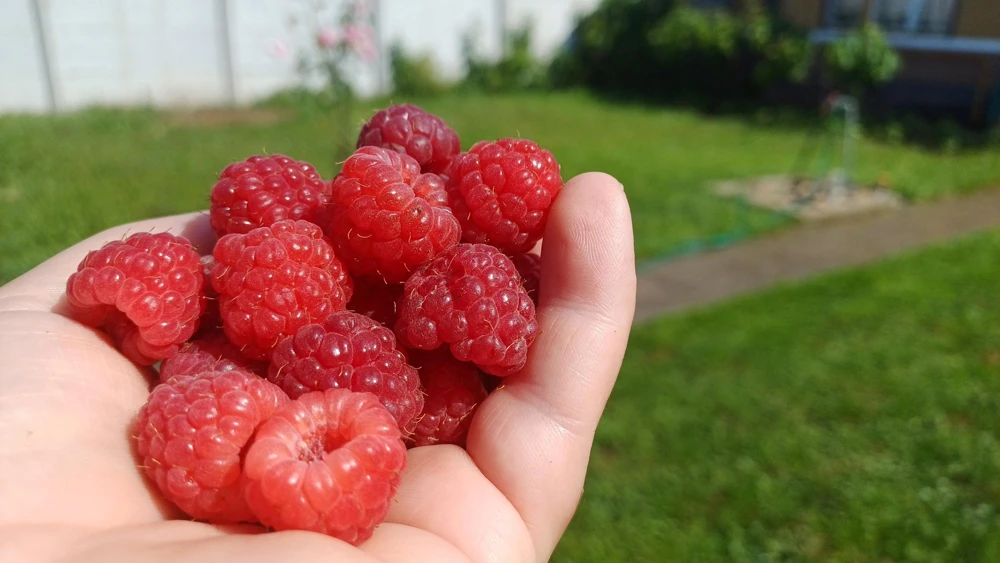
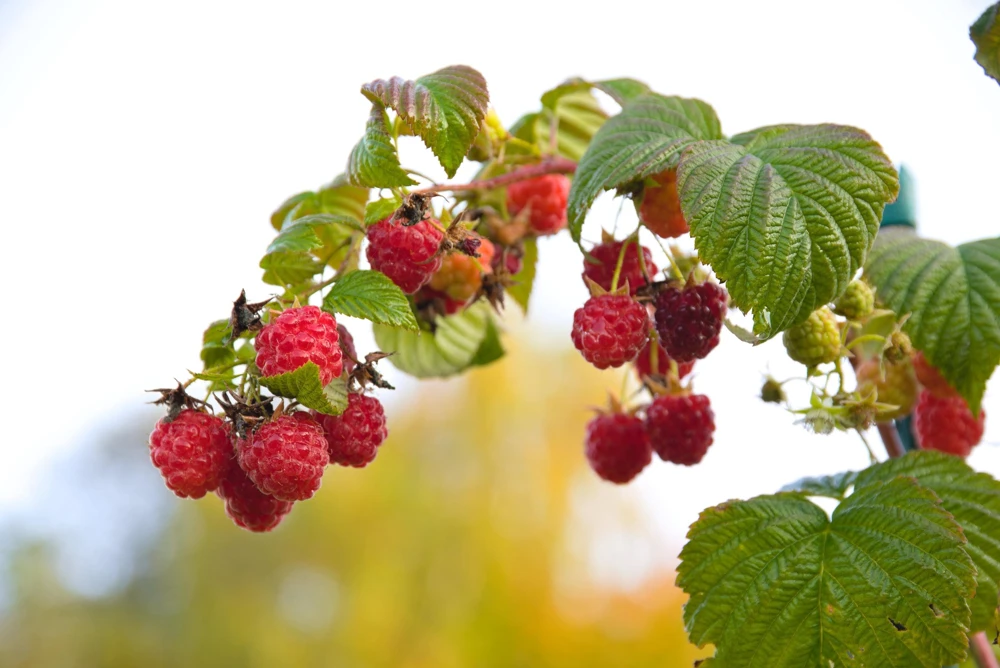
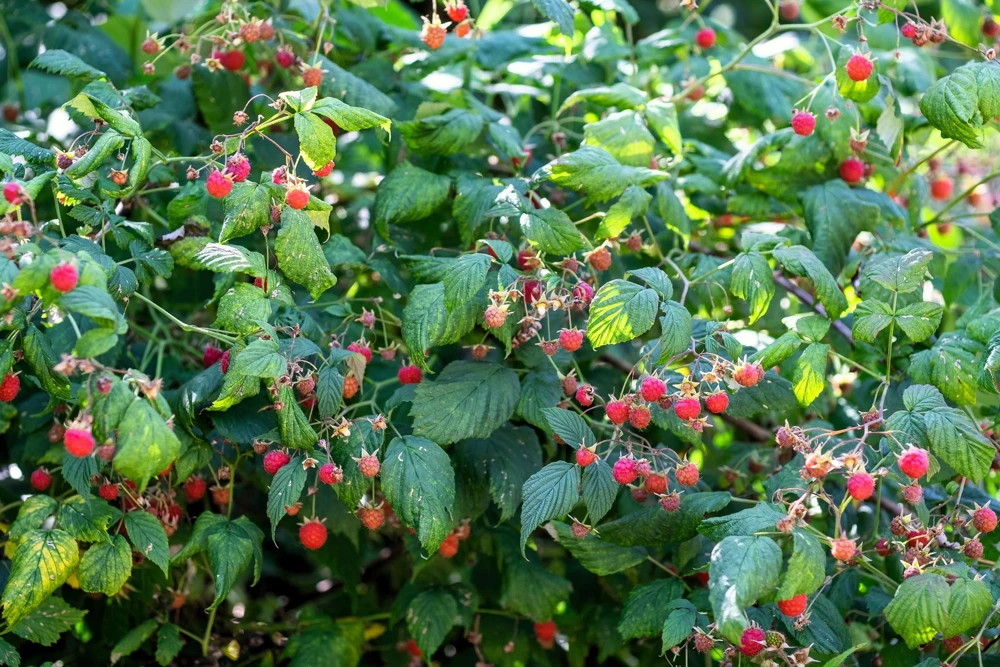
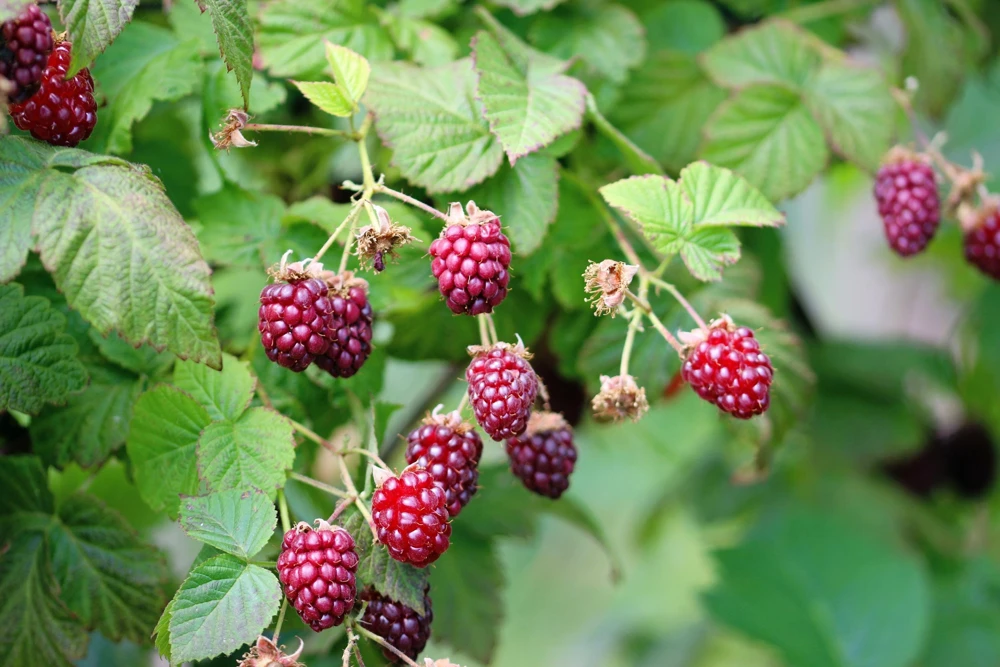


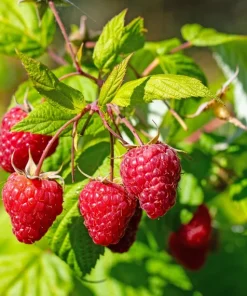
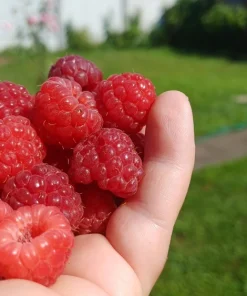
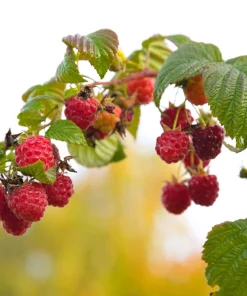
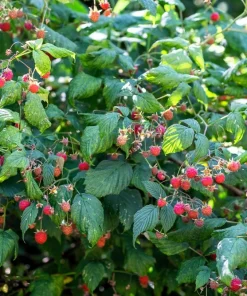


Red Raspberry Seeds – Rubus Idaeus – 100 Count – Fruit Bush Vine
Original price was: $36.99.$16.99Current price is: $16.99.
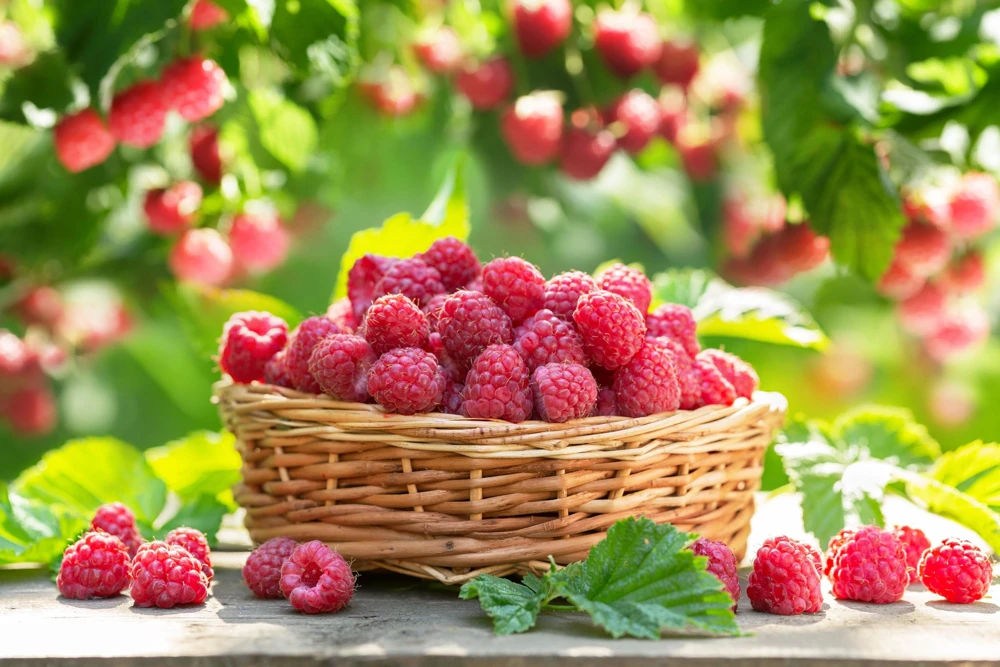
Cultivate your own sweet and juicy red raspberry seeds with this 100-count packet. Ideal for home gardeners, these Rubus Idaeus seeds will grow into productive fruit-bearing bushes, perfect for zones 3-9.
Estimated arrival
Sep 17
Sep 22 - Sep 24
Sep 27 - Oct 01
Shop With Confidence
30-Day Plant Health Guarantee
Arrives damaged? We’ll replace it free — see our return policy.
Responsive Support
Email us anytime, we reply within 1 business day.
Expert Packaging
Temperature-controlled shipping to protect your plants in transit.
Secure Checkout
Pay safely with Visa, Mastercard, PayPal.
Plant Specifications
-
USDA Hardiness Zone
3 - 9 -
Soil Type
Average, well-draining loam -
Sunlight Exposure
Full Sun -
Expected Planting Period
Fall / After 1 month cold stratification
Overview
Embark on a delightful gardening journey with these premium red raspberry seeds, offering the chance to cultivate your very own patch of delicious, homegrown raspberries. Each packet contains 100 high-quality seeds of the Rubus Idaeus seeds variety, renowned for its sweet and tangy fruit. These perennial plants are a fantastic addition to any home garden, providing a bountiful harvest year after year. Growing your own raspberries from seed is a rewarding experience, allowing you to enjoy fresh, organic fruit right from your backyard. These adaptable plants thrive in a range of climates, making them a popular choice for gardeners across many USDA Hardiness Zones.
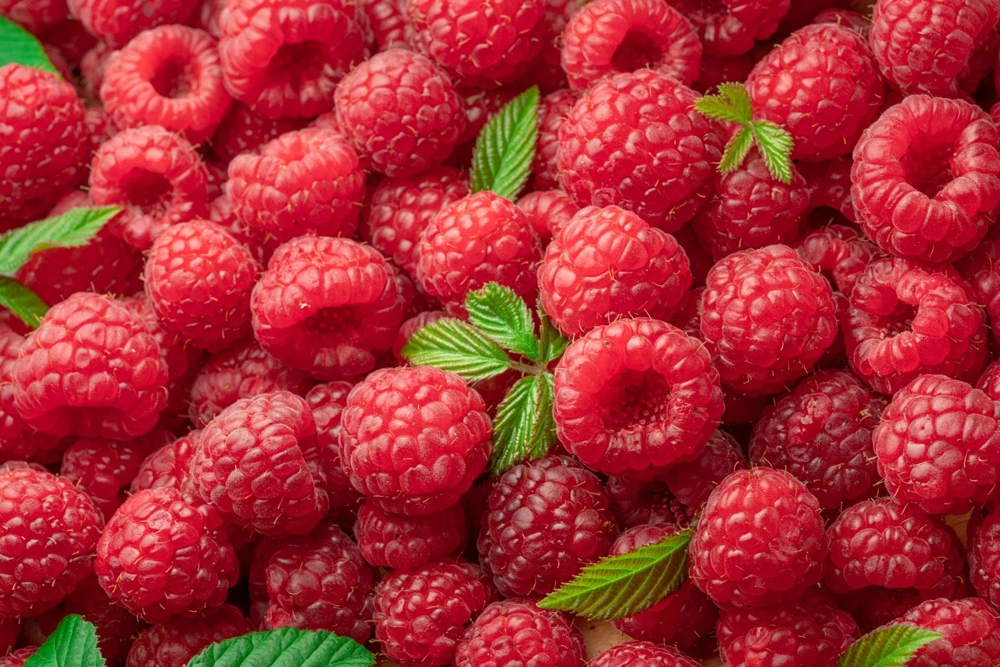
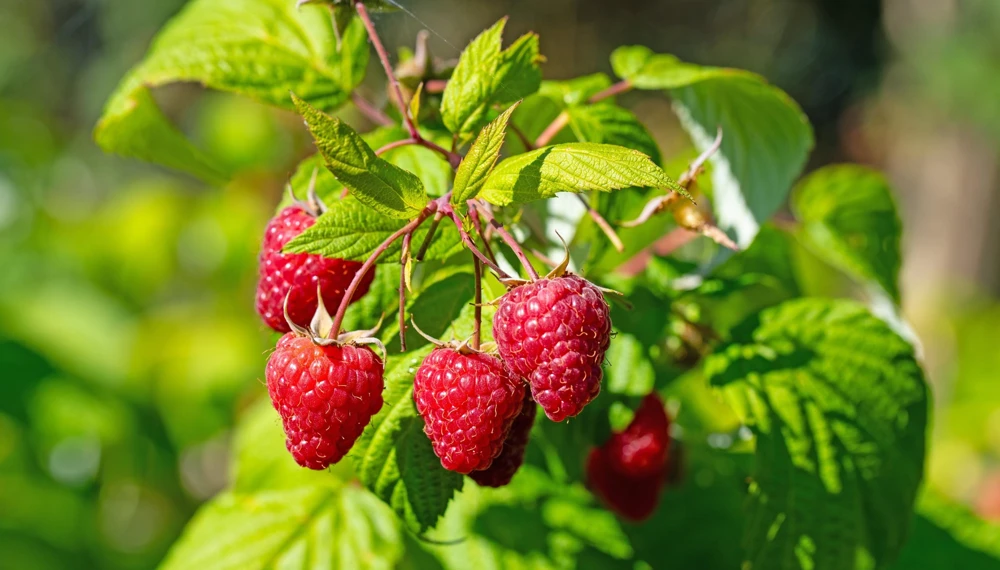
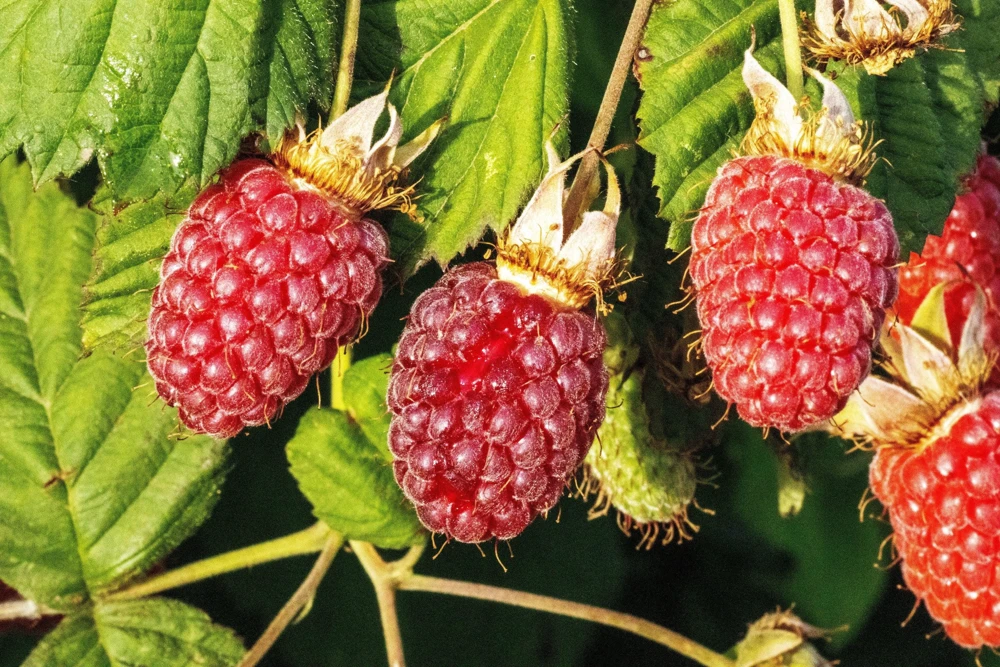
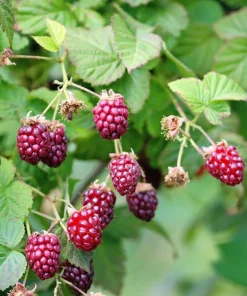
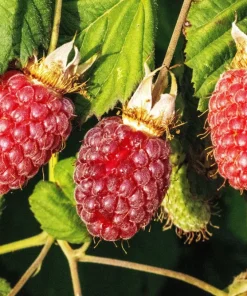
The Red Raspberry, scientifically known as Rubus idaeus, is a well-loved fruit bush that produces vibrant red berries packed with flavor and nutrients. These seeds promise to grow into hardy vines that are both ornamental and productive. Imagine picking fresh raspberries for your breakfast, desserts, or simply as a healthy snack. Our red raspberry seeds are selected for their viability, ensuring you have the best possible start to establishing a thriving raspberry patch. Whether you’re a seasoned gardener or just starting out, these seeds provide an accessible way to enjoy the unparalleled taste of fresh raspberries.
Key Benefits
Growing your own raspberries from seed offers numerous advantages, from the joy of cultivation to the health benefits of fresh fruit. These red raspberry seeds provide an excellent opportunity to enhance your garden and your diet.
- Abundant Fresh Fruit: Enjoy a continuous supply of sweet, juicy red raspberries throughout the summer months. Growing from raspberry bush seeds ensures a fresh, organic harvest right from your garden.
- Nutrient-Rich Harvest: Raspberries are packed with vitamins, antioxidants, and fiber, contributing to a healthy diet. Cultivating your own means controlling what goes into your food.
- Perennial Growth: Once established, these Rubus Idaeus plants will return year after year, providing a reliable source of fruit with minimal effort compared to annual crops. This makes them a sustainable choice for your garden.
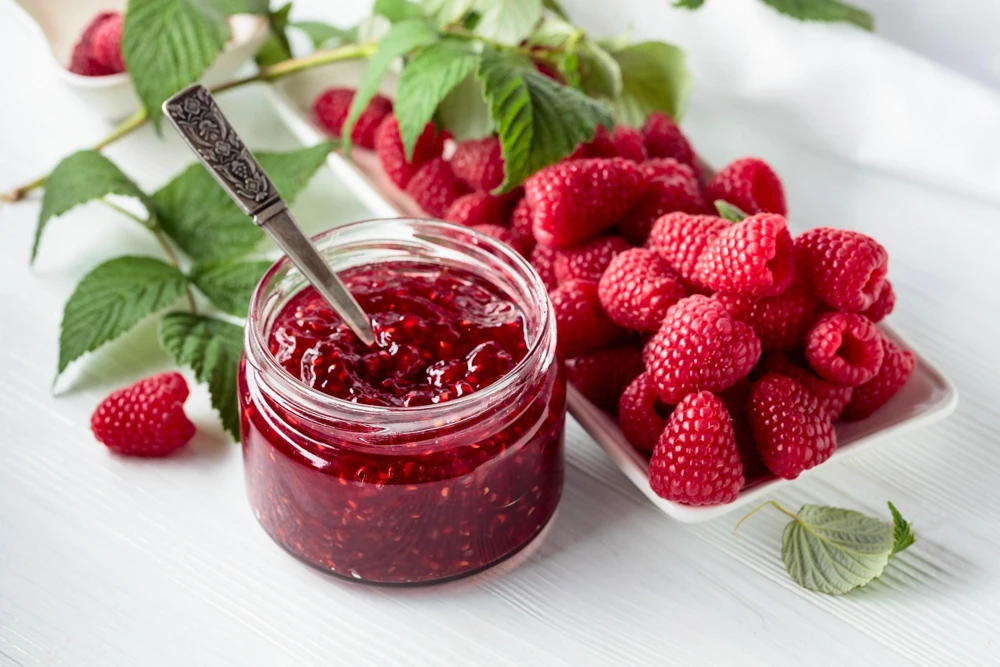
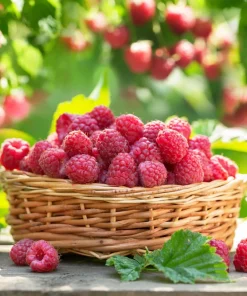
- Versatile Culinary Uses: Fresh raspberries are perfect for eating raw, adding to cereals, making jams, pies, smoothies, and other desserts. The possibilities are endless with your homegrown bounty.
- Attractive Garden Addition: The lush foliage and delicate white blooms of the raspberry vine add a beautiful, natural aesthetic to your garden before the fruit even ripens.
- Cost-Effective Gardening: Starting from perennial fruit seeds is an economical way to produce a large quantity of fruit over many seasons, saving money compared to buying berries at the store.
- Satisfaction of Homegrown: There’s immense satisfaction in nurturing a plant from a tiny seed to a fruit-bearing bush. You’ll take pride in every delicious berry you harvest.
Plant Care & Growing Tips
Successfully growing red raspberry seeds requires attention to a few key environmental factors. Proper care will ensure a robust plant and a generous harvest. The first step for these Rubus Idaeus seeds is cold stratification, which mimics winter conditions to break dormancy. Place seeds in a moist medium (like sand or peat moss) in a sealed bag in the refrigerator for approximately one month before planting. After stratification, plant the seeds in fall or early spring, about 1/4 inch deep in well-draining soil.
For optimal growth, red raspberry seeds thrive in full sun, meaning at least 6-8 hours of direct sunlight per day. While they can tolerate partial shade, fruit production may be reduced. The ideal soil is a rich, well-draining loam with a slightly acidic pH (5.5-6.5). Amend heavy clay soils with organic matter like compost to improve drainage and fertility. Maintain consistent moisture, especially during flowering and fruiting periods, but avoid waterlogging which can lead to root rot. Deep watering once or twice a week is generally better than frequent shallow watering. These plants are hardy in USDA Zones 3-9, indicating their resilience to a wide range of temperatures. In colder zones, consider providing winter protection by mulching around the base of the plants.
Fertilize your raspberry plants in early spring with a balanced slow-release fertilizer or compost. Pruning is crucial for raspberry health and productivity. For primocane-fruiting (everbearing) varieties, cut all canes back to the ground after the fall harvest. For floricane-fruiting (summer-bearing) varieties, prune out the old, fruit-bearing canes after harvest, leaving the new canes to produce fruit the following year. Watch out for common pests like aphids and Japanese beetles, and diseases like powdery mildew, addressing them promptly with organic pest control methods or appropriate fungicides. Proper spacing of 24-48 inches between plants allows for good air circulation, reducing disease risk and promoting healthy growth. Learning to grow red raspberries effectively will lead to years of delicious fruit.
Size & Details
This product includes 100 red raspberry seeds, perfect for starting a new patch or expanding an existing one. These Rubus Idaeus seeds are harvested from healthy, productive plants, ensuring good genetic stock for your garden. Once established, the raspberry bushes typically reach a height of 48 to 70 inches (4 to 5.8 feet) with a spread of 24 to 48 inches (2 to 4 feet), creating a substantial and fruitful presence in your landscape. They are vigorous growers, and with proper care, you can expect them to begin producing fruit within their second year. The plants will bloom from June through August, followed by the ripening of the berries, offering a delightful harvest season.
The seeds are packaged to maintain viability and should be stored in a cool, dry place until ready for stratification and planting. Each seed holds the potential for a robust raspberry vine, contributing to a sustainable and edible garden. These raspberry bush seeds are an excellent value for gardeners looking to establish a long-term source of fresh fruit. The expected planting period is fall for natural cold stratification or after a month of artificial cold stratification in the refrigerator, allowing you to get a head start on the growing season. The fruit produced will be the classic red color, offering both visual appeal and delicious flavor.
Frequently Asked Questions
- Q: How big do these red raspberry plants get? A: Once mature, these red raspberry seeds grow into bushes that typically reach a height of 48 to 70 inches (4 to 5.8 feet) and can spread between 24 to 48 inches (2 to 4 feet). Proper spacing is important for optimal growth and air circulation.
- Q: Is this an indoor or outdoor plant? A: Red raspberries are primarily outdoor plants, best suited for garden beds or large containers outdoors. They require significant sunlight and space to thrive and produce fruit.
- Q: How much sunlight do these Rubus Idaeus seeds need? A: For the best fruit production, these plants require full sun, which means at least 6 to 8 hours of direct sunlight per day. They can tolerate partial sun, but yields may be lower.
- Q: Is growing red raspberry seeds easy for beginners? A: While initial cold stratification is needed, growing red raspberries from seed is a rewarding experience for gardeners of all levels. With proper soil preparation, sunlight, and consistent watering, even beginners can successfully grow red raspberries.
- Q: What condition will the seeds arrive in? A: The 100 red raspberry seeds will arrive in a protective packet, ensuring their viability. They are ready for cold stratification and then planting.
- Q: How long until these raspberry bush seeds produce fruit? A: Raspberry plants typically begin to produce fruit in their second year after planting. The blooms usually appear from June to August, followed by the ripening of the berries.
- Q: What USDA Hardiness Zones are suitable for these perennial fruit seeds? A: These red raspberry plants are hardy and well-suited for USDA Hardiness Zones 3 through 9, making them adaptable to a wide range of climates across the United States.
- Q: What type of soil do red raspberries prefer? A: Red raspberries prefer well-draining, rich, loamy soil with a slightly acidic pH between 5.5 and 6.5. Amending the soil with organic matter like compost is highly beneficial.
- Q: When is the best time to plant red raspberry seeds? A: After a period of cold stratification (about one month in a refrigerator), the best time to plant these seeds is in the fall or early spring.
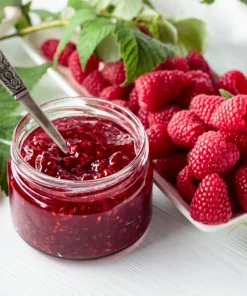
- Q: Can I use the fruit from these Rubus Idaeus seeds for making jam? A: Absolutely! The delicious fruit from your homegrown red raspberry seeds is perfect for making jams, jellies, pies, sauces, or simply enjoying fresh.
Be the first to review “Red Raspberry Seeds – Rubus Idaeus – 100 Count – Fruit Bush Vine”
People Also Viewed
Reviews
There are no reviews yet.