
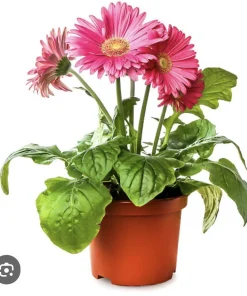
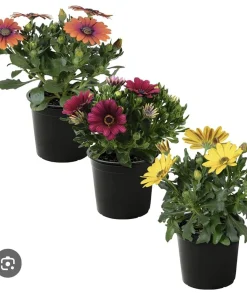
African Daisy Live Plant – Colorful Marguerite Flower for Gardens
Original price was: $41.99.$33.99Current price is: $33.99.
Add a burst of color to your garden with this beautiful African Daisy live plant. Known for its vibrant Marguerite flower plant blooms, it’s an easy-care choice for both novice and experienced gardeners. Perfect for containers, borders, or mass plantings, bringing continuous cheer.
Estimated arrival
Oct 27
Nov 01 - Nov 03
Nov 06 - Nov 10
Shop With Confidence
30-Day Plant Health Guarantee
Arrives damaged? We’ll replace it free — see our return policy.
Responsive Support
Email us anytime, we reply within 1 business day.
Expert Packaging
Temperature-controlled shipping to protect your plants in transit.
Secure Checkout
Pay safely with Visa, Mastercard, PayPal.
Plant Specifications
-
USDA Hardiness Zone
USDA zones 9-11 (as perennial), 2-8 (as annual) -
Soil Type
Well-draining soil -
Sunlight Exposure
Full sun -
Expected Planting Period
Spring after last frost
Overview
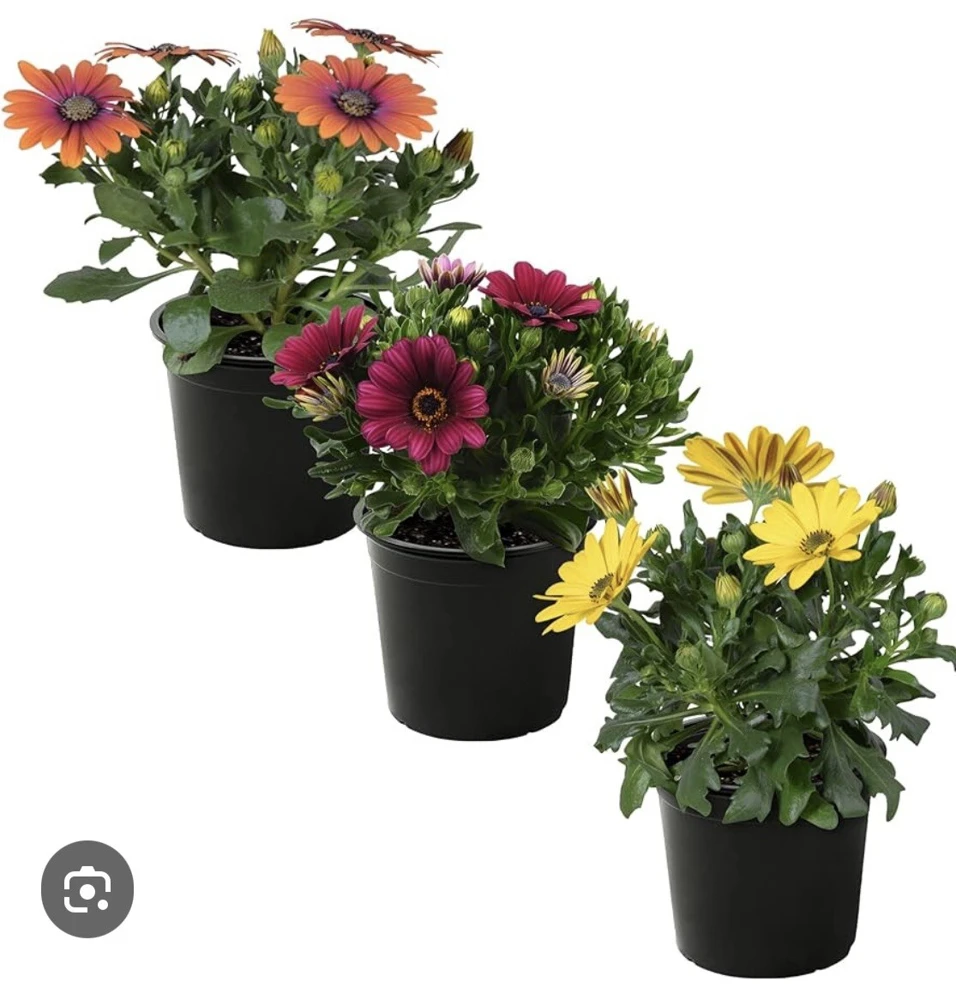
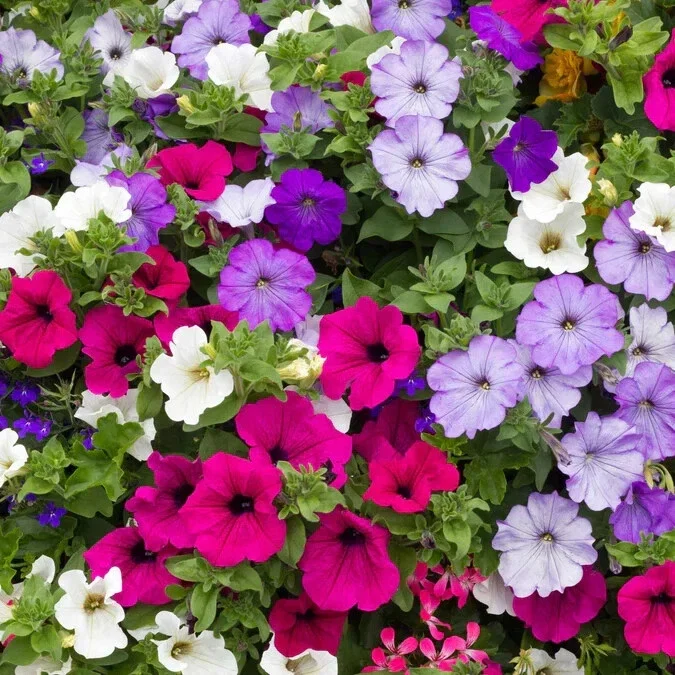
Bring dazzling color and continuous blooms to your outdoor spaces with the stunning African Daisy live plant. Also widely known as the Marguerite flower plant, this cheerful annual or perennial (depending on climate) is a true garden favorite. Scientifically known as Osteospermum, these plants are celebrated for their vibrant, daisy-like flowers that unfurl in a spectacular array of hues, including shades of purple, pink, white, yellow, and orange. Originating from South Africa, the African Daisy live plant thrives in sunny conditions and offers a long blooming season, often from spring through fall. Its robust nature and eye-catching display make it an excellent choice for adding instant appeal to flower beds, borders, rock gardens, and container arrangements.
The African Daisy is not just beautiful; it’s also relatively low-maintenance, making it a perfect addition for gardeners seeking maximum impact with minimal effort. Its unique flower structure, often featuring a contrasting central disc, adds an exotic touch to any landscape. Whether you’re looking to create a vibrant focal point or fill in gaps with continuous color, this easy-care flowering plant delivers exceptional performance and visual delight throughout the growing season.
Key Benefits
The African Daisy live plant offers numerous advantages for any garden enthusiast, combining visual appeal with practical benefits:
- Vibrant, Long-Lasting Blooms: Enjoy a spectacular display of colorful, daisy-like flowers from spring until the first frost. This ensures your garden remains lively and attractive for an extended period, providing continuous visual interest.
- Attracts Pollinators: The bright flowers are a magnet for bees, butterflies, and other beneficial pollinators, helping to support local ecosystems and improve the health of your garden.
- Low Maintenance: This easy-care flowering plant requires minimal attention once established, making it ideal for busy gardeners or those new to plant care. It’s forgiving and resilient.
- Versatile Landscaping: Perfect for a variety of uses, including mass plantings, borders, ground cover, rock gardens, and especially effective in pots and hanging baskets. Its adaptability makes it a valuable asset to any garden design.
- Drought Tolerant: Once mature, the Osteospermum plant demonstrates good drought tolerance, reducing the need for frequent watering, especially in warmer climates.
- Deer Resistant: African Daisies are generally not favored by deer, offering a natural deterrent that protects your garden from browsing damage.
- Boosts Curb Appeal: The cheerful and abundant blossoms instantly enhance the aesthetic appeal of your home and garden, creating a welcoming and picturesque environment.
Plant Care & Growing Tips
Caring for your African Daisy live plant is straightforward, ensuring a season full of vibrant blooms. These plants thrive in conditions that mimic their native South African environment, primarily requiring plenty of sunshine. For optimal flowering, plant your African Daisy in a location that receives at least six hours of direct sunlight per day. While they can tolerate partial shade, too little sun will result in fewer flowers and leggy growth. Good air circulation is also beneficial to prevent fungal issues.
When it comes to watering, the Marguerite flower plant prefers consistently moist soil, especially during its active growing and blooming periods. However, it’s crucial to avoid overwatering, as soggy soil can lead to root rot. Allow the top inch of soil to dry out between waterings. Once established, these plants show good drought tolerance, but regular watering will encourage more prolific blooms. Use a well-draining potting mix or garden soil that is rich in organic matter. A slightly acidic to neutral pH (6.0-7.0) is ideal. For container plants, ensure the pot has adequate drainage holes.
Fertilize your African Daisy every 2-4 weeks during the growing season with a balanced liquid fertilizer to support continuous blooming. Deadhead spent flowers regularly to encourage new growth and more blooms; this process, known as ‘deadheading,’ is key to a long and abundant flowering season. While generally robust, watch out for common issues like aphids or powdery mildew, treating them promptly if they appear. The Osteospermum plant is typically grown as an annual in colder climates (USDA zones 2-8) but can be a tender perennial in warmer regions (USDA zones 9-11), where it might overwinter with some protection.
Size & Details
This African Daisy live plant arrives ready to thrive in your garden or container. Typically, these plants will reach a mature height of 12-18 inches (30-45 cm) and spread about 12-24 inches wide, forming a bushy, mounding habit. The exact size can vary depending on growing conditions and cultivation practices. They are known for their fast growth rate, quickly filling out spaces and producing an abundance of flowers. Each plant is carefully nurtured to ensure it establishes well in its new home, providing a robust start for a season of spectacular blooms. Expect to see your first flowers shortly after planting, with continuous production until the weather turns cold.
Frequently Asked Questions
- Q: How big does this African Daisy live plant get? A: The African Daisy live plant typically grows to a height of 12-18 inches and spreads about 12-24 inches wide, creating a nice, mounding display in your garden or containers.
- Q: Is this an indoor or outdoor plant? A: The African Daisy is primarily an outdoor plant, thriving in full sun. While it can be brought indoors as a temporary houseplant in cold climates, it performs best in outdoor garden settings or on sunny patios.
- Q: How much sunlight does the Marguerite flower plant need? A: For the best blooming performance, your Marguerite flower plant requires at least 6 hours of direct sunlight per day. More sun generally leads to more flowers.
- Q: Is this plant easy to care for? Is it good for beginners? A: Yes, the African Daisy is considered an easy-care flowering plant. It’s quite forgiving and suitable for both beginner and experienced gardeners, requiring basic watering, sunlight, and occasional deadheading.
- Q: What condition will the African Daisy live plant arrive in? A: Your African Daisy live plant will arrive carefully packaged, healthy, and ready for planting. It will be a young, established plant in a nursery pot, ensuring a strong start in your garden.
- Q: When is the best time to plant an Osteospermum plant? A: The best time to plant your Osteospermum plant is in spring after the danger of the last frost has passed. This allows it ample time to establish and bloom throughout the warmer months.
- Q: Will this colorful garden plant survive winter in my zone? A: The African Daisy is generally grown as an annual in USDA Zones 2-8. In warmer climates (USDA Zones 9-11), it can be a tender perennial and may survive winter with proper care and protection.
Be the first to review “African Daisy Live Plant – Colorful Marguerite Flower for Gardens”
People Also Viewed
Shrub Seeds
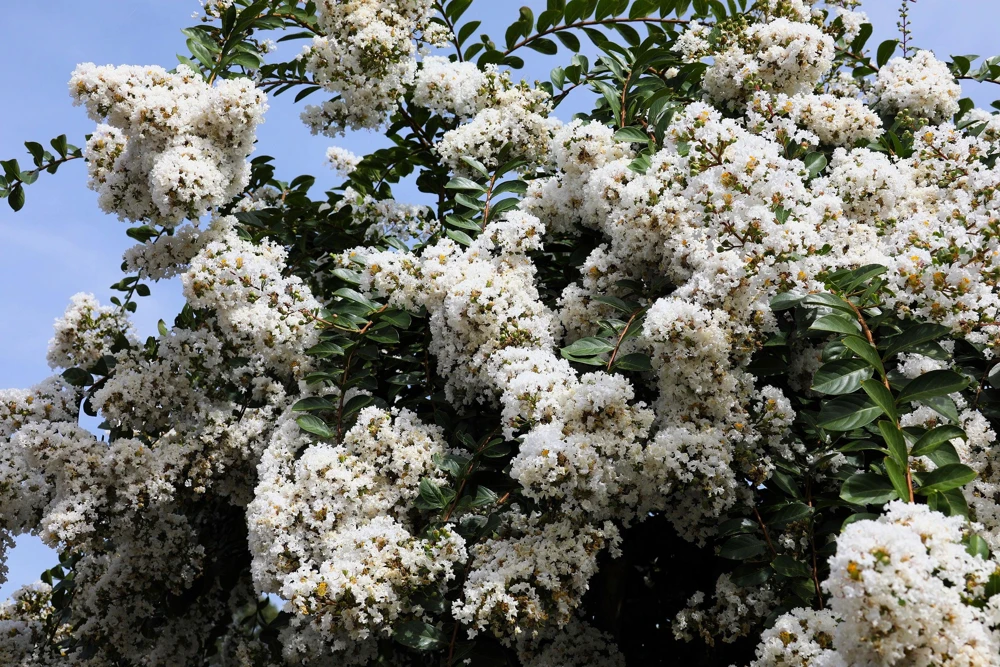
35 White Crepe Myrtle Seeds – Lagerstroemia Indica Flowering Shrub Bush Small Tree Seeds
Reviews
There are no reviews yet.