


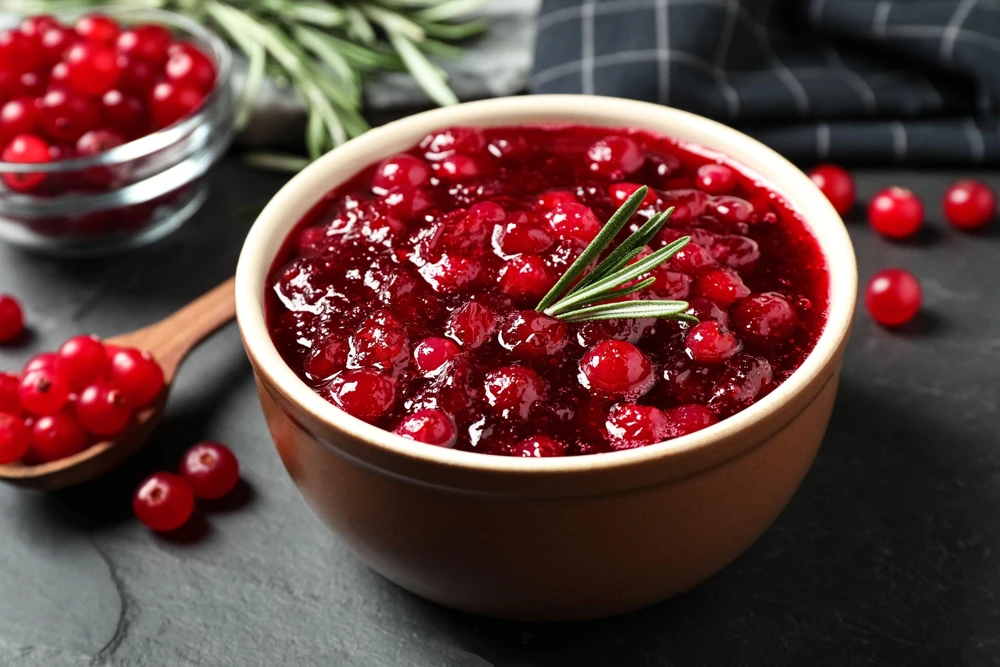

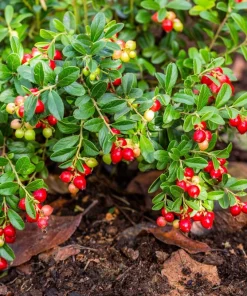
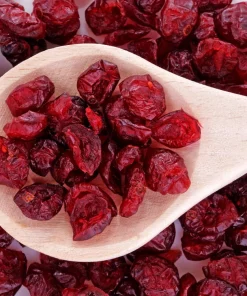

Cranberry Seeds – 100 American Vaccinium Macrocarpon Red Fruit Bush Perennial
Original price was: $36.99.$16.99Current price is: $16.99.
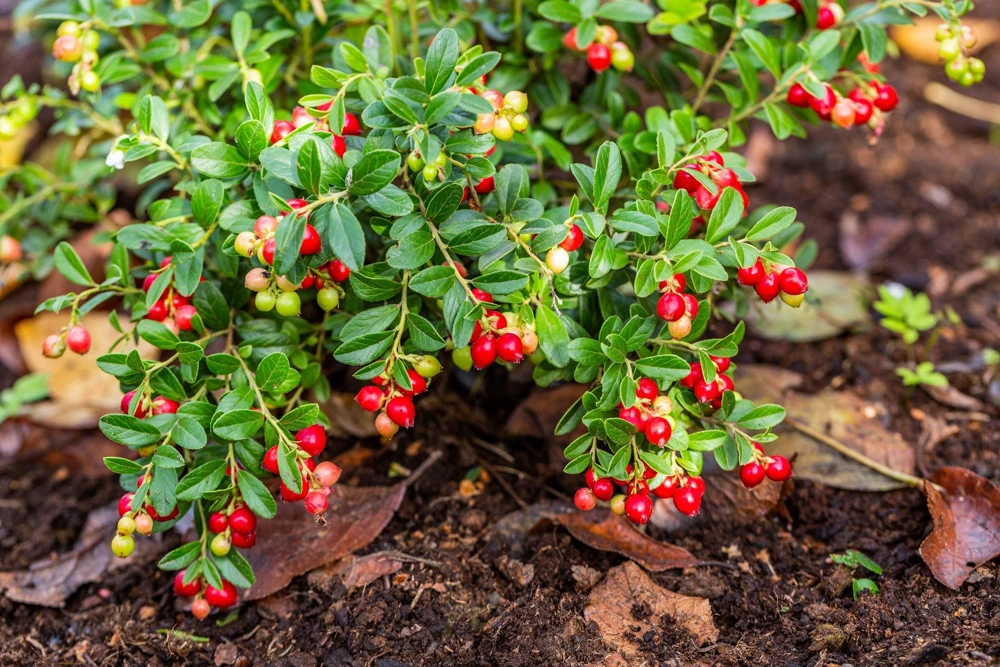
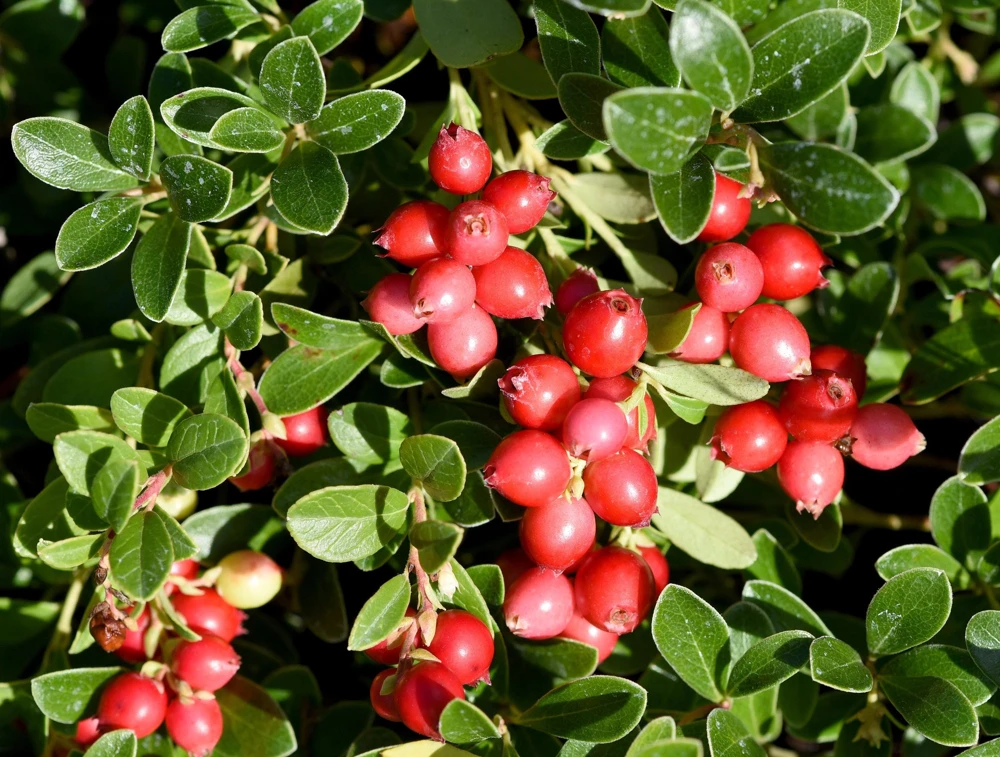
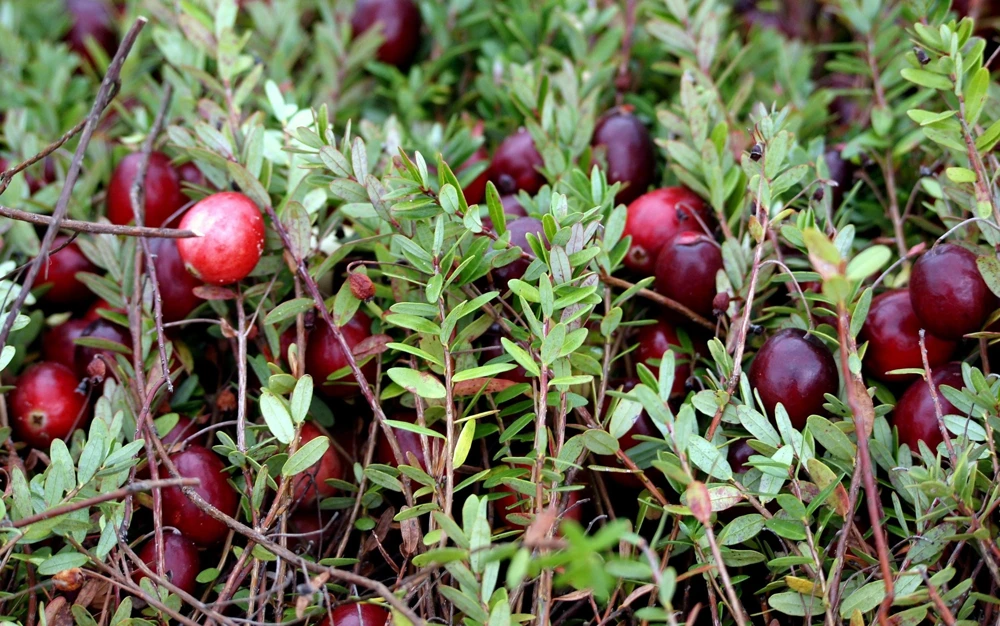
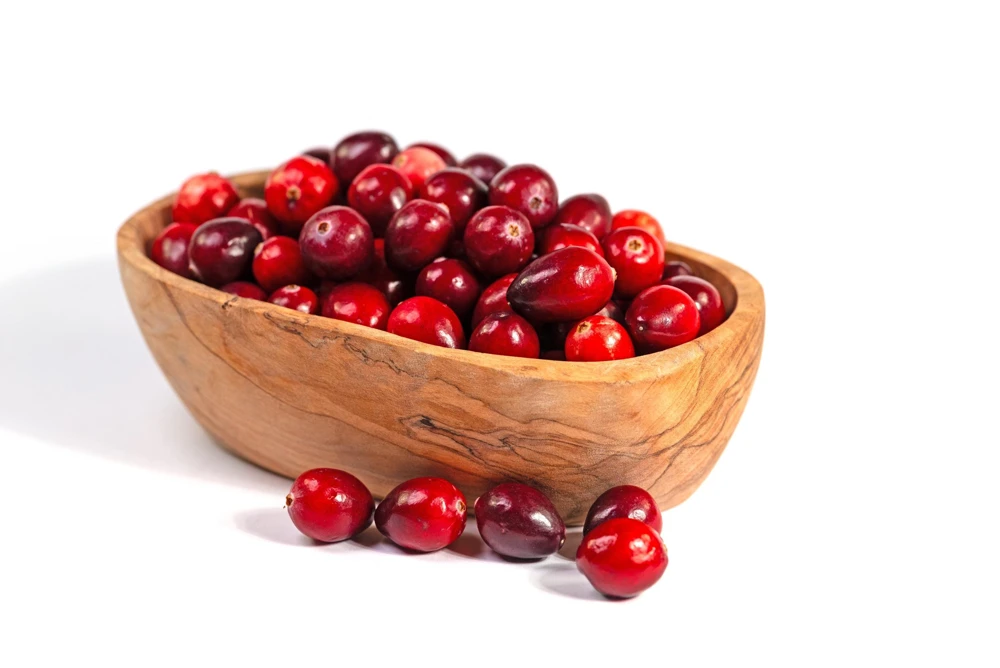
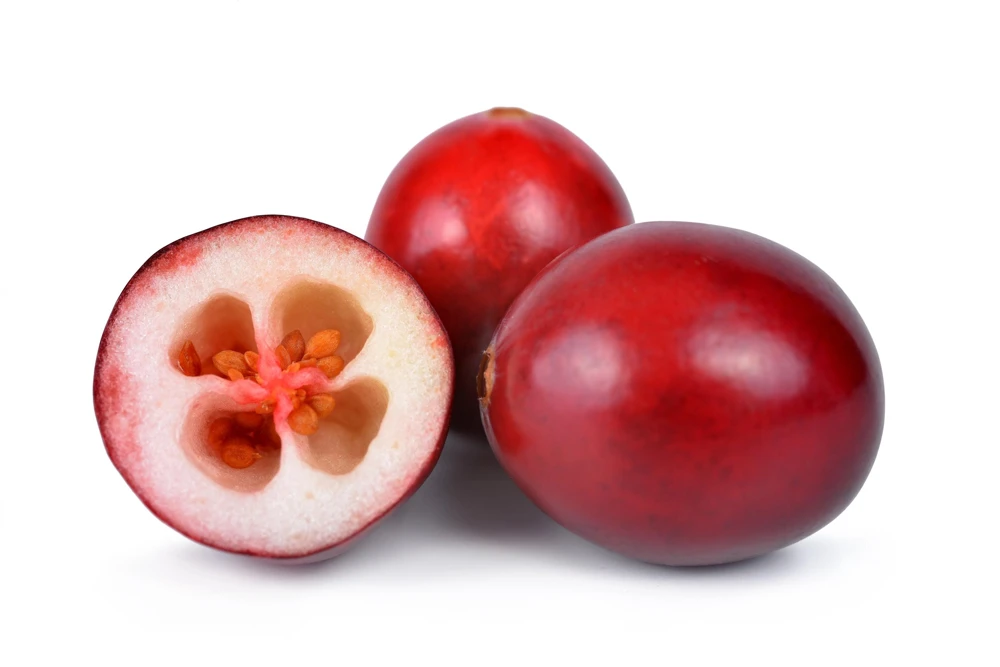
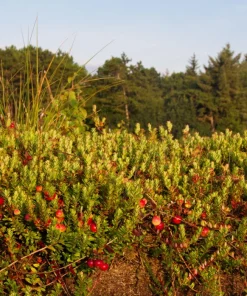
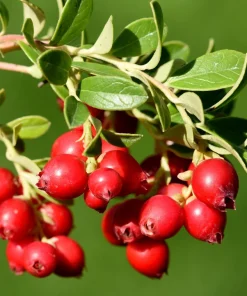
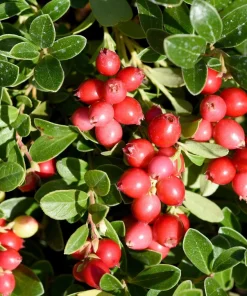
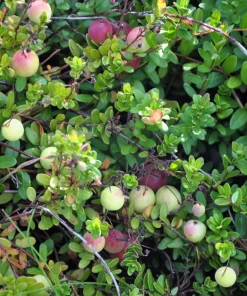
Cultivate your own tart and delicious fruit with cranberry seeds. This pack contains 100 American cranberry seeds (Vaccinium macrocarpon) for growing a vibrant red fruit bush seeds. Enjoy attractive white-pink flowers, red fall foliage, and abundant red fruit from these hardy perennial cranberry seeds.
Estimated arrival
Sep 17
Sep 22 - Sep 24
Sep 27 - Oct 01
Shop With Confidence
30-Day Plant Health Guarantee
Arrives damaged? We’ll replace it free — see our return policy.
Responsive Support
Email us anytime, we reply within 1 business day.
Expert Packaging
Temperature-controlled shipping to protect your plants in transit.
Secure Checkout
Pay safely with Visa, Mastercard, PayPal.
Plant Specifications
-
USDA Hardiness Zone
2 - 8 -
Soil Type
Acidic, well-draining, average to wet -
Sunlight Exposure
Sun - Part Shade -
Expected Planting Period
Outdoors after frost / Fall / Cold stratify / Indoors weeks before last frost
Overview
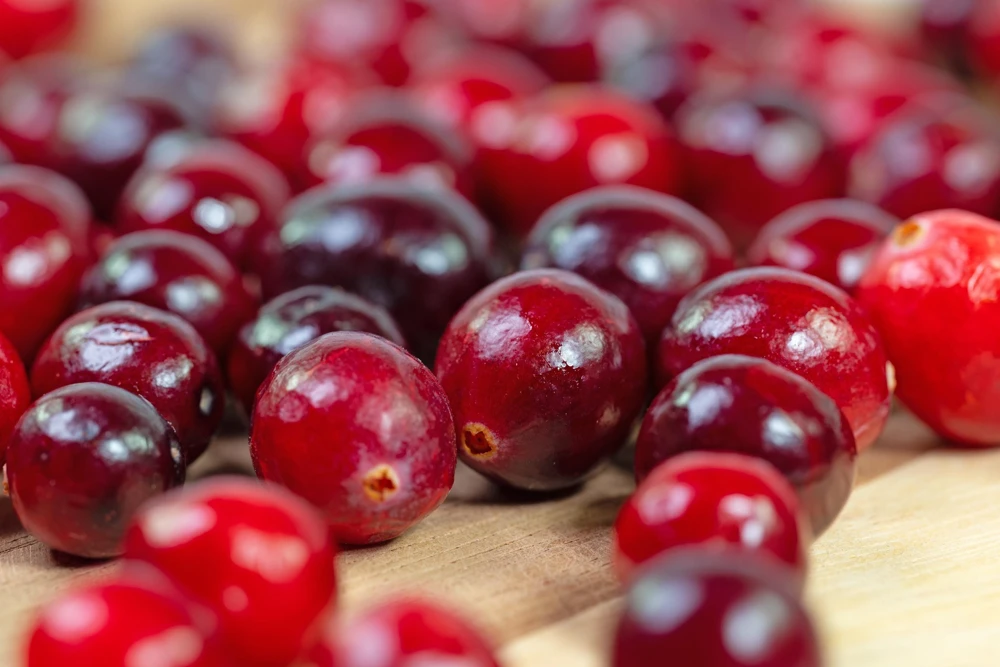
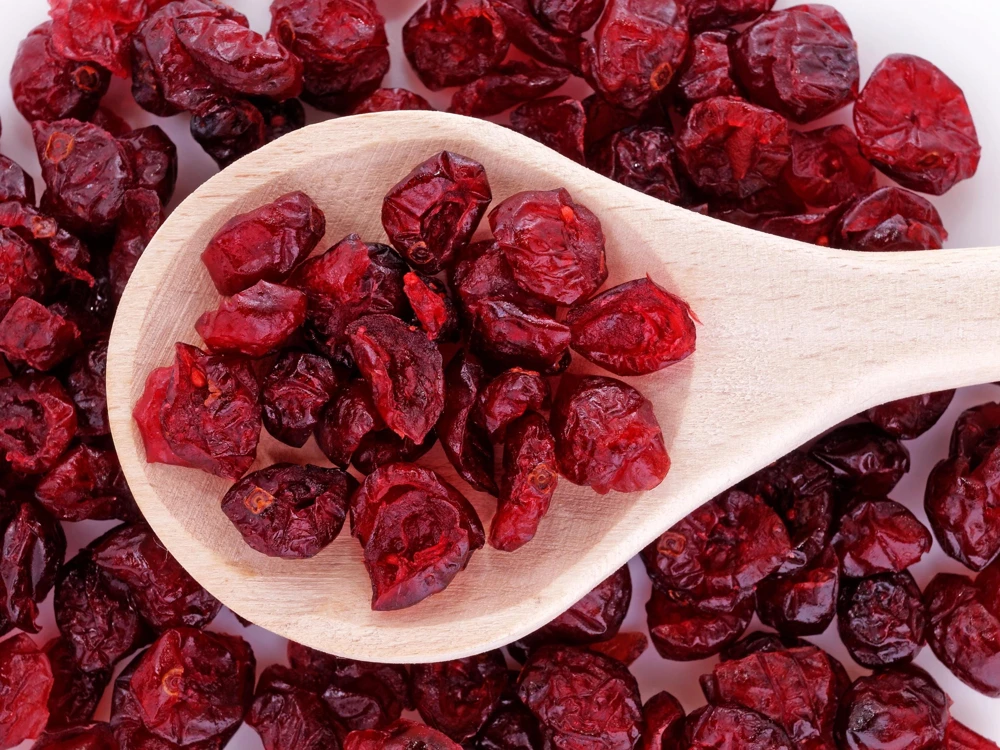
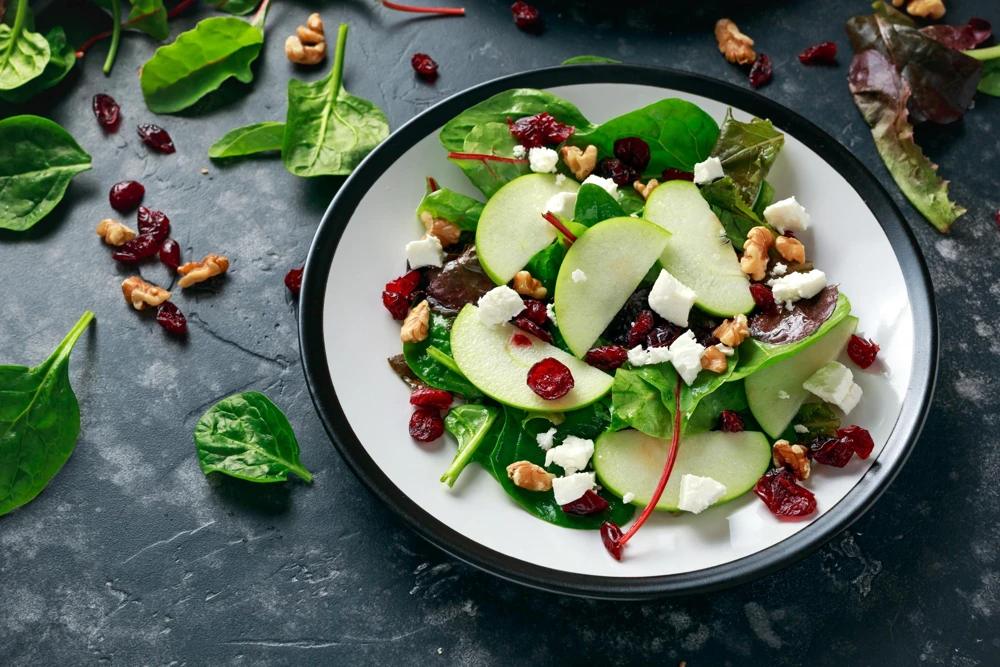
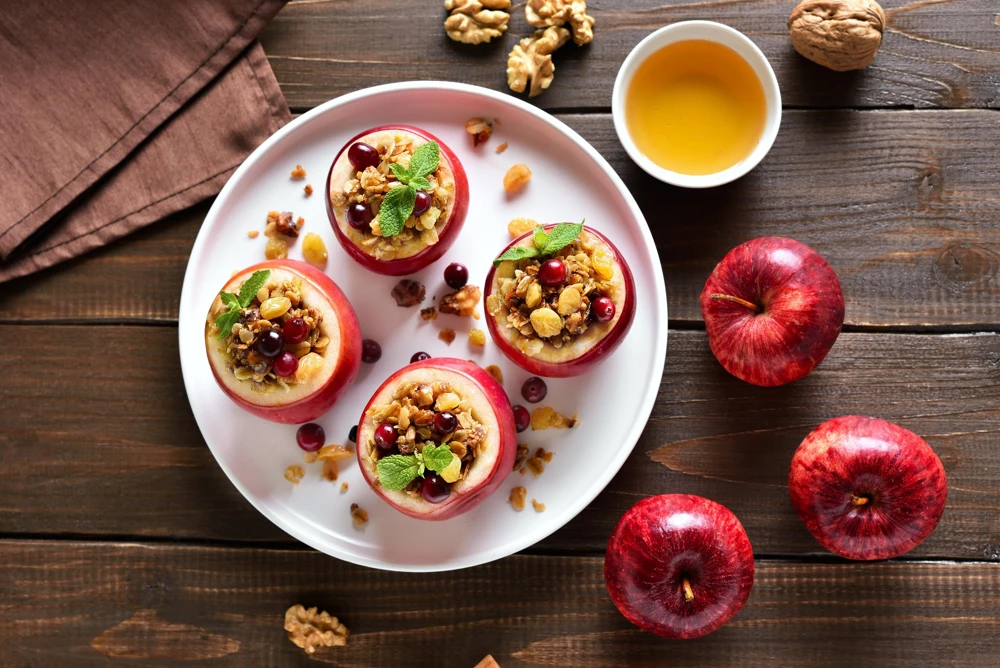
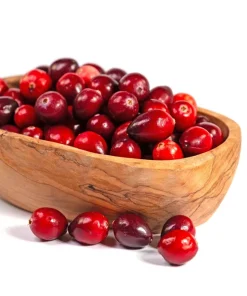
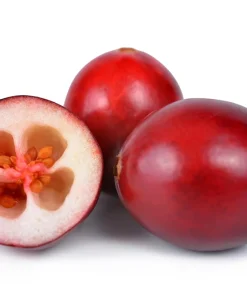
Embark on the rewarding journey of growing your own tart and healthy fruit with these premium cranberry seeds. Each packet contains 100 high-quality seeds of the American Cranberry, scientifically known as Vaccinium macrocarpon. This resilient perennial plant is celebrated for its distinctive bright red berries, which are not only a holiday staple but also a versatile ingredient for sauces, juices, and baked goods. Beyond their culinary appeal, these plants offer beautiful white-pink blossoms in late spring to early summer, followed by striking red foliage in the fall, adding ornamental value to any garden. Growing your own American cranberry seeds allows you to cultivate a robust red fruit bush, providing fresh, organic cranberries right from your backyard. Ideal for those looking to add a unique and productive plant to their landscape, these seeds promise a bountiful harvest year after year.
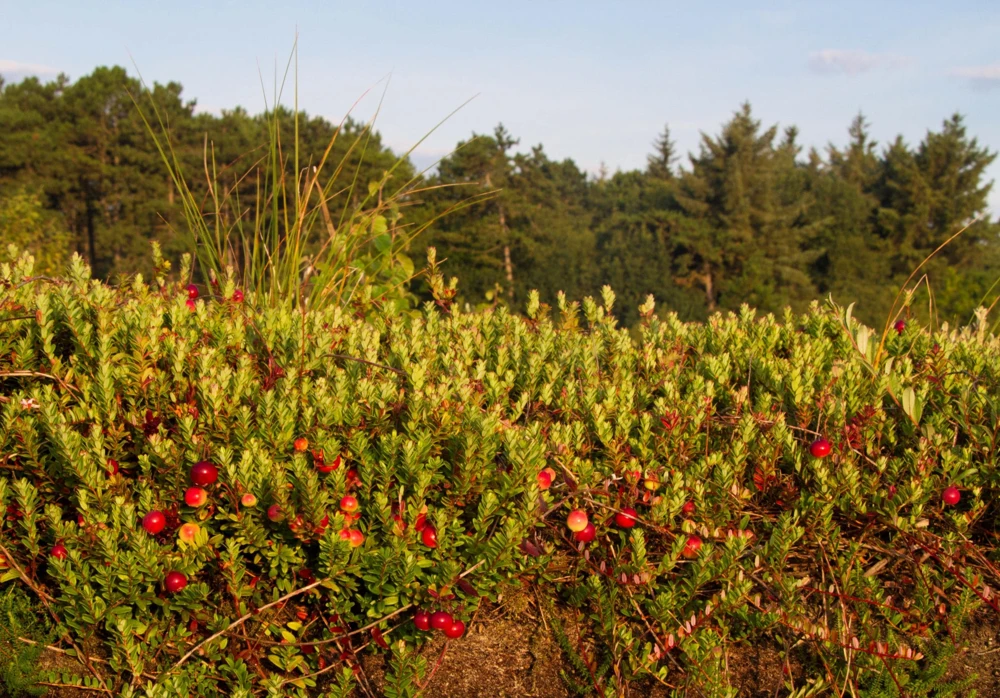
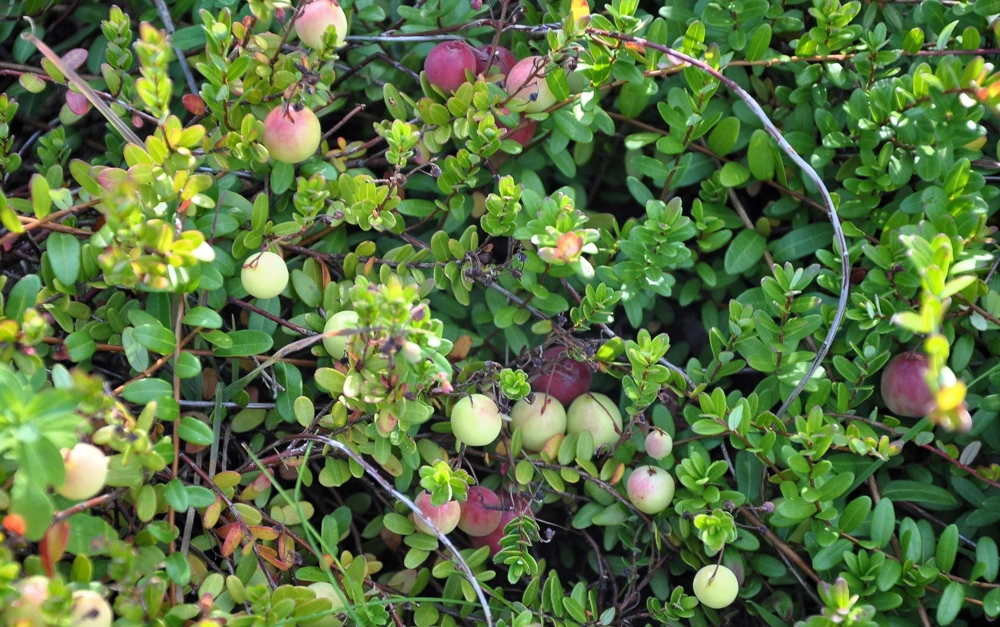
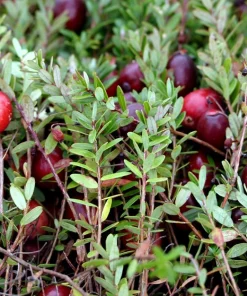
The red fruit bush seeds will mature into low-growing plants, typically reaching 4-6 inches in height, making them suitable for various garden designs, including groundcover or container planting. Cranberries are known for attracting beneficial pollinators like bees and butterflies, contributing to a healthy garden ecosystem. Starting from cranberry seeds is an economical and fulfilling way to establish a long-lasting cranberry patch, ensuring a continuous supply of these nutritious berries for many seasons to come. Discover the joy of nurturing these unique plants from seed to fruit.
Key Benefits
Growing your own cranberries from seed offers a multitude of benefits, transforming your garden into a productive and attractive space. These cranberry seeds provide an opportunity to cultivate a plant that is both beautiful and functional.
- Fresh, Healthy Harvest: Enjoy a steady supply of fresh, organic cranberries directly from your garden. These berries are packed with antioxidants and vitamins, perfect for a healthy diet and various culinary uses, from sauces to desserts.
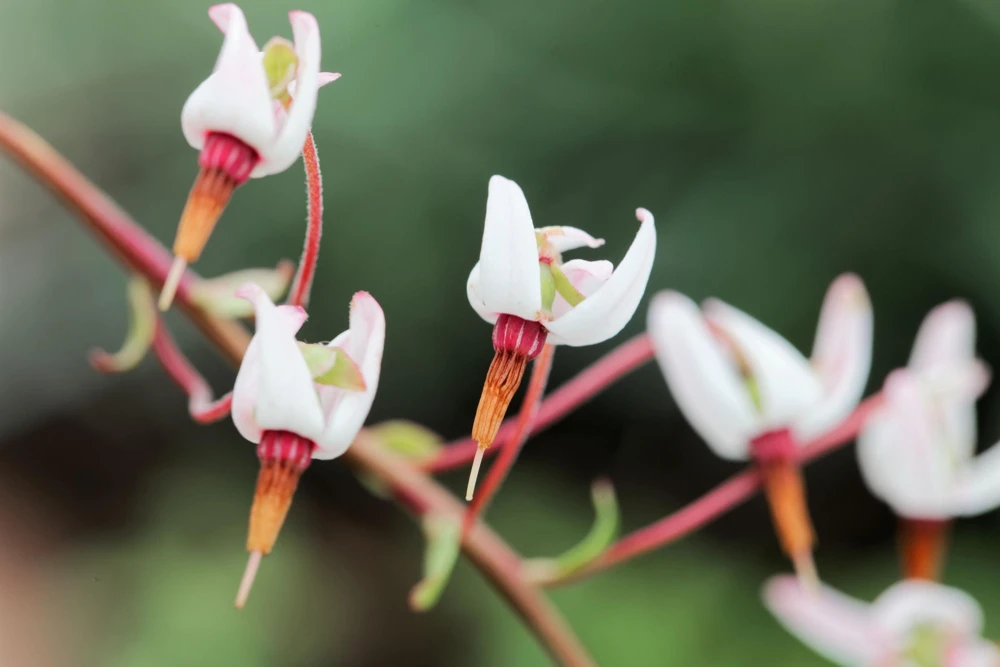
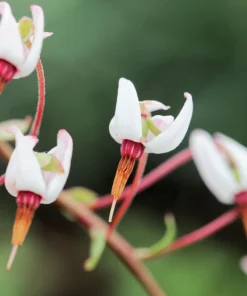
- Attractive Ornamental Plant: Beyond their fruit, cranberry bushes boast charming white-pink flowers in late spring, followed by vibrant red fall foliage, making them a visually appealing addition to your landscape.
- Pollinator Attraction: The delicate blossoms attract bees, butterflies, and other beneficial pollinators, enhancing the biodiversity and health of your garden ecosystem.
- Hardy Perennial: As a hardy perennial, once established, your perennial cranberry seeds will return year after year, providing continuous harvests with minimal replanting effort. They are robust and can thrive in USDA zones 2-8.
- Versatile Landscaping Use: With their low-growing habit (4-6 inches tall), cranberry plants are excellent for groundcover, borders, or even container gardening, fitting into various garden designs.
- Educational Experience: Growing from American cranberry seeds offers a rewarding educational experience for gardeners of all ages, teaching about plant life cycles and sustainable food production.
- Economical & Sustainable: Starting from seeds is a cost-effective way to establish a large cranberry patch, promoting self-sufficiency and reducing reliance on store-bought produce.
Plant Care & Growing Tips
Successfully growing cranberry seeds requires attention to specific environmental conditions, particularly regarding soil, water, and sunlight. Cranberries thrive in acidic, well-draining soil with consistent moisture. For best results, consider a soil pH between 4.0 and 5.5. Incorporating peat moss or other acidic amendments can help achieve this. While they prefer average to wet soil conditions, good drainage is still crucial to prevent root rot.
When planting your American cranberry seeds, choose a location that receives full sun to part shade. Full sun encourages more abundant fruiting, but some afternoon shade can be beneficial in hotter climates. These seeds require cold stratification to break dormancy, so planting outdoors in the fall or after the last frost (with prior cold stratification) is recommended. Alternatively, you can cold stratify indoors for several weeks before the last frost. Once established, these perennial cranberry seeds are relatively low maintenance but benefit from consistent watering, especially during dry spells and fruit development.
Cranberry bushes are hardy in USDA zones 2-8, making them suitable for a wide range of climates. They typically grow 4-6 inches tall and can spread 12-36 inches, or they can be grown in containers. Fertilize sparingly with an acid-loving plant fertilizer in early spring. Watch out for common pests like fruitworm and diseases such as fruit rot, addressing them promptly with organic solutions if possible. Proper spacing and good air circulation will help prevent fungal issues. With the right care, your red fruit bush seeds will flourish, providing a beautiful and productive addition to your garden.
Size & Details
This offering includes 100 high-quality cranberry seeds, specifically of the American Cranberry variety (Vaccinium macrocarpon). These seeds will grow into low-lying perennial bushes, typically reaching a mature height of 4 to 6 inches. The plants have a spreading habit, with a recommended spacing of 12 to 36 inches between individual plants, or they can be successfully cultivated in containers. The plants will produce charming white to pink flowers during late spring to early summer, followed by the distinctive red fruit that ripens in the fall. In addition to the fruit, the foliage will display attractive red hues as temperatures drop in autumn.
Cranberry bushes are known for their hardiness, thriving across a broad range of climates, specifically USDA Hardiness Zones 2 through 8. They require conditions ranging from full sun to part shade and prefer average to wet soil conditions. With proper care and the right environment, these American cranberry seeds will develop into robust plants that attract pollinators like bees, birds, and butterflies, while also providing a delicious and versatile fruit for your culinary endeavors. Expect your plants to begin producing fruit within 1-2 years after germination, with peak production typically occurring after 3-5 years.
Frequently Asked Questions
- Q: How big does this plant get? A: The cranberry bush grown from these cranberry seeds typically reaches a low height of 4 to 6 inches, with a spreading habit of 12 to 36 inches. It’s a great option for groundcover or container planting.
- Q: Is this an indoor or outdoor plant? A: Cranberry plants are primarily outdoor plants, thriving in garden beds, bogs, or large outdoor containers. They require specific chilling periods and light conditions best met outdoors.
- Q: How much sunlight does it need? A: These plants prefer full sun to part shade. For optimal fruit production, aim for at least 6-8 hours of direct sunlight per day.
- Q: Is this plant easy to care for? A: Growing cranberries from red fruit bush seeds can be moderately challenging due to specific soil acidity and moisture requirements, but once established, they are relatively low maintenance.
- Q: What condition will the seeds arrive in? A: You will receive 100 dormant American cranberry seeds, ready for stratification and planting. They are carefully packaged to ensure viability upon arrival.
- Q: When is the best time to plant these seeds? A: The best time to plant is in the fall, allowing for natural cold stratification over winter, or indoors several weeks before the last frost after artificial cold stratification.
- Q: Will these perennial cranberry seeds survive winter in my zone? A: Yes, these cranberries are very hardy and will survive winters in USDA Zones 2 through 8, making them suitable for many climates across the US.
- Q: How long until it produces fruit? A: Cranberry plants typically begin producing fruit 1-2 years after germination, with a more significant harvest usually starting in the third year.
- Q: What kind of soil do cranberries need? A: Cranberries require acidic, well-draining soil, ideally with a pH between 4.0 and 5.5. Amending soil with peat moss is often recommended.
- Q: Do these plants attract wildlife? A: Yes, the flowers attract bees and butterflies for pollination, and the ripe berries can attract birds, contributing to local wildlife.
Be the first to review “Cranberry Seeds – 100 American Vaccinium Macrocarpon Red Fruit Bush Perennial”
People Also Viewed
Reviews
There are no reviews yet.