
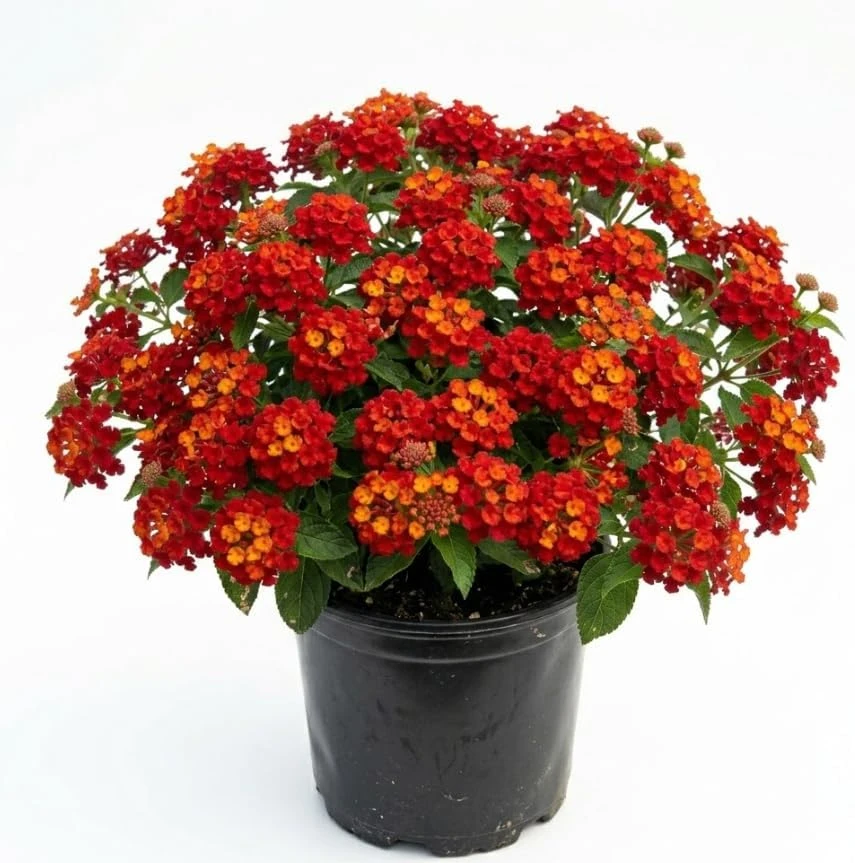
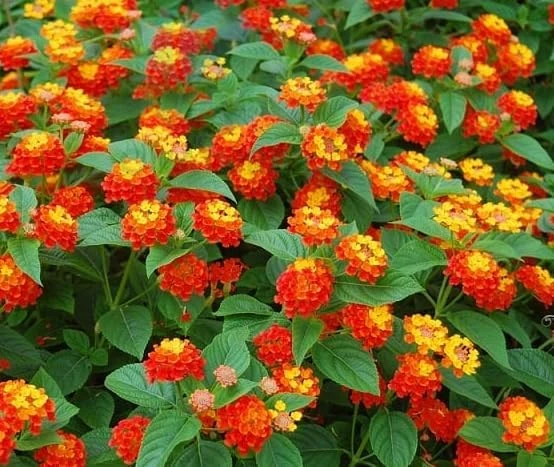
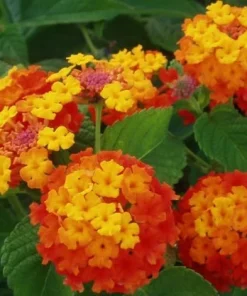
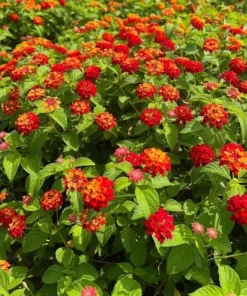
Red Lantana Live Plant 4-6 Inch Tall – Vibrant Red Flowering Outdoor Garden Shrub
Original price was: $42.99.$17.99Current price is: $17.99.
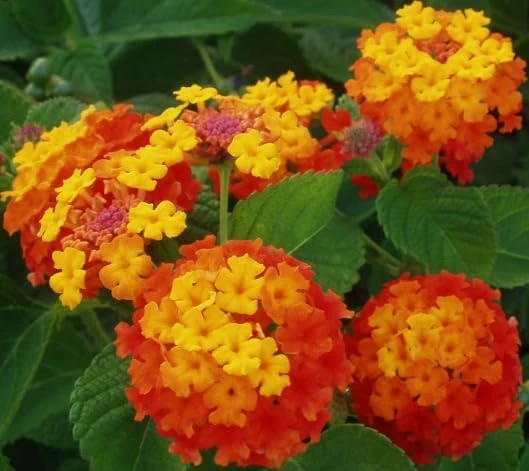
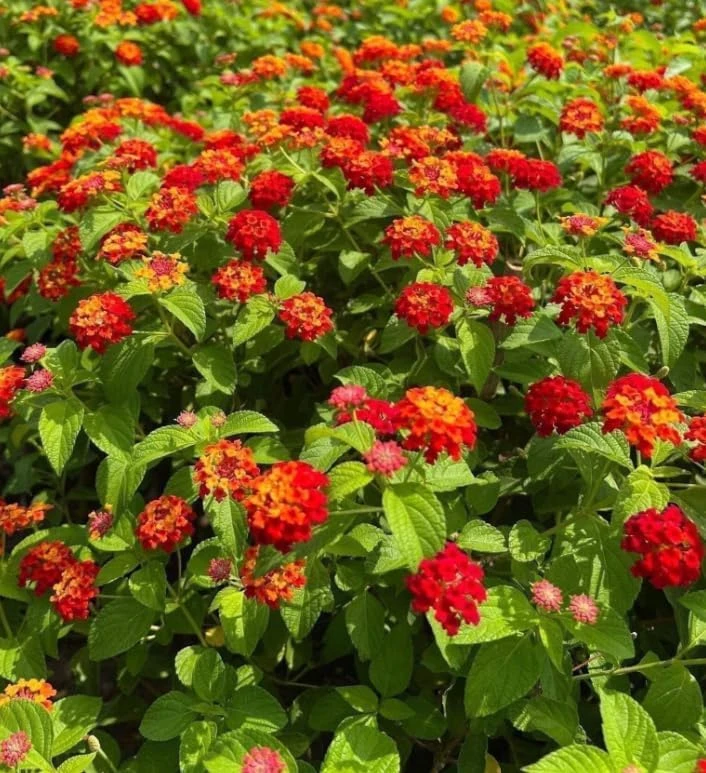
Bring a burst of color to your outdoor space with this red lantana live plant. Standing 4 to 6 inches tall, it produces vibrant red flowers continuously from spring through fall, ideal for sunny garden beds and containers.
Estimated arrival
Oct 14
Oct 19 - Oct 21
Oct 24 - Oct 28
Shop With Confidence
30-Day Plant Health Guarantee
Arrives damaged? We’ll replace it free — see our return policy.
Responsive Support
Email us anytime, we reply within 1 business day.
Expert Packaging
Temperature-controlled shipping to protect your plants in transit.
Secure Checkout
Pay safely with Visa, Mastercard, PayPal.
Plant Specifications
-
USDA Hardiness Zone
USDA Zones 8 to 11 -
Soil Type
Well-draining soil -
Sunlight Exposure
Full sun -
Expected Planting Period
Spring to fall blooming
Overview
Introduce a splash of intense color and continuous bloom to your outdoor garden with our exquisite red lantana live plant. This beautiful specimen arrives at 4 to 6 inches tall, ready to thrive and transform your landscape. Known for its vigorous growth and prolific flowering, the lantana plant is a favorite among gardeners seeking low-maintenance yet high-impact flora. Its clusters of vibrant red flowers attract butterflies and hummingbirds, adding dynamic life to any setting. Whether you’re looking to create a stunning focal point, a colorful border, or an attractive container display, this red lantana live plant is an excellent choice for adding tropical flair and enduring beauty to your surroundings.
Lantana camara, commonly known as lantana, is celebrated for its ability to withstand harsh conditions, including heat and drought, making it a resilient and rewarding addition to diverse garden styles. The striking red hues will provide a continuous show of color from spring until the first frost, ensuring your garden remains captivating throughout the growing season. This particular variety emphasizes vibrant red, making it a standout feature. Its compact size at arrival ensures easy handling and planting, allowing you to quickly establish this gorgeous flowering plant in your desired location.
Key Benefits
Our red lantana live plant offers numerous advantages, making it a highly desirable addition to any garden. Its robust nature and stunning aesthetics contribute to a thriving and beautiful outdoor space, providing continuous enjoyment and ecological benefits.
- Continuous Vibrant Blooms: Enjoy a spectacular display of bright red flowers from spring to fall, providing consistent color and visual interest throughout the warmer months. The prolific nature of the blooms ensures a vibrant and lively garden.
- Attracts Pollinators: The nectar-rich flowers are a magnet for butterflies and hummingbirds, enhancing your garden’s biodiversity and creating a lively, dynamic environment. It’s a fantastic way to support local ecosystems.
- Drought Tolerant: Once established, the red lantana live plant is remarkably resilient to dry conditions, making it an ideal choice for water-wise gardening and areas with infrequent rainfall. This reduces the need for constant watering.
- Low Maintenance: This plant requires minimal care, thriving with basic attention. It’s perfect for both seasoned gardeners and those new to horticulture, offering maximum beauty with minimal effort. Its ease of care is a major benefit for busy individuals.
- Heat Loving: Lantana thrives in warm climates and full sun exposure, performing exceptionally well in hot summer temperatures where other plants might falter. This makes it a reliable choice for challenging sunny spots.
- Versatile Landscaping Use: Excellent for garden beds, borders, rock gardens, hanging baskets, and containers, providing flexibility in how you choose to display its beautiful blooms. The versatility of the lantana for garden use is unmatched.
- Deer Resistant: Generally not favored by deer, offering a natural defense against common garden pests and protecting your beautiful display. This helps ensure your vibrant red flowers remain untouched.
Plant Care & Growing Tips
Caring for your red lantana live plant is relatively straightforward, ensuring a beautiful and long-lasting display of vibrant red flowers. Lantanas are known for their resilience and adaptability, particularly in warmer climates. They thrive in full sun, meaning they need at least 6-8 hours of direct sunlight per day to produce the most abundant blooms. In extremely hot regions, a little afternoon shade can be beneficial to prevent scorching, but generally, the more sun, the better for this heat-loving plant. Ideal temperatures for optimal growth range between 65 and 95 degrees Fahrenheit, aligning with their preference for warm conditions.
When it comes to watering, lantanas prefer well-draining soil and are quite drought-tolerant once established. Water thoroughly when the top 1–2 inches of soil feel dry to the touch, then allow the soil to dry out slightly before the next watering. Overwatering can lead to root rot, so proper drainage is crucial. For soil, a well-draining mix is essential; sandy or loamy soils are ideal. Lantanas are not heavy feeders. A balanced slow-release fertilizer applied in spring, or a liquid feed every 4-6 weeks during the blooming season, is usually sufficient. Pruning is beneficial for maintaining shape and encouraging more blooms; deadhead spent flowers regularly to promote continuous flowering. For those looking for specific lantana plant care tips, ensuring good air circulation and monitoring for common pests like whiteflies or spider mites can help maintain plant health, though lantanas are generally quite resistant.
This outdoor flowering plant is hardy in USDA Zones 8 to 11, meaning it can be grown as a perennial in these regions, returning year after year. In colder zones, it is typically grown as an annual or overwintered indoors. Protection from frost is crucial in transitional zones. Regular deadheading will encourage more blooms and prevent the plant from self-seeding excessively. With these simple care guidelines, your lantana will flourish, providing a spectacular show of vibrant red flowers all season long.
Size & Details
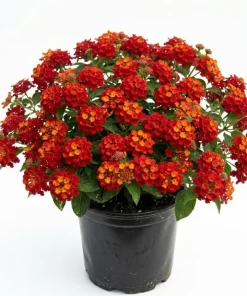
This offering is for one red lantana live plant, which arrives in a healthy, established condition, typically measuring between 4 to 6 inches in height from the base of the plant to the top of its foliage. It is shipped in a nursery pot, ensuring its roots are protected and ready for transplanting into your garden bed or a larger container. Lantanas are known for their fast growth rate, and this plant will quickly establish itself and begin to produce its characteristic clusters of red flowers.
The mature size of a lantana can vary depending on the specific variety and growing conditions, but typically, these plants can reach heights of 1 to 3 feet and spread 1 to 3 feet wide, forming a bushy, mounding habit. The blooming season for this outdoor flowering plant extends from spring through fall, providing months of continuous color. Expect to see the plant establish and begin vigorous flowering within a few weeks of planting, especially with proper care and sunlight. This resilient plant is designed to bring long-lasting beauty to your outdoor spaces.
Frequently Asked Questions
- Q: How big does this red lantana live plant get? A: This plant arrives 4 to 6 inches tall and can grow to a mature size of 1 to 3 feet in height and spread, depending on growing conditions and pruning.
- Q: Is this an indoor or outdoor plant? A: This is primarily an outdoor flowering plant, thriving in full sun. In USDA Zones 8-11, it’s a perennial; in colder zones, it’s typically grown as an annual or can be overwintered indoors.
- Q: How much sunlight does it need? A: For the best blooms and healthiest growth, the red lantana live plant requires at least 6-8 hours of direct full sun daily.
- Q: Is this plant easy to care for? A: Yes, lantanas are known for being very low-maintenance and drought-tolerant once established, making them an excellent choice for beginners and busy gardeners alike.
- Q: What condition will it arrive in? A: Your red lantana live plant will arrive well-packaged in a nursery pot, with its roots protected, ready for transplanting. We ensure careful handling for safe delivery.
- Q: When is the best time to plant this lantana for garden? A: The best time to plant is in spring after the last frost, allowing the plant ample time to establish itself before the heat of summer.
- Q: Will it survive winter in my zone? A: It is perennial in USDA Zones 8 to 11. In zones colder than 8, it is best treated as an annual or brought indoors before the first frost.
- Q: How often should I water my red lantana? A: Water when the top 1–2 inches of soil are dry. Lantanas prefer well-draining soil and are quite drought-tolerant once established, so avoid overwatering.
- Q: Do these plants attract pollinators? A: Absolutely! The vibrant red flowers of the lantana are highly attractive to butterflies and hummingbirds, making your garden a haven for pollinators.
- Q: What kind of soil is best for this plant? A: Lantanas prefer well-draining soil. A sandy or loamy soil mix is ideal to prevent waterlogging and promote healthy root growth.
Be the first to review “Red Lantana Live Plant 4-6 Inch Tall – Vibrant Red Flowering Outdoor Garden Shrub”
People Also Viewed
Reviews
There are no reviews yet.