
Northern Spicebush Shrub – 8-14″ Tall Live Plant – Quart Pot – Fragrant Bush Seedling – Lindera Benzoin
Original price was: $49.98.$27.99Current price is: $27.99.
Estimated arrival
Oct 13
Oct 18 - Oct 20
Oct 23 - Oct 27
Shop With Confidence
30-Day Plant Health Guarantee
Arrives damaged? We’ll replace it free — see our return policy.
Responsive Support
Email us anytime, we reply within 1 business day.
Expert Packaging
Temperature-controlled shipping to protect your plants in transit.
Secure Checkout
Pay safely with Visa, Mastercard, PayPal.
Plant Specifications
“`json { “meta_title”: “Northern Spicebush Live Plant – 8-14″ Tall Shrub – Quart Pot”, “google_title”: “Northern Spicebush Live Plant – 8-14″ Tall Shrub – Quart Pot – Fragrant Bush”, “meta_description”: “Enhance your garden with a Northern Spicebush live plant. This 8-14″ tall shrub in a quart pot offers fragrant foliage and attracts butterflies.”, “meta_focus_keyword”: “northern spicebush live plant, spicebush care, lindera benzoin plant, fragrant native shrub, spicebush swallowtail host plant”, “categories”: “Shrubs”, “google_product_category_path”: “Home & Garden> Plants> Indoor & Outdoor Plants> Bushes & Shrubs”, “google_product_category_id”: “unknown”, “short_description”: “
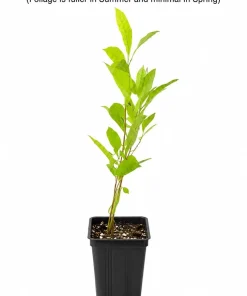
Bring native beauty to your landscape with this northern spicebush live plant. Approximately 8-14 inches tall and shipped in a quart pot, this fragrant shrub is perfect for attracting wildlife and adding seasonal interest. Enjoy its aromatic leaves and vibrant berries.
“, “long_description”: “
Overview
n
Introduce a touch of natural elegance and ecological value to your garden with the northern spicebush live plant. This versatile and aromatic shrub, scientifically known as Lindera benzoin, is a highly sought-after native species cherished for its year-round interest and benefits to local wildlife. Our healthy spicebush seedling arrives approximately 8-14 inches tall, meticulously grown and shipped in a quart pot, ready to thrive in your outdoor space. Known for its fragrant leaves and stems, this plant provides a delightful sensory experience, especially when its foliage is gently crushed. Beyond its aesthetic appeal, the northern spicebush live plant plays a crucial role in supporting biodiversity, making it an excellent choice for natural landscapes, woodland gardens, and butterfly habitats. Its adaptability and low-maintenance nature ensure that both seasoned gardeners and novices can enjoy its beauty and ecological contributions for many years.
nn
Key Benefits
n
The northern spicebush live plant offers a multitude of advantages, transforming your garden into a vibrant, fragrant, and wildlife-friendly sanctuary. Its unique characteristics make it an indispensable addition to any thoughtful landscape design.
n
- n
- Fragrant Foliage: Experience the sweet, spicy aroma emanating from the leaves and stems. This delightful scent is particularly noticeable when the foliage is brushed or crushed, adding an immersive sensory dimension to your garden. The fragrant nature of the spicebush makes it a unique and appealing plant.
- Wildlife Habitat: This plant is a magnet for local wildlife. It serves as the exclusive host plant for the stunning Spicebush Swallowtail butterfly, whose caterpillars feed on its leaves. Additionally, its bright red berries in the fall provide a vital food source for numerous bird species, enhancing your garden’s ecological value.
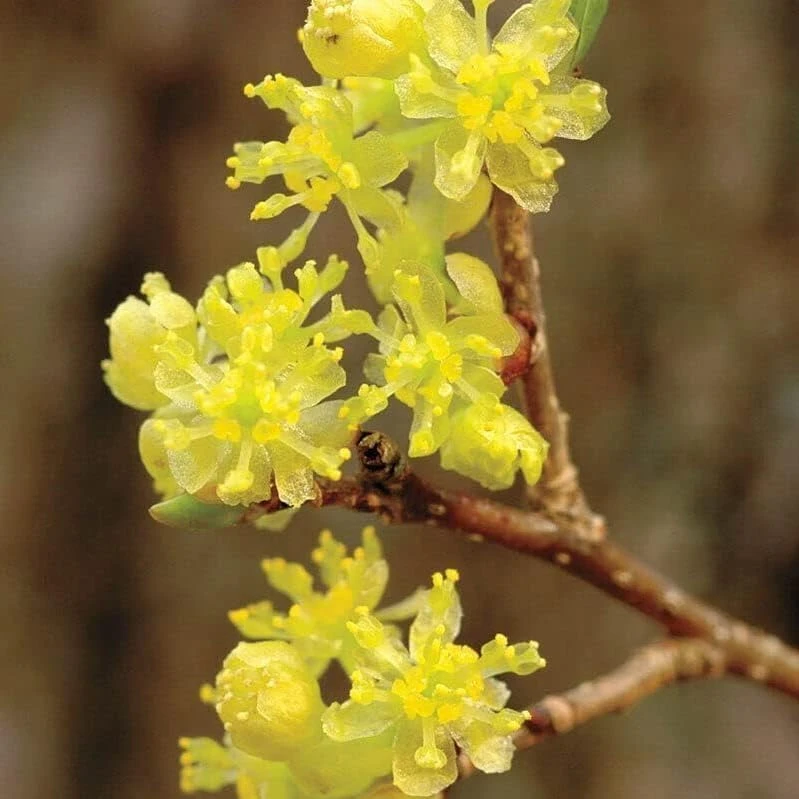
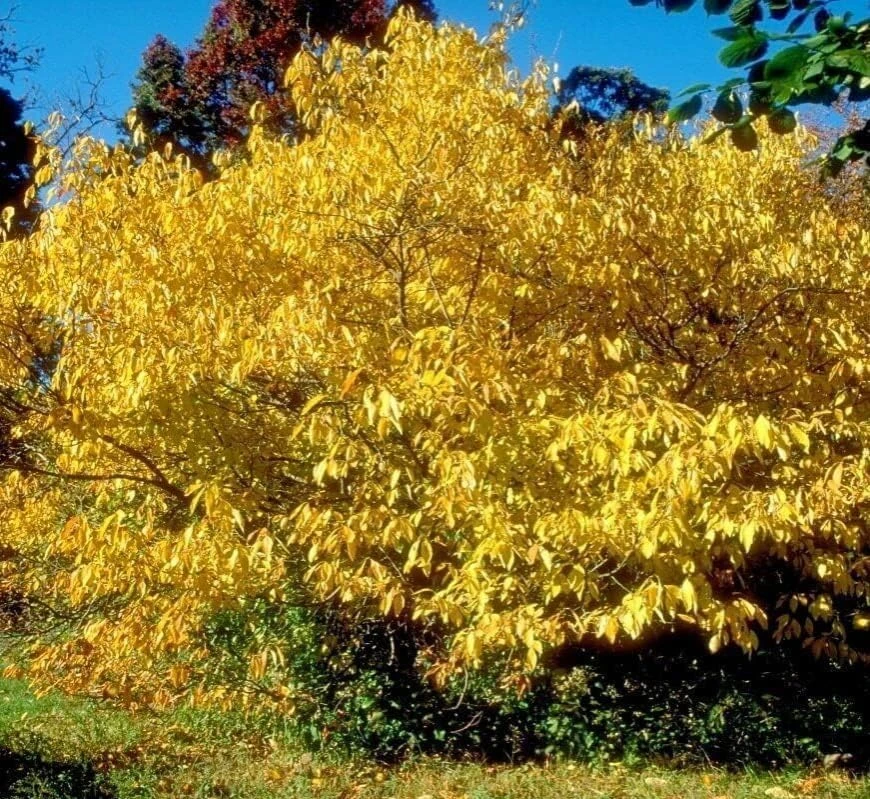
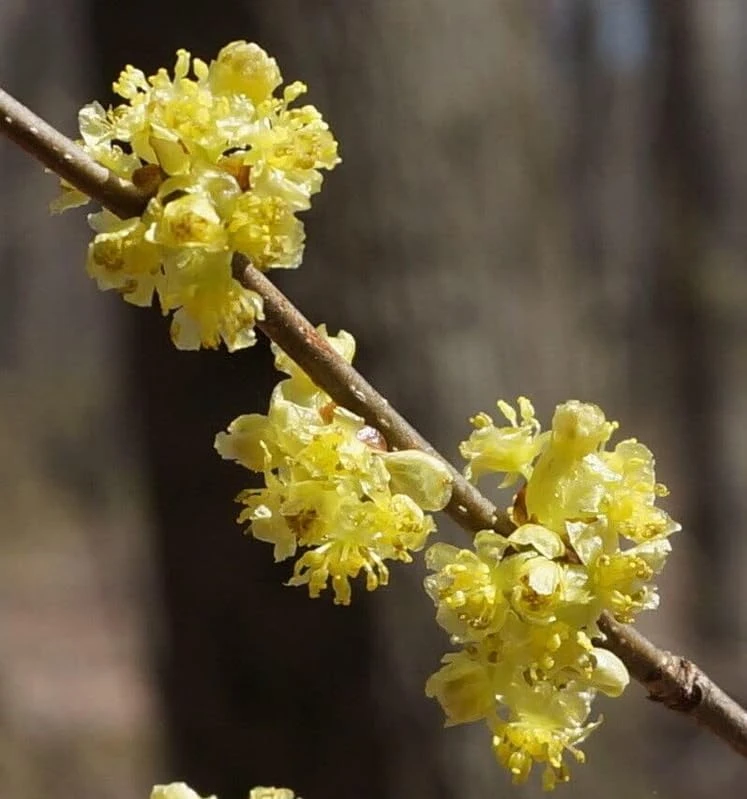
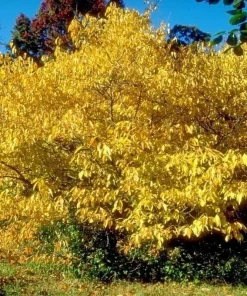
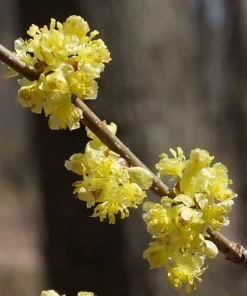
- Seasonal Interest: Enjoy continuous visual appeal throughout the year. In early spring, the northern spicebush live plant bursts with clusters of small, bright yellow flowers, providing an early splash of color. These are followed by lush green leaves in summer and then by vibrant red berries in autumn, ensuring beauty across multiple seasons.
- Shade Tolerance: Highly adaptable, the spicebush thrives in various light conditions. It performs exceptionally well in full to partial shade, making it an ideal understory plant for woodland gardens or areas of your yard that receive less direct sunlight. This versatility allows for greater flexibility in planting locations.
- Low Maintenance: This native shrub is remarkably easy to care for, requiring minimal intervention once established. Its resilience to common pests and diseases, coupled with its adaptability to different soil types, makes it a perfect choice for gardeners seeking a beautiful yet undemanding plant.
- Native Plant Benefits: As a native species, the lindera benzoin plant is well-suited to local climates and ecosystems. It contributes to local biodiversity, supports pollinators, and generally requires less water and fertilizer than non-native alternatives, promoting a healthier environment.
n
n
n
n
n
nn
Plant Care & Growing Tips
n
Caring for your northern spicebush live plant is straightforward, ensuring it flourishes and enriches your garden for years to come. Understanding its basic needs will help you cultivate a robust and beautiful shrub.
n
For optimal growth, the northern spicebush live plant prefers a location with partial shade to full shade, especially in warmer climates where afternoon sun can be intense. It can tolerate some morning sun but thrives best with protection from the harshest rays. Aim for a spot that receives 3-6 hours of indirect sunlight daily. When it comes to watering, consistent moisture is key, particularly during dry spells and in its first year of establishment. The soil should remain consistently moist but not waterlogged, so ensure good drainage. Well-draining, organically rich soil is ideal, with a slightly acidic to neutral pH (6.0-7.0).
n
The spicebush is hardy in USDA Zones 4-9, making it suitable for a wide range of climates. It’s quite tolerant of cold temperatures once established. Fertilization is not typically necessary for established plants in rich soil, but a balanced, slow-release granular fertilizer can be applied in early spring for younger plants or those in poorer soils. Pests and diseases are generally not a major concern for this resilient native shrub. Pruning is minimal, mainly to remove dead or damaged branches, or to shape the plant after it has established itself. Ensure proper air circulation around the plant to prevent fungal issues. This robust fragrant native shrub is an excellent choice for those seeking a low-maintenance yet impactful addition to their landscape.
nn
Size & Details
n
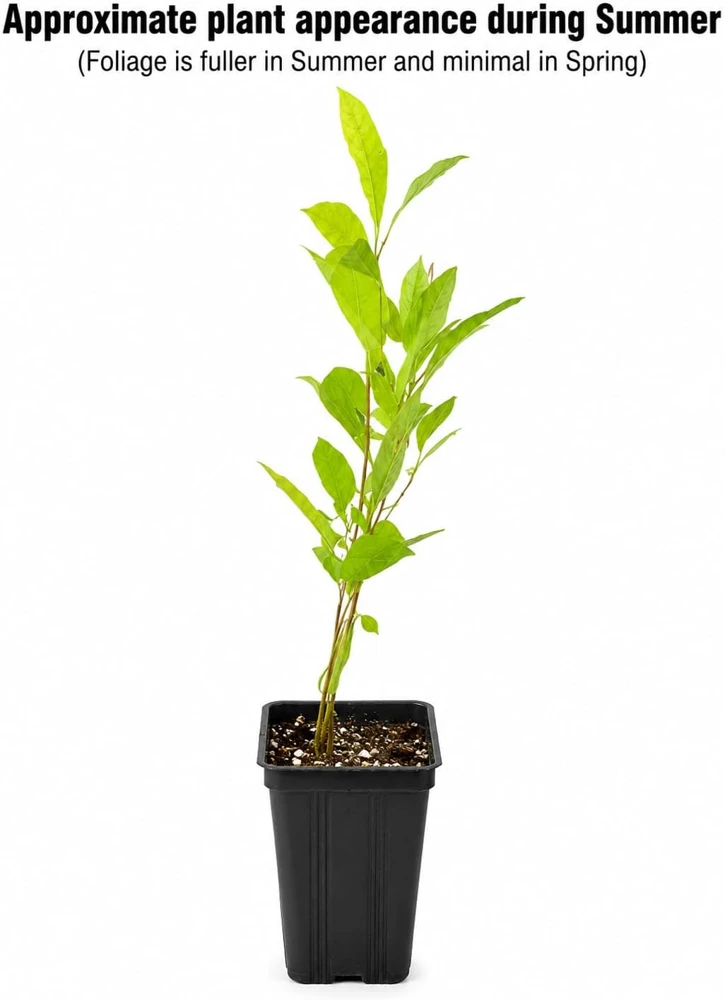
Your northern spicebush live plant will arrive as a healthy seedling, approximately 8-14 inches tall, meticulously grown and shipped in a quart-sized nursery pot. This size is ideal for planting, allowing the roots to establish quickly in your garden. Spicebush is a moderately fast-growing deciduous shrub, typically reaching a mature height of 6-12 feet with a similar spread. Its growth rate can vary depending on growing conditions, but you can expect noticeable growth within the first few seasons. The plant is shipped in its container with soil, ensuring minimal transplant shock and a smooth transition to its new environment. Expect the plant to begin flowering in early spring, with berries developing through the summer and ripening to a vibrant red in the fall.
nn
Frequently Asked Questions
n
- n
- Q: How big does this spicebush plant get? A: A mature northern spicebush live plant typically reaches a height of 6 to 12 feet and can have a similar spread, forming a handsome, rounded shrub. Its ultimate size can depend on growing conditions and climate.
- Q: What size pot does it come in? A: Your spicebush seedling is shipped in a quart-sized nursery pot, which provides ample space for its initial root development and ensures it arrives healthy and ready for planting.
- Q: Is this an indoor or outdoor plant? A: The northern spicebush live plant is an outdoor plant, best suited for gardens and natural landscapes. It thrives in various outdoor conditions and is not typically grown as a houseplant.
- Q: How much sunlight does it need? A: Spicebush prefers partial to full shade. It can tolerate some morning sun but benefits from protection from intense afternoon sun, especially in warmer climates.
- Q: Is this plant easy to care for? A: Yes, the spicebush care requirements are relatively low. It’s known for its adaptability and resilience, making it an excellent choice for gardeners of all experience levels.
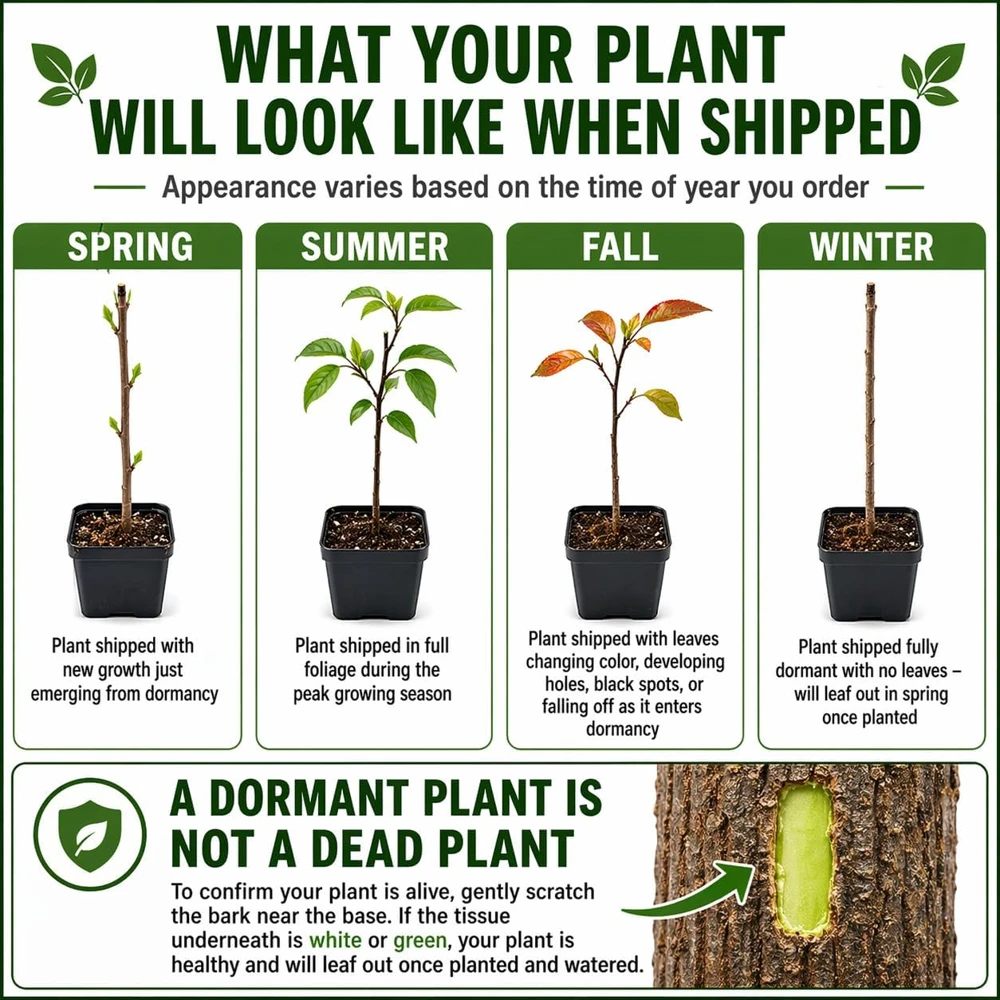
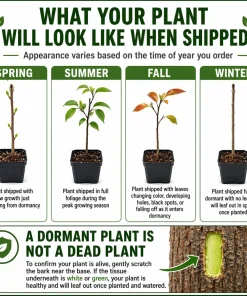
- Q: What condition will it arrive in? A: Your northern spicebush live plant will arrive as a healthy, actively growing seedling in its quart pot, packed carefully to ensure safe transit and minimal stress.
- Q: Can this plant attract butterflies? A: Absolutely! The spicebush is a crucial host plant for the Spicebush Swallowtail butterfly. Planting it is a great way to support these beautiful pollinators and add ecological value to your garden, making it an ideal spicebush swallowtail host plant.
- Q: When is the best time to plant a spicebush? A: The best time to plant spicebush is in spring or early fall, allowing the plant sufficient time to establish its root system before extreme weather conditions.
- Q: What USDA hardiness zones is the spicebush suitable for? A: The northern spicebush is hardy in USDA Zones 4 through 9, indicating its ability to withstand a range of winter temperatures in many regions across the United States.
- Q: Does the plant produce berries? A: Yes, female spicebush plants produce bright red berries in the fall, which are highly attractive to birds. Both male and female plants are needed for berry production, so consider planting more than one if berries are a priority.
n
n
n
n
n
n
n
n
n
n
“, “key_features”: { “usda_zone”: “USDA Zones 4-9”, “soil_type”: “Well-draining, organically rich soil”, “sunlight_exposure”: “Partial shade to full shade”, “expected_planting_period”: “Spring to early fall” } } “`
Be the first to review “Northern Spicebush Shrub – 8-14″ Tall Live Plant – Quart Pot – Fragrant Bush Seedling – Lindera Benzoin”
People Also Viewed
Reviews
There are no reviews yet.