

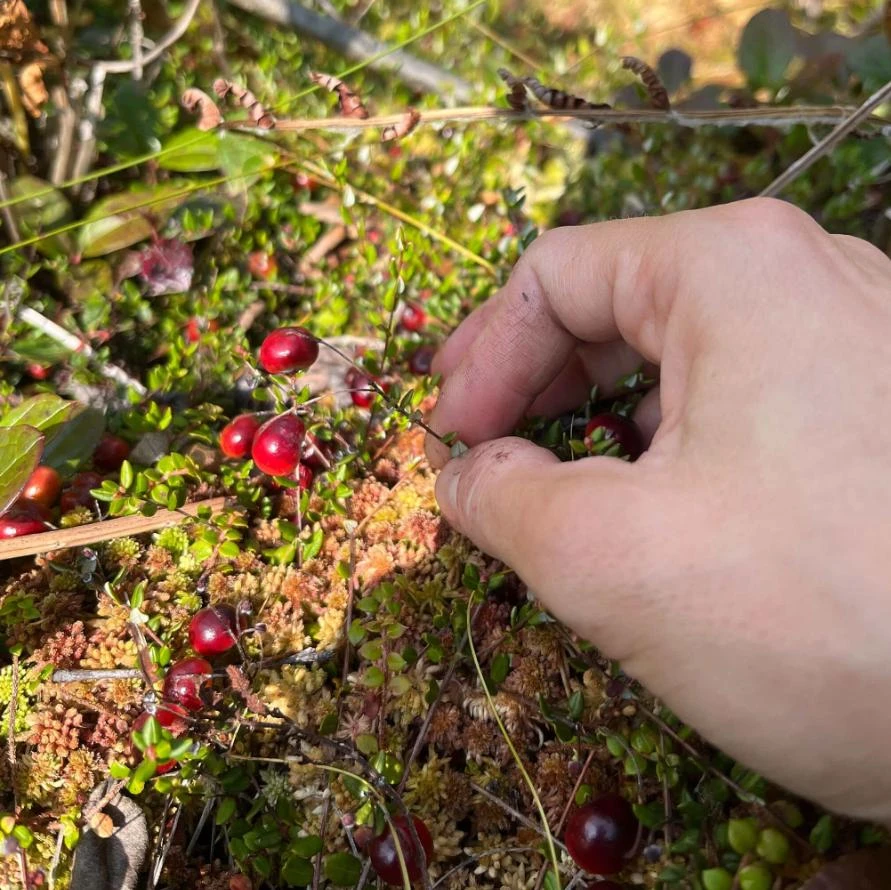
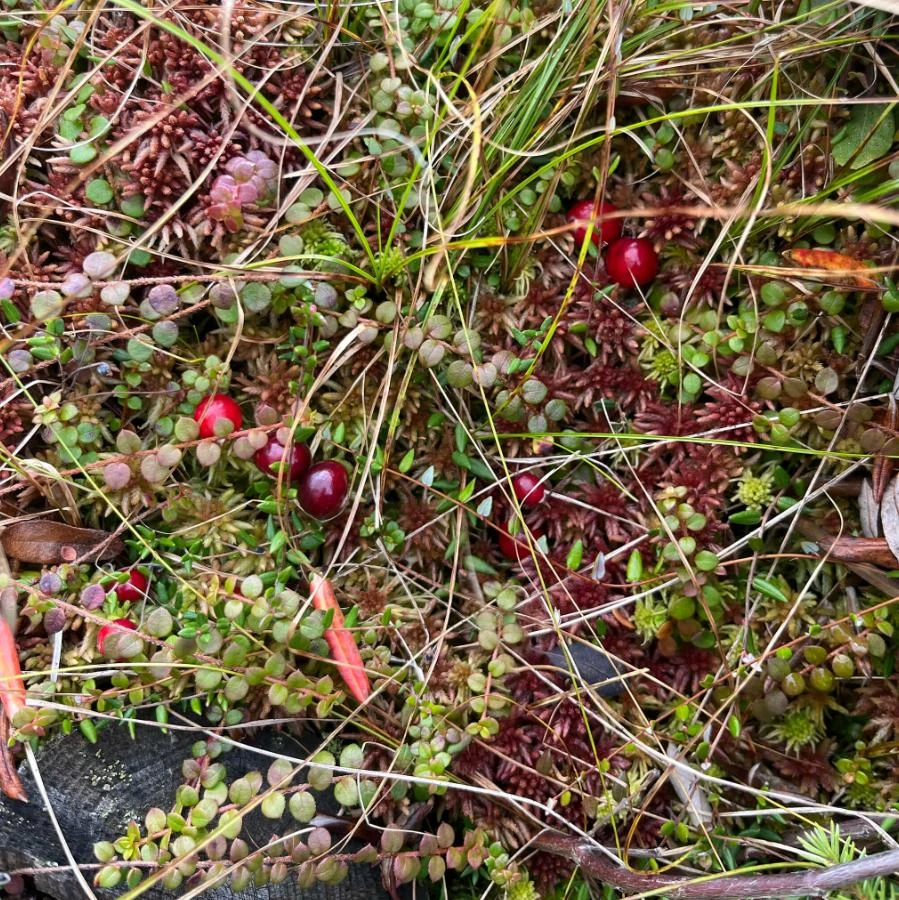
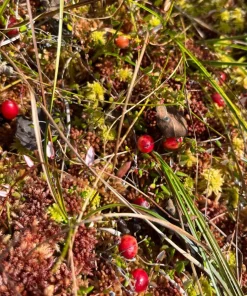
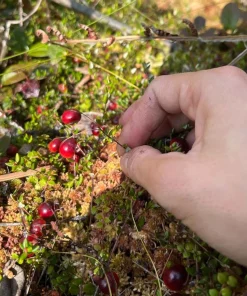
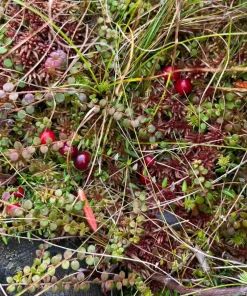
Cranberry Live Plant – Small Evergreen Groundcover Vine – Edible Berries – 3 inch Pot
Original price was: $43.99.$23.99Current price is: $23.99.
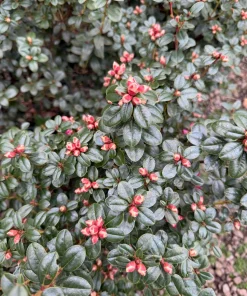
Bring a cranberry live plant to your garden! This small, potted evergreen groundcover vine produces delicious, tart berries. Ideal for edible landscapes and wetland-style gardens, offering a beautiful and productive addition.
Estimated arrival
Sep 29
Oct 04 - Oct 06
Oct 09 - Oct 13
Shop With Confidence
30-Day Plant Health Guarantee
Arrives damaged? We’ll replace it free — see our return policy.
Responsive Support
Email us anytime, we reply within 1 business day.
Expert Packaging
Temperature-controlled shipping to protect your plants in transit.
Secure Checkout
Pay safely with Visa, Mastercard, PayPal.
Plant Specifications
-
USDA Hardiness Zone
USDA Zones 2-7 -
Soil Type
Acidic, peat-rich, consistently moist soil -
Sunlight Exposure
Full sun -
Expected Planting Period
Spring to early summer
Overview
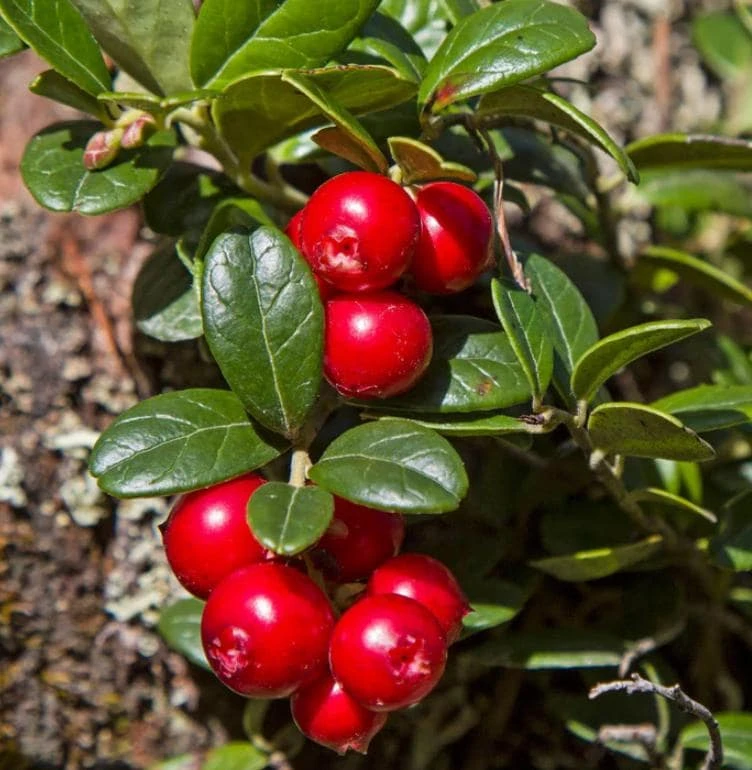
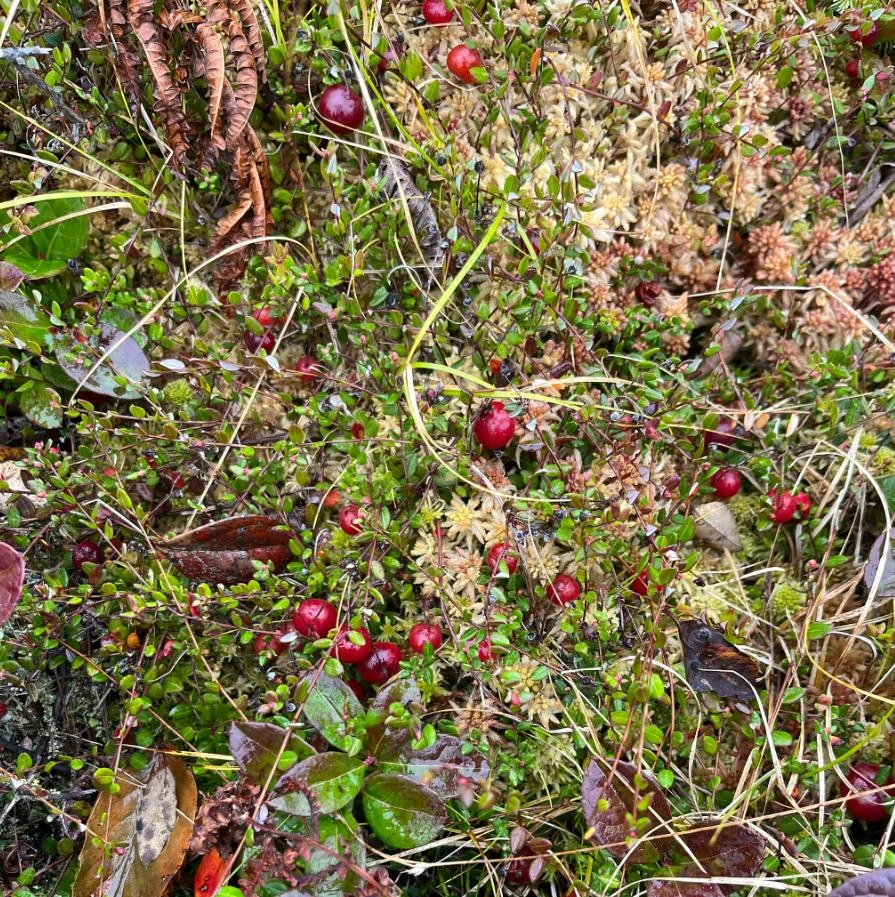
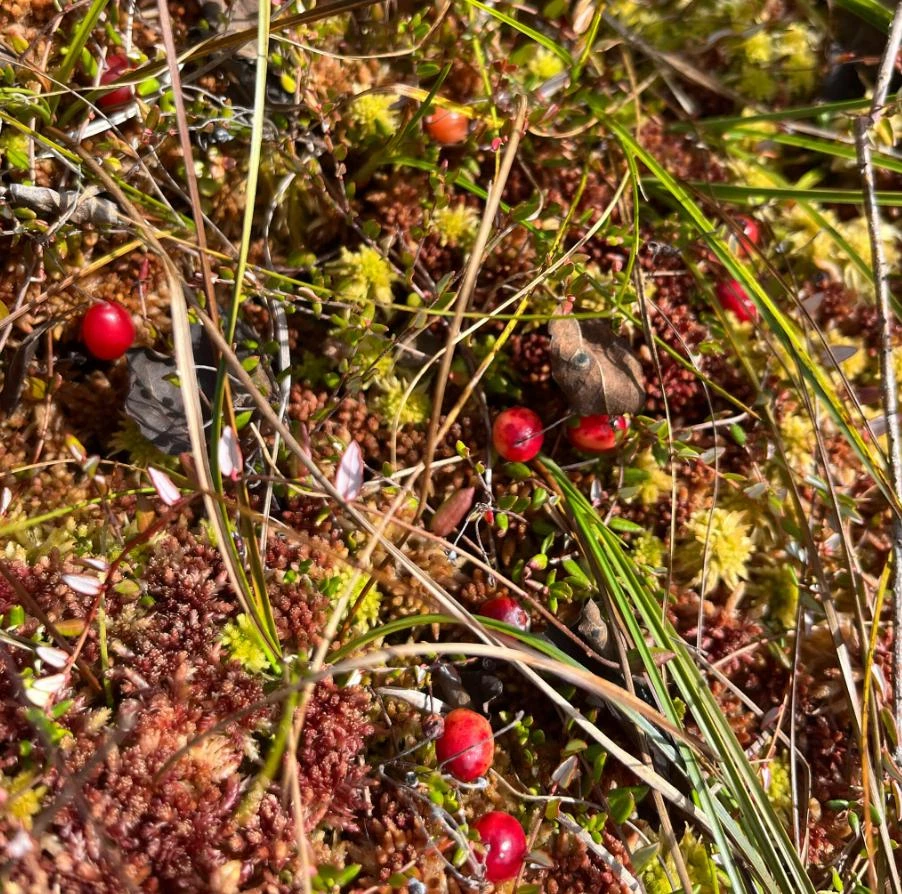
Introduce a classic and resilient fruiting plant to your landscape with this cranberry live plant. Known botanically as Vaccinium macrocarpon, the American Cranberry is a small, evergreen perennial groundcover vine that adds year-round interest and produces delectable, tart red berries. Perfect for those looking to cultivate their own fruit or seeking a low-maintenance, spreading plant, this cranberry live plant is shipped as a small starter specimen, ready to be transplanted into your garden. Its unique growth habit and cold-hardiness make it an excellent choice for a variety of outdoor settings, particularly in cooler climates where it can thrive and form dense, attractive mats of foliage.
This versatile plant is not only productive but also highly ornamental, making it a valuable addition to edible landscapes, naturalized areas, or even as an attractive groundcover. Enjoy the vibrant green foliage throughout the year, followed by the rewarding harvest of its distinctive fruit. Growing your own edible cranberry berries is a fulfilling experience, providing fresh ingredients for culinary creations and a beautiful, living carpet for your garden.
Key Benefits
Cultivating a cranberry live plant offers numerous advantages, from its aesthetic appeal to its practical uses and ecological benefits. This hardy vine is a testament to nature’s resilience and generosity, providing beauty and sustenance in one package.
- Produces Edible Fruit: Enjoy a reliable harvest of tart red cranberries, perfect for sauces, juices, baking, or fresh consumption. Growing your own ensures a fresh, organic supply of these nutritious berries.
- Evergreen Foliage: Maintains vibrant green leaves throughout the year, providing continuous visual interest and a lush appearance even in winter. This makes it an excellent choice for consistent garden beauty.
- Effective Groundcover: Its low-growing, spreading habit forms a dense mat, helping to suppress weeds and prevent soil erosion. It’s an ideal choice for covering large areas, especially in wetland-style gardens.
- Cold-Hardy & Resilient: Exceptionally tolerant of cold temperatures, making it suitable for a wide range of climates (USDA Zones 2-7). This cold-hardy fruit plant requires minimal winter protection in most regions.
- Low Maintenance: Once established, this plant is relatively easy to care for, requiring consistent moisture and acidic soil but minimal pruning. It’s a great option for gardeners seeking a productive yet undemanding plant.
- Attracts Pollinators: Its small flowers attract beneficial pollinators, contributing to the biodiversity and health of your garden ecosystem.
- Native North American Plant: Being native to North America, it is well-adapted to local conditions and supports local wildlife, making it an environmentally friendly choice.
Plant Care & Growing Tips
Ensuring the success of your cranberry live plant involves understanding its specific environmental needs, particularly regarding soil and moisture. These plants thrive in conditions that mimic their natural boggy habitats, making consistent care crucial for a bountiful harvest of edible cranberry berries.
Sunlight Requirements: Cranberries flourish in full sun, meaning they need at least 6-8 hours of direct sunlight per day to produce the best fruit. While they can tolerate partial shade, fruit production may be reduced. Choose a location in your garden that receives ample sun exposure throughout the day for optimal growth and berry development.
Watering and Soil: The most critical aspect of cranberry plant care is consistent moisture. Cranberries prefer consistently moist, even bog-like, conditions. The soil should never be allowed to dry out completely. They also require highly acidic, peat-rich, well-draining yet moisture-retentive soil. A soil pH between 4.0 and 5.5 is ideal. Incorporating peat moss or elemental sulfur can help achieve and maintain the necessary acidity. For container growing, use an acidic potting mix designed for blueberries or rhododendrons.
Temperature and Hardiness: This is a very cold-hardy fruit plant, thriving in USDA Zones 2-7. It is well-suited to cooler climates and can withstand harsh winter conditions without special protection. Ensure the plant is well-established before the first frost. Fertilize lightly in early spring with an acid-loving plant fertilizer. Minimal pruning is required; trim to control spreading or remove any dead/damaged foliage as needed. Overwintering is generally not an issue in its suitable zones.
Size & Details
This offering is for one cranberry live plant, supplied as a small starter specimen. Each plant is grown in an individual 3-inch nursery pot, providing a healthy root system ready for transplanting. While the exact height may vary slightly upon shipping, these are young plants designed for establishment in your garden. The mature plant is an evergreen groundcover vine, typically spreading low to the ground, forming dense mats that can cover significant areas over time. Expect the plant to establish and begin producing fruit within a year or two of planting, with increasing yields as it matures.
The pot size specifically refers to the root system’s volume, not the plant’s above-ground height. These plants are ideal for planting in spring or early summer to allow ample time for establishment before the colder months. With proper care, your cranberry live plant will develop into a robust and productive part of your edible landscape, providing long-term harvests of delicious berries.
Frequently Asked Questions
- Q: How big does this cranberry live plant get? A: This is a small starter plant shipped in a 3-inch pot. As an evergreen groundcover vine, it will spread low to the ground, forming dense mats that can cover several square feet once mature.
- Q: Is this an indoor or outdoor plant? A: The cranberry live plant is an outdoor plant, best suited for gardens and landscapes where it can receive full sun and consistent moisture. It thrives in cooler climates.
- Q: How much sunlight does a cranberry plant need? A: Cranberry plants require full sun, ideally 6-8 hours of direct sunlight daily, to ensure healthy growth and optimal fruit production.
- Q: Is this plant easy to care for? A: While it has specific needs for acidic and consistently moist soil, once these conditions are met, the cranberry live plant is relatively low-maintenance, making cranberry plant care manageable for many gardeners.
- Q: What condition will the plant arrive in? A: Your cranberry live plant will arrive as a young starter specimen in a 3-inch nursery pot, with a healthy root system, ready for transplanting. Appearance may vary slightly from photos.
- Q: Can I use the cranberries for cooking? A: Yes, the plant produces edible cranberry berries that are tart and perfect for various culinary uses, including sauces, jams, juices, and baked goods.
- Q: Will this cold-hardy fruit plant survive winter in my zone? A: Cranberry plants are very cold-hardy fruit plant varieties, suitable for USDA Zones 2-7. They generally do not require special winter protection in these climates.
- Q: What kind of soil does a cranberry plant prefer? A: Cranberries require highly acidic (pH 4.0-5.5), peat-rich, well-draining yet consistently moist soil. Amending with peat moss is often recommended.
- Q: How long until it produces berries? A: Your cranberry live plant may begin producing berries within a year or two of planting, with yields increasing as the plant matures and establishes itself.
- Q: What is the best time to plant a cranberry plant? A: The ideal time to plant a cranberry live plant is in spring or early summer, allowing it ample time to establish before the onset of colder weather.
Be the first to review “Cranberry Live Plant – Small Evergreen Groundcover Vine – Edible Berries – 3 inch Pot”
People Also Viewed


Vegetable Seeds
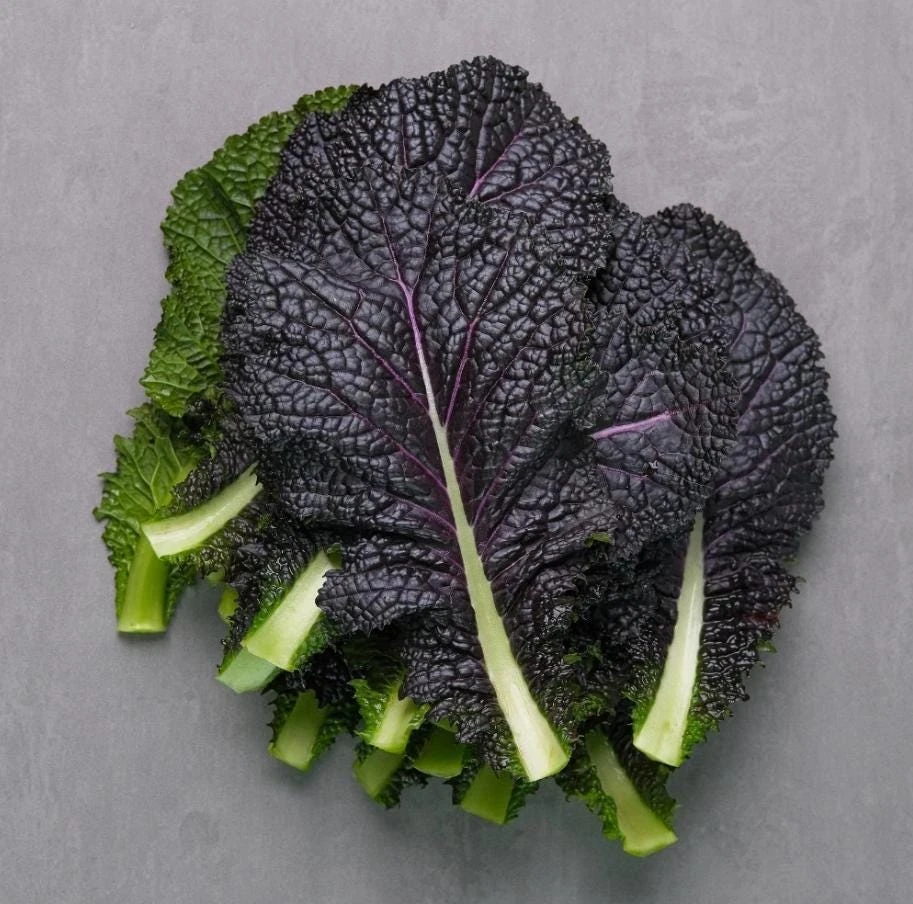
Red Mustard Seeds for Planting – Red Giant Gai Choy – 300 Seeds
Reviews
There are no reviews yet.